What Is Tumble Dry Low? A Complete Guide to Safe and Effective Drying
Tumble dry low means drying clothes in a dryer at a low heat setting, usually around 125°F to 135°F. This setting reduces the risk of heat damage, shrinking, and fading, making it ideal for delicate fabrics and mixed loads. Knowing what is tumble dry low helps you protect your clothes and extend their lifespan while drying efficiently. This article offers clear insights on how to use this setting safely, what fabrics work best with it, and practical tips to avoid common drying mistakes.
This information suits anyone handling laundry at home, especially if you want to keep your garments in good condition longer. You’ll learn when to use low heat, how to prepare your clothes, and how different dryer settings compare. Proper drying saves time and energy while preserving your household textiles.
Key Takeaways
- Tumble dry low typically uses temperatures between 125°F and 135°F to protect fabrics from damage.
- The tumble dry low symbol is a circle inside a square with one dot, indicating safe low-heat drying.
- Delicate fabrics like silk, cotton, linen, and Spandex workout clothes should be dried on low heat or air-dried.
- Low heat drying helps avoid shrinking, stretching, and color fading, extending the life of your clothes.
- Sorting laundry by fabric type and drying instructions is essential to prevent damage during low-heat cycles.
- Low-heat cycles usually take less time than higher heat but may require longer drying for heavy fabrics.
What Does Tumble Dry Low Mean and Its Temperature Range?
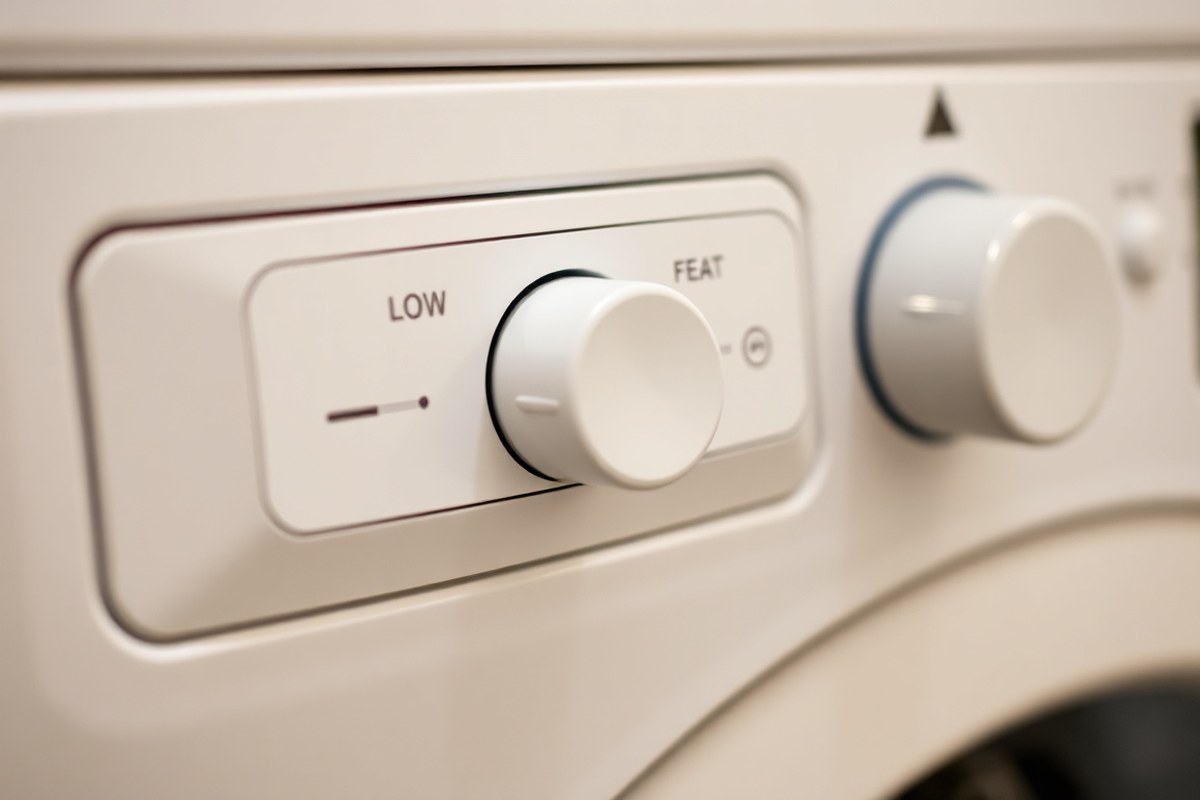
Tumble dry low means drying clothes in a dryer at a reduced heat setting, usually around 125°F or lower. This setting is designed for delicate fabrics that can shrink, lose shape, or get damaged at higher temperatures. You set your dryer to a low heat or delicate cycle to protect these items while drying them efficiently.
Definition of Tumble Dry Low
Tumble dry low refers to a drying cycle that uses lower than usual heat to dry laundry gently. It keeps the dryer drum tumbling clothes while applying heat that is significantly cooler than medium or high settings. The objective is to reduce fabric stress caused by heat, preventing shrinkage, fading, and fiber damage. This setting is ideal for delicate garments, synthetic blends, and items with elastic fibers like Spandex, which can lose their stretch with higher temperatures.
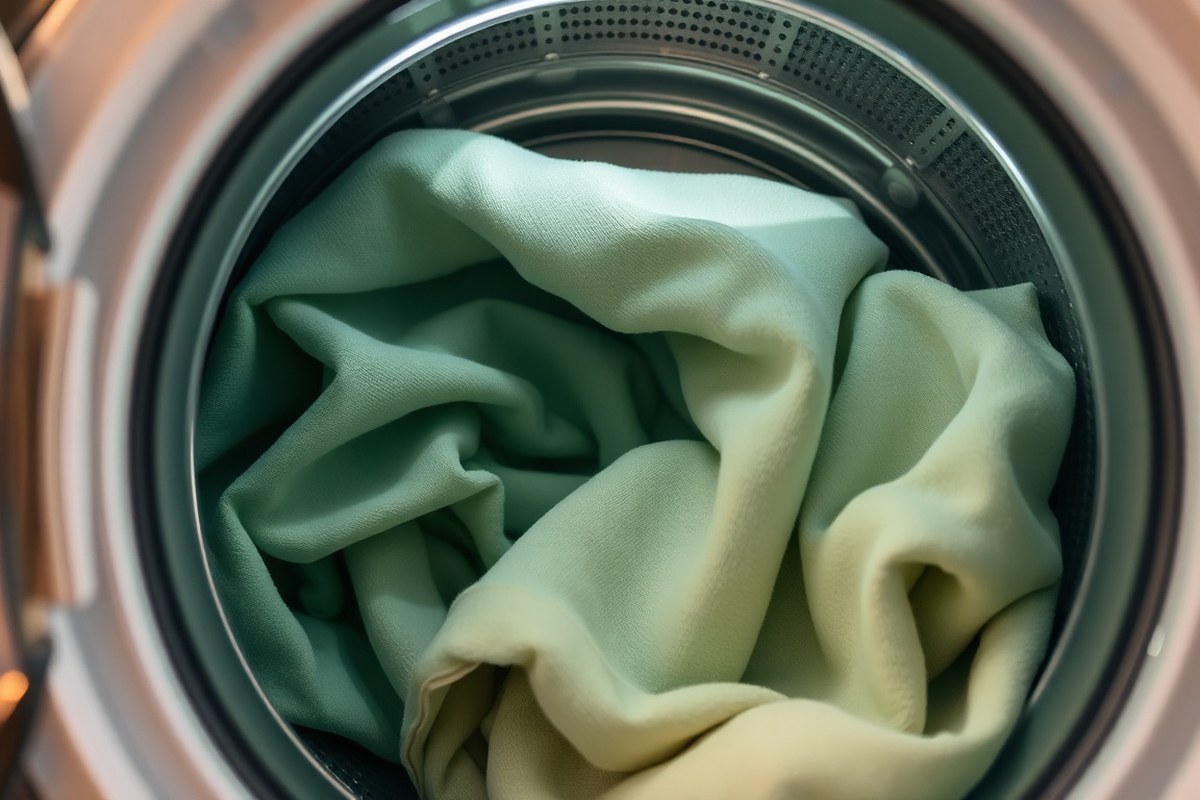
To set your dryer to tumble dry low, select the “Low Heat,” “Delicate,” or “Gentle” cycle button, depending on your model. Some dryers have a specific “Tumble Dry Low” function, while others combine low heat with a slower or gentler tumbling speed. You load clothes loosely so hot air circulates evenly, then start the cycle using the labeled controls or settings listed in your dryer’s handbook.
Typical Temperature Range (ISO and ASTM Standards)
Temperatures associated with tumble dry low vary slightly across standard-setting organizations but generally stay within the 120°F to 135°F range. According to ISO 3758, there are two heat levels for tumble drying: one dot inside a square representing reduced heat, roughly around 125°F. ASTM D5489 provides a three-dot scale, where one dot stands for low heat, typically closer to 120°F to 130°F. Some sources mention 60°C (about 140°F) as an approximate upper limit, but most dryers use settings between 120°F and 135°F for low heat.
Low heat is distinct from medium or permanent press settings, which can reach around 135°F, and high or normal heat cycles, often at or above 135°F. The difference may seem small numerically but enough to protect sensitive fibers. Also, the drying time on low heat is usually longer, helping prevent over-drying and reducing wear on delicate textiles.
Common Care Label Symbols for Low Heat
Garment care labels use symbols to communicate drying instructions, and tumble dry low is identified by a square with a circle inside containing a single dot. This symbol tells you the item should only be dried on a low heat tumble cycle to avoid damage. Look for this icon next to drying instructions on the label before placing clothes in your dryer.
Other related symbols include a square with a circle and two dots, indicating medium heat, and a square with three dots for high heat. A circle without dots inside a square means tumble drying without heat or air fluff, which is suitable for very delicate fabrics. Reading these labels carefully can help you choose the appropriate dryer settings to keep your clothes looking their best.
How Tumble Dry Low Protects Fabrics and Extends Clothing Life

Tumble drying on low heat gently dries your clothes by using a temperature typically under 140°F (60°C). This slower, cooler process reduces stress on fabric fibers, helping them maintain their shape and strength. Fibers like cotton and synthetics retain flexibility better without exposure to the high heat that can cause them to stiffen, weaken, or shrink. Elastane, commonly found in stretch garments, is especially vulnerable to heat damage. High temperatures cause elastane fibers to lose elasticity, crack, or degrade faster, meaning your clothes lose their stretch and fit more quickly.
Using high heat speeds up drying but risks damage like shrinkage, melting, or warping fabric fibers. For example, cotton items often shrink under high heat, and delicate fabrics can weaken or roughen. Elastane-based materials are particularly affected because the heat breaks down the stretchy fibers, leading to stretched-out knees and lost shape. Low heat not only protects these delicate fibers but also avoids the harsh tumbling impact combined with heat that accelerates wear and tear.
To avoid shrinking or damaging your clothes, select the tumble dry low setting especially for clothes with elastane, fine fabrics like silk or wool, and items with close fits such as bamboo sweatshirts. These fabrics benefit from the gentler heat which also helps maintain fabric smoothness and softness. Dryer cycles on low heat usually take longer than regular or high heat cycles, sometimes by 20 minutes or more, but the tradeoff is clothes that last significantly longer. For instance, a bamboo sweatshirt can retain its fit and softness about twice as long thanks to reduced elastane stress. If you dry on low heat, your clothes keep the cool, smooth feel and avoid the shrinkage and fiber damage often caused by hotter settings.
When using the low heat cycle, make sure your dryer’s lint filter is clean to keep airflow steady and drying efficient. Overloading the dryer can prevent adequate tumbling and expose some areas to higher heat than intended, increasing wear. Regularly service your dryer to ensure it operates at peak temperature accuracy and avoid accidental overheating. Low heat also works well for air fluff cycles to refresh clothes without drying them fully, which protects fabrics and garments sensitive to heat or moisture loss.
Always check the care label before tumble drying; misusing heat settings can shrink or damage fabrics that require low or no heat drying.
Which Fabrics and Clothes Should You Tumble Dry on Low Heat?
Tumble drying on low heat suits fabrics that are delicate or prone to shrinkage or damage at high temperatures. Materials like silk, wool, and certain cotton garments benefit from a low heat cycle. This setting is designed to gently dry clothes while protecting their fibers, helping you avoid problems like shrinking, warping, or color fading.
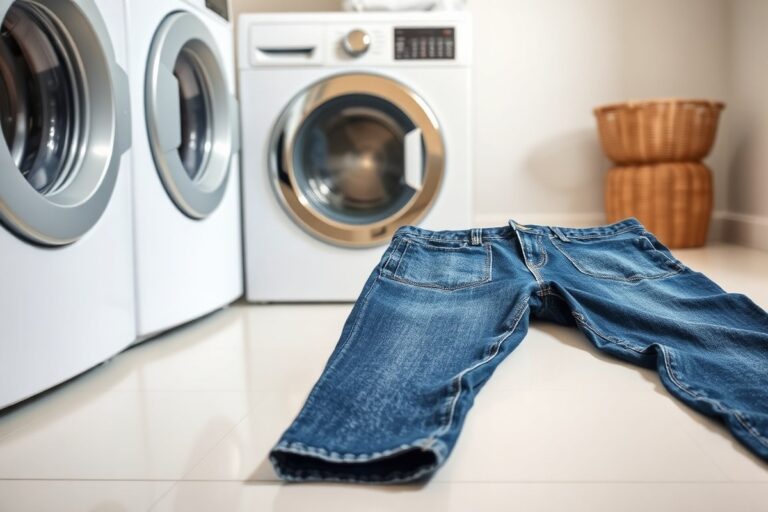
Not all clothes can be tumble dried on low heat, and some shouldn’t be tumble dried at all. Heavy fabrics like denim and towels handle higher heat better and don’t need the low setting. Conversely, some clothes made from very delicate materials or those containing trims, embellishments, or elastic components may need air drying or line drying to preserve their shape and function.
Tumble dry low is not exactly the same as a delicate or gentle cycle, although they often overlap. The low heat setting focuses on reducing temperature, usually below 130°F (54°C), to prevent fabric stress. The delicate cycle usually adds gentler tumbling action and shorter cycles to reduce mechanical wear. Always check your dryer’s settings to confirm if the low heat and delicate cycles are combined or separate.
- Silk garments: use tumble dry low to avoid shrinkage and fiber damage
- Wool items: low heat prevents felting and shrinking
- Cotton clothing labeled “tumble dry low”: protects softness and shape
- Some synthetic fabrics: low heat reduces static and melting risk
- Heavy-duty fabrics (denim, towels): better on medium or high heat
- Delicate trims or elastic: usually require air drying to avoid damage
- Clothes with “do not tumble dry” symbols: avoid dryer completely
Using the right cycle with the appropriate heat and tumble intensity also depends on avoiding overloading the dryer. Filling the drum too much prevents proper airflow around clothes, resulting in uneven drying and longer drying times. To do it right, sort your laundry by fabric type and weight, then select “low heat” or “delicate” cycles for delicate items. Leave enough space in the drum for clothes to move freely and dry evenly. Always check garment care labels; look for a plain circle inside a square symbol indicating safe tumble drying. A circle with an X means the garment should never be tumble dried.
How Long Does the Tumble Dry Low Cycle Usually Take?
Tumble drying on a low heat setting usually takes longer than drying on a regular or high heat cycle. Expect the drying time to run about 20 to 30 minutes longer when you use the low heat option on a full load of laundry. This slower process helps protect delicate fabrics by applying gentler heat, which reduces the risk of shrinkage or damage.
The exact drying time depends on several factors. The size of the load is significant; a full drum of clothes will take more time to dry at low heat compared to a smaller load. The fabric type also plays a role. Light fabrics like synthetics or activewear designed for low heat may dry faster than thick cotton towels or denim, even with the same setting. Clothes that retain more moisture require longer drying periods.
Another influence on drying time is the dryness level you select, if your dryer has that option. Choosing a “less dry” setting wastes less energy but may mean you’ll need to air dry the clothes for longer after the cycle finishes. Modern dryers with moisture sensors can shorten the cycle by stopping when the lowest safe moisture level is reached.
You can check if your clothes are dry by taking them out near the end of the cycle and feeling them for dampness. Stretchy items like workout gear or t-shirts should feel light and not cold or heavy with wetness. For bulky items, test thicker areas like folds or seams that tend to hold moisture longer. If you find damp spots, run a few more minutes of drying on low heat rather than high heat to avoid overstressing the fabric.
To dry efficiently using a low heat setting, it helps to separate loads by fabric type and thickness. For example, dry items like polyester or nylon on low heat in one load, and sturdier cotton or denim separately on normal settings. This prevents over-drying delicate garments and reduces total drying time across multiple loads. Avoid crowding the drum to maintain airflow and promote even drying, which can cut down on extra time needed.
Keep in mind that deliberately opting for low heat costs more time but conserves fabric quality and may extend the life of your clothes. The tradeoff is between drying speed and preserving your garments. Using low heat on a full load usually takes about 40 to 60 minutes, depending on the factors above. Smaller loads may dry in 30 to 45 minutes.
How to Sort and Prepare Laundry for Tumble Drying on Low Heat
Sorting laundry before tumble drying on low heat helps protect your clothes and improves drying efficiency. Group similar fabrics like thin cotton shirts or stretchy activewear together, since these dry at comparable rates on low heat. Avoid mixing heavy items like towels or denim with lighter fabrics to prevent over-drying or uneven drying. Checking care labels is essential to confirm that tumble drying on low heat is safe for each garment.
Load size also matters. Smaller loads allow better air circulation, ensuring clothes dry evenly without excessive tumbling. Filling the dryer too full can trap moisture, causing longer drying times or damp spots. Aim for about two-thirds of the drum capacity for optimum airflow and gentle tumbling.
- Sort laundry by fabric weight and texture
- Double-check care labels for drying instructions
- Limit each load to roughly two-thirds of the drum capacity
- Shake out items before placing in the dryer to reduce wrinkles
- Use dryer balls or clean tennis balls to improve air flow and reduce static
- Remove delicate items promptly to avoid excess heat exposure
- Consider partial drying for clothes you want to refresh, then air dry fully
Preparing your laundry properly can also help refresh clothes without fully drying them. Running a short low heat tumble cycle for 10 to 15 minutes can reduce wrinkles and odors, especially if the clothes are lightly worn. This method uses less energy and lowers wear on garments by avoiding prolonged heat exposure. For thorough drying, time frames vary but typically range from 30 to 60 minutes depending on load size and fabric type under low heat settings.
Always prioritize checking fabric care labels before tumble drying on any setting to avoid shrinkage or damage.
Using these steps reduces risks such as overdrying or uneven moisture, both of which can lead to fabric weakening or discomfort when wearing. Proper sorting and load sizing also prevent the dryer from working harder than necessary, which can save energy and extend the appliance’s life. Avoid mixing heavy and lightweight items, or drying too large of a load, to ensure consistent results when tumble drying on low heat.
Tumble Dry Low vs. Other Dryer Settings: Temperature, Time, and Intensity
Tumble dry low uses gentle heat and moderate tumbling intensity, balancing fabric care and drying efficiency. It differs from delicate cycles by temperature and from air fluff by the presence of heat. Tumbling intensity shapes drying speed and wrinkle reduction, with low heat often using medium intensity to protect fabrics without extending drying time excessively. Energy use varies by heat level and cycle length.
Low Heat vs Medium Heat
Low heat cycles operate roughly between 110°F and 125°F, providing enough warmth to dry without risking shrinkage or damage. Medium heat settings run closer to 130°F to 145°F, speeding drying but increasing wear on softer fabrics. Medium intensity tumbling is common for low heat cycles, gently moving clothes to spread heat evenly without harsh agitation.
Low heat dries items slower than medium heat, typically requiring 10 to 20 minutes more per load. This tradeoff helps protect delicate or blended fabrics while conserving some energy due to the lower temperature. Medium heat works well for sturdy daily wear that tolerates faster drying.
Low Heat vs High Heat
High heat cycles can reach temperatures between 150°F and 170°F. These use stronger tumbling intensity to quickly move heavy fabrics like towels and sheets, which tolerate intense agitation and heat. High heat dries laundry fastest but raises risks of shrinking or damaging delicate fibers.
Low heat is recommended for preserving shape and texture, while high heat suits bulky or dense items requiring thorough drying. Because high heat runs shorter cycles but uses more energy per minute, total energy use can be similar or higher than low heat. High-intensity tumbling also increases wear on clothes over time.
Low Heat vs Air Fluff Setting
The air fluff setting tumbles laundry without applying heat. It runs at medium tumbling intensity but uses only room-temperature air to freshen or reduce wrinkles rather than dry wet clothes fully. This cycle takes longer if used for drying and consumes less energy because no heating element runs.
Low heat includes gentle warmth that speeds drying significantly compared to air fluff. Air fluff suits airing out clothes or delicate items that should not see heat at all, but it won’t tighten drying times. Use low heat when you want mild drying with some heat energy involved, and air fluff when avoiding any heat exposure is a priority.
| Setting | Temperature Range (°F) | Tumbling Intensity | Typical Use | Drying Time | Energy Use |
|---|---|---|---|---|---|
| Low Heat | 110, 125 | Medium | Delicates, blends | Moderate (longer than medium heat) | Moderate |
| Medium Heat | 130, 145 | Medium | Regular wear | Standard | Higher than low heat |
| High Heat | 150, 170 | High | Towels, sheets | Shortest | Highest per minute |
| Air Fluff | Room temperature | Medium | Air out, no heat | Longest if drying | Lowest |
Careful choice of heat and tumbling intensity affects drying efficiency and fabric longevity. Picking low heat with medium intensity offers a good balance between energy use and gentle drying. High heat and intensity speed drying but risk damage and higher costs. Air fluff is best for no-heat needs but does not fully dry laundry effectively.
Common Mistakes Using Tumble Dry Low and How to Avoid Them
Common mistakes when using tumble dry low often cause fabric damage or shrinking instead of protecting your clothes. Overloading the dryer is a frequent error that limits airflow, leading to uneven drying. Some garments end up bone dry while others remain damp, increasing the risk of wrinkles or mildew. Ignoring care labels also causes problems, as not all fabrics handle tumble drying, even on low heat.
Over-drying is another issue. Low heat settings reduce the risk but do not eliminate it. Leaving clothes in the dryer too long depletes fibers and fades colors. You might think low heat means a hands-off approach, but monitoring drying progress helps avoid these problems. To prevent shrinking or damage and get the best from your low heat setting, follow this checklist:
- Read and follow garment care labels for drying instructions and symbols.
- Sort laundry by fabric type, weight, and drying needs.
- Do not overload the dryer; keep space for air to circulate.
- Use sensor dry or set a moderate drying time to prevent over-drying.
- Remove clothes promptly when dry to reduce wrinkles and protect fibers.
- For delicate items, consider air drying or using an additional low heat cycle for partial drying.
- Check clothes halfway through drying to assess moisture and adjust time if needed.
Monitoring drying progress is key. Pausing the cycle midway lets you check if items are damp or dry, so you can avoid over-drying or leaving clothes too wet. This is especially important when drying mixed loads or heavier fabrics that take longer. Adjusting the time or adding a short extra cycle can save energy and protect fabrics.
When you prepare your laundry correctly, the low heat setting works efficiently to dry clothes gently without shrinking them. Avoiding common errors like ignoring labels or cramming the drum helps maintain your clothing’s shape and appearance longer. Taking a few extra minutes to sort and monitor your load prevents damage and saves on replacement or repair costs down the line.
Maintaining Your Dryer for Optimal Low Heat Performance and Efficiency
Maintaining your dryer ensures it runs efficiently on low heat settings, saves energy, and protects your clothes. Key tasks include regular lint removal, inspecting drum seals and hoses, and recognizing signs that require professional servicing.
Regular Lint Filter Cleaning
Removing lint from the filter after every drying cycle is essential to maintain airflow and prevent overheating. A clogged lint filter restricts air, causing the dryer to work harder and increasing drying time on low heat. This can also lead to safety risks like fires. Simply pull out the lint screen, brush off the lint with your hand or a soft brush, and replace the filter before starting the next load.
Deep clean the lint filter with warm soapy water every month to remove residue from fabric softeners or dryer sheets. Make sure the filter is completely dry before putting it back. Clean the surrounding lint compartment by vacuuming or wiping it out periodically to avoid buildup that can obstruct air movement.
Checking Drum Seals and Hoses
Inspecting the dryer drum seals and vent hoses helps maintain proper heat retention during low heat cycles. Worn or damaged drum seals can allow heat to escape, making the dryer less efficient and increasing drying times.
Check the drum seal by opening the door and gently pushing around the drum’s edge to detect gaps or cracks. Replace any damaged seals according to your dryer’s manual, which may cost between $20 and $50 to buy parts alone.
The vent hose should be flexible but undamaged to avoid airflow blockages. Disconnect and clean the vent hose and dryer exhaust vent every 3 to 6 months to remove lint buildup that reduces air movement and raises drying times. A clean vent also helps maintain consistent low heat temperatures and reduces energy use.
Knowing When to Service the Dryer
Professional servicing is necessary if you notice your dryer takes significantly longer than usual to dry on low heat, the drum isn’t tumbling smoothly, or the dryer stops mid-cycle. Strange noises, burning smells, or excessive heat in the laundry area also indicate problems that require expert diagnosis. Use this decision checklist to determine if a professional is needed:
- Drying times exceed 50% longer than normal on low heat
- The drum makes loud or irregular noises when turning
- Visible lint leaks around the door or vent
- Electrical issues such as frequent tripping of circuit breakers
- Burning smell during operation
- Dryer shuts off before the cycle is complete
Professional repair costs range widely, typically $100 to $300 depending on the issue and parts needed. Call a licensed technician for electrical or internal component problems to avoid injury or further damage.
Never ignore warning signs like burning smells or overheating; immediate servicing can prevent safety hazards and costly repairs.
Step-by-Step Action Plan for Using Tumble Dry Low
Follow these steps to make the most of your tumble dry low setting and keep your clothes in good shape.
- Before you start: Sort your laundry by fabric type and check labels for tumble dry low instructions. This prevents damage and confirms your setting choice.
- Load the dryer: Place similar items together without overfilling the dryer. Clothes should have space to move freely, ensuring even drying on low heat.
- Set the dryer: Select the tumble dry low cycle. Check that the temperature is between 110°F and 125°F for gentle drying that protects fabric fibers.
- Mid-cycle check: Pause midway to fluff and redistribute clothes if drying time is long. This reduces wrinkles and prevents overheating in spots.
- After drying: Remove clothes promptly to avoid wrinkles and set them out to cool. This helps maintain fabric shape and texture.
- Weekly maintenance: Clean the lint trap before each use. This keeps airflow efficient and reduces fire risk when running low heat cycles.
- Monthly upkeep: Inspect dryer vents for blockages. Clear vents improve drying time and prevent excess moisture buildup in your laundry area.
Frequently Asked Questions
What Is the Lowest Heat Setting on a Dryer?
The lowest heat setting is usually called “low” or “delicate,” around 125°F. It’s designed for delicate fabrics to prevent damage and shrinkage.
What Are the Temperature Settings for My Samsung Dryer?
Samsung dryers typically have low (125°F), medium (135°F), and high (135°F) heat settings. Use low for delicate items to protect fabrics.
What Does “Tumble Dry” Mean?
Tumble dry means drying clothes by tumbling them in a heated drum inside the dryer. It’s faster than air drying and convenient for many fabrics.
What Does the “Tumble Dry” Setting on a Dryer Mean?
The tumble dry setting dries clothes by rotating them with warm air inside the dryer. Settings vary to suit different fabric needs.
Is Delicate the Same as Tumble Dry Low?
Delicate and tumble dry low are similar but not always identical; delicate is gentler and often shorter. Use both for sensitive fabrics to prevent damage.
What Does the Tumble Dry Low Symbol Mean on Clothing Labels?
A small circle inside a square with a single dot indicates you should use the low heat tumble dry setting. This helps keep delicate fabrics safe from damage caused by excessive heat.
Final Thoughts
Tumble dry low offers a safer, gentler way to dry delicate fabrics and extend your clothes’ lifespan. Use this setting when handling items prone to shrinking or damage from higher heat. Start by selecting the right fabrics and keep your dryer well maintained to see the best results.