How to Clean House Carpet: A Complete Guide for Fast, Effective Results
Cleaning house carpets effectively requires regular vacuuming, timely stain removal, and periodic deep cleaning to maintain appearance and hygiene. Quick action and choosing the right cleaning method help protect carpet fibers and extend their lifespan. Knowing how to clean house carpet lets you tackle common stains and routine maintenance without wasting time or money.
This information benefits homeowners and renters looking for practical ways to keep carpets fresh and clean. You’ll find clear steps for different carpet types, stain removal tips, maintenance schedules, and advice on when professional cleaning makes sense.
Key Takeaways
- Vacuum carpets at least once a week and target high-traffic areas 2 to 3 times weekly to reduce dirt buildup.
- Deep clean carpets every 6 to 12 months, or more often if pets, children, or allergies are involved.
- Use baking soda on carpets to neutralize odors; let it sit for at least 15 minutes before vacuuming.
- Test cleaning solutions on a hidden area to ensure carpet color and texture won’t be damaged.
- Only apply bleach mixtures on 100% polypropylene carpets to avoid ruining other carpet fibers.
- Dry carpets thoroughly after cleaning; low-pile carpets take 4 to 6 hours in dry rooms, thick carpets longer.
How to Clean House Carpet Step-by-Step
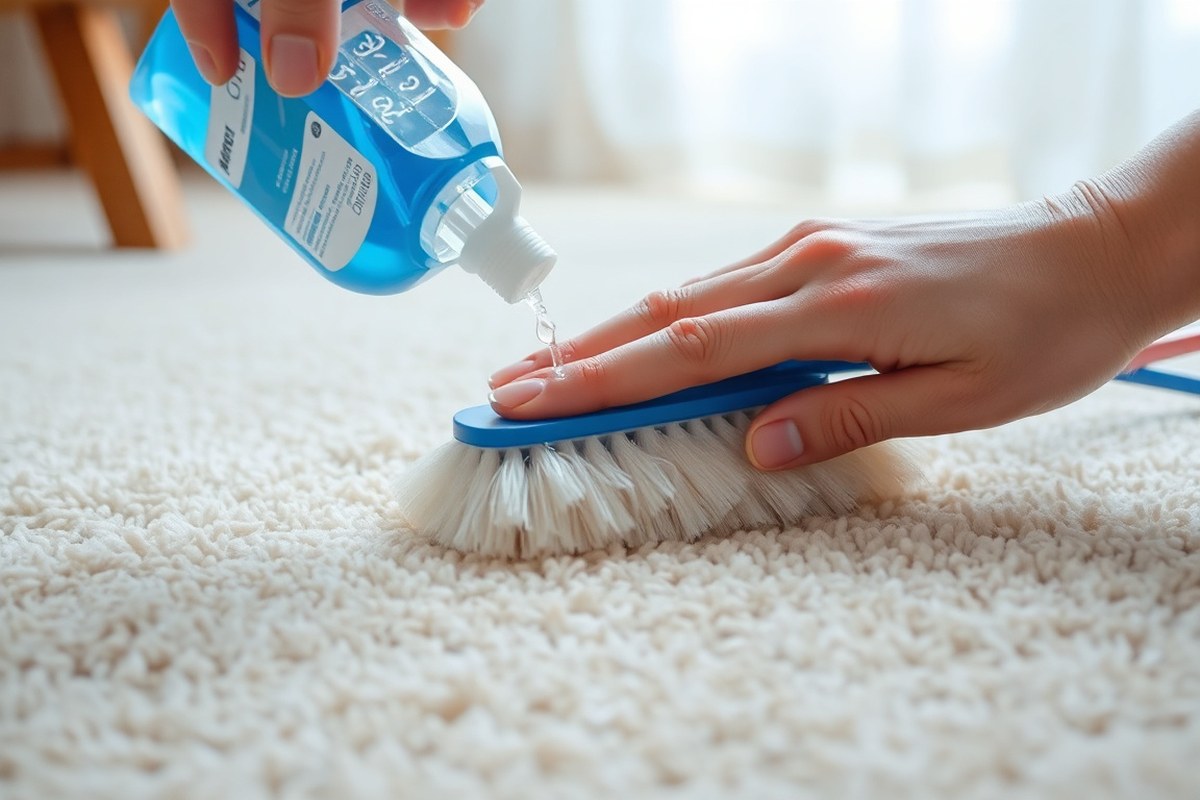
Cleaning your house carpet well involves a clear process from preparation to drying to ensure effective results and avoid damage. The key is to combine thorough vacuuming with an appropriate cleaning solution, carefully remove any stains, and make sure the carpet dries completely. How you clean depends on your carpet type and the amount of dirt, but following these precise steps will help get your carpet clean and fresh.
- Clear the room and prepare the carpet. Remove all furniture and rugs from the area you’ll clean to give full access to the carpet surface. Use a carpet broom or a regular broom and dustpan to sweep up loose dirt if you don’t plan to vacuum first. This step helps avoid spreading dirt during cleaning and ensures you cover the entire carpet.
- Vacuum the carpet thoroughly. Vacuuming before any wet cleaning removes dust, pet hair, and debris from carpet fibers. It’s a important step because cleaning solutions work better on cleaner surfaces, and it minimizes the chance of dirt grinding further into the carpet.
- Treat stains spot-clean individually. Use a suitable cleaning solution for the stain type, common stains like coffee and mud respond well to mild detergent and warm water. Apply the solution lightly, blot with a clean cloth, then rinse with warm water. Avoid scrubbing vigorously to prevent fiber damage. Repeat blotting with damp and dry cloths until the stain lightens or disappears.
- Apply carpet cleaner or shampoo evenly. Use a carpet cleaning machine, rental carpet cleaner, or carefully apply a carpet shampoo by hand over the entire carpet area. Follow product instructions for dilution and application. Avoid soaking the carpet excessively; a light, even application works best, especially on thick carpet.
- Rinse carpets with clean water. After shampooing, remove any remaining suds by lightly rinsing the carpet with clean, warm water. This step prevents residue buildup that can attract dirt later and cause the carpet to feel sticky.
- Extract moisture and dry thoroughly. Use a wet-dry vacuum or a carpet cleaner with water extraction capability to remove as much water as possible. In a dry, low-humidity room, carpets typically take 4 to 6 hours to dry, but thick carpets or humid environments may require a full day. Use fans, open windows, or a dehumidifier to speed drying. Avoid walking on the carpet until fully dry to prevent re-soiling or matting.
- Replace furniture carefully once dry. Move furniture back only after the carpet is completely dry to avoid stains or indentation marks. Placing protective pads under heavy furniture legs can help preserve the carpet fibers.
Completing these steps carefully protects your carpet’s condition, improves appearance, and extends its lifespan. Cleaning about 300 square feet typically takes 15 minutes or more, depending on your carpet’s thickness and condition. Patience with drying is especially important to prevent odors or mold growth. Regularly vacuuming between deep cleans keeps your carpet looking fresh and reduces the frequency needed for more intensive cleaning.
Identifying Carpet Types and Choosing the Right Cleaning Method
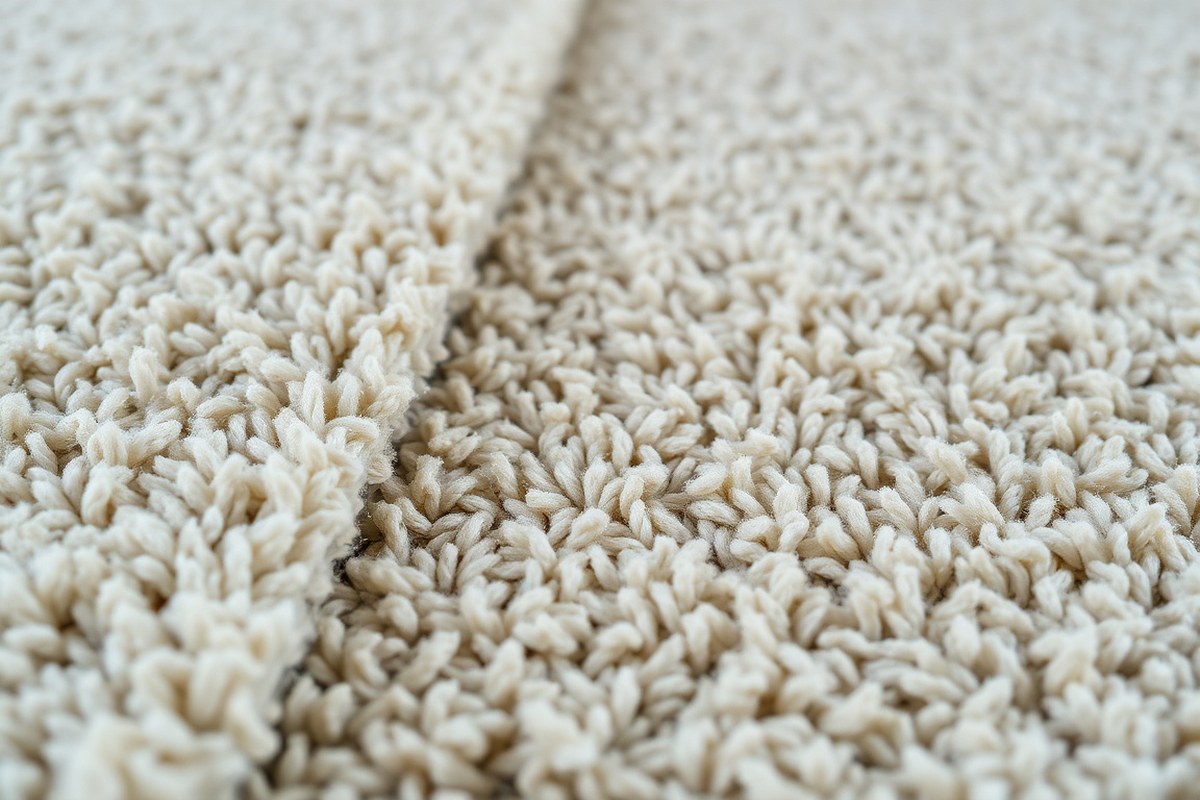
Knowing your carpet’s material type is key to choosing the right cleaning method and products. Different fibers handle moisture, heat, and chemicals differently, so matching your approach to the carpet fiber protects its appearance and longevity. Identification involves checking labels, feel, and sometimes a burn test for fiber type clues.
Common Carpet Fiber Types
Carpets are mostly made from synthetic fibers like nylon and polyester, natural animal fibers like wool, or plant-based fibers such as sisal or jute. Nylon carpets are durable and common, while polyester resists stains easily. Wool carpets offer softness and resilience but need gentle care. Plant-based fibers tend to require delicate, low-moisture cleaning to prevent damage.
You can identify your carpet fiber by finding a manufacturer label or asking your retailer. If unknown, a small burn test on a hidden fiber can help: synthetic fibers melt and produce a plastic smell, wool burns slowly and smells like burnt hair, and plant fibers burn quickly, leaving a light ash. Always take care to test in unobtrusive areas.
Safe Cleaning Methods by Carpet Material
Cleaning choices must align with fiber type due to sensitivity variations. Below is a table comparing suitable cleaning methods for common carpet fibers:
| Fiber Type | Best Cleaning Method | Limitations |
|---|---|---|
| Nylon (synthetic) | Machine deep cleaning, steam cleaning, hand cleaning with mild detergents | Can stain if treated with harsh chemicals |
| Polyester (synthetic) | Hand cleaning with mild cleaners, machine cleaning | Sensitive to heat, avoid high-temp steam |
| Wool (natural) | Hand cleaning, light steam cleaning with wool-safe agents | Avoid excessive moisture, harsh chemicals, and hot water |
| Sisal, Jute (plant-based) | Dry cleaning or very low-moisture cleaning | Prone to water damage and shrinking |
Machine cleaning works well for durable synthetics like nylon, especially for deep, whole-room cleans. Hand cleaning is ideal for small stains or delicate natural fibers like wool. Steam cleaning combines heat and moisture but must be limited or avoided on heat-sensitive fibers like polyester and plant-based materials. Decide based on fiber type, stain size, and cleaning frequency.
When to Avoid Certain Cleaners or Chemicals
Certain chemicals can damage or discolor your carpet’s fibers. For instance, bleach is safe only on 100% polypropylene carpets, but can severely damage wool and plant-based fibers. Avoid bleach and harsh solvents on wool because they strip oils and weaken the wool strands.
Vinegar is a popular home cleaner that can safely replace chemicals in steam cleaning for many carpets, but it should be diluted properly to prevent fiber harm. Check any product labels for respiratory irritants or skin allergens, especially if you or family members have sensitivities.
Use a clean, damp cloth to rinse all cleaning solutions thoroughly from your carpet to avoid residue buildup that can attract dirt or cause irritation.
Effective Techniques for Removing Common Carpet Stains
Successfully removing common carpet stains requires quick and targeted action using the right technique and solution for each type of stain. Correct spot treatment helps prevent stains from spreading and becoming permanent. Homemade solutions can be effective, but testing them first on a hidden patch protects your carpet’s color.
Removing Pet Stains and Odors Safely
Pet urine leaves both a stain and an odor because of organic compounds that penetrate carpet fibers. Enzymatic cleaners break down these compounds safely and are the best option. Avoid ammonia-based cleaners, which can smell similar to urine and confuse your pet, possibly causing repeat marking.
For fresh stains, blot up excess moisture immediately. After blotting, treat the area with an enzymatic cleaner formulated for pet stains to neutralize odor and break down organic material. Allow it to air dry; avoid heat to prevent setting the stain.
- Blot the urine stain with paper towels or a clean cloth to absorb as much liquid as possible without rubbing.
- Apply an enzymatic carpet cleaner generously to the stained area according to product instructions.
- Let the cleaner sit for 10 to 15 minutes to allow enzymes to work on organic material.
- Blot the area again to remove excess cleaner and moisture.
- Allow the carpet to air dry completely, avoiding heat or direct sunlight.
- Odor can persist, so repeat the enzymatic treatment after the carpet dries.
Handling Food and Drink Spills
Spills like coffee, wine, or food can stain quickly if not treated. Immediate blotting prevents the liquid from soaking deeper. For general food spills, a mixture of white vinegar and water diluted 1:3 works as a mild cleaning agent. Avoid scrubbing harshly to prevent pushing the stain deeper or spreading it.
Use gentle pressure and blot in one direction to lift the stain. Nail polish remover can remove polish stains but test it first and use it sparingly. Baking soda sprinkled on spills can absorb odors but does not lift stains.
- Blot the spill immediately with a clean, dry cloth, not rubbing but pressing to absorb liquid.
- Mix one part white vinegar to three parts cold water in a spray bottle.
- Spray the solution lightly on the stained area without soaking the carpet.
- Blot the area again with a clean cloth to lift the stain.
- Should the stain remain, apply a small amount of gentle carpet shampoo or an oxygen-based cleaner, testing it first in an inconspicuous spot.
- Rinse the treated area with a damp cloth and blot dry to remove any cleaning residue.
Treating Set-In and Older Stains
Set-in stains require stronger approaches. An oxygen-based cleaner is effective for color stains like coffee or wine. Always test on a hidden spot for colorfastness, as some bright or dyed carpets can fade. For tough pet stains, following enzymatic treatments with neutral pH sprays helps eliminate lingering odors.
Patience is key with older stains. Repeat treatments spaced over time improve results without damaging fibers. Avoid over-wetting the carpet to prevent mildew or backing damage.
- Test your chosen cleaner on a small, hidden carpet area to ensure no color damage.
- Apply the oxygen-based cleaner or a trusted stain remover directly to the set-in stain.
- Let it sit for 10 to 20 minutes per product instructions, avoiding drying out completely.
- Gently blot the stain with a clean cloth, avoiding rubbing motions.
- Rinse with a damp cloth to remove residue, then blot dry.
- Repeat as needed over several days for stubborn stains, allowing drying between applications.
Routine Vacuuming and Maintenance to Keep Carpets Cleaner Longer
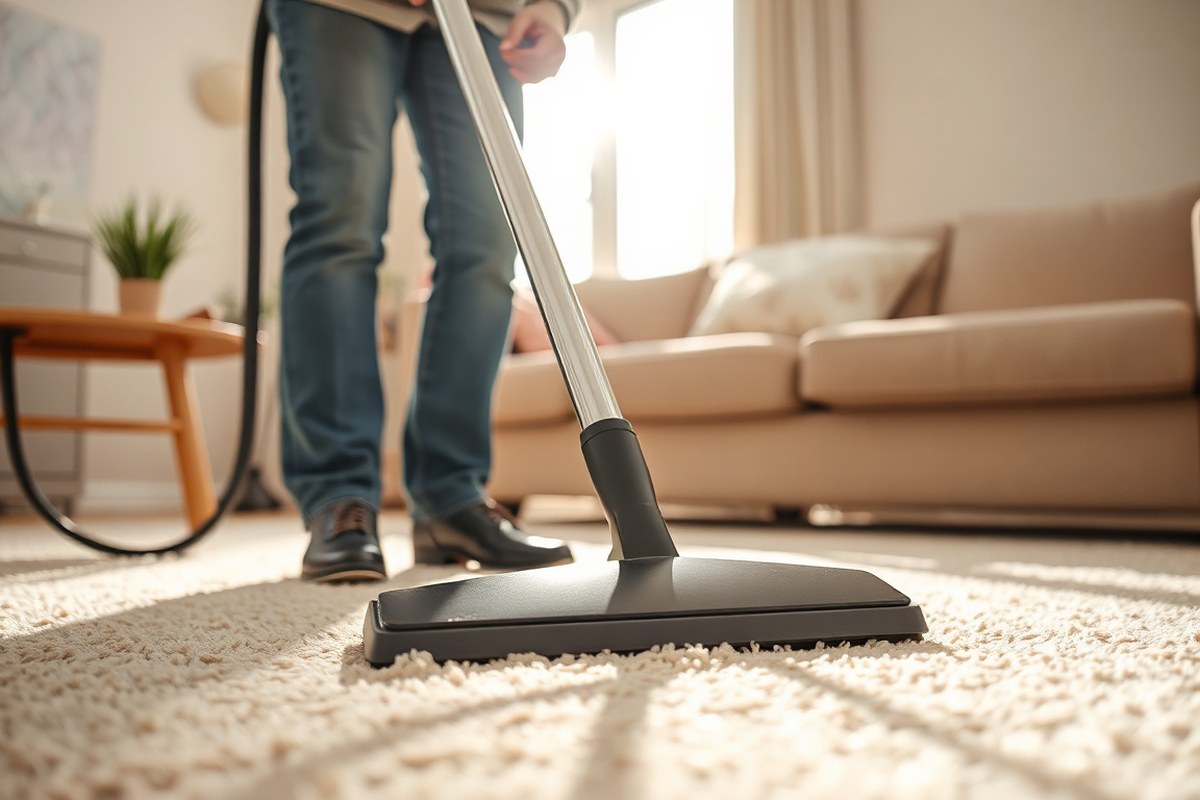
Regular vacuuming is the easiest way to keep your carpet looking fresh and prevent dirt from embedding deep into the fibers. Aim to vacuum high-traffic rooms like living rooms and hallways twice a week, while less-used rooms can usually be vacuumed once a week. This routine removes loose dust, dirt, and allergens before they settle and cause permanent damage.
Proper vacuum maintenance also matters a lot for keeping your carpet cleaner longer. Check your vacuum every month and do a quick upkeep routine: empty or replace the bag or bin, clean or replace filters, inspect the brush roll for tangled hair or debris, and check the belt for wear or signs of stretching. Well-maintained vacuums work more efficiently, pick up more dirt, and help avoid damage to carpet fibers.
Besides vacuuming, other maintenance steps can help maintain carpet freshness and appearance. Remove shoes before walking on carpet to reduce dirt tracked inside. For homes with pets, vacuum areas where pets rest more frequently and groom pets regularly to cut down on shedding fur. Deal with spills and stains quickly by blotting with a clean cloth and spot cleaning as needed, preventing stains from setting in.
- Vacuum living rooms, hallways, and other busy areas twice weekly
- Vacuum bedrooms and low-traffic rooms once a week
- Empty vacuum bin or replace bags monthly
- Clean or replace vacuum filters at least every 3 months
- Untangle brush rolls and check vacuum belts monthly
- Remove shoes to reduce tracked-in dirt
- Clean pet resting spots more often and groom pets regularly
Routinely fluffing carpet fibers with your vacuum’s brush helps restore the carpet’s surface and keeps it looking new. Avoid skipping vacuuming for too long; doing so allows dirt and grit to grind down carpet fibers, causing wear and fading faster. Deep clean your carpet every 6 to 12 months to remove embedded dirt that vacuuming misses and to preserve the carpet’s life, but consistent vacuuming reduces how often this is necessary.
How to Deep Clean Carpets Using Machines or DIY Methods
Deep cleaning carpets can be done effectively using a carpet cleaning machine or by manual methods without equipment. Using a machine like a steam cleaner provides a thorough clean by reaching deep into carpet fibers, while hand-cleaning relies on scrubbing with homemade solutions to refresh and lift dirt. Both approaches require proper steps and the right cleaning agents to avoid carpet damage and achieve good results.
Using a Carpet Cleaning Machine Safely
Steam cleaners or domestic carpet shampoo machines deliver a deep clean by injecting hot water and cleaning solution into the carpet fibers and extracting dirt and moisture. These machines prevent over-wetting, which can damage carpet padding or lead to mold. For best results, plan to deep clean every three to four months, especially in high-traffic areas or if you have pets, kids, or allergy concerns. Use the following steps to operate a carpet cleaning machine properly:
- Vacuum the carpet thoroughly to remove loose dirt and debris.
- Fill the machine’s clean water tank with warm water and add the recommended amount of carpet shampoo or cleaning solution.
- Test the solution on a small, hidden section of carpet to check for colorfastness.
- Slowly move the machine over the carpet, overlapping each pass, allowing the device to spray and extract water simultaneously.
- Empty the dirty water tank regularly to maintain suction power.
- Once the entire carpet is cleaned, run the machine over the carpet without adding more water to help remove excess moisture.
- Allow the carpet to dry completely by opening windows or using fans, which can take 4 to 12 hours depending on ventilation.
Avoid using excessive water or aggressive solutions, which can saturate the carpet backing and cause mildew or shrinking.
Deep Cleaning Without a Machine
Cleaning carpets by hand is doable with basic supplies and some effort. This method is useful if renting or buying a machine is not feasible. Although it requires more elbow grease, scrubbing with a brush and the right solution can refresh carpet fibers and remove dirt.
Start by vacuuming to remove surface debris. Then, mix a cleaning solution, apply it sparingly, and scrub the carpet gently using a stiff-bristled brush or broom. Use clean towels or rags to blot and absorb excess moisture after scrubbing. Allow the carpet to air dry, and vacuum again once dry to lift fibers and remove residue.
Do not oversaturate the carpet when hand cleaning; excess moisture can take a long time to dry and damage your floor underneath.
Recommended Homemade Deep Cleaning Solutions
Several homemade solutions work well for deep cleaning without harsh chemicals. A popular mix uses white vinegar, baking soda, and gentle dish soap to deodorize, disinfect, and dissolve grime. Try this simple recipe:
- Sprinkle ½ cup of baking soda evenly over the carpet and let it sit for 15, 30 minutes to deodorize.
- Mix 1 cup warm water with ¼ cup white vinegar and a teaspoon of mild dish soap in a spray bottle.
- Lightly spray the solution onto the carpeted area, avoiding saturation.
- Use a stiff brush to scrub the carpet gently in small sections.
- Blot with a clean cloth or towel to lift dirt and excess moisture.
- Allow the carpet to air dry fully, ideally with open windows or a fan running.
This cleaner is affordable and non-toxic, making it a good choice for homes with children and pets. Baking soda’s deodorizing effects leave the carpet smelling fresher between deeper cleanings.
Test any homemade solution on an inconspicuous area first to avoid unintended discoloration or fiber damage.
Drying Carpets Properly After Cleaning to Avoid Damage
Carpets usually take between 6 and 24 hours to dry completely after cleaning. The exact drying time depends on factors like the size of the cleaned area, carpet type, humidity levels, and airflow. Thick or plush carpets hold moisture longer, while synthetic fibers tend to dry faster. High indoor humidity or poor ventilation can extend drying time, increasing the risk of mold or mildew.
To dry carpets properly and safely, start by increasing airflow in the room. Open windows and doors to create cross-ventilation. Use ceiling fans or portable fans set to a low or medium speed to circulate air across the carpet surface. A dehumidifier can also help reduce moisture in the air, especially in humid climates or seasons. Avoid using high heat sources like hair dryers or heaters directly on the carpet, as they can damage fibers or backing. Here is a typical drying time table for common carpet types and conditions:
| Carpet Type | Area Cleaned | Drying Time (Hours) |
|---|---|---|
| Low-pile synthetic | Small spot | 4, 6 |
| Low-pile synthetic | Large section or whole room | 8, 12 |
| Plush or shag carpet | Small spot | 8, 10 |
| Plush or shag carpet | Large section or whole room | 12, 24 |
| High humidity (all types) | Any size | +6 to 12 hours |
While drying, do not walk on the carpet until it feels dry to the touch. Avoid sealing or covering the carpet with furniture or rugs, as trapped moisture can lead to odors and damage. Keep cleaning solutions sealed and out of reach during this time, especially in homes with children or pets. Blotting spills immediately after cleaning helps prevent stains from setting and reduces moisture that slows drying.
Vacuum the carpet once dry to remove any loose dirt or residue loosened during cleaning. If the carpet remains damp after 24 hours, increase ventilation and use fans or a dehumidifier longer. Persistent dampness can mean either too much water was used, poor airflow, or deep padding moisture, which might require professional intervention. Properly drying your carpet ensures it stays fresh, avoids damage, and keeps your home healthier.
Common Carpet Cleaning Mistakes and How to Fix Them
One common mistake that reduces carpet cleaning effectiveness is over-wetting. Using too much water or cleaning solution can leave the carpet damp for days, encouraging mold growth and damaging the fibers. To fix this, apply cleaning products sparingly, lightly mist the carpet surface instead of saturating it. Use a brush or sponge to work the cleaner into the fibers gently. After cleaning, dry the carpet promptly by opening windows, running fans, or using a dehumidifier to speed evaporation. Avoid steamers meant for hard floors on delicate carpets, as excessive heat and moisture can harm the material.
Another frequent error is letting residue buildup occur from improper rinsing. Cleaning agents left behind can attract dirt more quickly and cause the carpet to appear dirty again soon after cleaning. Rinse treated areas with clean water by gently blotting with a damp cloth to remove leftover soap. Repeat until no suds or stickiness remain. Testing any new cleaning solution in a hidden spot first helps prevent unexpected fiber damage or color fading.
Spreading stains is a problem often caused by rubbing vigorously or using the wrong solution. Instead of scrubbing, use a light blotting motion with a clean white cloth or paper towels to lift the stain from the edges inward. Never pour undiluted white vinegar directly onto a stain, as it can soak in, spreading the blemish and damaging fibers. Stop scrubbing right away when a stain spreads or fibers appear pulled, and try blotting instead using warm water and a mild carpet shampoo mixed in a spray bottle.
Damaged carpet fibers after cleaning might result from harsh chemicals or aggressive scrubbing. Avoid bleach, ammonia-based cleaners, or high pH products, which break down fiber strength and color over time. Choose carpet shampoos specifically made for your carpet type, and always follow the label instructions. Reduce how often you clean the carpet and choose gentler products when it feels rough or looks frayed.
- Test all cleaning solutions on a small hidden area first
- Use only a few drops of carpet shampoo mixed with warm water
- Blot stains lightly from the edges towards the center
- Avoid over-wetting; dry carpets within 24 hours
- Rinse off cleaning products with clear water to prevent residue
- Skip harsh chemicals that can weaken fibers and colors
- Consider professional cleaning if stains spread or damage worsens
Addressing problems early avoids costly repairs or replacement. Light misting and gentle blotting keep your carpet safe and stain-free. Drying within a day prevents mold and odors. Hiring a professional cleaner, which usually costs $120 to $300, can help restore the carpet safely if stains keep spreading or fibers show damage. Following these tips increases the life of your carpet and maintains its appearance over time.
When to Hire Professional Carpet Cleaning Services
Professional carpet cleaning becomes necessary when your carpet faces tough stains, deep dirt accumulation, or delicate materials like antique rugs that risk damage from DIY methods. Stains such as persistent nail varnish or paint often require professional solvents and steam cleaning to fully remove the residue without harming the fibers. If a stain does not respond to initial home treatments or if you want to avoid the risk of using harsh chemicals, hiring a pro is the safer choice.
Deciding to call a professional service is easier with a checklist. Consider professional cleaning if your carpet has stubborn stains, shows signs of mold or mildew, feels heavily soiled underfoot, or if it covers a high-traffic area that gets frequent wear. Antique or specialty carpets that require gentle, expert handling should also be entrusted to professionals. Consult this checklist: Are stains remaining after home cleaning? Is the carpet more than a few years old with high foot traffic? Do you have valuable or delicate carpet materials? Do you detect odors or dampness persistent after home cleaning?
The cost of professional carpet cleaning varies by region and carpet size but generally ranges from $25 to $75 per room for steam cleaning services. Commercial cleaners for simple spot treatments may cost under $20, though homemade options like baking soda or vinegar can be much cheaper but less effective on tough stains. Expect to pay more for specialized services on antique or delicate carpets due to their care requirements. Comparing this to the cost of cleaning products and your time can help decide when hiring a pro is cost-effective.
The recommended frequency for professional carpet cleaning depends on usage and household factors. Homes with pets or allergies should schedule professional cleaning every 6 to 12 months to reduce allergens and prevent dirt buildup. Average homes without these issues may only need service once every 12 to 18 months. Avoid over-cleaning, as excessive moisture and chemical use can damage carpet fibers over time. Regular vacuuming complements professional cleaning to maintain carpet health.
Clean spills on your carpet immediately to prevent stains from setting; delaying professional cleaning until after stains have dried can make removal harder and more expensive.
Step-by-Step Action Plan for Cleaning Your House Carpet
Follow these clear steps to keep your carpet fresh and stain-free with regular care and occasional deep cleaning.
- Before you start: Identify your carpet type to choose the best cleaning method. Confirm success by seeing no colour fading or fabric damage after testing a small hidden spot.
- Weekly: Vacuum your carpet thoroughly to remove surface dirt and debris. You’ll know it worked when your carpet looks visibly cleaner and feels smoother to the touch.
- As soon as a stain occurs: Treat stains immediately using appropriate cleaners for the stain type. The stain should lighten or disappear after spot cleaning.
- Every 1-3 months: Deep clean your carpet using a rental machine or DIY method that matches your carpet type. Check that the carpet dries completely within 24 hours and has a fresh smell.
- After deep cleaning: Dry carpets properly by increasing airflow and controlling humidity to prevent mold. Confirm dryness by feeling the carpet surface and backing for any moisture.
- Monthly review: Inspect your carpet for any signs of wear, stubborn stains, or damage from cleaning. Identify spots needing repeat treatment or professional care.
- Every 12-18 months: Hire a professional carpet cleaning service if you notice persistent stains or heavy soiling unmanageable at home. Satisfaction comes when your carpet looks rejuvenated without damage.
Frequently Asked Questions
Can I Use Vinegar to Clean My House Carpet Safely?
Vinegar can clean carpets but use it diluted and test a small spot first. It helps remove odors and light stains without harsh chemicals.
Is It Better to Use Cold or Warm Water for Carpet Cleaning?
Warm water is generally better for cleaning carpets as it helps break down dirt. Avoid hot water since it can set some stains or damage fibers.
How Often Should I Replace My Vacuum Filter When Cleaning Carpets?
Replace your vacuum filter every 3 to 6 months to maintain suction and efficiency. A clean filter helps pick up fine dust and allergens more effectively.
Can Baking Soda Be Used to Freshen Carpets Between Cleanings?
Yes, sprinkling baking soda on the carpet and letting it sit before vacuuming can neutralize odors. It’s a simple way to keep carpets smelling fresh without moisture.
Does Sunlight Help Disinfect Carpets After Cleaning?
Sunlight can help dry carpets and may reduce some bacteria, but it is not a reliable disinfectant. Use proper cleaning products designed for carpet sanitation.
What Is the Best Way to Protect Carpet Edges from Fraying?
Use carpet edge guards or trim loose threads carefully to prevent fraying. Regular vacuuming close to the edges helps maintain the carpet’s condition.
Wrapping Up
Maintaining a clean carpet takes routine care, prompt stain removal, and deep cleaning when needed to preserve its appearance and lifespan. Start with regular vacuuming and addressing stains quickly to avoid buildup. Your next step could be picking a carpet cleaning machine or product designed for your carpet type to try a deep clean this month.