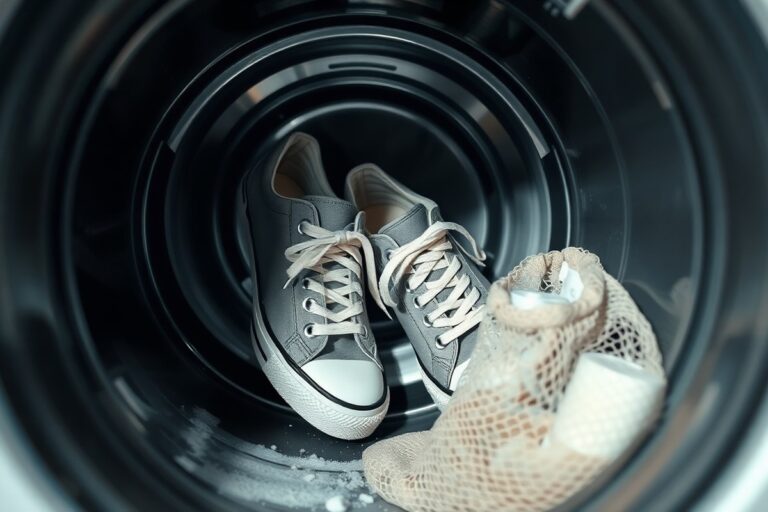
How Do You Bleach Clothes in the Wash: Simple Steps for Safe, Bright Results
To bleach clothes in the wash, start the machine with hot water, then add bleach five minutes into the cycle to protect fabrics and maximize cleaning. Use chlorine bleach for white clothes that need brightening and sanitizing, making sure to follow recommended amounts and handling instructions. This method works best for safely whitening and disinfecting laundry without damaging garments.
This information suits homeowners and renters looking to keep their laundry bright and clean using bleach safely. You will learn when to use bleach, which fabrics are safe, water temperature tips, stain pretreatment, common mistakes, and machine care after bleaching.
Key Takeaways
- Add bleach five minutes after starting the wash cycle to avoid fabric damage and ensure effective cleaning.
- Use chlorine bleach only on bleach-safe, white fabrics for whitening and eliminating 99.9% of germs.
- Oxygen bleach is safer for colored fabrics and less harsh than chlorine bleach.
- Wash white clothes in hot water to improve bleach effectiveness.
- Pretreat stains by soaking bleach-safe clothes in a solution of ¼ cup bleach per gallon of cool water for 5 to 15 minutes.
- Always test bleach on a hidden area before full application to prevent fabric damage.
How to Bleach Clothes Safely in the Washing Machine

You can bleach clothes in your washing machine safely by following specific steps tailored to your machine type. Proper timing and dilution of bleach prevent fabric damage and protect your washer. Most machines today have a bleach dispenser. Yours might have a bleach compartment; add bleach there so it automatically mixes into the cycle. Your machine might not have a dispenser, so add bleach manually after the wash cycle begins to prevent direct contact with clothes and bleach.
Use the correct amount of bleach: for top-loading machines, add about 1 cup (250 ml); for front-loading machines, use 1/2 cup (125 ml). Using too much bleach can weaken fabric fibers and harm your washer. Also, set the water temperature to hot as higher heat activates the bleach for whitening and sanitizing. Starting the bleach 5 minutes into the wash cycle helps it dilute well before reaching clothes.
After washing with bleach, running an empty hot water cycle helps clean any bleach residue from the machine, which is especially important in rental machines. Choosing a wash cycle with an extra rinse ensures no bleach remains on your clothes or in the machine.
- Sort your white laundry and set your washing machine to the hot water cycle for best results.
- Pour your detergent as usual at the start of the wash cycle.
- Your machine may include a bleach dispenser, fill it to the max line, about 1 cup for top loaders or 1/2 cup for front loaders.
- Your washer might not have a bleach dispenser; begin the wash with detergent and water, then wait around 5 minutes for water to fill and start agitating.
- Manually add diluted bleach directly to the wash water after 5 minutes, ensuring it mixes well before adding clothes to avoid fabric damage.
- Add your white clothes after the bleach has dispersed in the water, then continue the wash cycle.
- Select a wash cycle with an extra rinse to remove any bleach residues from fabrics and the machine.
- Run an empty hot water cycle after the load finishes to flush out bleach from the washer.
Which Fabrics and Clothes Are Safe to Bleach?

You can safely use bleach on most white cotton and linen fabrics, as well as durable synthetic fibers like polyester. Avoid bleach on delicate materials such as wool, silk, and spandex, as well as on colored garments unless you use a color-safe bleach designed for that purpose. Testing a small hidden area of the fabric with diluted bleach helps ensure the fabric won’t be damaged or discolored.
Fibers That Are Safe for Bleach
Bleach works well on sturdy, bleach-tolerant fibers mainly found in white clothing. Cotton and linen, common in t-shirts, sheets, towels, and socks, respond well to chlorine bleach. These natural fibers can withstand hot water and strong detergents alongside bleach to brighten whites and remove stains.
Some synthetic fabrics like polyester and nylon also tolerate bleach if they are white or very light-colored. These fibers generally resist damage because of their chemical makeup, but always check care labels. Using bleach on these fabrics helps disinfect and whiten without weakening fibers if applied properly and not too frequently.
- White cotton and linen fabrics are safe for chlorine bleach.
- Durable white synthetic fabrics like polyester and nylon tolerate bleach.
- Color-safe (oxygen) bleach works on many colored and white fabrics.
- Avoid bleach on fabrics labeled “no bleach” or “delicate.”
- Use hottest water safe for the fabric to boost bleach effectiveness.
Fabrics to Avoid Bleaching
Delicate fabrics such as wool, silk, spandex, and acetate should never be treated with chlorine bleach. These fibers are sensitive to the harsh chemicals in bleach and will weaken, discolor, or lose texture. Colored clothes should also be kept away from chlorine bleach to prevent uneven fading or permanent stains.
Clothes with decorative prints, embroidery, or appliques are risky to bleach because the chemicals can cause colors to run or the decoration to fade and break down. Garments made from blends or fabrics with elastic may also degrade faster if exposed regularly to chlorine bleach.
Always read and follow the garment’s care label and the bleach product instructions before use to avoid damage.
To brighten colored items, use non-chlorine, color-safe bleach since it is gentler and designed to protect color integrity while removing stains.
How to Perform a Bleach Spot Test
Testing bleach safety on a small hidden area protects your entire garment from damage. This process confirms whether the bleach will cause color loss or fabric weakening. Follow this step-by-step test:
- Mix a solution of 1 part bleach to 5 parts cool water in a small container.
- Choose an inconspicuous spot, such as an inside seam or hem.
- Dip a cotton swab or a small piece of white cloth into the diluted bleach.
- Apply the swab gently to the test spot for 1 minute.
- Rinse the area thoroughly with cool water to remove bleach.
- Let the fabric dry to observe any changes in color or texture.
When the fabric shows no change in color or feel, the garment is generally safe for bleaching. Avoid proceeding if you notice fading, thinning, or damage. Repeat the test on a different spot if unsure. Use this method before bleaching any new or unfamiliar fabric to prevent costly mistakes.
Chlorine Bleach vs Oxygen Bleach: Which to Use When
Chlorine bleach and oxygen bleach serve different purposes in laundry, and choosing the right one depends on what you need. Chlorine bleach is stronger for disinfecting and removing tough stains on whites but can damage colored fabrics. Oxygen bleach, often called color-safe bleach, works well on colors and delicate fabrics but may not sanitize as effectively. It’s usually available as a powder, which you add directly to the empty washer tub before loading clothes, ensuring it mixes fully to improve whitening and stain removal.
Chlorine bleach requires careful dilution and is best added through the washing machine’s bleach dispenser at the correct time in the cycle. This keeps it from directly contacting clothes at full strength, which can cause fabric damage or discoloration. Since its active ingredients break down after about six months, check the bleach’s age for maximum effectiveness. The table below compares chlorine and oxygen bleach for common laundry uses, showing their ideal amounts and main differences:
| Objective | Chlorine Bleach (Standard Washer) | Chlorine Bleach (High Efficiency Washer) | Oxygen Bleach Method |
|---|---|---|---|
| Sanitization | ½ cup | ¼ cup | Add powder to empty tub before clothes |
| Whitening & Stain Removal (Normal Soil) | ⅓ cup | Max line in dispenser | Use powder; amount per package directions |
| Whitening & Stain Removal (Heavy Soil) | ⅔ cup | Max line in dispenser | Use larger powder dose; soak per instructions |
For safety, chlorine bleach is harsh on colors and some fabrics, so avoid using it on anything that isn’t bleach-safe according to the label. Oxygen bleach is gentle enough for most colors and often marketed as color-safe. Both bleach types combine well with laundry detergents but should never be mixed before adding to the washer.
Oxygen bleach’s whitening power depends on water temperature; it works best with warm water. Chlorine bleach is more effective at disinfecting, making it suitable for sanitizing towels or whites that need disinfecting. Oxygen bleach helps maintain colors and has less environmental impact because it breaks down faster without releasing harmful chlorine compounds.
Best Water Temperature and Wash Cycles for Bleaching Clothes
Use hot water for bleaching white clothes whenever possible. Hot water helps chlorine bleach activate and break down stains more effectively, producing a brighter and cleaner result. For cotton and durable fabrics that tolerate high heat, set your washer’s temperature to “hot.” Lower temperatures can reduce bleaching performance and may leave whites dingy or less vibrant.
Select the “regular” wash cycle or the cycle recommended for bleach use if your machine has one. The regular cycle usually agitates long enough for the bleach to mix thoroughly with water and work on the fabric. Quick or delicate cycles may not provide enough time or water movement to distribute bleach evenly, increasing the risk of uneven whitening or spots.
Many washers come with a built-in bleach dispenser. Use this feature if available, as it releases bleach into the wash at the optimal point, usually after the washer fills with water. This proper timing dilutes bleach quickly and minimizes fabric damage. When your washer doesn’t have a bleach dispenser, begin a hot water cycle without detergent or clothes. After the machine fills, carefully pour 1 cup (240 ml) of bleach diluted in about 1 quart (1 liter) of water into the drum before adding clothes. Never pour bleach directly on the fabric.
Adding an extra rinse cycle after bleaching can help remove any residual bleach from the clothes, preventing fabric weakening or skin irritation. For machines without an extra rinse option, complete the wash, then run a separate rinse cycle manually to ensure thorough rinsing. For an extra step to eliminate detergent residue and soften clothes, add 1 cup of distilled white vinegar during the final rinse.
For delicate or synthetic fabrics, avoid hot water as it can cause shrinking or damage. Use warm or cold water and oxygen-based bleach instead of chlorine bleach to avoid harming the material. In such cases, extend the wash cycle duration to compensate for the lower temperature, allowing more time for the bleach to work gently.
Monitoring the water temperature and cycle settings safeguards your clothes from bleach damage. Hot water paired with a regular or bleach-specific wash cycle maximizes whitening while preventing fabric stress. The proper dosing and timing of bleach via dispenser or manual dilution also play significant roles in achieving even bleaching without harm.
How to Pretreat Stains Using Bleach Safely and Effectively
Pretreat stains with a diluted bleach solution applied directly to the spot before washing to avoid fabric damage. Use a safe dilution, about ¼ cup bleach to ¾ cup water, and let the solution sit on the stain up to 5 minutes. Rinse the area thoroughly before putting the garment in the washer to prevent bleach from weakening the fabric.
Preparing a Diluted Bleach Solution
Creating the correct bleach concentration is critical because full-strength bleach can harm fabrics and worsen stains. A common and safe ratio is ¼ cup of standard liquid bleach mixed with ¾ cup of cold water. Use cold water to prevent any unwanted bleaching outside the spot, and prepare only enough solution for immediate use to maintain effectiveness.
Mix the bleach and water in a clean container or spray bottle for easy application. Avoid using concentrated or gel bleaches, as these are intended for full loads in the washer and not for spot treatments. When unsure about the fabric type, test the diluted solution on a hidden seam first to check for colorfastness or damage.
Applying Bleach to the Stain
Apply the diluted solution carefully to the stained area only, avoiding excess spread. This targets the stain without unnecessary exposure to the fabric. Use a clean cloth, cotton swab, or small brush to dab the solution onto the spot. Let it sit for no more than 5 minutes to allow the bleach to lift the stain without causing fabric breakdown.
Remove excess bleach by blotting gently with a clean, damp cloth after the waiting period. Avoid scrubbing, which can push bleach deeper or damage fibers. For stains on white cotton items, this technique works well on dark stains such as blood, coffee, or wine.
Do not leave the bleach solution on the fabric longer than 5 minutes or it may cause color loss or weaken fibers.
Rinsing and Washing After Pretreatment
After blotting, rinse the stained area with cold water to flush out residual bleach before washing. This step helps protect the fabric during the wash cycle and prevents bleach from spreading to other clothes. Follow the garment’s care label to select the proper wash cycle and temperature, cold water is usually best for stained areas treated with bleach.
Wash and dry the garment as usual. Check the stain after washing before drying completely; heat from the dryer can set any stain residues. When the stain persists, you may repeat the spot treatment once more but avoid multiple treatments, which can weaken fabric over time.
- Mix ¼ cup bleach with ¾ cup cold water in a clean container.
- Test the diluted bleach on an inconspicuous part of the garment for colorfastness.
- Use a cotton swab or cloth to dab the bleach solution directly on the stain.
- Let the bleach sit on the stain for up to 5 minutes only.
- Blot the area gently with a damp cloth to remove excess bleach.
- Rinse the treated spot thoroughly under cold running water.
- Launder the garment following the care label instructions, using cold water.
- Inspect the stain before drying; repeat treatment if necessary but not more than twice.
Common Bleach Mistakes and How to Fix Them
One common mistake when using bleach is pouring it directly onto clothes instead of into the washer’s bleach dispenser or pre-filled wash water. Direct contact with full-strength bleach can weaken fibers and cause uneven discoloration or yellowing. It’s important to always add bleach to the water first, before putting clothes in the drum, especially if your washer lacks a bleach compartment.
Using too much bleach or choosing a quick wash cycle can also cause problems. Bleach needs enough time and water to dilute and disperse evenly. Without this, concentrated bleach spots can damage fabric and leave stains. Follow the label directions for the correct amount, usually about ¾ cup (6 fluid ounces) for a standard load, and select a wash cycle that allows for proper wash and rinse time.
Another frequent error is using the wrong type of bleach. Household chlorine bleach (sodium hypochlorite) is strong but can damage some fabrics, while oxygen bleach (sodium percarbonate) is safer on colors and delicate fibers. Avoid cleaning bleach products that are not designed for clothing, as they contain harsh chemicals that can ruin garments and irritate skin.
- Always use the washer’s bleach dispenser or add bleach to wash water before loading clothes
- Measure bleach carefully; avoid exceeding the recommended amount on the bottle
- Select a wash cycle long enough for bleach to dilute and rinse thoroughly
- Choose the right type of bleach for your fabric (chlorine for whites, oxygen for colors)
- Check product labels to ensure bleach is safe for the fabric you’re treating
- Never use cleaning bleach intended for surfaces on laundry
If your clothes yellow from bleach, soak them promptly in a mixture of oxygen bleach and cool water, following package instructions. This can help restore whiteness without further damage. Avoid hot water, which can set stains or yellowing. For fabric weakened or ruined by bleach, repair options are limited. Small damaged areas can sometimes be patched or trimmed, but extensive weakening usually means the garment should be discarded. To protect your wardrobe, test bleach on a hidden fabric spot before washing the entire item.
How to Clean Your Washing Machine After Using Bleach
Cleaning your washing machine after using bleach is essential to prevent damage, remove residue, and avoid unpleasant odors. Failing to clean your washer can lead to corrosion of metal parts, rubber seal degradation, and leftover bleach that stains clothes in future washes. Proper cleaning involves running a hot water cycle with bleach and wiping down parts prone to residue buildup.
Running a Cleaning Cycle with Hot Water
Use a cleaning cycle or a regular wash cycle with hot water to flush out bleach residues and protect your machine. Hot water helps dissolve detergent and bleach deposits, reducing the risk of damage and odors. Avoid overloading the washer during this process to ensure the bleach and water can circulate evenly. Here are the exact steps for running a cleaning cycle after using bleach:
- Make sure the washer is empty of clothes and detergent.
- Set the machine to a normal or cleaning cycle with the hottest water setting available.
- Add 2 cups of chlorine bleach directly into the drum.
- Start the cycle and allow the tub to fill halfway before closing the lid to let the bleach mix thoroughly with water.
- Let the cycle complete fully to rinse and remove bleach residues.
- Use your washer’s “tub clean” or “clean washer” feature occasionally to keep it clean, if this option is available.
Running this cycle after every few bleach uses helps maintain the washing machine’s condition and prevents damage that bleach might cause if left unchecked.
Cleaning Seals and Dispensers
The rubber door seal and detergent dispensers often trap bleach residue and moisture, which can cause mold, degrade materials, and lead to bad smells. Cleaning these parts regularly avoids residue buildup and protects your washer’s lifespan.
Use a diluted chlorine bleach solution and a sponge to wipe seals carefully. This removes mold and disinfects the area. Afterward, rinse thoroughly with warm water to clear any bleach traces.
Cleaning detergent dispensers involves removing them (if possible), soaking in a mild bleach solution, scrubbing with a soft brush, then rinsing and drying before reinstalling. This prevents buildup that could block detergent flow or mix improperly with bleach during future washes.
Preventative Maintenance Tips
Prevent problems by following simple maintenance steps. Do not overload the washer, as this disrupts the even distribution of bleach and water, potentially harming clothes and the machine’s internal parts.
Always run a cleaning cycle every few weeks, even if you don’t use bleach, to flush detergent residues. Leave the washer lid or door open after each use to allow moisture to evaporate, reducing mold growth risks.
When your machine is rented or shared, check that bleach use is permitted and talk about proper cleaning steps to protect the shared equipment. Proper care limits the chance of needing costly repairs or replacements due to corrosion or worn seals caused by bleach residue.
How Often Can You Safely Bleach White Clothes?
Bleaching white clothes helps keep them bright, but it should be done in moderation to avoid fabric damage. For most white laundry like towels, socks, and bed linens, bleaching once every 3 to 4 washes is a good rule of thumb. This frequency lifts stains and maintains brightness without wearing out the fabric. Excessive use, such as every wash, can weaken fibers, cause yellowing, or lead to thinning over time.
Check your clothes’ care labels and use only the recommended amount of bleach for your washing machine and load size. Overusing bleach or using it too often accelerates wear and may fade whites. When you need to freshen whites more frequently, alternate between bleaching and using oxygen-based bleach products. Oxygen bleach is gentler than chlorine bleach, so it can be used more regularly, but still follow package guidelines.
For lightweight or delicate white garments, limit bleach use to only occasional treatments, such as once a month, to prevent weakening. Heavier fabrics like towels or cotton sheets can handle bleaching every few washes, given the bleach is diluted properly and clothes are rinsed well. Always avoid bleaching clothes with stains labeled “wash separately” or known to bleed colors, even whites with colored seams or embroidery.
In cases where whites don’t need a full bleach cycle, spot-treat stubborn stains with a diluted bleach solution before washing. Mix about ¼ cup of bleach with a gallon of cool water, apply to the stain for 5 minutes, then rinse before laundering. This method reduces overall bleach exposure and helps preserve fabric strength.
Maintain whiteness by washing white clothes separately, using an appropriate detergent, and washing at the proper temperature per fabric type. Avoid overloading the machine to ensure thorough rinsing and minimize bleach residue. Combined with bleach, detergent cleans deeply and brightens whites, but detergent alone can also aid in preventing yellowing or dullness when bleaching is less frequent.
Always dilute bleach properly and never pour it directly onto clothes to prevent fabric damage and uneven whitening.
Step-by-Step Action Plan for Bleaching Clothes Safely
Follow these steps to bleach your clothes effectively without damage or residue.
- Before washing: Check care labels to ensure your clothes can be safely bleached.
- Load your washer: Sort whites separately and avoid mixing with colored fabrics.
- Add detergent: Use your regular detergent suitable for the fabric type.
- Measure bleach: Use 3/4 cup of chlorine bleach for a standard washer, or follow oxygen bleach packaging for powdered types.
- Set water temperature and cycle: Choose hot water for cottons or linens, warm or cold for other compatible fabrics, and select a normal cycle.
- Add bleach safely: Pour liquid chlorine bleach into the designated dispenser after the washer fills with water to avoid fabric damage.
- Complete wash: Let the wash and rinse cycles finish fully to ensure all bleach rinses out.
- Dry properly: Air dry or machine dry according to fabric care instructions to prevent damage or shrinkage.
Frequently Asked Questions
Can I Bleach Clothes in My Washing Machine?
Yes, you can bleach clothes in your washing machine by adding bleach to the dispenser or directly into the water after the cycle starts for safe dilution. It’s best to wait about 5 minutes into the wash cycle before adding bleach.
Is It Safe to Mix Bleach and Laundry Detergent Together?
Yes, bleach and laundry detergent are designed to work together safely when used correctly. Add detergent first, then bleach, to avoid fabric damage and ensure thorough cleaning.
Will Bleach in the Wash Ruin Clothes?
Bleach can ruin clothes if used on the wrong fabric or in high concentrations. Always check clothing labels and use the right water temperature to protect your clothes.
How Do I Safely Bleach My Clothes?
Use the bleach dispenser or add diluted bleach after the wash cycle begins to avoid direct contact with fabrics. Choose the hottest water safe for your clothes and never mix bleach with ammonia or other chemicals.
Can I Use Bleach on Colored Clothes?
Color-safe (oxygen) bleach can be used on some colored clothes, but regular chlorine bleach will cause fading and damage. Always check the care label to avoid ruining colors.
How Do I Remove Bleach Stains from Clothes?
Bleach stains are permanent, but you can try dyeing the fabric or using a color remover designed for bleach spots to camouflage the damage. Act quickly for the best chance to minimize the stain.
Key Points to Remember
Bleaching clothes in the wash is straightforward when you follow safety guidelines and use the correct products and settings. Proper sorting, measuring bleach, and selecting the right cycle prevents fabric damage and keeps whites bright. Try cleaning a small batch of bleach-safe whites first to build confidence before applying bleach more broadly in your laundry routine.