How to Get Sweat Marks Out of Clothes: 8 Effective Methods Explained
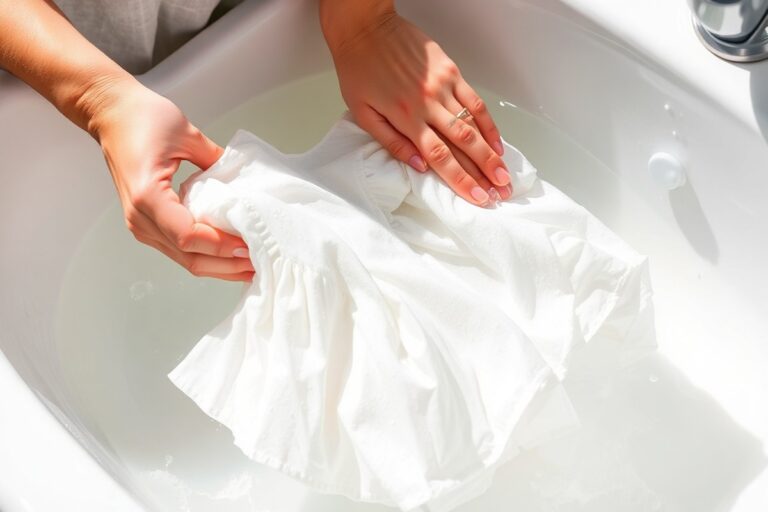
To get sweat marks out of clothes effectively, use a solution of equal parts white vinegar and warm water to soak the stained areas for 20 to 30 minutes. For tougher stains, apply hydrogen peroxide carefully and let it sit before laundering on a cold cycle. These methods target sweat residue and prevent yellowing without damaging fabric fibers.
This advice is for anyone dealing with visible sweat stains on both colored and white garments. Clear steps help you restore your clothes by understanding stain formation, safe ingredients, and proper soaking times, ensuring the best cleaning results at home.
Key Takeaways
- Mix equal parts of warm water and white vinegar, then soak your sweat-stained clothes in the solution for 20 to 30 minutes to help break down the stains.
- Apply hydrogen peroxide on stubborn stains and wait 30 minutes before washing to boost removal power.
- Wash sweat-marked garments on the cold cycle to protect fabric and avoid stain setting.
- Test any stain remover on a hidden spot to prevent color fading or fabric damage.
- Use a soft brush for gentle scrubbing after applying stain solutions to improve effectiveness.
- Soak colored clothes in cold water with vinegar to avoid discoloration while treating sweat marks.
1. How to Remove Sweat Marks from Clothes Effectively
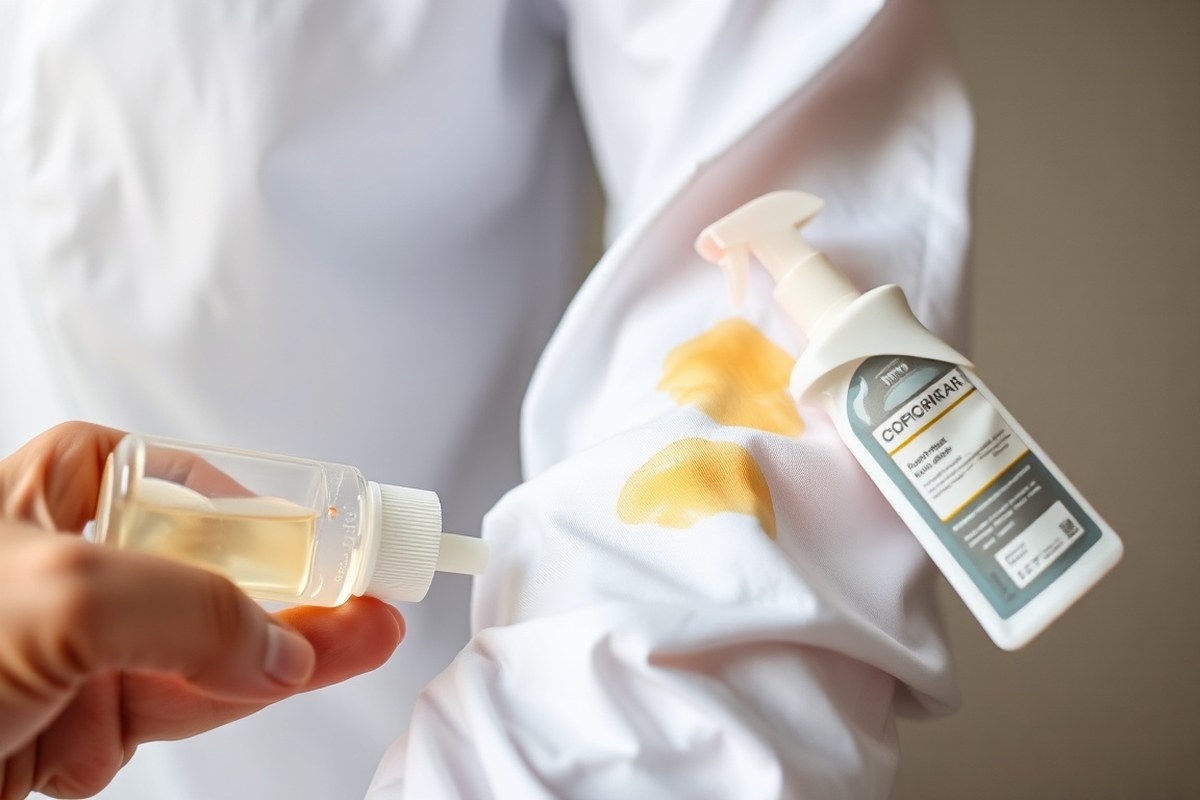
Treating sweat stains requires prompt action combined with the right cleaning agents and approach to fully break down the stain and remove it. Using common household products like white vinegar, hydrogen peroxide, and baking soda effectively dissolves sweat marks and deodorant buildup, especially when you soak and pretreat the affected areas before a full wash.
Carefully following these steps will improve your chances of eliminating sweat stains without harming your clothes. Always check the garment’s care label first. For colored clothes, test any solution by applying a small amount to an inconspicuous spot before soaking or scrubbing the stain.
- Prepare a cleaning mixture: Stir together 1 cup of white vinegar and 2 cups of warm water in a container that can hold the garment fully. This mixture helps break down sweat stains, especially on clothes with color.
- Soak the stained garment: Place the clothes completely in the vinegar solution, ensuring the sweat-stained areas are fully covered. Soak for 20 to 30 minutes to begin breaking down the stain without damaging the fabric. Avoid soaking longer to prevent weakening delicate fibers.
- Apply a stain remover paste: For stubborn marks, mix baking soda and water into a thick paste and spread it directly onto the sweat stains. Use a spoon or an old toothbrush to gently work the paste into the fabric. Let it sit for at least 20 minutes. This step helps lift the stain’s residue off the fibers.
- Rinse and blot: Rinse the garment under cold water to remove the vinegar and baking soda. Any leftover stains can be treated by dabbing hydrogen peroxide onto the spot with a clean cloth, allowing it to soak for as long as 30 minutes. Hydrogen peroxide acts as a mild bleach and oxidizer, particularly effective on whites. Avoid using it on colored clothes without testing first.
- Wash as usual: After pretreatment, wash the clothing on a warm or cold cycle with your preferred laundry detergent. Use detergent designed to target odors and deodorant stains for better results. Laundry stain sprays can be applied before washing to concentrate on remaining marks.
- Air dry and inspect: Let clothes air dry rather than using a dryer. Heat can set any residual sweat stains permanently. Once dry, check if the stains are gone. Repeat treatment if necessary before subjecting the fabric to dryer heat.
Fresh sweat stains are easier to remove, so treat garments soon after wearing. Using a combination of soaking, spot treating, and thorough washing balances effective stain removal with fabric care. Cost-wise, these household solutions generally cost only a few dollars compared to commercial stain removers. Avoid harsh scrubbing or high heat, which can damage fabric and make stains harder to remove.
2. Why Do Sweat Stains Turn Yellow and How Does It Affect Removal?
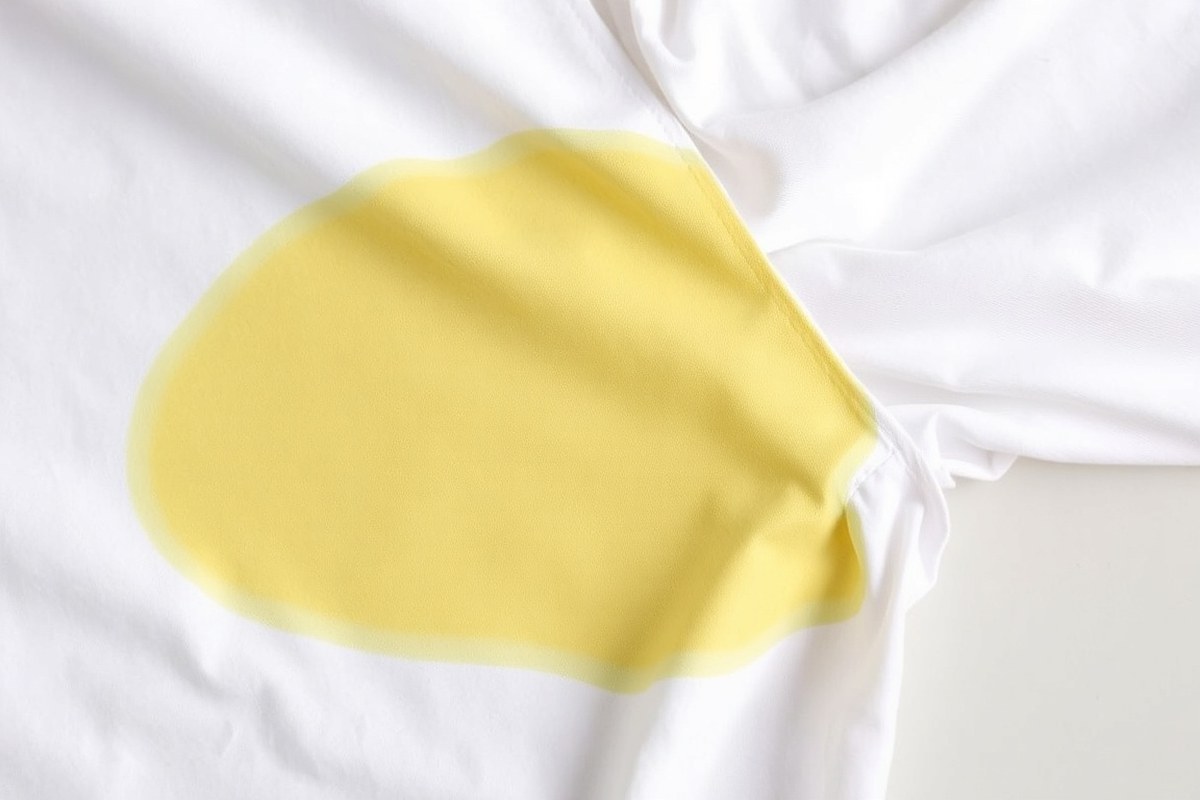
The yellow color in sweat stains results from a chemical reaction between sweat components, skin bacteria, deodorants, and fabric fibers. This combination creates stubborn stains that can be hard to remove, especially if the stain has aged or been exposed to heat.
The Role of Sweat and Skin Bacteria
Sweat itself is mostly water with some salts and proteins, which don’t cause yellow stains alone. The real problem starts when sweat interacts with bacteria on your skin. These bacteria break down sweat into acids, which, combined with sweat proteins, bind tightly to fabric fibers.
This bacterial action produces compounds that, over time, oxidize and darken, leading to the yellow discoloration you see under the arms of shirts. Because this stain is a mix of protein and bacterial byproducts, it sticks firmly to fibers, especially in cotton or other natural materials.
Deodorants and Antiperspirants Impact
Deodorants and antiperspirants play a significant role in making sweat stains yellow. Many antiperspirants contain aluminum salts that react with sweat and body oils. This reaction forms a persistent buildup on the fabric, which often appears as a bright yellow stain.
Sometimes deodorant residues alone leave white marks, but mixed with sweat, these residues contribute to the yellowing. Different deodorant formulations can affect the intensity and toughness of the stain, so switching products may reduce future yellowing.
Fabric Types and Their Effect on Stain Formation
Natural fibers like cotton absorb sweat and oils more readily, trapping the stain deeply. Fabrics without dye, such as white cotton, show yellow stains more clearly but also allow stronger treatments like bleach, which can break down stain molecules. Synthetic fibers often repel some oils but may hold deodorant residues, requiring different stain removal methods.
Fabrics with tight weaves or finishes can slow the stain’s absorption but might trap residues on the surface, making visible stains appear more intense. Knowing your fabric type helps choose effective treatments without damaging the garment.
How Stain Age Affects Visibility and Removal
Fresh sweat stains look wet and pale but darken and yellow as they dry and age due to oxidation and buildup of compounds. Older stains are harder to remove because the proteins and oils have bonded more permanently with fabric fibers. Heat from washing in hot water or tumble drying can “cook” these proteins into the material, making stains essentially permanent.
Treating stains quickly helps prevent setting. For older stains, more aggressive treatments like enzyme-based detergents or soaking in solutions with white vinegar are necessary. Avoid drying stained clothes until the stain is fully gone to prevent permanent damage.
Do not put sweat-stained clothes in the dryer before the stain is completely removed, as heat will set the stain permanently.
3. Safe and Damaging Ingredients for Sweat Stain Removal
Hydrogen peroxide is effective for brightening clothes and targeting sweat stains, but it’s not safe for all fabrics. Use it mainly on white or light-colored materials. Always do a patch test on colored fabrics because hydrogen peroxide can bleach or lighten fabric colors. Avoid using hydrogen peroxide on delicate or dark clothing unless you test a hidden area first.
Bleach can remove sweat marks from white clothes, but chlorine bleach harms colored fabrics and some delicate fibers. Oxygen-based bleach is a safer alternative for colors but works slower. Never mix bleach with other chemicals like ammonia or hydrogen peroxide as it can produce toxic gases.
Vinegar, baking soda, and lemon juice are common home remedies that are generally safer for fabrics. Baking soda acts as a natural fabric softener, odor neutralizer, and stain remover, particularly on whites. Vinegar helps break down sweat deposits but should be diluted and tested to avoid fabric damage. Lemon juice works as a mild bleach but can cause yellowing or weaken fabric if used too long or under strong sunlight.
Some ingredients cause fabric damage or harmful reactions. Avoid mixing hydrogen peroxide with vinegar or bleach because it creates corrosive or toxic gases. Also, never use hot water on sweat stains initially as it can set them further. Detergents with enzymes assist stain removal but don’t guarantee complete removal of set-in stains. Always pre-treat and wash stained clothes within 24 hours for best results.
| Chemical or Remedy | Safe Fabrics | Precautions | Usage Tips |
|---|---|---|---|
| Hydrogen Peroxide | White, light-colored cotton or polyester | Patch test on colors; avoid mixing with vinegar or bleach | Mix with baking soda and dish soap; apply as paste; rinse with cool water |
| Chlorine Bleach | White cotton or synthetic | Do not use on colors; avoid mixing with ammonia or other cleaners | Dilute before use; use sparingly; rinse thoroughly |
| Oxygen Bleach | Colored and white clothes | Test fabric first; slower acting than chlorine bleach | Soak or pretreat; follow product instructions for time and temperature |
| Baking Soda | Most fabrics, including colored and delicate | Use as paste or sprinkle; avoid excessive scrubbing | Mix with water or peroxide; apply gently and rinse well |
| White Vinegar | Most sturdy fabrics | Dilute; patch test on colors; do not mix with peroxide or bleach | Use diluted solution; rinse thoroughly after treatment |
| Lemon Juice | White and colorfast fabrics | Test first; avoid sunlight after application | Apply directly; limit exposure time; rinse well |
To remove sweat stains safely, start by mixing one tablespoon each of baking soda, dish soap, and hydrogen peroxide with a pinch of washing soda to create a paste. Apply gently to the stain and let it sit for about 30 minutes before rinsing in cool water. Avoid mixing this treatment with vinegar or bleach.
Baking soda and vinegar are milder options for everyday use and better for colored or delicate fabrics. Use baking soda paste or dilute vinegar to pre-treat stains. Lemon juice should be reserved for whites and used cautiously due to its mild bleaching effect. Chlorine bleach works quickly on whites but can cause fabric damage and should be used only when safe and necessary.
4. Best Stain Removal Methods for White Versus Colored Clothes
White and colored clothes require different approaches to remove sweat marks effectively without damaging fabric or color. White fabrics allow more aggressive treatments like natural bleaching agents, while colored garments need careful stain removal to prevent fading or discoloration. Choosing the right products and techniques can protect your clothes and improve cleaning results.
For white clothes, you can safely use mild bleach alternatives such as hydrogen peroxide or lemon juice combined with sunlight. The citric acid in lemon juice works as a natural stain remover by breaking down sweat residues, especially on breathable fabrics like cotton. Soaking white shirts in a solution of 3% hydrogen peroxide and water for 30 minutes before washing can brighten stains without harsh chemicals. Sun drying improve bleaching effects, reducing yellow discoloration.
Colored clothes require gentler options to avoid losing vibrancy. Use oxygen-based stain removers or enzymatic laundry detergents designed for color care. Avoid chlorine bleach since it causes fading and white spotting. Pretreat stains with a stain remover spray or liquid detergent suitable for colored fabrics, rubbing gently. Always test any solution on a hidden area first. Cold or lukewarm water speeds stain removal while preserving dyes better than hot water.
| Fabric Type | Recommended Stain Removal | Temperature | Risks |
|---|---|---|---|
| White Cotton | Hydrogen peroxide (3%), lemon juice + sun | Warm water for soaking and washing | Over-bleaching can weaken fabric |
| Colored Cotton / Blends | Oxygen-based stain removers, enzymatic detergent | Cold to lukewarm water | Chlorine bleach causes color fading |
| Activewear (colored) | Specialized detergents for moisture-wicking fabrics | Cold water | Heat can set stains and damage fabrics |
| Delicate Fabrics | Dry cleaning or gentle enzymatic sprays | Varies; professional advice recommended | Harsh chemicals and agitation can ruin fabric |
Using home remedies such as lemon juice on colored clothes is not usually safe; the acid can alter dyes, leaving light spots or uneven fading. For whites, lemon juice can brighten heavily stained areas best used as a soak or applied directly, then rinsed thoroughly. Hydrogen peroxide works well on older yellow stains on white cotton, but keep it away from colored items to avoid bleaching. Enzymatic detergents formulated for color-safe stain removal are safer for most colored fabrics and commonly available for $5, $10 per bottle.
Test any stain treatment on a small, hidden fabric patch before full application to catch adverse effects early. Avoid hot water on synthetic or moisture-wicking clothes, as high temperatures can bond sweat salts to fibers, making stains harder to remove. An undershirt can protect expensive dress shirts from sweat stains and reduce the need for harsh treatments.
5. How Long to Soak and Pre-Treat Sweat Stains for Best Results
Soak sweat-stained clothes based on stain severity and fabric type: light stains need short soaks of 15 to 30 minutes, while set-in stains require soaking for several hours or overnight. Pre-treatment is important before washing to boost stain removal, especially for stubborn marks. Avoid soaking delicate fabrics too long to prevent damage.
Short Soak Times for Light Stains
For light or recent sweat marks, soaking the garment in a mild solution for 15 to 30 minutes is usually enough. Mix equal parts white vinegar and cold water or make a baking soda paste for pre-treatment. This quick soak helps soften the stain and breaks down sweat residues without harming the fabric.
Pre-treatment before the wash is key even for light stains. It targets the affected areas so the detergent can work efficiently. Use cold water in all treatments to prevent setting the stains further into the fibers.
- Fill a basin with cold water and add an equal amount of white vinegar or dissolve 1/4 cup baking soda.
- Soak the stained garment for 15 to 30 minutes.
- Apply a baking soda paste (3 parts baking soda, 1 part water) directly to the stain and let it sit for 15 to 20 minutes for cotton fabrics.
- Rinse the garment with cold water to remove residue.
- Launder as usual on a cold water cycle.
Extended Soaking for Set-In Stains
Sweat stains that are older or set deeply in the fabric benefit from a longer soaking period to help dissolve the proteins and oils trapped in the material. Mixing equal parts white vinegar and water creates an effective soak that typically lasts 30 minutes to an hour, though soaking for 8 hours or overnight can be more effective on tough stains.
Pre-treating set-in stains by soaking and then applying a stain remover before washing significantly increases the chances of removal. Set-in stains on sturdy fabrics like cotton tolerate longer soaks better than delicate fibers. Here is a step-by-step timeline for handling set-in stains:
- Prepare a soaking solution of 1:1 white vinegar and cold water in a container.
- Submerge the stained garment, ensuring the stained areas are fully covered.
- Leave to soak for 30 minutes to 1 hour initially.
- When the stain persists, increase soaking time to 8 hours or overnight but keep an eye on the fabric to avoid damage.
- After soaking, apply a baking soda paste to the stained spots for 15 to 20 minutes if fabric allows.
- Rinse with cold water and wash the garment on a cold cycle using an enzymatic detergent if possible.
Avoid soaking for more than 24 hours to prevent fabric weakening, especially with delicate or blended textiles.
Fabric-Specific Soak Precautions
Natural fibers like cotton and linen handle longer soaking well, especially white cotton, which benefits from a baking soda paste applied before washing. However, synthetic fabrics and delicate materials such as silk and wool need shorter soaking times, no more than 30 minutes, to prevent damage and shape loss.
Extended soaking risks weakening fibers, fading colors, or shrinking some garments. Always test a small hidden area first if uncertain. Cold water and mild ingredients like baking soda or vinegar minimize risk. Checklist for safely soaking by fabric type:
| Fabric Type | Soak Duration | Pre-treatment Notes |
|---|---|---|
| Cotton (white or colored) | 30 min to overnight | Baking soda paste for white cotton; safe with vinegar soaking |
| Linen | 30 min to 1 hour | Use mild vinegar soak; avoid long exposure |
| Synthetics (polyester, nylon, blends) | 15 to 30 minutes | Short soak; avoid harsh scrubbing |
| Delicates (silk, wool) | 5 to 15 minutes max | Spot treat only; avoid soaking if possible |
6. How to Remove Sweat Marks from Delicate and Synthetic Fabrics
Delicate and synthetic fabrics require gentle treatment to safely remove sweat marks without damaging fibers or causing water spots. Use mild detergents designed for delicates, avoid high heat, and handle fabrics carefully to maintain their texture and appearance. Professional cleaning is a good choice for persistent stains or valuable garments that cannot tolerate home treatments.
Cleaning Silk and Satin Safely
Silk and satin have smooth, tight surfaces that reveal sweat marks as dark patches easily. These fabrics do not tolerate hot water or harsh scrubbing, which can deform or discolor them. Blotting sweat stains gently with cool water and using a detergent made for silks helps maintain their sheen without damage. Avoid over-wetting and use minimal water to prevent water stains and fabric distortion.
Wear an undershirt to reduce direct sweat contact on silk or satin, keeping your clothes cleaner. For mild stains, avoid soaking; instead, apply a mix of cool water and a small amount of mild detergent directly to the stain with a soft cloth.
Handling Synthetic Fabrics Like Polyester
Synthetic blends like polyester hold heat and odor, making sweat stains more likely and persistent. Use a cool wash cycle and low spin speeds to protect the fabric’s integrity. Avoid chlorine bleach as it can react with sweat minerals and worsen yellowing. Instead, opt for gentle stain removers and air out clothes between wears for odor control.
Enzyme cleaners formulated for synthetics work well because they break down protein-based sweat residues without damaging the fibers. These fabrics dry quickly and resist deformation under gentle washing conditions, but avoid hot water to prevent setting the stain.
Using Enzyme Cleaners on Delicates
Enzyme-based detergents target protein in sweat, helping prevent buildup that creates stubborn stains. These are generally safe for delicates if used in diluted amounts and with cool water washes. Avoid prolonged soaking which can weaken fragile fibers like viscose.
For delicate garments, create a mild cleaning paste by mixing a small amount of enzyme cleaner with water. Apply it gently to the stained area using a soft cloth, then rinse thoroughly with cool water. This method reduces the risk of fabric damage while effectively removing sweat residues.
Persistent or heavy sweat stains on delicates may require professional dry cleaning. This method uses special solvents and techniques that avoid water exposure while effectively addressing sweat marks, making it ideal for silk, satin, and fragile synthetic blends with set-in stains.
- Inspect the garment label for fabric type and care instructions.
- Apply a small amount of mild, enzyme-based detergent diluted in cool water to the sweat stain, using a soft cloth or sponge.
- Gently blot the stain without rubbing, to avoid fabric damage or deformation.
- Let the detergent solution sit for 15 to 30 minutes to break down sweat proteins.
- Rinse the area carefully with cool water, avoiding soaking the entire garment.
- Pat the fabric dry with a clean, absorbent towel to prevent water spots.
- Air dry the garment flat or hang it in a shaded area, keeping it away from direct heat or sunlight.
- Consider professional dry cleaning for persistent sweat stains on highly delicate or valued fabrics.
7. Common Mistakes When Removing Sweat Stains and How to Avoid Them
Sweat stains can become permanent if you use heat too soon or combine the wrong cleaning agents. Heat, especially from dryers or hot water, causes protein and salt in the sweat stains to bond tightly with fabric fibers. This “baking” effect makes the stain almost impossible to remove later. Always wash sweat-stained clothes in cold water first and avoid using dryers until the stain is completely gone.
Mixing household cleaners can worsen stains or damage fabrics. For example, combining bleach with ammonia creates toxic fumes and may discolor clothing. Using harsh chemicals without testing can also ruin fabric colors or textures. Always test stain removers on a hidden spot of the garment for 10 to 15 minutes to check for colorfastness and fabric reaction. Use only one stain remover at a time to reduce risk.
- Never dry sweat-stained clothes until the stain is fully cleaned; opt for air-drying instead.
- Pre-rinse stained areas with cold water immediately after wearing.
- Avoid mixing bleach with vinegar or ammonia-based cleaners.
- Apply stain remover to a discreet part of the garment first and wait 10-15 minutes to ensure no discoloration.
- Use gentle agitation when soaking or scrubbing; harsh rubbing can embed stains deeper.
- Follow product label instructions carefully and stick to recommended application times.
- For delicate fabrics, use milder stain removers and avoid soaking for more than 30 minutes.
Residue from sweat stains may not be visible when wet, so relying on heat to dry clothes prematurely causes the stain to set permanently. You can spot treat and soak garments with cold water and a safe stain remover before laundering to avoid this. If a stain has already been set by heat, professional cleaning might be necessary as home treatments may not work.
Checking labels and local regulations helps keep your stain treatments safe and fabric-friendly. Taking these precautions uses your time and materials efficiently, reducing the chance of wasting money on failed treatments or damaging your clothes.
8. When to Use Professional Cleaning for Sweat-Stained Clothes
Home treatments often work for fresh or light sweat stains, but certain signs mean you should turn to professionals. Deep-set yellowing, gummy residue from previous failed attempts, or stubborn odors that linger after washing usually require expert care. Delicate materials such as silk, wool, or expensive designer fabrics also benefit from professional cleaning to avoid damage from harsh chemicals or high heat. These garments often need solvent-based cleaning methods unavailable at home, which can better penetrate fibers and remove sweat compounds and odors trapped deep inside.
Professional cleaners typically use dry cleaning or specialized solvent solutions that dissolve sweat’s organic compounds and deodorize fabric without the abrasion or heat that risks setting stains or warping delicate fibers. They can pre-treat stains with targeted solvents and use controlled temperature and humidity levels to restore garment freshness. The sooner you bring in your clothes, the higher the chance of complete stain removal, so avoid putting sweat-stained shirts or blouses in the dryer before professional treatment.
Deciding whether professional cleaning is worth it depends on garment value and stain severity. An expensive shirt or dress with visible sweat stains often justifies the cost, which generally ranges from $5 to $20 per item for dry cleaning, depending on material and location. If your clothing is sentimental or costly, professional care preserves fabric integrity and appearance better than repeated at-home attempts that may cause fading or fibre weakening.
Choosing a reliable cleaner involves checking for certification, asking about their experience with sweat stains, and reading reviews. A good dry cleaner will encourage you to point out the stain upon drop-off so they can apply proper pre-treatment. Some cleaners offer stain removal guarantees, reflecting confidence in their process. Avoid services that use excessive heat or generic washing for delicate fabrics. Here’s a decision rule checklist you can use:
Consider professional cleaning if your garment has any combination of these issues: the stain has been set by heat (dryer), the fabric is delicate (silk, wool), the garment is expensive or irreplaceable, the stain is dark and persistent, or odor remains after home washing attempts. Bringing the garment in promptly improves success rates.
Don’t put sweat-stained clothes in the dryer before professional treatment, or the heat will set the stain permanently.
Step-by-Step Action Plan for Removing Sweat Marks
Follow these clear steps to treat sweat marks on your clothes effectively and safely. Each step helps you check if your method is working so you can adjust as needed.
- Before washing: Identify the fabric type to choose the right stain remover and avoid damage.
- Pre-treatment phase: Apply a mixture of mild detergent and cold water or a stain remover designed for your fabric. Let it sit for 30 minutes to one hour to loosen the stain.
- Soaking phase: For white or sturdy fabrics, soak in warm water with oxygen-based bleach for 1 to 4 hours. For delicate or colored clothes, soak in cold water with a gentle detergent for 30 minutes to prevent fading.
- Washing phase: Wash the item according to the care label, preferably in cold or warm water. Check the garment after washing before drying.
- Post-wash check: Inspect the stained area before drying. If the stain remains, repeat pretreatment and washing because heat from drying can set the stain permanently.
- Drying phase: Air-dry the garment to avoid heat setting any leftover stains, especially on delicate fabrics.
- Stubborn stain step: If stains persist after home treatments, consider a professional cleaner to avoid fabric damage.
Frequently Asked Questions
Can You Remove Old Set-In Stains?
Yes, old set-in stains can be removed but often require stronger treatments and longer soaking times to break down the buildup in fabric fibers effectively. Be patient and avoid harsh scrubbing to prevent damage.
Does Dawn Dish Soap Remove Sweat Stains?
Dawn dish soap can help remove sweat stains, especially when mixed with hydrogen peroxide, as it breaks down oils and proteins in the stain. Use one part dish soap to two parts hydrogen peroxide for best results.
How to Remove Yellow Stains from White Clothes with Home Remedies?
Yellow marks on white garments often fade after soaking them for 30 minutes in a solution made of equal parts warm water and white vinegar. This method loosens the stain while protecting the fabric. Always test a small hidden area to avoid unexpected damage.
Does Vanish Remove Sweat Stains?
Vanish can remove sweat stains, but effectiveness depends on fabric type and stain age. Use according to package instructions and test on a hidden area before applying to the stain.
Can Using Baking Soda Help with Sweat Stain Removal?
Baking soda can help absorb sweat and neutralize odors in clothes, making it a gentle first step for fresh stains before washing.
Is It Safe to Use Bleach on Sweat-Stained Clothes?
Bleach can remove stains but may damage some fabrics or cause discoloration, especially on colored clothes. Use it sparingly and always follow label instructions.
Before You Go
Removing sweat marks takes addressing the type of fabric and stain with care to avoid damage. Starting with appropriate pre-treatment and soaking improves your chances of success before washing. Test and repeat as needed while avoiding heat until the stain is gone. Try your chosen method today to restore your clothes and keep them looking their best longer.