How to Get Odors Out of Clothing: 8 Proven Methods for Lasting Freshness
Getting odors out of clothing starts with proper washing, targeted pre-treating, and effective drying. Soaking clothes in solutions like baking soda or white vinegar before washing can lift stubborn smells. Ensuring good airflow and using the right treatments helps maintain freshness after laundry.
You’ll find practical steps for different fabrics and levels of odor, including quick fixes when washing is not an option. This advice suits anyone wanting to keep clothes smelling fresh without harsh chemicals or repeated washes.
Key Takeaways
- Soak clothes in a baking soda solution for 15 to 30 minutes before washing to neutralize odors effectively.
- Use white vinegar soak, 1 cup vinegar per half gallon cold water, for 15-20 minutes to target musty smells.
- Pre-treat persistent urine odors with chlorine dioxide tablets for deeper odor removal.
- Let clothes sit for at least 10 to 20 minutes in odor-removal solutions before laundering.
- Promote airflow and reduce closet humidity to prevent odor buildup according to indoor air specialists.
- Place baking soda-based moisture and odor eliminators in closets, replacing them every 6 to 8 weeks.
1. Effective Home Methods to Remove Odors from Clothes
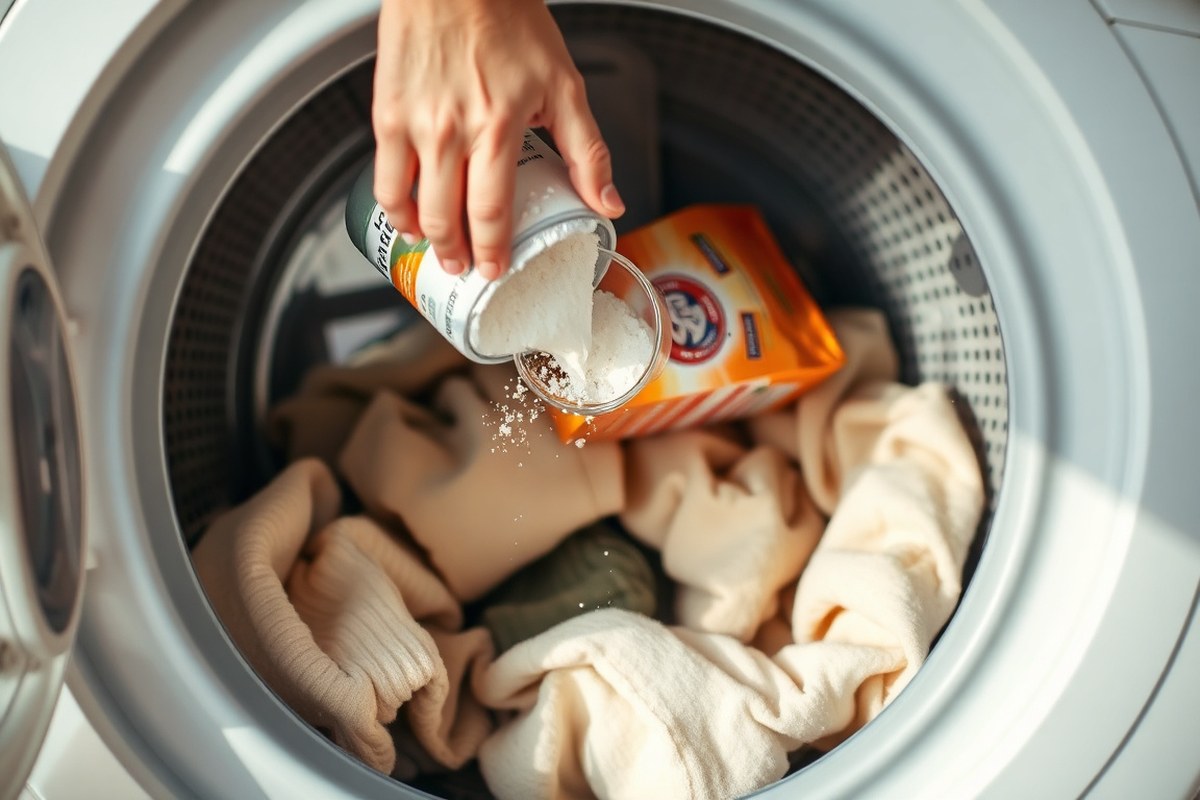
To get odors out of clothing effectively at home, you should use common household ingredients like baking soda and white vinegar combined with proper washing practices. Baking soda acts as a powerful odor absorber by neutralizing acidic smells, while white vinegar helps kill bacteria responsible for bad odors. Washing clothes in hot water improves results by killing odor-causing bacteria and dissolving oils that trap smells, though delicate fabrics may require cooler water to prevent damage.
Start by soaking smelly clothes in water mixed with either baking soda or vinegar to loosen odors before washing. Avoid combining baking soda and vinegar directly on the fabric since they react and lose effectiveness. Add baking soda to your regular detergent during the wash to boost deodorizing power. Using hot water settings on washable, sturdy fabrics helps remove stubborn odors more effectively. For particularly strong smells, apply a baking soda paste directly to odorous spots before laundering.
- Prepare a soaking solution. Dissolve 1 cup of white vinegar in 4 cups of cold water or 2 tablespoons of baking soda in a basin of warm water. Soak the clothing for 15 to 30 minutes to start breaking down odors.
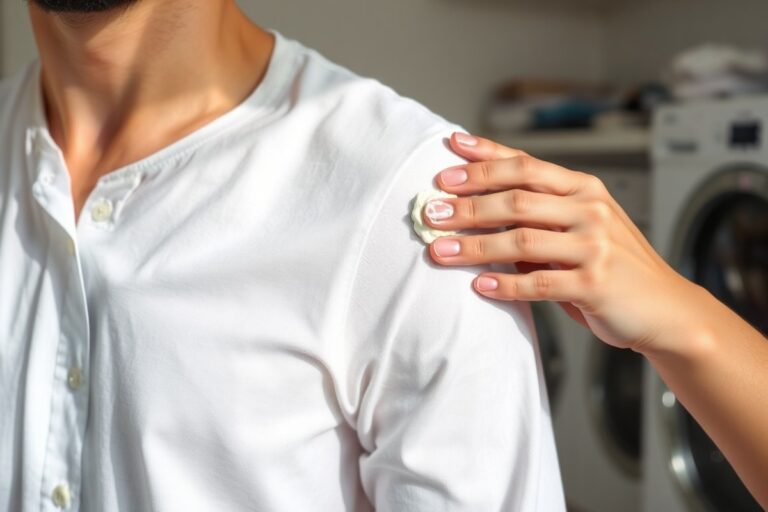
- Apply spot treatments for stubborn odors. Make a paste by mixing baking soda with water and rub it on smelly areas like underarms or collars. Let it sit for 15 minutes before washing.
- Load clothes into the washing machine. Add your usual detergent and 1 cup of baking soda directly to the wash cycle. Use hot water if the fabric care label allows, as it helps eliminate odors and bacteria.
- Run the wash cycle as usual. Hot water improves odor removal, but use warm or cold water for delicate fabrics to avoid shrinking or damage.
- Dry clothes thoroughly in fresh air or a dryer. Damp clothing can retain smells, so make sure garments are completely dry to prevent odor recurrence.
- Optional vinegar spray after washing. Mix equal parts white vinegar and water in a spray bottle and lightly mist clothing, then air dry to neutralize lingering odors without harsh chemicals.
Using baking soda and vinegar is an affordable way to refresh your clothes, costing just a few cents per use since pantry items are inexpensive and reusable. Baking soda’s alkaline nature breaks down acid-based odors, while vinegar’s acidity kills bacteria on fabrics. Hot water improve these effects by opening fabric fibers and removing oils, but caution is needed for delicate garments that may shrink or fade with heat. Keeping clothes dry after washing prevents odors from returning due to mildew growth.
2. Pre-Treating Clothes to Target Persistent Odors
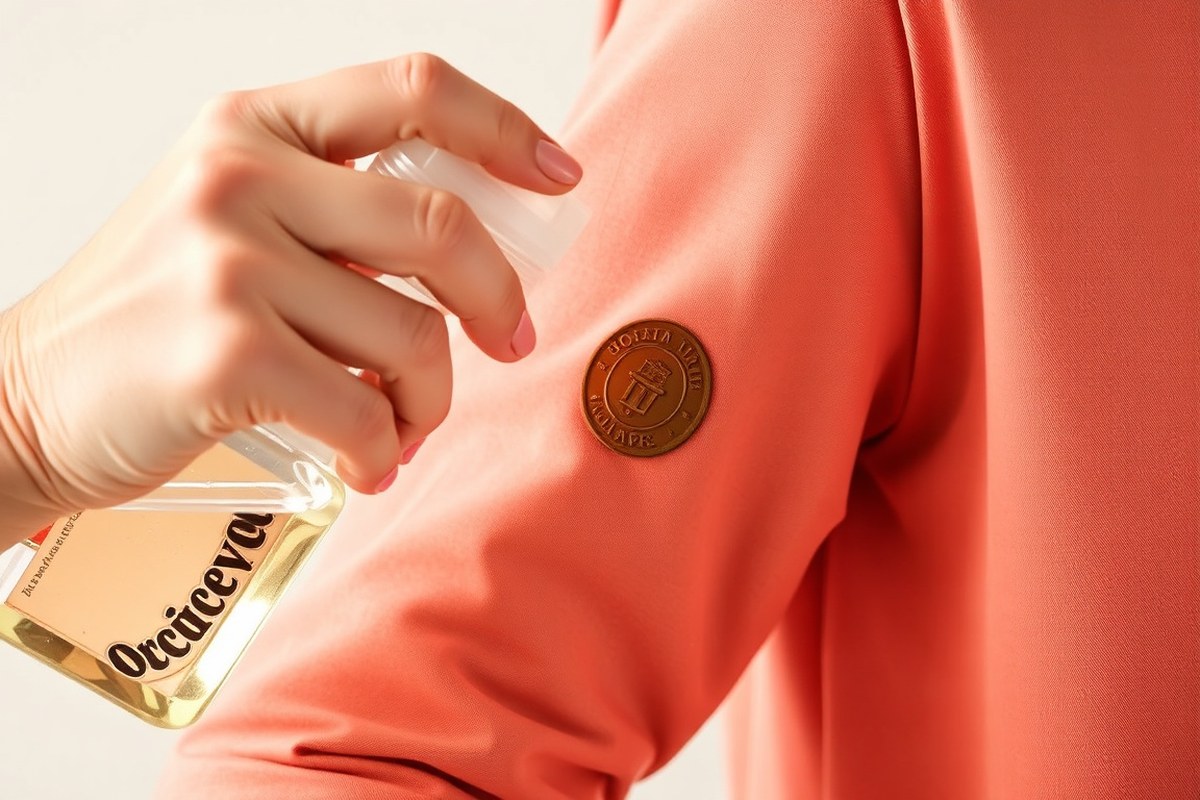
For persistent odors like sweat, urine, and smoke, pre-treating clothing before washing is essential. Targeted pre-treatments break down odor-causing substances and improve washing results. Proper use of home products or specialized solutions, with the right timing, helps remove tough smells effectively.
Pre-Treating Sweat and Body Odors
Sweat smells develop because bacteria and oils get stuck in clothing fibers, especially in synthetic workout gear. Spray or soak your clothes before washing with a solution that breaks down these substances. Many people use a mix of water and gentle detergent or a special sportswear spray that fights odors.
Brushing gently before washing can help loosen residues. Pre-soak activewear in warm water (around 104°F) with detergent for at least 30 minutes to an hour to soften stubborn oils. Using detergents formulated for synthetic fabrics helps remove sweat smells more effectively.
- Apply a mild detergent or odor-neutralizing spray directly to sweat-stained areas.
- Gently brush the treated spots to lift oils and bacteria.
- Soak the garment in warm water (about 104°F) and detergent for 30 to 60 minutes.
- Wring out excess water gently before machine washing as usual.
Tip: Avoid using fabric softeners on activewear, as they can trap odors by coating fibers.
Removing Urine and Pet Odors
Urine odors are particularly tough because urea and ammonia compounds cause lingering smells. Quick pre-treatment is key. Start by blotting excess urine with paper towels, then treat stains with chlorine dioxide tablets dissolved in water or an enzyme-based cleaner made for pet stains.
Chlorine dioxide tablets oxidize urine compounds, breaking down odor-causing molecules safely, and enzyme cleaners digest organic matter. Soaking heavily soiled clothes for 30 minutes to an hour before washing improves odor removal. Use hot water (130°F or higher) where fabric care allows, as heat helps deactivate bacteria and neutralize odors.
- Blot any fresh urine spots to remove excess liquid.
- Dissolve chlorine dioxide tablets in water or apply an enzyme cleaner directly to the stain.
- Let the garment soak for 30 to 60 minutes in the treated solution.
- Wash clothes in the warmest water safe for the fabric with a detergent designed for odor removal.
Warning: Never mix chlorine-based bleach with enzyme cleaners or ammonia products as it causes harmful fumes.
Treating Smoke and Food Smells
Smoke and food odors cling to fibers and sometimes need neutralizing agents before washing. Vinegar, baking soda, or commercial odor neutralizers can be sprayed or lightly sprinkled onto fabric pre-wash. A vinegar soak (1 cup white vinegar in a basin of cold water) for 30 minutes reduces smoke odors without damaging most fabrics.
For strong food smells like garlic or spicy foods, a similar soak or spray treatment helps break down oil-based residues. Avoid long soaking times to prevent fabric damage. After pre-treatment, wash with your regular detergent.
- Mix 1 cup of white vinegar into a basin of cold water.
- Soak smoky or food-smelling clothes for 20 to 30 minutes before washing.
- Optionally, sprinkle baking soda on dry clothes and let sit for 15 minutes before shaking off.
- Wash garments as usual, following fabric care instructions.
Tip: Test vinegar or baking soda on a small fabric area first to ensure no color fading or fabric damage.
3. Understanding Fabric Types and Their Impact on Odor Removal
Fabric type significantly affects odor retention and cleaning methods. Natural fibers like cotton allow better airflow and absorb sweat differently than synthetic materials such as polyester, which tend to trap sweat and bacteria, leading to stubborn odors. Cleaning approaches must match fabric characteristics to remove odors effectively without damage. Here’s how to treat different fabrics based on their fiber content.
Natural Fibers: Cotton, Wool, Linen
Natural fibers like cotton, wool, and linen are breathable and help regulate body temperature, which reduces sweat buildup and odor formation. They absorb moisture instead of trapping it, making it easier to wash away odors. Washing these fabrics at a minimum of 40°C helps eliminate bacteria and odor-causing compounds. Avoid fabric softeners as they can coat fibers and trap odors instead of removing them.
Use detergents suited for natural fibers that focus on removing organic matter like sweat and oils. These fabrics respond well to standard machine washing; sun-drying further helps neutralize odors by using ultraviolet light. Natural fibers are often more resilient to repeated washing but can shrink or lose softness if exposed to excessively hot water or harsh chemicals.
Synthetic Fabrics: Polyester, Nylon, Spandex
Synthetics tend to hold onto sweat and body oils because their fibers repel water but trap oil molecules, which bacteria feed on, causing persistent odors. These materials need detergents specifically designed to break down and remove oils and sweat trapped in the fibers. For example, detergents like WIN Activewear attack oil residues in synthetic fibers to prevent odor buildup.
Washing synthetic workout clothing in warm water (around 40°C) is often recommended. Avoid high heat, which can damage elasticity and shape. Skip fabric softeners as they worsen odor retention on synthetics. To boost odor removal, pre-treat garments with products or home remedies such as lemon or orange peel rubs to neutralize odor naturally.
| Fabric Type | Breathability | Odor Retention | Recommended Washing Temperature | Detergent Type | Fabric Softener Use |
|---|---|---|---|---|---|
| Cotton | High | Low | 40°C or higher | Standard detergent | Avoid |
| Wool | Moderate | Moderate | 30-40°C gentle cycle | Wool-specific detergent | Avoid |
| Linen | High | Low | 40°C | Standard detergent | Avoid |
| Polyester | Low | High | 30-40°C | Detergent for synthetics / sportswear | Avoid |
| Nylon | Low | High | 30-40°C | Detergent for synthetics / sportswear | Avoid |
| Spandex/Lycra | Low | High | 30°C gentle | Detergent for synthetics | Avoid |
The table summarizes fabric characteristics and optimal care to prevent and remove odors effectively. Using the right detergent and temperature prevents damage and maintains freshness. Fabric softeners generally worsen odor problems by coating fibers.
Delicates and Specialty Fabrics
Delicate fabrics like silk, cashmere, and vintage textiles require extra care to avoid damage while tackling odors. They often need cold or lukewarm water washing (usually under 30°C) with gentle detergents specifically formulated for delicate fibers. Avoid harsh scrubbing or frequent washing because this can weaken fibers and set odors.
When odors persist in delicate or dry-clean-only garments, consider professional cleaning services. Professionals use solvents and techniques designed to penetrate fabric safely and remove deep-set mildew or body odors without compromising fabric integrity. Home remedies and repeated washing on these materials risk damage or shrinking.
4. Quick Fixes for Odors Without Washing Clothes
Odors can linger in clothes even when washing them is not an option. Several effective methods help freshen garments quickly and keep them wearable between washes. Using odor absorbers like baking soda or activated charcoal provides a natural and convenient solution. Both work by attracting and neutralizing smell particles rather than just masking them.
For baking soda, sprinkle about 1 to 2 tablespoons evenly on the smelly areas of the fabric. Let it sit for 15 to 20 minutes to absorb odors, then shake or brush off the powder. This method suits removing musty or smoky smells. Activated charcoal pouches can be kept in your closet or drawers to steadily absorb odors without any direct contact with clothing. They often cost around $5 for reusable bags and last several months before needing replacement.
Freezing clothes is another option that reduces odor-causing bacteria. Place the garment in a sealed plastic bag to avoid moisture damage and freeze for 8 to 12 hours. This kills bacteria that cause smells, especially for items that cannot be washed frequently, such as denim or delicate fabrics. While this method doesn’t remove oils or dirt, it helps reduce odor intensity.
- Spray lightly with vodka using a spray bottle, then air-dry to evaporate the alcohol and odor
- Hang clothes outside in fresh air or sunlight for at least 30 minutes for natural deodorizing
- Rub citrus peels like lemon or orange on fabric to transfer a fresh scent
- Use dryer sheets on low heat in a dryer for 10 to 15 minutes to refresh fibers
- Use baking soda sachets or activated charcoal pouches inside your closet to help keep odors at bay continuously.
- Sprinkle baking soda on perfume spots and let sit for 20 minutes before shaking off
- Store items in breathable garment bags to prevent odor buildup between uses
These quick fixes cost little to nothing and require minimal effort. They are best suited for occasional freshening rather than deep cleaning. Sometimes combining a couple, like spraying vodka followed by sun-drying, yields faster, better results. Expect odors to fade rather than disappear completely if buildup is severe. For persistent or strong smells, washing or professional treatments remain necessary.
5. Proper Drying Techniques to Prevent and Remove Odors
Drying plays a important role in removing moisture that causes odors in clothing. Leftover dampness in fabric creates an environment where bacteria and mildew thrive, leading to musty and persistent smells. Ensuring your clothes dry completely helps prevent these odors from developing or returning after washing.
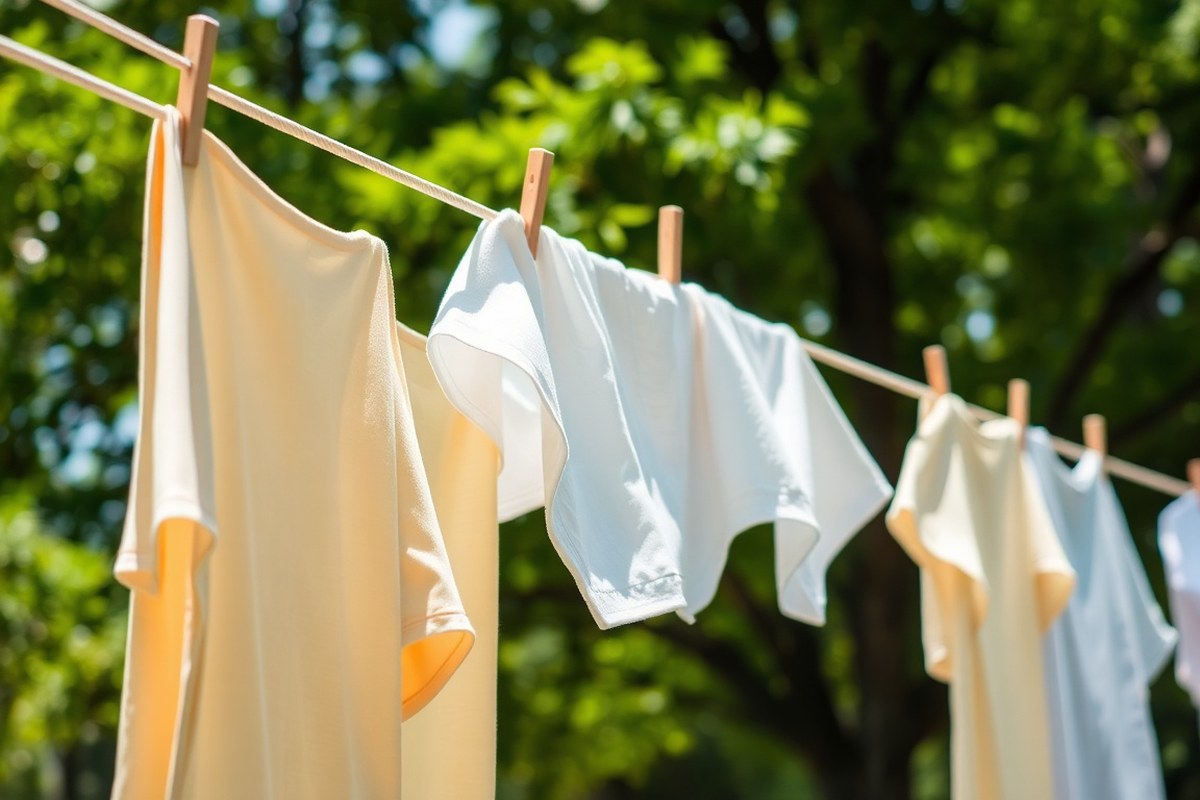
Air drying and machine drying both have benefits and drawbacks depending on the situation. Air drying is often better for odor prevention because it avoids heat that can set in lingering smells and stains. Hanging your clothes in a well-ventilated, sunny spot helps moisture evaporate quickly, reducing the chances of bacteria growth. For most fabrics, turning clothes inside out while air drying prevents colors from fading due to sun exposure.
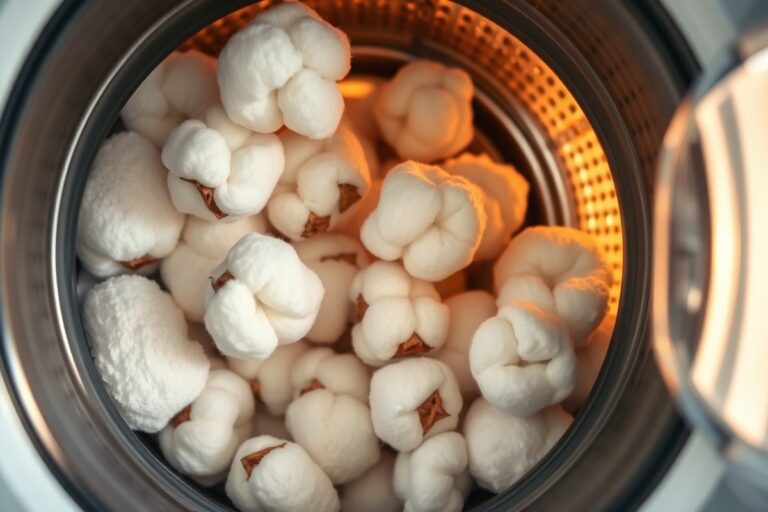
Machine drying speeds up the process but requires careful attention to avoid locking in odors. Heat from the dryer can set odors if the clothes are not thoroughly cleaned during the wash. Adding an XL wool dryer ball can reduce drying time and improve air circulation inside the dryer, helping clothes dry more evenly and quickly. Avoid overloading the dryer to allow space for air flow. Drying clothes completely, meaning no damp spots, prevents musty smells from returning.
Avoiding common mistakes during drying safeguards against odor problems. Don’t leave wet clothes sitting inside the washer or dryer after the cycle ends, as trapped moisture invites bacteria growth. Space garments when hanging or drying to allow full air circulation; overcrowding traps humidity and slows drying. Storing clothes in a dry, ventilated area after drying prevents sweat and dust from accumulating. High humidity inside your home, particularly in kitchens and bathrooms, affects drying performance, so use exhaust fans during cooking or showering to keep air dry.
For workout clothes or items prone to strong odors, letting them air dry immediately after washing helps stop odors from setting in. For delicate fabrics that cannot tolerate high heat, air drying prevents damage and fading while keeping clothes fresh. In cold or damp weather, using a dryer set to a lower heat setting may be necessary, but ensure the clothes are fully clean beforehand to avoid locking in smells.
Heat can lock odors into fabrics, so avoid machine drying clothes that aren’t fully clean or still damp from washing.
A good drying routine could look like this: after washing, promptly move clothes to air dry in sunlight or hang with enough spacing in a dry room. For faster results or on humid days, use a dryer with a wool ball and avoid overloading machines. Check that all items are completely dry before storing away to prevent musty odors and keep your clothes smelling fresh longer.
6. Preventing Odors: Laundry Routine and Closet Care
Preventing odors from coming back starts with treating stains and spills quickly to stop bacteria and fungi growth. Wash clothes as soon as possible after use, especially sweaty workout gear or damp items. Use the hottest water temperature safe for the fabric and include an Oxi Booster Pod with your detergent to break down odor-causing residues effectively. Avoid overloading the washer to ensure thorough cleaning and rinsing.
To keep your laundry smelling fresh, regularly clean your washing machine. Run an empty cycle monthly with hot water, adding one cup of white vinegar or a washing machine cleaner tablet. This routine gets rid of mold, mildew, and leftover detergent inside the drum, preventing musty smells from sticking to your clothes. After each wash, leave the washer door open to help moisture dry out and reduce fungal growth.
Closets and storage areas can trap humidity and stale air, encouraging odor development. Improve airflow by avoiding overcrowding and installing a small dehumidifier or moisture absorber if humidity levels are high. Regularly deodorize closets by sprinkling baking soda on shelves or placing open boxes inside to absorb smells. Wiping down surfaces monthly with mild cleaners also keeps fungi and bacteria in check.
Proper footwear and laundry hamper care adds another layer of odor control. Store shoes in well-ventilated racks rather than on closet floors, and clean hampers regularly to avoid mustiness. Using washable hamper liners and keeping hampers dry prevents the buildup of odor-causing microbes. Also, dry clothes completely before putting them in closets or drawers to avoid trapping moisture.
To decide if your washing machine needs cleaning, check for any visible detergent residue, a foul smell after a cycle, or clothes that come out smelling less fresh than usual. Perform the monthly cleaning cycle right away whenever you notice those issues. For closet care, if you notice a persistent musty smell despite laundering clothes regularly, increase the ventilation and deodorizing routines.
Investing just a little time each month in these maintenance habits saves money in the long run by extending garment life and reducing the need for costly odor removal products. A clean, dry washing machine combined with an airy, deodorized closet creates the best environment to stop odors from returning to your clothing.
7. Targeted Treatments for Specific Odors in Clothing
Specific odors like smoke, mildew, sweat, and pet smells require targeted treatments because these odors embed differently in fabric fibers. Tailoring your cleaning approach improves odor removal and prevents lingering smells. Some stubborn odors may call for enzyme-based detergents or professional cleaning services to fully eliminate them.
Removing Mildew and Musty Smells
Mildew and musty smells often come from moisture trapped in clothing, which encourages mold and bacteria growth. To remove these odors, start by airing out clothes in a well-ventilated space or under sunlight to reduce moisture levels. Next, wash them using a quality detergent to break down odor-causing elements. Avoid storing damp clothing as it sustains mildew growth, worsening the smell over time.
Using a hot water cycle, suitable for the fabric type, can help kill mildew spores. Occasionally adding white vinegar to the wash cycle can also neutralize musty odors without leaving its own smell. After washing, dry clothes thoroughly in direct sunlight or a dryer to prevent mildew from returning.
Eliminating Smoke and Cooking Odors
Smoke and cooking odors cling tightly to clothing fibers and often resist simple washing. Use odor neutralizers formulated to break down smoke molecules, available as laundry additives or sprays. After washing, allow clothing to air out outside; fresh air helps dissipate lingering smoke particles.
Regular washing alone may not remove cigarette or heavy smoke smell completely. Follow the label on odor neutralizing products and consider repeating treatment for extremely smoky fabrics. Keeping clothing away from smoky environments prevents future absorption of these persistent odors.
Treating Sweat and Body Odors
Sweat and body odors happen when bacteria break down sweat on fabric. Enzyme-based detergents excel at targeting these organic compounds. Pre-treating underarm areas or heavily soiled spots with enzyme cleaners before washing boosts effectiveness.
For activewear and gym clothes, use warm water cycles with enzyme detergents to tackle the source of odors. Using detergents without enzymes may leave the smell lingering even after washing. Consistently pre-treating and using appropriate detergents helps manage odor build-up.
Dealing with Pet and Urine Smells
Pet odors and urine stains require specialized enzyme cleaners designed to break down proteins and uric acid compounds that cause smell. Using standard detergents alone often fails to remove these stubborn odors completely.
Enzyme cleaners can be found in pet stores or laundry aisles and should be applied according to the package directions. For heavy or set-in stains, professional cleaning services might be necessary to fully restore fabric freshness. Promptly treating soiled clothing prevents odor from setting permanently. The table below summarizes effective treatments by odor type to help you choose the best solution for your clothing:
| Odor Type | Recommended Treatment | Key Tips |
|---|---|---|
| Mildew / Musty | Air dry in sunlight; wash with detergent; add white vinegar | Avoid storing damp clothes; use hot water when possible |
| Smoke / Cooking | Use odor neutralizers; air clothing outdoors | Repeat treatment for heavy smoke; keep clothes away from smoke |
| Sweat / Body Odor | Pre-treat with enzyme detergent; wash in warm water | Use enzyme-based detergent consistently; target treated areas |
| Pet / Urine Smells | Enzyme cleaners specialized for pet odors | Promptly treat stains; consider professional cleaning for stubborn odors |
Each odor type demands specific care to fully eliminate it from clothing. Using appropriate products and methods limits odor recurrence and keeps your garments fresh longer.
8. Common Odor Removal Mistakes and How to Fix Them
One of the most common errors that cause odors to persist or even worsen after washing is using fabric softener on sweaty or heavily soiled clothes. Fabric softeners create a residue that can trap odor-causing bacteria inside the fibers, making smells harder to remove. Instead of masking odors, this residue locks them in, which is especially problematic in workout or athletic wear. Avoid fabric softener on clothes prone to strong odors.
Detergent choice and usage also greatly affect odor removal. Not all detergents are formulated to break down tough body oils and bacteria that cause odor. Use detergents specifically designed to remove odors and stains, and follow the recommended amount for your load size. Using too much detergent leads to excess suds, which can trap dirt and bacteria, making odors worse.
Proper rinse cycles are important as well. Incomplete rinsing can leave detergent and residues on fabric, reducing fresh results. Make sure your washer completes a full rinse cycle to flush out detergent and loosened odor particles. For a more effective wash, running a hot water cycle (if fabric care allows) can kill odor-causing bacteria more efficiently.
- Skip fabric softener on sweaty or odor-prone clothing to avoid trapping smells.
- Choose detergents made for odor removal and use the correct amount.
- Run a hot water wash cycle when fabric care labels permit.
- Ensure a full rinse cycle to clear detergent and residue.
- Pre-soak garments for at least one hour to break up bacteria and oils.
- Dry clothes thoroughly, preferably in sunlight to kill bacteria naturally.
- Use scented dryer sheets or fabric softener only on freshly cleaned, odor-free clothes.
Pre-soaking clothes before washing helps loosen the bond between fabric and odor-causing bacteria, making the wash more effective. Let clothes soak for an hour or more in water with detergent or a natural odor absorber before running the wash cycle. When drying, sunlight helps reduce bacteria and freshen fabrics, but if using a dryer, ensure clothes are completely dry to avoid mildew smells.
Using fabric softener on smelly clothes can lock in odors rather than remove them, so only use it after odors have been fully eliminated.
Step-by-Step Action Plan to Remove Odors from Your Clothes
Follow these steps to effectively get rid of odors from your clothing and keep them fresh over time.
- Before washing: Pre-treat any persistent or specific odors using a mixture of water and baking soda or a targeted enzyme cleaner. Check that the smell lessens after pre-treating to confirm success.
- Washing day: Use the hottest water safe for the fabric with a good quality detergent and add a cup of white vinegar to neutralize odors. Odor should be noticeably reduced after the wash cycle.
- Immediately after washing: Avoid leaving clothes sitting in the washer by promptly transferring them to drying for best odor control.
- Drying phase: Dry garments outdoors in sunlight when possible, or use a dryer with a fresh, thorough cycle. Test by smelling for any lingering damp or musty odors afterward.
- After drying: Inspect clothes for any remaining smells. If odors persist, repeat pre-treatment and washing or use a deodorizing spray meant for fabrics.
- Daily wear maintenance: Air out worn clothes by hanging them in a ventilated area before storing to prevent buildup of odors.
- Closet care: Use moisture absorbers or dehumidifiers in closets to keep stored clothing fresh and prevent new odors from developing.
Frequently Asked Questions
Where Do You Add Baking Soda to Laundry?
Add one cup of baking soda directly to the washing machine drum along with your detergent before starting the cycle. This helps neutralize odors effectively during washing.
What Is the Strongest Odor Eliminator?
White vinegar is one of the strongest natural odor eliminators because its acidic nature breaks down odor-causing bacteria in fabrics. Use it as a soak or add it to wash cycles.
How Can I Get Rid of a Musty Smell in My House?
Use white vinegar in a spray bottle to mist fabrics and surfaces, then air out the room. For musty clothes, soak them in a mixture of water and vinegar before washing.
Is It Better to Wash Stinky Clothes in Hot or Cold Water?
Hot water is better because it kills odor-causing bacteria and dissolves oils that trap smells, but check fabric care labels to avoid damage.
Can I Use Lemon Juice to Remove Odors from Clothes?
Yes, lemon juice acts as a natural deodorizer because of its acidity, and you can use it as a spray mixed with water for spot treatment before washing.
Does Vinegar Damage Clothes If Used Frequently for Odor Removal?
Frequent use of vinegar is generally safe for most fabrics but avoid overuse on delicate materials to prevent weakening fibers over time.
Wrapping Up
Removing odors from your clothes requires a combination of proper washing, drying, and ongoing care. Treating specific smells promptly and choosing the right methods for each fabric helps ensure your clothes stay fresh longer. Try applying the pre-treatment step to any tough odors in your laundry today, and you’ll notice an immediate improvement in how your clothes smell.