Do Clothes Shrink in Warm Water? What Actually Happens and How to Prevent It
Yes, clothes can shrink in warm water, especially natural fibers like cotton, wool, and linen. Warm water causes fabrics to swell and fibers to relax, which shortens and tightens the threads, resulting in shrinkage. This tends to be less severe than shrinkage from hot water, but the risk remains, depending on the fabric you wash.
This information is targeted at homeowners and renters who want to avoid ruining clothes while doing laundry. You’ll learn which fabrics shrink most in warm water, how the shrinking happens, and practical tips to prevent unwanted size changes.
Key Takeaways
- Wash 100 percent cotton clothes in cold water below 80°F to minimize shrinking.
- Wool starts to shrink starting at temperatures around 86°F, so choose cool water when washing wool clothes.
- Warm water causes fabric fibers to swell, then contract as they dry, shrinking the garment.
- Synthetics like polyester and nylon resist shrinkage but can shrink slightly above 180°F.
- Use delicate or hand-wash settings with warm water to safely clean sensitive fabrics like silk.
- Air dry cotton fabrics to prevent further shrinkage after washing in warm water.
Do Clothes Shrink When Washed in Warm Water?

Clothes do not always shrink when washed in warm water, but the likelihood varies depending on the fabric type. Natural fibers like cotton, wool, and linen tend to shrink more because heat and moisture make them revert to their original, tighter form. Warm water loosens these fibers, allowing them to contract and create a smaller garment.
The way fabric fibers respond to warm water is due to a process called relaxation shrinkage. Heat causes the threads in the fabric to unstretch and shorten. For example, cotton fibers have tiny scales that can interlock and mat together when agitated and heated, tightening the fabric weave. This effect is stronger with looser weaves, which have more space between threads to tighten up. Denser, tightly woven fabrics shrink less in comparison because their structure is more stable.
Synthetic fibers like polyester and nylon are less likely to shrink in warm water. While they generally resist shrinking, they can still contract slightly under very high temperatures; nylon may start to shrink above 180°F, which is hotter than typical washing machine settings. Silk sits in between natural and synthetic; loosely woven silk shrinks more than tightly woven silk, and washing it in warm water risks damage beyond just shrinkage.
Shrinking is not certain from washing with warm water because several factors affect the outcome. The duration of soaking, the washing machine’s agitation, and whether the fabric is new or treated can all impact shrinking. For instance, wool or cashmere often shrinks faster with warm water and agitation, while cotton might only shrink slightly if washed briefly.
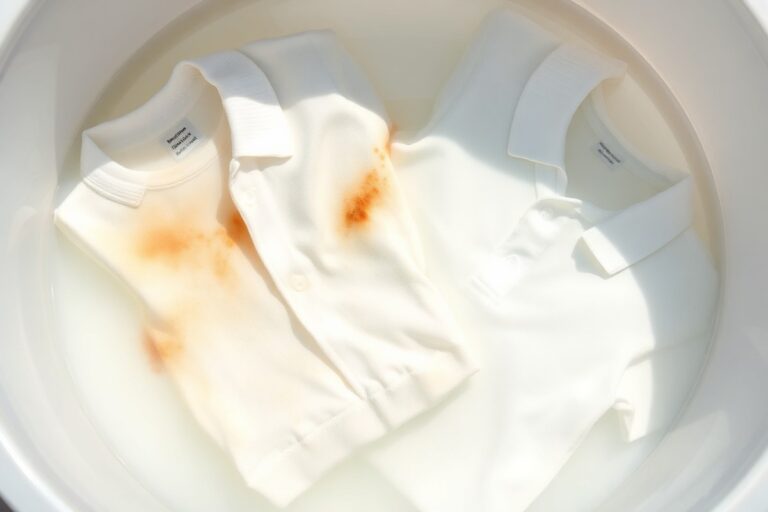
Using warm water, generally around 90°F to 110°F, can increase the chance of shrinkage compared to cool water under 80°F, which is safer for sensitive or natural fabrics. To minimize risk, avoid prolonged soaking or vigorous agitation in warm water. Soaking natural fiber clothes in a mix of warm water and 2 tablespoons of fabric conditioner for 15 minutes can relax fibers gently without excessive shrinkage.
Which Fabrics Are Most Likely to Shrink in Warm Water?
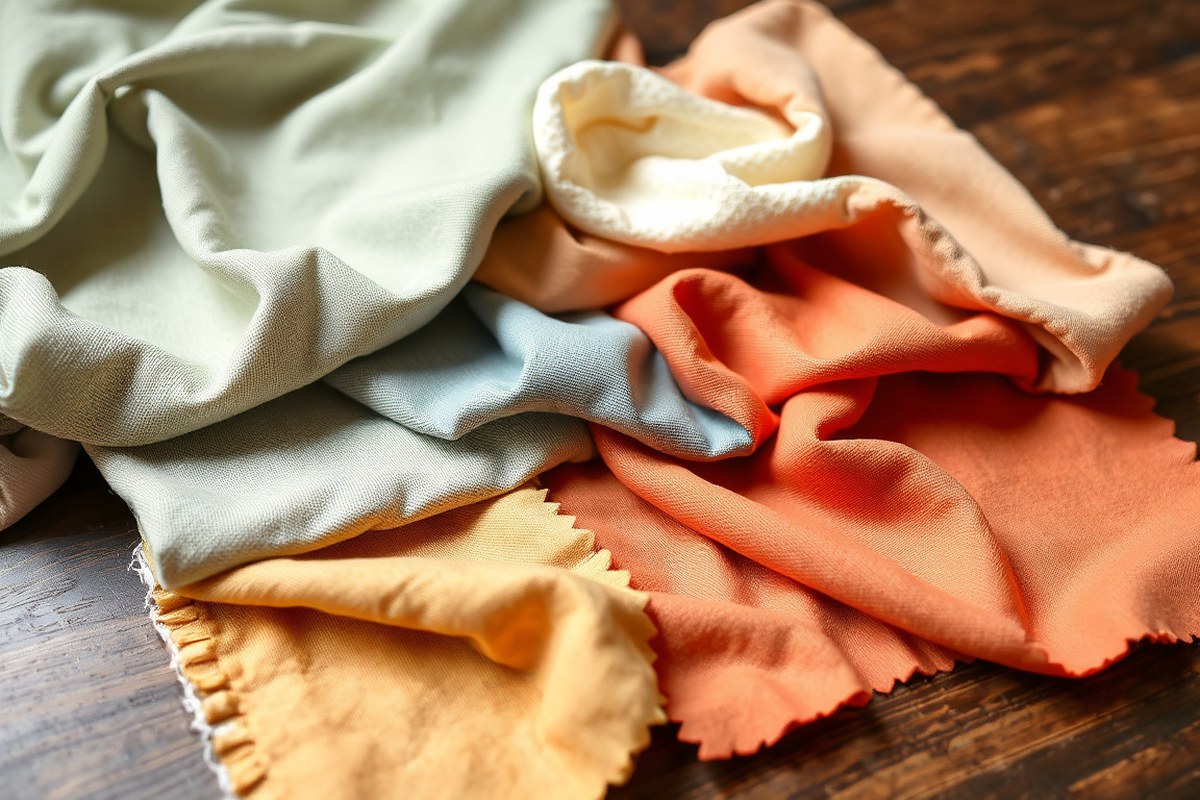
Natural fibers like cotton, wool, and linen tend to shrink more in warm water than synthetic fabrics. This happens because their fibers absorb water and swell, then contract as they dry, especially when washed at temperatures between 90°F and 120°F. Looser weaves allow fibers more space to shift and tighten, which increases shrinkage risk. For example, lightweight cotton T-shirts with a loose weave shrink more than tightly woven denim.
Synthetic fabrics such as polyester and nylon usually resist shrinking in warm water because their fibers don’t absorb as much moisture and have stronger structural resistance to heat. However, prolonged exposure to very high temperatures can still cause some synthetic clothes to shrink slightly, though the change is typically less noticeable than with natural fibers.
Delicate fabrics like silk and cashmere are prone to shrinking as well, but they require careful temperature control, usually warm or cold water, to prevent damage. Wool, while a natural fiber, also shrinks in warm water due to its structure, so it is treated more like a delicate fabric despite being natural. Knowing your fabric’s composition and weave tightness helps you predict shrinking risks and choose washing practices to protect your clothes.
| Fabric Type | Prone to Shrink in Warm Water? | Typical Shrink Behavior | Weave Tightness Effect |
|---|---|---|---|
| 100% Cotton (e.g., T-shirts) | Yes | Noticeable; can shrink significantly | Looser weaves shrink more |
| Denim (Cotton blend) | Yes | Moderate shrinkage; tighter weave limits shrinkage | Tighter weaves resist shrinkage |
| Wool | Yes | Shrinks reliably in warm water; must use gentle washing | Less relevant; structural fiber changes |
| Linen | Yes | Prone to shrink; natural fiber with loose weave often shrinks | Looser weaves shrink more |
| Polyester | Less likely | Minimal shrinkage unless exposed to very hot water | Tight weave resists shrinkage even more |
| Nylon | Less likely | Shrinks slightly at high heat | Generally resistant due to synthetic fiber strength |
| Silk | Yes (delicate fabric) | Shrinks with warm water; should use cold or warm water with care | Delicate weave increases risk |
The texture and weave also matter. Tight weaves like those used in denim restrict fibers from moving too much, thereby limiting shrinkage. Looser woven fabrics like many cotton T-shirts provide more space for fibers to contract when wet and heated, increasing shrinkage potential.
Washing stubbornly shrinking synthetics like polyester in warm water rarely causes much shrinkage, but always avoid drying them on high heat to prevent damage.
How Warm Water Causes Fabric Shrinkage
Warm water affects fabric by causing fibers to contract, a process tied closely to the structure of natural fibers such as cotton and wool. These fibers have microscopic scales on their surfaces. When exposed to warm or hot water, especially combined with agitation during washing, these scales open slightly. This opening allows the fibers to move and then lock into a tighter position as the water cools or the fabric dries, resulting in shrinkage.
This contraction is often called relaxation shrinkage. It happens because the fibers were stretched during manufacturing or previous use, and warm water relaxes these tensions. As fibers relax, they revert to a shorter, more natural state. This response to heat and moisture is why warm water can reduce the size of a garment more so than cold water, which keeps fibers more stable and less prone to moving.
The mechanical action of washing, or agitation, interacts with warm water by intensifying this shrinkage effect. When clothes are tumbled or stirred vigorously, the agitation causes the fibers to rub against each other. In fibers like wool, this rubbing makes the scales interlock more tightly, and once locked, these fibers won’t return to their original length. Aggressive spinning adds to this by pressing the fibers into a denser arrangement. Gentle wash cycles reduce the risk of shrinkage by limiting agitation intensity and water temperature, but warm water can still contribute to some shrinkage over time.
In practical terms, preventing warm water shrinkage means controlling both temperature and agitation level. Washing clothes at temperatures below 90°F (32°C) minimizes fiber swelling and scale opening. Using delicate or hand-wash settings reduces mechanical stress. Extended exposure to higher temperatures or vigorous washing will increase the odds and amount of shrinkage. This careful approach costs little more time but protects the garment’s original size and fit.
Warm water shrinkage also depends on exposure duration. Short cycles might cause only slight fiber contraction, while longer washes allow more thorough relaxation and tightening. The specific fabric composition matters too; synthetic fibers like polyester do not shrink as easily because they lack the scaled surface that natural fibers have. Understanding these factors helps you manage your laundry routine to avoid unwanted shrinking and maintain fabric quality.
How Long Does It Take for Clothes to Shrink in Warm Water?
Shrinkage from warm water can start quite quickly during washing, often within the first few minutes of exposure. The fibers in materials like cotton, wool, and linen tighten up as they absorb warm water, which causes the fabric to contract. Longer exposure, through extended soaking or longer wash cycles, usually increases shrinkage, especially with more aggressive wash settings.
Soaking time matters because the longer clothes stay submerged in warm water, the more the fibers relax and then tighten as they dry. For example, soaking a cotton shirt in warm water for 30 minutes can lead to noticeable shrinkage, while a soak under 10 minutes may cause only minimal change. The laundry cycle duration also plays a role; longer wash cycles mean more time in warm water with mechanical agitation, which adds to fiber contraction and fabric distorting.
To control shrinkage, managing both how long and how warm your water is critical. Shorter cycles with warm (not hot) water reduce the risk, especially for fabrics vulnerable to shrinking. For items in warm water that you want to avoid shrinking, limit soak times and choose quick cycles to minimize fiber stress. Follow these steps to manage how long your clothes stay in warm water and reduce unwanted shrinkage:
- Sort fabrics by type and shrink sensitivity before washing, separating cottons, linens, and wools from synthetics.
- Set water temperature on your washing machine to warm (typically between 90°F and 110°F) instead of hot.
- Choose a short or medium wash cycle, generally 15 to 30 minutes, so clothes are exposed to warm water only briefly.
- Avoid pre-soaking clothes in warm water for extended periods. Limit any soak to under 10 minutes if necessary.
- Use gentle agitation or hand wash setting when available to minimize fiber stress that leads to shrinkage.
- Remove clothes promptly when the cycle ends to avoid prolonged damp exposure that can continue shrinking.
- Dry clothes carefully using gentle methods like air drying or low heat to prevent further shrinkage.
These steps allow you to maintain your clothes’ size as much as possible while still using warm water to clean. Skipping long soaks and harsh, lengthy wash cycles cuts down on how much your garments shrink during washing.
Safe Warm Water Washing Practices by Fabric Type
Warm water can be used safely on some fabrics if you follow the right steps to avoid shrinking. For cotton and denim, warm water helps clean stains but you should limit exposure and drying heat. Wool and linen need cooler temperatures to maintain shape, while synthetic and delicate fabrics generally require cold water to prevent damage. Selecting the gentle cycle and avoiding high heat drying reduces the chances of shrinking across all fabrics.
Cotton and Denim Care
Cotton and denim fibers are prone to shrinking when exposed to warm or hot water, especially combined with a hot dryer. Washing in water around 90°F to 110°F (32°C to 43°C) can be acceptable if your goal is to preserve fit without heavy shrinkage. Use warm water only for lightly soiled garments or to help remove tough stains, and choose shorter wash cycles to reduce fiber contraction.
Wear and tear increase with repeated warm water washes, so monitor clothes for changes in texture and size. Air drying or tumble dry on a low heat (around 120°F or 49°C) limits further shrinkage and maintains softness. Overdrying is a common cause of shrinking cotton and denim, even after washing in warm water.
- Use warm water (90°F to 110°F) on sturdy cotton and denim garments only when needed
- Choose a normal or permanent press wash cycle to reduce agitation stress
- Avoid long wash cycles to minimize fiber contraction
- Air dry or tumble dry on low heat, under 120°F
- Check garment fit after the first warm water wash before repeated use
Handling Wool and Linen Safely
Wool and linen are natural fibers that shrink easily in warm or hot water. Always use cold water under 80°F (27°C) and the gentlest cycle available if you must machine wash them. Wool benefits from detergents designed for wool or delicate fabrics, as these nourish the fibers and keep shrinkage low.
Because wool shrinks rapidly in warm water, hand washing is often safer. Submerge the wool garment in cold, soapy water for 3 to 5 minutes, then rinse gently. Linen can handle warm water briefly but dries best flat to avoid misshaping. Both wool and linen should never be tumble dried at high heat to prevent shrinkage and distortion.
To keep wool sweaters from shrinking, always use cold water with a detergent made for wool and lay flat to dry.
Washing Synthetic and Delicate Fabrics
Synthetics like polyester and nylon do not typically shrink in warm water, but it’s best to wash them in cold water to maintain color and fabric integrity. Delicate fabrics such as silk require cold water and a gentle cycle to avoid shrinking and damage from agitation.
Use a mesh laundry bag to protect delicate items if you choose machine washing. Avoid machine drying synthetic or delicate fabrics; instead, air dry or hang them on a padded hanger indoors. A gentle wash cycle with slow spin speed further reduces any stress on the fabric.
- Wash synthetic fabrics in cold water to retain fabric strength and color
- Choose the gentle or delicate cycle on your washing machine
- Use mild detergent suited for delicate or synthetic fabrics
- Protect delicate items with a mesh bag during machine wash
- Air dry or hang dry, avoiding heat in the dryer
Does Drying Method Affect Shrinkage After Warm Water Wash?
Tumble drying usually increases shrinkage more than air drying after washing in warm water. The heat and tumbling action pull fibers tighter, causing fabric to contract further. Air drying slows this effect since there is no intense heat or agitation, reducing the risk of additional shrinkage and fabric damage.
While drying can’t reverse shrinkage that already happened during washing, it can make it worse, especially with heat from tumble dryers. Air drying may also lead to slight shrinkage if clothes hang in direct sunlight or hot, dry environments. Gentle handling during drying is key to preserving garment size.
Choosing the best method depends on your fabric and the item’s care labels, but starting with air drying or tumble drying on low heat protects your clothes better. Low heat inside a dryer reduces shrinkage risks versus high heat. Using mesh laundry bags or turning clothes inside out before drying can also help.
| Drying Method | Effect on Shrinkage | Typical Drying Time | Energy Use |
|---|---|---|---|
| Air Dry Indoors | Minimal shrinkage, unless in direct heat | Several hours to overnight | None (natural) |
| Air Dry Outdoors (shade) | Low shrinkage risk | Few hours depending on weather | None (natural) |
| Tumble Dry Low Heat | Moderate risk; better than high heat | 30 to 60 minutes | High compared to air drying |
| Tumble Dry High Heat | High risk of shrinkage and fabric harm | 20 to 40 minutes | High |
For air drying, use a drying rack or hang clothes inside where airflow is good but there’s no direct sunlight. This method avoids heat that tightens fibers. Ensure clothes are spread out to dry evenly and reduce wrinkles.
When using a dryer, select the lowest heat setting and frequently check clothes to prevent overdrying. Avoid placing delicate or natural fibers like cotton in the dryer on high heat, as this accelerates shrinkage. Using dryer balls may improve drying efficiency and reduce drying time.
How to Fix Clothes That Have Shrunk from Warm Water Washing
Restoring shrunken cotton or wool garments is possible but requires gentle care. Using conditioning soaks and slow fiber stretching can relax tightened fibers. In some cases, professional treatment is advisable, especially for delicate or expensive items.
Soaking with Conditioner
Applying a hair conditioner soak helps soften cotton and wool fibers, making them more pliable to stretching. Conditioner contains oils that lubricate the fibers, reducing stiffness caused by shrinkage.
Use roughly 1 gallon of lukewarm water near 90°F (32°C) combined with 1/3 cup of regular hair conditioner to make a soaking solution. Avoid hot water because cotton can shrink above 100°F (38°C), and wool starts shrinking at about 86°F (30°C).
- Fill a basin with 1 gallon of lukewarm water.
- Add 1/3 cup of regular hair conditioner and stir until dissolved.
- Submerge the shrunken garment completely in the solution.
- Let the garment soak for about 30 minutes to soften the fibers.
- Gently press water out without wringing to avoid fabric damage.
This soaking step costs just a small amount for conditioner and water but can significantly ease fiber stretching.
Gentle Stretching Techniques
After soaking, stretch the garment carefully while it’s still damp to help reshape it. Stretching targets tightened fibers relaxing them back toward original size and shape.
Work gradually to avoid fabric tears or excessive distortion. Focus on length and width, especially in areas shrunk most. Lay the item flat on a towel for controlled stretching.
- Place the damp garment on a clean, dry towel.
- Use your hands to stretch small sections gently, holding each stretch for 10 to 15 seconds.
- Repeat stretching across the garment’s length and width evenly.
- Roll the towel with the garment inside to absorb excess moisture.
- Lay flat on a dry towel and allow to air dry to maintain the new shape.
Good results show the garment regaining several inches in size. Avoid stretching when dry as fibers are less flexible and more prone to damage.
Professional Treatment Options
Some shrunken garments, especially delicate wool or cashmere, may benefit from professional care. Dry cleaners and specialist laundries have controlled methods to reshape fabrics safely.
Machine washing wool in warm water can cause irreversible damage, so a professional’s hands-on approach is often safer. Treatments might include steam pressing or special soaking techniques.
Costs vary widely, typically ranging from $10 to $30 per item depending on fabric and location. Consult local cleaners for quotes and explain the shrinkage to ensure correct service. Professional care reduces risks of fiber damage and offers better chances to restore valued garments without further shrinkage or distortion.
Common Mistakes That Cause Shrinking and How to Avoid Them
Several common laundry mistakes cause clothes to shrink when washed in warm water. These errors usually involve ignoring care labels, using high heat, and running overly aggressive wash cycles. Correcting these habits protects your clothes from unwanted shrinkage.
Ignoring Care Labels
Care labels provide important instructions about the safest water temperature, wash cycle, and drying method for each garment. Disregarding these instructions often leads to shrinkage because the fabric gets exposed to conditions it can’t handle. Always check the label for recommended water temperature, warm water is sometimes acceptable, but some fabrics require cold water only.
This step matters because natural fibers like cotton and wool react differently to warm water. Following care labels helps preserve the garment’s original size and shape. A quick decision method: if the label says “cold wash only,” do not use warm water, even if your washer has a delicate setting.
Using High Heat Settings
High heat drying is a major cause of shrinkage. Warm water combined with a dryer set to high temperature can cause fabric fibers to contract rapidly. Many people assume that high heat prevents shrinkage, but the opposite is true, high heat almost always increases the risk.
To avoid this, use low heat or air-dry cycles in your dryer, or better yet, lay clothes flat or hang them to dry. Look for dryer settings labeled “delicate” or “tumble dry low.” These settings reduce heat exposure and friction, which both contribute to shrinking.
Use the dryer sparingly and always select low heat settings if your garment’s care label doesn’t advise air drying.
Over-Agitation and Long Wash Cycles
Strong agitation and extended wash cycles can weaken fibers and cause them to contract, especially in warm water. Heavy-duty cycles increase friction inside the washing drum, which roughens the fabric surface and encourages shrinkage.
Choose gentle or delicate cycles for clothes prone to shrinking, and avoid adding extra time to the wash. Limiting wash time to 30-40 minutes can help preserve fabric integrity. Here’s a list of laundry practices to avoid shrinking caused by agitation and cycle length:
- Do not select heavy-duty or deep clean cycles for delicate fabrics.
- Avoid multiple sequential washes without drying.
- Don’t overload the washing machine; clothes need space to move freely.
- Use liquid detergents formulated for delicate fabrics to reduce fiber stress.
- Skip extra rinse cycles unless absolutely necessary.
Choosing the right cycle and detergent limits fiber stress and helps clothes maintain their original fit after washing.
Step-by-Step Action Plan for Washing Clothes in Warm Water Without Shrinking
Follow these steps to safely wash your clothes in warm water while avoiding shrinkage and damage.
- Before washing: Check the care label on each garment to confirm it is safe for warm water washing. The label says “cold water only” or “dry clean”; avoid using warm water.
- Sort your laundry: Separate natural fibers like cotton and wool from synthetics and blends. Wash delicate or shrink-prone fabrics separately to control the water temperature precisely.
- Start the wash cycle: Use the warm water setting only for fabrics that tolerate it well, such as polyester blends. For cotton or wool, use cool or cold water to minimize the risk of shrinkage.
- Choose the right detergent: Use a mild detergent suitable for the fabric type. Harsh detergents can weaken fibers and contribute to shrinking over time.
- Dry carefully: Air-dry clothes that are prone to shrinking, especially cotton, wool, and rayon. Using a dryer? Choose a low-heat or tumble-dry setting and remove clothes as soon as the cycle finishes.
- Check clothes immediately after drying: Make sure garments have retained their shape and size. Notice shrinkage? Reshape damp clothes by hand or stretch them gently while drying.
- After use: Store clothes properly to maintain their structure and avoid future shrinking. Avoid stacking wet clothes or leaving them bunched up after washing.
Frequently Asked Questions
Can Warm Water Cause Shrinkage in Synthetic Fabrics?
Warm water rarely causes shrinkage in synthetic fabrics like polyester. These fabrics are designed to resist shrinking, so washing in warm water is generally safe for synthetic clothes without risk of size change.
Is Shrinking in Warm Water Permanent for All Clothes?
Shrinkage caused by warm water is often permanent, especially in natural fibers. Some fabrics might relax slightly after washing, but most shrinking from water exposure does not reverse without steaming or stretching.
Does Washing Clothes in Warm Water Affect Color Fastness?
Washing in warm water can cause some clothes to fade or bleed color, especially natural fibers. Using cold water helps preserve dye and reduces the risk of fabric damage along with shrinkage.
Can Using Warm Water in Washing Machines Save Energy?
Warm water uses less energy than hot water but more than cold water. It balances cleaning power with energy savings, but choice depends on fabric type and cleaning needs to avoid shrinking.
Is Warm Water Safe for All Clothes Labeled “Machine Wash”?
Not all “machine wash” labels mean clothes can handle warm water safely. Always check fabric type and care instructions to avoid shrinkage or damage even if machine washable.
Do Detergents Used with Warm Water Influence Shrinkage?
Detergents themselves do not cause shrinkage; it’s the water temperature and fabric type that matter. Using mild detergent with warm water helps protect clothes from damage while cleaning effectively.
The Bottom Line
Clothes can shrink in warm water, especially natural fabrics like cotton and wool, so knowing your fabric type and following proper washing and drying steps is key. Testing with a less visible item can help you avoid damaging your entire wardrobe. Start by checking the care labels next time you do laundry to choose the safest water temperature for your clothes.