How to Retain Whiteness of Clothes: 8 Proven Ways to Keep Whites Bright
To retain whiteness of clothes, wash them in the hottest water safe for the fabric and use a detergent with enzymes that activate above 60° F. Add whitening agents like hydrogen peroxide or a small amount of bleach for tough brightening, and treat stains promptly. These steps help maintain bright whites and prevent dullness over time.
This advice suits homeowners and renters aiming to keep white clothes looking fresh and new. You’ll learn specific washing techniques and product recommendations to keep whites bright through everyday laundry routines.
Key Takeaways
- Always check clothing labels and use the hottest water temperature safe for white fabrics to get the best cleaning results.
- Choose detergents with enzymes that activate at 60° F or higher to break down dirt effectively on white clothes.
- Pre-treat stains by gently blotting stain remover into the spot and letting it sit for about 15 minutes before washing.
- Soak white clothes for one hour in a solution with detergent or 3% hydrogen peroxide to brighten and remove grime.
- Add up to 1 cup of hydrogen peroxide to the bleach dispenser for a safer whitening boost than chlorine bleach on most fabrics.
- Use chlorine bleach sparingly and only on 100% cotton to avoid damaging fabrics like silk, wool, or spandex.
1. How to Wash White Clothes to Keep Them Bright
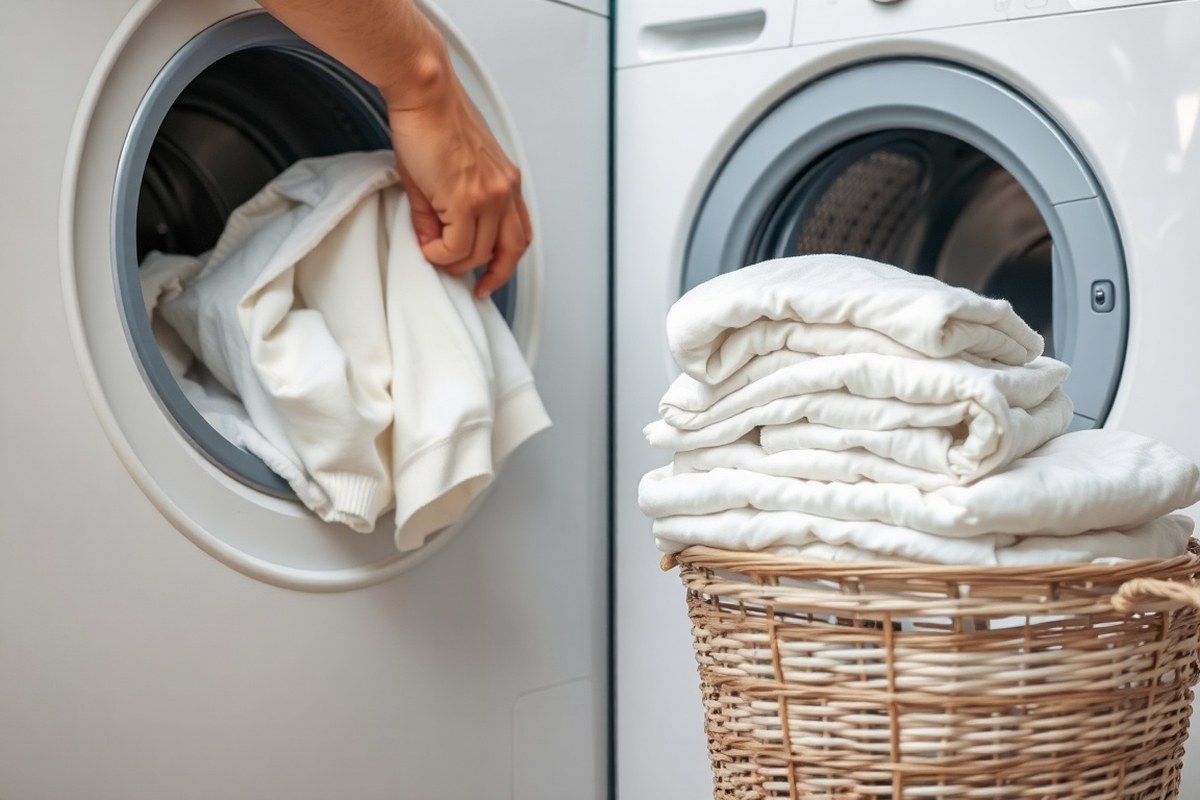
Keeping white clothes bright begins with smart washing techniques tailored to preserve their brightness. Use the warmest water safe for the fabric type rather than hot water, as it cleans effectively without causing damage or yellowing for most whites. Separating white clothes from colored items prevents color transfer, which often dulls whites over time. Sorting whites by fabric type lets you adjust water temperature for each group, protecting delicate fabrics while thoroughly cleaning sturdier ones.
Washing machines should be loaded moderately to avoid overcrowding, which can trap dirt and dull clothes. Choose a mild detergent formulated specifically for whites to help maintain brightness without harsh chemicals. Lastly, use machine settings designed for whites or regular cycles with full rinses to remove detergent residue that can cause dinginess.
- Separate white clothes from colors. Sort whites apart from all colored laundry to prevent dyes from bleeding onto your whites, which can stain and dull their look.
- Sort whites by fabric type. Group heavier cottons separately from delicate fabrics to use appropriate water temperatures and washing cycles for each.
- Check for stains and pre-treat if needed. Apply a gentle stain remover or soak for up to an hour to spot-treat tough stains before washing.
- Choose the correct water temperature. Use warm water for sturdy fabrics like cotton to remove dirt and oils effectively. For delicate whites, cold water minimizes wear and fading.
- Use a mild detergent designed for whites. These detergents help protect fabric fibers and maintain brightness without harsh chemicals that may cause yellowing over time.
- Set the washing machine cycle. Select a regular or whites-specific cycle with a full rinse option. Avoid quick or cold rinse-only settings that might leave detergent buildup.
- Load the machine moderately. Don’t overload to ensure all whites get adequately cleaned and rinsed. Crowding clothes reduces agitation and can trap dirt.
- Include a whitening additive if desired. Adding 1/3 cup of bleach to the machine’s bleach dispenser or a cup of baking soda with detergent can boost whitening during the wash.
2. Best Detergents and Whitening Agents for White Clothes
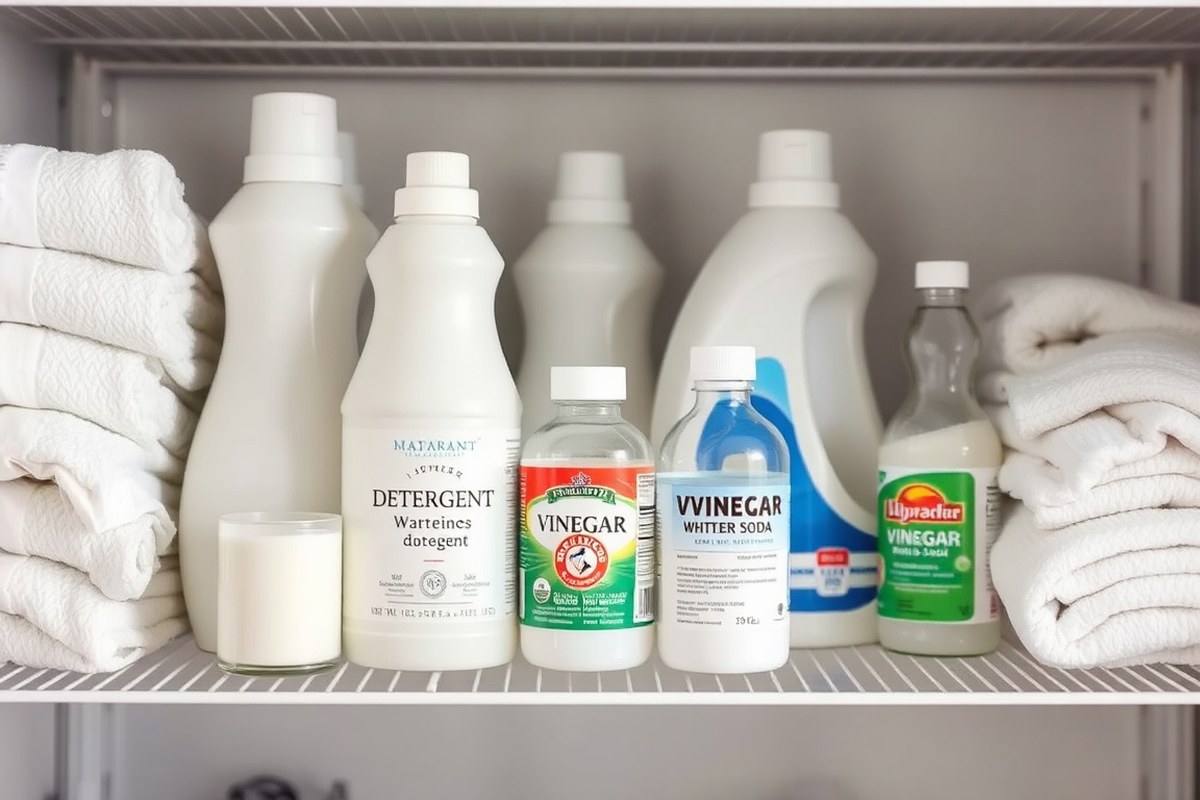
Choosing the right detergent and whitening agents makes a big difference in keeping white clothes bright. Detergents with optical brighteners work by reflecting light, improving whiteness, while natural ingredients like vinegar and lemon juice safely brighten without harsh chemicals. Oxygen bleach and hydrogen peroxide offer gentle chemical whitening, avoiding the risks of chlorine bleach when used properly.
Detergents with Optical Brighteners
Detergents containing optical brighteners absorb ultraviolet light and emit it as blue light, making fabrics appear whiter and brighter. These brighteners help counteract dinginess that develops over time but don’t actually remove stains or dirt, so regular washing is still necessary.
Use detergents with optical brighteners for everyday laundry to maintain whiteness, especially for fabrics that tolerate these additives well. Rotating between detergents can prevent buildup of residues that dull whites.
Natural Whitening Ingredients
Vinegar, lemon juice, and baking soda brighten white clothes by altering pH or acting as mild bleaches. Add 1/4 cup of white vinegar or strained lemon juice during the final rinse to remove small stains and brighten fabric naturally. These ingredients work best on white textiles to avoid unwanted fading.
Baking soda, or sodium bicarbonate, can be added directly to the wash cycle (about 1/2 cup) to remove odors, soften fabric, and brighten whites. It has a natural bleaching effect and helps lift dinginess without harsh chemicals.
Only use lemon juice on white garments, as its bleaching properties can discolor colored fabrics.
| Whitening Agent | Usage Amount | How to Use | Effect |
|---|---|---|---|
| White Vinegar | 1/4 cup | Add to final rinse cycle | Removes small stains and brightens whites |
| Lemon Juice (strained) | 1/4 cup | Add to final rinse; only for white fabrics | Natural bleaching and brightening effect |
| Baking Soda | 1/2 cup | Add to wash cycle | Whitens, removes odors, softens fabric |
These natural agents provide safe, low-cost alternatives to chemical whiteners. Regular use in the rinse or wash cycles can sustain a fresh, bright look without damaging fabric fibers or causing skin irritation.
Chemical Bleaching Options
Chlorine bleach is a powerful whitener but risks yellowing or weakening fabric when overused, plus it can irritate skin and produce harmful fumes. Using chlorine bleach requires gloves, ventilation, and careful measurement.
Oxygen bleach and hydrogen peroxide serve as safer alternatives. Oxygen bleach works well on whites and colors without harsh fumes or fabric damage. Use oxygen bleach according to product instructions, usually adding it to the wash with detergent.
Hydrogen peroxide, commonly sold as 3% solution, brightens white clothes and removes dark stains like blood or ink. Apply hydrogen peroxide directly to stains with a white cloth before washing or add 1/2 cup to the wash for overall brightening.
Wear gloves and use chlorine bleach in well-ventilated areas to avoid skin irritation and respiratory issues.
3. Pre-Treating and Removing Stains from White Clothes
Spot cleaning and pre-treating stains on your white clothes helps prevent dullness and discoloration. Act quickly using stain removers that match the stain type, letting them sit about 15 minutes before washing to improve removal. Treating stains properly protects your whites from yellowing, graying, and permanent marks caused by common substances like sweat and food.
Identifying Common Stains on Whites
White clothes often show noticeable stains from makeup, food, sweat, and dirt. Sweat and body oils can cause yellowing, especially around collars and underarms. Dirt and mud usually leave visible grime that dulls fabric brightness. Food stains, including grease and sauces, are common and often contain oily residues that attract more dirt if untreated early.
Recognizing these stains early helps you choose the right stain remover. For example, enzyme-based removers are good for protein stains like sweat and food, while oxygen-based bleaches target general grime without harming fabric. Avoid mixing stains as each requires specific care to maintain whiteness.
Effective Pre-Treatment Techniques
Pre-treat stains on white clothes by applying a dedicated stain remover or a small amount of laundry detergent directly to the mark. Use a gentle blotting motion rather than rubbing harshly to avoid damaging the fabric. Let the remover sit for about 15 minutes, or follow the product’s instructions precisely for best results. Higher washing temperatures also help dissolve and remove stains more effectively, but check the clothing label before using heat. Consider these steps to pre-treat stains properly:
- Identify the stain type and choose the correct stain remover.
- Apply a small amount of remover directly onto the stain using a clean cloth or your fingers.
- Blot gently to help the remover penetrate the fibers.
- Allow the remover to sit for 15 minutes, or as indicated on the product label.
- Rinse lightly with cool water to prevent spreading the stain.
- Wash the garment separately in warm water suitable for the fabric.
- Check the stain before drying to decide if repeat treatment is necessary.
Avoiding Stain Setting During Drying
Drying white clothes before completely removing stains risks setting them permanently with heat. Always check garments for remaining stains before placing them in the dryer or under direct heat. The sun can help freshen and brighten whites, but avoid drying stained areas in hot sunlight until fully treated.
For stubborn stains that don’t come out after washing, repeat the pre-treatment process rather than drying. Re-treat stains with the same remover and wait the recommended time before rewashing. Proper pre-treatment combined with careful drying protects your white clothes from developing yellow or gray marks caused by set-in stains.
4. Drying Techniques That Protect White Clothes
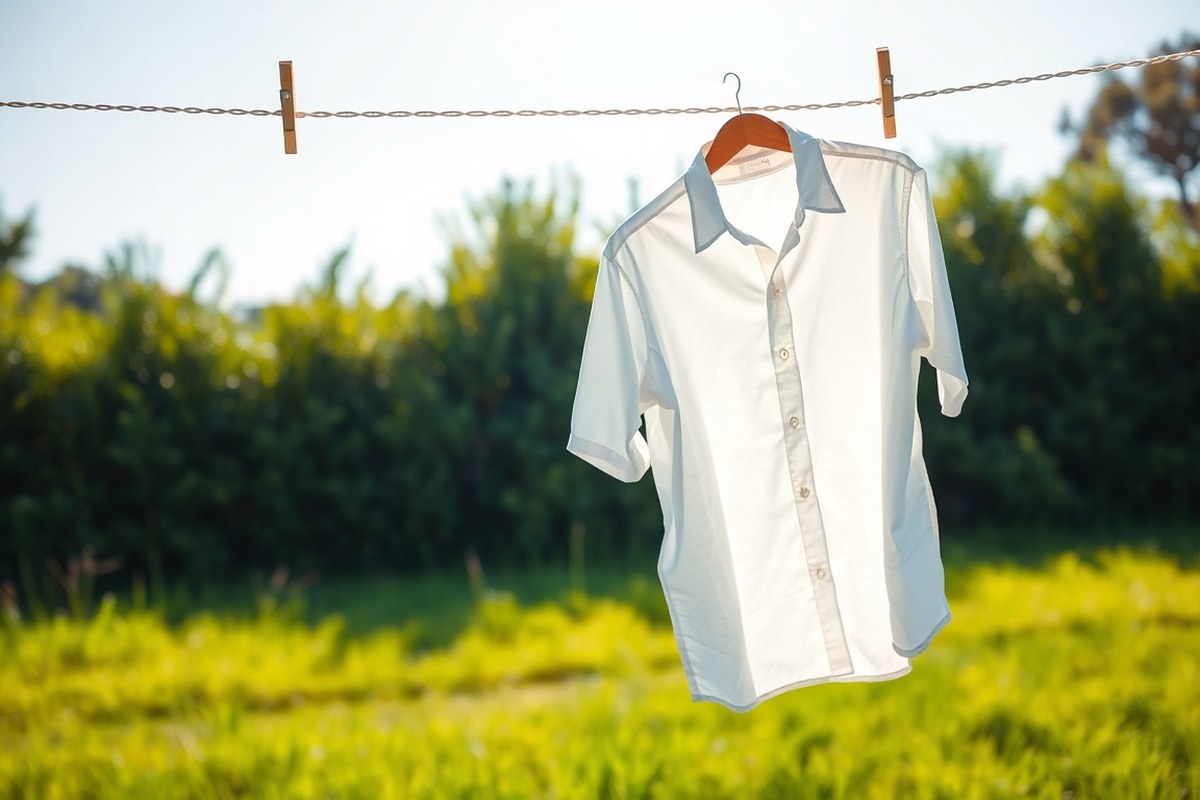
Air drying is a good option for white clothes because it avoids the heat that can cause yellowing and fabric damage. Sunlight actually provides a natural bleaching effect, which can help keep your whites bright. To use sun drying effectively, hang your clothes in a sunny spot during the hottest part of the day, usually between 10 a.m. And 2 p.m. Shake your clothes out before hanging to reduce wrinkles, and turn thicker fabrics inside out to limit direct sun exposure that might weaken fibers. Avoid leaving clothes out too long or folding them damp, as this can cause yellowish stains.
When using a machine dryer, choose low or medium heat settings. High heat can cause shrinking and may yellow whites over time. Dry whites thoroughly but avoid over-drying, which not only risks fading but also weakens fabric fibers. A good rule is to set the dryer for about 30 to 40 minutes on medium heat and check the clothes early. If they are almost dry, remove them promptly and let them finish air drying. Overuse of the dryer can also lead to static and fabric pilling, which dulls the brightness of white fabrics. Some key tips for drying white clothes properly include:
- Air dry white clothes whenever possible, especially in direct sunlight for natural bleaching
- Turn clothes inside out before drying to prevent direct heat or sun damage on the outside
- Shake out garments before hanging to minimize wrinkles and help with even drying
- Use low to medium heat if using a dryer to prevent shrinkage and yellowing
- Remove clothes from the dryer while slightly damp to avoid over-drying damage
- Avoid mixing white clothes with colored fabrics that might transfer dye during drying
- Consider placing a clean, dry towel in the dryer with white clothes to speed drying and reduce static
White clothes that remain crisp, without yellow stains or shrinkage, show that you’ve balanced sun exposure and heat properly. Pay attention to fabric type too, some delicate whites may always do better on air dry or very low dryer heat. Excessive drying heat or sun exposure can weaken fibers or cause yellowing, especially if clothes aren’t washed properly beforehand. You’ll save money on energy and get longer life out of your white garments by using these drying methods thoughtfully. This also means your whites come out looking fresh and bright, keeping wardrobe basics attractive and well cared for.
5. How to Handle Gray and Yellowing on White Clothes
White clothes turn gray or yellow mainly due to dirt buildup, body oils, sweat, and improper washing or drying techniques. Using too much detergent can leave residues, which attract more dirt and cause dullness. Yellowing especially appears underarms and collars when sweat and deodorant residues combine and aren’t fully washed out. Exposure to heat or storing clothes while damp also encourages these discolorations. Over time, repeated washing without proper treatment causes fibers to trap grime deeply, making the fabric lose its brightness.
To restore whiteness at home, start by doing a simple test to decide your approach. Check the fabric care label to ensure it is safe to use oxygen-based bleach or whitening agents. For cottons and durable fabrics, soak the clothing in a warm water solution containing oxygen bleach according to package instructions (usually 1-2 tablespoons per gallon). Soak for 4 to 6 hours but no longer than 24 hours. For delicate fabrics, opt for milder boosters like baking soda or lemon juice mixed with water and test on a hidden seam first.
Another effective option is washing white clothes with a laundry booster that specifically targets dinginess and stains. Read directions carefully, as an overdose can harm fabrics or cause yellowing. After soaking or washing, rinse thoroughly to prevent residues. Dry white clothes in natural sunlight only if the items are 100% white or very light-colored, since sun exposure fades colors and weakens fibers over time. For yellow stains particularly under the arms or collar, gently rub with a paste of water and baking soda, then launder as usual.
Some tough gray or yellow stains resist home treatments, especially if they are old or from sweat and deodorant buildup. At this point, professional cleaning services that use specialized detergents and treatments can effectively remove discolorations and restore whiteness. Dry cleaners may use solvents or commercial whitening products that are not available for at-home use and can carefully handle delicate fabrics. Consider professional cleaning if discoloration remains after multiple home attempts or the garment is expensive or sentimental.
Always separate white clothes from colored ones before washing to avoid color transfer, which causes graying. Avoid fabric softeners and scented detergents on whites as fragrances can mark whites and contribute to dulling. Do not overload the washing machine, and use the correct water temperature, usually hot or warm water works best to dissolve body oils but check care labels to avoid damage. Remember, regular maintenance and timely treatments prevent buildup and keep whites bright longer.
Avoid mixing whites with colors and never use excessive detergent; residues trap dirt, leading to gray and yellow buildup.
6. Common Mistakes That Cause Whites to Dull and How to Fix Them
Overloading your washing machine prevents clothes from moving freely, which stops detergent and water from rinsing away dirt and dulling residues effectively. This buildup can cause white clothes to look gray or dingy over time. Keep loads at about three-quarters full and avoid stuffing the drum. This allows water and detergent to reach all areas, improving cleanliness and brightness.
Fabric softeners often coat fabrics with residues that trap dirt and cause white clothes to yellow or gray. These residues also reduce fabric breathability and absorbency. Skip fabric softeners on whites or use alternatives like white vinegar added during the rinse cycle, which softens clothes without leaving harmful buildup.
Drying stained whites before treating spots sets the stains permanently. Heat from dryers causes chemical changes in stains, making them harder or impossible to remove later. Always pre-treat and wash whites thoroughly to remove stains before using any drying method. Here is a checklist to avoid common mistakes that dull white clothes:
- Do not overload the washing machine; fill it about 75% to allow good water flow and agitation.
- Use the warmest safe water temperature for your fabric to activate detergent and whitening agents without damage.
- Avoid fabric softeners on whites or replace with ½ cup white vinegar during the rinse cycle.
- Pre-treat stains immediately using products like lemon juice, vinegar, or laundry boosters such as borax or washing soda.
- Do not dry clothes with stains until they are fully removed to prevent permanent setting.
- Choose a washing cycle suitable for the fabric type to avoid excessive wear or fading.
- Rinse whites well to remove all detergent residues that can attract grime over time.
Following these points helps maintain white clothes with less fading and graying, saving you repeated costly replacements. White clothes treated this way appear fresher and last longer, while common mistakes lead to dull whites despite regular washing. Stick to these habits as part of your laundry routine for the best long-term results.
7. Maintaining Your Washing Machine for Bright Whites
Keeps your washing machine clean and well maintained to prevent grime buildup that dulls your whites. Mineral deposits and detergent residue can accumulate inside your machine, especially in hard water areas, reducing its cleaning power. Over time, this grime transfers onto your clothes, leaving them dingy despite regular washing.
Cleaning your washing machine every 1 to 3 months is a good routine, depending on how often you wash. Use natural agents like 1 cup of lemon juice or white vinegar to break down residue safely. Avoid overfilling your washer to allow proper water and detergent circulation, which helps rinse out dirt more effectively. Hard water with high mineral content often makes these residues worse, so consider a water softener if you notice persistent buildups. Follow these steps to keep your washing machine fresh and your white clothes bright:
- Empty the washer completely before cleaning to reach all areas inside.
- Prepare a cleaning solution by mixing 1 cup lemon juice or white vinegar with warm water, or use a commercial washing machine cleaner following package instructions.
- Run a hot water cycle with the tub empty, adding the cleaning solution to the detergent tray or directly to the drum.
- Pause the cycle mid-way and let the solution soak in the drum for 1 hour to soften grime and mineral deposits.
- Complete the cycle to rinse away loosened dirt and residue.
- Clean removable parts like the lint screen, detergent drawer, and door seal using a soft cloth dipped in the cleaning solution.
- Wipe the inside and outside of the washing machine with a microfiber cloth to remove any leftover grime or moisture.
- Leave the door open after cleaning to let the drum dry fully and prevent mold growth.
This routine typically takes about 1.5 to 2 hours but only needs to be done every few months. Regular maintenance costs are low, as lemon juice and vinegar are inexpensive and readily available. If your water is hard, adding a water softener or using detergent formulated for hard water can improve washing results and extend machine life.
A clean washing machine ensures detergent works properly, water reaches all fabric fibers, and dirt is fully rinsed out. Ignoring maintenance can leave residue that dulls whites and causes a musty odor. Keeping your machine clean protects your investment and keeps your white clothes looking fresh and bright wash after wash.
8. Deciding When to Use Bleach or Alternatives Based on Fabric Type
Choosing the right bleach for your white clothes depends largely on the fabric type to avoid damage while keeping them bright. Chlorine bleach works for 100% cotton whites but can harm delicate fabrics. Oxygen bleach is a safer choice for a wider range of clothes, offering stain removal without harsh effects. Always test on a hidden spot before applying bleach to the entire garment.
Chlorine Bleach Usage Guidelines
Chlorine bleach contains sodium hypochlorite and is effective for whitening and removing stains on sturdy, white cotton fabrics. It should only be used on 100% cotton or other bleach-safe fabrics. Avoid chlorine bleach on wool, silk, spandex, or blended fabrics since it can cause yellowing, weakening, or even holes. Using chlorine bleach incorrectly may also harm fabric fibers or remove white dyes used in some garments.
To use chlorine bleach safely, dilute it according to the label, typically about ¾ cup of bleach per gallon of water for soaking or adding during the wash cycle. Use the hottest water temperature recommended on cotton fabric labels. Limit chlorine bleach use to roughly once a month to prevent premature wear or yellowing from over-bleaching.
Oxygen Bleach Advantages
Oxygen bleach, also called sodium percarbonate or powdered peroxide, releases oxygen and washing soda when dissolved in water. This gentler bleaching agent works well on a variety of fabrics beyond just cotton, including synthetics, making it a more versatile choice for mixed laundry loads. It brightens and lifts stains effectively without the intense chemical action of chlorine bleach.
Compared to chlorine bleach, oxygen bleach is better for delicate fabrics like blends and synthetics and is environmentally safer. You can use it routinely with your detergent during the wash cycle or for pre-soaking stained whites. Oxygen bleach is usually sold in powder form and costs about $5 to $10 per container, which lasts through multiple uses.
| Bleach Type | Suitable Fabrics | Effects | Usage Notes |
|---|---|---|---|
| Chlorine Bleach | 100% cotton, bleach-safe whites | Strong whitening, can damage silk, wool, spandex | Use diluted, limit frequency, hottest safe water |
| Oxygen Bleach | Cotton, synthetics, blends, delicate fabrics | Gentler whitening, stain lifting, safer on fabric | Use in warm water, compatible with detergents |
| Mixture (oxygen bleach + ammonia) | Stubborn stains on white fabrics | Effective but use cautiously, strong smell | Test first, ventilate well, don’t mix with chlorine bleach |
This table summarizes which bleach to use depending on the fabric, their effects, and important usage tips to protect your clothes.
Testing and Application Tips
Always perform a patch test before using any bleach on your white clothes. Select an inconspicuous area about 1 inch square and apply a diluted bleach solution. Wait 5 to 10 minutes, then rinse with cold water. Check for any color change, fabric distortion, or damage. If the test area shows no adverse effects, proceed with bleaching the entire garment according to label instructions.
For best results, sort clothes by fabric type and follow the washing instructions for water temperature and cycle. Add bleach during the appropriate wash cycle stage, usually when the washer fills with water, or pre-soak whites for 30 minutes in diluted oxygen bleach for stubborn stains. Avoid mixing chlorine and oxygen bleach or combining bleach with ammonia except when explicitly directed and very carefully to avoid hazardous fumes.
Never apply full-strength bleach directly onto fabric; always dilute it first to prevent damage.
Step-by-Step Action Plan to Keep Whites Bright
Follow this simple routine to maintain your white clothes bright and fresh over time.
- Before You Start: Sort whites separately and check for stains to pre-treat them using a gentle stain remover. You’ll see fewer spots after washing.
- Day 1: Use a detergent formulated for whites and add a whitening booster if your fabric allows. Whites should appear visibly brighter after the wash.
- After Each Wash: Clean your washing machine monthly by running a hot cycle with no clothes, using a machine cleaner or vinegar. This prevents residue buildup that dulls clothes.
- After Washing: Air dry whites outside when possible, out of direct sunlight to avoid yellowing. Clothes should feel fresh and avoid gray tones.
- Week 2: Check for any gray or yellow areas and treat them promptly with an oxygen-based whitener safe for your fabric. You’ll notice restored brightness.
- Week 3: If your fabric permits, use bleach sparingly and only for heavy whitening needs. Avoid overuse to prevent weakening fibers.
- Monthly Reminder: Avoid mixing whites with colored clothes or lint-producing fabrics to keep whites from dulling prematurely.
Frequently Asked Questions
Can I Use Lemon Juice to Whiten All My White Clothes?
Use lemon juice only for white garments, as it can bleach colored clothes. Let them soak for 1 hour before washing to brighten whites safely.
How Does Hydrogen Peroxide Help in Whitening Clothes?
Hydrogen peroxide at 3% concentration removes stains on white clothes and acts as a mild bleach alternative. Apply it straight to stains for best results.
Is It Better to Air Dry or Machine Dry White Clothes to Keep Them Bright?
Air drying in the sun helps brighten white clothes and kills bacteria, but check labels for heat tolerance before machine drying.
Can Regular Detergent Keep My Whites Bright Without Bleach?
Regular detergent helps clean but may not restore brightness; use detergents with whitening agents for a crisp appearance.
How Often Should I Clean My Washing Machine to Protect White Clothes?
Clean your washing machine monthly to prevent residue buildup that dulls whites and affects washing efficiency.
Are There Fabrics That I Should Never Bleach to Keep Whites White?
Avoid bleach on delicate fabrics and those labeled “no bleach,” as it can damage fibers and cause yellowing.
Key Points to Remember
Maintaining the brightness of your white clothes means consistent care tailored to your fabrics and washing routine. By washing whites separately, treating stains early, and choosing the right products, you can extend their fresh, bright look. Start by sorting and pre-treating your whites in your next laundry load to see the difference.