How to Clean a Down Duvet: Safe Steps and Expert Tips for Fluffy Results
Cleaning a down duvet at home is safe if you follow careful steps to protect the delicate feathers and fabric. Use low heat for drying, avoid overheating, and wash the duvet only every 3 to 4 years unless there are stains or spills. This guidance helps maintain your duvet’s loft and prevents shrinking or damage from harsh washing methods.
This advice is for homeowners and renters who want to keep their down duvets fluffy and fresh without risking damage. You’ll learn how to prepare, wash, dry, and maintain your duvet properly, with tips on spot cleaning and when to consider professional services.
Key Takeaways
- Use a high-quality cotton duvet cover and wash it every 2 to 3 weeks to reduce the need for washing your down duvet.
- Plan on washing your down duvet every 3 to 4 years unless spills or stains require earlier cleaning.
- Always dry your down duvet completely using low heat (max 135°F) to prevent mildew and bad odors.
- Check the drying progress every 20 to 30 minutes to avoid overheating and to redistribute the down filling evenly.
- Spot clean stains promptly with mild detergent to avoid frequent full washes and preserve the duvet’s lifespan.
- Expect drying to take 2 to 3 hours; rushing can lead to dampness and clumping of the down feathers.
Can You Clean a Down Duvet at Home Safely?
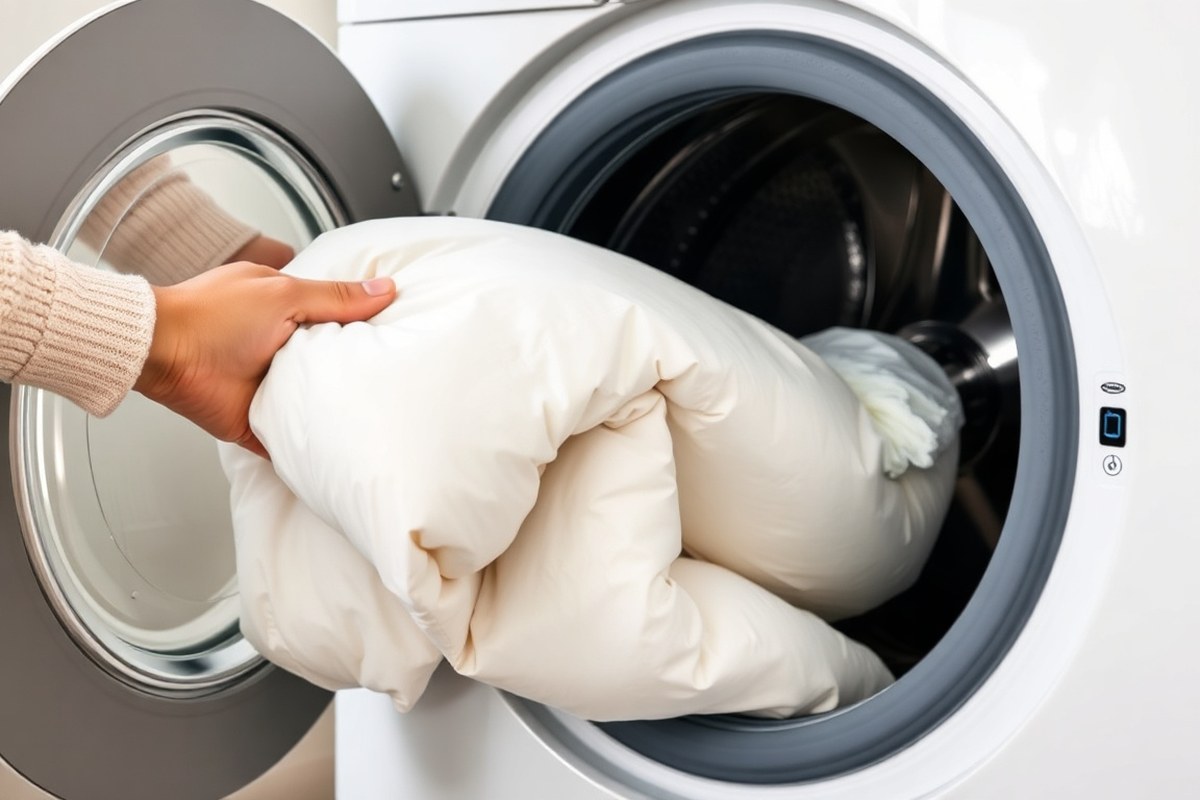
Yes, you can clean a down duvet at home safely if you follow a few important guidelines. The first step is to check the size and type of your washing machine. Your machine must be large enough to accommodate the duvet without stuffing it in tight. Overloading prevents proper water circulation and detergent rinsing, which can cause uneven cleaning and damage the filling. Front-loading washing machines or large-capacity top loaders are preferred because they allow more room for the duvet to move freely. You can hand wash the duvet in a bathtub using lukewarm water and mild detergent when you don’t have access to a suitable machine, though it takes more physical effort.
Use a mild, liquid detergent specifically designed for down or delicate fabrics. Avoid powdered detergents containing enzymes or bleach, which can strip natural oils from the down, leading to clumping and loss of loft. Since down is sensitive, use less detergent than usual, about half your normal amount, to prevent residue buildup. The water temperature should be cold or lukewarm; hot water can harm the down filling and fabric. Set your machine to a gentle or delicate cycle to minimize agitation, which reduces wear and tearing on the fabric shell and the down clusters inside.
When washing, run a rinse cycle or two after the initial wash to ensure all detergent is fully removed. Excess detergent trapped inside can cause the down to mat and lose its insulating properties. Pair the gentle wash with a medium or low spin speed to remove water without compacting the duvet too harshly. After washing, thoroughly drying the duvet is important to avoid mold or mildew growth. Using a large-capacity dryer with dryer balls helps restore loft, but slow drying on a flat surface is acceptable if you don’t have access to a dryer that fits.
The decision to wash a down duvet at home depends on the size of your machine, the care instructions on the label, and your comfort with the washing and drying process. When your machine is too small or the duvet’s label says “dry clean only,” choosing professional cleaning helps protect the warranty and keeps the down comfortable. Usually, home washing works best for small to medium-sized duvets that fit comfortably in machines with at least a 4.5 cubic-foot capacity.
Cleaning with these precautions can keep your down duvet fresh without compromising its quality. Washing every 3 to 4 years is sufficient for most duvets, especially when you use a duvet cover cleaned every few weeks. This approach helps minimize the need for deep cleaning and extends the life of your comforter.
How to Prepare Your Down Duvet for Washing

Preparing your down duvet properly before washing protects its delicate filling and keeps it fluffy and warm. Remove any covers, check the manufacturer’s care label for instructions, and treat visible stains gently. Repair any small damages to prevent worsening during washing.
Removing the Duvet Cover Without Damage
The duvet cover acts as a protective layer for your down duvet, capturing daily dirt and stains. Removing it carefully ensures it remains usable and helps you wash your duvet separately without extra grime. Because covers are easier to clean, frequent washing of them is preferable. To remove the duvet cover:
- Lay the duvet flat on the bed or a clean surface.
- Locate the opening, usually at the foot or one side of the duvet cover.
- Unbutton or unzip the cover gently without forcing the zipper or buttons.
- Start peeling the cover back slowly, turning it inside out as you go to avoid tugging.
- Carefully pull the cover completely off without yanking, to protect the fabric and stitching.
- Shake the duvet lightly to remove loose dust or debris before storing or washing.
Always remove the duvet cover first because washing the down duvet inside the cover can trap moisture and increase drying time.
Inspecting and Repairing Small Tears or Seams
Tears or holes in your down duvet can let feathers escape during washing, resulting in less warmth and filling clumps. Check for damage before laundering, especially around seams and corners.
Examine the entire surface under good light to find any weak spots. Small holes can be sewn closed with a needle and thread by hand or with a sewing machine. Use thread color matching the duvet fabric for an inconspicuous repair.
If sewing is not an option, consider using iron-on patches made for fabric repair. Avoid using tape or glue that can degrade in the wash or leave residues.
Fix tiny tears promptly; ignoring them risks feather leakage and permanent damage during the wash cycle.
Spot Cleaning Stains Before Washing
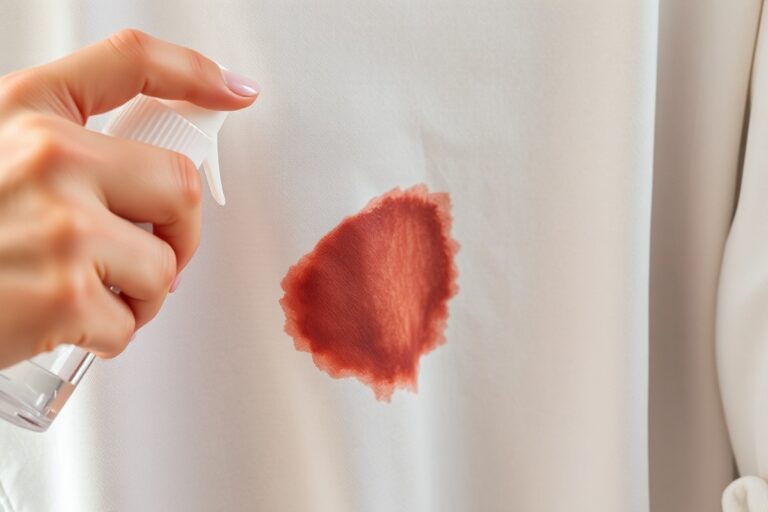
Stains on your down duvet benefit from prompt spot treatment, which reduces the need for harsh chemicals or heavy washing. Use a mild soap or detergent suitable for delicate fabrics to avoid damaging the down fill. To spot clean effectively:
- Test the soap on a small hidden area to check for colorfastness.
- Dab a small amount of mild soap mixed with water onto the stain using a soft cloth or sponge.
- Blot gently, avoid rubbing vigorously, which can spread the stain or damage the fabric.
- Use a clean, damp cloth to rinse the spot by blotting out soap residue.
- Allow the spot to air dry completely before washing the entire duvet.
Address stains as soon as possible, before they set in. This method helps maintain your duvet’s appearance and overall fabric quality while limiting exposure to harsh chemicals and extended wash cycles.
Only use mild soap for spot cleaning to protect the fragile down and outer fabric from harsh chemicals that can degrade filling quality.
Best Practices for Washing Your Down Duvet
Wash your down duvet on a gentle cycle using cold or lukewarm water to protect the feathers and fabric. Use a mild, non-bleach detergent in the right amount, and avoid fabric softeners that could harm the down. Proper load size and cycle settings prevent damage, keeping your duvet fluffy and clean.
Choosing the Right Wash Cycle and Temperature
Select the gentle or delicate cycle on your washing machine to provide a slow agitation that won’t disturb or break the down clusters. Use cold water or lukewarm water up to about 90°F (32°C). Cold water is safest for preserving the natural oils in the feathers and preventing shrinkage or fabric damage.
Overheating can cause feathers to clump or lose loft. Avoid hot water, as temperatures above 135°F (57°C) damage the down and stitching. Your machine might have an option for an extra rinse cycle to help remove detergent residues that can irritate your skin or affect the down’s loft.
Using Mild Detergents Suitable for Down
Choose a mild detergent designed for delicate fabrics or specifically for down products. Avoid any detergent with bleach, enzymes, or harsh chemicals that can strip the feathers’ natural oils. Usually, a small amount is enough, typically 1 to 2 tablespoons per large load. Follow this checklist for detergent use:
- Use mild, non-bleach detergent
- Measure 1, 2 tablespoons for a full duvet wash
- Dissolve detergent in water before adding duvet
- Use detergent formulated for delicate or down fabrics if possible
- Skip powdered detergents if they do not dissolve well in cold water
- Check detergent label for suitability with feather fillings
This approach maintains the loft of your duvet by preventing feather damage and buildup of detergent residue.
Avoiding Additives That Can Damage Down
Fabric softeners and bleach can weaken down feathers and reduce their insulating power. Avoid these additives completely. Fabric softeners leave a coating on feathers, making them less fluffy and breathable, while bleach breaks down feather fibers and fabric threads.
To boost freshness, use a small amount of a mild, fragrance-free rinse aid designed for delicate fabrics. Instead, you’ll get better results by tumble drying with dryer balls or clean tennis balls, which help break up feather clumps and promote even loft. Keep the following in mind:
- Do not use bleach or fabric softener
- Use rinse aids only if mild and specifically for delicate fabrics
- Toss a few clean tennis balls or wool dryer balls into the dryer to help bring back the duvet’s fluffiness.
- Avoid overloading the washer to ensure thorough rinsing and less stress on the duvet
- Balance load evenly; wash two down items simultaneously when possible
Spot Cleaning Techniques for Down Duvet Stains
Spot cleaning a down duvet helps remove stains without washing the entire item, preserving the down’s loft and preventing damage. Use a mild detergent or a fabric-safe stain remover, and treat stains gently to avoid harming the delicate fabric and down clusters. This targeted approach keeps your duvet fresh and extends the time between full washes.
Preparing a Mild Detergent Solution
Use a mild liquid detergent designed for delicate fabrics or down products. Avoid harsh chemicals or bleach that can break down the down feathers or damage the duvet’s cover. Mixing the detergent with lukewarm water helps it penetrate fabrics without shrinking or weakening fibers.
Make the solution in a clean bowl or basin. Use about one teaspoon of detergent per cup of water to create a light cleaning mixture that won’t over-saturate the fabric.
Applying and Blotting Stains Gently
Spot cleaning works best when you treat stains quickly before they set. Avoid rubbing vigorously, which can tear the fabric or crush the down clusters, reducing insulation. Instead, gently dab or blot the stained area to lift dirt. Follow these steps for safe, effective stain removal:
- Pull the duvet cover or fabric slightly away from the down to avoid getting cleaning solution directly on the feathers.
- Dampen a clean white cloth or cotton swab with your mild detergent solution.
- Lightly apply the solution to the stained spot using gentle circular motions.
- Blot the area with a dry cloth to absorb loosened dirt and excess moisture without rubbing or tearing.
- Repeat the application and blotting if the stain remains but avoid soaking the fabric.
Rinsing and Drying Spot-Cleaned Areas
Removing detergent residue prevents buildup that can attract dirt or damage fabric fibers. Use a clean cloth dampened with plain water to blot the spot and rinse out leftover soap. Avoid soaking the duvet so the down inside stays dry.
After rinsing, press a dry towel onto the area to absorb moisture. Let your duvet air dry flat or hang it in a well-ventilated spot. Avoid direct heat or sunlight that can warp fabric or feather quality.
For best results, check the spot every 20 minutes as it dries and gently fluff the area to maintain loft. This keeps your down duvet clean without risking damage from a full wash.
How to Dry a Down Duvet Properly for Fluffiness
Drying a down duvet properly is key to keeping it fluffy and preventing clumps, shrinkage, or damage to the feathers. You can safely dry your down duvet in a home dryer by using low heat and adding dryer or tennis balls to help loosen and redistribute the down fill. Drying usually takes multiple cycles and can last from two to three hours or longer, depending on your duvet size and dryer capacity. Patience and careful handling during this process help preserve the duvet’s loft and extend its life. Here are detailed steps to dry your down duvet with care:
- Set your dryer to low heat or air fluff cycle. Using a low temperature prevents heat from damaging or shrinking the down feathers.
- Add two clean tennis balls or wool dryer balls. Place them inside clean white socks if you prefer to protect the duvet fabric, then toss them in with the duvet to break up clumps and maintain loft.
- Dry your duvet in 15-20 minute increments. Pause the dryer after each cycle to fluff and shake the duvet by hand. This redistributes the feathers and speeds drying.
- Check for moisture regularly. Keep running cycles until no dampness remains. Residual moisture can cause clumping and odor.
- Repeat fluffing between cycles. Each time you pause, vigorously shake and pat the duvet to separate down clusters and avoid permanent clumps.
- Use multiple cycles as needed. Down duvets can take several hours total; rushing with higher heat risks damage to feathers and cover fabric.
- Consider outdoor drying as a supplement. Hanging your duvet in sunlight after initial drying helps remove any lingering moisture and freshens the fill.
- Store your duvet completely dry. Pack it away only when fully dried to prevent mildew or musty smells.
Using a dryer on high heat, even briefly, can shrink the cover and damage the down, so always choose the lowest heat setting and take your time.
How Often Should You Clean and Maintain a Down Duvet?
Wash your down duvet every 1 to 2 years to maintain cleanliness without damaging its fill. Frequent washing can break down the delicate down feathers over time, reducing the insulation and loft. Instead, use a duvet cover and wash it regularly to protect the comforter beneath. If you don’t use a flat sheet, wash your duvet cover once a week; with a flat sheet, washing the cover once or twice a year usually suffices. Wash the cover every time you wash your sheets to prevent oils and dirt buildup on the duvet itself.
Airing out your down duvet every three months helps keep it fresh and reduces moisture accumulation. Hang it outdoors on a dry, breezy day but avoid direct sunlight, which can weaken the down fibers and cause yellowing. You can also air it out more frequently on sunny days if you notice any mild odors or dampness. This practice revitalizes the loft and improves comfort between washes.
To maintain the fluffiness of the down, daily care is key. Fluff your duvet by shaking it or giving it a light toss before making your bed each morning. This redistributes the down evenly and keeps it from clumping. Avoid compressing the duvet too tightly in storage to preserve its loft and insulating properties.
- Wash the duvet every 12 to 24 months depending on use and exposure
- Wash duvet cover weekly without a flat sheet; otherwise, wash cover once or twice a year
- Air out the duvet every 3 months, avoiding direct sunlight
- Fluff the duvet daily by shaking or gentle tossing
- Keep the duvet covered to prevent oils and dirt buildup
- Store the duvet loosely and in a breathable bag when not in use
Protecting the down comforter from oils and dust helps preserve its loft and freshness. Using breathable cotton or linen covers allows air circulation, which prevents moisture buildup and mildew. Proper care extends the life of your duvet without requiring frequent deep cleaning, which can degrade the down over time.
Common Mistakes to Avoid When Cleaning Down Duvets
Down duvets can lose their loft and become clumpy due to overheating during washing or drying. High temperatures cause the down feathers to shrink about 3% to 5%, which reduces fluffiness and comfort. This is why it’s important to use low heat settings and check the duvet every 20 minutes when tumble drying, avoiding overheating that can also shrink the cotton ticking.
Using harsh detergents, bleach, or fabric softeners damages the delicate feathers and fabric. Such products break down the natural oils in the down, leading to loss of loft and insulation. Opt for a gentle, low-sudsing detergent specifically formulated for down or delicate fabrics. This prevents soap residue buildup that can cause feathers to clump and degrade their insulating ability.
Incomplete drying is another common problem that causes unpleasant odors and encourages mold growth inside the duvet. Down retains moisture more easily than synthetic fillings, so ensuring complete drying is key. Allow 2 to 3 hours in a tumble dryer on a low heat setting, using dryer balls or clean tennis balls to help separate the feathers and restore fluffiness. When drying indoors, put the duvet near air circulation or use a dehumidifier to speed up the drying process.
- Check temperature every 20 minutes to avoid overheating and shrinking.
- Use only gentle, low-sudsing detergent without bleach or fabric softeners.
- Allow at least 2 to 3 hours for thorough tumble drying on low heat.
- Use dryer balls or tennis balls to break up clumps during drying.
- Take to a trusted professional cleaner for heavy stains or odors that DIY can’t fix.
- Hang the duvet outside briefly after washing to release packaging smells but avoid extended sun exposure to prevent fading.
Minor clumping or mild odors after washing can often be fixed by placing the duvet in the dryer with a few clean tennis balls on a low setting. This action gently breaks up feather clusters and fluffs the fill. A mild smell can disappear by airing the duvet outside for a few hours; just keep it out of strong direct sunlight to protect the fabric. For worse clumping or persistent odors, professional cleaning is recommended to restore the duvet without damaging the fibers.
When to Choose Professional Cleaning over DIY
Professional cleaning is your best choice in specific situations, especially when dealing with large down duvets, heavily soiled items, or delicate bedding that requires special care. When your duvet has stains home remedies can’t remove or includes trims and embellishments not safe for the dryer, using experts who specialize in down bedding provides better cleaning results and helps protect the fabric and filling.
Commercial cleaning services use gentle, all-natural methods that preserve the natural oils in the down and prevent clumping or flatness, unlike typical home washing or standard dry cleaning, which can damage the feathers with harsh solvents. These services often dry your duvet in controlled environments below 75°F to avoid mold or mildew growth commonly caused by inadequate drying.
The cost of professional cleaning usually depends on the duvet size and condition, with prices rising for large comforters or additional renovation services like cover replacements. Although professional cleaning can be more expensive than DIY washing, it saves time and lowers the risk of damage, especially if your duvet is an investment piece or heirloom.
| Factor | Professional Cleaning | DIY Cleaning |
|---|---|---|
| Cost | $50 to $150+ per duvet depending on size and services | Minimal to $20 for detergent and energy |
| Risk to Down Filling | Low with specialized techniques preserving oils | Moderate to high if dried improperly or washed too aggressively |
| Time Commitment | None beyond drop-off and pick-up | Several hours to a full day including drying |
| Effectiveness for Stains | High; professionals use expert spot treatments | Varies; difficult stains may persist |
| Equipment | Commercial washers/dryers with controlled temperature and humidity | Home washer/dryer with risk of damage |
| Recommended When | Large, delicate, or heavily soiled duvets, presence of tricky trims | Routine cleaning when the duvet is lightly soiled and item is easy to handle |
Choosing a reputable down cleaning service requires checking for experience with down bedding specifically, looking for eco-friendly practices, and reading customer reviews. Services that emphasize natural cleaning methods and have a track record of preserving down loft are preferable. When unsure about a cleaner’s experience, inquire about their cleaning methods and whether they steer clear of harsh chemicals or standard dry cleaning that may harm the down.
Tip: Avoid dry cleaning your down duvet unless absolutely necessary and ensure the cleaner uses eco-friendly solvents to protect the feathers.
Applying this decision rule helps you know when to rely on professional cleaning: If your down duvet is large, heavily dirty, or includes delicate trims, opt for a professional service. For lightly soiled, easy-to-handle items, home cleaning may suffice. Remember that proper drying and low temperatures under 75°F are critical to prevent mildew, which professionals manage more reliably.
Step-by-Step Action Plan for Cleaning Your Down Duvet
Follow these steps to safely clean and maintain your down duvet, ensuring it stays fluffy and fresh without damage.
- Before you start: Check the care label on your duvet and your washing machine capacity to confirm home washing is safe and the duvet fits comfortably.
- Day 1: Spot clean stains using a mild detergent and a soft cloth, gently dab the area until the stain lifts; test a small area first to prevent damage.
- Day 2: Pre-treat any persistent spots with a down-safe cleaner and let it sit for 15 minutes before washing.
- Day 3: Place your down duvet in the washing machine, use cold water and a gentle cycle with a detergent formulated for down; do not overload the machine.
- Immediately after washing: Run an extra rinse cycle to remove residual soap, preventing clumps and buildup.
- Day 3, drying stage: Use a low heat setting to dry your duvet, adding some clean tennis balls or dryer balls to keep the down fluffy; pause regularly to break apart any clumps and promote even drying.
- Day 4: Air out the duvet in a well-ventilated area for several hours to remove any remaining moisture and odors.
- Every 3 to 6 months: Wash or air out your duvet following this process or choose professional cleaning if the duvet is heavily soiled or damaged.
Frequently Asked Questions
Can I Wash a Down-Filled Duvet?
Yes, you can wash a down-filled duvet using a gentle cycle with cold water and mild detergent. Make sure your washing machine is large enough to allow free movement for thorough cleaning and less damage.
Do Hotels Use Down or Down Alternative Comforters?
Hotels often use down alternative comforters for easier maintenance and allergy considerations. Down options may be used in luxury settings but are less common due to higher cleaning requirements.
Should I Throw Away an Old Down Comforter?
Not necessarily; consider its condition and filling loft before deciding. If the down is clumped or smells musty despite cleaning, it might be time to replace it.
Can I Wash a Duvet in the Washing Machine?
Yes, use a large capacity machine on a gentle cycle with cold water and mild detergent. Adding clean tennis balls helps maintain fluffiness during drying.
How Can I Remove Odors from a Down Duvet Without Washing?
Air it outdoors on a dry, sunny day and use baking soda spray for odors. This helps avoid frequent washing that can damage the down fill.
What Is the Safest Way to Store a Down Duvet Long-Term?
Store your duvet loosely in a breathable cotton bag in a cool, dry place. Avoid plastic bags to prevent moisture buildup and mildew growth.
Key Points to Remember
Cleaning a down duvet at home is possible with careful preparation, gentle washing, and proper drying to maintain its loft and comfort. Start by spot treating stains and always check the duvet’s care instructions before washing. Large or heavily stained duvets may require professional cleaning to prevent damage. Your next step is picking the right detergent designed for down and scheduling your cleaning when conditions allow for ample drying time.