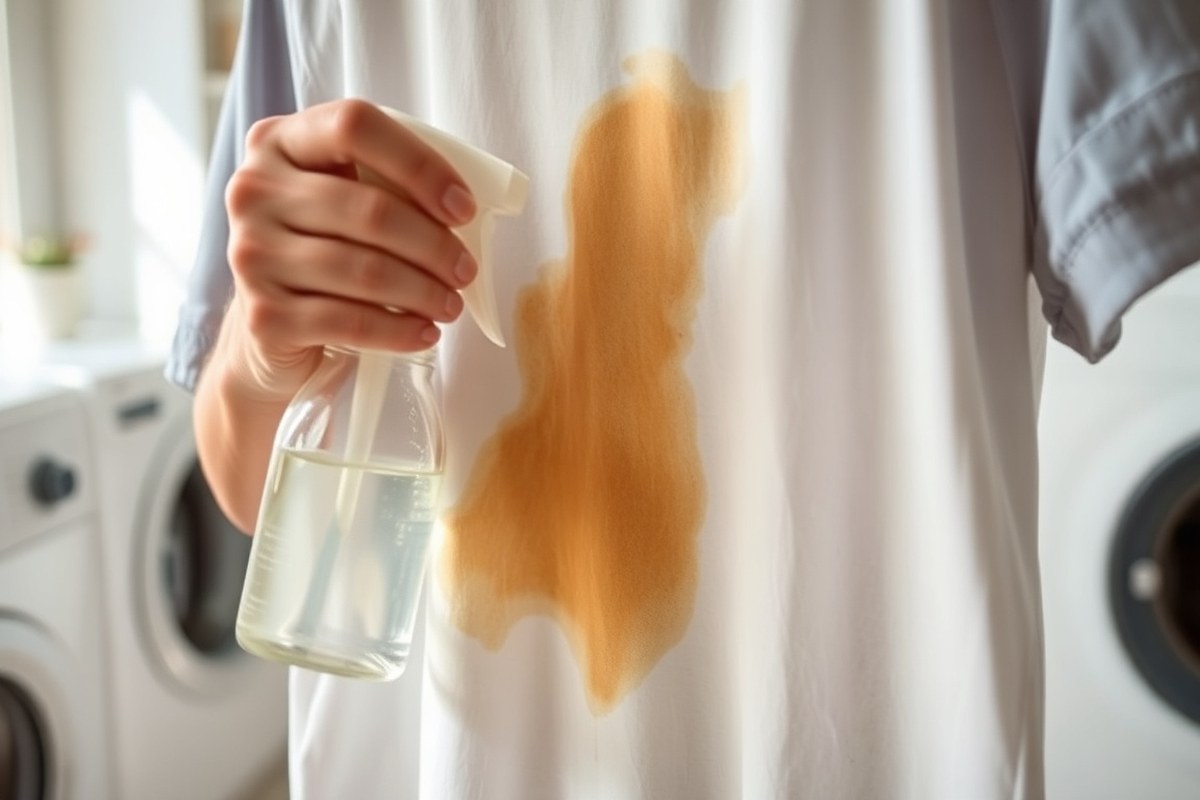
How Can You Get Mildew Stains Out of Clothes: 8 Proven Methods That Work
You can get mildew stains out of clothes by soaking the affected fabric in a vinegar solution, scrubbing gently, then washing in hot water if the fabric allows. Let the solution sit for about 15 minutes to loosen the mildew before laundering. This method effectively removes odor and weak mildew stains while protecting most fabrics from damage.
This information is for homeowners or renters struggling with mildew on clothes. You will learn safe treatment options, which fabrics tolerate mildew removal best, and practical tips to avoid further damage and persistent smells.
Key Takeaways
- Use a mixture of 1 cup white vinegar and 1 bucket of water to soak mildew-stained clothes before washing.
- Always test mildew removal solutions on an inconspicuous fabric area to prevent damage.
- Wash mildew-affected clothes in hot water (at least 140°F) when the fabric care label permits.
- Allow mildew treatment solutions to soak into fabric for at least 15 minutes for better stain removal.
- Handle colored and delicate fabrics with gentler cleaning agents to avoid fading or fiber weakening.
- Store clothes in dry, well-ventilated areas to prevent mildew growth by reducing humidity below 60%.
1. How to Remove Mildew Stains from Clothes Safely and Effectively
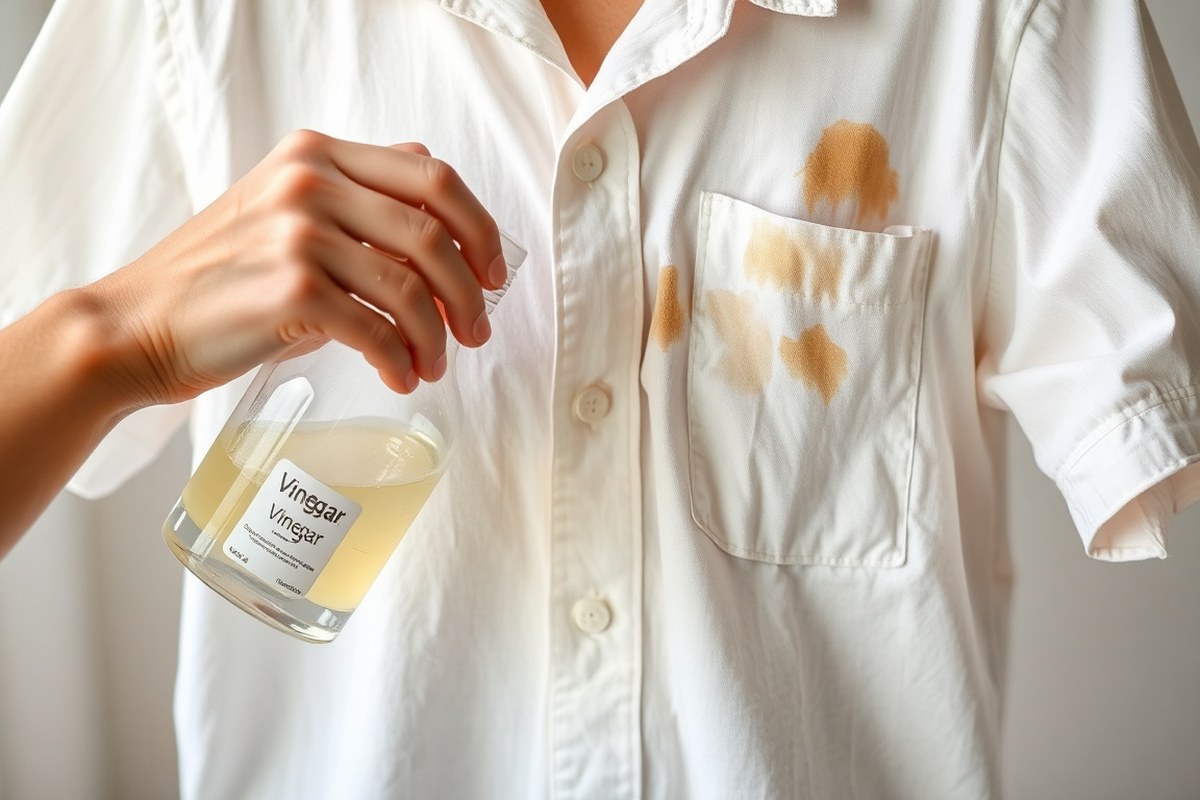
Mildew stains and odors on clothes need prompt and careful treatment to prevent lasting damage and lingering smells. Mildew can weaken fabric fibers and spread if you delay cleaning. Both household solutions like vinegar and commercial products such as oxygen bleach offer effective options, but fabric type and stain severity influence the best method. Chlorine bleach works well on whites but can harm colors and delicate fabrics. Natural remedies tend to be gentler but may require longer soaking or repeated treatments. Follow these steps to safely remove mildew stains and restore your clothes.
- Soak the garment in white vinegar. Mix 1 part white vinegar with 4 parts water and submerge your clothes for 1 hour. Vinegar breaks down mildew spores and deodorizes fabric without harsh chemicals. This step is especially good for colored fabrics where bleach is unsafe.
- Apply a mildew stain remover or laundry booster. For stubborn stains, use a commercial mildew remover or oxygen-based bleach (safe for most fabrics) following the product instructions. Avoid chlorine bleach on non-white fabrics as it can discolor or weaken fibers.
- Wash clothes using the hottest water recommended on the care label. Add laundry detergent and the chosen mildew treatment like borax or pine oil, which help kill mildew and remove odors. High temperatures improve mildew-killing effectiveness but always respect fabric guidelines.
- Inspect the stain before drying. Mildew stains can be stubborn. Repeat soaking and washing when traces remain. Avoid putting clothes in the dryer until mildew is gone, as heat can set the stain permanently.
- Sun-dry the clothes after washing. Natural sunlight helps kill mildew spores and removes residual odors. When sunlight isn’t available, dry clothes thoroughly indoors with good ventilation.
- Consider using chlorine bleach only on whites.Mildew stains on white fabrics that persist should be soaked in diluted bleach (1/4 cup bleach per gallon of water) for 5 to 10 minutes, then rinsed well and washed as usual. Never mix bleach with vinegar or ammonia, as this creates toxic gases.
Natural treatments such as vinegar and oxygen bleach cost only a few dollars and work well on mildew smells and stains without harsh chemicals. Chlorine bleach tends to be a quick fix for stubborn white fabrics but carries risks of fading or weakening fibers when misused. Using mild, fabric-safe methods first reduces the chance of damage and encourages quicker drying. Following the fabric care label and treating mildew promptly can save your clothes and keep them smelling fresh.
2. Which Fabrics Can Be Safely Treated for Mildew Stains?
Mildew can develop on most fabrics, especially those left damp or dirty, but some materials resist mold growth better than others. Natural fibers like cotton and linen are prone to mildew since they absorb moisture easily. Synthetic fabrics such as polyester and nylon tend to resist mildew more, but they are not completely immune if dirt or organic residue remains on them. Fabrics labeled water-repellent or treated with mildew-resistant finishes can reduce the risk but do not guarantee protection.
The choice of fabric affects how you can safely treat mildew stains. Bleach works well on sturdy white cotton fabrics but can damage or discolor delicate and colored fabrics. Chlorine bleach should never be used on wool, silk, leather, or spandex because it weakens fibers and causes irreversible damage. Oxygen-based bleach is a safer alternative for colored and delicate items but may require repeated applications for heavy mildew stains. Some mildew stains become permanent after prolonged exposure and deep mold growth, especially on nonwashable or delicate fabrics.
Washing temperature plays a key role in mildew removal. Use the highest water temperature recommended on the garment care label, typically hot water (130°F to 140°F), to kill mildew spores effectively. Cold water washing often fails to remove the mildew smell and spores completely, letting stains and odors persist. Drying clothes thoroughly under direct sunlight also helps eliminate remaining mildew, as UV rays have a natural disinfecting effect. The following table summarizes common fabric types, their resistance to mildew, and treatment guidelines:
| Fabric Type | Mildew Resistance | Bleach Safety | Washing Temperature | Removal Note |
|---|---|---|---|---|
| Cotton (white) | Low – absorbs moisture | Safe with chlorine bleach | Hot water (130-140°F) | Stains often removable if treated early |
| Cotton (colored) | Low | Use oxygen bleach only | Warm to hot depending on label | Bleach may fade colors, needs careful treating |
| Polyester/Nylon | Moderate – resistant but can trap dirt | Chlorine bleach can damage | Warm to hot | Use oxygen bleach and high-efficiency detergent |
| Wool/Silk/Delicates | Low – mildew can weaken fibers | Bleach not safe | Cold to warm (per label) | Gentle treatment required; professional cleaning often needed |
| Water-repellent fabrics | High resistance | Depends on fabric and treatment | Follow label instructions | Still can develop mildew on surface dirt |
Proper washing is critical: wash mildew-affected clothes on the highest temperature allowed and use a high-efficiency detergent to remove spores and odors. Completely dry clothes before storing to avoid mildew growth later. Leaving damp clothes in the washer or piled up encourages mildew and can make stains permanent. Direct sunlight drying adds a natural disinfecting effect, reducing mildew presence and smell on your fabrics.
Do not mix chlorine bleach with ammonia or other cleaners, and avoid using bleach on delicate or colored fabrics to prevent permanent damage.
3. Preparing Clothes and Safety Tips Before Mildew Removal
Before removing mildew stains from your clothes, it’s essential to prepare them properly and take safety measures. Sorting, protecting yourself, and preventing the spread of mildew spores reduces health risks and stops mildew from contaminating other fabrics.
Separating and Inspecting Mildew-Infested Garments
Handle mildew-infested clothes carefully by sorting them from your regular laundry. Keep the affected garments separate to prevent spores from transferring to clean clothes or other household items. Inspect each piece for the extent of mildew growth and take the items outside if possible before treatment; this prevents spores from spreading indoors.
Check for fabric type and colour before deciding on treatment, as some materials need special care. Look over pockets, seams, and folds where mildew often hides. If an item has severe mildew damage or a musty odor, you may want to consider professional cleaning to ensure complete removal.
Personal Protective Equipment Recommendations
Protect yourself during mildew removal by wearing gloves, a mask, and goggles. Mildew spores can irritate your skin, eyes, and respiratory system, especially if you have allergies or asthma. Use disposable or rubber gloves to avoid direct contact with the mold.
A mask rated N95 or higher helps block inhaling spores. Goggles shield your eyes from spores or splashes of cleaning solution. Keep this gear on throughout the handling process, including sorting, washing, and drying.
- Wear rubber or disposable gloves to avoid skin contact
- Use an N95 respirator mask to block spores
- Put on protective goggles to shield your eyes
- Work in a well-ventilated area, ideally outdoors or near an open window
- Wash your hands thoroughly after handling mildew clothes
Following these safety steps reduces your risk of irritation or respiratory issues caused by exposure to mildew spores.
Avoiding Cross-Contamination in Laundry
Washing mildew-affected clothes with other laundry spreads mold spores, contaminating otherwise clean items. Always wash infested garments separately. Use the hottest water safe for the fabric (usually between 130°F and 160°F) to help kill spores during washing.
After washing, clean your washing machine’s drum, detergent dispenser, and seals with a bleach solution to remove any lingering spores. Run an empty hot water cycle with bleach if your washer allows it.
- Wash mildew clothes separately at the hottest safe water temperature
- Use appropriate cleaning agents like bleach or mildew-specific detergents
- Clean your washing machine after laundering moldy items
- Dry clothes completely in sunlight or a hot dryer cycle to prevent mildew growth
- Store cleaned clothes in a dry, breathable area away from dampness
Separating and treating garments this way minimizes the risk of mildew spores spreading to your entire laundry load and your home.
4. Dealing with Mildew Stains on Colored and Delicate Fabrics
Mildew stains on colored and delicate fabrics require careful treatment to avoid fading or damage. Dark and bright colors often lose their vibrancy when exposed to harsh cleaning agents or high temperatures, while delicate materials like silk and wool may weaken or shrink under vigorous treatment. Address mildew with gentler, targeted solutions designed to preserve fabric integrity and color fastness.
Choosing the right detergent matters. Use detergents formulated specifically for colored fabrics with mildew-fighting ingredients, such as commercial-grade products that contain oxygen-based bleach alternatives or enzyme boosters. These help break down mildew without bleaching the fabric. Avoid chlorine bleach, which can cause discoloration on colored textiles.
For delicate fabrics that cannot go through a regular wash cycle, spot cleaning is often the safest method. Create a mild solution mixing equal parts white vinegar and water, or use Oxi Booster Pods dissolved in water. Apply the solution with a soft cloth onto the stained area, gently dab, and avoid rubbing harshly. Let it sit for about 15 minutes before wiping with a clean damp cloth. This reduces mildew without soaking the fabric, which can damage sensitive fibers or alter dye.
- Test all cleaners on a hidden fabric section to check for colorfastness
- Treat stains as soon as possible to prevent mildew from setting deeply
- Use cold or lukewarm water (under 104°F) to protect colors and fibers
- Avoid overwetting and avoid machine drying without confirming stain removal
- Consider professional cleaning for valuable or heavily stained delicate items
For clothes that cannot be washed at all, such as certain silks or woolens, prevent further mildew growth by airing items thoroughly in sunlight if fabric care labels permit. Sunlight helps disinfect and deodorize. For persistent stains, repeating spot treatments may be necessary but do not exceed twice to avoid damaging the fabric. If multiple attempts fail, professional cleaners specializing in delicate textiles offer safer alternatives.
Handling mildew on colored or sensitive fabrics is a balance between effective stain removal and preserving the item’s appearance. Use gentle products and methods, test before applying widely, and be prepared to try multiple treatments or seek expert help to protect your clothes and maintain their look over time.
5. How Long Does Mildew Removal Take and When to Repeat?
Removing mildew stains from clothes usually takes around 30 minutes to an hour per treatment, combining soaking and washing. Soaking the affected garments in a solution of detergent mixed with water, possibly improve by vinegar or baking soda, for at least 30 minutes helps loosen both stains and odors. After soaking, washing the clothes in hot water with an appropriate detergent is important to fully remove mildew spores. For delicate fabrics unsuitable for machine washing, hand-washing with a cleaning solution and careful rinsing is necessary to avoid damage. Thorough rinsing after washing ensures no residual cleaning agents or spores remain to cause further odor or staining.
Repeating the cleaning process depends largely on how stubborn the mildew stains and odors are. Repeat the soaking and washing steps when unpleasant odors or visible stains remain after the initial treatment. Severe mildew buildup, especially on older stains, often requires two or three rounds of treatment to achieve acceptable results. Persistent mildew smells or discoloration typically indicate that residual mildew remains. You should also consider repeating treatments if the fabric remains damp or stored improperly afterward, as this can encourage new mildew growth.
Some mildew stains might never fully disappear because prolonged mildew exposure can cause irreversible fabric damage. Visible staining after multiple cleanings could signify structural damage beyond surface contamination, like weakened fibers or fabric discoloration that no longer responds to cleaning agents. This risk is higher the longer the mildew has been left untreated. Damaged fabrics may feel thinner or rougher, and attempts to scrub harder could worsen wear. Recognizing this helps you decide whether further treatments are worth the risk of additional harm.
To decide when to stop, observe the fabric’s condition and residual odor carefully after each cleaning. When stains fade but don’t fully go away and the fabric shows wear like thinning or fraying, stop further treatments. Continuing past this point might damage the garment more than the mildew itself. Alternatively, for less visible or minor odors, airing the clothing in sunlight after treatment can help reduce mildew smell without more harsh washing. Wearing old clothes during this process is practical, since the cleaning agents and repeated handling might eventually ruin the fabric.
Repeat mildew removal treatments only as long as stains and odors improve; persistent discoloration or fabric weakening means it’s time to stop to prevent further damage.
6. Preventing Mildew Growth on Clothes: Storage and Care Tips
Preventing mildew from returning involves thorough drying, choosing storage spaces with good airflow, and regular care habits. Keeping moisture out and clothes fresh stops mildew spores from settling and growing again.
Ensuring Complete Dryness Before Storage
Proper drying is the first step in stopping mildew. Clothes that go into storage damp or even slightly moist provide the perfect environment for mildew growth. Use your washer and dryer correctly, making sure clothes come out completely dry before folding or hanging.
Consider adding an XL wool dryer ball to your dryer; it helps reduce drying time by improving air circulation through the fabric. If machine drying isn’t an option, air dry clothes completely in a well-ventilated area, ideally for a full day or two. Avoid stuffing clothes into laundry baskets or piles when they’re not fully dry.
Using Sunlight and Airflow to Prevent Mildew
Sunlight naturally kills mildew spores and freshens fabrics. Whenever possible, hang clothes outside in direct sunlight before storing them. Ultraviolet rays break down mold spores and reduce musty odors.
Indoors, good ventilation is key. Store clothes in rooms with air circulation to prevent moisture buildup. Use fans or dehumidifiers in humid climates or poorly ventilated spaces to keep humidity levels below 60%, which is less favorable for mold growth.
- Hang clothes outdoors for 2 to 4 hours to kill spores and dry thoroughly
- Use a fan or open window to promote air circulation inside closets
- Run a dehumidifier if indoor humidity exceeds 60%
- Avoid storing clothes in damp basements or sealed plastic containers
- Sunlight can also fade fabrics, so limit exposure for delicate or colored items
These simple steps create a hostile environment that discourages new mildew from forming.
Proper Closet and Storage Environment Management
Closet and storage spaces should be dry, cool, and well-ventilated. Avoid sealed plastic bags or non-breathable containers that trap moisture. Instead, use breathable fabric garment bags or open shelving. Store clothes on wooden or plastic hangers spaced apart to encourage airflow. Keep these tips in mind:
- Store clothes in areas with temperatures between 60°F and 75°F
- Use moisture absorbers like silica gel packs or activated charcoal inside closets
- Address household moisture issues promptly, such as leaks or poor insulation
- Apply mold-resistant paint in storage areas to reduce mold growth on surfaces
Following these practices helps preserve the quality of your clothes and prevents mildew from taking hold again.
7. Common Mildew Removal Mistakes and How to Avoid Them
Mixing chemicals is one of the most common mistakes that can worsen mildew stains or even damage your clothes. For example, combining bleach with vinegar creates harmful fumes, so these should never be used together. Before starting any treatment, always check your garment’s care label to ensure your chosen method won’t cause discoloration or weaken the fabric. Ignoring fabric care instructions often leads to color fading, shrinkage, or rough texture after cleaning.
Washing moldy clothes with other laundry spreads mildew spores to your clean garments and your washing machine. This can cause recurring odours and stains even after treatment. To avoid this, always wash mildew-affected clothes separately using the hottest water temperature the fabric allows. Adding an Oxi Booster Pod to the wash boosts mildew stain breakdown without harming most fabrics.
Bleach solutions are effective for mildew removal on many fabrics, but they aren’t always the best or safest choice. Bleach can weaken or discolor delicate and colored fabrics, so you should only use it when the care label permits. When suitable, a safe solution is mixing 1 cup (8 ounces) of bleach and 1/4 cup (2 ounces) of laundry detergent per gallon of water. Rinse thoroughly to remove any bleach residue. For less stubborn mildew or sensitive fabrics, washing with hot water, detergent, plus 1 cup of white vinegar is a gentler alternative that also removes musty odours.
Improper drying after mildew treatment often leaves your clothes damp, encouraging mildew to return. Clothes should be dried completely, preferably in direct sunlight where possible. Sunlight alone can improve mildew stains by 70 to 80 percent on cotton items. When tumble drying is allowed by the care label, select the hottest setting that your fabric can handle to dry thoroughly.
- Never mix bleach with vinegar or ammonia-based cleaners
- Always sort and wash mildew-stained clothes separately
- Follow the garment’s care label for water temperature and drying method
- Use bleach solutions only on bleach-safe fabrics
- Use hot water and an Oxi Booster Pod to improve mildew removal
- Dry clothes completely in sunlight or a dryer to prevent mildew return
- Rinse thoroughly after bleach treatments to avoid fabric damage
Mild discoloration or stiffness from mildew treatments can be fixed by rewashing your clothes with a gentle detergent and fabric softener. For damaged areas, repairing or patching might be necessary. Taking precautions from the start reduces the risk of permanent fabric harm and costly replacements.
8. When and How to Get Professional Help for Mildew Clothes
Professional cleaning services can effectively remove mildew stains and odors when home treatments fail or when fabrics are too delicate or damaged. Calling in experts matters most for severe mildew infestations, persistent odors after multiple washes, or on expensive garments where damage risk is high. These services use specialized processes unavailable at home to restore your clothes safely.
Signs Your Clothes Need Professional Cleaning
Identify mildew severity by spotting persistent stains that don’t fade after several home washes, or a musty odor that lingers despite thorough cleaning. Clothes stored damp for days may develop embedded mold requiring more than oxygen bleach or vinegar treatments. If your garment shows signs of fabric weakening, discoloration, or odor returning quickly, it’s time to trust professionals.
Expensive or delicate fabrics such as silk, wool, or embellished clothes benefit from expert handling to avoid damage. Also, large volumes of mildew-infested laundry or multiple repeated home cleaning attempts with little success indicate professional intervention. At this stage, trying stronger home bleach solutions risks ruining your fabric, so know when to stop.
Types of Professional Mildew Removal Treatments
Professional cleaners use specialized solvents and antimicrobial treatments that break down mildew better than home products. Dry cleaning is a common choice, as it involves solvents that kill mold spores without saturating fabric with water, reducing shrinkage and color loss risks. Services like Laundry Club employ Aqueous Ozone technology, a powerful, eco-friendly method that disinfects and deodorizes while being gentle on clothing fibers.
Many facilities combine pre-treatment sprays, oxygen-based boosters, and controlled temperature cycles to restore affected garments fully. This complete approach often includes steam cleaning and advanced drying technology to eliminate moisture that fosters mildew return. Choosing professional services ensures fabric integrity remains intact while mildew is tackled from both stain and odor angles.
Choosing a Reliable Laundry Service
Look for laundry providers with expertise in mildew or mold removal, offering specific services for delicate and valuable clothes. Service options that include pickup and delivery help prevent clothes from sitting damp at home, reducing mildew risk before cleaning even starts. Clean Avenue, for instance, offers scheduled laundry pickup across NYC, allowing you to avoid delays that worsen mildew damage.
Compare treatment costs against replacing the clothes by calculating your time, cleaning materials, and service fees. For some garments, professional cleaning costs range widely but often run between $15 and $40 per item for mildew treatment. Transparency about methods used and guarantees of stain or odor removal also signal trusted providers.
Don’t continue harsh home treatments if stains persist after three washes; call a professional to avoid permanent fabric damage.
Step-by-Step Action Plan
Follow these steps to remove mildew stains from your clothes safely and prevent them from coming back.
- Before you start: Check the care label on your clothes to know which cleaning methods are safe for the fabric.
- Day 1: Air out the clothes in sunlight for a few hours to reduce mildew smell and kill some spores.
- Day 1: Start by treating the mildew stains with a solution made from equal parts white vinegar and water or use a laundry detergent made to tackle mildew. Allow the mixture to work for 10-15 minutes before washing.
- Day 1: Wash the clothes in the hottest water safe for the fabric, using your usual detergent plus an added mildew remover if needed.
- After washing: Inspect the clothes for any remaining stains or odors. Repeat pretreatment and washing if mildew persists.
- Day 2: Dry clothes completely outside in direct sunlight or in a well-ventilated, warm place to prevent mildew return.
- Ongoing: Store clothes in dry, breathable containers or areas with low humidity to avoid new mildew growth.
- Monthly: Check stored clothes and wash any items showing signs of moisture or mildew smell before problems worsen.
Frequently Asked Questions
Is There a Difference Between Mold and Mildew?
Yes, mildew is a type of mold that usually appears as a white or gray powdery growth, while mold can be various colors and has a fuzzier texture. Both can stain fabric and cause odors, but mildew is generally easier to remove from clothes. How does baking soda remove mold? | Baking soda helps remove mold by absorbing moisture and deodorizing the fabric. It also gently scrubs away mold spores, making it effective for fresh mildew stains without damaging most fabrics. Will dry cleaning remove mold? | Dry cleaning can remove mold and mildew stains by using special solvents that kill mold spores and lift stains without water. It’s a good option for delicate or non-washable fabrics but may not fully eliminate odors. How to remove mold from fabric furniture without bleach? | Use a vinegar and water solution to clean mold from fabric furniture safely. Vinegar kills mold spores and neutralizes odors without risking damage or color loss that bleach might cause on indoor fabrics. How do I prevent mildew on clothes during travel? | Keep clothes dry and store them in breathable bags to prevent mildew during travel. Avoid packing damp items, which can encourage mold growth in warm or humid luggage. Can mildew stains be removed from synthetic fabrics like polyester? | Yes, mildew stains can be removed from polyester using vinegar or oxygen-based bleach. These methods clean effectively without harming synthetic fibers.
Final Thoughts
Removing mildew stains from clothes is possible with proper pretreatment, washing, and drying steps. Taking care during storage stops mildew from coming back. Start by airing out and pretreating your stained clothes today to protect your wardrobe and keep your fabrics fresh and clean.