How to Clean Trainers White: 8 Proven Methods for Bright Results
To clean trainers white, start by gently brushing off dirt, then use mild soap with lukewarm water to lift stains without damaging the material. For tougher grime, apply a paste of baking soda and water, let it sit for 15-30 minutes, then wipe off and air dry. Avoid hot water that can shrink or yellow your shoes. This advice suits anyone wanting bright, fresh white trainers without harsh chemicals or expensive tools.
This article will help you maintain the brightness of your white trainers by covering effective cleaning methods, material-specific tips, stain removal techniques, and proper care after washing. You’ll also learn how to whiten laces, prevent yellowing, and deodorize your shoes safely and efficiently.
Key Takeaways
- Use a soft brush to remove loose dirt from your white trainers before applying any cleaning solution.
- Mix baking soda and water into a paste to tackle deeper stains and let it sit for up to 30 minutes.
- Clean trainers with lukewarm water below 80°F to avoid fabric shrinking or yellowing.
- For white laces, soak in a diluted bleach solution (1:10 bleach to water) for 5 to 30 minutes to restore whiteness.
- After cleaning, dry trainers in bright sunlight for 3-4 hours to improve whiteness and kill bacteria.
- Choose cleaning products designed specifically for sneakers to protect materials and maintain color.
1. Effective Ways to Remove Dirt and Stains from White Trainers

Restoring white trainers to their bright, clean look requires a careful but straightforward cleaning approach. Dirt and stains build up after each wear, especially on the frequently touched outer surfaces. Using home cleaning agents like mild dish soap, diluted white vinegar, and even white non-gel toothpaste can effectively lift grime without damaging most trainer materials. The overall process, including cleaning and drying, typically takes around 8 to 12 hours under normal conditions, but drying can take up to 24 hours if your environment is humid or if the trainers get soaked during cleaning.
Here is a step-by-step checklist to get your white trainers looking fresh again. These steps work well on common materials like leather, mesh, and canvas. Use a soft brush or cloth to avoid scratching or harming delicate areas. Repeat the steps if necessary when tough stains remain.
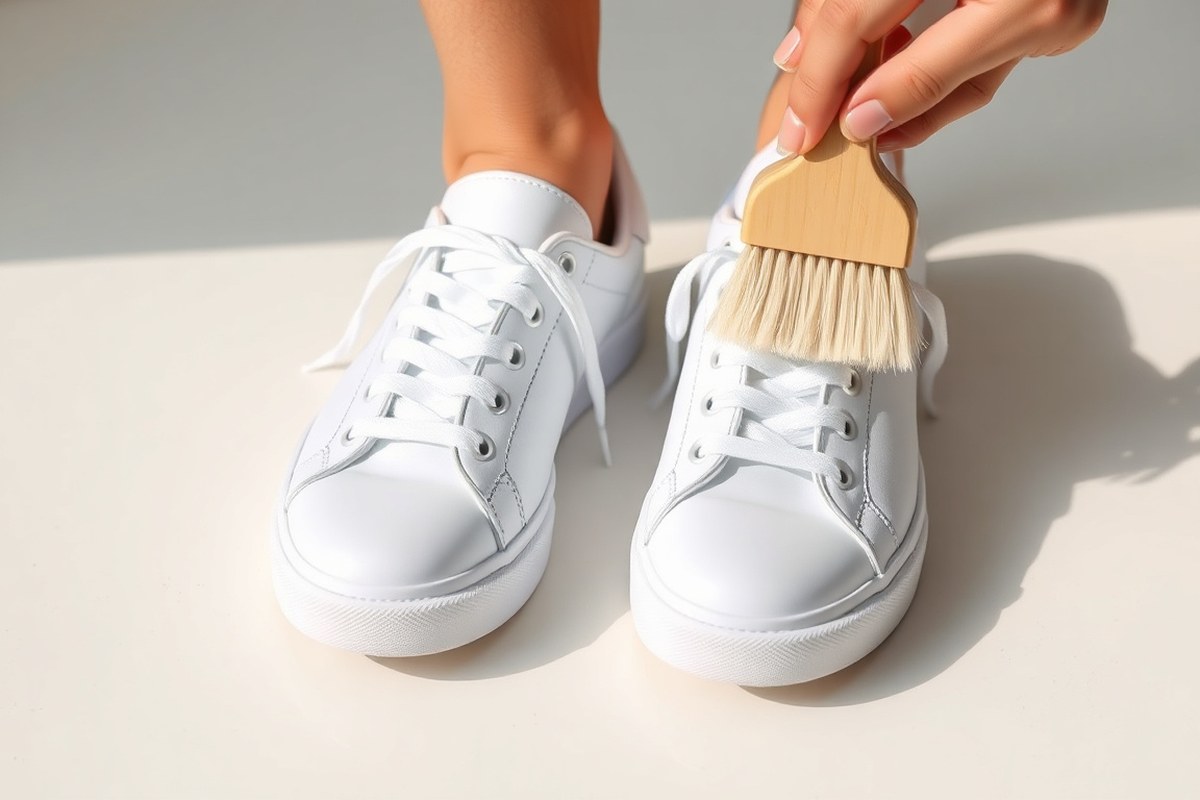
- Remove loose dirt and debris. Use a soft-bristled brush or dry cloth to gently brush away surface dust and mud from the trainers. This prevents rubbing dirt deeper into the material later.
- Prepare a mild cleaning solution. Mix a small amount of mild dish soap with warm water. For stubborn stains, add a teaspoon of white vinegar per cup of water to the mix to boost stain removal.
- Clean the surface gently. Dip a soft cloth or an old toothbrush in the solution and carefully scrub stained or dirty areas. White non-gel toothpaste applied with a toothbrush can help remove scuff marks without harsh chemicals.
- Wipe away residue. Use a clean, damp cloth to remove soap or vinegar residue, ensuring no cleaner stays on the trainers to cause discoloration.
- Allow your trainers to dry on their own by placing them in a spot with normal room temperature, avoiding any direct sunlight or heat. This prevents damage like warping or fading. Drying usually takes 8 to 12 hours but can extend if humidity is high or the shoes are soaked.
- Inspect and repeat if needed. Check for remaining stains after drying. Repeat cleaning steps on any persistent spots to avoid damage from over-cleaning on the entire shoe surface.
This process costs very little beyond common household supplies, taking under an hour for active cleaning. Good results look like an even, fresh white surface without any lingering stains or water marks. Avoid soaking your trainers or using harsh scrubbing tools that can rough up fabric or damage leather finishes.
2. How to Clean White Trainers by Material Type

Cleaning white trainers requires different methods depending on the material. Leather, suede, mesh, and canvas each respond best to specific cleaning techniques that protect their texture and appearance. Using the wrong approach can damage the material or fail to restore the bright, white look you want.
Cleaning White Leather Trainers Safely
Leather trainers need gentle care to avoid scuffs and surface damage. Avoid harsh scrubbing or soaking, which can ruin the leather’s finish. Mild soap mixed with warm water offers a safe cleaning solution that lifts dirt without harming the material.
To clean white leather trainers, first remove loose dirt with a soft brush or dry cloth. Then, prepare a mixture of a few drops of mild dish soap and about one cup of warm water. Use a soft cloth dipped in the solution to wipe the leather gently. Don’t oversaturate the material; excess water can cause stains or warping. After cleaning, dry the shoes naturally away from direct heat or sunlight to prevent cracking.
- Remove laces to clean them separately and brush off loose dirt.
- Mix mild soap with warm water in a small bowl.
- Dampen a soft cloth in the soapy water and wring out excess liquid.
- Wipe the leather surface gently, focusing on stained areas.
- Use a clean, damp cloth to wipe away soap residue.
- Pat the trainers with a dry towel to absorb moisture.
- Let shoes air dry at room temperature, away from heat sources.
- Optionally, apply a leather conditioner after drying to maintain suppleness.
Never use abrasive brushes or strong chemicals on leather trainers; they cause irreversible surface damage.
Special Care Needed for White Suede Trainers
Suede requires a delicate touch because water can leave stains and alter the texture. Avoid soaking suede trainers, and instead focus on dry cleaning techniques and gentle spot treatments. Using a suede brush regularly can maintain the nap and prevent dirt buildup.
To clean white suede trainers, start by brushing away loose dirt with a suede brush or a clean toothbrush. For stains, use a white vinegar solution by mixing equal parts white vinegar and water in a spray bottle, lightly mist the affected area, and gently blot with a clean cloth. Let suede dry naturally, then restore its texture with a gentle brush. Applying a suede protector spray after cleaning will help repel dirt and water in the future.
- Brush the trainers gently with a suede brush to remove dirt.
- Mix equal parts white vinegar and water in a spray bottle.
- Lightly mist the stained areas without soaking the suede.
- Blot stains with a clean, dry cloth to lift dirt.
- Allow the trainers to air dry completely in a well-ventilated area.
- Use the suede brush to gently lift the nap back into place.
- Apply a suede protector spray once the trainers are dry.
Water marks and discoloration are common risks with suede; avoid using too much liquid during cleaning.
Best Methods for Mesh and Canvas Trainers
Mesh and canvas trainers can handle wetter cleaning than leather or suede but still benefit from gentle care. Mesh trainers especially need mild cleaning agents that won’t break down the delicate fibers. Canvas trainers respond well to baking soda and vinegar mixtures for removing stains and deodorizing.
To clean white mesh or canvas trainers, remove the laces and brush off excess dirt. Prepare a paste with baking soda and water or mix white vinegar with warm water. Using a soft brush or cloth, scrub the surface gently but thoroughly. Avoid machine washing to protect the shoe’s shape and adhesives. Rinsing with clean water helps remove residue, and air drying prevents damage.
- Take out the laces and brush dirt off the shoes.
- Mix two tablespoons baking soda with one tablespoon water to form a paste, or dilute white vinegar with warm water.
- Dip a soft brush or cloth in the solution.
- Gently scrub the mesh or canvas areas, focusing on stained spots.
- Rinse lightly with clean, lukewarm water or wipe with a damp cloth.
- Stuff shoes with paper towels to retain shape while drying.
- Let trainers air dry at room temperature, away from sunlight.
Machine washing mesh or canvas trainers can cause shrinkage and fade colors; always opt for hand cleaning instead.
3. Removing and Preventing Yellowing on White Trainers and Soles
Yellowing on white trainers and their rubber soles mostly happens because of light exposure, heat, and natural material aging. Ultraviolet (UV) rays alter the chemical makeup of rubber and fabric, causing them to discolor. Heat, especially water over 80°F, can make yellow stains worse or cause new ones. To slow yellowing, store your white trainers in a cool, dry area away from direct sunlight. Avoid cleaning with hot water to protect white fabrics and mesh from yellowing damage.
To remove yellow marks from rubber soles, combine 3 tablespoons of baking soda with 1 tablespoon of water to form a thick paste. Apply this paste to the stained areas and softly scrub using a sponge or soft brush. Allow it to rest for around 10 minutes before wiping it off with a damp cloth. Alternatively, you can use a non-gel whitening toothpaste that contains baking soda; spread it on, scrub gently with a brush, then rinse and dry. Both options are effective and suitable for frequent cleaning.
Bleach can remove yellow stains but must be used cautiously. Use a diluted bleach solution made of 1 part bleach to 10 parts water for short contact time, and only on rubber soles or white laces, never directly on fabric uppers, as it can damage or weaken the material. Bleach can cause further yellowing or damage if left too long or used too concentrated. Oxygen-based bleaches are a safer alternative and can offer whitening benefits without harsh effects. Always rinse thoroughly and dry trainers completely after using any bleaching agents to avoid residue buildup or discoloration.
Regular cleaning and prompt stain removal reduce the chance of yellow buildup. Using a dedicated sole cleaner designed to tackle tough dirt can make a noticeable difference, especially on the edges of white rubber soles where grime gathers. After cleaning, air-dry trainers away from sunlight and heat sources for at least 30 minutes to prevent heat-induced yellowing. Yellowing that appears despite care can improve with repeated use of baking soda paste, toothpaste, or oxygen-based bleach. The effectiveness depends on how severe the stains are and may require multiple treatments for noticeable improvement.
4. Best Techniques to Clean and Whiten White Shoelaces
Cleaning and whitening white shoelaces can refresh your trainers’ look significantly. A combination of soaking in a whitening solution, treating stubborn stains carefully, and drying the laces properly will get them looking bright again. Avoid harsh chemicals like bleach on sensitive lace fabrics to prevent damage.
Soaking Laces in Homemade Whitening Solutions
Soaking white shoelaces in a gentle whitening solution loosens dirt and restores brightness without harming the fabric. Use a mild detergent mixed with warm water or a solution made from common household items like baking soda and vinegar for an effective clean. Keep soaking times balanced, too long can weaken fibers, while too short won’t clean thoroughly.
- Remove the laces from your trainers and brush off loose dirt.
- Fill a bowl with warm water around 90°F (32°C).
- Add one tablespoon of baking soda and one tablespoon of white vinegar or mild detergent to the bowl.
- Submerge the laces completely in the solution.
- Let them soak for 30 to 45 minutes for best results.
- Rinse the laces well with clean water to remove all residue.
- Squeeze out excess water gently without twisting or wringing.
Treating Stubborn Stains on Laces
Some stains on white shoelaces require spot treatment before or after soaking. White vinegar mixed with water works well on sweat marks and tougher grime without the harshness of bleach. Avoid bleach on synthetic fibers or delicate woven laces as it can cause yellowing or fabric weakening.
Use a soft-bristled toothbrush or clean cloth for stain treatment. Dab the vinegar solution lightly on the stain and rub gently to lift it. Repeat the soaking step afterward if needed to remove any loosened dirt.
Proper Drying and Re-Lacing Tips
Drying laces at room temperature helps maintain fabric integrity and prevents shrinking or stiffening. Avoid direct sun or heat sources which can yellow or weaken the fibers. Once dry to the touch and no longer damp inside, the laces are ready to be reinserted.
Before re-lacing, make sure both your trainers and laces are completely dry to avoid mildew or unpleasant odours. Re-lace carefully to maintain the shape and fit of your trainers.
5. How to Deodorize White Trainers During Cleaning
Unpleasant smells in white trainers usually originate from bacteria and moisture trapped inside the shoe. Deodorizing is as important as cleaning for maintaining the fresh look and feel of your trainers. Baking soda is a reliable and safe deodorizer that works by neutralizing acids and absorbing odor-causing moisture. It can be used both inside and outside your trainers without risking damage to the material.
To deodorize your white trainers during cleaning, sprinkle about one to two teaspoons of baking soda inside each shoe. Let it sit overnight or for at least 8 hours to allow it to absorb odors thoroughly. Afterward, shake out the excess powder before wearing. This simple method costs just a few cents and requires no special equipment, making it an easy routine step.
For a more intensive deodorizing and cleaning approach, use a paste made from 2 tablespoons of baking soda mixed with 1 tablespoon of water. Apply the paste with an old toothbrush or cloth on any stains or smelly areas, particularly on canvas or mesh surfaces. Leave the paste on for 30 minutes, then wipe or rinse off with a damp cloth. This paste cleans and freshens simultaneously, eliminating dirt and killing odor-causing bacteria.
To boost odor control further, try combining baking soda with white vinegar. Mix vinegar and water in a 1 to 2 ratio and spray the inside of your trainers lightly after brushing out the baking soda. Vinegar’s acidity helps break down stubborn odours without harming the fabric or color. Follow by letting the shoes air dry naturally in a well-ventilated spot, avoiding direct sunlight that can cause yellowing.
Air circulation is important for keeping trainers odor-free. Always remove insoles if possible and let them dry separately. After washing your shoes, stuff them with newspaper or paper towels. This absorbs excess moisture and helps maintain shape. For trainers you frequently wear, deodorize once a week during dry cleaning sessions, or more often if you use them for sweaty activities like running or gym workouts.
Be cautious not to apply baking soda or vinegar in excessive amounts as soaking materials repeatedly can weaken stitching or cause discoloration. For trainers with sensitive finishes like leather or synthetic coatings, test a small hidden area first or limit deodorizing to airing out and applying baking soda sparingly. Overuse can lead to stiffening or damage.
Always allow your white trainers to dry completely after deodorizing to prevent new odors and keep the materials healthy.
6. Common Mistakes When Cleaning White Trainers and How to Avoid Them
Using hot water on white trainers can cause discoloration and weaken the glue holding parts together. Instead, use lukewarm or cool water when cleaning. Hot water may also set stains, making them harder to remove. For leather trainers, excess moisture can leave marks, so use a damp cloth rather than soaking the shoes.
Abrasive scrubbing wears down the shoe material, especially mesh and leather, causing fibers to break or the surface to dull. When cleaning, brush gently in the direction of the mesh to avoid damage. Harsh scrubbing not only damages appearance but can also remove protective coatings, exposing shoes to more dirt over time.
Suitability of cleaners matters. Bleach or harsh chemicals can yellow white trainers by leaving residue or breaking down materials. Detergent residue is a common cause of yellowing after cleaning. Use mild soap or toothpaste as a quick cleaner, applying it sparingly and rinsing well. Always test any cleaner on a small, hidden area first to ensure it doesn’t harm the material.
- Wipe off scuffs quickly with cleaning wipes to prevent permanent marks
- Apply a protectant spray every few weeks to repel dirt and water
- Let shoes dry naturally in a cool, ventilated space stuffed with tissue to retain shape
- Brush gently, following material texture instead of scrubbing vigorously
- Avoid putting shoes upside down or in cramped spaces while drying to prevent warping
- When removing stains, avoid washing machines that use hot water and strong cycles
- Use toothpaste as a fast, mild whitener when in a hurry, then rinse thoroughly
Damage from improper cleaning can sometimes be fixed. Yellowing caused by detergent residue often improves after rinsing the shoes with water mixed with a small amount of white vinegar. For scuff marks, gently rubbing with a pencil eraser or a soft cloth dipped in baking soda paste can restore appearance. However, avoid over-treating since aggressive fixes can worsen damage.
Preventing problems starts with thorough but gentle care. Always use water below 80°F (27°C) to clean trainers, rinse well to remove soap, and dry in open air. Keeping trainers in a dry, ventilated place preserves their look and shape. Following these precautions reduces the risk of yellowing, warping, and fiber damage, helping your white trainers stay clean and lasting longer.
7. Choosing the Right Cleaning Products and Tools for White Trainers
Choosing the right cleaning products and tools is important for effectively caring for white trainers at home. A proper sneaker cleaning kit usually includes a gentle cleaning solution, brushes of different stiffness, and a microfiber cloth. Commercial kits such as the Jason Markk Starter Shoe Care come with these essentials for around $18 and offer a balanced mix of convenience and effectiveness.
Household items also provide good DIY alternatives. Mild liquid detergent or gentle dish soap can serve as cleaning agents when mixed with warm water (around 90°F). Use an old soft-bristle toothbrush for more delicate areas or fabrics like mesh, and a firmer brush for rubber soles or sturdier parts. Avoid strong chemicals or bleach, which can cause discoloration. Microfiber cloths help lift dirt without scratching the surface.
| Tool or Product | Best For | Why It Matters | Estimated Cost |
|---|---|---|---|
| Jason Markk Starter Kit | All-around cleaning for most materials | Includes cleaning solution, brushes, and cloth tailored for sneakers | $18.00 |
| Soft-bristle toothbrush | Mesh and fabric uppers | Gentle scrubbing prevents fabric damage | Free (household item) |
| Firm brush (nylon or horsehair) | Rubber soles and tough stains | Removes dirt without harming surface | $5-10 |
| Microfiber cloth | Final wiping and drying | Non-abrasive, picks up fine dirt | $5-10 |
| Mild liquid detergent/dish soap | Cleaning solution substitute | Effective, gentle on materials | Free (household item) |
| Protectant spray (optional) | After cleaning to repel dirt | Extends cleanliness and prevents staining | $10-20 |
Use three different brushes for different parts of white trainers to avoid cross-contamination of stains or damage. Soft brushes work well on delicates like mesh, while firmer brushes suit rubber parts. Microfiber cloths complete the job by gently wiping off excess moisture or residue.
Buying a commercial cleaning kit simplifies the process but isn’t mandatory if you prefer to use household products. Choose products based on your trainers’ material, suede needs gentler brushes and non-liquid cleaners, while canvas and mesh handle mild soap solutions well. Clean trainers with water that’s warm but below 100°F to avoid fabric damage or glue weakening.
8. How to Dry and Care for White Trainers After Cleaning
Let your white trainers air dry naturally to protect them from yellowing, shrinking, or losing shape. Avoid heat sources and direct sunlight during drying. Proper drying takes about 24 to 48 hours depending on humidity, followed by smart storage to keep them fresh and white longer.
Air Drying vs Heat Drying Risks
Air drying is the safest method to prevent damage to white trainers. Heat sources like dryers, radiators, or direct sunlight can cause yellowing, shrinkage, or deformation by breaking down materials or fading colours. Trainers with mesh or fabric uppers are especially sensitive to heat and should never be placed in a dryer or near direct heat.
Although heat drying speeds up the process, it risks permanent damage to the shoe’s structure and colour. Slow, natural drying keeps the trainers looking crisp and helps preserve their shape over time. Avoid using hair dryers or heat guns directly on the shoes.
Optimal Drying Locations and Conditions
Choose a cool, shaded, and well-ventilated area for drying your trainers. A room with good airflow helps them dry evenly and prevents moisture buildup that could promote mould or bad odours. Indoors near an open window or outdoors in the shade works well.
After cleaning, stuff your trainers with tissue paper or a clean cloth to maintain their shape while drying. Remove insoles if possible and dry them separately. Allowing trainers to dry fully can take anywhere from 24 to 48 hours, depending on air humidity and ventilation.
Storage Tips for Maintaining Whiteness
Store your white trainers in a cool, dry place away from sunlight to prevent yellowing and material degradation. Avoid damp areas which can cause mould or unpleasant smells. Keeping them in a breathable shoe bag or box lined with acid-free tissue paper helps preserve colour and shape.
Clean stains promptly before storage to prevent them from setting and discolouring the material. Regularly airing the trainers and changing storage materials every few months can also keep them fresh. Keep any silica gel packets that arrived with your trainers inside the box to help soak up moisture. Follow these steps after cleaning to dry and care for your white trainers properly:
- Remove the laces and insoles, cleaning each separately.
- Stuff the trainers with tissue or a soft cloth to hold their shape.
- Place the trainers in a well-ventilated, shaded area with good airflow.
- Leave them to air dry naturally for 24 to 48 hours, avoiding heat sources.
- Check periodically to see if they are fully dry inside and out before wearing.
- After trainers dry, place them somewhere cool and dry, avoiding any direct exposure to sunlight.
- Use a breathable bag or lined box with acid-free tissue paper for storage.
- Replace tissue paper and air out trainers every few months to maintain freshness.
Heat can permanently yellow and warp your white trainers; always opt for air drying in the shade.
Step-by-Step Action Plan
Follow these steps to clean and maintain your white trainers effectively, keeping them bright and fresh for longer.
- Before you start: Remove shoelaces and brushes any loose dirt off your trainers to avoid scratching during cleaning.
- Day 1: Spot-clean stains using a mild detergent or a sneaker cleaner suitable for your trainer’s material; check that stains visibly fade or lift.
- Day 2: Soak shoelaces separately in warm water and a gentle bleach or detergent; they should look noticeably cleaner and whiter after rinsing.
- After cleaning: Use a soft cloth to deodorize the trainers by applying a small amount of baking soda or a shoe deodorizer; smell should be fresher.
- Drying phase: Air dry trainers away from direct sunlight or heat; they should feel dry to the touch with no damp spots after 24 hours.
- Weekly maintenance: Wipe trainers gently with a damp cloth to remove surface dirt and prevent buildup before it sets in.
- Monthly check: Apply a protector spray designed for white trainers to keep them resistant to stains and yellowing; test on a small area to ensure no damage.
Frequently Asked Questions
How Do I Get My Trainer White Again?
Use a mild soap and warm water mixture to clean your trainers. Regular cleaning soon after wear keeps them looking bright and prevents stains from setting.
Does Dawn Dish Soap Clean White Sneakers?
Yes, mixing one tablespoon of Dawn with ten tablespoons of lukewarm water effectively removes grime. It’s gentle enough for leather and mesh surfaces without causing damage.
What Is the Best Whitener for White Trainers?
Baking soda mixed into a thick paste with water works well as a whitener. It gently lifts stains without harsh chemicals, suitable for various materials including leather and mesh.
Is Toothpaste Good for Cleaning White Trainers?
Toothpaste can help remove minor stains on white trainers. Use a non-gel, white toothpaste and apply it gently with a soft brush for best results.
Can I Put My White Trainers in the Washing Machine?
Machine washing is not recommended for all white trainers, especially leather or suede. Hand cleaning preserves material quality and extends shoe life.
How Often Should I Clean My White Trainers?
Clean your white trainers after every few wears or once they show visible dirt. Frequent cleaning prevents stubborn stains and yellowing over time.
Key Points to Remember
Cleaning white trainers takes regular care and the right methods for each material. Start by tackling stains gently and drying your shoes properly to avoid yellowing. Next, make cleaning part of your routine to preserve their look. Keep some cleaning supplies handy so you can act quickly when your trainers get dirty.