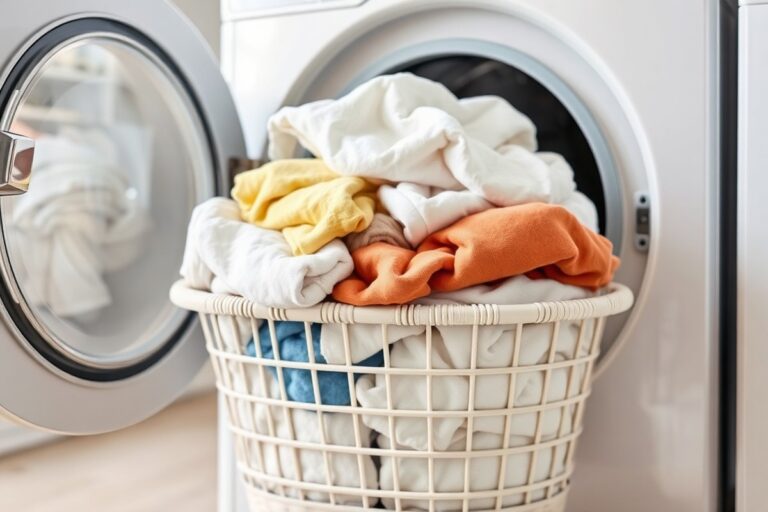
How to Keep White Clothes White: 8 Simple Ways That Really Work
Keeping white clothes white requires careful washing techniques, proper stain removal, and avoiding common mistakes like overusing bleach. Use lukewarm water at about 60° F with enzyme-based detergents, soak whites before washing, and add white vinegar to brighten and soften. These steps help prevent yellowing and keep your whites looking fresh longer.
This advice suits homeowners and renters who want to maintain white clothing and linens without frequent replacements. You’ll find simple, practical tips that help you protect your investment in white fabrics while minimizing wear and dullness.
Key Takeaways
- Pre-soak white clothes in warm water for 30 minutes to loosen stains before washing.
- Use enzyme-based detergents that activate at 60° F or higher for effective cleaning.
- Add 1/4 to 1/2 cup of white vinegar per load to brighten whites and soften fabrics.
- Treat stains promptly with instant stain remover wipes or sprays to prevent setting.
- Separate white laundry from colored items to avoid color transfer and graying.
- Use sodium percarbonate powder as a safer whitening alternative to bleach.
1. How to Keep White Clothes White When Washing

Keeping white clothes bright starts with washing them properly. Using the right water temperature and detergent can make a big difference in preventing dullness or yellowing. Washing white items separately from colored clothes also helps maintain their brightness by avoiding color transfer. The ideal water temperature varies depending on the fabric: hot water works well for durable whites, while warm water is safer for more delicate fabrics and helps reduce the risk of shrinking. Cold water can be used for delicate whites but may not clean as thoroughly. Using the correct amount of detergent, preferably an enzyme-based formula, ensures effective cleaning without leaving residue that can dull whites. Follow these steps for washing white clothes to keep them looking fresh and vibrant:
- Sort your laundry. Separate whites from colored and dark clothes to prevent dye transfer that can stain or gray your whites.
- Pre-treat stains. Apply a stain remover or soak marked items in warm water for about 30 minutes before washing to loosen dirt and grime.
- Choose the right detergent. Use an enzyme-based detergent designed for white clothes. Avoid overusing detergent; measure according to the load size and soil level, typically about 2 tablespoons for a normal load.
- Select the appropriate water temperature. Use hot water for cotton and sturdy fabrics as it boosts cleaning and stain removal. Opt for warm water if you worry about shrinking or damage. Use cold water only for delicate whites that can’t tolerate heat.
- Pick the proper wash cycle. Use a regular wash cycle for heavily soiled whites and a gentle cycle for delicate fabrics to avoid wear and tear.
- Avoid fabric softeners. Fabric softeners can leave residues that dull white fabrics over time. Skip them or use a small amount of white vinegar as a natural alternative if needed.
- Rinse thoroughly. Ensure your washing machine completes the rinse cycle fully to remove detergent residue.
- Dry properly. Hang white clothes outdoors if possible; sunlight acts as a natural whitener and helps prevent dinginess.
2. Best Stain Removal Techniques for White Clothes
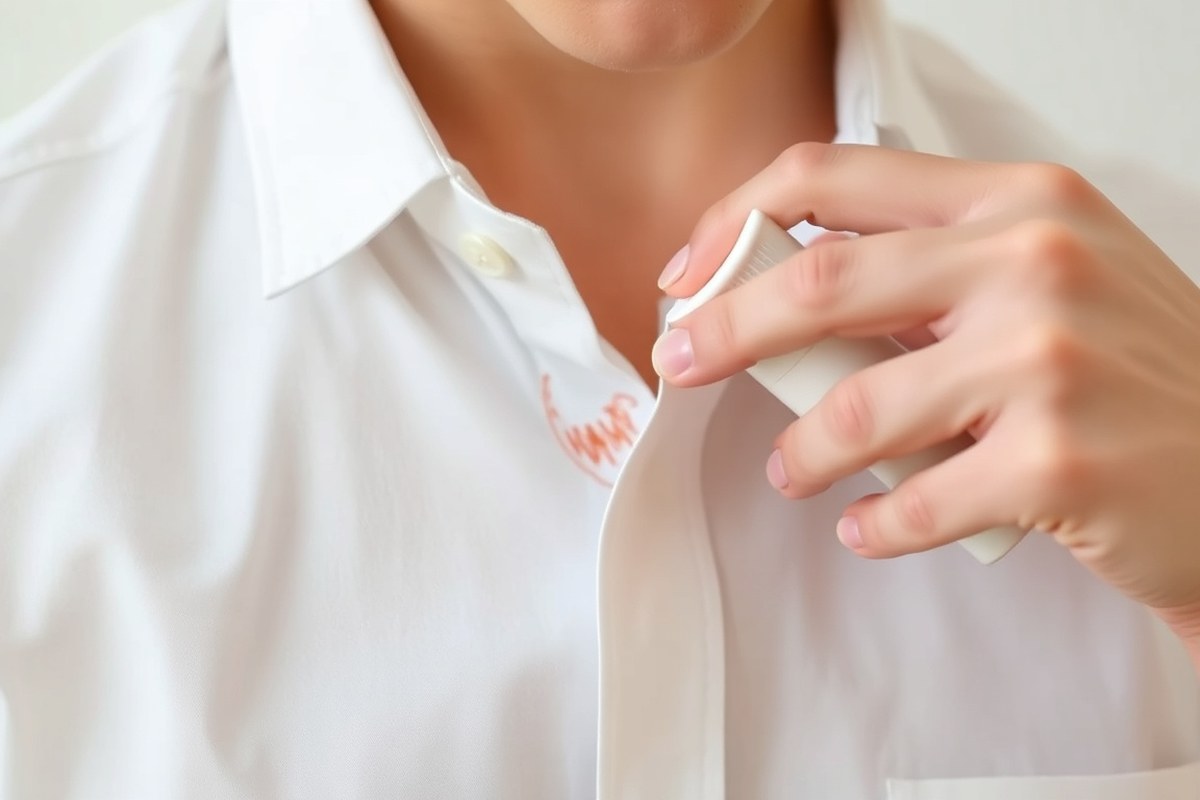
Effectively removing stains from white clothes prevents dulling and yellowing. Focus on treating common stains quickly with suitable products and soaking when needed. Proper pretreatment and soaking increase your chances of restoring brightness without causing damage.
Common Stains and How to Treat Them
Sweat, deodorant marks, food spills, and red wine frequently stain white clothes. These stains can cause yellowing or dull spots if left untreated. Treat these stains as soon as possible for the best results.
For sweat and deodorant stains, use a mixture of baking soda and water or apply white vinegar directly to the stained area. For food or wine stains, blot excess liquid with a clean cloth and then apply a stain remover or soak in a lemon juice and hot water solution.
Applying cold water first can prevent spreading stains. Always avoid rubbing, as it may embed the stain deeper into the fabric.
Pretreatment Products and Application
Pretreating stains before washing is essential to keep whites bright. Use products like white vinegar, baking soda paste, or a commercial enzyme-based stain remover designed for whites. Avoid harsh bleach on delicate fabrics to prevent weakening fibers and yellowing over time.
To pretreat stains, dampen the area and apply your chosen product evenly. Let it sit for 5 to 10 minutes before washing. For tougher stains, gently rub the fabric together to work the pretreatment in but avoid excessive force.
Always test a small hidden area first to ensure the pretreatment doesn’t damage or discolor the fabric.
Here’s a basic pretreatment process you can follow:
- Identify stains and separate the white clothes from colored ones.
- Apply white vinegar or baking soda paste directly to the stains.
- Let the pretreatment sit for 5 to 10 minutes.
- Gently rub the fabric together if needed to loosen the stain.
- Proceed to soaking or washing as recommended for your fabric.
Soaking Guidelines Before Washing
Soaking helps loosen dirt and stubborn stains before the actual wash cycle. For white clothes, soak them in a solution of warm (not hot) water with white vinegar or lemon juice for at least 30 minutes. This helps brighten the fabric and break down stains.
Soaking longer than 30 minutes, up to an hour, can be beneficial for tough discolorations, but never soak whites for more than a few hours to avoid fabric damage or yellowing caused by prolonged moisture exposure. Keep the water temperature moderate because very hot water may shrink or weaken fabric threads.
After soaking, wash the clothes immediately using the hottest water safe for the fabric and your usual detergent. Avoid drying stained whites before ensuring the stain is fully removed, as heat can set the stain permanently.
3. Safe Whitening Alternatives to Bleach for White Clothes
Baking soda, distilled white vinegar, hydrogen peroxide, and oxygen-based whiteners all offer safer ways to brighten white clothes without chlorine bleach. Baking soda excels at breaking down body oils and detergent residues that cause dullness. Use a half-cup added to your laundry load or dissolve one cup in a gallon of boiling water for soaking dingy whites. It’s cost-effective, eco-friendly, and gentle on fabrics.
Vinegar softens fabrics and neutralizes odors, acting as a deodorizer while helping preserve whiteness. Adding half a cup of distilled white vinegar during the rinse cycle works well. Although it doesn’t whiten as strongly by itself, vinegar complements baking soda in laundry routines. Avoid using vinegar on delicate materials like silk or rayon to prevent fabric damage.
Hydrogen peroxide contains oxygen-based bleach properties and safely whitens without the harshness of chlorine bleach. It’s ideal when stronger whitening is needed but you want to avoid the risks of bleach. Mix one part baking soda, one part hydrogen peroxide, and two parts water to create a whitening paste for treating yellowed spots or stains before washing. This combination lifts discoloration effectively and stays fabric-friendly.
Oxygen-based whiteners, commonly sold as “color-safe bleach,” rely on peroxide compounds that release oxygen bubbles to remove stain molecules. They work well for stubborn yellowing and graying while preserving fabric integrity. Unlike chlorine bleach, they are safe for most fabric types and colors. Use oxygen-based products per label instructions, typically adding them along with detergent during the wash cycle. They may require warmer water (above 60°F) for full activation.
The table below compares these common bleach alternatives, highlighting how each works and tips for use:
| Whitening Method | How It Works | How to Use | Best For | Precautions |
|---|---|---|---|---|
| Baking Soda | Breaks down oils and residues, mildly alkaline | Add ½ cup to wash; dissolve 1 cup in boiling water for soak | Everyday brightening, odor removal | None; safe for most fabrics |
| Distilled White Vinegar | Softens and deodorizes fabrics | Add ½ cup during rinse cycle | Neutralizing odors, softening fabric | Avoid silk, rayon |
| Hydrogen Peroxide (3%) | Oxygen-based whitening, mild bleach | Use in paste with baking soda or add 1 cup to wash | Spot whitening, brightening whites without bleach | Test for colorfastness; avoid on delicate fabrics |
| Oxygen-Based Whiteners | Releases oxygen bubbles to break down stains | Use per label with detergent, warm water preferred | Removing yellowing and graying, color-safe whitening | Follow product directions for water temp & dose |
| Lemon Juice | Natural acid brightens and breaks down stains | Apply fresh juice on stains or add ½ cup to wash | Light stains, freshening whites | Sun exposure may cause fading if left too long |
Choosing between baking soda and vinegar depends on your goal: baking soda whitens and removes residue, making it the better single choice for brighter whites. Vinegar helps soften and deodorize while complementing baking soda’s effect. For stronger whitening, hydrogen peroxide or oxygen-based whiteners provide added power yet remain safe for your fabrics and family. Follow product directions and test any new method on hidden fabric areas to avoid damage.
Using these alternatives regularly prevents buildup that dulls white clothes. Incorporate half-cup measures of baking soda or vinegar along with your detergent, and treat tougher stains with a homemade paste of hydrogen peroxide and baking soda. Oxygen-based whiteners serve as a great option for a bleach-free boost when washing laundry. These options minimize fabric wear, reduce harsh chemical exposure, and keep your white garments bright without the risks associated with chlorine bleach.
4. Preventing Yellowing and Graying of White Clothes
White clothes often develop yellow or gray tones because of sweat, natural oils from your skin, chemicals in deodorants, and minerals in hard water. Proteins and fats from sweat and oils get trapped in fabric fibers. When these mix with deodorants, especially those with aluminum, the combination reacts during washing and drying, leaving yellow stains that are hard to get out. Minerals such as calcium and magnesium found in hard water accumulate slowly, making whites look faded or gray.
Prompt washing is critical to prevent these issues. Leaving sweaty, deodorant-exposed white clothes sitting unwashed allows oils and residues to set into the fabric, making yellowing more likely. Rinse thoroughly to remove these substances, and avoid relying only on water or mild detergents. Using an appropriate detergent formulated for whites can help lift oils effectively. Wearing deodorants without aluminum or waiting a few minutes after application before dressing limits chemical reactions, too.
Storage methods affect whiteness as well. Storing white clothes in plastic bags or containers restricts airflow and traps moisture, encouraging yellowing over time. Instead, use breathable cotton garment bags or clean, dry drawers to maintain airflow and reduce discoloration.
- Wash whites promptly after use, ideally within 24 hours
- Rinse whites thoroughly to remove sweat and deodorant residues
- Choose aluminum-free deodorants to reduce yellowing risk
- Allow deodorant to dry before putting on white clothing
- Use detergents designed for whites and hard water if applicable
- Store whites in breathable fabric bags, not plastic
- Consider occasional treatments with diluted bleach or whitening boosters to combat early yellowing
Following these steps helps maintain long-term whiteness by stopping yellow and gray stains before they set. While occasional discoloration can happen, proper care minimizes it and keeps your whites looking crisp. Avoid letting residues build up or sit too long, as reversing deep-set stains takes more effort and may risk damaging fabric. Taking preventive measures during and after wearing your whites is the most cost-effective way to preserve their look.
5. How to Dry White Clothes to Keep Them Bright
Drying white clothes properly helps keep them bright and prevents fabric damage. Sun drying is a popular method because sunlight naturally bleaches and brightens whites. When drying outside, choose a clean, dry area with good airflow. Hang white clothes on a line or drying rack in direct sunlight but avoid leaving them out too long after they are fully dry, as prolonged exposure can weaken the fibers and cause yellowing. This method works well for cotton, linens, and durable fabrics, but delicate white garments and white jeans may not hold up well to strong sun exposure and require gentler drying methods.
Tumble drying white clothes is faster and more convenient, especially when weather conditions do not allow for outdoor drying. Use a low or medium heat setting to reduce the risk of shrinking or damaging the fabric. Some dryers also have specific settings for whites or delicate fabrics, which can help maintain brightness. Overdrying can cause fabrics to become brittle and dull, so check the clothes regularly and remove them while they are still slightly damp. Using dryer balls or clean tennis balls can help reduce drying time and keep fabrics soft.
To protect your white clothes regardless of the drying method, always check the care label before drying. Separating whites from colored clothes prevents any color transfer that would dull their brightness. For delicate fabrics, laying flat to dry indoors on a drying rack is safest to prevent stretching and maintain the garment’s shape. Avoid using fabric softeners regularly, as they can leave residues that reduce whiteness over time.
Never mix whites with colored or dark clothes during drying to prevent bleed-through stains and maintain bright white fabric.
Sun drying costs nothing aside from your time and requires good outdoor space, while using a dryer adds electric costs but offers speed and convenience. Experiment with both methods based on fabric type, weather, and your schedule. For example, use sun drying for sturdy white sheets and shirts on sunny days, and a low-heat tumble dry for delicate blouses or when outdoor drying is not an option.
6. Daily and Routine Care Tips to Maintain White Clothes
Keeping white clothes looking fresh requires consistent daily habits alongside proper laundry techniques. Washing whites at the right intervals, using boosters that preserve brightness, and storing garments correctly all play key roles in maintaining their crisp appearance over time.
Regular Washing Frequency Guidelines
Washing white clothes with the right frequency helps prevent dirt buildup and fabric dullness. For everyday garments like white t-shirts and socks, washing after each wear is best to stop stains from setting and fabrics from yellowing. Dress shirts, which see less frequent use, can be washed after 2 to 3 wears unless visibly soiled. Overwashing can wear fabric fibers out faster, while underwashing allows oils and dirt to cause discoloration over time.
Separate whites from colored clothing every time to avoid dye transfer that dulls white fabrics. Also, sorting whites further by fabric type, such as separating cotton from synthetics, helps because washing methods and detergents vary with fabric needs.
Use of Laundry Boosters and Softeners
Adding natural laundry boosters to your wash can brighten whites without harsh bleach. One cup of white vinegar added during the rinse cycle removes detergent residue that causes dullness and keeps whites looking crisp. Alternatively, half a cup of lemon juice added to the wash acts as a gentle brightener that improve white fabric brightness.
Water hardness affects how clean and bright your clothes stay. Using a water softener or conditioner in your laundry routine helps prevent mineral build-up that leaves white clothes looking gray or yellowed. Choosing a detergent formulated for frequent washing and free of dyes and perfumes often protects fabric brightness longer by reducing buildup and irritation.
- Add 1 cup white vinegar in the rinse cycle
- Use ½ cup lemon juice during wash for extra brightness
- Incorporate a water softener to combat hard water effects
- Choose gentle, clear detergents suited for frequent white laundry
- Follow garment care labels to select appropriate detergents and additives
- Avoid harsh chlorine bleach which can damage fibers over time
These boosters support fabric care and help maintain the fresh look and feel of whites, especially with repeated washing.
Storing White Clothes to Avoid Discoloration
Proper storage is key to keeping white garments bright between uses and seasons. Avoid storing whites in plastic bags or containers that trap moisture and air. Poor airflow encourages yellowing and mildew growth. Instead, use breathable cotton garment bags or acid-free tissue paper to wrap delicate whites.
For seasonal storage, keep whites clean and fully dry before storing. Store in a cool, dry place away from direct sunlight, which can cause fading and discoloration. Hanging white items like dress shirts on padded hangers prevents creasing and prevents yellowing that occurs in compressed folding. Here’s a checklist for storing white clothes:
- Ensure items are clean and fully dry before storage
- Use cotton or linen garment bags instead of plastic covers
- Wrap delicate items in acid-free tissue paper to prevent fabric damage
- Store in a cool, dry, and dark place to reduce yellowing
- Hang dress shirts and other structured garments on padded hangers
- Keep storage area well ventilated to avoid mildew and odors
7. Common Mistakes When Washing White Clothes and How to Fix Them
One frequent error is mixing white clothes with dark or colored garments. This can cause colors to bleed onto your whites, especially when washing in warm or hot water. To prevent this, always separate your whites and wash them on their own or with similar light colors carefully sorted. This helps keep whites bright and avoids unwanted stains.
Using bleach improperly can damage white fabrics instead of preserving their brightness. Some white garments are dyed white rather than pure cotton or linen, and harsh bleaches or detergents with optical brighteners can strip the dye or weaken fabric fibers. Follow care labels closely and use bleach only with the hottest water your clothes can tolerate, applying about one-third of a cup per load. Avoid detergent or softeners containing chlorine-based bleach or harsh optical brighteners.
Residue buildup from detergents or fabric softeners may dull your white clothes, making them appear grey or yellowed. To fix this, soak the garments submerged for 30 minutes to one hour before washing. Soaking alone might not restore whiteness, so try laundry stripping, which uses water, detergent, and boosters to clear residues. This can revive whites that conventional washing fails to brighten.
- Wash white clothes separately to avoid dye transfer
- Use hot water and one-third cup of bleach for stubborn yellow or stains, if safe per fabric label
- Check and follow garment care labels for bleach and temperature guidelines
- Choose detergents free of optical brighteners or harsh bleach for dyed whites
- Soak whites 30 minutes to 1 hour before washing to loosen stains and residues
- Soaking may not be enough; use laundry stripping methods to eliminate buildup.
- Avoid mixing softeners with bleach to prevent fabric damage
Stains, yellowing, or greying can account for up to 78% of white garments discarded, according to laundry care research. By correcting these common mistakes, you can extend the life and brightness of your white clothes. Always handle bleach carefully, spend time sorting laundry properly, and treat clothes to pre-soaks or laundry stripping when needed to salvage whites that look dull or damaged.
8. Choosing the Right Washing Machine Settings and Maintenance
Choosing the right washing machine settings and keeping the washer clean are key steps to keeping white clothes bright and fresh. Using the proper water temperature, wash cycle, and load size preserves fabric integrity and removes soils effectively. Routine machine maintenance prevents dingy build-up that can transfer to clothing.
Recommended Washer Settings for Whites
To best preserve white clothes, select a wash cycle that matches the fabric’s care instructions, usually found on the label. Most white clothes can be washed in warm water, between 90°F and 110°F, which balances cleaning power and fabric protection. Use a gentle or normal cycle depending on the garment’s sturdiness, avoiding harsh agitation on delicate whites.
Loading the machine properly helps whites maintain brightness. Aim for smaller loads so your whites have room to move, which improves washing and rinsing efficiency. Adding an extra rinse cycle ensures detergent and residues fully wash away, reducing the risk of buildup that dulls fabrics. For items like white socks, towels, and sheets, hot water is appropriate if the care label allows, boosting stain removal and sanitizing.
Cleaning and Maintaining Your Washing Machine
Regular cleaning of your washing machine prevents residue, mold, and detergent buildup that can cause whites to look dingy. Run a monthly cleaning cycle using a washing machine cleaner or white vinegar to dissolve mineral deposits and soap scum. Pour 1/4 cup to 1/2 cup of white vinegar into the detergent compartment and run a hot water wash to brighten your whites indirectly by keeping the machine clean.
After every wash, leave the door or lid open for several hours to allow the interior to dry completely and avoid mold growth. Wipe down door seals and detergent dispensers weekly with a damp cloth to remove lingering grime. Replacing the washing machine filter and checking hoses yearly also supports optimal performance and cleanliness.
Use an extra rinse cycle when washing whites to remove detergent residue that can cause dullness or yellowing over time.
Mixing Whites with Colors: When It’s Okay
Separating white clothes from colors prevents dye transfer that can tint or dull whites. It’s generally best to wash whites alone to protect their brightness. However, light-colored garments such as pastels can be safely washed with whites if all items have been washed several times before and are colorfast.
White linens and everyday items like towels and socks can be washed together in hot water without mixing in colored clothing, as their fabric and care needs align. Avoid washing new colored garments with whites until you confirm they won’t bleed. Sorting carefully and reading care labels helps you decide which whites can share a load and which need their own cycle.
Step-by-Step Action Plan to Keep Your White Clothes Bright
Follow these steps to maintain bright white clothes and prevent dullness or damage over time.
- Before washing: Sort white clothes separately to avoid dye transfer. Check care labels to choose the right water temperature for each item.
- During washing: Use a detergent formulated for whites and add a safe whitening booster like baking soda or oxygen bleach. Confirm effectiveness by checking that stains look lighter after washing.
- After washing: Inspect clothes immediately for any remaining stains. Treat stubborn spots with a stain remover safe for your fabrics before the next wash.
- Drying: Line dry white clothes in indirect sunlight if possible, or use a low-heat setting on your dryer. Brightness will appear if the fabric remains crisp and evenly dried.
- Weekly: Clean your washing machine drum and dispensers to prevent residue buildup that can dull whites. Watch for fresher-smelling laundry and no detergent deposits on clothes.
- Monthly: Soak heavily worn whites in a solution of water and safe whitening alternatives to reverse yellowing and graying. Improvement shows as brighter fabric color without fiber damage.
- Ongoing: Avoid fabric softeners on white clothes to prevent buildup that attracts dirt. You’ll notice cleaner, crisper whites over repeated washes.
Frequently Asked Questions
How Can I Get My Dingy White Clothes White Again?
Soak dingy whites in boiling water mixed with baking soda for 30 minutes, then wash normally. This breaks down body oils and residue that dull fabric.
Which Is Better to Whiten Clothes, Vinegar or Baking Soda?
Baking soda whitens by cutting through soil while vinegar softens and deodorizes fabric. Use both together for best results.
What Is the Best Whitener for White Clothes?
Oxygen-based whiteners work well without harsh bleach, plus natural options like lemon juice and baking soda also brighten.
Does Dawn Dish Soap Make White Clothes Whiter?
Dawn can remove grease stains but doesn’t whiten fabric. Use it as a stain remover before laundering.
Can Hard Water Cause White Clothes to Look Dull or Gray?
Yes, minerals in hard water leave residue, making whites look dingy. Use a water softener or vinegar rinse to help.
Is It Okay to Mix Bleach with Vinegar for Whitening Clothes?
No, mixing bleach and vinegar produces harmful chlorine gas. Never combine these chemicals in laundry.
Wrapping Up
Maintaining white clothes requires consistent care during washing, drying, and storage. Use safe products designed for whites and watch your clothes for any signs of staining or yellowing. Start with separating whites and choosing the right detergent today to keep your wardrobe bright longer.