How to Clean Silk Safely: 8 Essential Steps for Perfect Results
How to clean silk starts with gentle care to avoid damaging this delicate fabric. Hand washing 100% pure silk by soaking it for no more than 3 to 4 minutes using a mild detergent is the safest method. Avoid prolonged water exposure, harsh soaps, and sunlight to keep silk soft and strong. This information helps consumers and hobbyists manage their silk garments at home without professional cleaning.
You will find clear steps for washing silk by hand and advice on when machine washing is possible. This guidance also covers spotting stains carefully, plus tips to protect silk between washes and prevent common damage to extend your garment’s life.
Key Takeaways
- Always check the label to confirm the garment is 100% silk before washing at home.
- Hand wash pure silk by soaking gently for 3 to 4 minutes with a mild detergent or silk-safe soap.
- Never soak silk in water longer than 5 minutes to avoid fabric damage.
- Avoid detergents with bleach or enzymes that can weaken silk fibers.
- Rinse silk promptly in cool water after washing to remove soap residue.
- Machine wash silk only if the label specifically permits it, using the delicate cycle.
1. How to Wash Silk Garments Safely by Hand

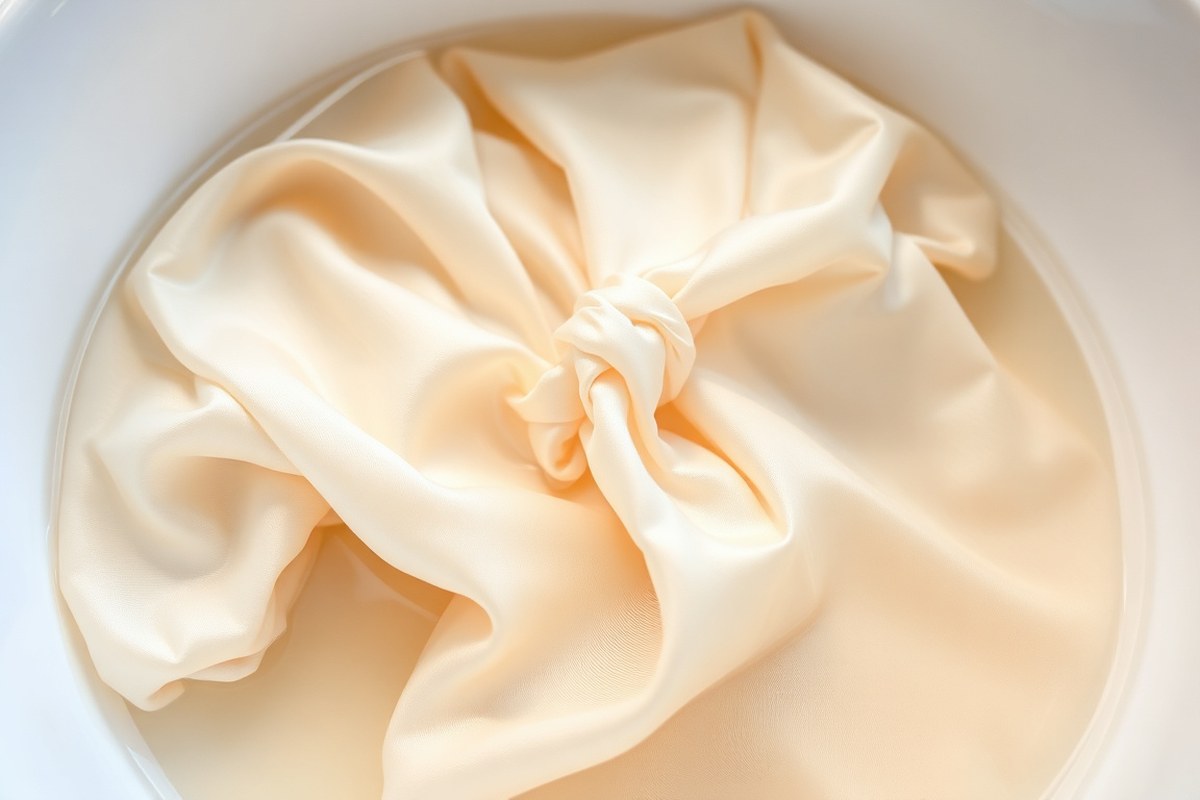
Hand washing 100% silk garments requires careful attention to water temperature, detergent amount, and handling to prevent damage. Use lukewarm water, a small amount of a mild detergent, and gentle movements, soaking the fabric for just 3 to 5 minutes. Avoid wringing or twisting and dry flat away from sunlight for the best results.
Preparing the Silk Item for Washing
Before washing, always check the garment label to confirm it is 100% silk and safe to wash by hand. Testing a hidden area for colorfastness helps prevent dye transfer. Remove any surface dirt or dust by lightly brushing the fabric or shaking it out.
Mixing Water and Detergent Correctly
Fill a sink or basin with lukewarm water, ideally around 85°F (29°C), to avoid heat damage to the fibers. Add about one teaspoon of an ultra-mild detergent designed for delicate fabrics to every gallon of water. Avoid bleaches, enzyme-based soaps, or strong alkaline detergents that can weaken silk fibers.
Washing and Rinsing Process
Gently submerge the silk garment and swirl it carefully to distribute the soap but do not scrub or twist. Limit soaking time to 3 to 5 minutes to protect the protein-based fibers from damage. Rinse thoroughly in cool water until all detergent is washed out, repeating the rinse if needed.
- Submerge the silk completely in lukewarm soapy water.
- Swirl the fabric gently for about 1 to 2 minutes without rubbing.
- Soak the garment for no more than 5 minutes total.
- Lift the silk and drain the soapy water from the basin.
- Refill with cold, clean water for rinsing.
- Swirl gently in the rinse water to remove detergent.
- Repeat rinsing if any soap remains.
Removing Excess Water Without Wringing
Never wring or twist silk to remove water, as this can cause distortion or fiber breakage. Instead, carefully press the garment between clean, dry towels to absorb excess moisture. Rolling the silk gently in a towel can also help remove water without stress on the fabric.
Drying Silk Properly After Hand Wash
Lay the silk flat on a dry towel or drying rack in a shaded area to air dry. Avoid using a dryer or exposure to direct sunlight, which can fade colors and weaken fibers. Allow the garment to dry completely before storing or ironing.
2. When and How to Machine Wash Silk Safely
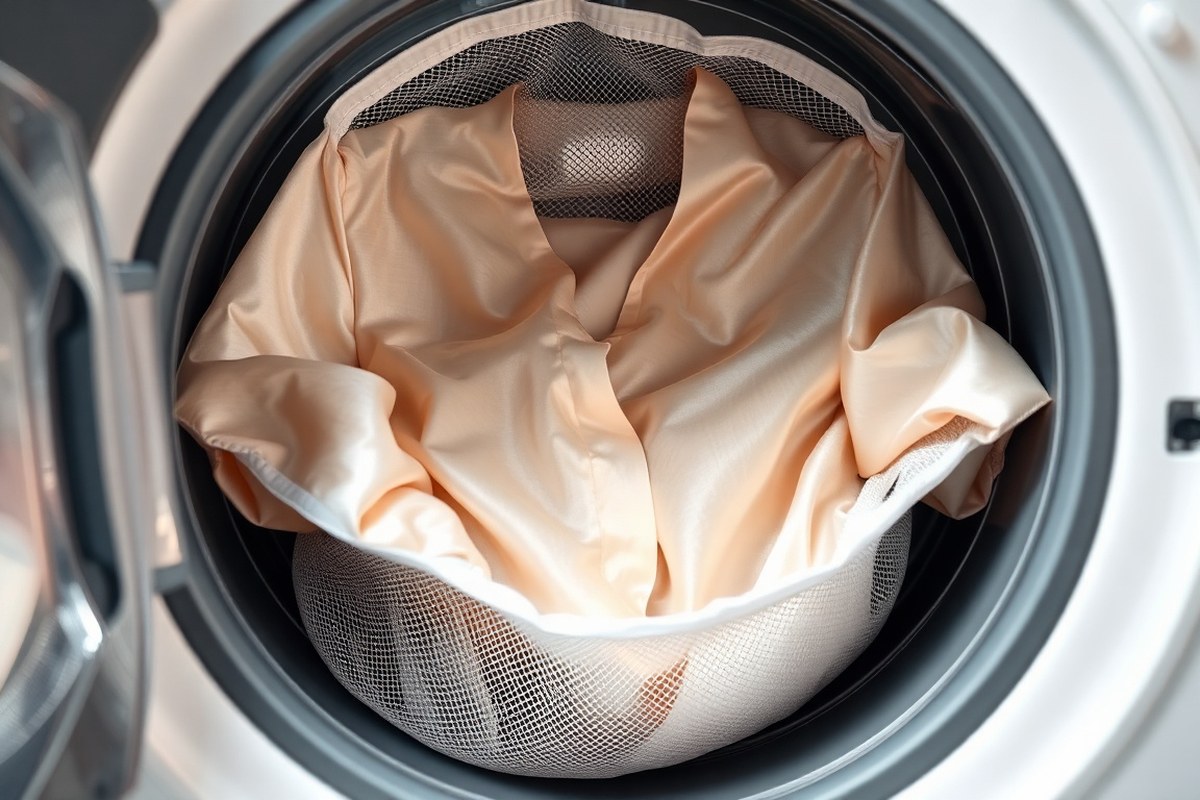
Machine washing silk can be safe if your garment’s care label specifically allows it. Use cold water, gentle cycles, and protective measures like mesh bags to guard the delicate fabric and maintain its softness.
Checking Silk Garment Labels
The first step is to carefully inspect the silk garment’s care label. Look for clear instructions regarding washing methods, especially whether machine washing is permitted. Some labels will say “hand wash only” or “dry clean only,” which means machine washing should be avoided to prevent damage.
Check for specific temperature guidance and warnings against tumble drying. Labels that allow machine washing typically instruct cold water use, a delicate or silk cycle, and advise against using heavy detergents or bleach.
Choosing the Right Machine Cycle
Select a washing machine cycle that treats silk gently. Most modern machines have cycles named “delicate,” “silk,” or “hand wash.” These options minimize agitation, which helps preserve the fabric’s smooth texture and shine.
Always set the water temperature to cold or at most lukewarm (under 86°F or 30°C). Hot water can cause shrinkage and weaken the fibers. Avoid the regular or heavy-duty cycles, as these are too rough for silk.
Preparing and Loading the Silk Item
Before placing silk in the washer, secure it inside a mesh laundry bag. This prevents friction with the machine’s drum and other clothing, lowering the risk of snagging or stretching. Avoid washing silk with heavy items or those with buttons or zippers.
Skip the spin cycle if your machine has that option or choose the gentlest spin setting. Excessive spinning can distort the fabric and damage delicate silk fibers. Also, do not overload the machine; silk needs space to move freely without rubbing against other garments.
- Check the care label to confirm the garment is machine washable.
- Select a mild detergent formulated for delicate fabrics or silk.
- Turn the silk garment inside out to protect the surface threads.
- Place the garment inside a mesh laundry bag, sealing it securely.
- Set the washing machine to the delicate or silk cycle with cold or lukewarm water.
- Load the machine with only the silk or similar delicate items to avoid damage.
- Skip or reduce the spin cycle to minimize stress on the fabric.
- After washing, remove the silk promptly and lay it flat on a towel to air dry.
Avoid tumble drying silk as the heat and tumbling motion can cause shrinkage and weaken the fibers quickly.
3. Effective Spot Cleaning Techniques for Silk Stains
Removing stains from silk requires gentle care using safe household ingredients like diluted vinegar, lemon juice, or mild detergent. Avoid harsh scrubbing or strong chemicals that can damage silk’s delicate fibers. With careful testing for colourfastness and correct application, you can lift common stains such as sweat, oil, or makeup without harming the fabric.
Testing for Colorfastness Before Treatment
Silk can lose colour or develop water marks when treated incorrectly, so always test any cleaning solution first. Choose a hidden spot on your garment or silk item, such as an inside seam or hem. Dab a small amount of your diluted cleaning solution onto that area using a clean, white cloth. Wait five to ten minutes to observe any colour change, bleeding, or fabric damage before proceeding to spot clean more visible stains. This step ensures the silk’s dye won’t run or fade when exposed to the spot cleaner, helping preserve your garment’s appearance while removing stains safely.
Choosing the Right Spot Cleaning Solution
Select a cleaning solution based on the type of stain you want to remove. Mild acidic solutions like diluted white vinegar or lemon juice mixed with lukewarm water (about 2 tablespoons vinegar or lemon juice per 2 cups water) work well for perspiration, deodorant, and sweat stains.
Use a mild detergent diluted with lukewarm water if stains are from dirt or general grime. For stubborn oil, makeup, or perfume stains, a small amount of hair conditioner added to rinse water can soften the silk fibers and help lift the stain.
| Stain Type | Recommended Solution |
|---|---|
| Perspiration, deodorant | 2 tbsp white vinegar or lemon juice + 2 cups lukewarm water |
| Oil, makeup, perfume | Hair conditioner diluted in lukewarm water rinse |
| General dirt or dust | Mild detergent diluted with lukewarm water |
Stronger spot treatments like diluted ammonia or alcohol solutions (equal parts with lukewarm water) may remove ink or tough cosmetic stains but test these carefully to avoid damage.
Applying and Removing the Cleaning Solution
To avoid damaging your silk, apply the cleaning solution carefully and avoid rubbing or scrubbing harshly. Immediate attention to fresh stains improves success. After spot cleaning, rinse with cold water and gently blot dry. Follow these steps for effective spot cleaning:
- Put on clean, dry hands to prevent transferring oils or dirt onto the silk.
- Dip a soft, white cloth or cotton swab into the diluted cleaning solution prepared for your stain.
- Gently dab the stained area, starting from the edges and moving inward to prevent spreading.
- Let the solution soak on the stain for about 10 minutes, but avoid prolonged soaking that can weaken fibers.
- Flush the treated spot immediately with cold water, rubbing the silk against itself very gently to help loosen the stain.
- Use a dry, soft towel to blot excess moisture, do not wring or twist the fabric.
- Allow the silk to air dry flat or hang in shade away from direct sunlight or heat.
For particularly tough stains, avoid aggressive cleaning and consider professional dry cleaning for silk to protect the fabric.
4. How to Dry and Iron Silk for Lasting Softness
Silk should always be air-dried to preserve its softness and avoid shrinkage or damage. Avoid tumble-drying silk garments, as the heat and tumbling action can cause irreversible shrinkage and roughen the fabric’s delicate texture. Instead, hang silk on a padded hanger or lay it flat on a clean towel in a shaded, well-ventilated area, away from direct sunlight, which can fade the colors. Occasionally shaking silk pillowcases or garments while drying helps reduce stiffness and maintain suppleness. Never wring out silk after washing to prevent distortion of the fibers.
Ironing silk requires careful attention to protect its fibers. Wait until the silk is completely dry to avoid water spots and potential heat damage. Use an iron set to the lowest temperature, often marked as “silk” or around 250°F (121°C). Iron on the reverse side of the garment or place a thin cotton cloth, known as a press cloth, between the iron and the silk to lessen direct heat exposure and prevent shine or scorching. Move the iron gently and avoid holding it in one spot for long. Steam can also be effective at removing wrinkles; hold the iron or a steamer a few inches away and allow the steam to relax the fibers without touching the fabric.
To maintain silk’s softness after drying and ironing, avoid any high heat exposure from dryers or irons set too hot, as heat dries out silk’s fibers, causing stiffness and loss of sheen. After drying, lightly mist the fabric with water if it feels stiff, then reshape and air-dry again. Using gentle silk-specific fabric softeners sparingly can also help maintain softness but test on a small area first as some products can harm silk. When storing silk, keep it in a clean, dry, and dark place to protect its texture over time.
For silk noil or raw silk, which tends to shrink more, professional dry cleaning is often the safest route unless the garment has been prewashed. Following these practices ensures your silk garments retain their smooth texture and appearance, allowing you to enjoy their natural softness and luxurious feel for longer.
5. Understanding Silk Fabric Properties That Affect Cleaning
Silk is a natural protein fiber composed of many extremely fine threads woven tightly together. These delicate fibers make silk softer and more luxurious than many fabrics but also more fragile. Heat and water affect silk by causing the fibers to tighten or stretch, which leads to shrinking or losing softness. For example, washing silk in water hotter than about 90°F (32°C) can cause the fabric to shrink between 5% to 10%. This happens because the woven threads contract as they dry. Similarly, exposing silk to the heat of a dryer will damage the fibers and shrink your garment severely, so always air dry your silk products.
The protein structure of silk is sensitive to harsh chemicals and detergents, which may strip away its smooth surface, leaving it dull or rough over time. That’s why mild detergents or even gentle shampoos designed for hair work well for cleaning silk. Avoid detergents with added moisturizers, conditioners, or enzymes as they can react adversely with the dyes and fibers. When using water, neither extremely cold nor hot temperatures should be used, since cold may stiffen the fabric and hot can cause shrinkage.
Dyes in silk have a unique interaction with water and cleaning agents. Since silk is often dyed with delicate, natural dyes, strong detergents or multiple washes can cause fading or bleeding. To protect colors, rinse the silk thoroughly after washing to remove all soap residues. This usually means rinsing the fabric several times in clean, lukewarm water to avoid soap buildup, which can dull the sheen. Water spotting is another risk when damp-cleaning silk; using a wet towel to spot clean may leave unattractive marks, so it’s best to spot clean only with careful soaking and blotting techniques.
Because silk fibers are protein-based, similar to human hair, they require cleaning approaches that preserve their structure. Overwashing or soaking silk for too long weakens the fibers and causes loss of softness and sheen. Soaking should be limited to no more than 3, 5 minutes, with gentle rubbing to lift grime. Longer soaking or aggressive scrubbing can stretch and damage the threads. Also, folding and storing silk carefully, and refreshing the folds every six months, helps maintain its texture and prevents permanent creasing.
Never soak silk for more than 5 minutes and avoid hot water to prevent shrinking and loss of softness.
6. Common Mistakes to Avoid When Cleaning Silk
Using bleach or strong detergents on silk can quickly damage the delicate fibers. Bleach causes discoloration and weakens the fabric, while harsh detergents strip natural proteins from silk, leading to stiffness and roughness. Choose a mild detergent specially formulated for silk or gentle hand-washing soap instead. This helps maintain softness and prevents fiber breakdown.
Wringing silk is harmful because it stretches and deforms the fibers, potentially causing wrinkles and permanent damage. Instead of twisting, gently press or squeeze water out using your hands or lay the garment flat between two clean towels and press to absorb moisture. Avoid any aggressive squeezing that risks distorting the fabric.
Soaking silk too long, in water or detergent solution, can cause the fibers to weaken and lose their luster. Limit soaking time to about three to five minutes maximum. Extended soaking might also lead to color fading or bleeding. If stains persist, treat them separately with a mild spot cleaner rather than longer soaking.
Silk stiffness or fuzziness after washing usually indicates one or more problems: water temperature was too high, detergent was too strong, or rinsing was incomplete. To fix this, rinse your silk garment thoroughly with cool water to remove all detergent residues. Another gentle rinse with a diluted white vinegar solution (one tablespoon per quart of water) can restore softness and eliminate any leftover soap.
- Never use bleach or fabric softeners on silk
- Choose a mild silk-specific detergent or gentle hand soap
- Avoid twisting or wringing; gently press water out instead
- Limit soaking to no more than 5 minutes
- Use cool or lukewarm water, never hot
- Rinse thoroughly with cool water; follow with vinegar rinse if stiffness occurs
- Handle silk delicately to protect embellishments and fabric integrity
By avoiding these common mistakes, you protect your silk garments from damage and keep them soft and beautiful. Remember that silk needs gentle treatment and patience, especially around temperature, soaking, detergent strength, and how you handle wet fabric. Taking these precautions helps your silk hold up well over time.
7. How to Care for Silk Between Washes to Extend Its Life
Caring for silk between washes helps maintain its softness, color, and overall quality. Instead of cleaning silk frequently, focus on spot cleaning minor stains promptly. Many silk garments can be worn multiple times if you air them properly and avoid oils, perfumes, or deodorants that cause buildup. Over-washing risks weakening the delicate fibers and fading the fabric, so limit full washes to every few wears unless the item is visibly soiled.
Store silk in a cool, dry environment away from direct sunlight to prevent fading. Use breathable garment bags or wrap pieces in acid-free tissue paper rather than plastic, which traps moisture and promotes mildew. Hanging silk items on padded hangers supports their shape and prevents wrinkles and creases. For heavier silk garments like coats or outfits with shoulder pads, professional dry cleaning preserves their structure better than home handling.
To freshen silk after wearing, gently air the garment by hanging it in a well-ventilated room for several hours, ideally overnight. Avoid exposing silk to strong odors or smoke during this time, as the fabric easily absorbs scents. Lightly steaming the silk can relax wrinkles without full washing; keep the steamer head 6 to 8 inches from the fabric to avoid damage. Pressing with a low-heat iron under a damp cloth also smooths creases without washing.
Occasional deep cleaning by a professional dry cleaner every 1 to 2 seasons benefits silk worn often or that has accumulated invisible oils and dirt. Use dry cleaning when test spots bleed color or stains resist mild home cleaning. Dry cleaners have solvents gentle enough to preserve silk’s delicate fibers but tough on stubborn grime. This is especially necessary for heavily constructed items like tailored suits or silk coats that home methods may harm.
Minimal cleaning paired with proper storage and airing extends the life of your silk garments. Avoid frequent washing unless needed, promptly attend to stains with spot treatments, air silks after wear, and store them properly on padded hangers away from light and moisture. Regular touch-ups with steaming or gentle pressing keep the sheen and texture without shortening the fabric’s lifespan. When unsure about a stain or fabric strength, professional dry cleaning offers safe, thorough care that protects your investment in silk’s natural beauty.
8. Deciding When to Use Professional Dry Cleaning for Silk
Silk types such as taffeta, brocade, velvet, metallic silks, silk charmeuse, silk satin, some chiffons, and crepes often require professional dry cleaning. These fabrics have special finishes, textures, or structures that do not respond well to water, soap, or agitation at home. Reading the care label on your garment is your first step because manufacturers indicate whether dry cleaning is mandatory, recommended, or if hand washing is safe. A label marked “Dry Clean Only” or an icon with a circle means sending the item to a professional cleaner is best.
High-risk silks include 100% pure silk, especially crepe, raw silk, two-ply silk, and silk dupioni. The natural glue in these silks can activate when washed, causing shrinking or weakening of the fabric. Home washing these types means risking color loss, distortion, or damage to delicate edges, embroidery, or padding. Items with intricate prints or detailed finishes also benefit from expert treatment since dry cleaners use solvents that clean without water, preserving the silk’s appearance.
A practical checklist to decide on professional dry cleaning starts with the label. Do not wash the item at home when it clearly says “Dry Clean Only.” Fabrics mentioned above or those with complex features like embroidery or metallic threads should be dry cleaned, no matter what the label says. For less delicate silks that say “Hand Wash,” you can proceed with gentle washing if you follow proper techniques to avoid damage.
Dry cleaning silk usually costs between $10 and $30 per item, depending on location and garment complexity. This cost protects your silk garment’s integrity and lifespan. Overdoing dry cleaning can be harsh because repeated solvent exposure can deteriorate fabric over years; limit dry cleaning to when the silk is heavily soiled, stained, or has a strong odor. For regularly worn silk garments, dry clean about twice a year, unless spotting or noticeable dirt occurs sooner.
Never ignore the care label’s instructions, using water or soap on dry clean-only silk risks irreversible damage like shrinking and color loss.
By following these guidelines, you can confidently decide when to trust your silk garments to professionals and when home care is safe. This minimizes the chance of ruining costly or sentimental silk pieces while keeping them fresh and wearable for years.
Step-by-Step Action Plan for Cleaning Silk at Home
Follow these steps to clean your silk garments safely and keep them soft and vibrant.
- Before washing: Check the garment’s care label for cleaning instructions to decide between hand washing, machine washing, or professional dry cleaning.
- Spot cleaning stage: Treat any stains promptly using a mild detergent and a soft cloth; the stain should lift without harsh rubbing or discoloration.
- Hand washing phase: Use cool or lukewarm water with gentle silk detergent; soak for 3 to 5 minutes, then rinse thoroughly until water runs clear.
- Machine washing option: Place the silk item in a mesh bag and choose the delicate cycle with cold water and mild detergent; avoid using fabric softeners.
- Drying phase: Lay the item flat on a clean towel and roll to remove excess water; then reshape and air dry away from direct sunlight or heat sources.
- Ironing step: Use a cool iron setting or the silk setting while the garment is slightly damp to prevent damage and preserve softness.
- Between washes: Air out silk garments after wear and store in a cool, dry place to reduce the need for frequent washing.
- When unsure: Opt for professional dry cleaning to protect delicate or heavily soiled silk garments and maintain their quality.
Frequently Asked Questions
Can I Wash All Silk Garments by Hand at Home?
You can hand wash 100% silk garments if the label isn’t “dry clean only.” Use cold water and a gentle detergent to avoid damage. Avoid soaking too long since soap and water can weaken silk fibers.
How Do I Know If My Silk Is Safe to Machine Wash?
Only machine wash silk if the care label says it’s safe. Use the gentle or silk cycle with cold water. Skip the dryer to prevent shrinkage or damage.
What Is the Best Method to Remove Stains from Silk?
Spot cleaning with a mix of vinegar or lemon juice and lukewarm water works best. Apply gently to the stain, then rinse carefully to protect the silk fabric.
How Should I Dry Silk Clothes After Washing?
Air dry silk flat or hang it away from direct sunlight to keep it soft. Avoid wringing the fabric, which can cause wrinkles or damage fibers.
Why Is It Risky to Use Detergent on 100% Pure Silk?
Detergents and soap can strip away silk’s natural proteins, weakening the fabric. Use a mild detergent designed for silk or soak with vinegar for spot cleaning to minimize damage.
When Should I Take Silk to a Professional Cleaner?
Choose professional dry cleaning for delicate silk blends or items marked “dry clean only.” Early dry cleaning for new silk garments can also help maintain fabric quality.
Wrapping Up
Cleaning silk at home requires gentle methods and attention to detail to avoid damage. Start by treating stains carefully and choose the washing technique that suits your garment. Taking these steps will help you maintain the softness and beauty of your silk clothes for longer. Try spot cleaning a small area today to see how effective gentle care can be.