
How to Shrink Pants: A Complete Guide with 8 Effective Methods
Shrinking pants at home works best when you tailor your approach to the fabric type, using heat and moisture to tighten fibers. Cotton and denim shrink more readily with hot water and agitation, while wool and synthetics need careful handling to prevent damage. Understanding these differences helps you achieve a snugger fit without ruining your clothes.
This guide is for anyone wanting to adjust their pants at home, whether shrinking a little or a lot. You’ll find practical methods for various fabrics, step-by-step instructions, and tips to control shrinkage safely and effectively.
Key Takeaways
- Start shrinking pants by soaking them in hot water appropriate for the fabric type.
- Cotton and denim can shrink up to 5% when exposed to hot water and agitation.
- Keep wool pants below hot water temperatures to avoid felting and damage.
- Use shorter soaking times for slight shrinkage and longer for more reduction.
- Agitate pants vigorously after washing to help fibers tighten for better shrinkage.
- Check denim and synthetic pants every 10 minutes while soaking to prevent over-shrinking.
1. How to Shrink Pants Effectively Based on Fabric Type
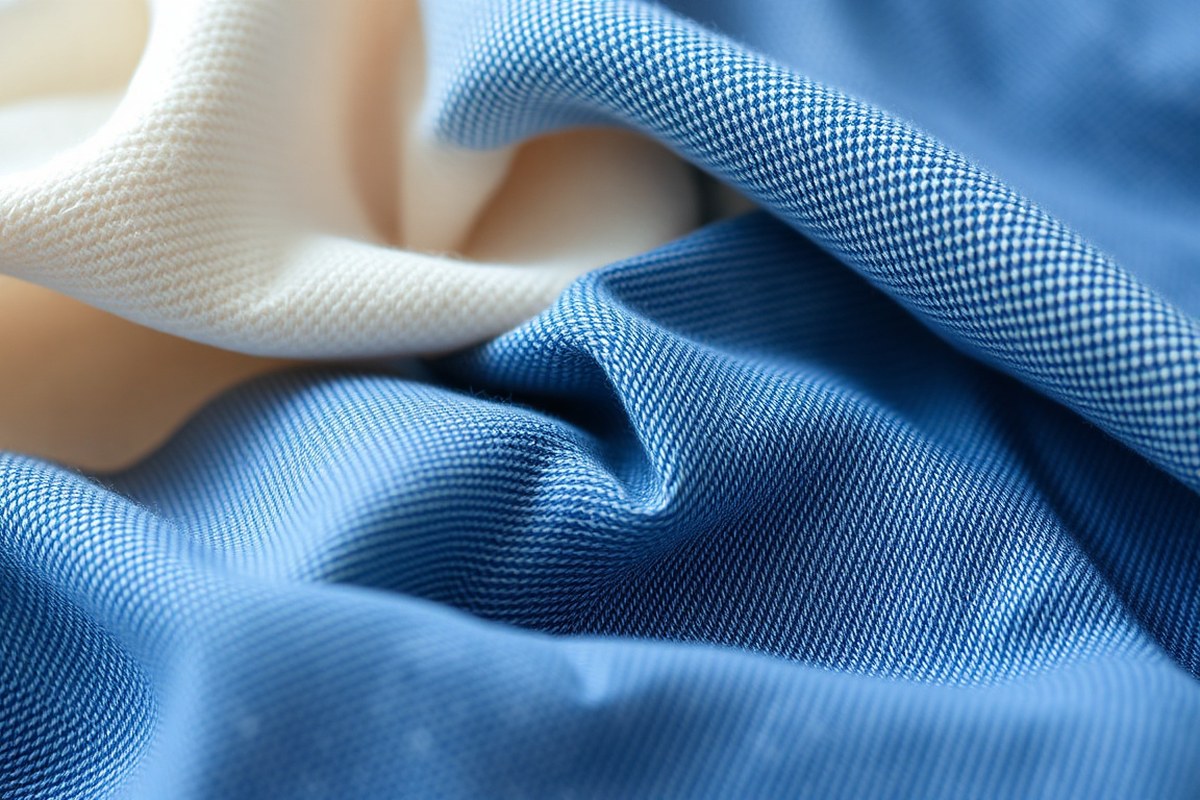
Knowing the fabric type of your pants is key to shrinking them without damage. Natural fibers like cotton and denim are among the easiest to shrink because heat and agitation cause their fibers to contract. For instance, 100% cotton pants can shrink up to about 5% from their original size with a hot wash and a high heat dryer cycle. Denim, mostly made from cotton, behaves similarly, though slight Lycra blends may reduce shrinkage slightly. On the other hand, synthetic fabrics such as polyester have a stable polymer structure that resists heat and stretching, so they shrink very little and require gentler methods like warm washing and air drying to avoid damage.
Wool pants need a special touch. Their fibers can shrink and felt easily if exposed to high heat or rough agitation. Gentle hand washing in hot water followed by air drying is recommended to control shrinkage without ruining the fabric. Silks share this need for careful handling, preferring warm water hand washing and air drying, as too much heat can cause irreversible damage.
Delicate fabrics like silk or those labeled “dry clean only” should generally be avoided for home shrinking. Attempting to shrink these can result in uneven shrinkage, fabric distortion, or permanent damage. Similarly, some cotton or wool fabrics might carry anti-shrinkage treatments such as Sanforization, designed to prevent shrinkage during washing, so shrinking attempts may prove ineffective on treated garments.
For sturdier fabrics like cotton and denim, you can use a washing machine’s hot water cycle combined with a high heat dryer setting to encourage shrinkage. Agitation in the washer also helps by causing fibers to coil tighter as they dry. Since knitted cotton fabrics tend to shrink more in length than woven ones, you might observe varying shrinkage patterns depending on the fabric’s structure. Soak time for soaking methods usually ranges from 5 to 20 minutes, depending on how much the pants need to shrink. Remember, uneven shrinkage can happen, so test on less-favorite pants first.
The best practice is to check the care label before starting. It often indicates fabric composition and specific care instructions, helping you avoid unintentional damage. For example, pants labeled with “anti-shrink” treatments or “dry clean only” should generally be left alone for home shrinking efforts.
In sum, cotton and denim are your easiest targets for shrinking with heat and agitation, wool and silk need gentle treatment with less heat and more care, while synthetics require the least heat and gentle air drying. Assess your pants’ fabric, follow suitable methods, and avoid aggressive treatments on delicate or treated fabrics to get the fit you want without ruining your clothes.
2. Step-by-Step Guide for Shrinking Cotton and Denim Pants
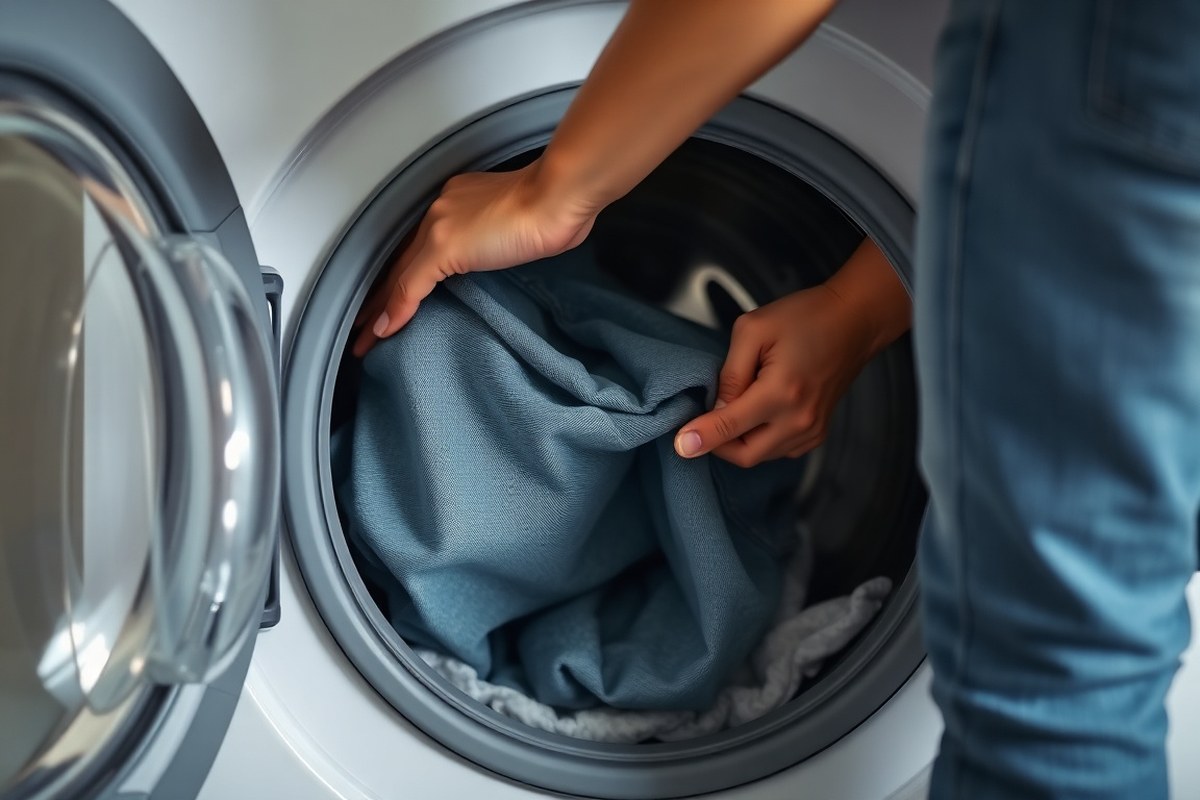
Shrinking cotton and denim pants works best by using a combination of hot water washing and high-heat drying. The heat causes the fibers to contract, resulting in a smaller garment size. Carefully monitoring the process helps prevent over-shrinking and ensures the pants fit just right.
Preparing Pants for Shrinking
Before shrinking your cotton or denim pants, check the care label for any restrictions on water temperature or drying. Turn the pants inside out to protect the outer fabric during washing. Avoid adding items that might shrink as well, such as cotton sheets, to prevent unwanted shrinkage in other clothes. Ensure your washing machine and dryer can reach the necessary heat levels for effective shrinking.
Using laundry detergent suited for hot water can help break down dirt while maintaining fabric integrity. Preparing your laundry area ahead will save time and reduce the chances of accidental mishaps during the shrinking.
Using Hot Water Soak and Wash Cycle
Immersing the pants in hot water for about 20 to 30 minutes helps relax and start shrinking denim and cotton fibers. After soaking, a hot water wash cycle with long agitation will maximize shrinkage. Using the hottest water setting your machine allows, typically close to 130°F to 140°F, encourages the fabric fibers to contract further.
Wash pants on a regular or heavy cycle for around 20 minutes. Including towels or other hot-safe laundry items can balance the load and optimize water usage. Skip this soaking step if you want to avoid drastic size changes and prefer gradual shrinking over multiple washes.
- Fill a large basin or tub with hot water between 130°F and 140°F.
- Submerge the pants fully and let them soak for 20 to 30 minutes, checking every 10 minutes.
- Transfer the pants directly to the washing machine.
- Set the washer to the hottest water temperature and a long, heavy agitation cycle lasting about 20 minutes.
- Add usual detergent amount without fabric softener, which can inhibit shrinking.
- After the wash cycle completes, move pants promptly to the dryer.
Always check the pants’ fit every 10 minutes during soaking to avoid shrinking too much in one cycle.
Drying and Checking for Shrinkage Progress
Dry pants on the highest heat setting safe according to the care label, usually marked as “high heat” or “cotton.” Tumble drying heats and agitates the fabric further, helping the fibers contract more. Monitor the pants closely during the drying cycle by pausing, feeling for dryness, and trying them on if necessary.
Sometimes shrinkage happens unevenly, so gently manipulating the damp pants can help keep the fit even. Avoid leaving pants in the dryer too long after they are fully dry, since additional heat exposure may cause over-shrinking, especially in sensitive areas like waistbands or hems.
To maintain control, you can partially dry the pants until nearly dry, then air-dry the rest of the way while checking fit regularly. Repeat hot washing and drying cycles if more shrinking is needed, but space out efforts to reduce fabric stress and wear.
3. How to Shrink Wool Pants Without Felting or Damage
Selecting Proper Water Temperature for Wool
Using the right water temperature keeps wool fibers from felting or becoming harsh. Warm water around 90°F to 110°F is safe for wool pants, allowing gentle shrinking without damaging the fabric. Avoid water that’s too hot, such as boiling or near-boiling temperatures, since this can cause rapid felting and irreparable shrinkage.
Keeping the soak temperature steady and moderate helps the wool fibers relax and contract evenly. You’ll get better control and a softer finish when the water stays warm instead of hot.
Controlled Soaking and Hand Agitation
Soak wool pants for 5 to 25 minutes depending on how much you want to shrink them. Shorter soaks produce minimal shrinkage, while longer times generate a more noticeable change. Gentle movement while soaking encourages denser fiber alignment without felting.
After soaking, use controlled hand agitation to improve shrinking. Shake or gently rub the fabric for 2 to 3 minutes; this makes the fibers curl and tighten more effectively. Avoid rough scrubbing or wringing, which can distort the pants or damage the wool.
- Fill a tub or basin with warm water between 90°F and 110°F.
- Submerge your wool pants completely and let them soak for 5 to 25 minutes, depending on desired shrinkage.
- Gently move and rub the fabric with your hands for 2 to 3 minutes during or right after soaking.
- Rinse briefly with cool water to remove any excess detergent or residue if used.
- Press out excess water carefully without wringing or twisting.
Drying Wool Pants Flat and Reshaping
Proper drying preserves softness and shape after shrinking. Lay wool pants flat on a clean towel and reshape them gently to the desired dimensions while still damp. Folding or hanging them damp can cause distortion or unwanted creases.
Air dry in a well-ventilated area away from direct heat sources. As the pants dry, the wool fibers contract and lock into place. Checking every 10 to 15 minutes helps you make small adjustments to maintain the correct shape and size during drying.
4. Techniques to Shrink Synthetic and Polyester Blend Pants
Synthetic pants can shrink, but they do so much less than natural fibers and require careful heat control to avoid damage. Polyester blends tolerate medium heat best, while pure synthetics need higher but cautious heat exposure. Using medium dryer settings and turning pants inside out helps preserve color and fabric integrity during shrinking.
Heat Tolerance of Common Synthetic Fibers
Synthetic fibers like polyester, nylon, and acrylic shrink primarily due to heat exposure, but their manufacturing process “heat-sets” them to resist shrinking. Polyester melts around 480°F, and nylon around 430°F, so high dryer temperatures risking fabric damage range roughly above 130, 140°F (54, 60°C). To safely shrink these fibers, keep drying temperatures between 120°F and 140°F. Staying within this range shrinks fibers gently without melting or deforming the fabric.
Setting your dryer to a medium or “permanent press” cycle usually stays below 140°F, making it the safest choice. Air drying after heat exposure helps avoid over-shrinking or heat damage. Excessive heat can also fade polyester colors, so turning pants inside out reduces direct heat exposure on the garment surface.
Safe Drying and Shrinking Process
Start by washing synthetic pants in warm water, avoiding hot water to reduce stress on fibers. After washing, shake excess water out, then turn pants inside out before drying. Set the dryer to medium heat or the permanent press cycle to apply enough heat to shrink fibers without risking melting or color fading. Dry for 20 to 30 minutes and check fit frequently to avoid over-shrinking.
If pants need more shrinkage, repeat the drying cycle in short intervals. Avoid high heat or long drying times since this can cause fabric weakening or discoloration. For blends with synthetic and natural fibers, the synthetic parts may shrink slower, so careful monitoring is important to balance fit without damaging the fabric.
Alternatives to High Heat Shrinking
Instead of or alongside heat drying, you can try other methods that apply moisture and gentle heat, reducing risk to synthetic pants. For example, steaming pants with a handheld steamer or hanging pants in a warm, humid bathroom can cause mild shrinking over time without harsh heat.
Using an iron on low to medium heat with a pressing cloth protects polyester blends from direct heat damage. Press areas where shrinking is needed, avoiding prolonged or high heat near elastic fibers or seams. These methods are slower but safer for delicate synthetics or pants with stretch components.
Precautions for Stretch and Color Preservation
Stretchy synthetic pants containing elastane or spandex require special care as heat can permanently damage their elasticity. Limit heat exposure to medium or lower settings, and avoid high heat cycles altogether to preserve stretch quality. Air drying stretches to their original shape after warm wash helps maintain fit without overheating.
Turning the pants inside out before drying also reduces color fading and fabric wear. Use gentle detergents designed for synthetic fabrics to maintain fibre strength during washing, which supports better shrinking results in the dryer without fabric damage or discoloration.
5. How Boiling and Hot Water Soaking Expedite Shrinking
Boiling water and hot water soaking are effective methods to speed up the shrinking process for pants, especially those made of cotton or denim. For boiling, bring enough water to a full boil to completely cover the pants. Use tongs to fully submerge and gently agitate the pants for about 5 to 10 minutes. Avoid leaving pants in boiling water longer than 10 minutes, as extended exposure can weaken fibers and cause loss of shape. For hot water soaking, use water heated to about 140°F to 160°F and soak pants for 30 minutes to an hour. This method is gentler but still effective for fabric types that tolerate heat without damage.
Boiling works best for natural fibers like 100% cotton or denim, which respond well to extreme heat and agitation. Wool and blended fabrics require more caution and shorter exposure at lower temperatures to avoid felting or fabric distortion. If your pants have multiple colors, boiling or hot water soaking can cause color bleeding and create a muddy appearance. Test a small hidden area first or avoid this method if colors are a concern.
Hot water soaking is preferable over machine washing for delicate items or pants with embellishments that could be damaged in a washer. It also allows you to control soaking time precisely without the agitation that comes with washing machines. In contrast, washing machines use hot water cycles around 120°F to 140°F and generally shrink cotton and denim effectively, but not as aggressively as boiling water.
Before hot water soaking or boiling, ensure the pants are clean and free of dirt or oils that might set in with heat. Never mix detergent with hot water soaking, as friction alone helps fibers contract and detergent can reduce this effect. After soaking or boiling, drying method impacts shrinking further. Tumble dry pants on the highest heat safe for that fabric immediately after treatment to lock in shrinkage.
Precautions include checking fabric care tags to avoid damage from heat. Boiling might cause irreversible changes to delicate fabrics, so consider testing with similar old garments if available. Use heat-resistant gloves or tongs to handle hot pants safely, and do the process in a well-ventilated area. Avoid boiling synthetic blends or delicate wool, opting for hot water soaking or washing machine hot cycles instead.
Boil pants for no more than 10 minutes and use tongs to avoid burns and fabric damage, leaving them longer can weaken fibers and ruin fit.
6. Controlling Shrinkage: Targeting Waist, Length, or Overall Fit
Targeting shrinkage to specific parts of your pants, like the waist or length, requires focused application of heat and moisture to avoid uneven results. The key is to wet only the portion you want to shrink. For example, to shrink just the waist, soak or spray the waist area with warm water or a mix of one part fabric softener to three parts water. This localized wetting softens the fibers there while leaving the rest of the pants unaffected.
After wetting the target area, put your pants in the dryer on a high heat setting. You can add dryer balls or tennis balls in the dryer to help agitate the fabric more, promoting shrinkage. The heat causes the fibers in the dampened waist area to contract and tighten while the dry sections remain stable. Stop the drying cycle periodically to check the fit and avoid over shrinking. Stopping when the pants fit comfortably prevents excessive tightness and unwanted distortion.
For shrinking only the length, a similar approach works. Wet the bottom portion of the legs thoroughly but keep the rest of the pants dry. Then use a hot iron over a damp cloth on that area to apply heat and steam in a controlled way. Ironing this way causes fibers in the lower legs to constrict. This method is suitable for fabrics like cotton or denim and helps avoid affecting the waist or upper parts that you want to keep unchanged.
One challenge is avoiding uneven shrinkage that causes misshapen or twisted pants. To reduce this risk, wet the target area evenly and avoid soaking adjacent areas. Using a spray bottle offers more precision than dipping the fabric into water. If you’re dealing with denim, which can shrink inconsistently, slow the process by drying on medium heat or shorter cycles with frequent checks. That way, you maintain control and minimize distortion.
Commercial shrinking sprays and solutions can be an option when you want extra control. These products typically contain ingredients that relax fibers, making them contract more reliably when heat is applied. Prices vary, but expect to pay around $8 to $15 per bottle online or in fabric stores, which can be cost-effective if you plan to resize multiple garments.
Before applying these techniques, assess how much shrinkage your pants need. For example, if you want the waist two inches smaller, target only that area with controlled moisture and heat. Partial shrinkage is practical when you want to maintain specific lengths or overall proportions. Total immersion or drying will shrink the entire garment, potentially ruining your preferred fit. Decide based on which part causes the fit issue and localize treatment accordingly.
7. Common Shrinking Mistakes and How to Fix Them
Uneven shrinking and damage often happen when pants are exposed to too high heat, soaked for too long, or treated without considering their fabric type. Overheating synthetic blends causes melting or warping, while over-soaking can weaken fibers and distort shape. Skipping fabric softeners is important because they can coat fibers and reduce shrinkage. Over-shrunk pants may feel stiff or tight in some areas but loose in others, a sign of uneven fiber contraction.
To fix minor over-shrinking or fabric distortion, start by gently stretching the affected areas while the pants are damp. Lay them flat and slowly pull along the seams to even out tight spots. You can also dampen tight areas with a spray bottle and iron over a damp cloth to relax the fibers without adding too much heat. Avoid repeated hot washing or drying cycles, as these increase damage risks.
Preventing damage saves money and preserves the fit you want. Use a thermostat or washing machine manual to keep water below 140°F when soaking denim or synthetic blends. Remove pants promptly from hot water after about 20, 30 minutes to avoid over-soaking. When shrinking wool or delicate blends, rely on cooler water and short drying times.
- Do not use fabric softeners before shrinking.
- Limit soaking time to 20, 30 minutes for denim and synthetics.
- Avoid overheating: keep dryer temperature medium or below.
- Stretch pants gently when damp to fix tight spots.
- Iron over a damp cloth to relax stiff fabric cautiously.
- Stop shrinking attempts if fabric feels brittle or discolored.
- Consult a tailor for complex alterations after multiple shrinking attempts.
Some issues like severe over-shrinking or major distortion are hard to fix at home. At that point, a tailor can modify seams or add panels to restore comfort and wearability. Tailoring typically costs $20 to $50 depending on the work needed and can improve your pants’ fit better than repeated shrinking attempts. Recognizing when to stop helps you avoid further costly damage.
8. How Often and When to Repeat Shrinking Without Damaging Pants
You can safely repeat the shrinking process for pants up to two or three times, depending on the fabric and how much the pants have already shrunk. Cotton and wool tend to shrink more readily, allowing a few shrinking cycles without significant risk of damage. Pre-shrunk fabrics, such as many cotton blends or jeans, typically shrink only 1% to 3% after initial treatments, so repeated shrinking will yield smaller changes. Overdoing the process can weaken fibers, distort seams, or cause uneven shrinkage, making it essential to assess the pants after each attempt.
After following your first shrinking cycle, try on the pants while they are still somewhat damp. This lets you gauge the fit because shrinkage continues slightly as they dry. Let the pants rest for at least 24 hours before repeating the shrinking steps if they still feel too large. This rest period helps the fibers relax and avoids excessive strain from consecutive heat or water exposure. Also, recheck the care label before repeating the process. Follow care labels strictly: avoid high heat or machine washing, and stick to mild shrinking methods to protect the fabric.
Signs that further shrinking may not be possible include a very slight change in size after a shrinking cycle or visible signs of fabric stress, such as thinning, pilling, stiffness, or seam pulling. Pants that are pre-shrunk or made from synthetic blends often show these limitations sooner than 100% natural fibers. Once you see diminishing returns or damage signals, stop the shrinking process.
To maintain the new fit, wash the pants in cold water on a gentle cycle and air dry them. Avoid using hot water or high dryer heat regularly, as this can cause unintended shrinking or degrade the material over time. Storing pants properly by folding or hanging them without stretching the waistband or seams also preserves the shrinkage. For cotton and wool pants especially, occasional mild steaming or ironing on a low setting can help relax stretched areas without reversing the shrinkage.
Always check the care label before repeating shrinking steps; ignoring fabric instructions can lead to irreversible damage.
Step-by-Step Action Plan for Shrinking Your Pants
Follow these steps to shrink your pants at home safely and effectively, adjusting the method depending on the fabric type and desired fit.
- Before You Start: Identify your pant fabric type by checking the care label to determine the right method (cotton, denim, wool, or synthetic blend).
- Day 1: For cotton or denim, wash your pants in hot water using your washing machine’s highest safe temperature setting. Check the fit after drying on medium heat; if the pants feel smaller in key areas, you’re on the right track.
- Day 2: For wool pants, soak them in warm water (not boiling) with gentle agitation, then air dry flat. Confirm shrinking without felting by checking for firmness but no fuzziness.
- Day 3: For synthetic blends, use a warm wash cycle and dry on low heat to avoid damage. Test the fit once dry and consider repeating if needed.
- Day 4: To target specific areas like waist or length, use a spray bottle with hot water on those spots and then dry with heat from a hairdryer or dryer to control shrinkage.
- Day 5: Avoid shrinking more than once per week to reduce fabric stress. Assess fit carefully before repeating any shrinking process.
- After 1 Week: If the pants are not yet the right size, repeat the shrinking method according to fabric type, monitoring fabric condition closely to prevent permanent damage.
Frequently Asked Questions
Can I Shrink Pants That Are Already Pre-Shrunk?
Pants labeled pre-shrunk usually shrink less than 2% and may not shrink noticeably. Trying to shrink them more risks damage to the fabric or fit.
Is Shrinking Pants the Same as Resizing Them?
Shrinking is reducing fabric size with heat or moisture, but resizing often involves alterations for a specific fit. Shrinking changes dimensions slightly but not precise tailoring.
Does the Type of Washing Machine Affect How Pants Shrink?
High-agitation washers can help shrink fibers by curling them tighter as pants dry. Gentle cycles might reduce shrinkage but protect fabric from damage.
Can Ironing Shrink Pants Quickly?
Yes, ironing over a damp cloth can shrink pants fast by applying heat and moisture directly. This works well for minor sizing adjustments.
How Do Different Detergents Impact Shrinking Pants?
Detergents don’t significantly influence shrinkage; heat and moisture levels play a bigger role. Use mild detergent to avoid fabric damage when shrinking pants.
Are There Risks of Uneven Shrinkage in Pants?
Yes, shrinkage can vary by pant area, waist, length, or seat, due to fabric density. Check periodically during the process to avoid uneven fit.
The Bottom Line
Properly shrinking pants depends on using the right technique for each fabric and controlling heat and water exposure carefully. Start with small, measured attempts to avoid over-shrinking or damaging your pants. Your next step is to test your pants after the initial shrink process to decide if a second treatment may be necessary. This approach helps you adjust the fit without risking the life of your clothes.


