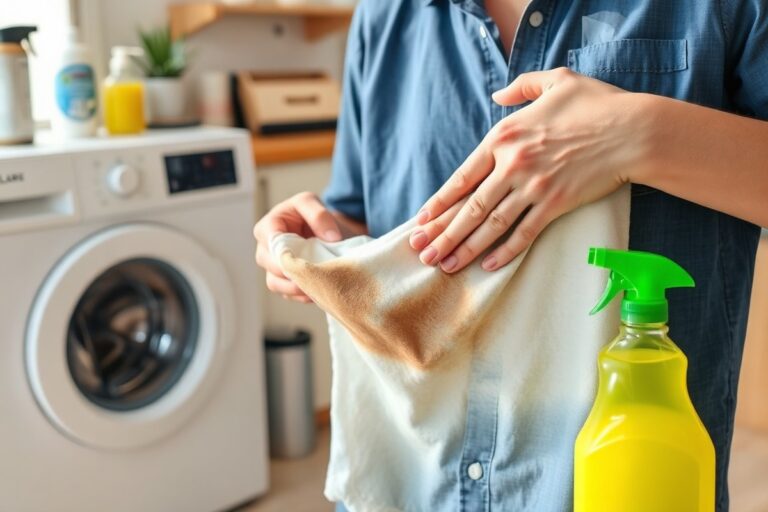
How to Get Mould Out of Material: 8 Effective Methods with Fabric Safety Tips
Removing mould from fabric starts with acting quickly to prevent stains and damage. You can get mould out of material by brushing off loose spores, treating the area with natural cleaners like vinegar or hydrogen peroxide, then washing or air-drying the fabric thoroughly. Choosing the right approach depends on the fabric type, staining extent, and whether the item is washable.
Homeowners, renters, and anyone dealing with mouldy clothes or upholstery will find practical methods here. The article shares clear steps for cleaning mould safely, natural and chemical options, fabric care tips, and advice on when to discard items to protect your health and belongings.
Key Takeaways
- Use a soft brush to remove loose mould before applying any liquid cleaner to fabric.
- Spray 3% hydrogen peroxide on small stains and let sit 10-15 minutes before washing.
- Soak washable items in a white vinegar and water mix (1 cup per gallon) for an hour to kill mould.
- Air-dry mould-treated fabrics outdoors or in sunlight to prevent mould from returning.
- For coloured fabrics, apply diluted baking soda or vinegar, then wash with detergent per care label instructions.
- Items that remain damp for over 48 hours can develop mould and may need discarding for safety.
1. How to Get Mould Out of Material Step-by-Step

Removing mould from fabric involves a careful cleaning process to avoid spreading spores and damaging the material. You want to start by loosening any loose mould, then apply an effective cleaning solution that breaks down mould stains without harming the fabric’s color or texture. Allowing the solution to sit for the right amount of time ensures it penetrates and kills mould before washing and drying the fabric properly. Below is a detailed step-by-step method to tackle mould on most washable fabrics using common household items like white vinegar or baking soda.
- Brush off any loose mould outdoors. Use a soft brush to gently remove mould spores from the fabric surface. Doing this outside keeps spores from spreading indoors. Avoid scratching or rubbing hard to protect the fibers.
- Prepare a cleaning solution. Mix one part white vinegar with one part water or make a paste using two parts baking soda and one part water. These mild, safe agents help break down mould stains without harsh chemicals.
- Apply the solution to the mould stain. Spray or dab the vinegar solution directly onto the affected area, or rub the baking soda paste into the fabric with a soft cloth or old toothbrush. Ensure full coverage over the mould spots.
- Let the treatment sit for 15 to 30 minutes. Vinegar often requires about 30 minutes to work on tougher stains, while baking soda mixtures may need around 20 minutes. This dwell time lets the solution loosen mould and stop spore growth.
- Work in a bit of liquid detergent. After soaking, gently rub a small amount of laundry detergent into the stained area to break down residual mould and odors.
- Wash the fabric according to care instructions. Use cold or warm water depending on the fabric label. Hot water can damage some items or set stains. Choose a full wash cycle with your usual laundry detergent.
- Air-dry completely in sunlight. Drying fabric outside in the sun helps kill remaining spores and removes musty smells. Avoid using a dryer until you confirm the mould is gone, as heat can set stains and odors.
This cleaning routine typically costs only a few cents for common household ingredients and can be done quickly at home without special products. If stains remain after one treatment, repeat these steps before considering stronger chemical cleaners. Thorough drying is essential to prevent mould from returning, as damp fabric encourages regrowth. Taking time to gently remove spores and letting the cleaning solutions work before washing helps ensure the best results without damaging your fabric.
2. Safe Natural Remedies for Removing Mould from Fabrics
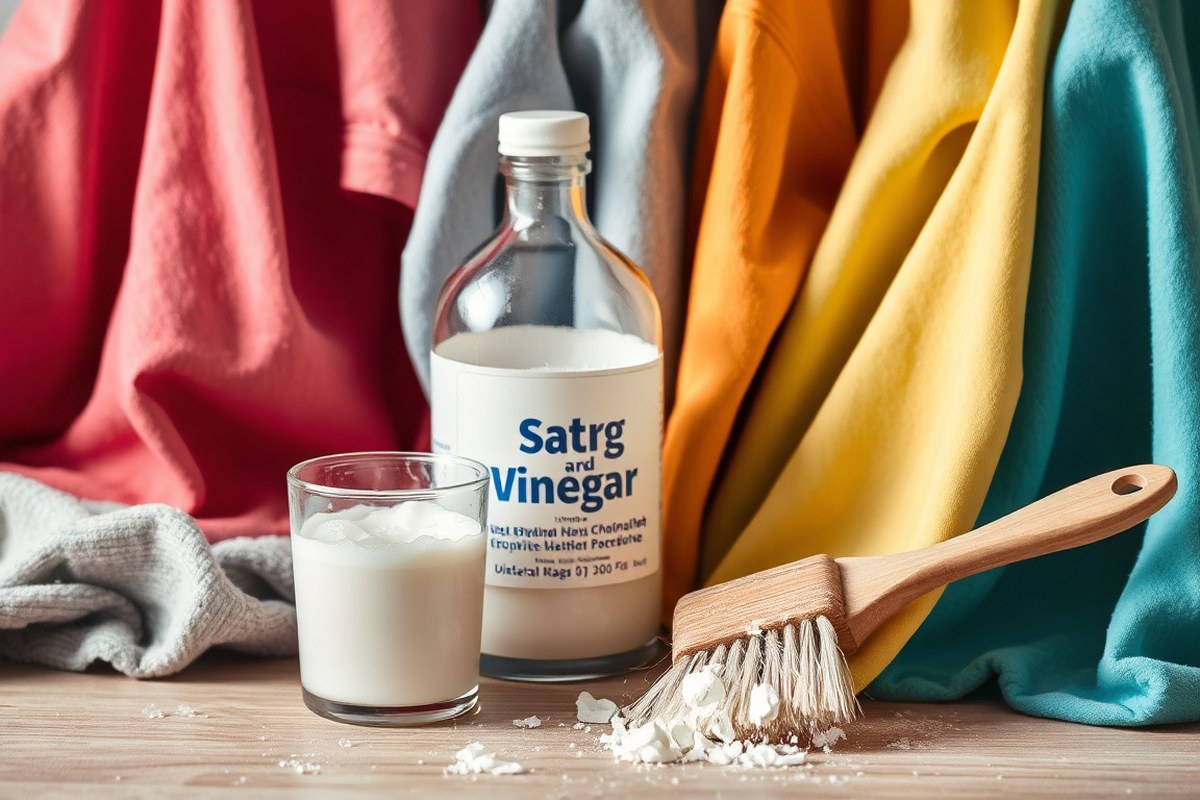
Natural remedies like white vinegar, baking soda, lemon juice, and hydrogen peroxide can be effective for removing mould from fabric when applied correctly. These agents kill or inhibit mould growth with minimal risk to many fabric types and avoid harsh chemicals. Soaking times and application methods vary depending on the fabric’s sensitivity and the mould stain severity.
White Vinegar for Mold Removal
White vinegar is one of the most reliable natural mould killers for fabric. It contains acetic acid, which can eliminate about 82% of mould species and prevent regrowth. For treatment, dilute white vinegar with warm water at a ratio of 1 cup vinegar per gallon of water to soak the fabric. Soaking clothes in this solution for about 1 hour allows the vinegar’s acidic properties to break down mould spores without damaging most colorfast textiles.
For smaller or surface stains, you can spray undiluted white vinegar directly on the mould spots and let it sit for 30 minutes before washing. After cleaning, air-dry the fabric in sunlight, which further inhibits mould return. Avoid using vinegar soaking on delicate or dry-clean-only fabrics without testing a small hidden area first.
Baking Soda and Lemon Juice Applications
Baking soda acts as a gentle abrasive and deodorizer that works well after initial mould treatment with vinegar or hydrogen peroxide. To use, mix a tablespoon of baking soda with water in a spray bottle and apply it to the affected area, or create a paste by mixing baking soda with water to scrub stains directly.
Lemon juice, a mild natural bleach, suits light-colored, non-delicate fabrics. You can apply lemon juice straight to mould stains and leave it for 10 to 15 minutes before rinsing and washing. Both lemon juice and baking soda compliment vinegar by lifting stains and neutralizing odors but rarely kill mould spores entirely on their own.
Hydrogen Peroxide’s Role and Safety
Hydrogen peroxide at 3% concentration is a safe and effective natural mould remover for tougher stains on white or colorfast fabrics. Spray it directly on the affected areas and allow it to sit about 10 minutes before rinsing and washing. This helps kill mould spores and lighten stubborn discolorations.
Avoid hydrogen peroxide on delicate fabrics like silk or wool, as it may cause bleaching or damage. Dry treated items indoors or in shade to prevent sharp fading from sunlight. For all natural remedies, spot test a hidden area to confirm no adverse reactions occur before full application. Different natural approaches vary greatly in effectiveness and fabric safety, as shown below:
| Natural Cleaner | Kills Mold | Fabric Safety | Soaking/Application Time | Best Use |
|---|---|---|---|---|
| White Vinegar (diluted) | Yes, about 82% | Safe on most colorfast fabrics | Soak 1 hour or spray 30 min | General mould removal, soaking |
| Baking Soda | Limited mould killing | Safe on most fabrics | Applied as paste or spray, no soaking | Stain lifting, odor control after mould kill |
| Lemon Juice | Minimal mould kill | Safe on light, sturdy fabrics | Apply 10-15 min, then rinse | Lightening stains, bleaching |
| Hydrogen Peroxide (3%) | Effective on small stains | Safe on whites and colorfast only | Spray and wait 10 min | Tough stains on suitable fabrics |
The table highlights how natural remedies balance between effectiveness and fabric care. Vinegar and hydrogen peroxide offer good mould-killing power, while baking soda and lemon juice mainly assist with stain removal and scent without fully eradicating mould spores.
Always test natural cleaners on a hidden fabric area before use to avoid discoloration or damage, especially on delicate materials.
3. Choosing and Using Chemical Cleaners for Fabric Mould
For fabric mould removal, use commercial products designed specifically for textiles, avoiding generic bleach cleaners unless dealing with white, durable fabrics. Always follow product instructions, test on a hidden area first, and adjust your approach based on fabric type and colour to avoid damage.
Commercial Mold Removers Overview
Several commercial mold removers target mould on fabrics effectively. Products like Ferber Painting’s Fabric and Textile Cleaner combine antifungal agents with fabric-safe ingredients, allowing them to kill mold spores deeply without harming fabric structure. Such removers work well on a range of materials including upholstery, curtains, clothing, and antique textiles.
The challenge with many mould removers is balancing strength and safety; harsh chemicals might eliminate mold but damage fibers or discolor fabric. Textile-specific cleaners are engineered to be gentle yet effective, making them the best option for most fabrics prone to mold.
Using hot water alongside these cleaners improve results by killing spores and activating oxygen-based bleaches in the formula. Hot water also improves detergent effectiveness, which helps remove mould and associated odors more thoroughly.
Bleach Use: Dos, Don’ts, and Fabric Types
Bleach can kill mold spores but is recommended mainly for white or colorfast, durable fabrics due to its strong chemical nature. Avoid using generic bleach on colored fabrics as it causes fading and fiber weakening. Oxygen bleach is a safer alternative for colored materials and is compatible with hot water, which boosts its efficacy.
Cleaning with bleach requires careful dilution and timing. Use a solution of about 1 part household bleach to 9 parts water, and apply it only after visible mold has been brushed or vacuumed off. Rinse thoroughly and air dry in direct sunlight if possible to kill remaining spores.
Repeated or improper bleach use risks fabric deterioration, so it’s best reserved for durable whites. Household or commercial mold bleach often fails to penetrate deeply, so surface mold might clear but spores trapped in fibers could remain.
| Criteria | Textile-Safe Mold Cleaner | Generic Bleach Cleaner |
|---|---|---|
| Effectiveness on deep spores | High | Medium (surface-only) |
| Fabric safety | Gentle on fibers and colors | Can cause discoloration and weaken fibers |
| Suitable for colored fabrics | Yes | No |
| Recommended water temperature | Hot | Hot |
| Typical price range | $10, $20 per bottle | $5, $10 per bottle |
| Application frequency | As needed, follow instructions | Limited to avoid damage |
This comparison highlights textile-safe mold cleaners as the preferred choice for most fabrics, especially colored or delicate ones, due to their balance of effectiveness and gentleness.
Precautions for Delicate and Colored Fabrics
Delicate fabrics such as silk, lace, or antique textiles require extra caution. Always test any cleaner on a hidden patch before full application. Avoid bleach altogether on these fabrics, opting instead for gentle, fabric-safe commercial mould removers.
For fabrics with raised textures like terrycloth and corduroy, brush gently along the weave direction to avoid pushing mold deeper into the fibers. Use soft brushes and sponges to prevent fiber damage. After treatment, drying the fabric thoroughly in sunlight helps kill remaining spores and prevents regrowth.
Colored fabrics need cleaners designed to preserve dye. Using color-safe oxygen bleaches and keeping water temperature within the fabric’s tolerance helps maintain appearance while removing mold.
4. Removing Mould from Fabrics That Cannot Be Washed
Removing mould from fabrics that cannot be fully washed, such as upholstery, heavy curtains, and delicate or antique textiles, requires careful methods to avoid damage while effectively killing mould spores. Treatments focus on surface cleaning and drying without water immersion and may involve specialized products or professional services for sensitive materials.
Cleaning Upholstery and Heavy Curtains Without Washing
Upholstered furniture and heavy curtains often cannot be machine-washed, so spot treatment and surface cleaning are necessary. Start by vacuuming affected areas with a HEPA-filter vacuum to remove loose mould spores, this limits airborne spores spreading. Next, use a mould remover spray formulated for fabrics, spraying lightly and allowing it to sit for 10 to 15 minutes. Wipe away loosened mould with a damp cloth, taking care not to oversaturate the fabric, which could promote more mould growth.
After treatment, improve air circulation in the room and use dehumidifiers to reduce moisture. Proper drying prevents mould spores from returning. Avoid steam cleaning unless recommended by the upholstery manufacturer, as heat and moisture might worsen mould in some materials.
Products and Methods That Avoid Water Immersion
Non-immersive mould removal relies on sprays, powders, and dry cleaning. White vinegar is effective at killing about 82% of mould species and removing odours; a solution of one part vinegar to three parts water can be lightly sprayed on the fabric and wiped off after 10 to 15 minutes. Commercial mould removers specifically suited for upholstery or textiles offer similar treatment times and results.
For delicate fabrics where water might cause shrinkage or damage, dry cleaning is often the safest option. Professionals can apply mould-specific cleaning agents and use controlled processes to eliminate mould without water soaking. Borax dissolved in hot water works well as a soaking agent for some lighter fabrics but is unsuitable for heavy or non-washable materials.
Handling Delicate and Antique Fabrics
Silk, wool, lace, and antique fabrics need careful treatment. Aggressive chemicals and moisture can weaken fibres and destroy colour or texture. It is safest to consult a professional textile conservator or cleaner experienced with mould removal on sensitive fabrics.
Test any cleaning product on a hidden part of the fabric before using it on the visible area at home. Lightly applying mould remover sprays and gently blotting with a soft cloth can help. Avoid scrubbing, which can damage fibres. After spot treating, keep the fabric in a well-ventilated, dry environment to prevent mould regrowth.
Step-by-Step Surface Cleaning for Upholstery and Heavy Curtains
This step-by-step guide focuses on treating mould on fabrics unsuitable for full washing. It uses minimal moisture and relies on targeted cleaning and drying.
- Vacuum the mouldy area using a HEPA filter vacuum to remove loose spores.
- Combine white vinegar with water in a ratio of one to three inside a spray bottle.
- Lightly spray the mould-affected area; do not soak the fabric.
- Let the solution sit for 10 to 15 minutes to kill mould spores and neutralize odors.
- Wipe the area gently with a clean, damp cloth to remove mould residues.
- Dry the treated fabric using a fan or a dehumidifier to reduce moisture rapidly.
- Repeat treatment after 24 hours if mould stains or odours persist.
- For delicate or antique fabrics, stop here and consult a professional cleaner.
Signs of Successful Mould Removal and Potential Issues
Good results include elimination of visible black mould spots, absence of musty odours, and no new mould growth during the following weeks. Overwetting during cleaning can trigger more mould damage or staining. Failure to dry fabrics thoroughly invites mould regrowth. Some stains may not fully disappear and could require professional dye restoration or fabric replacement.
Professionals may use controlled ozone treatment or specialized chemical sanitizers unavailable for home use to address persistent mould on valuable textiles. Always keep the fabric dry and ventilated after treatment to prolong mould-free condition.
5. How Long Does It Take to Remove Mould from Fabric?
Removing mould from fabric requires specific time frames for soaking, applying cleaning agents, and drying to ensure thorough mould elimination. Soaking is essential because it allows the treatment to penetrate the fibres and kill mould spores effectively. Vinegar, borax, and hydrogen peroxide are common natural options, and they generally require soaking the fabric for about 30 to 60 minutes before washing. This range depends on how stubborn the mould is; lighter mould stains may only need 30 minutes, while more severe infestations benefit from a full hour soak.
When using chemical cleaners designed explicitly for mould removal on fabrics, application times tend to be shorter but still critical. Many products recommend applying the agent directly to the mouldy area and letting it work for 10 to 15 minutes before laundering. This wait time ensures the chemical disrupts the mould’s structure before being rinsed out. Overapplying or leaving harsh chemicals on fabric too long can cause damage, so follow the instructions carefully.
After washing, drying time becomes just as important to stop mould from returning. Mould thrives in moist environments, so your fabric must dry completely and quickly. For best results, dry fabric in direct sunlight or a well-ventilated area. Sunlight helps kill remaining spores and speeds up drying. Allow at least 3 to 6 hours for drying thicker items like upholstery covers or curtains and 1 to 2 hours for lighter fabrics such as clothing. Always make sure the fabric feels dry to the touch before storing or using it again, especially if the area where you live has high humidity.
Time also varies based on fabric type and mould severity. Delicate fabrics may need gentler treatments and shorter soaking to avoid damage, extending the overall cleaning timeline since multiple gentle washes might be required. Heavier materials can hold moisture longer, so longer drying times are necessary to prevent mould regrowth. In all cases, quick initial action, soaking as soon as you notice mould, limits the spread and simplifies treatment.
Do not dry mouldy fabric indoors without ventilation; this traps moisture and encourages the mould to come back more quickly.
6. How to Prevent Mould from Returning on Fabric
Preventing mould from returning on fabric starts with controlling moisture and improving airflow around your items. Mould thrives in damp, poorly ventilated environments, so drying fabrics thoroughly and storing them properly is important. After cleaning, make sure fabrics are completely dry before putting them away to stop any leftover spores from growing back. Use direct sunlight or a dryer on a suitable setting; aim for drying times of at least 30 minutes in the sun or the full tumble cycle in your dryer. In damp or humid climates, relying on indoor drying near a heat source or using a dehumidifier can reduce moisture levels significantly.
Using the right detergents and additives helps inhibit mould growth. Antifungal fabric detergents or products with mould inhibitors can offer extra protection, especially for stored fabrics. Some Fabric and Textile Cleaners leave a light protective layer that discourages mould spores from settling. Applying these after a thorough wash reduces the chance of regrowth, maintaining fresher fabric longer. These protective treatments usually cost between $10 and $20 per bottle and one application per washing cycle is often enough.
Improving home ventilation is one of the most effective ways to reduce mould risk. Opening windows regularly for at least 10 to 15 minutes a day promotes air circulation and lowers indoor humidity. Using a dehumidifier in rooms where fabrics are stored can keep humidity below 50%, which is considered safer for preventing mould. Sleeping with bedroom doors open helps air flow overnight, minimizing moisture buildup. Avoid drying clothes indoors in bedrooms or bathrooms, as this raises local humidity and encourages mould growth on nearby fabrics.
- Always dry fabrics in direct sunlight or use a machine dryer completely before storage.
- Store fabrics in breathable containers or bags to avoid trapping moisture.
- Apply antifungal or mould-resistant fabric sprays after washing.
- Open windows daily to ensure fresh air circulates around fabric storage areas.
- Use dehumidifiers in humid rooms to keep relative humidity below 50%.
- Do not dry clothes inside bedrooms or bathrooms to prevent local moisture buildup.
- Consider waterproof mattress protectors to reduce hidden mould on bedding.
Following these practices will help maintain your fabric items free from mould over time. Neglecting drying and ventilation can lead to persistent dampness that invites spores to grow, even after cleaning. Investing in ventilation improvements or dehumidifying equipment and investing a bit of time in regular airing-out routines prevents costly mould damage and health concerns linked to mould exposure on household fabrics.
7. Health and Safety When Handling Mouldy Material
Protecting yourself from mould spores during removal is essential to avoid respiratory issues, skin irritation, and cross-contamination. Start by wearing gloves, goggles, and a properly fitted face mask or respirator rated for mould spores. This gear shields your skin, eyes, nose, and mouth from exposure to harmful spores and cleaning chemicals like bleach, which can be harsh on your skin and lungs.
To prevent inhaling spores, work in a well-ventilated area or use a fan to blow air away from you. Avoid touching your face or clothes with contaminated gloves, and change gloves if they become damaged. Seal brushes and used cleaning materials in a sturdy trash bag before disposal to contain spores effectively, as typical household bags like Hefty Strong Large Trash Bags can be used.
- Wear nitrile or latex gloves to protect your hands.
- Use safety goggles to avoid eye irritation from spores and cleaning agents.
- Put on a N95 or higher-rated face mask to block airborne spores.
- Work outdoors or in a well-ventilated room with windows open.
- Use disposable brushes or clean tools thoroughly post-removal.
- Seal all mould-contaminated waste in thick trash bags before disposal.
- Wash your hands and any exposed skin thoroughly after handling mould.
In addition to protective gear, avoid cross-contamination by laundering clothing and cleaning materials separately and cleaning work surfaces afterward with disinfectants designed to kill mould spores. Do not bring mouldy fabric into clean areas to prevent spores from settling on furniture or other textiles.
When you encounter mould growth covering an area larger than 10 by 10 inches, it signals a serious infestation that likely extends beyond what simple cleaning can fix. Professional mould remediation specialists have specialized tools, protective gear, and containment methods that reduce health risks and ensure thorough removal.
If you feel physically uncomfortable during cleaning (such as coughing, eye irritation, or difficulty breathing), stop work immediately and seek professional assistance. People with existing respiratory conditions, weakened immune systems, or skin sensitivity should also consider calling experts when removing mould from fabric to avoid serious health complications.
8. When to Discard Fabric Items Instead of Cleaning
Recognizing when mould damage on fabric is beyond repair matters for both your health and the condition of your belongings. Mold can leave permanent stains and weaken fabric fibers, making them unsafe or unusable. You should consider discarding fabric items if the mould covers large areas, penetrates deeply, or persists after multiple cleaning attempts. An effective decision rule is to attempt cleaning the item twice. When visible mould or its smell still exists after two thorough cleanings spaced a few days apart, the fabric is likely irreparable.
Severe mould growth on fabrics can cause health risks such as allergic reactions, respiratory issues, and infections. These risks increase if mould spores remain active on clothing or upholstery you regularly use. Keeping severely mouldy clothes exposes you to these hazards, particularly for children, elderly people, or anyone with asthma or weakened immunity. Removing mould promptly is safer, but once damage is extensive or cleaning ineffective, disposal is the best course to protect your household.
Fabric items that cannot tolerate washing or exposure to moisture pose specific challenges. Some delicate upholstery, leather, or large rugs may suffer worse damage if cleaned improperly. For example, leather mould left untreated can become permanently stained or cracked. When thorough cleaning using recommended methods like damp wiping and drying does not remove the mould, you should discard the item. This avoids ongoing mould growth and contamination of your living environment.
A good practical approach is to inspect the item closely after attempting cleaning. Check for persistent foul odors or visible spots that do not fade. Assess if the fabric feels brittle or weakened, especially with repeated mould exposure. After a professional cleaning leaves unsatisfactory results, replacing the item is advisable despite the added cost. While disposal means purchasing new items, it prevents continued exposure to mould contaminants and prevents damage spreading to other belongings.
The tradeoff involves weighing the cost of professional cleaning or specialized products against the likelihood of restoring the fabric’s condition and safety. Protective masks and gloves should be used when handling these items to avoid inhaling spores or touching mould directly. For heavily mouldy fabric items that cannot be cleaned effectively with home methods, local waste regulations often require sealing them in plastic bags before disposal to minimize spreading spores in the trash.
To avoid mould spreading, bag heavily moulded items tightly and handle them outdoors or in a well-ventilated area whenever possible.
Step-by-Step Action Plan to Remove and Prevent Mould on Fabric
Follow these clear steps to tackle mould on your fabric effectively and stop it from coming back.
- Before you start: Wear gloves, a mask, and work in a well-ventilated area to protect yourself from mould spores.
- Day 1: Brush off dry mould outside gently to avoid spreading spores indoors.
- Day 1: Pre-treat the fabric with a natural or chemical cleaner suitable for the material; let it sit per product instructions.
- Day 1: Wash the fabric in hot water if safe for the material, using a suitable detergent and, if needed, add vinegar or a mould remover.
- Day 1 to 2: Dry the fabric completely in direct sunlight or a dryer on a high heat setting to kill residual mould.
- Week 1: Inspect the fabric; if mould remains, repeat cleaning or consider professional help or disposal for delicate items.
- Ongoing: Store fabrics in dry, well-ventilated areas and use moisture absorbers or dehumidifiers to keep mould at bay.
Frequently Asked Questions
How to Get Black Mould Out of Fabric?
Wash black mould out on a hot wash if fabric allows it, then pre-treat stains with white vinegar or baking soda before washing and air-dry in sunlight to remove residual odor and spores.
Is Mold on Clothes Harmful?
Mold on clothes can cause allergic reactions and respiratory issues, so it’s best to remove it promptly and safely.
How Long Does Vinegar Take to Kill Mold on Fabric?
Vinegar usually takes about 15 to 30 minutes on fabric to kill most mold species before washing.
Does Bicarbonate of Soda Kill Black Mold?
Baking soda helps kill black mold spores and deodorizes fabric when dissolved in water and applied with a spray or soak.
Can Sunlight Prevent Mold Growth on Fabric?
Yes, sunlight helps prevent mold by drying fabric and killing mold spores with UV rays.
Is It Safe to Iron Moldy Clothes After Cleaning?
Ironing can kill leftover spores but should be done only after thorough cleaning and drying.
Wrapping Up
Removing mould from fabric requires quick action and proper cleaning methods suited to the material. Protect yourself during the process and dry fabrics thoroughly afterward to prevent mould’s return. Check your fabrics regularly and store them in low-humidity conditions. Start by treating one mouldy item following these steps today to restore it safely.