How to Wash Duvet Down: Simple Steps for Safe Cleaning and Drying
To wash a down duvet safely, use a gentle detergent designed for down or delicate fabrics, wash on a cold or warm cycle, and dry thoroughly on medium heat with regular fluffing to prevent clumping. Avoid soaking overnight and make sure your duvet is completely dry to prevent mildew and odors. This approach works well for most homeowners or renters looking to clean their down comforters without professional services.
This article provides essential steps on how to wash duvet down effectively, from choosing the right detergent to drying methods that keep the filling fluffy. It also helps you understand when to wash, how to treat stains, and tips for maintaining your duvet’s lifespan.
Key Takeaways
- Wash your down duvet every 18 to 24 months unless there is a spill requiring earlier cleaning.
- Use detergents specially made for down or gentle fabrics to protect the duvet filling and fabric.
- Do not soak your down duvet overnight; 10 minutes is enough unless stains require more treatment.
- Dry your comforter in a dryer on medium to high heat for 1 to 2 hours, fluffing every 20 to 30 minutes.
- Ensure the duvet is 100% dry to avoid mildew and unpleasant odors after washing.
- Clean pillowcases, duvet covers, and sheets every week to ten days to maintain a fresher bedding environment.
How to Wash a Down Duvet Safely at Home

You can wash a down duvet in a home washing machine by using a gentle cycle, cold water, and mild detergent while ensuring the duvet fits comfortably without crowding the machine. Washing the entire duvet at home requires a large-capacity washer and careful handling to avoid damaging the down filling.
Choosing the Right Washing Machine and Load Size
Use a front-loading washing machine without an agitator when possible, as agitators can damage the down. Make sure the machine has enough space to hold your duvet loosely, letting it move freely during the wash.
If your duvet is bulky, a commercial-size washer at a laundromat may be necessary to avoid crowding. Washing the duvet alone helps prevent damage and keeps the machine balanced during the cycle. Avoid overloading the machine, as this can cause the filling to clump or not rinse properly.
Recommended Water Temperature and Cycle Settings
Set your washing machine to a gentle or delicate cycle with cold water to prevent shrinking or damaging the down. Hot water can strip the natural oils in the down and cause clumping or loss of loft.
Use a mild liquid detergent specifically designed for down or delicate fabrics. Avoid fabric softeners or bleach, as these can damage the down’s insulating properties. Select a medium to low spin speed to reduce stress on the fabric and filling.
Prepping the Duvet Before Washing (Removing Covers, Inspecting)
Remove the duvet cover before washing the duvet itself. Wash the cover separately according to its care instructions, usually on a gentle cycle with cold water.
Check the duvet for any tears, holes, or loose stitching. Repair these before washing to prevent down from escaping during the cycle. Spot-clean any small stains on the duvet first using a mild detergent and warm water applied by hand. Place the duvet inside a large mesh laundry bag if your machine allows, providing extra protection during the wash. Follow these steps for washing your down duvet safely in a home washing machine:
- Remove all duvet covers and pillowcases from the duvet.
- Inspect the duvet for damage and repair any holes or loose stitching.
- Load the duvet alone in a large-capacity front-loading washing machine without an agitator or use a commercial-sized machine if necessary.
- Add a small amount of mild liquid detergent designed for down or delicate fabrics.
- Select the gentle or delicate cycle with cold water and a medium-low spin speed.
- Run the wash cycle completely, avoiding any interruption.
- After washing, proceed with proper drying techniques, avoiding heat and clumping.
What Detergents and Stain Treatments Work Best for Down

Choosing the right detergent for washing your down duvet means picking a gentle, mild option that won’t strip the natural oils or damage the delicate down feathers. Look specifically for detergents labeled as “gentle” or “for delicates,” such as Dropps Sensitive Skin Laundry Detergent, which avoids harsh enzymes that could break down down fibers. Avoid chlorine bleach and regular heavy-duty detergents since they can harm the fabric and fill. For stain treatment, address spots as soon as you notice them to improve your chances of removing them completely without harsh scrubbing.
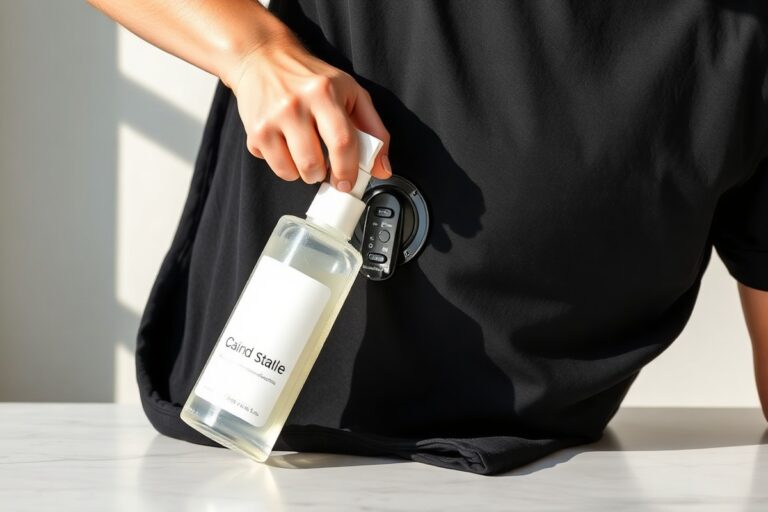
To treat stains on your down duvet, mix a gentle liquid detergent with water or apply an enzyme- or oxygen-based stain remover made for sensitive fabrics. You can also create a homemade spray using one part blue Dawn dish soap and two parts hydrogen peroxide. Apply this spray to the stain and wait about 10 minutes before washing. This approach targets only the stain area and helps prevent soaking the whole duvet, which could cause the down to clump. Avoid soaking your duvet for longer than 10 minutes unless the care label says it’s safe.
Natural alternatives like adding 1/4 cup lemon juice or 1/2 cup baking soda with your detergent during the wash cycle, followed by 1/2 cup white vinegar in the rinse cycle, can help brighten and deodorize your duvet without damaging it. These options reduce your reliance on commercial products and are less likely to irritate sensitive skin.
Your stain removal approach should vary depending on the size and type of stain. For everyday sweat and dirt, mild detergent pretreatment is enough. For greasy or protein stains like food or bodily fluids, use an enzyme-based spot treatment carefully. In all cases, test your stain remover on a small, inconspicuous area first to make sure it doesn’t discolor or damage the fabric.
Before washing, always remove the duvet cover and wash it separately; treating the duvet itself only when necessary reduces wear. Stains should never be ignored for long because the longer they set, the harder they become to remove without aggressive chemicals. These might damage the delicate feathers or the fabric shell. In general, you’ll save money and preserve your duvet’s life by dealing with stains early and choosing the right detergent.
Use only mild or enzyme-free detergents and avoid chlorine bleach, harsh chemicals can damage down feathers and reduce your duvet’s loft and warmth.
How to Dry a Down Comforter Properly Without Clumping
You can put a down duvet in the dryer on the lowest heat setting to dry it safely without clumping. Add wool dryer balls or clean tennis balls to help fluff the filling and keep it evenly distributed. Drying usually takes 2 to 3 hours, and it’s important the duvet is completely dry to avoid mildew.
Using Dryer Balls or Tennis Balls to Prevent Clumping
Adding dryer balls or tennis balls when drying your down duvet breaks up clumps and redistributes the feathers evenly. This creates airflow through the duvet’s baffles, helping maintain loft and softness. Wool dryer balls are especially helpful because they reduce static and speed up drying.
You can use clean tennis balls instead of wool dryer balls and get the same result. Toss two or three into the dryer with the duvet. The motion of the balls moving around the drum separates the down clusters as your duvet dries. This prevents the feathers from sticking together and forming cold spots or heavy lumps.
Recommended Dryer Temperature and Duration
Use the dryer’s lowest heat or air fluff setting to protect the down and outer fabric. High heat can damage the down feathers and shrink the cover. Drying usually takes 2 to 3 hours, depending on your dryer’s power and the duvet thickness.
Take care not to rush the process by using high heat. Instead, plan for several hours of low-heat drying. Some dryers have a “bulky” or “large item” cycle, which may be ideal. A small dryer means you’ll want to lay the duvet flat on a drying rack after a partial drying cycle to finish drying completely.
Checking and Fluffing During the Drying Cycle
Periodically stop the dryer every 30 to 45 minutes to check the duvet’s dryness and to manually fluff it. This breaks up clumps that still form and helps the feathers regain loft. Lay the duvet flat or gently shake it before returning it to the dryer.
Always remove the duvet immediately when the cycle finishes to prevent wrinkles and moisture buildup. When the duvet still feels damp after 3 hours, keep drying it or finish drying it outside on a warm, sunny day. The duvet must be 100% dry before storing or using again to prevent mildew and odors.
- Set your dryer to the lowest heat or air fluff setting.
- Place the down duvet in the dryer with two or three wool dryer balls or clean tennis balls.
- Start the dryer and plan for a 2 to 3 hour drying session.
- Pause the dryer every 30 to 45 minutes to check dryness and manually fluff the duvet.
- Gently shake or spread the duvet flat during each check to redistribute down feathers.
- Continue drying until the duvet feels completely dry with no damp spots.
- Remove the duvet immediately at the end of the cycle to avoid wrinkles and moisture buildup.
- A small dryer calls for partial machine drying, then finishing on a clothesline or drying rack.
When and How Often Should You Wash Your Down Duvet
You should aim to wash your down duvet every one to three years to keep it clean without harming the down insulation. Frequent washing can break down the delicate clusters of down, which reduces its warmth and loft. For most people who use a duvet cover, washing the actual duvet itself about every two years is enough. Not using a cover or having allergies means you might need to wash more often, but try to stay within that range to prevent damage.
Regularly washing the duvet cover itself is a practical way to minimize how often you need to wash the down duvet inside. Washing the cover once a month or whenever you wash your sheets helps remove dust, sweat, and allergens from direct contact with the duvet. Not using a flat sheet below the cover makes washing the cover weekly useful for keeping everything fresh. This routine prevents dirt and oils from reaching the duvet, extending its lifespan.
Before washing your down duvet, check its care label to follow the manufacturer’s instructions exactly. To keep the down in good condition, avoid washing it too frequently or with harsh detergents. Using a duvet cover will protect the insulation from stains and sweat, reducing the need for deep cleans. When storing your duvet long-term, make sure it is fully dry and clean to prevent mildew. Washing it just before storage and allowing it to air out for a few weeks ensures the down stays fresh.
Duvets showing stains, odors, or causing allergy problems should be washed sooner. Taking good care of your bedding environment by washing sheets and covers regularly and airing out your bedroom also helps limit how often deep washing is needed for your down duvet. Avoid washing the duvet more than every few years unless absolutely necessary, since overwashing risks damaging the insulation quality and weakening the fabric.
Air Drying and Hand Washing: When and How to Do Them
You can wash a down duvet by hand as a gentle alternative to machine washing, especially for delicate or older duvets. Air drying works but takes longer and requires careful handling to prevent mildew and uneven drying. Following precise steps ensures your duvet stays clean without damaging the filling or encouraging bacteria growth.
Step-by-Step Hand Washing Guide for Down Duvets
Hand washing a down duvet is best if the care label permits it since it reduces wear and tear. Use a large tub or bathtub to give the duvet enough space. The goal is to clean thoroughly without soaking it too long or kneading too hard, which can damage the down clusters.
- Fill a bathtub or large basin with lukewarm water, about 85°F (29°C), to avoid overheating the down.
- Add a down-safe detergent, using roughly 1 tablespoon per gallon of water.
- Submerge the duvet fully and gently press it down to saturate.
- Let it soak for about 30 minutes, occasionally pressing the duvet to work the detergent through.
- Drain the soapy water and refill with clean lukewarm water for rinsing.
- Repeat rinsing until no suds remain, which may take two or more cycles.
- Press out excess water carefully without wringing or twisting to protect the down clusters.
- Lay the duvet flat on clean towels and roll it gently to absorb remaining water.
Do not wring or twist the duvet during hand washing to avoid damaging the down feathers and causing clumping.
Best Practices for Air Drying to Avoid Damp Spots
Air drying a down duvet requires patience. It can take several hours or more, depending on humidity and airflow. Proper positioning and frequent fluffing prevent damp spots that promote mildew. Avoid hanging by a single point to reduce distortion and uneven drying.
Lay the duvet flat on a clean, dry surface such as a drying rack or clean floor area with plenty of air circulation around it. Flip and fluff the duvet every 1 to 2 hours to redistribute the down and speed drying. Use fans or open windows to increase airflow but avoid direct sunlight, which can damage the fabric and feathers.
Always ensure the duvet is completely dry before storing or putting it back on the bed to prevent mold and unpleasant odors.
Combining Air and Machine Drying for Thorough Dryness
Combining air drying with occasional machine tumbling is effective if you have access to a large dryer without an agitator. This method reduces drying time while protecting the down. Use dryer balls or clean tennis balls to help break up clumps and keep filling even.
Begin by air drying the duvet for a few hours to remove excess moisture. Then transfer it to the dryer on a low-heat or air-fluff setting in cycles of 30 to 40 minutes. Check dryness and fluff between cycles. Continue until the duvet feels completely dry with no cool or damp areas inside.
Make sure the dryer is large enough for the duvet to move freely, preventing feathers from catching and clumping inside the drum.
Common Washing Mistakes and How to Avoid Them
One common mistake when washing a down duvet is using a washing machine that is too small or has a central agitator. Agitators can pull at the seams and tear the delicate fabric or dislodge the down filling. This also leads to uneven cleaning and clumping of the down. To avoid this, use a front-loading washing machine large enough to fit the duvet comfortably with room to move. If your washing machine is small, consider taking your duvet to a laundromat with larger machines.
Balancing the load during washing is critical to prevent excess wear and uneven spinning. For bulky items like duvets, add at least one or two similarly sized items, such as pillows or blankets, to balance the load. This ensures smooth rotation and better cleaning results. Stop the machine during the cycle a couple of times to redistribute the duvet if it bunches up on one side.
- Avoid bleach or fabric softeners, they can damage the down and fabric.
- Never rub stains aggressively to prevent tearing the fabric.
- Repair any tears or holes before washing to prevent worsening damage.
- Fluff your duvet regularly when dry to prevent down clumping.
- Do not expose the duvet to direct sunlight for long periods to avoid fabric fading and weakening.
- Remove excess dirt or debris before placing the duvet in the washer.
Down clumping typically happens when the duvet isn’t dried thoroughly or when the wet filling is trapped in one spot. To fix a clumped duvet, place it in a large dryer with several clean tennis balls or dryer balls. These help break up clumps as the duvet tumbles. Use a low heat setting and dry in multiple cycles to ensure complete drying. Fluff the duvet by hand after drying sections to restore loft.
A wet duvet can be heavy and awkward to handle. Avoid leaving it damp for more than a few hours to prevent mildew growth and odor. Spread the duvet out flat in a warm, well-ventilated space if you need to air dry after washing. Do not fold or compress the duvet while wet since that encourages clumping and slow drying. Using a large dryer with gentle heat is usually the fastest and safest drying method to prevent damage.
When to Choose Professional Cleaning or Repairs
Professional cleaning is necessary when your down duvet has significant stains, strong odors, or has not been cleaned for several years. Home washing suits regular maintenance or light dirt, but deeply embedded grime or oil-based stains often require specialized treatment beyond typical detergents and home washing machines. Commercial cleaners have industrial equipment and expertise to handle bulky duvets without risking damage. Consider professional cleaning if your duvet is very large, heavily soiled, or you notice the feathers are clumped together after multiple home cleanings, signaling water or detergent is not fully rinsed out.
Repairing a damaged down duvet is generally not a simple home task. Small tears can sometimes be patched using needle and thread to stop feathers from escaping, but large rips, broken seams, or issues with the internal baffle system usually need expert attention. Attempting complex repairs at home can make the problem worse, increasing the chance of feathers shifting or further damage. Professional repair services typically charge between $20 to $50 depending on the extent of damage, and can restore the duvet’s insulation and shape better than DIY fixes.
Dry cleaning is often not recommended for down duvets because traditional dry cleaning solvents can strip the natural oils from the feathers, causing them to become brittle and less effective as insulation. Dry cleaners may not have equipment designed to accommodate bulky down comforters, risking damage from improper handling. If a professional cleaning service is necessary, look for a reputable commercial laundry or cleaner specializing in down products. They use water-based cleaning methods and low-temperature drying cycles that preserve the loft and softness of the down fill.
Homeowners should decide on professional cleaning based on the condition of the duvet and the resources available. For instance, if your duvet is heavily stained with substances like sweat, body oils, or food, and home treatments do not improve it, a commercial cleaning is recommended. Professional cleaning is also wise when your washing machine lacks the size or settings to thoroughly rinse and dry the duvet. Expect costs to range from $30 to over $100 depending on size and service level, with faster turnaround at higher prices.
Look for clean, fluffy, and evenly distributed down fill as signs of a well-cleaned or professionally maintained duvet. Feather clumping, lingering dampness, or bad odors suggest the need for either re-cleaning or professional help. In cases where the duvet cover is made from delicate or intricately detailed fabrics, opt for professional cleaning of just the cover to avoid damage from home washing. Always follow care labels and ask cleaners specifically about their experience with down products to ensure your duvet’s longevity.
Best Practices for Storing and Maintaining Down Duvets
Storing a down duvet correctly prevents dampness and protects its insulating qualities. Always use a breathable cover, such as one made from cotton, to allow air circulation and keep moisture from building up inside the storage. Avoid plastic bags or airtight containers, which can trap humidity and cause mildew, damaging the delicate feathers and down.
Keep the duvet in a cool, dry place away from direct sunlight and heat sources. A closet shelf or under-bed storage works well, provided the area stays dry throughout the year. Long-term storage without proper ventilation will flatten the loft, reducing warmth and comfort when you need it again.
Routine care extends a down duvet’s lifespan. Using a duvet cover protects the duvet itself, reducing the need for frequent washing, which can degrade the down over time. Wash the cover monthly, or more often if you have allergies or pets. Promptly treat stains on covers and the duvet with mild detergent, avoiding harsh chemicals that could harm the down filling.
- Always store the down duvet clean and completely dry to prevent mold growth.
- Use a breathable cotton storage bag or pillowcase for storage to allow airflow.
- Place your duvet in a cool, dry closet or under the bed, away from sunlight and heat.
- Avoid compressing the duvet tightly when storing to preserve loft and fluffiness.
- Regularly fluff the duvet during use to redistribute down and maintain even insulation.
- Use a protective duvet cover and wash it once a month to avoid direct exposure to dirt and oils.
- Air the duvet occasionally by hanging it outside on a dry, non-humid day, but keep it out of direct sun.
Do not store your down duvet in plastic bags or sealed containers; trapped moisture can cause mildew and reduce warmth.
Fluffing the duvet after use and airing it helps maintain its loft, ensuring the down stays lofty and breathable. Store it loosely folded or rolled rather than tightly packed to avoid flattening the hidden down clusters. Using a duvet cover cut the amount of cleaning needed for the duvet itself, preserving the quality and extending its useful life. Following these simple habits and storage methods keeps your down duvet fresh, fluffy, and ready for cozy nights for years.
Step-by-Step Action Plan for Washing Your Down Duvet
Follow these steps to clean your down duvet at home without damaging its fill or fabric. You’ll keep it fresh and fluffy while avoiding common problems like clumping or shrinking.
- Before You Start: Check the care label on your duvet for specific washing instructions and temperature limits. Confirm your washing machine can handle bulky items safely.
- Day of Washing: Use a mild detergent designed for down or delicate fabrics. Avoid bleach and fabric softeners that can strip natural oils from the down. Treat any stains with a gentle, stain remover made for delicate materials.
- During Wash Cycle: Set your machine to a gentle or delicate cycle with cold or warm water (under 104°F). Use an extra rinse cycle to remove all detergent residues from the down.
- Immediately After Washing: Press out excess water gently by hand, but do not wring the duvet. Use a large-capacity dryer or air dry to prevent down clumping.
- Drying: Dry on low heat with clean tennis balls or dryer balls added to break up clumps and restore loft. Check and fluff the duvet every 30 minutes until fully dry.
- Post-Drying Check: Spread your duvet flat or hang it in a well-ventilated room to ensure complete drying and prevent mildew. The duvet should feel fluffy and dry all the way through.
- Regular Maintenance: Air out your down duvet weekly to keep it fresh and reduce the need for frequent washing.
Frequently Asked Questions
How to Wash a Down Duvet in a Washing Machine?
Load your duvet into a large-capacity washer and select a gentle cycle using cold water. Add a small amount of mild liquid detergent and avoid packing the machine too tightly to protect the fabric and allow proper cleaning.
Should I Throw Away Old Down Comforter?
Not necessarily; if the comforter is still warm and fluffy without major damage or stains, you can continue using it. Consider replacing it only if it no longer provides comfort or shows wear that affects hygiene.
Can You Wash a 13.5 Tog Duvet in a 9kg Washing Machine?
It’s possible but may be tight; ensure the duvet fits comfortably without compressing the drum. Overloading can reduce cleaning efficiency and risk damage, so using a larger machine is better when available.
Can a Duvet Be Washed and Dried?
Machine washing and drying your duvet with its cover is possible by choosing gentle washing cycles and low heat in the dryer. Toss in dryer balls or clean tennis balls to keep the down evenly fluffed throughout drying.
How Often Should I Wash a Down Duvet Itself?
Wash your down duvet every three to five years unless it gets soiled more frequently. Regularly washing the duvet cover can reduce the need to clean the duvet itself as often.
Is It Safe to Use Regular Detergent on Down Duvets?
No, use a mild liquid detergent specifically designed for down or delicate fabrics. Regular detergents can strip natural oils from the down, causing clumping and reducing insulation quality.
Final Thoughts
Washing your down duvet at home can be safe and effective if you follow careful steps to protect the filling and fabric. Use the right detergent, wash gently, and dry thoroughly to keep your comforter soft and insulated. Start by checking your duvet’s label today and gathering the proper supplies so you’re ready for the next wash.