How to Wash Polyester: Expert Tips for Care, Stain Removal & Lasting Color
You can safely and effectively machine wash most 100% polyester garments by using cold or warm water up to 40°C and gentle detergent without fabric softener. Sorting polyester by colour and fabric type, pre-treating stains properly, and using suitable drying methods will keep your items looking fresh and vibrant longer.
This advice applies to all kinds of polyester, including sports jerseys, dresses, blankets, and blends with other fibers. Following these instructions helps you avoid damage like shrinking, stiffness, fading, and trapped odours while preserving your polyester’s durability and colour.
Key Takeaways
- Wash polyester in cold to warm water (20-40°C) to prevent fiber stress and color fading.
- Sort polyester by color and fabric blend to avoid bleeding and uneven wear.
- Use high-quality detergent without fabric softener for effective cleaning and odor control.
- Pre-treat common stains by soaking in a vinegar-water mixture before washing.
- Tumble dry polyester on low heat (40-50°C) to dry quickly without damage.
- Iron polyester garments on a low setting, or use steam to avoid melting fibers.
Can You Machine Wash Polyester Safely and Effectively?
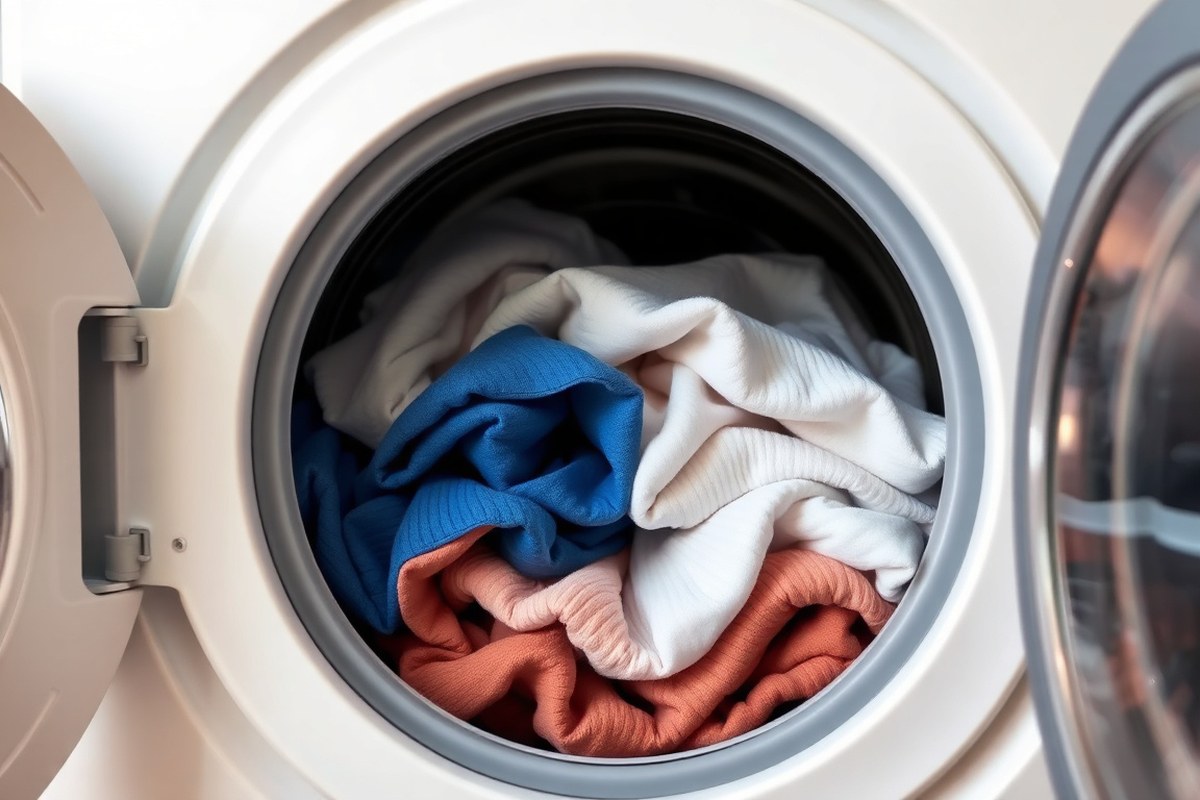
Polyester is safe to machine wash and designed for easy care, but using the right settings matters to preserve its appearance and structure. Washing on a gentle or synthetic cycle at temperatures between 30 to 40°C prevents fiber damage and helps polyester keep its shape. Cold water (20 to 30°C) can also be used, especially for lightly soiled items, to minimize fiber stress, though it may not remove heavy stains as effectively.
Hand washing offers a gentler alternative that further reduces the risk of damage from the machine’s agitation. It’s worth considering if your polyester item is delicate, has embellishments, or is prone to snagging. Soaking polyester before washing is usually brief, around 15 to 30 minutes, and mainly helps loosen dirt or stains without risking fabric distortion caused by prolonged soaking. Below are steps to machine wash polyester safely at home with an eye toward maintaining longevity and cleanliness:
- Sort and prepare: Separate polyester garments by color and soil level to prevent dye transfer and uneven cleaning.
- Choose the right cycle: Select the gentle, synthetic, or permanent press cycle on your washing machine to reduce wear and control agitation.
- Set temperature: Use warm water between 30 and 40°C for best cleaning, or cold water (20, 30°C) for lightly soiled items or to reduce energy use.
- Use appropriate detergent: Opt for a pH-neutral liquid detergent formulated for synthetic fabrics to protect fibers and remove stains.
- Load loosely: Avoid overloading the washer; a loosely filled drum lets polyester fabrics move freely, reducing friction and potential damage.
- Skip extended soaking: If pre-soaking is needed, limit it to 15-30 minutes in cool water with mild detergent to avoid weakening fibers.
- Dry cautiously: Remove polyester promptly after the cycle to prevent wrinkles; tumble dry on low heat (40-50°C) if necessary, or air dry.
Following these steps balances effective cleaning and fabric care. Extremely hot water or high dryer heat can shrink seams and distort polyester’s shape, so avoid temperatures exceeding 60°C. Hand washing can reduce wear further, especially for delicate or lightly soiled polyester, but machine washing on the right settings is convenient and safe for most polyester garments.
How to Sort and Prepare Polyester Fabrics Before Washing

Sorting polyester carefully and preparing it properly before washing protects both its color and texture. Separate by color and fabric weight to prevent damage and color bleeding. Always turn polyester garments inside out and fasten any closures to reduce abrasion during the wash.
Sorting Guidelines by Color and Fabric Blend
Divide polyester items by color: darks, lights, and whites. This prevents color transfer which can dull fabrics and cause stains. Also sort by fabric weight, wash heavy items like jeans separately from lightweight polyester to minimize friction and avoid fabric distortion.
Sorting by soil level improves results. Separate greasy or heavily soiled polyester and pre-treat stains before washing. This stops residues from settling on lighter or delicate fabrics. Polyester blends combine synthetic fibers with other materials; treat these as you would the most delicate fiber in the mix.
| Sorting Factor | Best Practice for Polyester | Why It Matters |
|---|---|---|
| Color | Wash darks, lights, whites separately | Prevents color bleeding and keeps garments vibrant |
| Fabric Weight | Sort bulky garments like jeans apart from lighter materials to avoid uneven washing and wear. | Reduces friction that can cause distortion or damage |
| Soil Level | Pre-treat stains; separate greasy items | Keeps residues off delicate fabrics, ensuring cleaner results |
| Garment Features | Close zippers, buttons, Velcro | Prevents snagging and mechanical abrasion |
Following these sorting steps reduces wear and extends polyester garment life by maintaining fabric quality and appearance throughout washes.
Pre-Wash Inspection and Garment Preparation
Before washing, turn polyester garments inside out. This simple step protects the outer surface from friction and abrasion, reducing pilling and color fading. For items with zippers, buttons, or Velcro, close or fasten them to avoid snagging other fabrics and reduce damage during the cycle.
Check each garment for stains and soil spots to pre-treat them. Use a gentle stain remover suitable for polyester, applying it to problem areas 5 to 10 minutes before washing. This helps prevent setting stains and improves cleaning effectiveness without harsh scrubbing.
Turning polyester clothes inside out before washing cuts down on surface wear and preserves vibrant colors over multiple cycles.
Proper preparation takes only a few minutes but makes a significant difference in preserving texture and color, especially for polyester blends and lightly treated fabrics.
Handling Delicate Polyester Blends
Delicate polyester blends require extra caution. Sort these separately from heavier or more durable items. Wash on gentle cycles with cold to warm water (around 30, 40°C) and avoid detergents with harsh chemicals that can break down fibers or fade dyes.
Use mild detergent formulas designed for synthetic or delicate fabrics, and avoid bleach or strong additives. After washing, handle these blends gently during drying to prevent stretching or loss of shape.
Which Detergents and Additives Work Best on Polyester?
Choosing the right detergent and additives makes a big difference when washing polyester. Use a mild, pH-neutral detergent designed for synthetic fabrics or general use. These detergents clean polyester effectively without harming the fibers or colors. Avoid detergents with harsh bleach or fabric softeners, as fabric softeners can cause polyester to feel stiff and reduce its moisture-wicking ability. Instead, you can add white vinegar or baking soda for odor control and extra cleaning power.
White vinegar is safe on polyester when diluted 1:1 with water for soaking, or by adding about ½ cup directly to the rinse cycle. It helps neutralize odors and break down detergent buildup without damaging fibers. Baking soda acts similarly by neutralizing odors and removing residue safely, but it works best when used with your regular detergent during the wash cycle.
| Detergent/Additive | Compatibility with Polyester | How to Use | Notes |
|---|---|---|---|
| Mild pH-neutral detergent | Safe, preserves fibers and colors | Use manufacturer’s recommended dose in warm water | Best for all polyester garments; avoid overdosing |
| Liquid detergent sheets (e.g., CLEARALIF) | Safe, pre-measured dosing | One sheet per load; no fabric softener needed | Cost-effective at about $0.13 per load; plastic-free packaging |
| White vinegar | Safe in diluted form | Soak 30, 60 minutes in 1:1 vinegar-water; or add ½ cup to rinse | Neutralizes odors and detergent buildup |
| Baking soda | Safe | Add ¼ cup to detergent in wash cycle | Controls odors; improve detergent action |
| Bleach (chlorine) | Not recommended | Avoid entirely unless care label permits | Can weaken fibers and cause fading |
| Fabric softener | Not recommended | Skip to prevent stiffness and buildup | Use dryer sheets with softener if static is an issue |
When dealing with stains like sweat or body oil, pretreat with an enzyme stain remover or detergent before washing. Avoid drying the garment before the stain is fully removed, as heat can set the stain permanently. For greasy stains, treat spots with a mild surfactant cleaner and wash in warm water 90, 100 °F (32, 38 °C). Makeup or food stains call for gentle pretreatment with liquid detergent, avoiding harsh rubbing.
Always follow detergent label instructions and avoid overdosing, which can leave residues causing polyester to feel less fresh or stiff. If polyester items have a “dry clean only” label, consider professional cleaning since some polyester blends are sensitive to water washing despite the tough nature of the fabric.
How to Pre-Treat and Remove Common Stains from Polyester
Pre-treating stains on polyester requires choosing the right method for the stain type and fabric sensitivity, applying a safe stain remover, and rinsing properly. Using gentle yet effective stain removers keeps polyester colors from fading while breaking down the spots before washing. Tailoring your stain removal to the specific stain and fabric preserves polyester’s texture and appearance without harsh treatments.
Pre-Treating Different Stain Types
Different stains demand targeted pre-treatment to remove them successfully from polyester. Protein-based stains like sweat and blood respond best to enzyme-based treatments, which break down the proteins without damaging synthetic fibers. Oil and grease stains need a detergent that can dissolve lipids, often with a specialized stain remover designed for oily spots. Mud, dirt, and pigments usually lift well with a pH-neutral liquid detergent applied directly to the stain.
| Stain Type | Recommended Pre-Treatment | Reason |
|---|---|---|
| Protein (sweat, blood) | Enzyme-based detergent (pH 6, 8) | Breaks down proteins gently and effectively |
| Oil and grease | Chlorine-free stain remover or specialty pre-treatment spray | Dissolves oily residues without harm to fabric |
| Mud and dirt | Liquid pH-neutral detergent (pH 6.5, 7.5) | Loosens particles while preserving color |
| Food and beverage (coffee, wine) | Chlorine-free stain remover or enzyme cleaner | Targets pigments and organic compounds safely |
Safe Stain Removers for Polyester Colors
Polyester usually holds dye well, but harsh chemicals or bleach can cause color fading and weaken the material. Avoid chlorine bleach and high-pH powders for pre-treatment to protect your garment’s vibrancy. Liquid, pH-neutral detergents and enzyme-based cleaners offer safer options that clean thoroughly without stripping colors.
A chlorine-free stain remover specifically formulated for colors is ideal. These products focus on breaking down stains but don’t attack dyes or cause spotting. Using enzyme-based pre-soaks on stubborn protein or food stains helps release residues before washing, reducing the need for aggressive scrubbing or extended soaking that could harm polyester.
Post-Treatment Washing Tips
Proper washing after pre-treating is necessary to fully remove loosened stains and avoid setting any residue. Use warm water, typically around 90°F (32°C), which cleans effectively without stressing polyester’s fibers. Machine wash with a gentle or permanent press cycle as recommended for polyester.
Before washing, brush off any excess debris or dried stain material. Apply pre-treatment directly to the stain and allow it to sit for 5 to 15 minutes, but never let the stain dry on the fabric after pre-treatment. Always rinse the garment thoroughly after washing to remove all detergent and pre-treatment residues. Overloading the machine or using high-heat drying may cause fading, pilling, or shrinking, so wash polyester garments with care to extend their life and keep colors bright.
- Remove any dry debris by brushing or scraping gently from the stained area.
- Apply an appropriate stain remover based on the stain type: enzyme-based detergent for proteins, chlorine-free spray for oils, or pH-neutral detergent for dirt.
- Let the remover sit on the stain for 5 to 15 minutes, keeping the fabric damp but not soaking.
- Rinse the treated area under cool water to lift loosened stains without setting them.
- Place the garment in the washing machine with similar colors and use a permanent press or gentle cycle.
- Choose warm water (around 90°F/32°C) and use a liquid, pH-neutral detergent to maintain color and fabric integrity.
- After washing, inspect the garment before drying; if the stain persists, repeat pre-treatment and wash again.
- Air dry or tumble dry on low heat to avoid shrinking and fading.
How Does Water Temperature Affect Polyester Washing Results?
Washing polyester at the right water temperature preserves its durability, prevents unnecessary shrinkage, and ensures effective cleaning. The best water temperature range to wash polyester is 30, 40°C (86, 104°F). Staying within this range prevents thermal damage and protects the fabric’s dyes, maintaining the garment’s appearance and structure over time. Using hot water above 60°C (140°F) risks breaking down polyester fibers, leading to brittleness, seam puckering, and eventual wear.
Polyester fibers tend to resist shrinkage due to their synthetic nature, but exposing them to extreme heat during washing or drying can cause some shrinkage or deformation. Cold-water washes (around 30°C) limit shrinkage and fiber damage, making them suitable for delicate polyester blends and printed items. Warm water washes (up to 40°C) are better for sturdier polyester fabrics, such as table linens or everyday garments with light soil. Hot water should only be used if the care label explicitly allows it, as it can speed up fiber wear and reduce the garment’s longevity.
| Water Temperature | Best For | Use Caution With |
|---|---|---|
| Cold water (≤30°C / 86°F) | Dark colors, activewear, delicate blends, printed polyester | Heavily soiled or oily polyester needing pretreatment |
| Warm water (30, 40°C / 86, 104°F) | Sturdy polyester garments, table linens, light odor or soil | Spandex blends, rayon blends, pleated fabrics, bright colors |
| Hot water (>60°C / 140°F) | Only clear care label permission for high-temperature washing | Most polyester clothes, fleece, delicate items, activewear |
Using water temperatures above 40°C increases the mechanical stress on polyester fibers and widens the risk of surface pilling and seam distortion. Studies on polyester curtains subjected to ten washes at 70°C showed a 20% strength loss and higher susceptibility to damage. Similarly, frequent hot washing is linked to reduced fabric lifespan and shape retention. Washing at lower temperatures combined with gentle cycles helps reduce fiber wear and fabric stress, extending the usable life of your polyester items without sacrificing cleaning performance.
To protect polyester garments, avoid hot water washes unless the care label specifically permits them; cooler temperatures clean effectively while extending fabric life.
Which Drying Methods Preserve Polyester Shape and Prevent Damage?
Polyester is generally safe to tumble dry, but only on low heat settings. High heat above 60°C (140°F) can damage the fibers, causing loss of shape, color fading, and reduced elasticity. To preserve polyester garments, always choose a tumble dry setting labeled “low heat” or “delicate.” This reduces the risk of heat damage while still drying the fabric efficiently.
The safest way to dry polyester and keep its shape intact is air drying. Lay your garments flat on a clean towel or hang them on a drying rack or clothesline in a well-ventilated area, avoiding direct sunlight and heat sources. Air drying minimizes fabric stress and helps prevent shrinkage, stiffness, or distortion. If time or weather conditions don’t allow for air drying, using a low-heat tumble dry cycle offers a reasonable compromise. Heat damage to polyester often starts subtly but worsens with repeated exposure to high temperatures. Watch for these signs:
- Fabric stiffness or a “crunchy” feel after drying
- Loss of stretch or elasticity, especially in polyester blends with spandex
- Visible shrinking or distorted garment shape
- Color fading or dullness in the fabric
- Weak spots or tears developing along seams or stress areas
Preventing heat damage requires careful handling during drying. Turn garments inside out before drying to reduce friction and fading. Avoid using the highest heat settings on your dryer, and do not exceed the recommended drying times indicated on garment care labels. When air drying indoors, place items in spaces with good airflow to speed drying and avoid musty smells. Also, allow polyester items to fully dry before storing to prevent fabric weakening or mildew.
Some polyester blends, such as polyester-spandex, need extra care since heat can quickly weaken the stretch fibers. Choose cold-water washing and air drying or low-heat tumble drying for these, as harsh cycles can cause premature wear. For durable 100% polyester items like jackets or fleece, low-heat drying followed by smooth pressing on a low iron setting (if the care label permits) can help restore crispness without damage.
How to Iron and Store Polyester Garments Without Harm
You can iron polyester garments, but it requires low heat and careful handling to avoid melting or damaging the fabric. Proper storage helps prevent wrinkles, static cling, and pilling, keeping your polyester clothing looking fresh without frequent ironing.
Safe Ironing Temperature Settings
Polyester is sensitive to high heat, which can cause melting or shiny spots on the fabric. Set your iron’s temperature to the synthetic or low heat setting, typically around 270°F (130°C). Avoid using steam unless your iron specifically states it is safe for polyester, as excess moisture combined with heat can cause damage. Testing on a small, hidden area first is a good precaution.
Using a pressing cloth between the iron and your polyester garment adds a protective layer to prevent direct heat contact, reducing the risk of fabric burn or gloss. Iron on the wrong side of the garment whenever possible to preserve its appearance.
Ironing Techniques for Wrinkle Removal
Gently removing wrinkles from polyester requires a slow, light hand and the right technique to avoid permanent creases or damage. Follow these steps for safe and effective ironing:
- Turn the garment inside out to protect the outer surface.
- Lay the fabric flat on the ironing board to provide even support.
- Use a pressing cloth or a thin cotton towel over the polyester to shield it from direct heat.
- Set the iron to the synthetic or low heat setting, around 270°F (130°C).
- Press the iron gently and avoid dragging it across the fabric, which can stretch or distort polyester’s fibers.
- Lift and press instead of sliding the iron to smooth out wrinkles.
- Allow the fabric to cool before moving it to lock in the smooth finish.
If your garment is heavily wrinkled, using a handheld steamer at a safe distance can be an alternative, but check the manufacturer’s care label first. Avoid ironing if the label specifically says “do not iron.”
Storage Tips to Maintain Polyester Fabric Quality
Storing polyester clothing properly minimizes wrinkles, static buildup, and pilling. Since polyester resists wrinkles better than many fabrics, hanging lightweight shirts, blouses, and dresses on wide, padded hangers helps maintain their shape and prevents creases.
For heavier polyester garments like jackets or pants, fold them loosely to avoid permanent fold lines. Store folded clothes in drawers or on shelves with enough space between items for air circulation. Avoid overcrowded closets to reduce friction, which causes pilling and static.
Adding anti-static dryer sheets or placing a small fabric softener sachet in your storage area can reduce static cling, especially for 100% polyester items prone to static buildup. Avoid plastic bags for long-term storage, as they trap moisture, risking mildew and fabric damage.
Common Polyester Washing Mistakes and How to Fix Them
Using high heat during drying is one of the most common errors that causes polyester garments to shrink or lose their shape. Polyester fibers can handle some warmth but exposing them to temperatures above 140°F (60°C) often results in shrinking and fabric distortion. To avoid this, dry polyester on a low heat or air-dry setting. Overloading your washing machine also raises the risk of abrasion, leading to pilling and fabric wear. Make sure to wash polyester items with similar fabrics and give them enough space to move freely in the drum.
Harsh detergents or bleach can accelerate color fading and weaken the fabric fibers in polyester. Opt for mild detergents without optical brighteners or strong chemicals. This protects the dye and fiber strength. Ignoring garment sorting and mixing polyester with rough fabrics like denim can promote surface fuzzing and snagging. Sort by fabric type and colour to maintain the smooth finish of polyester garments.
- Dry polyester on low heat or air-dry to prevent shrinking.
- Use a mild detergent designed for synthetic fabrics to preserve color and strength.
- Avoid overloading the washing machine to reduce abrasion and pilling.
- Sort polyester separately to prevent snagging and fuzzing from rough fabrics.
- Do not use bleach or harsh chemicals that damage fibers and cause fading.
- Wash polyesters in cold or warm water (30, 40°C) to protect dye and fabric.
Polyester may feel stiff or rough after washing due to residue build-up or harsh detergents. Rinsing garments thoroughly or adding a fabric softener formulated for synthetics can restore softness. If minor pilling occurs, gently remove pills with a fabric shaver or pumice stone made for clothing. Avoid aggressive rubbing which can damage the fabric further.
Always check the care label for temperature limits and drying instructions to keep your polyester looking its best over time.
Correcting these washing mistakes requires a bit of care but significantly extends polyester’s lifespan and keeps it looking fresh. Using the right water temperature, detergent, and drying method prevents fading and shrinking. Proper sorting and avoiding overloading protects against abrasion and surface damage. Softening treatments and careful pill removal bring back the comfort and appearance of polyester pieces that feel worn or stiff. These simple adjustments ensure your polyester garments hold up well through repeated washes.
Step-by-Step Action Plan for Washing Polyester
Follow this plan to clean your polyester garments effectively while keeping them in great shape.
- Before you start: Sort polyester clothes by color and weight to prevent dye transfer and uneven drying.
- Pre-wash: Check for stains and apply a stain remover or liquid detergent directly. Wait 10-15 minutes before washing to lift spots effectively.
- Wash cycle: Use a gentle or permanent press cycle with cold or warm water, not hot, to avoid shrinking or damaging the fabric.
- Detergent selection: Choose a mild detergent without bleach or fabric softeners that can harm polyester fibers.
- Rinse thoroughly: Run a complete rinse to remove all detergent residues, which can cause stiffness or odors.
- Drying: Air dry or tumble dry on low heat. Check garments early to prevent overheating and maintain shape.
- Ironing and storage: Use a low-heat iron if needed, with a pressing cloth. Store polyester folded or hung to avoid wrinkles and creases.
- After washing: Inspect garments for stains or damage. Treat any lingering spots before the next wash to avoid permanent marks or fiber weakening.
Frequently Asked Questions
Can You Put Polyester in the Dryer?
Yes, polyester can go in the dryer, but use a low heat setting to prevent melting or damage. High heat may cause the fabric to lose shape or develop wrinkles that are hard to remove.
Is Polyester Sustainable?
Polyester is made from petroleum, making it less sustainable than natural fibers. However, recycled polyester options reduce waste and energy use, offering a more eco-friendly alternative.
Can 100% Polyester Be Washed Normally?
Most 100% polyester clothes can be washed normally on a gentle cycle with cold or warm water. Avoid hot water to prevent stress on the fibers and maintain fabric strength.
Does Polyester Fade in the Wash?
Polyester generally resists fading well, retaining most of its color after many wash cycles. Using mild detergents and cold water helps preserve the fabric’s original color longer.
How Do I Prevent Static Cling When Washing Polyester?
To reduce static cling, add a fabric softener during the rinse cycle or use dryer sheets. These products help neutralize static buildup common with synthetic fabrics.
Is It Okay to Wash Polyester Blankets in the Washing Machine?
Yes, polyester blankets can be machine washed on delicate or synthetic cycles with cold or warm water. Use mild detergent and avoid harsh agitation to protect the fibers.
The Bottom Line
Washing polyester at home doesn’t have to be complicated or risky for your clothes. Using the right wash cycle, temperature, and detergent helps keep polyester looking and feeling its best. Try the stain pre-treatment method on one item today to protect your fabric from tough spots before you wash.