Can You Put Shoes in the Washing Machine? A Complete Guide with Safe Steps
Yes, you can put many types of shoes in the washing machine, but only certain styles and materials are safe for this method. Proper preparation, choosing the right settings, and drying techniques are key to preventing damage and getting your shoes clean.
This advice is for anyone who wants to refresh their sneakers or casual shoes without hand-washing or buying new pairs. You’ll learn which shoes you can wash this way, how to get the best results, and what to avoid to protect your footwear investment.
Key Takeaways
- Only machine wash canvas, synthetic, and mesh shoes on a gentle 30°C cycle with low spin.
- Always remove laces and insoles before washing and place shoes inside a mesh laundry bag.
- Use a small amount of mild detergent and add a towel for balance and cushioning in the drum.
- Skip warm or hot water to avoid adhesive breakdown and color fading; stick to cold or 30°C water.
- Air dry shoes by stuffing them with paper towels and drying away from heat sources for at least 8 hours.
- Apply leather conditioner to leather shoes only after they have dried completely to prevent cracking.
Can You Safely Wash Shoes in a Washing Machine?
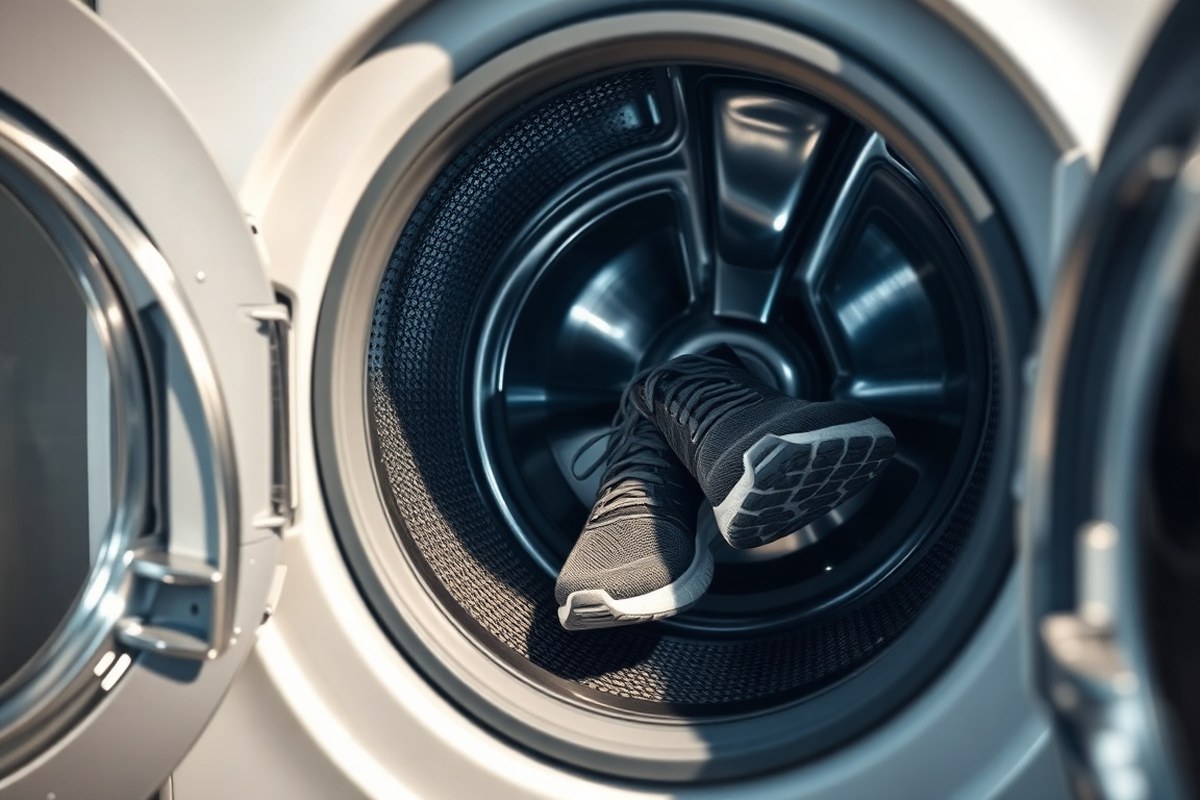
Machine washing certain shoes is generally safe when you follow important steps. Shoe material is the key factor in deciding if they can go in the washer. Canvas, athletic shoes, sneakers, and some rubber shoes typically handle machine washing without problems. Shoes made from leather, suede, or other animal materials should not be machine washed, as water and detergent can cause damage. Look at the care label inside your shoes for specific washing instructions.
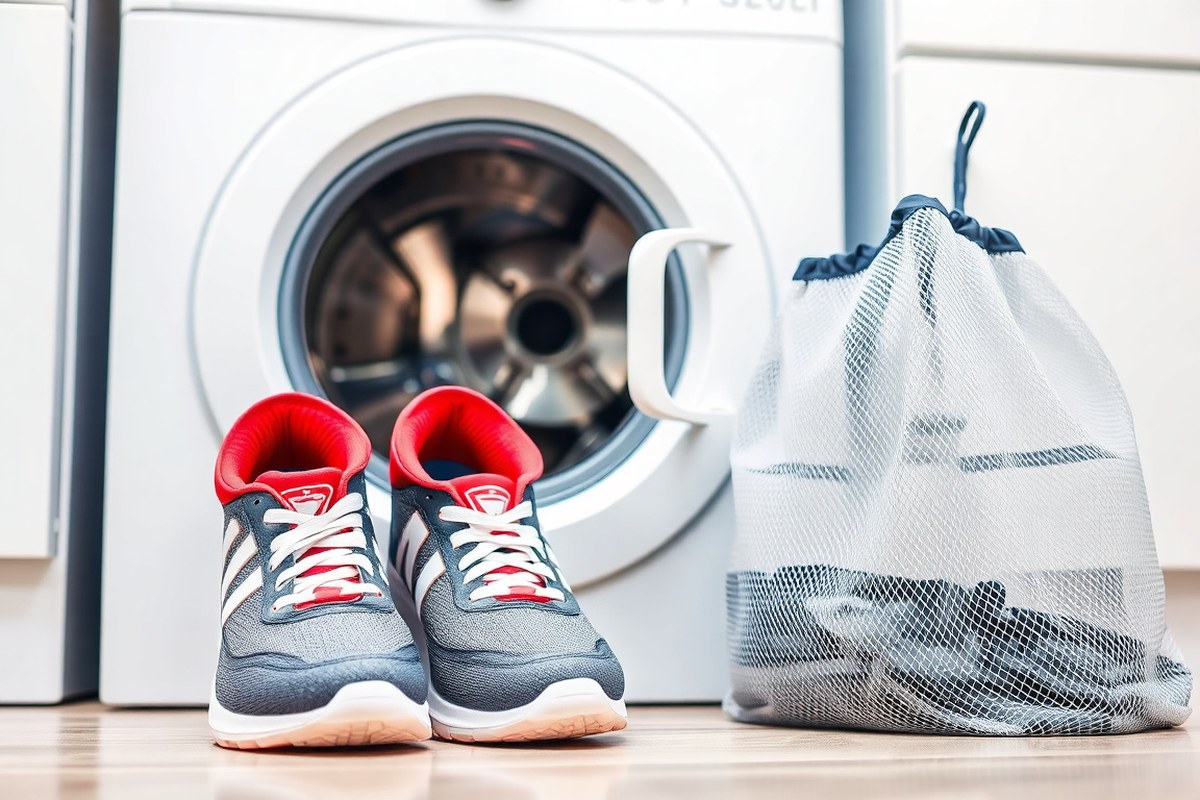
The risk of damage comes from both the shoe and the washing machine. High spin speeds can strain a shoe’s structure, causing parts like glue or stitching to weaken or fail. It also puts extra stress on your washing machine’s bearings, potentially leading to mechanical problems. Shoes with hard soles or metal parts can knock against the drum, which might nick or crack both the shoe and the machine. To minimize these risks, place shoes inside a mesh laundry bag or pillowcase before washing. This padding helps prevent the shoes from banging directly against the washer drum.
For best results, wash shoes alone or with a few lightweight items like towels to balance the load without overwhelming the machine. Use a cold or warm water cycle, not hot, to prevent shrinking or deformation. Gentle or delicate wash cycles help reduce mechanical stress. The shoe cleaning process usually takes about 30 to 40 minutes depending on your washer’s settings. Expect shoes to come out cleaner but still require proper drying to maintain their shape. Remove removable insoles before washing your shoes, especially if they have odor. Wash insoles separately by hand since machine washing might ruin their cushioning.
The shoe’s material and style determine whether machine washing is a good choice. Canvas and synthetic athletic shoes typically hold up well, while leather or suede do not. Protecting both shoes and machine by using mesh bags and gentle cycles prevents damage. Avoid high-heat drying and strong spin settings to extend the life of your shoes and your washing machine’s components. When machine washing is not clearly approved on the care label, cleaning by hand is usually a safer option. This approach balances convenience with preserving the shoes’ condition and the machine’s function.
Which Shoe Types Are Suitable or Unsuitable for Machine Washing?

Machine washing is an option for some shoe types, especially those made of sturdy, washable materials. Canvas, nylon, cotton, and polyester sneakers generally tolerate machine washing well because these fabrics hold up to detergent and spinning without damage. However, shoes made from leather, suede, delicate fabrics like silk, or embellished with beads and embroidery should not be put in the washer. Water and agitation can harm these materials by causing stains, shrinking, warping, or losing shape.
Some shoe brands specifically advise against machine washing, regardless of material, while a few offer styles designed with machine washability in mind. For example, Nike recommends hand washing most of its products. Vans allows limited washing on pure canvas pairs only with cold water and gentle cycles. Skechers marks certain styles with a Machine Washable icon, indicating they are safe for the machine. Paying attention to manufacturer instructions is key to avoiding damage.
| Shoe or Material | Machine Wash? | Why |
|---|---|---|
| Canvas, nylon, cotton, polyester sneakers | Usually, if label allows | Durable fabrics; detergent won’t harm |
| Leather | No | Needs gentler cleaning and conditioning |
| Suede | No | Water stains and texture damage |
| Rubber, vinyl, rubber/metal cleats | No | Should be hand cleaned to prevent damage |
| Silk, beads, embroidery, sequins | No | Only specialist cleaning recommended |
| Crocs clogs and slides (some types) | Some types | Made from durable plastic materials |
Choosing the machine wash option depends on the shoe’s make and its construction. Shoes with glued soles, dress shoes, and boots need extra care and usually cannot withstand the tumbling and water exposure in a washer. Sneakers built mainly from synthetic mesh and fabrics are a safer bet for machine cleaning. Using a mesh bag, a cold setting, and a delicate or hand wash cycle reduces wear during washing.
Not all sneakers are equal, so check your shoe tags or brand advice before deciding. Washing leather or suede shoes in the machine risks ruining the look and fit. Instead, use a soft brush and a leather cleaner or specialized suede care methods for these materials. Some rubber-soled shoes or cleats also should be cleaned by hand to prevent breakdown of their components.
Practical tip: Always remove insoles and laces before washing and place shoes inside a mesh laundry bag to protect both shoes and your washing machine.
How to Prepare Shoes Properly Before Machine Washing
Properly preparing your shoes before putting them in the washing machine helps avoid damage and improves cleaning results. You should remove the laces and insoles, get rid of loose dirt, and protect both the shoes and the washer with a laundry bag or pillowcase. These steps prevent tangling, reduce wear, and keep your washing machine free from debris.
Remove Laces and Insoles
Taking out the laces and insoles before washing protects these parts from damage and allows a deeper cleaning for the shoes themselves. Laces often get tangled or stretched in the wash, and insoles may need a gentler cleaning method to avoid shrinking or warping.
Removing the insoles also helps shoes dry faster and lets you clean any odor or stains on them separately. You can wash laces by hand or place them inside the same mesh laundry bag as the shoes.
Brush Off Dirt and Pre-Treat Stains
Brushing off mud and loose dirt before washing prevents buildup inside your machine’s filter and stops grit from scratching the shoes or washer drum. Use a stiff-bristled brush for the shoe surface and an old toothbrush for smaller areas like eyelets. Rinse off any heavy mud if possible.
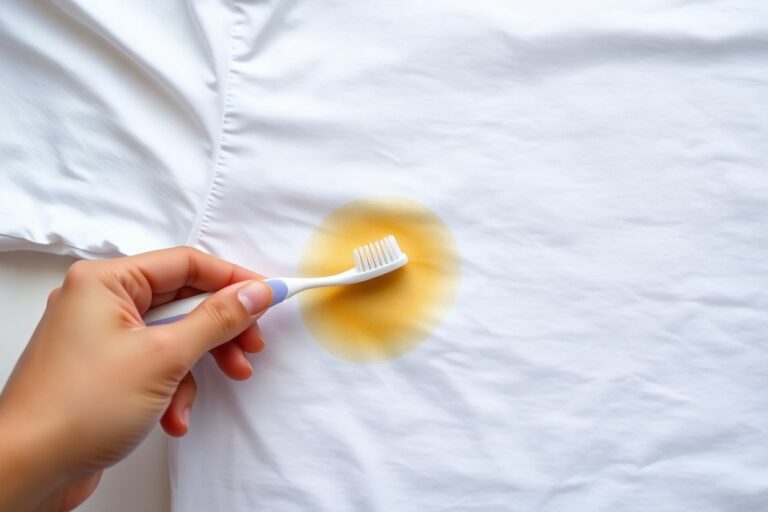
Pre-treat stubborn stains and odors using a stain remover or a paste made from baking soda and water. Apply it gently to affected spots, let it sit for 15 to 30 minutes, then wipe off before machine washing. This step reduces grime that detergent alone might not remove and helps keep your shoes fresher.
Use Protective Laundry Bags or Cushions
Placing shoes inside a mesh laundry bag or a worn pillowcase cushions them during the washing process. This guarding prevents damage to the shoes and the inside of the washing machine. It also helps to reduce noise from banging and minimizes the risk of the shoes snagging on the machine’s interior.
You can add a few old towels to the load to balance the machine and soften impacts. Choose a mesh bag designed for delicate items or a pillowcase that can be securely tied. Avoid washing shoes loose inside the drum, which can cause excessive wear or mechanical issues. Before loading the washing machine, follow these steps for the best results:
- Remove shoelaces and insoles completely from each shoe.
- Brush off dried mud and loose dirt with a stiff brush and toothbrush for tight spots.
- Rinse oily or heavily soiled areas briefly under cool water if needed.
- Apply stain remover or baking soda paste on tough stains; let it sit 15, 30 minutes, then wipe.
- Put shoes and laces inside a mesh laundry bag or pillowcase; secure the opening.
- Add a few old towels to the wash to reduce noise and protect the machine.
- Set your washing machine on a cold, gentle cycle to avoid damage.
Best Washing Machine Settings and Detergents for Shoes
For machine washing shoes, select a cold water, gentle cycle with a low spin speed, and use a small amount of mild liquid detergent. These settings help protect the shoe materials from damage, colour fading, and excessive wear during the wash.
Choosing the Right Wash Cycle
Use a delicate or hand wash cycle when putting shoes in the washing machine. These cycles have shorter wash times and gentler agitation, which reduce the risk of the shoes getting scuffed or the stitching loosening. A delicate cycle typically runs on a lower agitation level, which helps keep the shoes intact and prevents damage to both the shoes and washing machine drum.
Adding a few towels to the load can absorb water and cushion the shoes from banging hard against the drum. This also balances the load to minimize noise and vibrations.
Water Temperature and Spin Speed Tips
Wash shoes at cold or cool temperatures, ideally around 30°C (86°F). Cold water prevents colour bleeding and fading, and it is less likely to weaken adhesives that hold parts of the shoes together. Avoid warm or hot water, which can damage fabrics and synthetics.
Keep the spin speed low, at or below 800 RPM. A high spin speed causes shoes to slam violently against the drum, resulting in possible deformations or material damage. Low spin preserves the shape of the shoes and extends their lifespan.
- Set water temperature to around 30°C for best colour retention
- Select a spin speed under 800 RPM to reduce shoe wear
- Use cold, gentle cycles to protect glue and fabric
- Add towels to improve balance and cushion impact
- Place shoes in a mesh laundry bag to minimize abrasion
Use a mesh bag to hold shoes together and reduce abrasion against the washing machine drum. This also helps keep laces from tangling.
Recommended Detergents and Amounts
Choose a mild liquid detergent designed for delicate fabrics. Avoid powdered detergents because they may not dissolve fully, leaving residues that can degrade shoe materials. Do not use bleach or fabric softener, as they can weaken adhesives and damage fabric fibres.
Use a small amount of detergent, about half the usual dose recommended for a full load. Too much detergent can leave residues trapped in the shoe fabric and may cause stiffness or discoloration after drying.
How to Dry Shoes After Washing Without Causing Damage
Dry shoes after washing by air drying only, avoiding dryers that use heat. Heat above about 86 °F can soften the glue holding shoes together, causing shape loss or damage. Stuffing shoes with paper towels helps them dry in about 24 hours while keeping their shape.
Air Drying Basics and Materials to Use
Air drying preserves your shoes’ shape and prevents damage to glue and fabric. Use white paper towels inside the shoes to absorb moisture and support their form during drying. Avoid colored paper, as it may transfer dye. Place the shoes in a well-ventilated, shaded area away from direct sunlight to prevent fading. Dry times vary by shoe material but usually take between 8 and 24 hours for most athletic shoes.
For best results, remove any insoles and laces before drying separately. This exposes all parts to air and shortens drying time. If the shoes are heavily soaked, changing the paper towels halfway through drying will help speed up moisture removal.
Why Avoid the Dryer and Heat
Heat from dryers can cause the glue inside shoes to soften and separate, leading to warped soles or peeling parts. Temperatures exceeding 86 °F are enough to damage most glued constructions. Dryers also risk shrinking fabric, damaging air pockets, and changing textures. Also, tumbling shoes in a dryer can slamming against the drum, potentially damaging both shoes and the machine.
Air drying eliminates these risks because it relies on natural evaporation rather than high heat or agitation. This method also preserves elastic materials and paint or dye colors that might fade or crack from dryer heat.
Tips for Faster Drying and Maintaining Shoe Shape
Speed up drying without heat by using absorbent materials and maximizing airflow around the shoes. Inserting rolled or crumpled white paper towels inside the shoes draws moisture out effectively while supporting the shoe’s shape. Replace the paper towels every few hours if drying time extends beyond a day.
Use a fan placed nearby to improve airflow, but avoid aiming it directly at the shoes to prevent uneven drying or damage. Improve the shoes on a drying rack or hang them by their laces to avoid trapping moisture underneath. Avoid plastic bags or closed containers, which slow drying and encourage odors. Follow these steps for drying your shoes safely and efficiently:
- Remove insoles and laces from your washed shoes.
- Stuff the shoes firmly with white, unsigned paper towels.
- Place insoles and laces separately on a dry surface.
- Set shoes in a well-ventilated, shaded area away from direct sunlight.
- Replace paper towels with dry ones every 8 hours if wet.
- Use a nearby fan to improve airflow without pointing it directly at the shoes.
- Improve the shoes on a rack or hang them to improve air circulation underneath.
- Allow at least 24 hours before wearing; heavily soaked shoes may take up to 48 hours.
Never put washed shoes in a dryer or use direct heat sources like radiators or hair dryers; high heat can weaken glue and deform shoes.
How to Remove Odors and Tough Stains from Shoes Before and After Washing
Eliminating odors and tough stains from shoes before and after washing helps keep them fresher and in better condition. For odor removal, sprinkling a small amount of baking soda inside your shoes is effective. Try adding about a tablespoon to each shoe and letting it sit for at least 24 hours, according to the American Cleaning Institute. This helps absorb moisture and neutralize smells. You can do this the night before washing or after drying, depending on the shoe material and manufacturer guidance. Using equal parts white vinegar and water as a spray inside the shoes after each wear also works well; let it dry completely to prevent lingering odors.
For stains, pretreating is key. Mix half a cup of water with one tablespoon of baking soda to create a mildly abrasive paste. Use a toothbrush to gently rub the paste onto the stained area, then wait 10 to 15 minutes before wiping it off with a damp cloth. This method works well on sneaker fabrics to break down dirt and discoloration. Stains that persist can be treated by dampening a microfiber cloth with white vinegar or rubbing alcohol and pressing it into the spot. Suede shoes require a special suede cleaner instead, as vinegar or alcohol can damage the texture.
After washing your shoes, persistent smells might remain if moisture is trapped inside. Orthotics and insoles can be treated separately by placing them in a small breathable bag, sprinkling with baby powder or baking soda, and letting them rest for about an hour. This absorbs residual odors and dryness. Also, specialized laundry additives designed to combat odor can be added to the washing cycle. These products are formulated to break down odor-causing bacteria more thoroughly than standard detergent.
A practical step-by-step example: Before washing, remove insoles and loosen laces. Sprinkle baking soda inside your shoes and leave them overnight. Prepare the baking soda paste for any visible stains, rub it on, then let it set for 15 minutes. Rinse the paste off with a damp cloth. Wash the shoes following manufacturer and machine guidelines. After the cycle, immediately let them air dry with plenty of airflow. Once dry, treat insoles by sprinkling baking soda or baby powder in a small bag for an hour. Odors that linger can be tackled by lightly spraying the shoe interiors with diluted vinegar and letting them dry again. This routine addresses both stains and odors effectively, extending shoe life without harsh chemicals.
Alternatives to Machine Washing for Delicate or Non-Washable Shoes
Hand washing delicate shoes like leather, suede, or those with special materials can prevent damage that machine washing might cause. These shoes often require gentle cleaning to keep their shape and finish intact. Use mild dish soap or a cleaner specifically designed for the shoe material and lukewarm water to avoid shrinking, discoloration, or warping. A soft brush or cloth helps remove dirt without scraping the surface. Avoid soaking these shoes fully, especially leather and suede, to maintain their texture and durability.
Professional shoe cleaning services offer an excellent alternative when you want a thorough clean without risking damage. Experts use specialized techniques tailored to each material and often restore shoes with conditioners, polish, or water repellents. This service is especially useful for vintage, hand-painted, or designer shoes that require expert care. Costs typically range from $20 to $60 per pair, depending on the service level and shoe condition, which can be a worthwhile investment for expensive or sentimental footwear.
For quick cleanups between deep cleans, use a soft-bristle brush or a microfiber cloth to wipe away surface dirt. Spot-clean with a cloth dampened in mild soap and water for small stains. Shoe wipes or gentle shoe-cleaning sprays can offer a safe and convenient option for maintaining shoe appearance without full washing. Here is a step-by-step method for hand washing delicate or non-washable shoes:
- Remove the laces and insoles. Take these out to clean separately and allow shoes to dry more effectively.
- Brush off loose dirt. Use a soft-bristle brush or microfiber cloth to remove dust and loose debris gently.
- Prepare a cleaning solution. Mix a small amount of mild dish soap with lukewarm water (around 90°F or 32°C).
- Test a small area. Dab the solution on a hidden part of the shoe to ensure no discoloration or damage occurs.
- Clean the shoes carefully. Dip the brush or cloth into the solution, wring out excess water, and gently scrub the shoes in circular motions.
- Wipe with a damp cloth. Remove soap residue using a clean, damp cloth without soaking the shoe.
- Air-dry naturally. Stuff the shoes with paper towels or cloth to maintain shape and dry them at room temperature away from direct heat or sunlight.
- Condition or protect (optional). After drying, apply leather conditioner or suede protector as appropriate to maintain material quality.
Troubleshooting and Preventing Damage When Washing Shoes
Signs of washing damage on shoes include shrinking, color fading, glue separation, and misshaped soles or uppers. These damages often occur when shoes are exposed to high temperatures or harsh washing cycles. Preventing damage starts with choosing the right washing settings and preparing shoes properly. Avoiding high heat is key because it can shrink shoes and break down adhesives holding parts together. To protect shoes from damage during machine washing, follow a checklist before loading them into the washer:
- Remove laces and insoles to reduce tangling and improve cleaning
- Use a gentle or delicate wash cycle with cold or lukewarm water (below 86°F or 30°C)
- Place shoes inside a mesh laundry bag or pillowcase to cushion them
- Wash shoes with towels or soft items to balance the load and prevent banging
- Use a mild detergent made for delicate fabrics, avoiding bleach
- Do not overuse detergent, as residue can build up and cause stiffness
- Skip the dryer and air dry shoes naturally to avoid heat damage
After washing, inspect your shoes carefully. If you notice shrinkage, allow them to dry at room temperature and try stuffing them with paper towels to help reshape them. For color fading, avoid sun exposure during drying and try specialized color-restoring products available at shoe stores. Glue separation can sometimes be repaired by using a strong, flexible adhesive made for shoes, but if the damage is extensive, professional repair or replacement may be necessary.
Never use hot water or a heated dryer on shoes; heat is the main cause of shrinkage and glue failures.
Machines can also cause damage to shoes with special features. For example, carbon-plate running shoes like Vaporfly or Adios Pro may have the plate misaligned by machine washing, which can shorten their lifespan and affect their performance. In such cases, hand cleaning with a soft brush and low moisture is a safer option.
Following this approach helps you avoid common pitfalls, making your shoes last longer and look better after washing. Preventing damage requires attention to temperature, washing method, and drying technique. Costs for repairs depend on the type and severity of the damage but repairing glue or replacing insoles can range from $10 to $50, while other damage might mean buying new shoes is more economical.
Step-by-Step Action Plan for Washing Shoes in Your Machine
Follow this plan to safely clean your machine-washable shoes without causing damage.
- Before you start: Remove laces and insoles, then brush off loose dirt. This prevents tangling and ensures a cleaner wash.
- Right before washing: Put your shoes inside a mesh laundry bag or pillowcase to shield both the shoes and the washing machine’s drum.
- Start washing: Use cold water on a gentle cycle with a mild liquid detergent. Confirm by checking that your shoes don’t get misshapen during the wash.
- Right after washing: Remove shoes promptly, reshape them by stuffing with paper towels, and avoid turning the dryer on. Shoes should feel clean and maintain their shape.
- Drying phase: Air dry shoes away from direct heat or sunlight. Check after a few hours to ensure they are drying evenly without stiffening.
- After shoes dry: Reinsert dry insoles and laces. Your shoes should feel fresh and free from odor.
- Ongoing care: Spot clean stains as they occur to reduce the need for frequent machine washes, preserving shoe longevity.
Frequently Asked Questions
Can You Put Shoes in the Washing Machine?
Yes, you can put certain shoes like sneakers and running shoes in the washing machine, especially when heavily soiled or smelly, but avoid frequent washing to prevent damage.
Does Machine Washing Damage the Glue on Shoes?
Machine washing can weaken the glue holding shoes together over time, so limit washing to necessary deep cleans to protect shoe construction.
Can I Wash Shoes with Laces and Insoles Inside the Machine?
It’s better to remove laces and insoles before washing to clean thoroughly and prevent tangling or uneven washing.
Is Using Cold Water Better for Washing Shoes in the Machine?
Cold water helps protect shoe materials and colors, reducing the risk of shrinking or warping compared to hot water.
Can Leather Shoes Be Cleaned in the Washing Machine?
No, leather shoes should never go in the washing machine; hand cleaning with proper leather cleaner preserves their condition.
Can I Use Bleach to Whiten Shoes in the Washing Machine?
Avoid bleach as it can damage fabric and colors; instead, use a mild detergent designed for shoes or fabrics.
Wrapping Up
Machine washing works well for many sneakers and fabric shoes when done carefully. Your first step is to check if your shoes are machine washable and prepare them correctly before washing. This approach gives your shoes a thorough cleaning with less risk of damage than a rough hand wash or harsh scrubbing. Try washing one pair following these tips to keep your shoes clean and lasting longer.