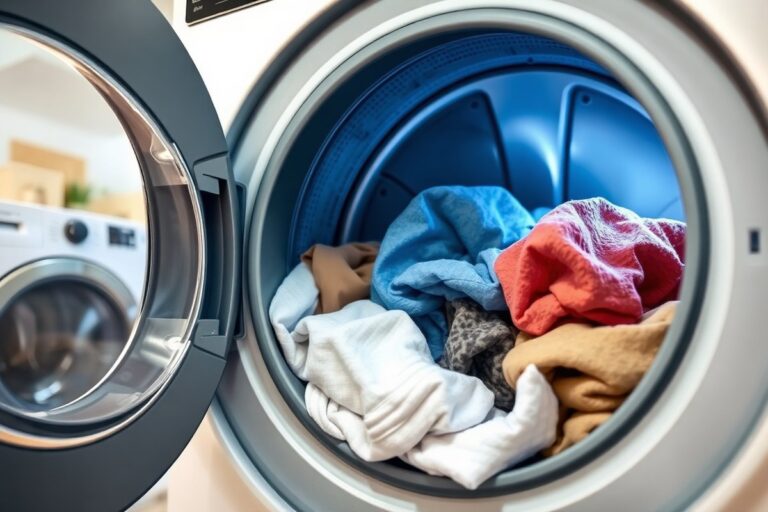
How to Wash Comforter: Complete Steps for Safe, Clean, Fluffy Results
To wash a comforter safely at home, use a washer and dryer that can handle its size, wash with gentle detergent on low heat, and dry thoroughly to prevent mildew and maintain fluffiness. Pre-treat stains and avoid harsh chemicals, allowing the comforter to soak and air out after drying for best results. This advice works for most comforter types, from synthetic fills to high-quality down.
This information suits homeowners or renters who want to clean comforters themselves, including beginners and those with some laundry experience. You’ll learn how to choose between machine and hand washing, handle stains correctly, dry without damage, and store your comforter to keep it fresh over time.
Key Takeaways
- Use a washer and dryer large enough to allow your comforter to move freely during washing and drying.
- Pre-treat visible stains by applying a mild detergent and letting it sit for at least 15 minutes before washing.
- Choose low heat settings for washing and drying to protect fabric and fill without risking damage.
- Pause the dryer every 30 minutes to redistribute the comforter and prevent clumping.
- Soak heavily soiled comforters for 15 to 30 minutes with occasional hand agitation before washing.
- Wash comforters every 3 to 6 months or more often if you have allergies or pets.
How to Wash a Comforter Safely at Home

Washing a comforter at home requires careful preparation to avoid damage and ensure it comes out clean and fluffy. Always check the care label first; many down and synthetic comforters can be washed in a large front-loading washing machine that allows the comforter to move freely. If your washer is small or has an agitator, washing a bulky comforter might not be safe, and a laundromat with commercial machines could be a better option. Washing a comforter with its duvet cover is generally not recommended because the bulky cover can prevent thorough cleaning. Instead, wash the duvet cover separately, which can be done more frequently, and wash the comforter itself about every 3 to 6 months, depending on use and hygiene needs.
- Strip the bed and remove the duvet cover. Take the comforter out of any covers or shams so you can clean it properly. Check the comforter for any stains or heavy soiling and treat those with a gentle stain remover before washing.
- Load the comforter carefully into the washing machine. Place the comforter loosely into the drum to prevent it from being compressed. A comforter must have enough room to move freely during the wash cycle to avoid clumping and to clean evenly.
- Choose the right wash settings. Use cold or warm water (not hot) to prevent fabric damage and colour fading. Select the gentle or delicate cycle, or use the bulky/sheets cycle if your machine offers it; these options provide a slower agitation and extra rinsing, which is safer for comforters.
- Use a mild detergent and down-specific cleaner if applicable. Regular detergent works for synthetic comforters, but for down comforters, use a cleaner designed for down materials, like NikWax Down Wash Direct, to maintain fluffiness and loft.
- Run additional rinse cycles. Comforters can retain detergent residue, so an extra rinse cycle helps remove all soap and prevent skin irritation.
- Remove the comforter promptly after washing. Avoid leaving it in the machine, which can lead to mildew odors. Shake it out lightly to redistribute the filling before drying.
Choosing Between Machine Washing and Hand Washing

Deciding between machine washing and hand washing your comforter depends on its size, material, and the care instructions on the label. Machine washing offers convenience and thorough cleaning for most durable comforters. Hand washing works best for delicate fillings or when your washing machine can’t accommodate the comforter’s bulk.
Advantages of Machine Washing
Machine washing is typically faster and less labor-intensive. A washer with at least 5.0 cubic feet capacity is ideal, allowing the comforter enough room to move freely. This movement helps remove dirt effectively and maintains fluffiness.
Using the delicate cycle with cold or warm water preserves the fabric while removing soil. It also uses a consistent wash action and rinse, which can achieve more uniform cleaning compared to hand washing. The cost to run a washing machine for a comforter load, including detergent and utilities, typically runs about $5.
Machine washing is preferable when the comforter is large, sturdy, and doesn’t have specific care instructions against it. Ensure you use mild detergent and avoid harsh chemicals or softeners during the cycle.
Situations Favoring Hand Washing
Hand washing is gentler and better suited for comforters with delicate or natural fillings like down or wool. It allows you to control the wash process carefully and avoid damage from rough machine agitation.
Choose hand washing when your comforter is too bulky for your machine or if the care label explicitly advises against machine washing. Use soft-bristle brushes when spot treating stains before a full hand wash to protect the fabric.
The process involves filling a bathtub or large basin with cool to warm water mixed with a mild detergent, gently immersing and squeezing the comforter to clean it, then rinsing thoroughly. Hand washing costs primarily your time and detergent, but avoids potential damage and extends your comforter’s life in sensitive cases.
Suitable Detergents and Water Temperatures
Mild detergents designed for delicate fabrics maintain the integrity of your comforter’s material and filling. Avoid harsh detergents and fabric softeners, which can reduce fluffiness and accelerate fabric wear.
Water temperature should follow the care label, but generally cold or warm water is safe for most comforters. Heat above 130°F (54°C) kills dust mites but risks fabric or color damage if used during washing, save that heat for drying. Some additives like Laundry Sauce Advanced In-Wash Scent Booster dissolve in all temperatures and safe for colors and fabric but check that your comforter tolerates any product before use.
| Washing Method | Water Temperature | Detergent Type | Machine Capacity Needed | Cost Estimate | Best Use Scenario |
|---|---|---|---|---|---|
| Machine Washing | Cold or warm, per label | Mild detergent, no softeners | At least 5.0 cu. Ft. | Approximately $5 per load | Large, durable comforters with care label approval |
| Hand Washing | Cool to warm | Mild detergent | Not applicable | Detergent cost, time investment | Delicate fillings, bulky or fragile comforters |
The right washing method depends on your comforter’s fabric, size, and filling type. Using recommended detergents and water temperatures keeps your comforter clean without risking damage.
Always read and follow the care label before choosing your washing method to avoid shrinking, color loss, or damage to the filling.
Pre-Treating Stains and Spot Cleaning Comforters
To keep your comforter clean without full washing, pre-treat stains quickly and perform spot cleaning as soon as you notice dirt or spills. These methods help prevent stains from setting and keep your comforter fresh between regular washes that generally occur two to three times per year.
Identifying Common Types of Stains
Comforters often accumulate stains from food, sweat, body oils, and spills. Food and drink stains like coffee, wine, or sauce usually require immediate attention. Sweat and body oil stains can build up gradually, causing discoloration and odor if untreated. Dirt and mud tend to dry quickly but can be loosened before washing.
Knowing the stain type helps you select the right cleaning approach. For example, protein-based stains (blood, sweat) respond well to enzyme cleaners, while oily stains need degreasing agents for effective removal.
Best Stain Removers and Soaking Times
For most comforter stains, gentle stain removers designed for delicate fabrics work best. Choose products labeled safe for down or synthetic fill to avoid damaging your comforter’s material. Look for oxygen-based bleach or enzyme stain removers that target organic stains without harsh chemicals.
Regarding soaking, let the stain remover sit on the affected area for about 10 to 15 minutes before rinsing or washing. Avoid letting the product dry completely on the fabric, as that can cause residue or set some stains. For tougher stains, a second pre-treatment or slightly longer soak may be needed, up to 30 minutes.
Spot Cleaning Techniques
Spot cleaning involves carefully addressing only the stained area without saturating the whole comforter. Use a clean rag or old T-shirt moistened with water and stain remover to blot and gently rub the stain. Avoid aggressive scrubbing to prevent damaging the fibers or fill. For spot cleaning, follow these steps to maintain your comforter’s freshness between full washes:
- Check the care label for any cleaning restrictions specific to your comforter’s fabric.
- Blot fresh stains gently with a clean white cloth or paper towel to absorb moisture.
- Apply a small amount of gentle stain remover or mild detergent directly onto the stain.
- Let the stain remover sit for 10 to 15 minutes, keeping the area moist to prevent drying.
- Using a damp rag, gently blot and rub the stain from outside toward the center.
- Rinse the rag with clean water and blot again to remove residue from the spot.
- Allow the spot to air dry completely before using the comforter again.
- If the stain persists, repeat the treatment or consider professional cleaning for tough spots.
How to Dry a Comforter Without Causing Damage
Drying a comforter without damage requires careful temperature control, frequent fluffing, and using dryer balls to keep the filling from clumping. Using low or medium heat in the dryer combined with wool or clean tennis balls helps maintain the comforter’s loft and speeds up drying. Regularly stopping the cycle to manually fluff and redistribute the fill ensures even drying and prevents heavy clumps.
Ideal Dryer Settings for Different Comforters
Set your dryer to low or medium heat to prevent fabric damage and preserve the comforter’s fill quality. High heat can break down delicate materials like down or synthetic fibers and may cause shrinkage or fabric wear. For down comforters, always use the lowest heat setting or an air-dry feature if available.
Different materials need different attention: cotton or polyester comforters tolerate medium heat better than delicate down. Follow care labels closely, as some comforters specify air-dry only or low heat instructions. Avoid overdrying by checking the comforter frequently to keep it fluffy and soft without overheating.
Using Dryer Balls to Prevent Clumping
Dryer balls, especially wool ones, or clean tennis balls help break up clumps by pounding the comforter as it tumbles. They also reduce static buildup and create spaces between layers, allowing warm air to circulate more efficiently. Adding two or three balls is usually enough for a standard comforter.
Using dryer balls costs just a few dollars for reusable wool balls or nothing if you already have clean tennis balls. They save drying time and extend your comforter’s life by preserving loft. Avoid dryer sheets altogether as they coat the fabric with softeners that reduce fluffiness and can harm down fill.
When and How to Fluff During Drying
Pause your dryer every 30 to 60 minutes to take out your comforter and fluff it by hand. Hold it by the corners and shake firmly to redistribute air and fill. Breaking up any starting clumps early prevents lasting cold spots or damp patches.
Pay attention to even drying by shifting the comforter’s position inside the dryer on restarts. This manual fluffing typically adds no more than a few minutes to drying but improves results considerably. Finish drying just after the comforter is completely dry to maintain loft and avoid fabric wear.
- Use low or medium dryer heat according to care instructions
- Add 2-3 wool dryer balls or clean tennis balls
- Stop the dryer every 30-60 minutes to fluff the comforter
- Shake the comforter holding by corners to redistribute fill
- Avoid dryer sheets to keep the fill from coating with softener
- Check for dryness after each fluff session to prevent overdrying
- Finish drying when the comforter feels fully dry but still fluffy
Determining Washer and Dryer Size for Your Comforter
Choosing the right washer and dryer size is essential for cleaning your comforter effectively without causing damage. Your comforter needs enough room to move freely in both machines. Otherwise, it could get compressed, which stops thorough cleaning and prevents the dryer from restoring its loft. For example, a king-size comforter usually requires a washer capacity of at least 5.0 cubic feet. Here’s a checklist to determine if your home machines are up to the task before washing your comforter:
- Measure the cubic feet capacity of your washing machine and dryer.
- Compare the capacity to your comforter size (twin, queen, king, or oversized).
- Confirm your comforter easily fits inside with room to spare, without forcing or compression.
- Check the washer type: large capacity front-load or top-load impeller models typically handle bulky bedding best.
- Plan to wash only one comforter per load to avoid overloading and damage.
The table below matches common comforter sizes to recommended washer and dryer capacities and offers advice on when you may need a commercial machine:
| Comforter Size | Recommended Washer Capacity (cu. Ft.) | Recommended Dryer Capacity (cu. Ft.) | Comments |
|---|---|---|---|
| Twin/Full | 3.5, 4.5 | 7.0 or larger | Fits most home machines with moderate capacity. |
| Queen | 4.5, 5.0 | 7.0 or larger | A large home machine or small commercial machine recommended. |
| King/Oversized | 5.0 or larger | 8.0 or larger | Often requires commercial-size machines at laundromats. |
For many people, their home washer and dryer may be just on the edge of fitting a large comforter. Avoid squeezing your bedding tightly into the machines. This restriction limits water and detergent circulation, leading to uneven cleaning and potential fabric stress. Likewise, a dryer that’s too small won’t allow your comforter to fluff up properly, which could leave damp spots and flatten the filling.
Tip: If your comforter barely fits in your washer or dryer, opt for a commercial-size machine at your local laundromat to prevent damage and get it truly clean.
When your home machines can handle the size, use mild detergent, wash the comforter alone, and select a gentle cycle with lukewarm water to protect the fabric. The dryer should run on low heat, and you may need to pause every 30 minutes to redistribute the comforter for even drying. These steps help maintain your comforter’s quality while ensuring it gets thoroughly washed and dried.
How Often to Wash Your Comforter and Seasonal Upkeep
Washing your comforter depends largely on its use, protection, and your personal needs. For most people, washing the comforter every three to six months is enough to maintain hygiene and longevity. Using a removable duvet cover helps significantly because you can wash the cover weekly while reducing how often the comforter itself needs cleaning. Without a cover, you may want to wash the actual comforter every one to two months, depending on use and exposure to dirt or sweat.
Seasonal changes affect washing frequency as well. During colder months, when you use your comforter daily, washing it every three to four months keeps it fresh. In warmer seasons or if you use a lighter top sheet or no cover, airing out your comforter regularly in the sun can prevent odors and reduce the need for frequent washing. Sunlight helps freshen the filling and shell by naturally killing bacteria and drying out moisture.
Allergies require more frequent washing. If dust mites or allergens affect you, washing your comforter monthly can help reduce symptoms. Use gentle detergent and a delicate cycle to protect the fabric and filling. A high-quality down comforter, if maintained this way, can last from 10 to 15 years. Washing it too often or roughly might damage its loft and reduce warmth.
To keep a down comforter fluffy, always use a mild detergent and cold water when washing. Avoid bleach and harsh chemicals that break down natural down feathers. After washing, dry the comforter thoroughly on low heat with clean tennis balls or dryer balls to break up clumps and restore loft. Fluff the comforter after drying by shaking it out and giving it occasional sun baths to maintain fluffiness and freshness.
Routine upkeep, such as removing the duvet cover weekly and airing out the comforter outside once a month, extends the lifespan and comfort of your bedding. This simple seasonal and situational approach saves energy and reduces wear while keeping your bed inviting and clean. Cleaning only as needed prevents damage, saves time, and ensures consistent comfort over years of use.
Common Comforter Washing Mistakes and How to Fix Them
Many people make the mistake of washing their comforter with other laundry items, which leads to uneven cleaning and abrasion. Comforters need space in the washing machine for thorough washing and rinsing. Overloading the washer can damage the fabric and the appliance. To avoid this, always launder the comforter alone and do not cram it into a machine that is too small.
Another common error is ignoring the comforter’s care label. Washing at the wrong temperature or using harsh detergents can break down the insulation or fabric. Follow the manufacturer’s instructions carefully to protect the materials and extend your comforter’s lifespan. If you’re unsure about machine washing, hand washing or professional cleaning are safer choices, especially for delicate comforters.
Failing to check for tears or loose seams before washing can make the damage worse during the wash cycle. Examine your comforter carefully and repair any openings. This will keep the fill from shifting or escaping, which prevents clumping and helps the comforter dry evenly.
When your comforter comes out clumpy or uneven, it usually means the filling has shifted. To fix this, redistribute the fill by shaking and fluffing the comforter immediately after washing and during the drying process. Use low heat and include clean tennis balls or dryer balls in the dryer to break up clumps and maintain loft. This technique encourages even drying and restores an even surface.
- Always wash one comforter at a time in an appropriately sized machine
- Check and repair any damage before washing
- Stick to mild detergents and follow care label washing instructions
- Avoid washing with other heavy or abrasive items
- Fluff and redistribute fill after washing and during drying
- Use low heat and dryer balls to prevent clumping during drying
Washing your comforter often harms the fabric and filling, but waiting too long causes dirt, sweat, and oils to build up. Regular care with the right methods ensures your comforter stays clean, comfortable, and lasts longer without damage or poor cleaning results.
Proper Storage Tips to Keep Comforters Fresh and Odor-Free
Storing a comforter correctly helps keep it fresh, clean, and fluffy while preventing odors, mildew, and damage. The most important step is to make sure the comforter is completely dry before storing it. Any lingering moisture can cause mildew growth, which leads to unpleasant smells and fabric deterioration. Dry your comforter thoroughly by using multiple dryer cycles if needed, and feel the inside for damp spots before putting it away.
Use a breathable storage bag made of cotton or linen instead of plastic. Plastic traps moisture and blocks airflow, increasing mildew risk. A breathable bag allows the comforter to stay dry and fresh. Choose a cool, dry place for storage, such as a closet or under-bed storage, away from direct sunlight and heat sources. High temperatures and UV rays can damage the fabric and reduce loft. Avoid basements, garages, or other damp areas prone to moisture.
Let your comforter air out before storing, ideally by spreading it out on a clean flat surface in a well-ventilated space. This helps evaporate any residual moisture and keeps the filling fluffy. You could do this for a few hours on a dry day, then fold it loosely so air can still circulate inside the storage bag. Tight compression can crush the loft, so avoid vacuum-sealing or squashing your comforter firmly.
Before storing, check for any rips, tears, or weak spots and mend them to prevent further damage. Cleaning comforters annually keeps them fresh and ready for use. Once clean and dry, folding the comforter gently and placing it in the breathable bag protects it from dust and pests. Store it in a place with good air circulation to reduce the risk of stale, musty odors over time.
A simple checklist to follow: fully dry your comforter, air it out in a ventilated space, use a breathable storage bag, store in a cool dry spot away from sunlight, and repair any damage before putting it away. These steps help maintain your comforter’s loft and freshness, extending its lifetime. Skipping proper drying or using plastic bags often leads to mildew smells and can permanently damage the filling and fabric.
Never store a comforter while damp or wet, as trapped moisture causes mildew and permanent damage.
Step-by-Step Action Plan for Washing and Caring for Your Comforter
Follow these steps to keep your comforter clean and fresh without damaging it. Each step helps you check if you’re on the right track towards proper care.
- Before you start: Check the care label on your comforter to confirm washing instructions and suitable water temperature.
- Day 1: Pre-treat any visible stains with a mild detergent or stain remover, letting it sit for 10-15 minutes to increase effectiveness.
- Day 1: Choose machine wash if your comforter fits comfortably in the washer without compression, use a gentle cycle with warm water and mild detergent.
- Day 1: For delicate or large comforters, wash by hand in a bathtub with lukewarm water and a mild detergent, gently soaking and rinsing thoroughly.
- After washing: Dry the comforter on low heat in a large dryer or air dry by laying it flat in a well-ventilated area, occasionally fluffing it to prevent clumps.
- Weeks 1-2: Use your comforter as usual but spot clean any new stains promptly to avoid deep set-in marks.
- Monthly: Air out your comforter by hanging it outside on a dry, sunny day to keep it smelling fresh and fluff up the filling.
- Seasonal: Store your clean comforter in a breathable, sealed bag or container in a cool, dry place to protect it during off-seasons.
Frequently Asked Questions
Can You Wash a Comforter with Down Filling in a Regular Washing Machine?
Yes, you can wash down-filled comforters in a regular machine if it’s large enough and has a gentle cycle; always follow the care label to avoid damaging the feathers or fabric.
How Do You Prevent Clumping in a Down Comforter During Washing and Drying?
Use tennis balls or dryer balls in the dryer to help redistribute the filling and prevent clumping for even fluffiness throughout your comforter.
Will Washing a Comforter Remove Dust Mites Effectively?
Washing at temperatures above 130°F kills dust mites, but if concerned about fabric damage, use cool water washing and dry on high heat to eliminate them safely.
How to Avoid Shrinkage When Washing a Cotton Comforter?
Wash with cold water on a gentle cycle and avoid high heat drying to reduce the risk of shrinking cotton fibers in your comforter.
Is It Necessary to Use Laundry Detergent Specifically Made for Down or Delicate Fabrics?
Using a mild detergent designed for delicate fabrics or down helps preserve the comforter’s filling and fabric without stripping natural oils or causing damage.
How Long Does It Usually Take to Dry a Thick Comforter Completely?
Drying can take several hours, often 2 to 4 hours on low or medium heat; add dryer balls and check periodically for damp spots to prevent mildew.
The Bottom Line
You can maintain a clean and comfortable sleeping environment by following these care steps carefully. The next time you notice any stains or musty smell, act quickly to wash or treat your comforter following these guidelines. Proper care pays off by keeping your comforter soft and lasting longer.