How to Make White Shirts White Again: 8 Proven Methods That Work
To make white shirts white again, start by properly sorting your laundry, pre-treating stains, and using the right water temperature. Choose whitening agents based on your fabric type and soak shirts as needed to restore brightness. This approach works well for most home laundry situations where you want to bring back crisp, clean whites without damaging your clothes.
This advice suits anyone dealing with yellowed or grayed white shirts who wants practical, tried methods to brighten them safely at home. You’ll learn effective stain removal techniques, water temperature guidelines, and how sorting affects the outcome.
Key Takeaways
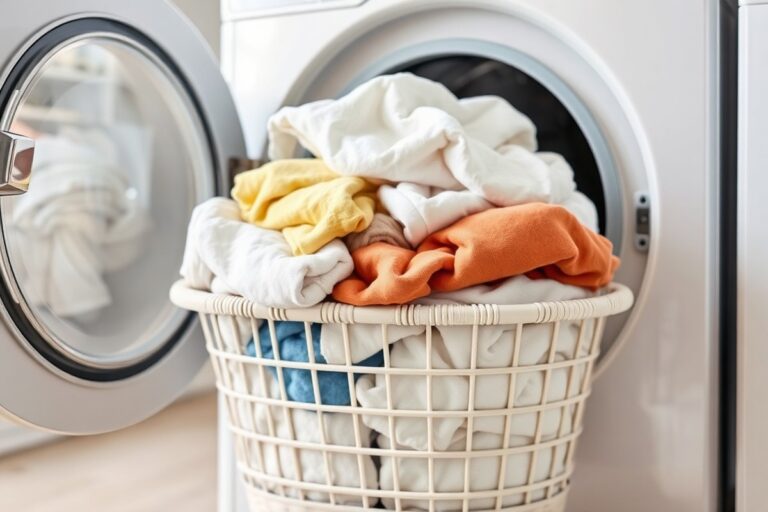
- Sort white shirts by color and fabric to prevent discoloration and fabric damage during washing.
- For yellow or gray whites, soak shirts in warm water with lemon juice for 30 to 60 minutes before laundering.
- Pre-treat acidic stains like coffee or fruit juice by applying lemon juice or hydrogen peroxide directly for 10 to 60 minutes.
- Use hot water (112 to 145°F) for cotton whites but wash delicate fabrics like wool or linen in cold or warm water.
- Apply a paste of baking soda and water on stains and leave for 30 to 60 minutes to help lift discoloration.
- Avoid mixing whites with light colors or grays to maintain brightness and prevent color transfer.
1. How to Make White Shirts White Again at Home
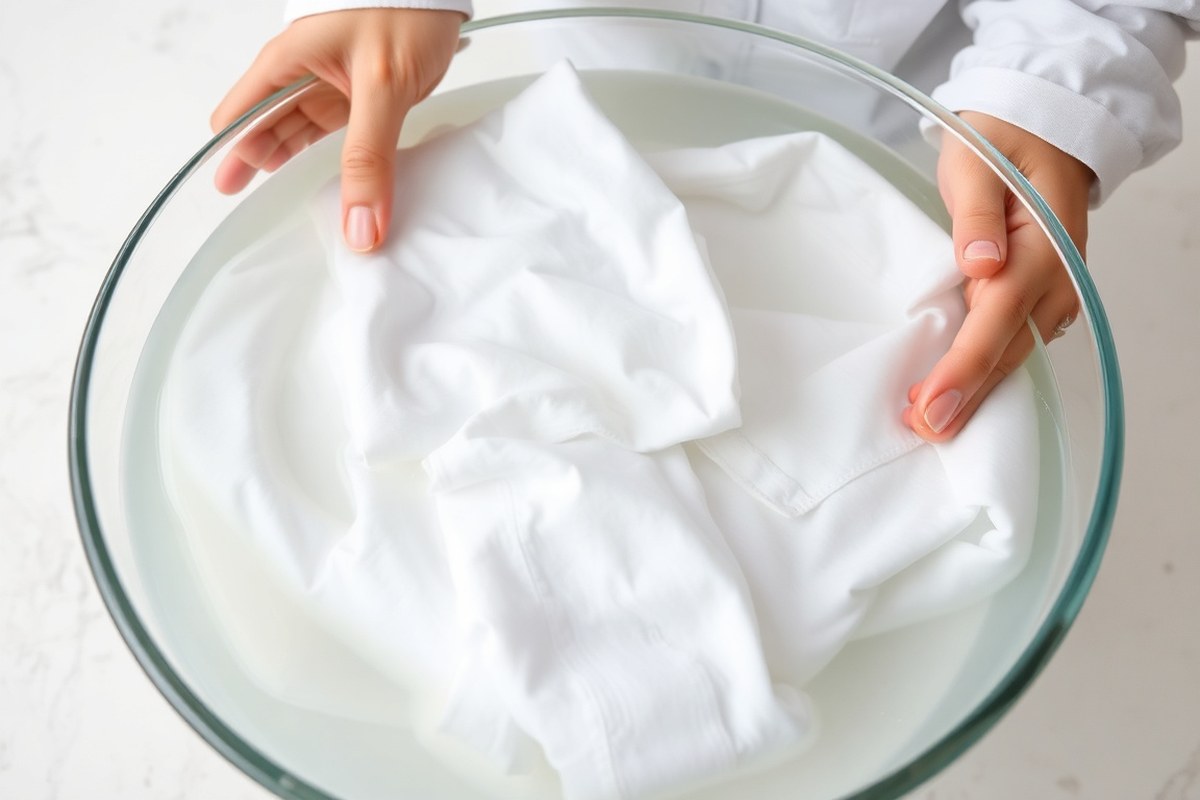
Whitening white shirts at home is a straightforward process that involves soaking, treating stains, and washing with the proper products and temperatures. Oxygen bleach is a safe choice for most fabrics, except delicate synthetics and silks, where milder options like lemon juice or white vinegar work better. Soaking time varies depending on how dingy the shirt is, from one hour for basic whitening to up to overnight for tough stains or yellowing. Hot water is ideal for cotton and linen dress shirts if the care label allows, boosting the whitening effect. Follow these exact steps to renew your white shirts effectively:
- Sort shirts by fabric type and read care labels. Use hot or warm water for cotton and linen; choose warm to cold for synthetic blends or delicate fabrics.
- Prepare a soaking solution. For general whitening, dissolve oxygen bleach according to the package instructions in warm water. For natural whitening, mix the juice of two lemons in 1 gallon (3,800 ml) of warm water, or add 1 cup of distilled white vinegar per gallon.
- Soak your white shirts. Submerge the shirts fully in the solution. Soak for 1 hour for general brightening, 2-3 hours for moderate stains or dullness, or up to overnight for heavy yellowing or tough stains.
- Spot-treat stubborn stains. Apply a small amount of hydrogen peroxide directly to spots like underarm yellowing. Let it sit for 10 minutes before rinsing.
- Rinse the shirts thoroughly. After soaking and spot treatments, rinse the shirts under warm water to remove residue, then soak for another 30-60 minutes in clean hot or warm water with a bit of detergent to further lift away dirt.
- Wash shirts as usual. Use your regular laundry detergent and the hottest water safe for the fabric. Adding an oxygen bleach booster to the wash can improve results.
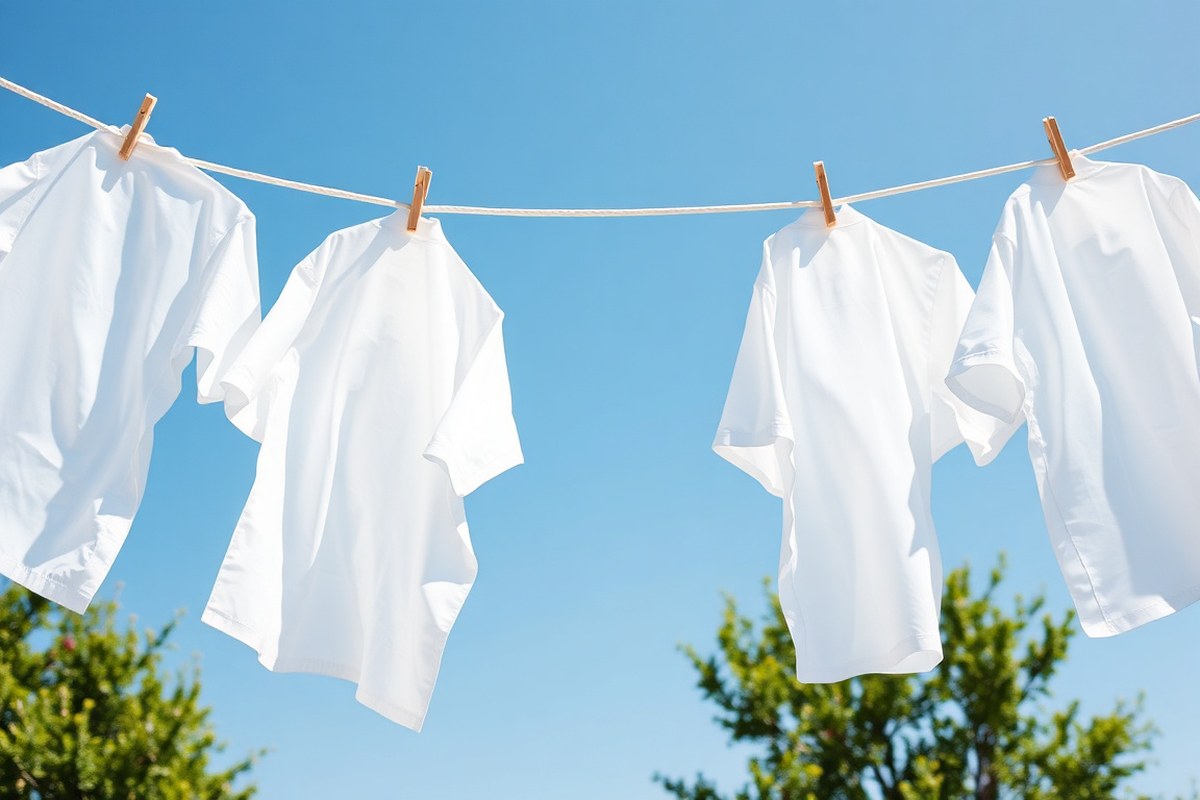
- Hang shirts in direct sunlight to dry. The sun’s UV rays naturally whiten fabrics and reduce bacteria, improving brightness without harsh chemicals.
The entire process typically takes several hours but can be paused after soaking if you must. Maintain the fabric’s integrity by avoiding chlorine bleach unless the care label specifically allows it, as it can damage fibers or cause yellowing on synthetics. The cost ranges from a few cents per soak with household items like lemon juice and vinegar to a couple of dollars using oxygen bleach powders or liquids, making it a budget-friendly option compared to professional cleaning.
2. Why Do White Shirts Turn Yellow or Gray over Time?

White shirts turn yellow or gray mainly due to the buildup of body oils, sweat, detergents, and environmental factors like oxidation and water hardness. These causes affect the fabric’s appearance by embedding stains or residues that normal washing can’t fully remove. Recognizing the precise reasons behind discoloration helps you apply the right cleaning methods to restore whiteness safely.
Body Oils and Sweat Build-Up
Sweat and body oils are the most common sources of yellowing on white shirts. When you wear a shirt, natural oils from your skin and sweat interact with the fabric fibers. Over time, this causes a yellowish tint especially around collar, underarms, and cuffs. Stains from sweat contain ammonia and proteins that can react with the fabric, making discoloration more permanent if untreated. These deposits penetrate the fibers and resist regular washing, intensifying the yellowing as you continue to wear the shirt.
Proper pre-treatment and deep washing are often required to break down these oil-based stains. Old yellow sweat stains often darken with age, making removal more difficult. Washing shirts promptly and thoroughly after use slows the buildup process.
Detergent and Fabric Softener Residue
Excessive use of detergent or fabric softeners can lead to a dingy, grayish buildup on white shirts. Residues accumulate on the fabric during washing and do not always rinse out completely, especially if you use too much detergent or wash in hard water. This residue traps dirt and oils, dulling the brightness of white shirts and contributing to that gray or yellowish tint.
Overusing detergent doesn’t improve cleaning; it actually makes fabric look less white. Using the recommended amount and opting for detergents labeled for whites can reduce residue. Adding distilled white vinegar during the rinse cycle helps strip leftover detergent and fabric softener, restoring whiteness and softness.
Oxidation and Environmental Factors
Oxidation occurs when white fabrics are exposed to sunlight, air, and moisture for extended periods. The fibers react chemically with oxygen, causing colors to fade or shift toward yellow or gray shades. Storing white shirts in damp or poorly ventilated areas can accelerate this process. Likewise, washing and drying white shirts improperly or infrequently allows oxidation to set in more easily.
Exposure to minerals in hard water contributes to discoloration by lodging deposits in the fabric. The trapped minerals can combine with detergents and body oils, creating dull, gray patches. Air drying in direct sunlight provides some natural whitening effect, but too much sun can also weaken the fabric and cause fading.
Stains from Deodorants and Other Chemicals
Deodorants and antiperspirants commonly stain white shirts yellow or gray. Chemicals like aluminum compounds in deodorants react with sweat and fabric fibers to cause discoloration, especially under the arms. Even invisible deodorant residue can encourage yellowing if not removed quickly.
Other chemical stains from foods, drinks, or environmental pollutants may also contribute to yellow or gray areas when not treated promptly. Since these stains interact with fabric fibers differently, they often require targeted pre-treatment before washing to avoid permanent marks.
Overuse of bleach may worsen yellowing and damage fabric, so always check label instructions and use carefully only on bleach-safe materials.
3. Choosing the Right Whitening Agent for Fabric Types
Choosing the right whitening agent depends largely on the fabric type of your white shirts. Chlorine bleach is powerful but should be reserved only for colourfast cotton and linen that allow bleach use, and always diluted to avoid fabric damage. Oxygen bleach and hydrogen peroxide offer gentler alternatives that work well on a wider range of fabrics, including synthetics and delicates, without the harsh effects of chlorine bleach. Natural whiteners like lemon juice can brighten cotton and polyester safely but are less effective on heavy stains or graying.
| Fabric Type | Recommended Whitening Agent | Usage Guidelines | Notes |
|---|---|---|---|
| Cotton (colourfast) | Chlorine bleach (diluted), Oxygen bleach | Dilute chlorine bleach as instructed; oxygen bleach per package; wash with hottest allowed water | Effective for strong whitening; avoid high concentration of chlorine bleach to prevent fabric weakening |
| Linen (colourfast) | Chlorine bleach (diluted), Oxygen bleach | Diluted chlorine bleach safe if label permits; oxygen bleach for general brightening | Follow garment care label to prevent damage |
| Synthetics (polyester, nylon) | Oxygen bleach, Hydrogen peroxide, Lemon juice | Use oxygen bleach powders or add 1/4 to 1/2 cup lemon juice to wash; peroxide as a safe additive | Avoid chlorine bleach as it may damage fibers and cause yellowing |
| Delicates (silk, wool) | Hydrogen peroxide, Oxygen bleach (colour-safe), Natural agents | Use gentle, diluted oxygen bleach or hydrogen peroxide; natural whitening (lemon juice) recommended | Chlorine bleach is not safe; test on small area if unsure |
| Mixed fabrics | Oxygen bleach, Hydrogen peroxide | Use color-safe oxygen bleach or add peroxide carefully; avoid chlorine bleach | Safe for multiple fiber types without harsh effects |
Using chlorine bleach can deliver strong whitening but must be used carefully on bleach-safe fabrics only, following the garment care label. Always dilute bleach to avoid weakening or yellowing of fabric fibers. Oxygen bleach products, typically in powder form labeled as “colour-safe,” provide a safer and more fabric-friendly option suitable for most white shirt types. These work well in combination with the hottest water temperature that the label allows.
Hydrogen peroxide stands out for being environmentally friendly and less toxic, making it suitable for delicate fabrics and mixed fibers. Use it by adding 1/4 cup to your wash cycle as a whitening booster. For natural whitening, lemon juice can be added (about 1/4 to 1/2 cup) to the wash cycle, especially effective on cotton and polyester shirts. However, natural options might not fully restore heavily yellowed or stained fabrics but can help maintain brightness during routine washes.
4. How to Pre-Treat and Remove Stains from White Shirts
Pre-treating stains on white shirts is key to restoring their brightness. Using natural products like vinegar, hydrogen peroxide, lemon juice, and baking soda can effectively target coffee, sweat, and rust stains without harsh chemicals. Proper soaking times and the right application method improve stain removal and help maintain fabric quality.
Using White Vinegar and Detergent
White vinegar helps break down residues and odors while boosting your detergent’s stain-fighting power. For light stains such as sweat or mild discoloration, vinegar works well as a pre-treatment or added during the rinse cycle to refresh the fabric.
To pre-treat stains, mix equal parts white vinegar and water and apply directly to the stained area. Let it sit for 15 to 30 minutes before washing. Alternatively, add ½ to 1 cup of white vinegar to the washing machine’s last rinse cycle to remove detergent buildup and odors, which can cause dinginess.
Hydrogen Peroxide for Stubborn Stains
Hydrogen peroxide acts as a mild bleach and disinfectant, making it ideal for tougher stains like coffee, fruit juice, and sweat. Use it as a spot treatment or in a pre-soak to whiten and brighten white fabrics without damaging fibers.
Make a paste by combining equal amounts of hydrogen peroxide and baking soda. Spread this paste over acidic stains like coffee or fruit juice, then leave it on for 30 to 60 minutes before washing. To tackle tough yellow underarm marks, create a baking soda and water paste and rub it on the area before washing in the warmest water recommended on the garment’s label.
Lemon Juice and Baking Soda Paste Application
Lemon juice contains natural acids that break down rust and to brighten whites. Combined with baking soda, it creates a mild abrasive and bleaching action for tough spots.
For rust stains, soak the area with lemon juice, sprinkle cream of tartar or salt on it, and gently rub the mixture into the stain before rinsing. For general stain removal, dilute ⅓ cup of lemon juice in ⅔ cup of water and soak the stained section for 15 to 30 minutes. Apply lemon juice mixed with baking soda into a thick paste for direct application on stubborn stains and allow it to sit for up to an hour before washing.
Soaking Duration Recommendations
Soaking time influences how deeply stains are broken down. Short soaks work for light stains, while longer soaks are better for persistent discoloration or buildup.
- Fill a basin or sink with warm water, depending on the fabric’s care label.
- Add your chosen agent: 1 cup of baking soda for yellowing or odors, or ½ cup lemon juice per gallon of water for stronger whitening.
- Submerge the white shirt completely and allow it to soak.
- For light to moderate stains, soak for 30 minutes to one hour for effective treatment.
- For stubborn stains or heavy yellowing, soak up to 8 hours or overnight for the best results.
- Remove the shirt and gently rub pre-treated areas to loosen stains before washing.
- Launder the shirt according to its care label in the warmest water safe for the fabric.
Over-soaking or using hot water on delicate shirts may weaken the fabric or cause shrinkage, so adjust soaking times and temperatures based on care labels. Promptly addressing stains by pre-treating soon after soiling leads to better outcomes.
5. Water Temperature and Washing Techniques for Whiter Whites
Using the right water temperature and washing techniques can make a big difference in restoring the bright whiteness of your shirts while protecting the fabric. Hot water, defined by the federal care-label glossary as 112 to 145°F, is best at removing body oils and tough soils that dull white fabrics. For sturdy cotton shirts, washing in the hottest water setting allowed by the care label helps lift stains and brighten fabric fibers. However, delicate fabrics require cooler temperatures to prevent damage.
Warm water, ranging from 87 to 111°F, is a good balance for synthetic blends and fabrics that tolerate some heat but could shrink or lose shape in hot water. Cold water (up to 86°F) works well for washing shirts made from silk, lingerie materials, spandex, and activewear, where heat risks weakening fibers or setting protein-based stains like blood. It’s important to pre-treat stains properly and match water temperature with fabric type to maximize whitening effects without ruining the shirt.
| Fabric Type | Recommended Water Temperature | Reason |
|---|---|---|
| Cotton shirts, towels, sheets | Hot (112 to 145°F) | Lifts oils and soil effectively, brightens whites |
| Synthetic blends, stretch fabrics | Warm (87 to 111°F) | Preserves fabric integrity, dissolves oils |
| Silk, lingerie, spandex, activewear | Cold (up to 86°F) | Prevents fabric damage and shrinkage |
| Protein stains (e.g., blood) | Cold rinse before washing | Prevents stain setting caused by heat |
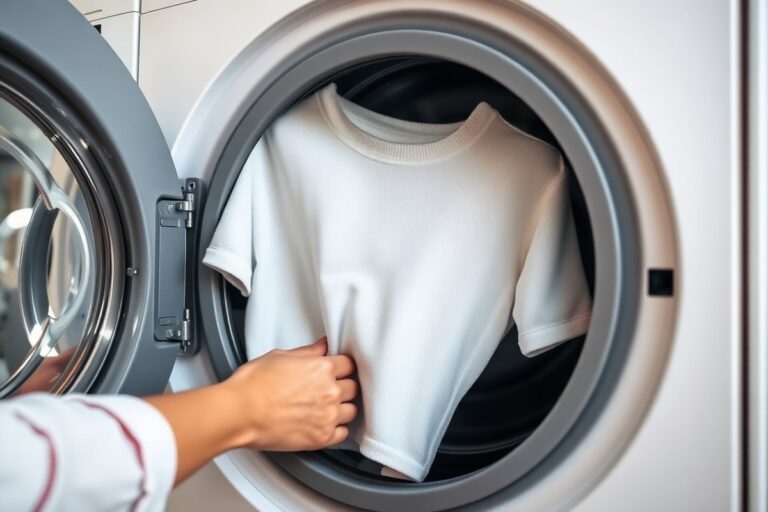
Before washing, pre-treat any stains with detergent or a stain spray. Soaking white shirts in hot water mixed with oxygen bleach or white vinegar for a few hours can also help boost whiteness. Use the hottest water that the shirt’s care label recommends but avoid hot water on delicate fabrics, or you risk weakening fibers or causing shrinkage. Washing machines provide settings labeled “hot,” “warm,” or “cold,” so choose appropriately and avoid overloading the machine to ensure enough water agitation for thorough cleaning. A simple practice to maintain washer performance and prevent residue buildup that discolours whites is to run a monthly empty cycle with hot water and two cups of distilled white vinegar.
Always check your shirt’s care label before selecting hot water; using too hot water on delicate fabrics can cause irreversible damage.
To optimize whitening with your washing machine, follow this checklist:
- Sort whites separately to prevent colour transfer.
- Use the hottest water temperature safe for the fabric.
- Pre-treat stains and soak whites in hot water with oxygen bleach or vinegar when possible.
- Avoid overloading the washing machine to allow proper water flow and agitation.
- Run monthly maintenance cycles with hot water and vinegar to keep the machine clean.
- Rinse protein stains in cold water before washing to prevent setting.
- For delicate whites, always choose cold water and gentle wash settings.
Following these steps helps remove stubborn stains, prevent yellowing, and keeps white shirts looking fresh longer while respecting the fabric’s needs.
6. Natural Whitening Alternatives and Homemade Remedies
Natural whitening options like baking soda, vinegar, lemon juice, and sunshine can effectively brighten white shirts without harsh chemicals. These alternatives help remove dulling residues, break down stains, and restore brightness while being gentle on fabric and the environment. Proper use, including dosages and timing, gets the best results.
Baking Soda Soaks and Laundry Booster
Baking soda (sodium bicarbonate) works as a gentle whitening agent by neutralizing odors and loosening dirt and stains. It helps maintain fabric brightness when added to your laundry routine. Baking soda also softens water, making detergents more effective.
Use baking soda as a soak or add it directly to your wash to boost whiteness. For a soak, dissolve baking soda in warm water to break down yellowing or dingy buildup before washing.
- Fill a basin with warm water (about 100°F or 38°C).
- Add ½ cup of baking soda and stir until dissolved.
- Submerge the white shirt completely in the solution.
- Let it soak for 1 to 4 hours, depending on the level of dullness.
- After soaking, wash the shirt as usual using your regular detergent.
- For brightening during the wash, add ½ cup of baking soda along with detergent in the washing machine.
- Dry the shirt as directed on the care label, preferably air drying in indirect sunlight.
Soaking works best for removing mild yellowing or sweat stains. Baking soda costs just a few cents per load and is widely available. Avoid using hot water, which can set some stains or shrink fabric.
Distilled White Vinegar as Fabric Softener and Whitener
Distilled white vinegar acts as a natural deodorizer, fabric softener, and mild whiteness booster. It helps dissolve residues from detergent and minerals from hard water that cause cloudiness and yellowing. Vinegar also prevents lint and pet hair from clinging to fabric. In the rinse cycle, vinegar works gently to refresh whites without harsh chemicals, leaving a subtle citrus scent.
- Add ½ cup of distilled white vinegar to the rinse cycle of your washing machine.
- Do not mix vinegar with bleach or ammonia, as this produces harmful fumes.
- Run your regular wash cycle with detergent before the rinse.
- Dry the shirt normally, either by air drying or machine drying.
Using vinegar does not bleach fabric but helps break down residues and brighten whites over time. A bottle of vinegar costs under $2 and lasts for many loads. Use it regularly for fresher, softer shirts without fabric damage.
Lemon Juice Soaking and Sun-Drying
Lemon juice contains natural acids and mild bleaching agents that lighten yellow or dingy whites. It also adds a fresh scent. Combining lemon juice with sun exposure improves the whitening effect. Soaking clothes briefly in lemon juice before washing and then drying them in sunlight improve brightness safely.
- Fill a basin or sink with warm water (around 90°F or 32°C).
- Squeeze the juice of 1 to 2 fresh lemons or measure ½ cup of pure lemon juice into the water.
- Immerse the white shirt fully and let it soak for 30 minutes to 1 hour.
- After soaking, wash the shirt as usual with detergent.
- Dry the shirt in direct sunlight to amplify the whitening effect.
- Repeat as needed for stubborn yellowing, avoiding excessive soaking that could weaken fabric.
This method complements regular laundry by gently breaking down stains. Lemon juice is inexpensive and biodegradable. Avoid direct contact with delicate fabrics or colors to prevent faint bleaching spots.
Harnessing Sunshine to Brighten Whites
Sunlight naturally bleaches fabric through ultraviolet (UV) rays that break down and fade stains and discoloration. Drying freshly washed white shirts outdoors in direct sunlight improve this effect without chemicals. Use sunshine safely by washing shirts thoroughly first; dirt and residue in the fabric can reduce sun bleaching and cause uneven fading.
- Wash white shirts using your preferred detergent and fabric care instructions.
- After washing, gently shake out excess water to reduce wrinkles.
- Hang shirts outdoors in direct sunlight on a bright, dry day.
- Allow drying for 2 to 4 hours, depending on sunlight intensity and fabric thickness.
- Bring shirts inside before evening to prevent moisture reabsorption from dew.
Drying whites in sunshine costs nothing and helps maintain bright whiteness naturally. Avoid prolonged exposure for fragile or delicate fabrics to prevent fiber damage or yellowing that UV overexposure can cause.
7. Avoiding Common Mistakes That Cause Yellowing and Damage
White shirts can yellow faster when they are not washed properly or exposed to certain conditions. Common errors include overloading the washing machine, which causes dirt to redeposit onto fabrics. Using too much bleach also harms whites by causing yellowing and weakening the fibers. Excessive detergent can build up on fabric, making whites appear dull and causing premature wear. Heat drying and washing with very hot water accelerate wear and discoloration. Sweat and body oils that remain on shirts after washing will cause yellowing, especially when chlorine bleach reacts with synthetic fibers. Storing whites in plastic bags for long periods traps moisture and speeds yellowing as well.
Preventing these problems means following a careful routine. Use only the recommended amount of detergent, typically about 1 to 2 tablespoons for a regular load. Avoid stuffing the washer drum beyond three-quarters full to give clothes room to rinse properly. Add bleach carefully and sparingly, no more than ¼ cup per load, and do not pour it directly into the detergent dispenser to avoid clogging. Wash whites in warm water instead of hot, and skip heat drying when possible, opting for air drying to preserve fabric quality. Remove stains promptly using stain removers safe for whites, avoiding chlorine bleach on sweat stains to prevent deepening yellow marks. Finally, store white shirts in breathable cotton garment bags rather than plastic to reduce moisture buildup.
- Do not overload the washer to avoid redepositing dirt
- Use 1 to 2 tablespoons of detergent per load, no more
- Limit bleach to ¼ cup per load, dilute properly, and add separately
- Wash whites in warm water, not hot, to reduce wear
- Air dry instead of heat drying to prevent fabric damage
- Treat stains promptly and avoid bleach on sweat marks
- Store shirts in breathable bags, not plastic, to prevent yellowing
Using too much bleach or harsh detergents over time will break down fabric fibers and make whites yellow or gray permanently. Detergent buildup feels stiff on fabric and blocks proper rinsing, which dulls whiteness. By sticking to appropriate amounts and washing methods, you protect your shirts’ brightness and extend their life. Proper care costs no more than standard laundry chemicals and takes just a few minutes more per load. A good result shows bright, crisp whites with no stains or yellowing, while mistakes lead to dinginess, fabric thinning, and early wear.
8. When to Consult Professionals for Restoring White Shirts
Whitening a shirt at home can work well for light discoloration and routine stains, but some conditions mean professional cleaning is the better choice. Shirts with tough, set-in stains like deep oil, ink, or rust are difficult to fully restore without specialized chemicals and equipment. Damage such as fabric weakening, holes, or shrinkage also calls for expert evaluation. When the shirt is made of delicate fabric such as silk or includes intricate details like embroidery, professional cleaning helps prevent further damage while treating whiteness problems.
Look for these signs to decide if professional help is needed: stains that don’t lift after home treatments, persistent yellowing despite bleaching, fabric that feels stiff or fragile, and any visible damage caused by prior attempts to whiten it. Shirts exposed to substances like deodorant buildup, sweat that has deeply set in, or discoloration from water minerals can require the stronger solvents professionals use. After trying home methods for more than two cleaning cycles without success, consulting an expert can be a good choice.
Professional cleaners use methods not available at home to restore white shirts. They often begin with a careful pre-treatment, applying specialty detergents and stain removers designed to dissolve residues without damaging fabric fibers. This process might include soaking the shirt at controlled temperatures, which can go above your typical washing machine settings but below fabric damage thresholds, usually between 90°F and 120°F. After soaking, they use industrial washing machines with precise water agitation to remove loosened dirt and stains. For delicate materials, professionals may use gentle solvents or steam cleaning to revive whiteness without harsh chemicals.
The cost of professional cleaning varies by location and fabric but expect to pay between $10 and $25 per shirt at most local cleaners. High-end or specialty fabrics, like silk, may cost more due to additional handling. You can recognize success by a visibly brighter shirt free from shadowy stains and a fabric texture that feels smooth and intact. Beware of overcrowding in commercial machines during drop-offs, which can reduce cleaning effectiveness.
When a white shirt cannot be whitened at home, bringing it to professional cleaners specializing in stain removal and fabric care can save it. For example, a service located at 1911 E Brown Rd, Unit 1, Mesa, emphasizes their ability to lift lingering stains and carefully dissolve build-up that home methods miss. Professionals also advise against applying heat on stained areas before treatment, as heat sets stains permanently, meaning delaying expert intervention can reduce chances of full restoration.
Take immediate action on new stains by avoiding heat and consulting a professional if they don’t come out with gentle pre-treatment at home.
Step-by-Step Action Plan for Restoring Your White Shirts
Follow these practical steps to bring your white shirts back to a bright, clean look safely at home. Each step includes a simple check to confirm your progress.
- Before You Wash: Check your shirt labels for fabric type and care instructions to choose the right whitening agent and water temperature.
- Day 1: Pre-treat any visible stains with a stain remover or a paste of baking soda and water; the stains should lighten or disappear after treatment.
- Day 2: Wash shirts in warm water with a detergent formulated for whitening, adding oxygen-based bleach for cotton or polyester blends; confirm shirts look visibly cleaner after washing.
- Day 3: After washing, dry shirts in direct sunlight when possible to help naturally brighten fabrics; the fabric should appear brighter and fresher.
- Day 4: For tougher yellowing, soak shirts overnight in a mixture of water and non-chlorine whitening agents; check for noticeable whitening when rinsed.
- Weekly Maintenance: Avoid fabric softeners and use gentle detergents regularly to prevent build-up and yellowing; shirts should maintain whiteness longer between washes.
- Monthly Check: Inspect shirts for any new stains or dullness and repeat spot treatment or soaking as needed; consistent brightening confirms success.
Frequently Asked Questions
How to Clean White Clothes Which Have Turned Yellow?
Use an oxygen bleach soak or a baking soda paste on yellowed areas, then wash with hot water if the fabric allows. This treatment targets common yellowing, especially underarm marks.
How Can I Get My Dingy White Clothes White Again?
Pre-soak with oxygen bleach and wash with the hottest water safe for the fabric. Proper sorting and the right detergent also improve whiteness.
Can I Bleach White Shirts, and If so, How?
Yes, but only if the fabric care label permits chlorine bleach; usually, oxygen bleach is safer. Use diluted bleach and avoid too much to prevent yellowing or damage.
How Do You Get Rid of Stains on a White Shirt?
Pre-treat stains by soaking with hydrogen peroxide or vinegar and detergent depending on the stain type, then wash normally with appropriate water temperature.
What Water Temperature Is Best for Washing White Shirts?
Use the hottest water recommended on the care label for the brightest results; cotton and linen tolerate hot water best, synthetics need cooler.
Does Washing White Shirts with Colored Clothes Cause Yellowing?
Yes, mixing colors can cause discoloration and dullness; always wash whites separately to keep them bright.
Wrapping Up
White shirts can regain their crisp look with the right care and attention. Using recommended cleaning methods protected by proper sorting, stain treatment, and whitening agents lets you keep them bright longer. Start by identifying your fabric type now to pick the whitening option that works best for your shirts.