
How to Clean Canvas Shoes: 8 Essential Steps for Lasting Freshness
Cleaning canvas shoes starts with gentle hand washing using mild detergent and soft brushes to avoid damage. Machine washing is an option if your shoes are 100% canvas without any delicate or leather parts. Knowing how to clean canvass shoes properly extends their durability and keeps them fresh longer.
This advice is for anyone owning canvas shoes who wants clear, practical steps for cleaning. You’ll learn the best ways to remove dirt, treat stains, and maintain your shoes to last through frequent wear.
Key Takeaways
- Use lukewarm water with mild detergent for hand washing canvas shoes gently every 1-2 weeks.
- Remove laces and insoles before cleaning to reach all areas and avoid damage.
- Brush off loose dirt before applying any cleaner to prevent grinding grime into the fabric.
- Machine wash only 100% canvas shoes without leather or delicate trims on a gentle cycle.
- Air dry canvas shoes away from direct heat or sunlight to prevent warping and fading.
- Rotate your shoes, allowing 24, 48 hours between wears for moisture evaporation and cushioning recovery.
1. How to Clean Canvas Shoes by Hand Step-by-Step

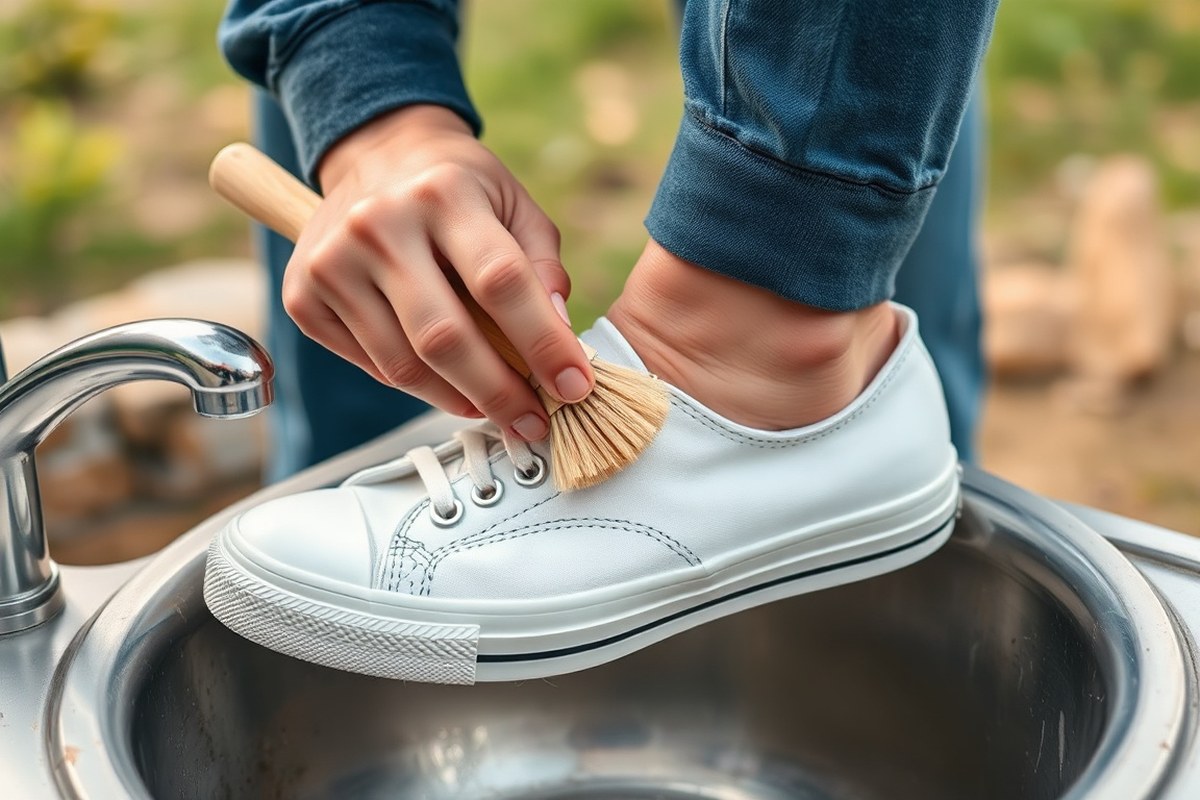
Cleaning canvas shoes by hand lets you control the process and protect delicate details, keeping your shoes in good shape. Start by gathering mild soap, a soft brush or toothbrush, a bowl for water, clean cloths or sponges, and paper towels for shaping. Preparing the shoes before cleaning means removing loose dirt and loosening dust. Use gentle motions and cool to lukewarm water, hot water can damage the fabric and glue.
Maintaining the shoe’s shape during and after cleaning matters. Stuff the inside with paper towels or clean cloths to prevent collapsing and warping. Rinse carefully without soaking the shoes to avoid damage to the inner linings. A thorough but gentle scrub removes grime effectively. Follow these steps to clean your shoes manually while keeping their form intact.
- Remove loose dirt: Use a dry, soft brush or cloth to brush away dust, dirt, and debris. Doing this first prevents dirt from spreading during wet cleaning.
- Prepare the cleaning solution: Mix a few drops of mild liquid soap (dish soap or laundry detergent) with about 1 cup of cool or lukewarm water in a bowl. Avoid hot water as it can loosen glue and fade colors.
- Spot clean stains: Dip a soft brush or toothbrush in the solution. Gently scrub any visible stains using small circular motions. For tougher stains, apply a bit more elbow grease but avoid scrubbing harshly to prevent fabric damage.
- Wash the entire canvas surface: Dip your brush or sponge into the solution and gently scrub the whole shoe, focusing on dirty areas but covering uniformly. This prevents uneven colouring and cleaning marks.
- Rinse carefully: Use a clean, damp cloth dipped in fresh water to wipe away soap residue. Avoid submerging shoes fully in water, which can weaken glue and inner materials.
- Shape the shoes: Stuff the shoes with crumpled paper towels or cloths to maintain shape and absorb excess moisture during drying.
- Air dry in shade: Leave the shoes in a well-ventilated area out of direct sunlight and heat sources to prevent shrinking or fading. This drying method protects the canvas and colours.
This process uses easy household items and takes around 20 to 30 minutes for cleaning only. Drying will take several hours or overnight. Doing this every 1 to 2 weeks, depending on wear, keeps most canvas shoes looking fresh and extends their life.
2. Is Machine Washing Safe for Canvas Shoes?

Machine washing can be a convenient option for cleaning canvas shoes, but it is not always the best choice. Shoes made entirely of canvas without delicate embellishments or glued parts are generally safer for machine washing. Sneakers like Converse or Vans often fall into this category. Shoes with leather details, glued soles, or intricate embroidery risk damage to their shape or fabric if subjected to a washing machine’s agitation.
Before placing canvas shoes in the washing machine, you should prepare them carefully. Remove the laces and insoles, if possible, to wash separately. Place the shoes in a mesh laundry bag to reduce impacts on the fabric and help maintain their shape. Use cold water and a gentle cycle to avoid harsh spinning that may loosen adhesives or distort the shoe structure. Avoid bleach or harsh detergents; opt for mild liquid detergent instead.
A typical washing cycle for canvas shoes lasts about 30 to 40 minutes. The lower temperature helps prevent shrinking or fabric weakening. After washing, avoid using a dryer, which can shrink or warp shoes; air drying is the safest method. Shape your shoes by stuffing them with paper towels or dry cloths while drying to maintain form.
Choosing between hand washing and machine washing depends on the shoe’s materials and condition. Hand washing excels at treating tough stains locally and avoids the risks of machine agitation, making it ideal for shoes with glued parts or delicate trims. Machine washing suits deeply soiled shoes without fragile components but comes with the risk of loosening glue or fading colors over repeated cycles.
Using the washing machine reduces hands-on scrubbing effort and is efficient for regular maintenance every few weeks or after heavy dirt exposure. However, repeated machine washing might shorten canvas shoe lifespan. Taking care to follow proper preparation and machine settings can minimize damage, but if your shoes are valuable or have special details, hand washing is safer.
Always use a mesh laundry bag and the gentlest cycle with cold water to protect your canvas shoes during machine washing.
3. How to Remove Tough Stains from Canvas Shoes
Tough stains on canvas shoes need targeted cleaning methods to remove them effectively without causing damage or discoloration. Different stains react best to specific treatments like baking soda, vinegar, or hydrogen peroxide, and the cleaning agents should be left to sit for about 15 to 30 minutes before scrubbing. Spot testing and careful timing can prevent damage to the fabric and colour.
Removing Mud and Dirt Stains
Allow mud to dry completely before cleaning. Use a stiff brush to gently remove dried mud and loose dirt. For remaining dirt stains, mix mild soap with warm water and use a soft cloth or brush to scrub the canvas. Let the solution sit on the stain for about 15 minutes to help loosen dirt, then rinse with clean water. Avoid soaking the shoe entirely, as excessive water may weaken the glue and cause wrinkles or warping in the canvas.
Treating Grass and Food Stains
Grass stains can be treated with a paste created by mixing baking soda and water. Spread the paste over the stain and allow it to rest for 20 to 30 minutes so it can loosen the stain. Then, use a soft brush to gently scrub the area. For food stains, dab a solution made of equal parts white vinegar and water onto the stain and leave it for 15 minutes before scrubbing.
Rinse thoroughly after treating and avoid using bleach on coloured canvas, which can lead to fading or discoloration. Test any solution on a hidden area first to ensure colour fastness.
Handling Oil and Ink Marks
Oil stains require attention before attempting to clean. Sprinkle baking soda over fresh oil stains to absorb excess oil and leave it for 30 minutes. Then, brush off the powder. For stubborn oil spots, a mixture of baking soda, hydrogen peroxide, and a mild dish soap can be applied and left for 20 minutes before scrubbing.
Ink marks are tougher to remove. Dabbing with rubbing alcohol on a cloth can lift fresh ink stains, but use it sparingly and test first to prevent fabric damage. Always blot rather than rub to avoid spreading the stain.
Special Care for White Canvas Stains
White canvas can tolerate stronger cleaning methods, but caution is essential to prevent yellowing or damage. A paste made of three parts baking soda, one part 3% hydrogen peroxide, and one part mild dish soap works well on stubborn stains. Apply the paste and let it sit for 30 minutes before gently scrubbing with a soft brush.
White vinegar diluted in water is another effective natural option for tough white canvas stains and odors. Avoid exceeding 3% hydrogen peroxide concentration and never mix hydrogen peroxide with vinegar directly, as this can create harmful vapors. Always spot test first and follow by thorough rinsing to reduce residue. Below is a table summarizing effective stain removal treatments by stain type, including suggested application times and tips for avoiding damage.
| Stain Type | Cleaning Agent | Application Time | Key Tip |
|---|---|---|---|
| Mud & Dirt | Mild soap and water | 15 minutes before scrubbing | Use stiff brush on dried mud first |
| Grass | Baking soda paste (baking soda + water) | 20, 30 minutes | Test patch first; gentle scrubbing |
| Food Stains | White vinegar diluted 1:1 with water | 15 minutes | Rinse thoroughly; avoid bleach |
| Oil | Baking soda powder; optionally baking soda + peroxide + soap paste | 30 minutes absorption (powder); 20 minutes (paste) | Brush off powder before scrubbing |
| Ink | Rubbing alcohol (sparingly) | Blot immediately | Test first; blot, don’t rub |
| White Canvas Stains | Baking soda + 3% hydrogen peroxide + mild dish soap paste | 30 minutes | Spot test; avoid mixing peroxide with vinegar |
Following treatment times and testing cleaning agents on an inconspicuous area helps preserve the shoe’s fabric and colour. Overexposure or mixing incompatible products risks fabric weakening, colour fading, or creating harmful residues.
4. How to Dry Canvas Shoes Properly
Using a dryer for canvas shoes is not recommended due to the high heat and tumbling action, which can cause the fabric to shrink, warp, or lose shape. Always opt for air drying as the best way to preserve the shoe’s structure and material. Air drying lets moisture evaporate naturally without stressing the canvas or adhesives that hold the shoe together.
The time it takes for canvas shoes to dry fully can vary depending on factors like temperature, humidity, and airflow. Typically, air drying at room temperature (around 68°F to 75°F) with good ventilation takes between 12 to 24 hours. In damp or cold environments, drying may take longer, sometimes up to 48 hours. Direct sunlight or heat sources should be avoided since they can fade colors and weaken the fabric.
To help your shoes keep their shape while drying, gently fill them with paper towels or a clean cloth after washing. This will soak up moisture and prevent the canvas from losing its form. Avoid newspapers since their ink might bleed onto the fabric. Take out the laces and insoles before drying so air can flow through the interior, which speeds drying and stops mildew growth. Move the shoes around every so often to make sure they dry evenly.
- Remove laces and insoles before drying to increase airflow
- Placing paper towels or a clean cloth inside your shoes helps them hold their shape as they dry.
- Place shoes in a well-ventilated, shaded area away from direct heat or sunlight
- Allow 12 to 24 hours for drying in typical indoor conditions
- Rotate shoes during drying to ensure even moisture evaporation
- Do not use a dryer or place shoes near heaters or radiators
Proper drying prevents damage like fabric distortion, glue separation, and mold growth, which are common when shoes remain damp for too long. According to the Footwear Research Institute, nearly 30% of shoe damage arises from improper care and drying. Taking time to dry canvas shoes correctly helps retain their appearance, including whiteness and texture, over time. Once your shoes are completely dry, reinsert the insoles and laces to restore the fit.
5. How to Keep Canvas Shoes Cleaner for Longer
Cleaning your canvas shoes regularly helps keep them fresh and extends their life. Aim for a light cleaning every two to three weeks if you wear the shoes often. For shoes worn less frequently or in cleaner environments, a monthly wipe-down with a damp cloth should suffice. Deep cleaning with soap and water or specialized cleaners should happen every three to six months, depending on how dirty they get. This combination of light and deep cleaning avoids excessive wear from harsh scrubbing or washing.
Applying a fabric shoe protector spray after cleaning helps shield your shoes from dirt and water. These sprays generally cost between $10 and $20 per bottle and provide multiple applications. Use the spray in an open space, hold it about 6 to 8 inches away from the shoe, and spray evenly. Allow the shoes to air dry fully, usually for at least 24 hours, before wearing. A 2023 article in Footwear Science Journal found that such treatments can double how long canvas shoes last, making this a straightforward way to keep them cleaner longer.
Rotating your shoes by not wearing the same pair every day reduces wear and allows them to dry out fully between uses. Moisture and sweat trapped inside can degrade canvas fibers and cause unpleasant odors, so giving your shoes at least 24 to 48 hours to air out improves durability. Owning two or three pairs and alternating them can significantly extend each pair’s life, especially if you use shoe trees or stuff them with acid-free tissue paper to help maintain shape and absorb moisture during storage.
Keeping a maintenance checklist can streamline your shoe care routine. Wipe down your canvas shoes with a soft cloth every week, apply a protective spray after cleaning sessions, rotate pairs daily, and deep clean every few months based on use. Store your shoes in a cool, dry place to prevent yellowing or mildew growth, particularly for white canvas shoes. Avoid storing them in direct sunlight or damp areas to preserve color and fabric integrity. Regular maintenance not only improves appearance but also prevents dirt buildup that leads to stains and fabric damage.
Use a water-repellent spray specifically formulated for canvas fabrics to avoid sticky residues and ensure full breathability after application.
6. How to Clean White Canvas Shoes Without Yellowing
White canvas shoes often yellow after washing due to residue buildup and reactions with harsh cleaners. Using gentle, safe whitening methods keeps your shoes bright without damage. Baking soda and hydrogen peroxide form an effective, mild paste; bleach should be used sparingly to avoid harm. Prevent yellowing with regular maintenance and careful drying.
Understanding Causes of Yellowing
Yellowing happens because detergents, minerals in water, or leftover soap can stick to canvas fibers and create dull stains. Overuse of bleach or improper rinsing sometimes leaves behind chemicals that discolor fabric. Exposure to sunlight during drying can also turn whites yellow by breaking down certain cleaning agents. Addressing these causes protects your shoes’ bright look.
Preparing a Safe Whitening Paste
A popular whitening solution involves mixing baking soda and hydrogen peroxide, which whitens naturally without harsh bleach effects. Avoid vinegar for white canvas, as its acidity can cause yellowing or weaken fabric over time. Use this simple paste for a safer clean:
- Measure 2 tablespoons of baking soda and 1 cup of hydrogen peroxide (3% solution).
- Mix these with about 1 tablespoon of water to form a spreadable paste.
- Ensure the paste is smooth and not too runny to avoid excess dripping.
This paste effectively brightens white canvas while minimizing damage, taking advantage of baking soda’s mild abrasiveness and hydrogen peroxide’s bleaching properties.
Applying and Rinsing Whitening Solutions
Careful application matters to avoid uneven whitening or fabric stress. Use a soft brush or cloth to spread the paste in small, circular motions. Let it sit for 30 minutes but never dry completely on the shoe. Rinse thoroughly with cool water, removing all residue to prevent yellowing after cleaning.
- Apply the whitening paste evenly over the canvas surface.
- Allow it to work for 30 minutes without drying.
- Rinse gently with cool water until the paste is fully gone.
- Pat dry with a clean towel and air-dry in shade, avoiding direct sunlight.
Avoid using bleach except as a last resort and follow any product instructions carefully. When used correctly, bleach can remove stains but risks fabric weakening and yellowing if applied improperly or too often.
Maintaining Brightness Post-Cleaning
Keep white canvas shoes bright by avoiding long exposure to dirt and moisture. Store shoes in a cool, dry place between cleanings. Clean minor dirt spots promptly with a soft brush and mild soap before they set. Protect your shoes by applying a fabric-safe water and stain repellent designed for canvas.
Dry shoes properly by stuffing them with newspaper or a towel to retain shape and avoid discoloration from direct heat. Regular, gentle cleaning and prompt stain care extend whiteness and the life of your canvas footwear.
7. How to Clean Laces, Insoles and Rubber Parts Safely
To clean the laces, insoles, and rubber parts of your canvas shoes thoroughly and safely, remove these components first to ensure a deep, even clean. Use gentle cleaning solutions and avoid harsh chemicals like bleach, which can damage fabrics and stitching. Thorough cleaning of these areas reduces odors and restores your shoes’ fresh appearance without risking damage.
Removing and Preparing Laces and Insoles
Start by carefully taking out the laces and insoles before cleaning. Removing them allows you to clean every part without missing dirt trapped inside or around these components. It also protects the shoe’s internal fabric and glued areas from excess moisture and cleaning products.
For shoes with fixed insoles, clean around them gently without soaking the interior to avoid damage. For removable insoles, take them out and inspect for wear or damage before washing.
Washing and Drying Laces Properly
Laces often collect dirt and sweat, so cleaning them properly can significantly improve the look and smell of your canvas shoes. Avoid bleach or harsh detergents to prevent weakening the material or fading colors. Here is a step-by-step method to clean your shoe laces:
- Untie and remove the laces from your shoes.
- Fill a clean bowl with warm water, about 90°F (32°C), and add a teaspoon of mild laundry detergent.
- Soak the laces in the solution for 15 to 30 minutes to loosen dirt and oils.
- Gently rub the laces between your fingers to remove stains.
- Rinse the laces under clean running water to remove all soap residue.
- Pat the laces dry with a clean towel to remove excess water.
- Lay the laces flat to air dry completely before relacing your shoes.
Do not put laces in a dryer because high heat can shrink or weaken them. Air drying preserves their shape and strength.
Cleaning Insoles Without Damage
Insoles trap sweat and odors. Cleaning them retains freshness and can extend their lifespan. Avoid soaking insoles excessively, especially foam or fabric types, which can retain water and develop mold or odors. Follow these instructions to clean insoles safely:
- Remove the insoles from the shoes and gently brush off any surface dirt.
- Mix warm water with a small amount of mild detergent or gentle soap in a bowl.
- Use a soft cloth or sponge dipped in the soapy water to gently scrub the top and bottom of the insoles.
- Rinse the cloth in clean water and wipe down the insoles to remove soap residue without soaking them.
- Blot the insoles dry with a clean towel to remove moisture.
- Allow the insoles to air dry completely in a ventilated area, away from direct sunlight or heat sources, which can cause warping.
If your insoles are fixed and cannot be removed, clean the inside of the shoe where the insole touches without saturating the area.
Scrubbing White Rubber Soles Carefully
White rubber soles and toe caps often collect scuff marks and dirt that affect your shoes’ appearance. A magic eraser works well for cleaning these parts without damaging the surface. Avoid bleach or abrasive cleansers, which can discolor or weaken rubber. To clean the rubber parts:
- Use a soft brush or cloth to remove loose dirt from the rubber areas.
- Dampen a magic eraser or soft sponge with water but avoid soaking it.
- Gently scrub the rubber soles and toe caps to lift dirt and scuffs.
- Rinse the cleaned rubber sections with a damp cloth or sponge to remove residue.
- Dry the rubber areas with a clean towel to prevent water spots.
Cleaning the rubber parts regularly and gently helps maintain the bright, clean look of your canvas shoes without risking cracks or yellowing often caused by harsh chemicals.
8. Common Cleaning Mistakes and How to Fix Them
Using harsh chemicals or bleach on canvas shoes can cause discoloration and weakened fabric fibers. Harsh ingredients break down the shoe’s finish, leading to premature wear or color fading. To avoid this, opt for mild detergents or soaps designed for delicate fabrics. When using bleach, dilute it heavily with water at a ratio of one part bleach to five parts water, and apply only small amounts to white canvas. Test a hidden area first to check for any damage.
Over-soaking canvas shoes is another frequent mistake. Extended water exposure causes the fabric to weaken, increasing the risk of stretching, shrinking, or color bleeding. Instead of soaking for more than 15 minutes, spot clean with a damp cloth or use a light scrub with a soft brush and soap. This method reduces water damage and preserves shoe structure.
Shoes losing shape or color often results from exposure to excessive water or harsh drying conditions. To reshape canvas shoes after cleaning, stuff them with dry paper towels or shoe trees while they air dry. Keep them out of direct sunlight to prevent fading, especially for brightly colored canvas. For color restoration, consider fabric-safe color sprays or markers made for canvas, applied lightly after the shoes dry.
Mold and mildew develop when shoes dry too slowly or are stored in humid places. These fungi produce unpleasant odors and degrade fabric fibers. To prevent this, dry your canvas shoes in a warm, ventilated area but avoid direct heat sources like radiators or hair dryers, which can cause fabric distortion. Store shoes in a dry, airy space, using silica gel packs or moisture absorbers if necessary.
Fixing these problems sometimes requires repeating cleaning with careful adjustments. For mild mold, a mixture of equal parts white vinegar and water wiped on the surface can kill spores without harsh chemicals, followed by thorough air drying. Fabric that stiffens or shrinks may improve by soaking briefly in cold water, then reshaping it while still damp. Fading colors rarely fully return but can be slowed by gentle maintenance.
Dry canvas shoes away from direct sunlight and never seal them in plastic bags while damp to prevent mold and maintain shape.
Step-by-Step Action Plan for Cleaning Canvas Shoes
Follow these steps to clean your canvas shoes effectively while keeping them in good condition.
- Before You Start: Remove the laces and insoles to clean separately. This prevents damage and ensures a deeper clean on all parts.
- Day 1: Brush off loose dirt using a soft brush or cloth. Check if most surface dirt is gone.
- Day 1: Mix warm water with mild detergent and gently scrub the canvas with a soft brush. Rinse with a damp cloth until no soap residue remains.
- Day 1: Spot treat tough stains with a paste of baking soda and water or a gentle stain remover. Let sit 15 minutes, then wipe clean.
- Day 1: Let your shoes dry naturally, keeping them out of direct sunlight and away from any heat. Make sure they’re fully dry before you wear them again.
- Day 2: Clean laces and insoles separately using mild soap and water, then air dry fully.
- After 1 Week: Apply a fabric protector spray designed for canvas to repel dirt and stains for longer wear.
- After 2 Weeks: Repeat light brushing and spot cleaning as needed to maintain appearance.
Frequently Asked Questions
How Often Should I Clean My Canvas Shoes to Keep Them in Good Condition?
Clean your canvas shoes every 1 to 2 weeks or as needed based on wear and exposure. Regular cleaning prevents dirt buildup and keeps them looking fresh longer.
Can I Use Bleach to Clean My Canvas Shoes Without Damaging Them?
Avoid strong bleach as it can damage fabric and cause yellowing. Use mild agents like hydrogen peroxide for whitening instead.
What’s the Best Way to Prevent My Canvas Shoes from Smelling Bad?
Dry shoes thoroughly after cleaning and allow them to air out regularly to prevent odor. Using odor-absorbing insoles can also help.
Can I Clean My Canvas Shoes with Baking Soda?
Baking soda works well to remove odors and lighten stains gently on canvas shoes. Mix with water to form a paste for spot cleaning.
How Should I Store My Canvas Shoes During Off-Seasons?
Keep your shoes dry and spotless by placing them in a cool, shaded area free from sunlight and moisture, which helps prevent mold growth and fading.
Are There Special Cleaning Tips for Colored Canvas Shoes to Keep Their Color Vibrant?
Use gentle, color-safe cleaners and avoid harsh scrubbing to preserve colors. Spot test cleaners first to prevent fading.
Key Points to Remember
Cleaning canvas shoes carefully protects their look and extends their life. Take your time with each step and avoid harsh treatments to keep the fabric intact. Next time your shoes look dull or have a spot, try the gentle cleaning methods here before considering machine washing or harsh chemicals.


