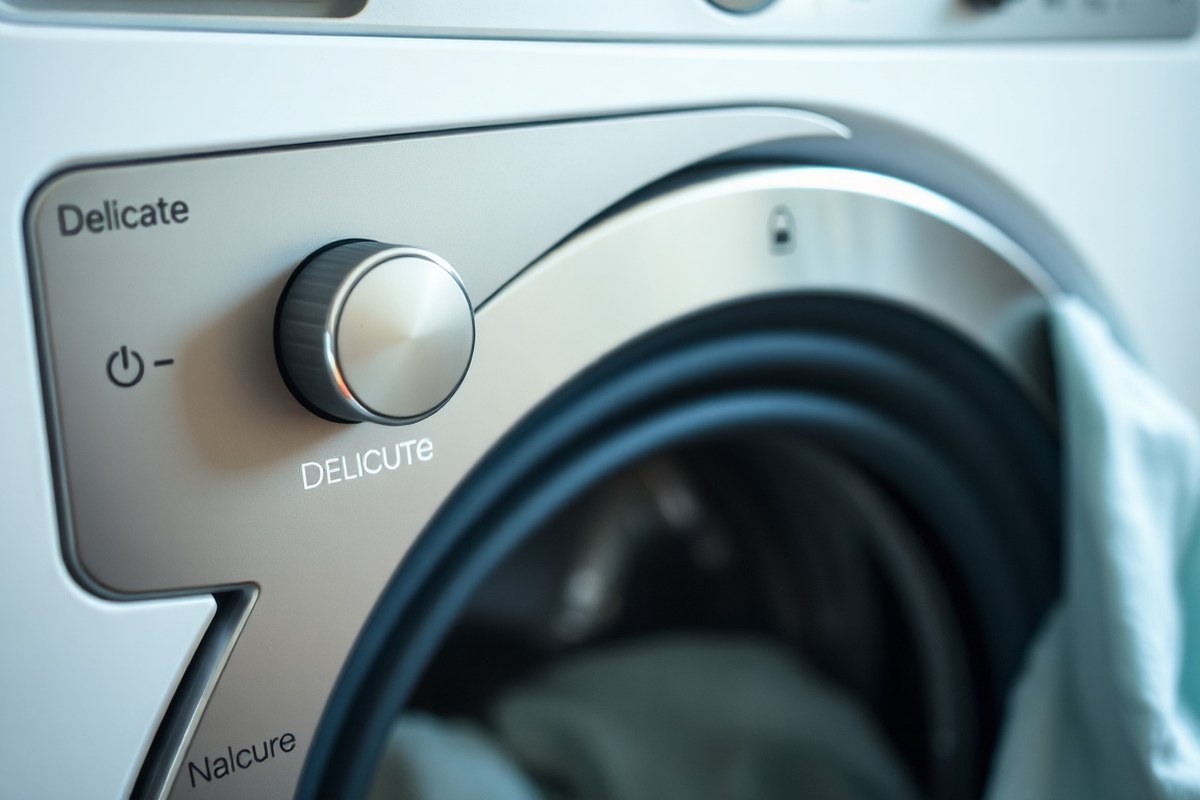
What Does Delicates Mean on Washer? A Complete Guide for Care and Washing
The delicates cycle on a washing machine cleans clothes with care by using cooler water, gentler agitation, and slower spinning. This setting generally runs water at about 85°F (30°C) to prevent shrinking, fading, and damage to delicate fabrics.
This feature is especially helpful for items like silk, lace, wool, and lingerie that need careful handling. Homeowners and renters who want to maintain their delicate clothing’s quality will find clear advice on fabric identification, cycle mechanics, detergent choice, and care tips here.
Key Takeaways
- Use the delicates cycle with cold to warm water to protect fragile fibers and prevent shrinking or color loss.
- Identify delicate garments by checking care labels for warnings like “hand wash only” or “dry flat.”
- Choose gentle, pH-balanced detergents formulated for silk, wool, and lace to maintain fabric integrity.
- Delicate cycles apply gentle agitation and lower spin speeds to reduce friction, snagging, and stretching.
- Use lingerie bags or mesh wash bags to protect small or easily snagged items during the wash.
- Limit dryer use on delicates; opt for air-drying or the lowest heat setting with short drying times.
What Does Delicates Mean on a Washing Machine?
The washing machine’s delicate cycle is a setting created to protect fragile fabrics and clothing items. It uses softer mechanical movements than standard cycles, which helps prevent damage to sensitive materials. This cycle usually operates with a slower wash action and reduced spin speed, cutting down on friction and stretching that might harm the fabric.
This cycle operates at cooler water temperatures, often between 65 and 75 degrees Fahrenheit, compared to the 120 to 140 degrees common in standard washes. Lower temperatures help prevent shrinkage and color fading in delicate textiles such as silk, lace, and wool. The gentler water movement reduces stress on fabric fibers, protecting embellishments and maintaining garment integrity.
Selecting the delicate cycle causes the washer to reduce tumbling speed and limit the time spent on intensive washing. This setup cleans garments carefully without subjecting them to tough mechanical forces. The spin speed is also set much lower, avoiding stretching and wrinkles that could alter delicate fabric patterns.
Using the delicate cycle matters because harsh cycles can cause permanent damage to fragile items. Incorrect washing with a normal cycle can lead to issues like shrinking, pilling, fading, or fabric distortion. For example, wool and linen fibers shrink easily when exposed to typical hot water and aggressive agitation. Choosing the delicate setting is an affordable way to protect your clothes by reducing the risk of damage during machine washing.
To get the best results, separate your delicate items from heavier fabrics before washing. This prevents the harder fabrics from rubbing against more sensitive clothing, which can cause wear. Fastening buttons and zippers before washing also reduces snagging. Adding a detergent formulated for delicate fabrics further supports gentle cleaning.
The delicate cycle strikes a balance between convenience and care. It is more convenient than hand washing because it automates the gentler process but safer for delicate fabrics than a normal wash. Some washing machines allow you to manually adjust spin speed within this cycle, usually recommending very slow spins to minimize fabric strain.
In certain washers, the delicate cycle may use slightly more water to cushion and protect fibers better during washing. This extra water creates a gentle cushioning effect, reducing friction as garments move inside the drum. While this uses more water than hand washing, it saves time and reduces physical effort.
Choosing the delicate cycle does not guarantee total protection if the garment is extremely fragile or poorly labelled. Some fabrics still need hand washing or professional cleaning. However, this cycle is the best machine option to keep your delicate clothing safe from damage that a normal or heavy-duty cycle would cause.
Which Fabrics and Garments Are Considered Delicates?

Delicate fabrics require gentle handling to maintain their appearance and structure during washing. Common fabrics that need this careful approach include silk, wool, lace, satin, cashmere, and chiffon. These materials are prone to damage like shrinking, stretching, or losing their luster if exposed to harsh washing conditions such as high temperatures or vigorous agitation.
The term “delicate” usually refers to clothing made from these fragile fabrics or garments that include extra design features like beads, sequins, or delicate buttons. Items such as lingerie, sheer blouses, and finely knit sweaters often fall into this category, as they can easily snag or become misshapen without proper care. Even towels and scarves made from delicate fibers should be treated with the same caution.
- Silk and satin items: prone to fiber breakage and loss of sheen
- Lace garments and lingerie: risks include snagging, stretching, and warping
- Wool and cashmere: susceptible to shrinking and distortion through felting
- Synthetic delicates like chiffon or sheer fabrics: may pill, tear, or develop static
- Embellished clothing with beads or sequins: require gentle agitation to avoid loosening or damage
You can recognize delicate clothing by feeling the fabric’s texture, it’s often soft or finely woven, and by checking the garment’s care label. The care label often suggests washing on a delicate cycle or by hand and typically recommends cold water temperatures between 60 to 80°F (15 to 27°C). Silk and wool aren’t always delicate if the fabric is blended or treated specifically, but as a rule, pure silk or wool garments benefit from delicate handling to prevent shrinkage or damage. Using a mesh laundry bag for smaller delicate items reduces the chance of snagging.
Always check care labels before washing; ignoring specific instructions for delicate fabrics increases the risk of irreversible damage.
Choosing the delicate cycle on your washer helps protect these fabrics by using lower agitation, slower spin speeds, and cold water to reduce stress on the fibers. This setting minimizes the chance of shrinking, stretching, or fading. For garments with special trims and fragile fibers, selecting the delicate cycle can be essential to prolong their life and keep them looking their best.
How the Delicate Cycle Works Inside Your Washer
The delicate cycle on your washer uses gentler mechanical actions and cooler water temperatures to protect fragile fabrics from damage. It features slower agitation, lower spin speed, and cooler water, all designed to reduce stress on your garments.
Agitation and Spin Speed Differences
The delicate cycle reduces both the intensity and frequency of agitation compared to regular cycles. This gentle movement lessens the chances of fabric pilling, snagging, or tearing. Spin speed is also lowered to avoid stretching or permanent creasing of thin or fine materials.
Compared to normal cycles, which use vigorous agitation and high-speed spinning, delicate cycles rely on intermittent, gentle swishing motions and slower spin speeds. These mechanical changes keep your items safer throughout the wash.
Temperature Settings on Delicate Cycle
Water temperature is typically cooler during the delicate cycle, usually around 85°F (30°C) or lower. This lukewarm or cool temperature protects fibers from shrinking, fading, or losing their shape. Hotter water risks damaging delicate fabrics like silk or lace, so cooler temperatures are safer.
In some washers, the delicate cycle uses slightly higher water volume to cushion garments and reduce friction. This extra cushioning helps maintain fabric integrity by lessening physical agitation during the wash.
Typical Duration of Delicate Cycles
Delicate cycles generally last shorter than normal cycles, often ranging from 30 to 45 minutes. These shorter wash times reduce prolonged exposure to water and mechanical stress, helping to extend the life of your delicate garments. The exact time depends on your washing machine brand and model but expect a quicker cycle that balances cleaning with fabric protection. Here’s a comparison table summarizing key differences between normal and delicate cycles and the benefits for your clothes:
| Feature | Normal Cycle | Delicate Cycle | Impact on Fabric |
|---|---|---|---|
| Agitation | Vigorous & Constant | Intermittent & Gentle | Prevents pilling, snagging, and tearing |
| Spin Speed | High RPM | Low RPM | Reduces deep creases and stretching |
| Water Volume | Optimized for efficiency | Often higher | Cushions clothes to reduce friction |
| Temperature | Warm to Hot | Cool to Lukewarm | Prevents shrinkage and color fading |
By combining these features, the delicate cycle helps preserve the integrity of your sensitive fabrics, keeping clothes looking their best after many washes.
How to Identify Delicate Fabrics and Read Care Labels
Delicate fabrics usually carry specific symbols on their care labels that guide you on the safest way to wash them, including whether to use the delicate cycle or hand wash. Learning to identify these symbols helps you protect your garments from damage and maintain their quality over time.
Common Delicate Wash Symbols
The delicate wash symbol commonly looks like a tub of water with one or two horizontal lines underneath it, signaling that the garment requires a gentle wash cycle. Sometimes, it includes a hand dipping into the water, indicating hand washing is preferred. Another common symbol is a circle, which relates to dry cleaning instructions, often accompanied by letters like “P” or “F” inside it.
Recognizing these symbols helps you choose the right washing method since the delicate cycle mimics gentle hand movements, avoiding harsh agitation or spinning. Most delicates should be washed in cold water to minimize shrinkage or color fading.
Hand Wash vs. Delicate Cycle Label Signs
Look for the hand wash symbol that shows a hand inside a tub of water. This means the garment is best washed by hand. If the label shows the standard tub with one or two lines but no hand, the delicate cycle on your machine is typically suitable. When you spot “hand wash only” on a label, the fabric is more fragile or prone to damage and should not go into the washing machine.
The delicate cycle is designed to be gentler than a regular wash but might still agitate the fabric more than hand washing. For example, silks, lace, or embellished items labeled for hand washing will fare better staying out of the machine. You can substitute the hand wash cycle on some washers for these items if you don’t want to wash by hand, but only if the care label allows machine washing.
Warnings and Special Instructions on Tags
Garment care tags often include additional warnings such as “Do not bleach,” “Do not tumble dry,” or “Use mild detergent,” which you must follow to avoid damage. These warnings help keep delicate fabrics soft and prevent stretching, fading, or pilling.
- Sort delicate fabrics by color and weight before washing.
- Use cold water and a mild detergent meant for delicates.
- Avoid fabric softeners or bleach that can weaken fibers.
- Check for “Dry Clean Only”, these garments should never be washed at home.
- Follow drying instructions; many delicates air dry rather than machine dry.
- Look for special instructions about ironing temperature.
- Inspect the garment for fragile embellishments or trims that need extra care.
Following these detailed symbols and warnings ensures your delicate clothing lasts longer and maintains its look without shrinking, stretching, or losing color.
Choosing the Right Detergent and Accessories for Delicates
Choosing the right detergent for delicate fabrics is key to preserving their texture and color. Mild detergents specially designed for delicates usually have a lower pH, lack harsh chemicals like bleach, and avoid strong enzymes that can eat away at fibers such as silk or lace. Regular detergents, while effective for sturdier textiles, often contain these aggressive ingredients, which may cause fading, weakening, or shrinking of your delicate garments over time.
Using a gentle detergent helps extend the life of your delicate pieces and maintains their appearance. Many laundry experts recommend products like Woolite delicate detergent or similar low-pH formulas. These typically cost between $8 and $15 per bottle and a small amount, about 1 to 2 tablespoons per load, is enough. Avoiding harsh detergents means you won’t have to replace delicate items as often due to damage.
Mesh laundry bags are another essential accessory when washing delicates. These bags act as a protective barrier, minimizing friction between delicate items and the washing machine’s agitator or other clothing. By keeping lace, knitwear, lingerie, and delicate accessories securely contained, mesh bags reduce the chance of snags, stretching, or tears. They often cost around $5 to $15 for a pack and come in various sizes.
| Detergent/Accessory | Key Feature | Purpose | Approximate Cost | Usage Tips |
|---|---|---|---|---|
| Woolite Delicate Detergent | Low pH, no bleach | Protects silk, lace, chiffon | $8, $15 per bottle | Use 1, 2 tablespoons per load |
| Blissy Wash Laundry Detergent | Mild formula, free of harsh enzymes | Gentle on delicate fabrics | Varies, around $10, $18 | Follow label dosing instructions |
| Mesh Laundry Bag | Soft polyester mesh | Prevents snags and stretching | $5, $15 per pack | Use for lingerie, knitwear, straps |
When using a mesh bag, place each delicate item inside loosely and zip or close the bag securely. Avoid overloading the bag and the washing machine as this can still cause damage from excessive rubbing. Use the delicate cycle with cool or lukewarm water to complement these precautions.
Avoid skipping the mesh laundry bag on embellished or strappy delicate items to prevent irreparable damage from tangling or snagging during the wash.
Best Practices for Washing and Caring for Delicate Fabrics
Proper care before, during, and after washing delicate fabrics helps extend their life and maintain their appearance. Preparing delicates correctly, choosing the right washer settings, and using gentle drying methods can prevent shrinkage, damage, and distortion.
Sorting and Preparing Delicate Items
Start by sorting your delicates separately from heavier clothes like jeans or towels. This prevents damage caused by friction and entanglement. Check each garment’s care label to confirm if it can be machine washed or needs special treatment. Close zippers, hooks, or buttons to avoid snagging during the wash.
Handle stained delicates with extra care. Treat stains according to fabric type using a mild stain remover designed for delicate fabrics. Avoid rubbing harshly to prevent fiber damage. Washing delicates inside mesh laundry bags adds protection from rubbing against other clothes or the machine drum.
Loading and Setting Your Washer Correctly
Loading delicates properly avoids compression that can stress fibers. Loosely place each item to allow proper water flow and gentle agitation. Never overload the washer, since packed loads increase friction and cause damage. Follow these steps to prepare your washer for delicates:
- Sort items by color and fabric type to prevent dye transfer and fabric damage.
- Place delicates loosely inside a mesh laundry bag.
- Close zippers or fasten hooks to reduce snagging.
- Select the delicate or gentle cycle on your washing machine.
- Use cold or lukewarm water, typically below 85°F (29°C), to prevent shrinking and color fading.
- Add a detergent formulated for delicate fabrics according to the package directions, usually about 1-2 tablespoons for a full load.
- Skip fabric softeners to avoid fiber breakdown and reduced absorbency.
- Start the wash cycle and avoid interrupting it to prevent fabric stress.
This approach keeps fabric fibers intact and preserves shape while cleaning effectively. The delicate cycle’s slow spin speed also reduces tangling and stretching.
Drying Techniques for Different Delicates
Air drying is essential for delicates to avoid damage caused by heat and tumbling. Remove items promptly after the cycle to reduce wrinkles and reshape them while damp. Lay delicates flat on a clean towel or drying rack to maintain form and prevent stretching commonly caused by hanging.
For lightweight fabrics like silk or lace, avoid direct sunlight which can fade colors. For knit or loosely woven delicates, support the entire garment fully to stop distortion. Avoid tumble drying even on low heat, as this can cause shrinkage, warping, or weakening of fibers.
If air drying space is limited, drape delicates over padded hangers in a well-ventilated area away from heat sources. Rotate items occasionally to help them dry evenly and reduce lingering moisture that can lead to mildew or odors.
Common Mistakes When Washing Delicates and How to Avoid Them
Washing delicate garments incorrectly can cause multiple types of damage such as stretching, shrinking, fading, tearing, or loss of buttons and embellishments. One of the most common mistakes is washing delicate items on a normal cycle. This cycle uses stronger agitation and longer wash times, which can stress fragile fibers and ruin your clothes. To protect these fabrics, the delicate cycle uses gentler, shorter washing motions that minimize wear.
Another frequent error is using fabric softener with delicates. Fabric softeners coat the fibers, preventing them from breathing and making them less soft over time. Avoid fabric softener unless the care label specifically allows it. Overloading the washing machine is also a problem because it increases friction between items, raising the risk of snags or tears.
- Do not wash delicate garments on normal or heavy cycles to prevent stretching or shrinking.
- Skip fabric softener to avoid coating and weakening delicate fibers.
- Use cold water and the gentle or delicate cycle for better fabric care.
- Load the washer with enough space to let garments move freely without rubbing too much.
- Do not use the dryer for most delicates; instead, lay items flat to dry or hang them to air dry.
- Accidentally washing delicates in a normal cycle calls for reshaping and air drying the garment right away to minimize damage.
- Pick detergent formulated for delicate fabrics to aid gentle cleaning.
After running delicates through the normal cycle, check the garment carefully before proceeding. Most damage cannot be undone, but if fabric feels misshapen, try reshaping while damp and drying flat to help correct stretching or shrinking. Avoid the dryer since heat can worsen the damage. Using the dryer on a low-heat or no-heat setting for no more than 20 minutes only applies if the care label permits machine drying. Typical best practice is air drying delicates to preserve their shape and texture.
The cost of mistakes often means replacing your cherished garments sooner. Taking these steps helps your delicates maintain softness, color, and fit over many washes. Using cold water and a gentle cycle reduces wear, while skipping softeners and dryers keeps the fabric fibers healthier. These precautions only add a few extra minutes to your laundry routine but protect your investment in delicate clothing.
When to Seek Professional Care for Delicate Garments
Delicate garments with intricate details or made from sensitive materials often need professional care beyond what home washers can provide. Fabrics such as silk, wool, cashmere, and some lace items typically require dry cleaning or specialized treatment to maintain their shape, texture, and color. Attempting to machine wash these can lead to shrinkage, distortion, or fabric damage.
To determine if your delicate should avoid the washer, check the care label carefully. Look for instructions that say “Dry Clean Only,” “Do Not Wash,” or warn against water exposure. These labels signal that water and agitation, even on the delicate cycle, risk damaging the garment’s fibers. Also, if the item features beads, sequins, or delicate embroidery, a professional cleaner can better protect these embellishments.
When preparing to take delicates to a cleaner, clearly describe the garment and any specific concerns, such as stains or fragile trims. Provide information on the fabric type and point out spots needing special attention. It helps the cleaner select the best method, whether dry cleaning, wet cleaning, or hand treatment. Prices typically range from $5 to $15 per piece, depending on fabric and complexity.
- Silk blouses and dresses labeled “Dry Clean Only”
- Wool sweaters and scarves prone to shrinking
- Cashmere sweaters requiring gentle handling
- Embellished or beaded garments needing careful cleaning
- Lingerie with lace or underwire support
- Delicate lace or fine mesh items
- Items with stubborn or oily stains that need special solvents
Professionals use solvents or low-moisture techniques to clean these fabrics safely. They also carefully inspect garments to avoid excessive agitation or heat, which can distort delicate fibers. You can expect your garment back within a few days, often looking cleaner without damage or shrinkage that happens with home washing.
Always mention any stains or fragile details when dropping off delicates at the cleaner to ensure they receive the appropriate care.
Attempting to wash these items yourself risks irreversible damage. Even delicate cycles can be too harsh or cause stretching and color loss. Professional cleaning extends the life of your fine clothes and preserves appearance, which justifies the added cost for valuable or sentimental pieces.
Step-by-Step Action Plan for Washing Delicates
Follow these steps to protect your delicate fabrics and keep them looking their best after every wash.
- Before you start: Check garment care labels for washing instructions and fabric type to confirm the item is suitable for the delicate cycle.
- Preparation: Use a mild detergent designed for delicates and fill the machine with cool or lukewarm water to prevent fabric damage.
- Loading: Place delicates in a mesh laundry bag to reduce friction and tangling, then load loosely in the washer to allow movement.
- Cycle selection: Choose the delicate cycle on your washer, which uses slower spin speeds and gentler agitation to protect fibers.
- During the wash: Avoid overloading the machine; clothes should have enough space to move freely without rubbing against each other too violently.
- After washing: Remove items promptly to prevent wrinkles and lay flat or hang to dry as recommended by care labels.
- Ongoing care: Regularly inspect delicates for wear or damage and replace storage methods like padded hangers or acid-free tissue to avoid stretching and color fading.
- When uncertain: For very fragile or irreplaceable items, opt for professional cleaning to avoid accidental damage.
Frequently Asked Questions
What Does “Delicates” Mean on a Washer?
It means the washer uses a gentle cycle designed for sensitive fabrics to prevent damage during cleaning. This cycle uses slower spin speeds and less agitation to protect delicate materials.
How Do You Know If a Garment Should Go in the Delicates Cycle?
Check the care label for instructions and look for fabrics like silk, wool, or lace that require gentle washing. These items often say “hand wash” or “delicate cycle only.
Can Delicates Be Washed with Regular Clothes?
Avoid mixing delicates with heavy items like jeans or towels to prevent snags and fabric damage. Washing separately reduces wear and prolongs the life of delicate garments.
Should You Use Cold or Warm Water on the Delicates Cycle?
Cold or warm water (around 85°F/30°C) is best to protect fibers and prevent shrinking or color fading. Hot water can damage delicate fabrics and is not recommended.
Is It Okay to Use Regular Detergent on Delicates?
Use a detergent labeled “gentle” or “for delicates” since these are pH-balanced and preserve fabric integrity better than regular detergents. Harsh detergents can weaken fibers.
How Does the Delicates Cycle Differ from Hand Washing?
The delicates cycle uses gentle machine agitation and water flow, while hand washing is gentler but more time-consuming and uses less water. The machine cycle offers convenience but needs correct settings.
Key Points to Remember
The delicate cycle on your washing machine offers a safer way to clean fragile fabrics by minimizing agitation and spin speed. Paying close attention to care labels and using gentle detergents helps maintain your delicates’ shape and color longer. Start by sorting your laundry and choosing the right settings each time you wash. Taking that first careful step can make a big difference in preserving your favorite delicate garments.