How to Get Stale Smell Out of Clothes: 8 Proven Ways That Actually Work
To get stale smell out of clothes, soak them in a warm water and white vinegar solution for 30 minutes, then wash on a regular cycle and air dry outdoors. This process breaks down mildew and bacteria causing odors. Clothes left damp too long often develop that stale smell even after washing.
This advice fits homeowners and renters facing musty odors in laundry. You’ll learn practical methods to remove these smells and prevent them from returning, keeping your clothes fresh and wearable.
Key Takeaways
- Soak clothes in 1 cup white vinegar per gallon of warm water for 30 to 60 minutes before washing.
- Wash damp clothes promptly; mildew can grow within 6 to 12 hours if left wet.
- Use a normal or default wash cycle, not express, for better odor removal.
- Air dry clothes outside or in a ventilated area for at least 24 hours to eliminate smells.
- Avoid leaving clothes damp in baskets, gym bags, or washers for more than 24 hours.
- Pre-soak gym clothes to break down sweat and bacteria causing odors.
1. Effective Ways to Remove Stale Smell from Clothes
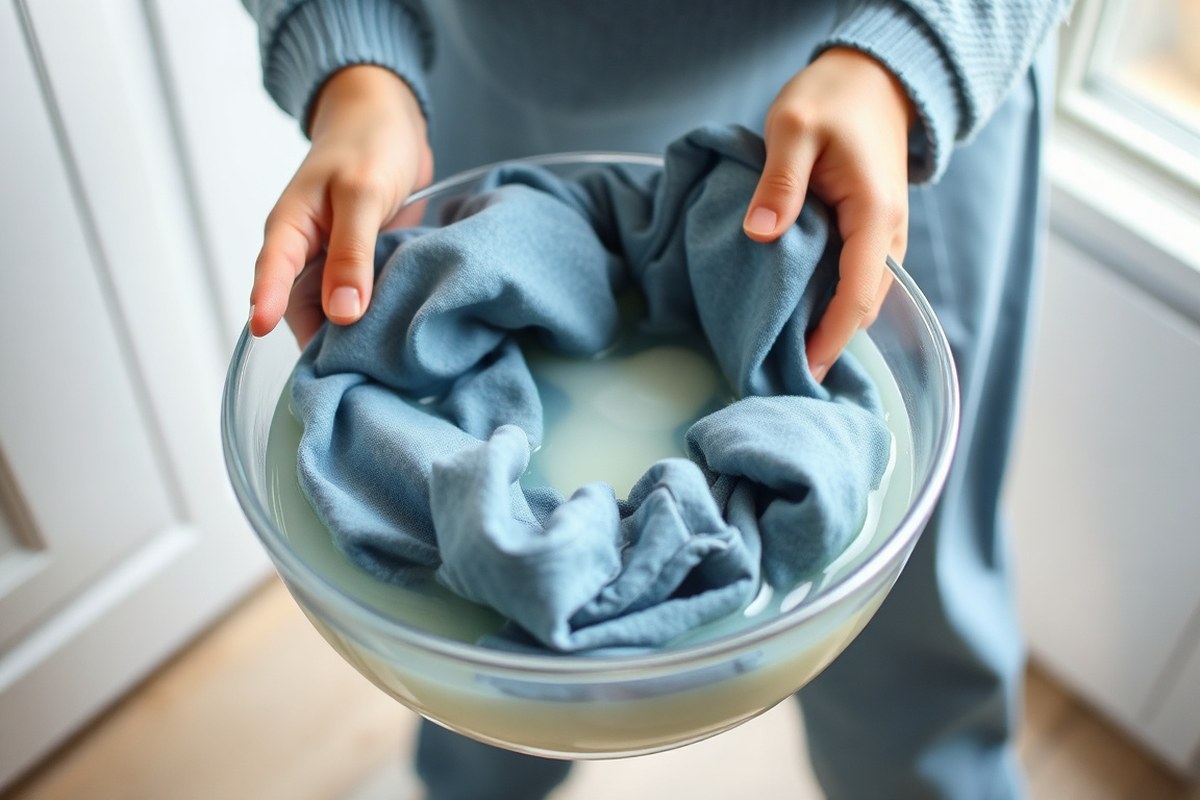
Removing stale smells from clothes requires targeted action to break down odor-causing bacteria and residues. Soaking in a vinegar solution is one of the most effective ways to tackle stubborn mildew or musty odors. White vinegar acts as a natural deodorizer and kills bacteria, which helps eliminate the source of the smell. The process usually takes about 30 minutes and can be combined with washing to deepen the clean. Baking soda is another odor absorber you can use after soaking or instead of washing when you want a quick refresh.
For clothes that can’t be washed right away or are only mildly smelly, airing them out outside in sunlight can reduce odors by drying out moisture and killing bacteria naturally. Some stale smells can also be lessened by spritzing clothes with a mixture of water and white vinegar or baking soda dissolved in water. Avoid leaving damp clothes in laundry baskets or washers as this promotes bacteria growth and worsens the stale smell.
- Mix a soak solution: Combine 1 cup of white vinegar with 2 cups of warm water in a basin or sink large enough for your clothes. This ratio helps break down odors without damaging most fabrics.
- Submerge clothes fully: Place your stale-smelling garments into the vinegar-water solution. Make sure they are completely soaked to allow the vinegar to penetrate all fibers.
- Soak for 30 minutes: Let the clothes sit undisturbed for at least half an hour. This time frame is usually enough to neutralize mildew and musty smells.
- Rinse thoroughly: After soaking, rinse the clothes with clean water to wash away the vinegar smell and loosened residues. This step prevents vinegar from lingering on fabric.
- Apply baking soda for persistent odors: If the smell remains after vinegar soaking, sprinkle baking soda directly on damp clothes or add ½ cup of baking soda to the wash cycle. Baking soda neutralizes acids and odors effectively.
- Air dry clothes completely: Hang your clothes outside if possible, or in a well-ventilated room. Drying fully reduces moisture that bacteria need to grow and cause stale smells.
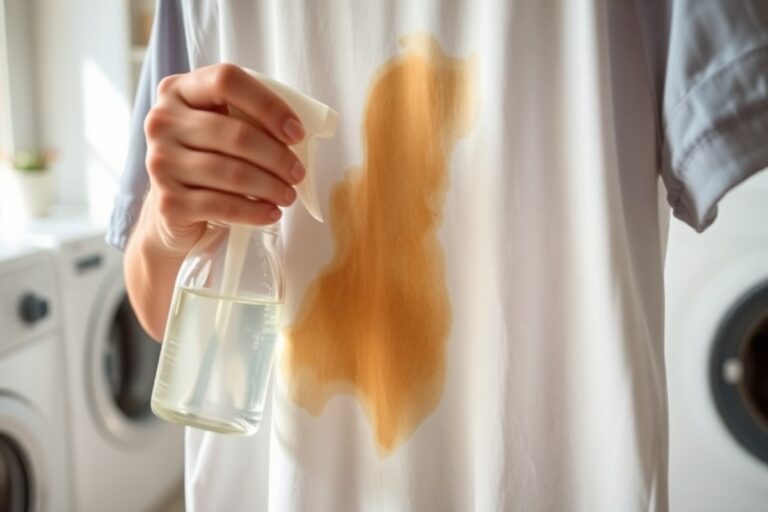
- Refresh without washing: To remove mild stale odors without washing, spray a 50/50 mix of water and white vinegar lightly over the clothes. Let them air dry completely before wearing.
2. Why Do Clothes Still Smell Stale After Washing?
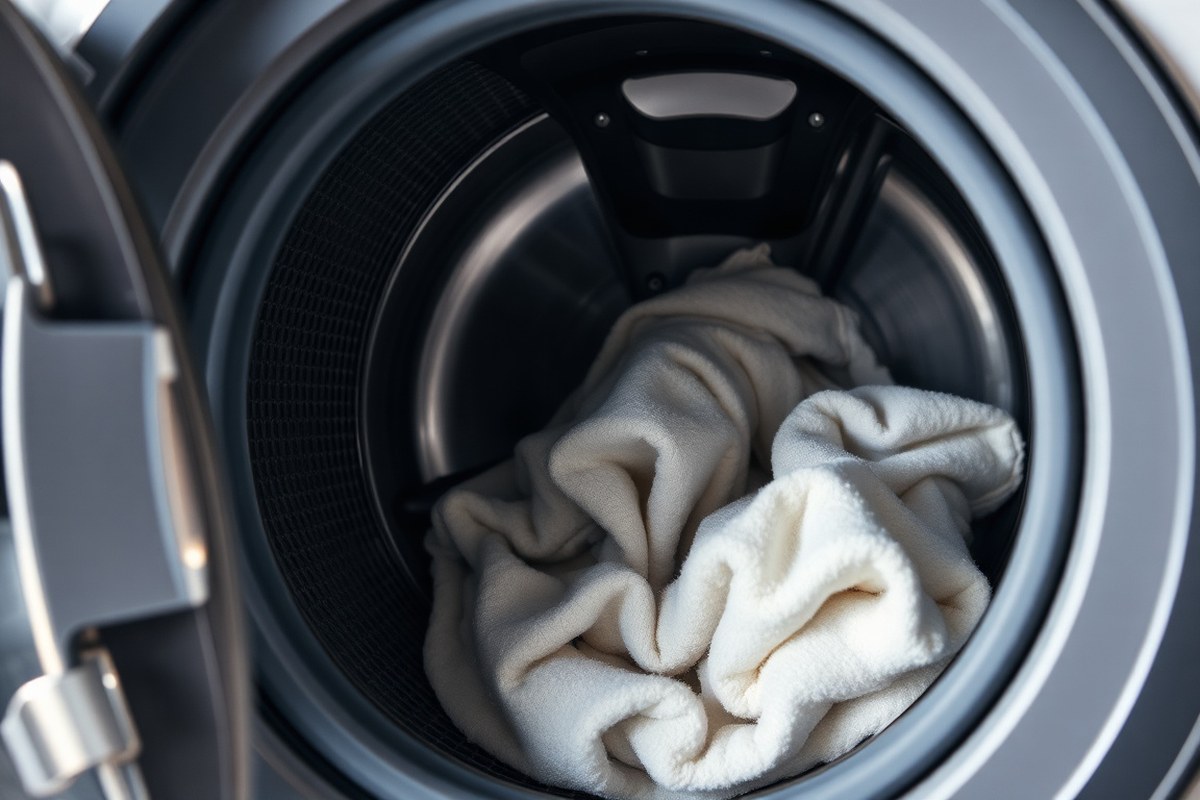
Clothes often still smell stale after washing because the root causes of odor are not fully addressed during the wash cycle. Sweat, body oils, and bacteria can persist in fabric if the detergent dose is incorrect or the washing settings are inadequate. Using too much detergent leaves residue on clothes, which traps smells and can make odors worse. Detergent built up in fabric acts like a film that holds dirt and bacteria, preventing thorough cleaning despite multiple washes.
Another major cause is a dirty or poorly maintained washing machine. Mildew and soap scum build up inside the drum, detergent dispenser, and rubber seals over time. These leftover residues create a breeding ground for odor-causing mold and bacteria. Regularly cleaning your washing machine each month is important because without it, microbes build up and transfer to your clothes, causing ongoing musty odors. For example, signs of a sour smell from the machine itself or waxy, stiff fabric after drying often indicate machine residue problems.
Washing clothes in cold water is less effective at removing oils and bacteria compared to warmer settings, which can also lead to stale odors. However, high heat may not be suitable for all fabrics. Running a heavier soil or deodorizing cycle when smells persist can help but requires using the right detergent amount. An express cycle run in about 15 to 35 minutes may not clean deeply enough, allowing odors to remain. Also, leaving wet clothes in the washer for more than a few hours increases mildew risk, with mold growth possible within 6 to 12 hours in a moist environment.
Excess detergent is a common mistake. It might seem like more soap means cleaner clothes, but too much detergent creates residue buildup inside fabrics and in the washer parts. This residue holds onto odors and dirt. Using the detergent manufacturer’s recommended amount based on load size and water hardness is key. For many machines, that means about 1 to 2 tablespoons of liquid detergent per load. Overuse can also cause long-term damage to your washing machine’s components, raising repair costs.
Maintaining a regular cleaning routine for your washing machine is important. Running a cleaning cycle with washing machine cleaner or a cup of white vinegar monthly helps dissolve residue and kills mold. Wiping down the drum, rubber gaskets, and detergent dispensers after each wash reduces moisture buildup. This practice prevents odors inside the machine that transfer to clothes. When your clothes stay musty after washing, begin by checking your washer for grime or residue and verify you’re using the right amount of detergent.
Avoid leaving wet clothes sitting inside the washing machine for more than a few hours to prevent mildew growth and persistent stale smells.
3. How to Clean Your Washing Machine to Prevent Odors
Cleaning your washing machine regularly is key to preventing stale odors on clothes. Aim to run a cleaning cycle about once a month using bleach or a washing machine cleaner designed to remove detergent residue and mildew. Along with automatic cleaning cycles, manually scrubbing seals and detergent compartments helps eliminate hidden mold and grime that cause smells to transfer to your laundry.
Running Cleaning Cycles with Bleach or Specialized Cleaners
Running a dedicated washing machine cleaning cycle every 30 days helps remove buildup that causes stale smells. Most machines have a “clean washer” or “tub clean” cycle, which uses higher temperatures and longer agitation to loosen residue. Using either a cup of liquid chlorine bleach or a commercial washing machine cleaner tablet during this cycle breaks down detergent deposits and kills odor-causing bacteria.
Specialized cleaner tablets typically contain oxygen bleach and sodium acetate, which target tough residues without damaging your appliance. Running the cycle with hot water is essential since warmth activates these cleaners and helps kill mildew spores. Keep in mind that cleaning cycles on front-loading washers can last 45 minutes or more but are necessary to get deep inside the drum.
- Remove any laundry from the machine to ensure a clear drum.
- Check your washer’s manual and select the “clean washer” or highest temperature cycle.
- Add 1 cup of liquid chlorine bleach or use a specialized washing machine cleaner tablet.
- Start the cleaning cycle and allow it to run fully without interruption.
- After the cycle ends, wipe the drum to remove any loosened grime.
- Leave the door open to dry out the interior completely.
Manual Cleaning of Rubber Seals and Detergent Drawers
Some of the most common spots for mildew and odor buildup are the rubber door gasket on front-load washers and the detergent dispenser drawer. Mildew thrives in these moist, shaded areas and can transfer odors back to your clothes during the wash.
Clean the rubber seals often by folding them back and washing with a mixture of equal parts white vinegar and water or a gentle bathroom cleaner. Take out the detergent drawers, if possible, and soak them in hot, soapy water before scrubbing to remove any buildup or mold.
Dry these parts thoroughly before reinstalling them to reduce the chances of mildew returning. Neglecting this manual cleaning often leaves behind stubborn odors, even if you run official cleaning cycles.
Routine Maintenance and Airing Practices
Along with thorough cleaning, establishing maintenance habits significantly prevents stale odors. After washing clothes, leave the washer door or lid wide open to allow air circulation and drying of internal components. This reduces moisture buildup that invites mildew growth.
Avoid overloading your washer, as it can trap dirt and detergent under layers of clothes. Overfilling also minimizes agitation and rinse effectiveness, letting odors persist. Wiping down the drum and seals with a microfiber cloth after each use can catch early residue before it turns into mildew.
A dehumidifier or moisture absorber placed near your washer helps reduce humidity when it’s located in a damp spot. This lowers the environment’s dampness and limits mildew spores from developing inside your machine.
4. Choosing the Best Wash Cycle and Temperature for Odor Removal
For the best odor removal, choose the hottest wash cycle allowed by the fabric’s care label. Hot water kills bacteria and removes mildew smells more effectively but can damage delicate fabrics. Use a gentle cycle with cold water for synthetic or fragile items. Adjust cycle length and agitation to balance cleaning power with fabric protection.
Recommended Temperature by Fabric Type
Fabrics respond differently to water temperatures, which affects how well odors lift out. Towels and cottons benefit from hot water washes because the heat helps kill mold and bacteria that cause stale smells. Synthetics like polyester or spandex hold odor-causing bacteria deeply, so gentle cold water cycles prevent damage while still allowing detergent and additives to work.
Check the garment’s care tag to avoid shrinking or fading. Hot water can dull colors and weaken fibers if used incorrectly. Natural fibers such as wool or silk almost always require cold water and gentle settings to prevent damage and preserve appearance.
| Fabric Type | Recommended Water Temperature | Notes |
|---|---|---|
| Cotton & Towels | Hot (130°-140°F) | Effective at killing mold & bacteria; prevents mildew smell |
| Synthetic (Polyester, Spandex) | Cold (60°-80°F) | Preserves fabric; use gentle cycle to protect fibers; pretreat odors |
| Wool & Silk | Cold (60°-80°F) | Must use gentle cycle; hot water can shrink or damage |
| Bedding & Mixed Fabrics | Medium to Hot (100°-140°F) | Match hottest recommended for the most heat-stable item in load |
Following these temperature recommendations helps remove smells without risking fabric integrity. For persistent odors on sturdy fabrics, adding vinegar or baking soda can boost odor removal during hot water washes.
Cycle Length and Agitation Options Impact
Strong agitation and longer wash cycles improve cleaning by loosening dirt and bacteria that cause stale odors. Heavy-duty or deep-clean cycles often use extended wash times and more vigorous agitation to penetrate fabric fibers, especially useful for thick towels or bedding. However, these cycles can wear down delicate fabrics.
Gentle or hand-wash cycles reduce fabric stress by slowing agitation and shortening cycle length. They’re best for synthetics and fragile materials but may not fully remove tough odors alone. For synthetic workout clothes with persistent body odor, pretreating and using detergent boosters combined with a gentle cycle works better than relying on the cycle alone.
When to Use Hot vs Cold Water Washes
Choose hot water when fabrics can tolerate it and smells are strong or mildew-related. Hot water removes mold spores and kills bacteria better, reducing sour or musty odors efficiently. For example, washing towels in hot water with an added cup of white vinegar boosts freshness by neutralizing mildew.
Reserve cold water washes for delicate fabrics and synthetic items prone to damage or shrinking. Cold water preserves colors and fabric shape but may not disinfect as well. Adding a long soak in a vinegar or baking soda solution before washing cold can compensate for the lower temperature’s reduced odor-killing power. Always check the garment label for maximum temperature and use extra rinse cycles if needed to fully remove residual smells and detergent.
5. How Humidity and Drying Affect Stale Smell in Clothes
Properly drying your clothes is key to stopping stale smells and mildew from coming back. Clothes that stay damp for too long create a perfect environment for mold and mildew to grow, which causes the unpleasant musty odor. Make sure to dry clothes completely before storing them, aiming for at least 24 hours of drying time if you’re air-drying. Outdoors in sunlight is best since UV rays and fresh air help kill bacteria and speed drying.
Humidity and ventilation play big roles in how quickly clothes dry and how well stale smells are prevented. High indoor humidity slows down evaporation, so drying clothes inside during humid weather can leave fabrics damp for hours or days. To avoid this, use a dehumidifier or run a fan to improve air circulation. When drying clothes indoors, open windows to provide fresh air or use a room equipped with an exhaust fan. These steps reduce moisture in the air and help clothes dry faster.
Different fabrics take different amounts of time to dry fully. Lightweight cotton or polyester blends usually dry within a few hours, especially with good airflow. Heavier materials or multiple layers stacked together can take much longer, so avoid bunching clothes in piles. It’s better to spread garments out on a drying rack or hangers to let air reach all surfaces. Using a dryer on a proper heat setting can speed up this process, but check that clothes come out completely dry before storing. Any dampness left inside can lead to odors and mildew growth.
Allow your clothes to air dry for about 24 hours in an area with good airflow to avoid musty odors. In humid places or indoor drying situations, use both natural ventilation and a fan or dehumidifier to reduce moisture and keep air circulating. Make sure clothes are completely dry to the touch and free of any cool, damp spots before storing them. Damp fabrics left inside a closet can develop mildew and unpleasant smells quickly.
Never put clothes away if they’re even slightly damp, as this traps moisture and creates a breeding ground for mildew and musty smells.
Proper drying takes some patience and attention to your home’s humidity levels, but the effort pays off with fresher-smelling laundry. Avoiding stale odors also means washing and drying clothes promptly after use, especially if they’re sweaty or damp. Separating musty items from clean laundry helps stop the spread of mildew smell to other garments. Paying close attention to drying methods and airflow can keep your clothes smelling clean and fresh longer without extra products or harsh chemicals.
6. Preventing Musty Smells in Wardrobes and Storage
Preventing musty smells in wardrobes and storage starts with controlling moisture. High humidity encourages mildew growth, which causes that stale, damp odor. Aim to keep closet humidity between 30% and 50%. Using a hygrometer can help monitor this level accurately. When humidity rises above 60%, mildew is more likely to develop, so you’ll want to take steps to reduce moisture.
Good air circulation inside closets and drawers is essential. Stagnant air traps dampness around clothes and feeds mildew. Leave some space between garments and avoid overpacking, allowing air to flow freely. You can also leave closet doors slightly open or install vented doors to encourage airflow.
Storage materials play a big role too. Natural fibers and breathable fabrics like cotton storage bags or canvas bins help prevent moisture buildup by allowing air to pass through. Avoid airtight plastic containers or sealed bags for long-term clothing storage, unless the clothes are completely dry and you use moisture absorbers.
- Use moisture absorbers like silica gel packs or activated charcoal bags to reduce dampness; these cost around $5 to $15 and last several months.
- Place a small container of baking soda in your wardrobe to neutralize odors naturally and cheaply (costs around $1 per box).
- Store clothes on wooden hangers or natural fiber garment bags for better breathability.
- Keep closets clean and dry by wiping shelves regularly and fixing leaks promptly.
- Ensure clothes are completely dry before storing to prevent trapping moisture.
- Consider a small closet fan or dehumidifier for spaces prone to high humidity or poor ventilation.
Plastic bags or drawers without ventilation can trap moisture, creating a humid environment that fosters mildew. They might block outside odors temporarily but often worsen musty smells long-term. For airtight storage, add moisture absorbers inside and ensure clothes are fully dry before storing. Using a dehumidifier in particularly damp areas can also help lower closet humidity effectively.
Maintaining these habits reduces the chance of mildew growing and keeps clothes smelling fresh. A fresh-smelling wardrobe is a sign of low moisture and good airflow, which protect your investment in clothing and save you from repeated odor removal efforts down the line. When you manage the environment well, fresh laundry stays fresh for longer, and mustiness becomes a rare problem rather than a recurring issue.
7. Common Mistakes That Cause Stale Odors After Washing
One common mistake that causes clothes to smell stale after washing is leaving wet clothing inside the washing machine. Wet clothes create a damp environment that promotes mildew growth within a few hours. To avoid this, transfer clothes to the dryer or hang them to dry immediately. Even a short delay of 1 to 2 hours can start mildew formation and cause that musty smell.
Overloading the washing machine is another frequent error. When the drum is too full, water and detergent cannot circulate properly, which means dirt, sweat, and odors stay trapped in the fabric. This usually happens when people try to wash large loads to save time. Reducing load size according to your machine’s capacity, usually about 2/3 full, allows for better cleaning and rinsing.
Using too much detergent can also contribute to stale odors. Excess detergent leaves residue on clothes that traps bacteria and odors, rather than removing them. Follow detergent packaging instructions carefully, and use the recommended amount based on load size and soil level. Avoid adding extra detergent hoping for fresher results; it often backfires.
- Leaving wet clothes in the washing machine for more than an hour
- Overloading the washer, limiting water and detergent circulation
- Using more detergent than recommended, causing residue buildup
- Not pre-treating musty or stained clothes before washing
- Drying clothes improperly or leaving them damp too long
- Failing to clean the washing machine regularly to remove buildup
Pre-treating odor-prone clothes before washing also matters. Treat persistent smells with specialized odor removers or a soak in a mixture of water and vinegar or baking soda for 30 minutes. Skipping this step lets odor-causing bacteria survive the wash cycle. Proper drying after washing is equally critical; clothes should be dried completely within a few hours to ensure no dampness remains.
In cases where the washer itself is dirty, residues and mildew inside the drum or gasket can redeposit odors on clothes during the wash. Clean your washing machine every 1 to 3 months by running an empty hot cycle with washing machine cleaner or diluted bleach, following manufacturer instructions. Clean the detergent drawer and rubber seals as well, since mildew often forms there.
8. How Fabric Types and Stains Affect Odor Removal Choices
Different fabrics hold odors in various ways, affecting how you should treat them to remove stale smells. Natural fibers usually release odors more easily than synthetic ones, which trap sweat and oils tightly. Using the right cleaning method depends on fabric type and the nature of the odor, as well as how gently the material can be handled.
Natural Fibers vs Synthetic Fabrics Odor Retention
Natural fibers like cotton, linen, and wool tend to absorb moisture but allow it to evaporate quickly, which helps odors fade faster. Sunlight also works better on these fabrics to neutralize smells. Synthetic fabrics such as polyester, nylon, rayon, and Lycra trap sweat oils and bacteria more tightly, making odors harder to wash out completely. These materials often require warmer washing cycles or additives like baking soda or vinegar to break down odor-causing residues.
Because synthetics dry more slowly in damp conditions, they risk holding lingering stale smells long after washing. Air-drying synthetic clothes thoroughly before storing prevents odors from redeveloping. For both types, removing clothes promptly after washing and drying them fully avoids mildew scents returning.
Handling Delicate or Sensitive Materials Safely
Delicate fabrics like silk, cashmere, and fine wool often cannot tolerate harsh treatments such as soaking in vinegar or lemon juice. These natural acidity treatments may damage fibers or cause color changes. Instead, use mild detergent formulated for delicates and opt for gentle washing cycles with cool water. Avoid long exposure to cedar products as the natural oils can stain or degrade delicate fabrics.
Dry delicate items flat or hang them to air-dry away from direct sunlight, which could also cause fading or weakening. Using specialized odor eliminators designed for fragile fabrics helps avoid damage while improving freshness. Always check care labels for washing instructions to prevent mistakes.
Do not apply raw cedar directly on delicate fabrics, as the oils can leave stains or cause fiber damage.
Targeted Treatment for Sweaty or Athletic Wear
Clothes heavily soiled with sweat, such as gym wear and yoga pants made from synthetic fabrics, require more intensive odor removal. Washing in warm water (around 104°F to 113°F) helps break down oils better than cold water. Adding half a cup of diluted white vinegar during the rinse cycle can neutralize odor bacteria without leaving vinegar smell once fully dry.
Spraying a specialized odor eliminator before placing athletic clothes in hampers or gym bags can reduce odor buildup between washes. Air-drying synthetics fully before storing keeps bacteria growth in check. Wash gym gear as soon as possible after use to prevent sweat odors from setting in deep fibers.
Using laundry detergents with enzyme formulas or pre-treating with baking soda helps remove tough smells and stains. These steps usually cost only a few cents per load and improve results significantly compared to standard washing alone.
Step-by-Step Action Plan to Remove Stale Smells from Clothes
Follow these steps to refresh your clothes and keep them smelling clean longer.
- Before Washing: Check fabric care tags and sort clothes by type to choose the right wash settings and products.
- Day 1: Run a washing machine cleaning cycle with a specialized cleaner or white vinegar to remove any lingering odors inside the machine.
- Day 2: Wash stale-smelling clothes using hot water if safe for the fabric, adding a cup of white vinegar or baking soda to the wash to neutralize odors.
- After Washing: Dry clothes outdoors in sunlight or in a well-ventilated area to prevent moisture buildup and musty smells.
- Week 1: Organize wardrobes with moisture absorbers or silica packets to keep humidity low and prevent new stale odors.
- Month 1: Inspect and clean air vents and dehumidifiers in your laundry or storage areas to maintain overall freshness.
- Continuous: Avoid overloading the washing machine and promptly remove clothes after washing to reduce dampness and odor risk.
- As Needed: Treat any stains quickly with appropriate stain removers to prevent odor-causing bacteria from developing.
Frequently Asked Questions
Does Soaking Clothes in Vinegar Remove Odor?
Soaking clothes for 30 minutes in a mix of one part vinegar to two parts water can help remove musty smells by breaking down odor-causing residues. Vinegar acts as a natural deodorizer that neutralizes odor molecules in fabric fibers.
Why Do My Clothes Smell Stale Even After Washing?
Clothes might still smell stale if they aren’t dried completely or the washing machine has buildup causing odors. Using the right detergent dose, wash cycle, and ensuring the machine is clean helps prevent stale smells.
What Neutralizes Musty Smell?
Vinegar and baking soda are effective at neutralizing musty smells. Vinegar breaks down odor-causing bacteria, while baking soda absorbs and eliminates odors from fabric.
How Can I Remove Musty Smells from My Clothes Without Washing Them at Home?
You can air out clothes in sunlight or use fabric fresheners designed to neutralize odors without water. Spritzing diluted vinegar or baking soda solutions also helps freshen items without a full wash.
Can Odor in Clothes Be Caused by Hard Water?
Yes, hard water can leave mineral deposits that trap odors in fabric, making clothes smell musty after washing. Using a water softener or vinegar rinse can reduce this effect.
Does Storing Clothes in Plastic Bags Cause Stale Smells?
Storing clothes in sealed plastic bags can trap moisture, promoting mildew and stale odors. It’s better to store clothes in breathable containers or use moisture absorbers.
Key Points to Remember
Stale smells in clothes often come from moisture, bacteria, and improper washing or drying methods. Tackling these with proper washing routines, machine care, and careful drying will help keep your clothes fresh. Start by cleaning your washing machine this week, then adjust your washing and storage habits to maintain clean-smelling clothes over time.