How Much Does Cotton Shrink? A Complete Guide to Size Changes and Care
Cotton typically shrinks about 3 to 10 percent after washing, depending on the fabric’s treatment and blend. Pure 100% cotton tends to shrink more, especially if untreated, while cotton blends and pre-shrunk fabrics usually shrink less. Expect untreated cotton to shrink up to 5 percent or roughly half a garment size during the first wash and dry cycle.
This information benefits anyone who owns or shops for cotton clothing and wants to maintain proper fit. The details here clarify how different cotton fabrics behave in washing and drying, helping you choose the right clothes and care methods to control shrinkage effectively.
Key Takeaways
- Untreated 100% cotton can shrink up to 10% after washing and drying, especially on the first cycle.
- Pre-shrunk cotton garments typically shrink only 3-5%, maintaining size better over time.
- Cotton blends containing 90% cotton usually shrink less, around 3-6%, compared to pure cotton.
- Hot water washes and high dryer heat increase cotton shrinkage substantially.
- Choosing pre-shrunk or enzyme-washed cotton limits shrinkage more than untreated fabric.
- Sizing up half a size is advisable when buying untreated 100% cotton clothing.
How Much Does Cotton Shrink on Average After Washing?
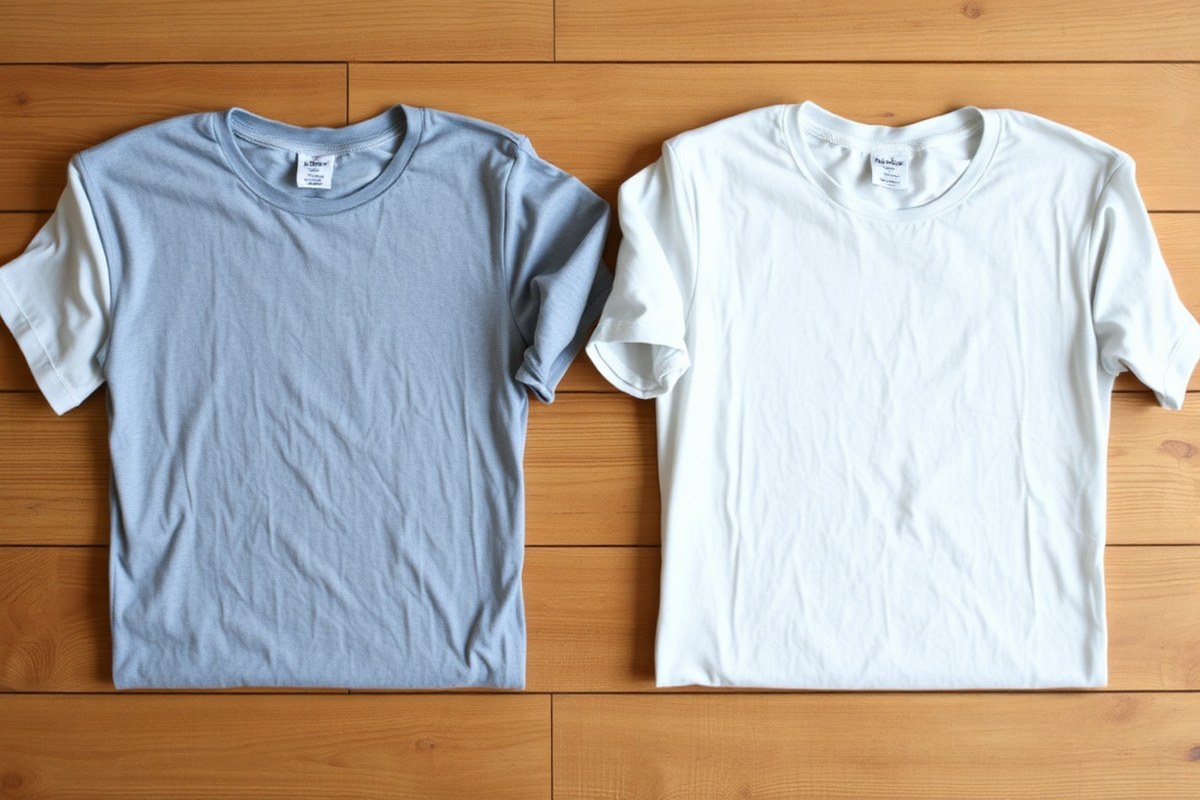
On average, 100% cotton garments can shrink between 5% and 10% after the first wash and dry cycle. Untreated cotton, especially loose weaves or knits, tends to shrink more, closer to the 10% mark, while pre-shrunk cotton typically shrinks less than 2%. Cotton blends with polyester or spandex generally see even lower shrinkage, usually in the range of 1% to 6%, depending on the cotton content and blend ratio.
The shrinkage mostly affects length more than width. For example, a standard 28-inch cotton T-shirt could shrink approximately 1.4 to 2.8 inches in length and about 1 to 2 inches in width after the first wash if it is untreated 100% cotton. Pre-shrunk cotton might lose only about 0.3 to 0.6 inches in both dimensions, which often does not significantly impact the fit. Blends, such as a 90/10 cotton/polyester shirt, could shrink 0.8 to 1.7 inches in length and slightly less in width. Polyester content stabilizes the garment, reducing overall shrinkage, especially in width.
| Fabric Type | Typical Shrinkage (%) | Shrinkage Example on 28″ Shirt (Inches) |
|---|---|---|
| 100% Cotton (Untreated) | 5, 10% | Length: 1.4, 2.8, Width: 1, 2 |
| Pre-Shrunk Cotton | 1, 2% | Length: 0.3, 0.6, Width: 0.3, 0.6 |
| 90/10 Cotton/Poly Blend | 3, 6% | Length: 0.8, 1.7, Width: 0.5, 1.2 |
| 60/40 Cotton/Poly Blend | 1, 3% | Length: 0.3, 0.8, Width: 0.3, 0.5 |
Most shrinkage occurs during the first wash and dry cycle, especially if high heat is used. Subsequent washes tend to produce increasingly smaller shrinkage amounts. Untreated 100% cotton tends to lose about 3% to 5% of its length on the first wash, with width shrinkage slightly less but still noticeable. Pre-shrunk cotton and blends owe their lower shrinkage to manufacturing processes that stabilize the fibers before sale, which prevents significant size changes during home laundering.
Understanding these percentages matters because sizing can be affected significantly by shrinkage, particularly for 100% cotton garments. A 28-inch-wide shirt shrinking up to 10% might feel tight or short after washing. That alone could make you size up or choose blends that maintain fit after laundering. In practical terms, careful washing with cold water and low dryer heat limits the amount of shrinkage, helping maintain the original garment dimensions.
Why Does Cotton Shrink? Understanding the Fiber Mechanics
Cotton fibers shrink primarily because of their biological structure and the tension they undergo during manufacturing. These natural fibers are spun and woven or knitted under tension to produce the fabric you buy. When exposed to water and heat, especially in washing and drying cycles, this tension is released. The fibers then contract, returning to their original, shorter state, causing the garment to shrink.
The contraction starts at the fiber level where cellulose molecules within cotton absorb water, causing the fibers to swell. This swelling softens the fibers and allows them to shift and realign. Heat, applied through washing or drying, speeds up this process by increasing molecular movement. Once the heat source cools or the fabric dries, the fibers contract tightly, taking up less space. The combination of swelling, relaxation, and re-contraction results in noticeable shrinkage in cotton garments.
During the manufacturing process, cotton fibers are stretched and fixed into shape through knitting and finishing techniques. This sets the fabric under tension, holding fibers in an elongated position. When the garment is washed or dried at high temperatures, this tension relaxes. The relaxation allows fibers to assume their natural, less stretched length, which is shorter. This tension release explains why garments shrink after the first few washes, often by about 3% to 5% for woven cottons like denim and twill.
Cotton knits, compared to woven fabrics, are generally more prone to shrinkage. Knitted fabrics have loops of yarn that can stretch more during manufacturing and daily wear, so when exposed to heat and water, they can relax and contract more. Woven cotton fabrics are tighter, with fibers crossing at right angles, restricting the degree of contraction. However, loosely woven or knits tend to shrink more because they hold more fiber tension and space for the fibers to move.
The exact amount of shrinkage depends on fiber properties like fiber length, twist in the yarn, and yarn density in the fabric. Shorter fibers and loosely twisted yarns allow more movement, increasing shrinkage. Denser weaving or knitting reduces the room for fibers to contract. Heat serves as a catalyst, raising the cotton fibers’ mobility, while water acts as a lubricant for fiber rearrangement. Mechanical agitation during washing and tumbling improve the process by physically loosening the fibers from their stretched position.
Wash cotton garments in cold water and air dry whenever possible to avoid heat-triggered fiber contraction that causes shrinkage.
How Fabric Type and Weave Affect Cotton Shrinkage
Cotton shrinkage differs significantly between knit and woven fabrics, mainly because of their construction and fabric density. Knit fabrics like jersey tend to shrink more, while woven fabrics usually shrink less due to tighter, more stable structures. Fabric density and weave type also affect how much shrinkage happens, denser weaves generally resist shrinkage better than looser ones.
Cotton Knit Fabrics and Shrinkage Rates
Knit fabrics such as jersey and French terry have loops in their construction, allowing more stretch and flexibility. This structure means they tend to shrink more during washing and drying because the fibers tighten and contract. Typical cotton knits used for T-shirts, tank tops, and sweatshirts often experience high shrinkage risks, sometimes 3-5% or more in length and width after the first hot wash and tumble dry.
Knit fabrics with loose or open knits, like gauze or flannel used in pajamas and casual shirts, also show high shrinkage rates. Their open loops allow water to penetrate easily and fibers to move more freely during laundering. Proper care with cold wash and air dry helps reduce this shrinkage significantly.
Woven Cotton and Shrinkage Behavior
Woven cotton fabrics like poplin and oxford have threads woven tightly over and under each other, creating a stable and denser textile. This structure limits shrinkage but doesn’t eliminate it. Dress shirts made with these fabrics typically show moderate shrinkage levels, often around 1-3% with regular washing and drying.
The tighter the weave, the less movement there is in the fibers, so fabrics feel firmer and hold their size better after laundering. Treatments like sanforization reduce shrinkage further by pre-shrinking the fabric at the mill, making woven cotton garments a safer choice for those concerned about fit changes after washing.
Denim and Twill Cotton: Why They Shrink Less
Denim and twill are woven cotton fabrics with a diagonal weave pattern that gives them a durable, dense texture. This kind of weave adds stability and resistance to shrinkage compared to plain woven or knit fabrics. Sanforized denim and twill fabrics typically show low shrinkage, often under 1-2% if properly cared for.
Because denim and twill are used in jeans and chinos, garments that undergo heavy wear, manufacturers often pre-shrink or treat these fabrics more thoroughly to minimize shrinkage during home laundering. Still, hot water washes and tumble drying should be avoided for best results, as shrinkage risks increase with heat.
Recommended Fabric Choices by Shrink Risk and Garment Type
The table below summarizes typical shrinkage risks associated with different cotton fabrics and garment uses. It can help you decide which cotton types work best for your needs and what to expect after washing.
| Cotton Fabric | Typical Use | Shrinkage Risk |
|---|---|---|
| Jersey Knit | Tees, Tanks, Dresses | High |
| French Terry, Fleece | Sweatshirts, Joggers | High |
| Flannel, Gauze | Shirts, Pajamas | High |
| Poplin, Oxford | Dress Shirts | Moderate |
| Sanforized Denim, Twill | Jeans, Chinos | Low |
For casualwear like T-shirts, choosing blends with polyester or spandex reduces shrinkage but requires care even with 90% cotton versions to keep the fit. For dress shirts, wovens like poplin minimize fit changes with normal laundering. Denim and twill cotton garments need less frequent washing and cold water cycles to maintain size. When shopping, look for pre-shrunk labels, especially on high-shrink knits, and follow care instructions closely to avoid surprises.
What Does Pre-Shrunk Cotton Really Mean?
Pre-shrunk cotton means the fabric has gone through treatments to reduce shrinkage, but it does not completely stop it. Typically, these methods can cut shrinkage by about 80%, leaving a small chance for further size changes after washing. Knowing how these processes work and how to read garment labels will help you decide how much risk of shrinking to expect from your cotton clothes.
Sanforization and Compressive Shrinkage
Sanforization is a mechanical process that compresses cotton fabric to limit future shrinkage. During this treatment, the fabric is moistened and passed through heavy rollers that stretch and then compress it under controlled tension. This effectively pre-shrinks the cotton by forcing the fibers to settle in a shorter length before the garment is made. This method typically reduces shrinkage by up to 80% compared to untreated cotton, which normally shrinks between 3% and 5% during the first wash.
Sanforization is widely used for shirts, denim, and other sturdy cotton fabrics, and garments labeled as “sanforized” or “pre-shrunk” have undergone this process. It adds a small step in manufacturing and usually raises the cost slightly, but it helps maintain fit longer. However, sanforized cotton can still shrink a little, especially if exposed to very hot water or dryer heat beyond recommended settings. Residual shrinkage is usually less than 1%, mainly affecting length rather than width.
Enzyme Washing Effects on Cotton
Enzyme washing is a chemical treatment applied to cotton garments to break down surface fibers and soften them while minimizing shrinkage. This process uses cellulase enzymes that gently weaken the cotton fuzz, reducing the fabric’s tendency to tighten after washing. Enzyme wash is often applied after sanforization or to non-sanforized fabrics to create a softer texture and also reduce pilling.
While enzyme washing can lower shrinkage rates, it does not fix the fabric’s basic shrinkage potential from fiber contraction and tension. Instead, it complements sanforization by making the cotton feel less stiff and helping maintain size stability over multiple washes. These garments will still shrink slightly if washed at high temperatures or dried aggressively, but typical shrinkage after enzyme washing usually stays well below 2%.
How to Interpret Garment Care Labels About Pre-Shrunk Status
Look for keywords like “pre-shrunk,” “sanforized,” or “preshrunk” on the garment label, which indicate the fabric was treated to reduce shrinkage. These labels are good signals that the cotton will shrink much less than untreated fabric. However, “pre-shrunk” does not mean zero shrinkage; expect a small amount, particularly after the first wash and dry cycle.
If the label lacks any mention of pre-shrinking or sanforization, assume the fabric is untreated and likely to shrink between 3% and 5%. Also, pay attention to washing and drying instructions, using cold water and air drying or low heat drying can limit shrinkage even in untreated cotton. The absence of detailed care labels means there is a higher risk of unexpected shrinkage, so sizing up or seeking pre-shrunk options is safer.
Some manufacturers might combine enzyme washing and sanforization and list both or only one on the label. These garments generally offer good shrinkage control, but following washing guidelines is still essential to protect fit and fabric longevity.
Choosing Between 100% Cotton and Cotton Blends to Limit Shrinkage
Choosing between 100% cotton and cotton blends depends largely on how much shrinkage you can accept, the feel you prefer, fabric durability, and care needs. Pure cotton tends to shrink more, often in the range of 5% to 10% depending on the weave and care method. Blends with polyester keep shrinkage lower, typically around 3% to 5%, because polyester fibers resist shrinking and add strength to the fabric.
Cotton blends with polyester or spandex offer more stable fabric with less distortion after washing. Polyester improves wrinkle resistance and reduces shrinkage, while spandex adds stretch but may require more careful handling to avoid damage. Cotton blends with higher polyester content generally shrink less but feel less natural. In contrast, higher cotton percentages provide a softer feel and better breathability, which some consumers prefer even if they accept slight shrinkage.
| Blend Ratio | Estimated Shrinkage | Feel | Durability | Care Needs |
|---|---|---|---|---|
| 100% Cotton | 5% to 10% | Soft, breathable | Moderate; prone to shrinking and wrinkling | Requires careful washing, low heat drying |
| 90% Cotton / 10% Polyester | 3% to 5% | Soft with slight synthetic feel | More durable, wrinkle resistant | Machine washable, dryer safe at moderate heat |
| 70% Cotton / 30% Polyester | 2% to 4% | Less soft, more synthetic feel | High durability, resist shrinking well | Easy care; can tolerate regular machine drying |
| 95% Cotton / 5% Spandex | 3% to 5% | Soft with stretch | Flexible, but stretch can degrade with heat | Avoid high heat to preserve elasticity |
Looking at these options lets you choose based on your tolerance for shrinkage and fabric characteristics. If you want minimal shrinkage and easy upkeep, start with blends containing 20% to 30% polyester. They cost slightly more but reduce fabric changes significantly. For sensitive fabrics with spandex, always wash in cold water and air dry or tumble dry low to maintain fabric elasticity and prevent shrinkage. Here’s a checklist to help you pick a cotton blend:
- Determine how much shrinkage is acceptable, below 5% usually means polyester blends.
- Decide if you need natural softness or can tolerate a slightly synthetic feel.
- Consider durability needs; polyester blends hold shape better over time.
- Plan your care routine; cotton blends generally handle machine drying better than 100% cotton.
- For stretch, select blends with spandex but be cautious using heat in drying.
Use cold water washing and low-heat drying to minimize shrinkage and maintain fabric quality, especially for blends with spandex or high cotton content.
Best Washing and Drying Practices to Minimize Cotton Shrinkage
To minimize cotton shrinkage, wash garments in cold water using a gentle cycle and avoid high dryer heat. Air drying cotton is preferable, but if you use a dryer, choose a low heat setting and remove items promptly. Following label instructions closely helps preserve fabric size and appearance.
Ideal Water Temperature Settings
Cold water is the safest option to reduce cotton shrinkage because it slows down fiber relaxation. Washing cotton in water below 80°F (27°C) helps maintain the garment’s original size. Hot or warm water can cause fibers to contract more, increasing shrinkage beyond the typical 2-5% range.
Modern detergents are formulated to clean effectively in cold water, so there is no need to use warm or hot water for routine washing. Using cold water consistently also protects cotton’s color and print designs.
Choosing the Right Washing Cycle
Use the gentle or delicate cycle on your washing machine to protect cotton fibers from excessive agitation, which can stretch or damage the fabric and cause more shrinkage. This cycle uses slower spin speeds and less mechanical action, preserving fabric integrity.
For heavily soiled cotton items, pre-treat stains and avoid selecting a heavy-duty cycle, which increases friction. Standardizing your wash settings to cold water combined with a gentle cycle reduces the shrinkage risk and extends garment life, especially for 100% cotton pieces.
Air Drying vs Tumble Drying Methods
Air drying is the best way to prevent cotton shrinkage after washing. Lay cotton garments flat on a clean surface or hang them on a drying rack indoors, away from direct sunlight and heat sources. This slows fiber contraction and helps maintain size and shape.
Choose the lowest heat setting available when using the dryer. High dryer heat causes cotton to shrink quickly; low heat combined with short drying times minimizes this effect. Remove cotton items while they are slightly damp and let them finish drying flat or hung up. This avoids over-drying, which tightens fibers excessively.
Special Care for Printed Cotton Garments
Printed cotton tees require extra care to preserve both the design and fabric size. Wash them inside out in cold water on a gentle cycle to protect the print and reduce shrinkage. Avoid bleach and harsh detergents that can degrade both cotton fibers and print quality.
Air drying printed garments or tumble drying on low heat is safest. Overexposure to high temperatures in the dryer or ironing directly on the print can cause damage and shrinkage. Following label instructions carefully protects both your cotton garment and its printed artwork. Follow these steps for a safe, shrinkage-minimizing cotton care routine:
- Sort cotton garments by color and fabric type to prevent damage and dye transfer.
- Turn garments inside out, especially printed shirts, to protect surface details.
- Set your washing machine to cold water, ideally below 80°F (27°C).
- Choose the gentle or delicate cycle to reduce fabric agitation.
- Use a mild detergent suited for cold water washing.
- Remove items promptly after washing to prevent wrinkles and fiber stress.
- Air dry garments flat or hung in a well-ventilated area out of direct sunlight.
- Use the lowest heat setting on the dryer and take out items while damp to let them finish drying naturally.
How to Tell When Cotton Will Shrink and When to Size Up
Expect cotton garments to shrink significantly if they are made from 100% untreated cotton and have not undergone any preshrinking process like sanforization. This shrinkage typically happens after the first wash and dry cycle, especially if washed in warm or hot water and tumble dried on high heat. Fabric type plays a key role: pure cotton tends to shrink more than blends with polyester or synthetic fibers, which limit shrinkage. When you see labels specifying “preshrunk,” “sanforized,” or “garment dyed,” those garments usually have minimal shrinkage, so you can buy the size that fits you now without worrying about future changes.
Look closely at care tags for clues. A 100% cotton label without mention of preshrinking carries a higher risk of significant shrinkage, often around 3-5% or more in length and width. Blended fabrics labeled as 90% cotton and 10% polyester usually shrink less, often under 2%. When the tag advises washing in cold water and avoiding high heat drying, it means the garment is likely to shrink if those instructions are ignored. Conversely, if the tag includes specific temperature recommendations or notes it’s “pre-washed,” expect little to no shrinkage and plan your sizing accordingly.
Garment construction also matters. Heavier, tightly woven cotton fabrics typically shrink less than lightweight, loosely woven knits. For example, a thin cotton T-shirt may shrink noticeably more than a twill cotton shirt. Garments with additional finishes or treatments often resist shrinkage better. The seams and cut also affect sizing after shrinkage: shirts with single-needle stitching or fitted patterns may become too tight, urging you to pick a larger size upfront.
Use a simple checklist before deciding to size up: verify the fabric content (100% cotton vs. Blend), check for preshrinking labels, review washing instructions, and consider fabric weight and weave. Buying a 100% cotton T-shirt labeled “not preshrunk” and washing it regularly in warm water with high heat drying will result in about 3-5% shrinkage. So, if the shirt’s bust measures 40 inches, expect it to shrink roughly 1.2 to 2 inches overall. In this case, selecting a size up or one with a slightly larger fit can prevent it from feeling too tight later.
For example, imagine you want a fitted 100% cotton T-shirt that currently fits at large (42-inch chest). Since this particular shirt lacks preshrunk labeling and the washing instructions do not restrict warm water or high heat drying, you risk it shrinking approximately 4%. Multiply 42 inches by 0.04 to get about 1.68 inches of shrinkage. Buying the next size up (XL) with a 44-inch chest will accommodate this change without making the shirt too loose initially.
In contrast, if you choose a pre-washed cotton-polyester blend shirt that fits well at large size, you can remain confident in buying the size that fits without needing to size up. Following the care label to wash in cold water and tumble dry low will further protect its size and shape.
Common Cotton Shrinkage Mistakes and How to Fix Them
Common mistakes that cause cotton shrinkage include washing with hot water, drying on high heat, and using harsh detergents. High temperatures relax and then tighten cotton fibers, pulling them closer and shrinking the fabric. Many cotton garments are pre-shrunk, but improper care still leads to noticeable size loss.
Fixing shrunken cotton takes patience and gentle care. Soak the clothing in lukewarm water with baby shampoo or fabric softener to loosen the fibers. After about 30 minutes, carefully stretch the damp fabric and then let it dry flat. This approach can help regain some size, especially in natural cotton shirts and tees, but it usually won’t bring the garment back to its exact original size. Some common mistakes to avoid and fixes include:
- Washing in hot water instead of cold or warm water
- Using a high heat setting in the dryer rather than tumble dry low or air dry
- Leaving cotton clothes in the dryer too long after the cycle ends
- Skipping pre-wash checks like reading care labels for temperature limits
- Overloading the washing machine, which prevents even cleaning and rinsing
- Using bleach or harsh detergents that weaken fibers and promote tightening
- Ignoring fabric softeners that ease fiber stiffness and reduce shrinkage risk
Keeping a cotton garment’s size consistent means washing in cold or warm water and drying on low heat or air dry. Remove clothes promptly from the dryer to avoid further shrinking from overheating. For valued items, hand wash and air dry. Always read and follow the garment’s care label for the safest temperature ranges.
Avoid drying cotton clothes on high heat, as repeated exposure can cause irreversible shrinkage over time.
These preventive steps offer a simple, cost-effective way to protect your cotton clothes from unwanted size loss. Small habits such as washing with gentle detergents and avoiding excessive heat in drying make a significant difference. Reacting quickly to shrinkage by soaking and gently stretching can salvage a shrunken shirt, but prevention remains the best approach to maintain your cotton wardrobe’s fit and comfort.
Step-by-Step Action Plan to Manage Cotton Shrinkage
Follow these steps to control cotton shrinkage and keep your clothes fitting well after washing.
- Before first wash: Check the clothing label for pre-shrunk information and fabric blend, so you know what to expect.
- First wash: Wash cotton items in cold water to minimize initial shrinkage; if the garment remains close to original size, the treatment worked.
- Drying immediately after wash: Air dry your cotton clothes or use a low heat dryer setting; your item should keep its shape without noticeable shrinking.
- After several washes: Assess any size changes and decide if sizing up is necessary for future purchases based on your experience.
- Before buying new cotton garments: Consider blends or tighter weaves for less shrinkage if you want low-maintenance clothes.
- Regular care routine: Always follow gentle washing and drying practices; your clothes should retain fit and comfort over time.
Frequently Asked Questions
How Much Does Cotton Shrink on Average After Washing?
Untreated 100% cotton fabric may reduce in size by as much as 5% after the initial washing and drying. This shrinkage affects the garment’s length more, shrinking it roughly half a size unless cold water and gentle drying settings are used.
How to Shrink Cotton Clothes Effectively?
To shrink cotton clothes intentionally, wash them in hot water and dry on high heat. This process tightens the fibers but can also cause uneven shrinking, so check progress frequently to avoid over-shrinking.
How Do I Wash 100% Cotton Clothes to Avoid Shrinkage?
Wash 100% cotton garments in cold water and tumble dry on low heat or air dry. This reduces fiber contraction and helps maintain the original size and shape over multiple washes.
Can You Shrink 70% Cotton Fabric?
Yes, 70% cotton fabrics can shrink, but usually less than 100% cotton. The synthetic blend fibers limit shrinkage to around 3 to 6%, depending on the fabric treatment and washing method.
Will a 90% Cotton Shirt Shrink in the Dryer?
A 90% cotton shirt will likely shrink between 3% and 6% in a hot dryer. Pre-shrunk or enzyme-treated shirts shrink less, but untreated fabric still contracts under heat and agitation.
Does Cotton Shrink More When Washed or Dried?
Cotton shrinks most when exposed to heat during drying rather than washing. High dryer heat causes fibers to tighten and shrink noticeably, so air drying reduces shrinkage risk.
Wrapping Up
Cotton typically shrinks about 3 to 5 percent after the first wash, depending on the fabric and care. Using cold water and low heat drying significantly reduces shrinkage risk, especially for 100% cotton. Next time you shop, check for pre-shrunk labels and fabric blends to match your lifestyle and maintenance preferences. Proper care can extend your cotton wardrobe’s lifespan while maintaining size and comfort.