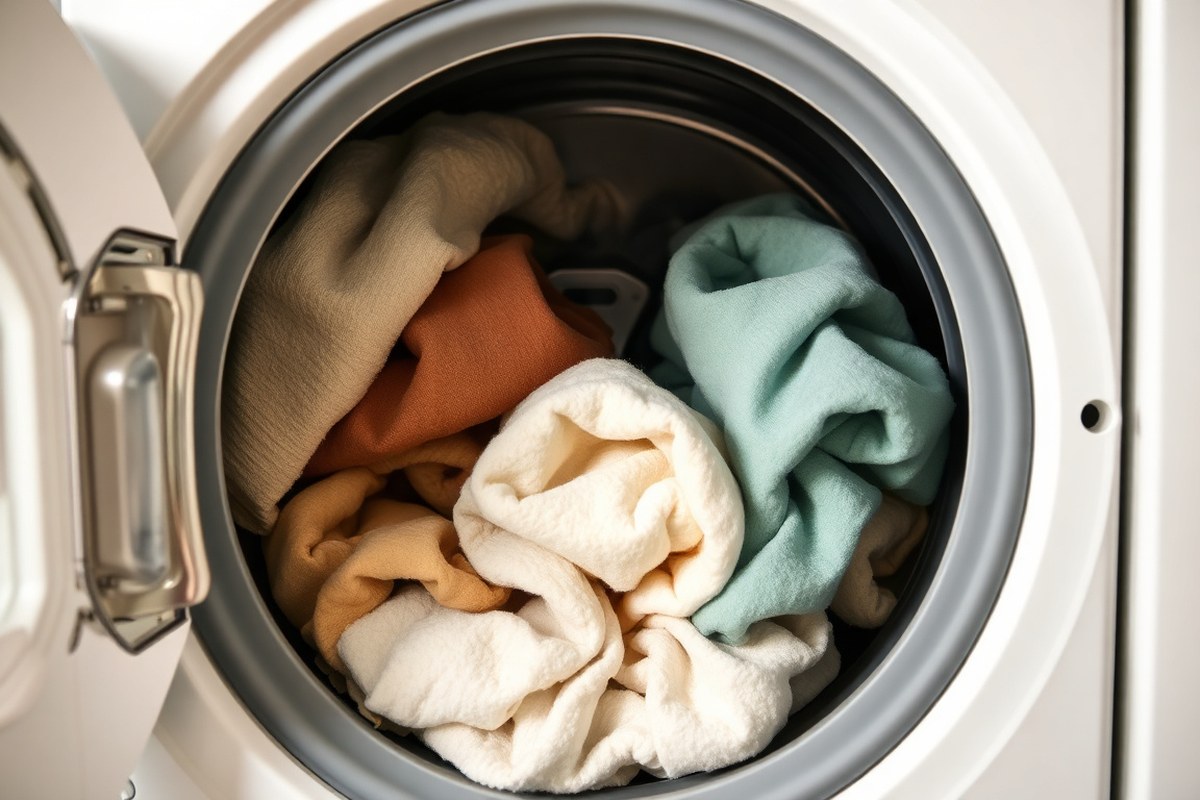
Can Clothes Shrink in the Dryer? What Actually Causes Shrinkage and How to Prevent It
Clothes can shrink in the dryer, especially fabrics like 100% cotton and wool, which respond strongly to heat and moisture. Shrinkage often happens because heat causes fibers to contract, so using high dryer temperatures increases the risk. You can expect most shrinkage during the first wash and dry cycle, with cotton shrinking up to about 5% or more if untreated.
This explanation is for anyone who wants to avoid unwanted shrinking or learn how to control the size of their clothes after washing. It breaks down how different fabrics behave in the dryer, the impact of dryer settings and washing methods, and how to protect your favorite garments from shrinking too much.
Key Takeaways
- 100% cotton clothes can shrink about 3-5% after their first wash and dry cycle, especially with heat exposure.
- High dryer temperatures above 90°F (32°C) accelerate cotton shrinkage significantly.
- Wool garments can shrink up to 30% if dried with high heat, so avoid hot dryer settings for wool.
- Pre-shrunk clothes may still shrink slightly, typically around 1-3%, when dried.
- Using a gentle dryer setting and monitoring clothes can control the amount of shrinkage for cotton fabrics.
- Drying jeans made of 100% cotton or high cotton blends usually causes noticeable shrinkage unless taken out early.
Do Clothes Shrink in the Dryer and Why?

Clothes can and do shrink in the dryer. This happens because the dryer exposes fabrics to a combination of heat, moisture, and tumbling action, which work together to cause fibers in the garment to contract. The process is mostly permanent, making the dryer the main culprit for shrinkage compared to washing alone.
Heat plays a central role in shrinking clothes. When fibers in natural materials like cotton are heated, they lose moisture and tighten up. The moisture initially makes the fibers more flexible, but once the dryer’s heat evaporates this moisture, the fibers contract and pull the fabric smaller. Synthetic fibers react differently but can also shrink or deform under high temperatures, especially if exposed to heat above their tolerance limits, often around 120, 150°F. High heat in the dryer, typically around 125°F to 135°F or more, accelerates this contraction.
Moisture presence before and during drying causes fibers to loosen and stretch while wet. When you put wet clothes into the dryer, the heat removes this moisture, causing the fibers to stiffen and return to their original, tighter form. This natural shape recovery of fibers shrinks the garment, which is why clothes often shrink more if they are dried fully at high heat rather than removed when slightly damp. Keeping clothes damp longer or air drying them reduces the chance of severe shrinkage.
The mechanical tumbling movement inside the dryer also contributes to shrinkage. The tumbling agitates fibers, pushing them closer together as they dry under heat. This physical agitation compacts the fabric and helps fibers settle into a denser, smaller form. Overdrying or running a dryer cycle that is too long increases the tumbling effect and heat exposure, resulting in greater shrinkage.
For example, cotton can shrink 3 to 5 percent after a typical drying cycle at high heat. Wool garments may shrink much more, sometimes up to 30 percent, due to their structure and sensitivity to heat combined with agitation. Fibers that were stretched out during washing or wearing snap back to their original, smaller size as heat and tumbling pull them back together.
Reducing heat and tumbling time lowers the chance of shrinkage because fibers have less energy and motion to contract and draw together. Using low or medium heat settings and removing clothes while slightly damp can help maintain their size. Overloading the dryer, however, can cause uneven drying and inconsistent shrinkage across items, so it’s best to dry moderate loads.
How Different Fabrics Respond to Dryer Heat

Natural fibers like cotton, wool, and linen are the most prone to shrinking in the dryer because their fibers contract when exposed to heat and moisture. Cotton garments, especially new ones, can shrink between 2% and 20%, with many shrinking about 10% under typical drying conditions. Wool is even more sensitive and can shrink from 30% up to 50% if dried on high heat combined with agitation. Synthetic fabrics such as polyester and nylon shrink much less, often less than 5%, and usually only when exposed to extremely high temperatures or improper dryer settings.
Blended fabrics containing cotton and synthetic fibers shrink more slowly and less dramatically than 100% natural fibers. Shrinkage in blends largely depends on the cotton percentage, with higher synthetic content reducing the overall shrinkage effect. For example, denim made from 100% cotton tends to shrink significantly in the dryer, while a polyester-cotton blend will shrink gradually over multiple washes and dries.
| Fabric Type | Typical Shrinkage Percentage | Dryer Heat Recommendations |
|---|---|---|
| 100% Cotton | 2% to 20% (up to 10% common) | Low to medium heat; remove while damp to prevent excess shrinkage |
| Wool | 30% to 50% | Air dry or tumble dry on no heat; avoid agitation and high temperatures |
| Linen | 5% to 15% | Use low heat and remove promptly while damp |
| Polyester | Less than 5% | Medium heat; avoid high heat to prevent melting or fiber damage |
| Polyester-Cotton Blends | Gradual shrinkage over multiple cycles | Medium heat; monitor drying time to avoid over-drying |
| Denim (100% Cotton) | 10% to 20% | Low to medium heat; remove while slightly damp for minimal shrinkage |
Heat sensitivity of fabrics is a function of their fiber structure. Cotton fibers absorb moisture, which loosens them during washing. Once transferred to the heat of the dryer, fibers tighten, causing the garment to contract. Wool has a natural scaly fiber surface that clumps and shrinks dramatically under heat and agitation. Synthetics have smoother fibers that resist tightening, making them less likely to shrink unless exposed to damaging dryer temperatures above recommended settings.
Tip: Always check fabric care labels for recommended dryer temperatures to avoid unexpected shrinkage, especially with natural fibers like cotton and wool.
Using lower heat settings or air drying for sensitive fabrics tends to preserve size and shape. Removing clothes from the dryer while still slightly damp also helps prevent excess shrinkage. Understanding how each fabric type reacts to heat lets you choose the best drying practices to maintain garment fit and longevity.
How Dryer Settings Affect Shrinkage Risks
Choosing the right dryer settings significantly affects the chances of clothes shrinking. High heat and long drying times increase shrinkage risks, while low heat and shorter cycles help preserve garment size. Using sensor-based cycles and delicate settings also minimizes exposure to damaging heat and agitation.
High Heat vs Low Heat Impact
High heat settings in dryers can cause natural fibers like cotton and linen to shrink up to 5%, according to Cotton Incorporated. Heat causes fibers to contract, which leads to this reduction in size. Synthetic fabrics such as polyester are less sensitive, shrinking minimally even under higher heat.
Low heat settings reduce the risk of shrinkage by limiting fiber contraction. Most natural and blended fabrics respond well to tumble dry low or delicate heat. Wool should be air-dried or dried with no heat, as high heat can cause felting, a type of dramatic shrinkage.
Choosing lower temperature settings extends fabric life. The tradeoff with low heat is usually longer drying times, but this is safer for maintaining garment shape and size.
Duration and Cycle Types to Consider
The length of the drying cycle also plays a key role. Longer cycles increase heat exposure and tumbling, which can lead to shrinking. Removing clothes early, especially when they are still slightly damp, reduces over-drying and shrinkage.
Choose shorter cycles such as “Quick Dry” or “Delicate” for garments prone to shrinking. These cycles use less heat and gentler tumbling. Avoid using lengthy, high-heat cycles on cotton or cotton blends when preserving size is a priority.
- Delicate cycle: low heat and gentle tumbling to protect fibers
- Quick Dry: shorter time, reduces heat exposure
- Air fluff or no heat: dries without heat to eliminate shrinkage risk
- Normal cycle: medium heat and standard duration for durable synthetic fabrics
- High heat cycle: highest risk of shrinkage, avoid for natural fibers
Checking garments early during the drying process can help you stop the cycle before shrinking sets in, especially for thick or mixed-fiber fabrics.
Using Sensor Dry and Timed Dry Settings
Sensor dry cycles monitor moisture and temperature to stop automatically when clothes are dry. This prevents overheating and excessive tumbling time, which are common causes of shrinkage. Sensor cycles work well for natural fabrics that can shrink if over-dried.
Timed dry requires setting the duration manually. To minimize shrinkage, set shorter times with low heat and check the dryness halfway through. Overdrying increases shrinkage risk, so err on the side of under-drying and air dry if needed to finish.
For clothes that shrink easily, using sensor dry or combining short timed dry cycles with air drying can provide better control. Some models also offer custom programming to use low heat throughout, further protecting clothes.
How Washing Practices Influence Dryer Shrinkage
Washing methods significantly affect how much your clothes shrink in the dryer. Hot water, harsh agitation, and overloading the washing machine increase fiber stress and set the stage for greater shrinkage during drying. Choosing cold water, gentle cycles, and avoiding crowded loads helps protect fibers and reduce shrinkage risks.
Using Cold Water to Protect Fibers
Using cold water in the wash cycle reduces fabric shrinkage by minimizing fiber relaxation. Hot water causes fibers to swell and loosen, which can lead to permanent contraction during drying. Washing with cold water slows this process, maintaining fiber integrity and glow over time.
According to garment care experts, cold water not only helps prevent shrinkage but also protects dyes and extends fabric life. This approach is especially beneficial for natural fibers like cotton and wool, which can shrink up to 10% and 5% respectively when washed in hot water.
Choosing Gentle Wash Cycles
Washing machines set to gentle or delicate cycles reduce mechanical stress on fabrics by slowing agitation and shortening cycle duration. Excessive agitation can cause fibers to tangle and felt, increasing shrinkage potential before drying even begins. Fiber damage in the washer contributes to irreversible shrinkage once heat from the dryer sets in.
Many washers offer special settings for delicate fabrics. Using these settings helps maintain garment shape and fit, particularly for textiles prone to shrinking, like silk and wool. This gentle handling supports fabric longevity without sacrificing cleanliness.
Avoiding Overloading the Washer
Overloading your washer limits water circulation and increases friction between clothes. This adds mechanical stress and more intense agitation than necessary. Crowded machines also make rinsing less effective, leaving detergent residue that can weaken fibers.
To minimize shrinkage, separate loads by fabric type and wash smaller quantities. This ensures even cleaning and gentler motion. Taking these steps lets fibers move freely while being cleaned, reducing the chance of permanent shrinkage during drying. Follow these steps to prepare your clothes for drying while lowering shrinkage risk:
- Sort clothes by fabric type to target washing needs.
- Set washer to cold water to reduce fiber swelling.
- Select gentle or delicate wash cycle to limit agitation.
- Load the washer only halfway to allow better water flow.
- Use mild detergent suitable for fabric type.
- Remove clothes promptly to reduce wrinkles and fiber stress.
- If possible, air-dry delicate fabrics instead of machine drying.
How to Prevent Clothes from Shrinking in the Dryer
Preventing clothes from shrinking in the dryer starts with careful attention to the care label. These labels provide specific instructions about safe drying temperatures and methods tailored to the fabric’s behavior. When you follow these guidelines closely, you reduce the risk of fabric fibers tightening and shrinking due to excessive heat or agitation.
Low heat settings on your dryer play a important role in preventing unwanted shrinkage. High heat causes fibers to contract more aggressively, especially in natural fabrics like cotton and wool. Using a tumble dry low setting or an air fluff cycle helps maintain the garment’s size and shape by avoiding that intense heat exposure.
Sometimes, machine drying is not the best option, especially for shrink-prone materials like silk, wool, or delicate synthetics. Air-drying garments flat on a clean surface or hanging them properly can prevent shrinkage completely. Although air drying takes more time, it is gentler on the fabric and reduces the risk of damaging your favorite clothes.
- Always check the care label before drying
- Use low-heat or air fluff dryer settings
- Remove clothes promptly to avoid over-drying
- Consider air-drying delicate or shrink-prone fabrics
- Separate fabrics by weight and type for optimal drying
- Avoid overloading the dryer to ensure even drying
Never ignore a care label’s drying guidelines, as they are designed to protect your garment’s fit and fabric integrity.
Following these steps requires minimal effort but can save you money and frustration by extending the life of your clothing. Drying on low heat or air drying may add 10 to 30 minutes to your drying cycle or require extra space and time at home, but this tradeoff helps maintain the original fit. Using a professional laundry service that follows textile care standards is another option if you want to ensure shrinkage doesn’t happen. Taking these simple precautions helps keep your clothes fitting and looking their best after every wash.
Can You Shrink Clothes on Purpose in the Dryer?
You can intentionally shrink clothes in the dryer by applying high heat and tumbling action, especially with cotton and cotton-blend fabrics. Controlled shrinking matters when you want to adjust the fit of a garment without tailoring. Using the right preparation and dryer settings helps achieve this safely and with predictable results.
Preparing Garments for Shrinking
Start by selecting clothes made primarily of cotton or cotton blends, as these materials shrink best under heat. Avoid synthetic fibers like polyester, which won’t shrink easily and can melt or become damaged. Check care labels to confirm if shrinking is possible; pre-shrunk clothes may only shrink slightly (1% to 3%). Washing garments in hot water before drying can relax fibers, making shrinking more effective.
Using fabric softener during the wash cycle can sometimes speed up shrinkage by relaxing the fibers. This step is optional but may help if you want a quicker result. Avoid using bleach or harsh detergents as they might weaken fabric and affect the shrinking outcome.
Optimal Dryer Settings for Shrinking
Set your dryer to the highest heat temperature safe for the fabric based on the care label. High heat combined with the tumbling motion is what causes fibers to contract and shrink. Avoid using a no-heat or low-heat setting, as these won’t shrink the garment effectively.
Depending on your dryer, choose a cycle such as “Cotton” or “Heavy Duty,” which maintain steady heat for at least 30 to 40 minutes. If your dryer has a moisture sensor, turn it off to ensure the full heat cycle runs without interruption. Running multiple cycles might be necessary for more significant shrinking.
Checking Progress and Avoiding Over-Shrinking
Periodically pause the drying cycle to check the fit and size of your garments. Too much shrinking can distort shape or make clothes unwearable. Aim for small reductions in size per cycle, then dry again if needed.
Use a measuring tape to track changes if you want precise control. Typically, shrinking more than 5% to 7% of the original size risks fabric damage or misshaping. Once the desired size is reached, switch to air drying to maintain that fit.
Over-shrinking often results in stiff or uneven fabric areas, which means you should stop the heat treatment immediately. For delicate or mixed fabrics, test with one garment first to avoid costly mistakes.
- Sort garments by fabric type, choosing cotton or cotton blends for shrinking.
- Wash clothes in hot water with or without fabric softener to relax fibers.
- Load the dryer and select the highest heat setting recommended on the care label.
- Run the dryer on a “Cotton” or “Heavy Duty” cycle for 30 to 40 minutes.
- Pause the dryer to measure and assess shrinkage progress.
- Repeat drying cycles as necessary with monitoring to avoid over-shrinking.
- When desired size is achieved, air dry future washes to maintain fit.
How to Fix Clothes That Have Already Shrunk
Yes, you can try to reverse shrinkage caused by the dryer, but success depends on the fabric and how much the clothes shrank. The goal is to relax the tightened fibers and gently stretch them back to shape. Cotton garments respond best to this method, as heat causes their fibers to contract. You’ll need a few household products like baby shampoo or a mild hair conditioner to help loosen fibers. Avoid harsh detergents that can stiffen the fabric.
Start with a soak-and-stretch routine. The soaking softens the fibers, and the gentle stretching helps reshape the garment. This method takes some patience and care to avoid damage. Here’s exactly how to do it:
- Fill a basin with lukewarm water, about 70 to 80°F (21 to 27°C). Avoid hot water since it can tighten fibers further. Use enough water to fully submerge the garment.
- Add 1 to 2 tablespoons of baby shampoo or mild hair conditioner to the water. These products relax the fibers without causing harm.
- Submerge the shrunken garment and gently swish it for 5 minutes. Let it soak for 20 to 30 minutes to allow the fibers to loosen.
- Drain the water and remove the garment carefully, don’t wring it out, as that can distort the shape and cause damage.
- Lay the garment flat on a clean towel. Roll the towel with the garment inside to gently squeeze out excess water without twisting or pulling.
- Place the damp garment on another dry towel or flat surface and gently stretch it to its original size and shape. Focus on width and length, moving slowly and evenly to avoid holes or thinning.
- Let the garment air dry flat, reshaping it every 10 to 15 minutes during drying. Avoid hanging, which can stretch unevenly.
This procedure should cost only a few cents for shampoo or conditioner and takes about an hour in total, plus drying time. Results typically include partial restoration of size and shape. Extreme shrinkage or synthetic fibers like polyester usually won’t fully recover with this method. Avoid repeated cycles, which can weaken the fabric.
Common Mistakes That Cause Shrinkage and How to Avoid Them
Shrinkage in clothes often results from a combination of heat, moisture, and agitation. The most frequent errors that lead to shrinking include using high heat settings, over-drying garments, washing with hot water, and not following fabric care labels. Fixing these mistakes is important to protecting your clothes’ fit and appearance over time.
One common mistake is drying clothes at the highest heat setting. Many fabrics, especially cotton, begin to shrink significantly when exposed to temperatures above 130°F. Reducing the dryer temperature to a medium or low setting can prevent excessive shrinkage. Removing clothes while they are still slightly damp also helps, because over-drying dries out fibers and tightens them more than necessary.
Another frequent error is ignoring the garment’s washing instructions. Washing clothes in hot water causes the fibers to swell and then contract when dried, which contributes to shrinking. Using cold or warm water washes reduces this risk. Some delicate items should be washed by hand or on gentle cycles to limit agitation, which also causes shrinkage.
Always check the care label for temperature recommendations and consider air-drying for delicate or shrink-prone fabrics.
- Drying clothes on high heat, switch to low or medium heat instead.
- Leaving clothes in the dryer too long, remove them while damp to avoid over-drying.
- Washing clothes in hot water regularly, use cold or warm water cycles.
- Ignoring fabric care labels, follow instructions precisely to protect each material.
- Using rough washing cycles on delicate fabrics, choose gentle or hand-wash settings.
- Mixing heavy and lightweight fabrics, separate items to reduce friction damage.
You should avoid using the dryer entirely for certain fabrics, such as wool, rayon, and some blends. These materials are more prone to irreversible shrinkage under dryer heat. Air drying is a safer method for preserving the size and shape of these garments.
Controlling dryer usage and washing habits may take a little extra time and attention, but it costs little and preserves your clothes much longer. Carefully applying these corrections avoids tight or misshapen clothes that often end up discarded.
Step-by-Step Action Plan
Follow these steps to manage and prevent clothes shrinking in the dryer effectively.
- Before washing: Check the care labels on your clothes to identify fabrics prone to shrinkage.
- Day 1: Use cold water and a gentle wash cycle for clothes that shrink easily; you’ll notice less fabric tension after drying.
- Immediately before drying: Select the low heat or air-dry setting on your dryer to reduce shrinkage risk, confirmed when clothes feel soft and maintain size.
- After drying: Remove clothes promptly to avoid excess heat exposure and check if the size feels consistent with expectations.
- Ongoing: For delicate or natural fabrics, consider air drying or using a drying rack to preserve fit over time.
- If shrinkage occurs: Apply gentle stretching techniques while damp and reshape garments to restore size.
- After several cycles: Regularly inspect fabric condition and adjust drying settings if changes in fit or texture appear.
Frequently Asked Questions
Does the Dryer Shrink Jeans?
Yes, jeans, especially those made of 100% cotton or with a high cotton content, can shrink significantly in the dryer due to heat tightening the fibers. To reduce shrinkage, opt for low heat or air dry your jeans.
Can You Shrink Clothes Intentionally in the Dryer?
Yes, you can shrink clothes on purpose by using high heat settings and longer drying times to tighten the fabric fibers. This is useful if you need a smaller fit, but proceed carefully to avoid over-shrinking.
Will Putting Dry Clothes in the Dryer Shrink Them?
Dry clothes generally won’t shrink further in the dryer since the main shrinkage happens from heat and moisture combined. Shrinkage mostly occurs when you dry damp or wet clothes at high heat.
Do All Fabrics Shrink Similarly in the Dryer?
No, natural fibers like cotton tend to shrink more, while synthetic fabrics like polyester resist shrinkage. Always check fabric content labels to predict how much shrinkage to expect.
Can Drying Clothes on Low Heat Prevent Shrinkage?
Low heat in the dryer reduces the risk of shrinkage by putting less stress on the fibers. While it slows drying time, this setting is better for delicate or shrink-prone fabrics.
Does Washing Temperature Affect Shrinkage in the Dryer?
Yes, washing in hot water can loosen fibers, which then tighten and shrink in the dryer when exposed to heat. Using cold water washing helps slow this process and reduce overall shrinkage.
Before You Go
Clothes can shrink in the dryer due to heat and fabric type, but you can control this by understanding the right washing and drying methods. Start by reading your garment labels carefully and choosing low-heat drying settings. Experiment with the suggested care steps on one item to see how your dryer affects fit before tackling your whole wardrobe.