How to Clean Upholstered Furniture: 8 Essential Steps for Spotless Results
Start cleaning upholstered furniture by identifying the fabric type and using appropriate cleaning methods to avoid damage. Use gentle blotting to treat spills immediately and follow care instructions based on the upholstery code. Regular maintenance and correct stain removal can keep your furniture looking fresh and last longer.
This advice fits homeowners and renters aiming to maintain sofas, chairs, and other upholstered items. You will learn safe cleaning steps and key tips to keep your investment spotless without risking fabric damage.
Key Takeaways
- Check the manufacturer’s cleaning code to determine safe cleaning options for your upholstery.
- Blot spills immediately to prevent stains from setting, avoiding rubbing that can damage fibers.
- Use a 3% hydrogen peroxide solution for cleaning 100% polyester or polyester-blend fabrics safely.
- Apply baking soda on upholstery for 20 minutes to an hour to absorb odors effectively.
- Condition leather furniture every 6 to 12 months to keep it soft and looking new.
- Clean upholstered furniture every 3 to 6 months depending on usage frequency for best results.
1. How to Clean Upholstered Furniture Safely and Effectively
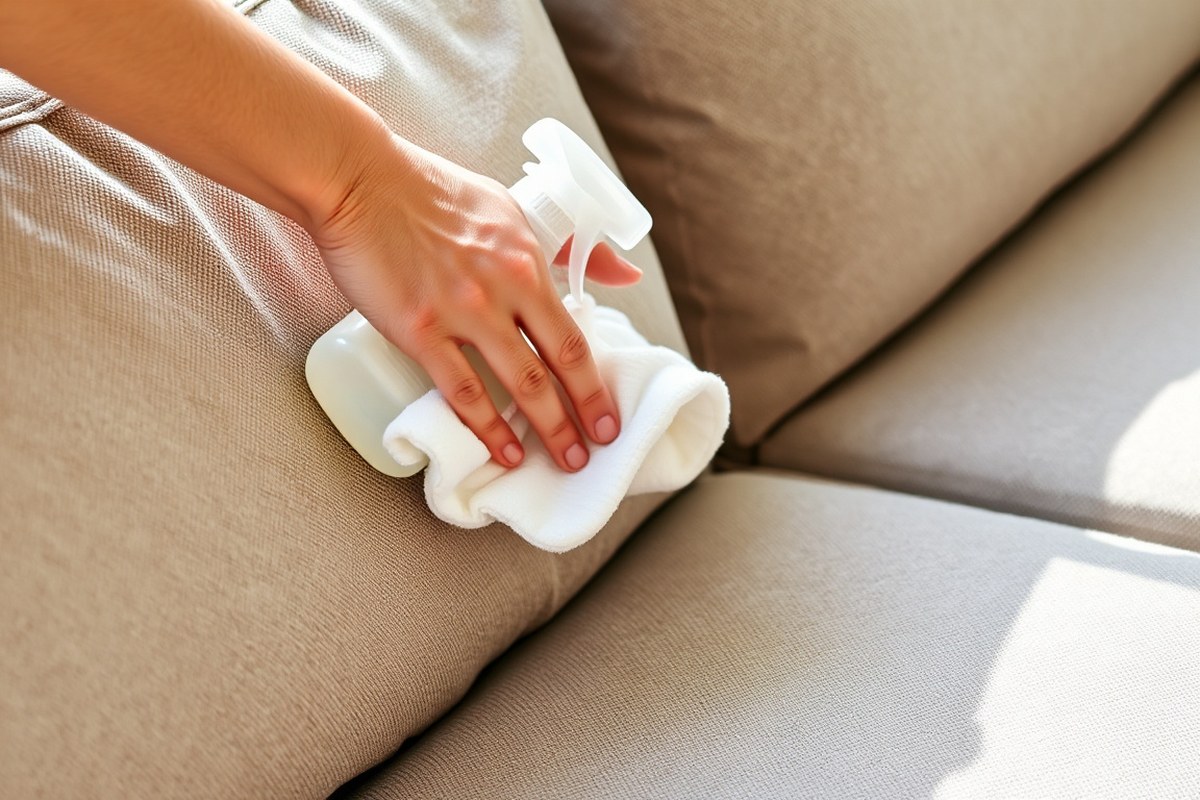
Cleaning upholstered furniture safely requires a careful, step-by-step approach that protects the fabric and prevents damage. Start by identifying the type of upholstery you have and then choose a cleaner suitable for that material. Testing a cleaning product on an inconspicuous spot confirms it won’t harm the fabric or cause color loss. Work in small sections and use gentle motions to avoid stretching or weakening fibers. Complete rinsing of any cleaner residue with a sponge or cloth dampened with water keeps the fabric breathable and prevents sticky build-up that attracts dirt. Follow these detailed steps to clean your upholstered furniture effectively while minimizing risk:
- Vacuum the surface thoroughly. Remove loose dirt, dust, and crumbs using a vacuum with an upholstery attachment. Pay close attention to seams and crevices where debris collects. This prepares the fabric for deeper cleaning.
- Check for a cleaning code. Look for a tag or manufacturer’s label indicating the fabric’s cleanability code (often W, S, SW, or X). This code guides you on whether water-based or solvent-based detergents should be used. Following this is important to avoid irreversible damage.
- Test your cleaning solution. Apply a small amount of your chosen cleaner on a hidden area like the back or under a cushion. Wait at least 10 minutes to check for color fading, bleeding, or fabric distortion before proceeding.
- Apply cleaner in small sections. Use a soft sponge or cloth to lightly dampen and clean one section at a time, starting from the top and working downward. Overlap your strokes to ensure even cleaning without soaking the fabric.
- Gently scrub any stained or soiled spots. Use a soft-bristle brush or cloth to work the cleaning solution into the fabric, avoiding excessive pressure that can damage the weave or fill. Do this only on targeted areas to prevent over-wetting.
- Rinse thoroughly with water. After cleaning, wipe the fabric with a clean sponge or cloth dampened with room temperature water to remove detergent residue. Repeat rinsing as needed to ensure no cleaner remains, which could attract more dirt later.
- Allow the furniture to air dry completely. Keep the item in a well-ventilated area away from direct sunlight or heat sources. Drying times vary based on fabric type and humidity but expect at least several hours to a full day. Avoid sitting or placing objects on the upholstery until fully dry.
These steps help maintain the fabric’s appearance and longevity without risk of damage. Avoid using harsh chemicals, bleach, or rough scrubbing, which can weaken fibers and cause discoloration. Whether your upholstery is water-safe or solvent-only, choosing the right cleaner and following the test-and-clean process prevents accidents and keeps your furniture fresh and inviting.
2. Understanding Upholstery Cleaning Codes and Their Impact

Upholstery cleaning codes are letters on a furniture tag that tell you the safest cleaning methods for your fabric. Following these codes helps protect your furniture from damage and keeps it looking its best. Knowing the right code ensures you use the correct cleaning agent and avoid shrinking, discoloration, or fabric breakdown.
Decoding W, S, WS, and X Codes
The four main upholstery cleaning codes are W, S, WS, and X. Code W means you can use water-based cleaners such as soap and water. Fabrics with this code often include polyester, nylon, acetate, and olefin. Code S indicates only solvent-based, water-free cleaners should be used; common solvents are dry cleaning solutions. WS means you can use either water-based or solvent-based cleaners safely. Finally, X means the upholstery should only be vacuumed or professionally cleaned, with no water or solvents applied, as cleaning chemicals could damage the fabric.
Each code corresponds to certain fabric types and how they react to cleaning agents. Using the wrong method risks discoloration or fabric deterioration, so these codes guide you in picking the safest, most effective cleaning approach.
Recommended Cleaners by Code
Selecting the right cleaner depends on the upholstery code. Below is a table summarizing recommended cleaning agents for each code along with fabric examples:
| Code | Cleaning Agents Allowed | Typical Fabrics |
|---|---|---|
| W | Water-based cleaners (soap and water) | Polyester, nylon, acetate, olefin |
| S | Solvent-based, water-free cleaners (dry cleaning solutions) | Natural fibers like cotton, linen, wool, silk, rayon |
| WS | Water-based or solvent-based cleaners | Mixed fibers, blends of natural and synthetic |
| X | Vacuum only, no water or solvents | Delicate fabrics requiring professional care |
Using a microfiber cloth or sponge, apply the cleaning solution along the fabric grain to minimize damage. For water-based cleaners (W or WS), mild soap mixed with water works well. For solvent-based care (S or WS), use a dry cleaning solvent specifically for upholstery. Avoid soaking fabric, and always test a small hidden area first for colourfastness.
How to Identify Your Upholstery Code
Locate the tag on your upholstered furniture, typically underneath cushions or on the furniture frame. The tag usually lists the manufacturer details, fabric composition percentages, and the cleaning code letter prominently. Reading the tag before cleaning determines the safest products and lets you maintain your furniture properly.
If the tag is missing or unreadable, a small hidden patch test with water and solvent cleansers can help determine what the fabric tolerates. However, if unsure, consulting a professional upholstery cleaner reduces the risk of damage.
Tip: Always test your chosen cleaner on an inconspicuous area for 10 to 15 minutes to check for any colour change or fabric reaction before fully cleaning.
3. Best Tools and Supplies for Upholstery Cleaning at Home
To clean upholstered furniture effectively at home, you need the right tools and cleaning products designed for your fabric type. A vacuum with upholstery attachments, soft brushes, and safe water-based cleaners or trusted homemade solutions offer the best balance of cleaning power and fabric safety. Choosing proper equipment and cleaners helps you avoid damage and achieve better results.
Vacuum Cleaners and Attachments
Vacuuming is the first step in upholstery cleaning and a critical part of routine maintenance. Use a vacuum cleaner with a dedicated upholstery attachment or brush. These tools remove dust, pet hair, and debris embedded in fabric without causing wear. Models with adjustable suction levels help protect delicate fabrics.
Some carpet cleaner machines come with upholstery attachments that can apply water-based cleaners while vacuuming. Make sure the attachment is labeled safe for upholstery and test it on a hidden patch to check for any colour changes or fabric distress. Always vacuum all surfaces, including cushions and crevices, to ensure no dirt remains that can wear down fibers or cause stains.
Safe Cleaning Agents for Various Fabrics
Always select water-based or upholstery-specific cleaning products as a first choice. Avoid bleach or harsh solvents that can cause fading or fabric damage. Use products matching your furniture’s cleaning code, for example, polyester fabrics often tolerate cleaner with hydrogen peroxide. This industrial-grade agent helps remove stains and refresh polyester upholstery safely.
Store-bought upholstery cleaners vary in strength and ingredients, so choose brands designed for your material. Testing cleaners on a small, inconspicuous area prevents surprises like shrinkage or discoloration. Soft brushes, such as horsehair or microfiber, can assist in distributing cleaner evenly and gently loosening dirt without harming the fabric.
DIY Upholstery Cleaner Recipes
Homemade cleaning solutions offer a cost-effective, gentle option for most furniture fabrics. One simple recipe mixes 1 teaspoon of mild dish soap with 1 cup of filtered water. Apply the suds with a clean cloth or soft brush in small sections, working from top to bottom. Avoid soaking the fabric, as excess moisture can damage the upholstery and padding beneath.
For odor-neutralizing, sprinkle baking soda over the dry upholstery and leave it overnight. Vacuum thoroughly the following day. This reduces smells without chemicals. When dealing with stains on polyester upholstery, dilute hydrogen peroxide carefully and spot test before use.
- Vacuum with upholstery attachment before any cleaning
- Use soft brushes to apply and work in cleaning solutions
- Avoid bleach and harsh solvents
- Choose water-based or fabric-specific cleaning products
- Test cleaners on a hidden spot first
- Apply homemade soap suds lightly, section by section
- Baking soda can freshen odors when left overnight
These basic tools and cleaning agents cover most furniture cleaning needs. Adjust products and methods to your specific upholstery fabric and take care to follow any manufacturer guidelines or cleaning codes printed on your furniture tags.
4. Removing Common and Tough Stains from Upholstered Furniture
Removing stains from upholstered furniture requires prompt and precise action matched to each stain type. Applying the right cleaning solution quickly can prevent permanent damage and keep your furniture looking fresh. Treat stains like red wine, pet urine, ink, grease, and food stains immediately for the best outcome.
Red wine stains are particularly tricky but respond well to a vinegar-based solution. Mix one part white vinegar with two parts cold water and apply it gently with a clean cloth. Blot the stain rather than rubbing it to avoid spreading. Let the solution sit for 5 to 10 minutes before dabbing with a dry cloth. Prompt blotting prevents the stain from setting deeply.
Pet urine is a common but tough stain due to odor and discoloration. Use an enzymatic cleaner specifically designed for pet stains, following label instructions closely. These cleaners break down urine’s proteins rather than just masking odors. Apply the cleaner liberally and allow 10 to 15 minutes for it to work before blotting. Avoid steam cleaners as heat can set urine stains permanently.
| Stain Type | Recommended Cleaning Solution | Application Method | Time to Let Sit | Special Notes |
|---|---|---|---|---|
| Red Wine | 1 part white vinegar + 2 parts cold water | Dab/blot with cloth | 5, 10 minutes | Blot quickly to avoid spreading |
| Pet Urine | Enzymatic pet stain cleaner | Apply liberally, blot after | 10, 15 minutes | Avoid steam cleaning; heat sets stain |
| Ink | Rubbing alcohol on cloth | Blot gently | 1, 3 minutes | Test on hidden area first to avoid color loss |
| Grease | Mild dish soap + water mixture | Dab and gently rub | 5 minutes | Use cold water; hot water can set grease |
| Food Stains | Mild dish soap + water mixture | Blot and spot clean | 5, 10 minutes | Use a soft cloth; rinse lightly afterward |
For ink stains, rubbing alcohol applied with a clean cloth can dissolve the ink. Blot the area gently for up to three minutes but test an inconspicuous spot first to ensure the color doesn’t fade. If you use stronger solvents, you risk damaging delicate fabrics.
Grease stains respond well to a mild dish soap mixed with water, one cup of water to a quarter cup of dish soap works well. Dab the mixture onto the stain and gently rub with a soft cloth. Let it sit for about five minutes before blotting with a clean, damp cloth. Avoid using hot water, which can set grease stains further into the fibers.
Food stains often consist of protein or oil-based components. Use the same mild dish soap and water mixture for spot cleaning. Apply gently and allow the solution to sit for five to ten minutes, then blot and rinse lightly. Do not soak the upholstery, as excessive moisture can cause mold or mildew.
5. Routine Upholstery Maintenance for Longevity and Cleanliness
Clean your upholstered furniture with a vacuum every week to prevent dust and dirt from embedding deeply in the material. This stops grime from accumulating and maintains a fresh appearance. Use the vacuum’s upholstery attachment and work methodically, sweeping from left to right and top to bottom with short overlapping strokes to ensure full coverage. Use a slim vacuum nozzle to reach corners and tight areas where dirt may hide. Picking up pet hair beforehand with a rubber glove or upholstery brush can improve vacuum results.
Brushing is another key step for regular upkeep. A soft-bristle upholstery brush used once a week helps loosen dust and dirt that the vacuum can then remove more easily. This prevents soil buildup without the need for harsh cleaning and preserves your fabric’s texture. Spot-cleaning should be done immediately when spills or stains happen. Blot the area gently with a clean, white microfiber cloth to absorb liquid and reduce stain spread. Using the appropriate cleaner, such as furniture polish on leather, prevents damage and keeps the finish intact.
- Vacuum weekly using an upholstery tool, focusing on all surfaces and crevices.
- Brush fabric gently once a week to loosen trapped dirt and pet hair.
- Spot-clean spills as soon as they occur with a clean cloth and suitable cleaner.
- Use protective covers in high-use areas to reduce cleaning frequency and extend fabric life.
- Position furniture away from direct sunlight or use UV-protective curtains to prevent fading and degradation.
- Plan a deep clean every one to two years, especially for frequently used pieces.
Deep cleaning, which goes beyond vacuuming and spot treatment, usually involves steam cleaning or professional services. Such treatments remove deeply embedded dirt, oils, and allergens that weekly maintenance cannot reach. Performing a deep clean every 12 to 24 months keeps upholstery looking its best and extends its lifespan. Frequent light cleaning helps avoid the need for aggressive stain removal or fabric replacement that comes with neglect.
Never rub spills aggressively, blotting preserves the fabric and prevents stains from setting in.
6. Differences in Cleaning Fabric, Leather, and Synthetic Upholstery
Cleaning methods differ significantly depending on the upholstery material. Fabric upholstery like cotton and polyester can typically tolerate water-based cleaners, but leather and synthetic materials require gentler approaches to avoid damage. Each type has its own set of cleaning needs to maintain appearance and durability without causing discoloration or texture changes.
Fabric upholstery such as cotton and polyester benefits from vacuuming and brushing to remove dust and debris before applying a suitable upholstery cleaner. Upholstery cleaners formulated specifically for fabric help dissolve dirt without harming the fibers. Spot cleaning is less effective because it often leaves noticeable differences in tone, so it’s best to clean the entire area evenly. Steam cleaning is generally safe for many fabric types if you verify the manufacturer’s instructions but avoid excessive moisture to prevent weakening or staining.
Microfiber and velvet, while also fabric, require specific care because of their delicate texture. Microfiber repels water to some extent, so use gentle spray applications rather than soaking. Velvet responds well to dry brushing or light vacuuming, with minimal liquid cleaner applied sparingly. Overwetting velvet can crush the pile and cause uneven patches. For all fabrics, test any cleaner on a hidden area to check for colorfastness.
Leather upholstery demands a different routine due to its natural characteristics. Use a soft cloth dampened with water or a mild soap solution for routine cleaning, avoiding harsh chemicals that strip natural oils. After cleaning, apply a leather conditioner or furniture polish to keep leather supple and protected. Regular conditioning every 3 to 6 months helps prevent cracking or drying. Vinyl and faux leather can be treated similarly to real leather but often tolerate stronger cleaning agents and more frequent polish applications.
| Upholstery Type | Recommended Cleaning Method | Special Care Notes |
|---|---|---|
| Cotton/Polyester Fabric | Vacuum, brush, then apply fabric upholstery cleaner; steam clean if allowed | Clean entire area to avoid tone differences; avoid overwetting |
| Microfiber/Velvet | Dry brush or light vacuum; light spray of cleaner for microfiber; avoid liquid on velvet | Test cleaner first; avoid soaking to protect texture |
| Leather | Wipe with damp cloth or mild soap; apply leather conditioner or polish | Condition every 3, 6 months; avoid harsh cleaners |
| Vinyl/Faux Leather | Wipe with mild detergent or furniture polish | More tolerant of stronger cleaners than leather; polish often |
Cleaning solid parts like frames first prevents dirt from transferring back onto upholstery. Most cleaning tasks involve simple tools like vacuum cleaners, brushes, and spray bottles at home, making maintenance achievable without specialist equipment. The key is matching the cleaning method to the material type and using the right products to avoid damage or fading.
7. Natural and DIY Upholstery Cleaning Solutions That Work
Baking soda and a simple mix of vinegar and dish soap offer affordable, safe ways to clean and deodorize upholstered furniture at home. These natural ingredients break down dirt and neutralize odors, without harsh chemicals. Follow the right steps and precautions to protect fabric or leather and avoid damage.
Using Baking Soda for Odor and Dirt
Baking soda is effective at neutralizing odors and loosening light dirt on upholstery. Its gentle, abrasive nature helps lift debris without damaging fabric. Use it whenever your furniture smells stale or needs a light freshening. For deeper cleaning, combine baking soda with dry upholstery or carpet cleaner for better results. Here’s how to clean upholstery with baking soda:
- Cover the entire upholstered area with a thick dusting of baking soda, spreading it uniformly.
- Let it sit for 20 minutes to an hour; extend the time if odors are strong.
- Use a vacuum cleaner with a brush attachment to remove all baking soda thoroughly.
- Repeat if the odor persists or the fabric still feels dusty.
This method costs just a few cents per cleaning and requires only baking soda and a vacuum. Avoid leaving baking soda longer than a few hours to prevent residue accumulation. For stubborn dirt, brushing gently with a dry nylon brush before vacuuming can help.
Vinegar and Dish Soap Cleaning Mix
For light stains and general cleaning, a homemade cleaner made with white vinegar, mild dish soap, and warm water works well on many fabric couches and even some leather. Vinegar helps break down grease and soap removes dirt, while water dilutes the mixture for safe use. To prepare and apply this cleaner, follow these steps:
- Combine 1 cup of warm water, ½ cup of white vinegar, and 1 tablespoon of gentle dish soap in a spray bottle and shake well.
- Test a small, hidden area of the upholstery for colorfastness and fabric reaction.
- Spray the cleaner lightly onto the stained or soiled area.
- Use a soft cloth or sponge to gently blot and clean the area; avoid soaking the fabric.
- Wipe with a clean, damp cloth to remove soap residue.
- Allow the upholstery to air dry completely before use.
For larger areas like modular sofas, adjust the recipe to one cup warm water, half a cup white vinegar, and one tablespoon dish soap in a spray bottle. Leather upholstery requires a gentler approach: mix equal parts water and white vinegar and apply with a soft cloth, avoiding oversaturation.
Precautions with Homemade Cleaners
DIY cleaners can be safe and effective but carry some risk. Never apply vinegar or soap mixtures on upholsteries with cleaning code “X,” which prohibits water and solvent-based solutions. Test all homemade cleaners on a hidden spot to avoid color fading or fabric damage.
Avoid soaking upholstery to prevent mold growth and fabric weakening. Use minimal liquid and allow furniture to dry thoroughly. For stubborn stains or delicate fabrics like silk, seek professional help instead.
Using the wrong solution or applying too much liquid can cause discoloration, shrinkage, or a lingering vinegar smell. Always follow care labels and consider professional cleaning for valuable or antique upholstery items.
8. When to Call a Professional Upholstery Cleaner
Professional upholstery cleaning is advisable when your furniture has extensive stains, persistent odors, or delicate fabrics that require special care. If you notice deep-set dirt, discoloration, or damage like tears or fabric fading, calling a professional can prevent worsening conditions. Upholstery marked with cleaning code X, which means it can only be cleaned by vacuuming or professional methods, should always be handled by experts. Here’s a simple checklist to help you decide if your upholstery needs professional care:
- Presence of stubborn stains that home remedies haven’t removed
- Fabric marked with cleaning code X or unfamiliar solvent codes
- Strong, lingering odors that don’t dissipate after airing or spot cleaning
- Signs of wear or damage like fraying, seams opening, or color fading
- Large surface areas requiring a uniform clean to avoid patchiness
- Furniture made of delicate or rare materials like silk, velvet, or suede
- Need for periodic deep cleaning to maintain hygiene and fabric life
Professional cleaning services usually start with a thorough inspection to identify the fabric type and stains. They use specialized solvents or water-based solutions that match your fabric’s cleaning code. The process often involves deep extraction cleaning that lifts dirt and grime from within the fibres, which typical home methods might miss. Also, professionals can apply fabric protectors like Ultra-Guard to repel future stains and extend your upholstery’s life.
Expect the job to take a few hours depending on the furniture size and soil level. Prices vary based on location and furniture condition but generally range from $150 to $300 for a standard sofa cleaning. Professional cleaners also have the experience to avoid common mistakes like over-wetting, uneven cleaning, or using harsh chemicals that cause damage. They typically guarantee that your furniture will look refreshed and smell clean without shrinking or fabric distortion.
Professional experts can reach deep layers of fabric your home cleaning won’t; avoid attempting solvent-based cleaning on delicate or unknown fabrics without proper knowledge.
Step-by-Step Action Plan for Cleaning Upholstered Furniture
Follow this plan to clean your upholstered furniture safely, maintain its appearance, and extend its lifespan.
- Before you start: Check the upholstery cleaning code on your furniture tag to choose the right cleaning method. Confirm the fabric type and test any cleaning solution on a hidden spot for colorfastness.
- Day 1: Vacuum the entire piece thoroughly using an upholstery attachment to remove dust and debris. A clean surface ensures better stain removal and avoids rubbing dirt into the fabric.
- Day 2: Treat any visible stains using the recommended products or DIY solutions suited for your upholstery type. Let the fabric dry completely and check if the stain has lifted.
- Week 1: Deep clean the furniture with a steam cleaner or upholstery shampoo based on your cleaning code. Confirm success when the fabric looks refreshed without any residue or damp spots.
- After 2 weeks: Apply a fabric protector spray to help repel future spills, if compatible with your upholstery. Test protection by lightly sprinkling water to see if it beads on the surface.
- Monthly: Vacuum and spot-clean as needed to maintain cleanliness and avoid buildup. Regular maintenance prevents tough stains and extends fabric life.
- Every 6 months: Assess the condition and consider professional cleaning if you notice persistent dirt, odors, or wear that you can’t address at home safely.
Frequently Asked Questions
How to Clean Old Furniture Upholstery?
Use a gentle water-based or solvent-based cleaner depending on the upholstery code. Work in small sections, starting from the top, and test a hidden area first to avoid damage.
How to Use Wet and Dry Vacuum Cleaner for Sofa?
Use the upholstery attachment to vacuum dry debris and dust from cushions and crevices. For wet cleaning, ensure the fabric suits moisture before lightly wiping with a damp cloth and vacuuming after drying.
Is Dawn Dish Soap Good for Cleaning Upholstery?
Dawn can clean upholstery when diluted with water, as it breaks down grease and stains. Test it on a hidden spot first, especially for delicate fabrics, to prevent discoloration.
Can You Use Baking Soda to Clean Upholstery?
Baking soda is excellent for deodorizing and removing light stains. Sprinkle it on, gently brush into the fabric, leave it for a few hours, then vacuum thoroughly.
What’s the Best Way to Remove Pet Hair from Upholstered Furniture?
Use a damp rubber glove to rub over the upholstery; it attracts pet hair for easy removal. Repeat regularly to keep the fabric clean.
How Often Should You Deep Clean Upholstered Furniture?
Deep clean every 6 to 12 months to maintain fabric quality and remove built-up dirt and allergens. Frequency depends on use and household conditions.
The Bottom Line
Taking care of your upholstered furniture with the right cleaning methods protects your investment and keeps your space inviting. Start by checking your furniture’s cleaning code and gently cleaning a small area today. This small step can make managing your upholstery easier and more effective over time.