
Will Dry Cleaning Remove Stains? What Actually Works and What Doesn’t
Will dry cleaning remove stains? Dry cleaning can effectively eliminate many types of stains, especially grease, oil, and wine, but it’s not a guarantee for every mark. This process uses special solvents designed to break down many tough stains safely without water, making it ideal for delicate fabrics like silk.
This information is for anyone with stained garments considering professional cleaning. You’ll learn which stains respond best to dry cleaning, how long stain removal takes, and the limits you should expect from this method.
Key Takeaways
- Dry cleaning solvents target grease, oil, wine, and some ink stains effectively on many fabrics.
- Dry cleaning typically takes 1 to 3 hours, depending on the garment and stain severity.
- Older stains are harder to remove but dry cleaning often performs better than standard washing.
- Silk and other delicate fabrics get the safest stain removal with dry cleaning.
- Not all stains can be removed by dry cleaning, which can be costly for tough marks.
- Preparing stained clothes by pointing out stains to your cleaner improves removal chances.
Can Dry Cleaning Remove Stains from Clothes?
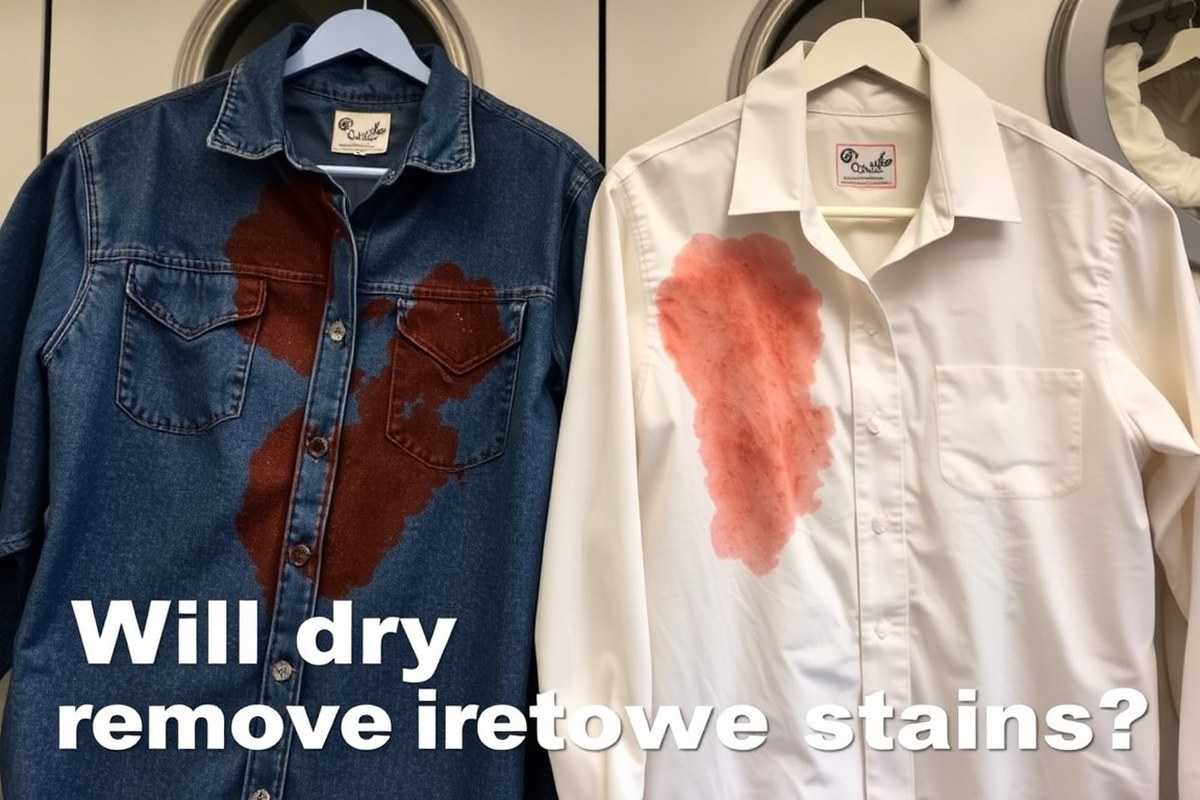
Dry cleaning can remove many common stains from your clothes, but its effectiveness depends on the type of stain. It works especially well on oil-based stains such as grease, makeup, and some types of food spills thanks to the use of solvents that dissolve oils without water. For example, lipstick and cooking oil stains often respond well to dry cleaning. It also effectively removes sweat, body oils, and some light to moderate dirt stains, making it a good choice for delicate fabrics that you want to keep looking fresh.
However, dry cleaning is not successful with every stain type. Stains caused by ink, crayon, paint, nail polish, and gum tend to resist removal during dry cleaning because these substances either bind tightly to fabric fibers or require special chemical treatments not used in standard processes. Rust stains also usually remain after dry cleaning because they need different treatments involving water and specific rust removers.
| Stain Type | Effectiveness of Dry Cleaning |
|---|---|
| Grease/Oil (cooking oil, makeup, lipstick) | High, Often removed completely |
| Sweat & Body Oils | High, Usually removed |
| Food & Beverage stains (coffee, wine, sauces) | Moderate to High, Depends on stain age |
| Ink & Crayon | Low, Typically not removed |
| Paint & Nail Polish | Low, Resistant to dry cleaning solvents |
| Gum | Low, Remains after dry cleaning |
| Rust | Low, Requires specialized treatment |
To increase the chance of stain removal, it’s best to act quickly and inform your dry cleaner about the type of stain and when it occurred. Fresh stains are easier to treat during dry cleaning than old or set-in stains. For example, a grease stain treated within 24 to 48 hours using dry cleaning solvents will often come out better than one left several days. Clear communication helps the cleaners use the appropriate techniques and pre-treatment, which could be important for successful removal.
You should avoid relying on dry cleaning for stains known to resist it, such as ink or nail polish. Instead, specialized stain removal methods or consulting a professional stain remover might be necessary in these cases. Dry cleaning also tends to cost between $5 and $20 per item, so costly multiple attempts might not be practical if the stain type is likely resistant.
Knowing the kinds of stains dry cleaning handles well can save you time and money. Ideal stains for dry cleaning include those involving oils and lighter food spills, which dry cleaning solvents can dissolve effectively. Expect some stains like ink and gum to stay visible despite professional cleaning. If you are uncertain about dry cleaning’s potential on your stain, ask your dry cleaner for advice and be ready to consider alternative treatments for tough stains.
How Does the Dry Cleaning Process Break Down Stains?

Dry cleaning removes stains primarily through the use of specialized solvents that dissolve oils, grease, and other stain components without using water. The key solvents include perchloroethylene and hydrocarbons, which are gentle on fabrics yet effective at breaking down many types of stains. Perchloroethylene, for example, is a chlorinated solvent that dissolves oily stains and lifts them from fibers. Hydrocarbon solvents are less aggressive but still effective, especially on delicate materials like silk and satin.
The stain removal process starts with a thorough inspection of the garment. The cleaner identifies the type and location of stains to determine appropriate treatments. Spot treatment is an essential first step, where enzymatic or solvent-based cleaners are applied directly to stained areas. Enzyme-based spot treatments target organic stains by breaking down proteins and other organic molecules into smaller fragments, making them easier to remove during the main cleaning cycle.
After spot treatment, the garment goes into a dry cleaning machine. This machine circulates the selected solvent, either perchloroethylene or hydrocarbons, around the garments at controlled temperatures. The solvent penetrates fabric fibers and dissolves the stain’s oily or greasy components. This step generally takes about 1 to 3 hours depending on the garment’s complexity and stain severity.
Throughout the process, solvents are continuously filtered and purified to prevent redepositing removed soils onto clothing. Because dry cleaning solvents don’t use water, they avoid some common problems like shrinkage or color bleeding. This also allows dry cleaning to effectively treat delicate fabrics that could be damaged by traditional washing.
Different stains respond to dry cleaning solvents in different ways. Grease and oil stains are usually removed well because solvents dissolve and lift these substances from fabrics. Makeup and cosmetic stains respond to specialized solvent-based removers designed to mimic dry cleaning solvents. Some stubborn stains, like ink or dye, may also respond to targeted treatments, though not all formulas work equally well on every fabric.
Spot treatment techniques vary with the type of stain and material. For example, organic stains such as gravy or blood may be treated with enzymatic solvents before the main solvent cleaning. Stains like ink or dye might require solvent-based removers applied carefully to avoid spreading. The cleaner must test each method on a hidden area to avoid damage.
Avoid attempting dry cleaning spot treatments at home unless you have experience; the wrong solvent or method can permanently set or worsen stains.
Good results depend on using the right solvent for the fabric and stain, correctly pre-treating with spot cleaners, and following precise timing and temperature controls. Problems arise when stains are very old, set in, or are of a type resistant to solvents, no dry cleaning process guarantees complete removal. Professional cleaners balance solvent choice, spot treatment, and machine cycles to maximize stain lift while protecting the fabric’s integrity.
Which Stains Are Most and Least Likely Removed by Dry Cleaning?
Dry cleaning can remove many common stains, but success depends on the stain type and how quickly you act. Some stains respond well and come out nearly completely, while others resist treatment or become permanent if left too long. Understanding which stains are easy or hard to remove helps you decide when to dry clean promptly and when to manage expectations.
Easily Removed Stains
Oil-based stains such as grease and makeup often come out well with dry cleaning because the solvents used dissolve and lift oily residues without water. Tannin-based stains like wine also respond better to dry cleaning, especially if treated quickly before they set. Protein-based stains such as blood and sweat can frequently be removed, provided they haven’t dried in for too long. Dry cleaning is especially effective on delicate fabrics like silk, where water-based cleaning could damage fibers.
Food stains vary in removability. While sauce and chocolate typically need pre-treatment with absorption agents before dry cleaning, a professional can often tackle them if you notify them of the stain type. Alcohol-based stains generally respond well, but ink and paint stains depend on their composition and the fabric involved.
Difficult and Permanent Stains
Set-in stains that have aged or dried pose challenges for dry cleaning. Old stains often resist treatment because the fabric fibers have absorbed the stain or discolored over time. Dye stains, such as those from fabric bleeding, are difficult or impossible to reverse. Stains caused by corrosive substances or damage from bleach or burns cannot be fixed by dry cleaning.
Delicate or sensitive fabrics with certain stains might suffer damage during the process, limiting what can be removed safely. Some food stains like coffee can require special agents before dry cleaning and may not come out completely. Sun-fading or fabric discoloration due to age is irreversible and cannot be treated by dry cleaning.
| Stains Typically Removable by Dry Cleaners | Stains Difficult or Impossible to Remove |
|---|---|
| Oil-based stains (grease, makeup) | Old, set-in stains |
| Water-based stains (wine, coffee with pre-treatment) | Dye stains (fabric bleeding) |
| Protein-based stains (blood, sweat) | Stains on delicate or sensitive fabrics that risk damage |
| Ink and paint stains (varies) | Corrosive substance stains |
| Most alcohol stains | Sun-fading, age discoloration |
| Food stains like sauce and chocolate (with absorption treatment) | Damage from bleach or burns |
Knowing which stains are more or less likely to be removed helps you decide on prompt dry cleaning and realistic expectations about results. Prompt action often means the difference between success and permanent staining.
Best Timing for Stain Treatment
Fresh stains respond better to dry cleaning treatment. Acting quickly before stains set prevents permanent discoloration and fibre damage. Avoid applying heat such as ironing on stained areas, since heat can lock stains permanently into fabric. You should inform the dry cleaner about the stain type so they can apply the appropriate solvents or pre-treatments tailored to the stain.
Home remedies or scrubbing before dry cleaning risk damaging the fabric or making stains harder to remove. When a stain is fresh, visit the dry cleaner as soon as possible and keep the garment away from heat and moisture. This strategy improves the chances of a cleaner restoring your garment successfully.
How Long Does Stain Removal Take in the Dry Cleaning Process?
Dry cleaning with stain removal typically takes between 24 to 48 hours for most garments. This timeline includes the initial inspection, pre-treatment of stains, the actual cleaning cycle, and the drying and finishing stages. The length of time matters because some stains require specialized chemicals and multiple treatments to fully break down without harming the fabric. Quick turnaround can sometimes compromise thorough stain removal or garment care.
Several factors can extend the time needed to remove stains during dry cleaning. Certain stubborn stains like ink, oil, or dye may need extra spotting and re-cleaning, which slows the process. Delicate fabrics might require gentler chemical applications and longer drying periods to prevent damage. The workload and schedule of the dry cleaner also influence timelines, especially during peak seasons or with complex stain cases.
- Type and severity of the stain
- Fabric sensitivity and care requirements
- Number of stain treatment cycles needed
- Dry cleaner’s current workload and staffing
- Additional services like pressing, repairs, or alterations
- Availability of specific stain removal solvents
Many dry cleaners offer rush or same-day service, sometimes for an extra fee ranging from $10 to $30 depending on the shop and garment. This option speeds up cleaning by prioritizing your items, but it may limit the time for multiple stain treatments or slow drying. You can expect rush services to have turnaround times as fast as 4 to 6 hours, but not all stains will be fully removed under such tight timelines.
To use rush dry cleaning, drop off your stained clothing early in the day and clearly communicate the urgency and nature of the stains. Ask whether the cleaner has experience with those specific stains and if the rush fee applies. Good rush service balances quick return with effective stain removal by adjusting treatment intensity as needed.
How Should You Prepare Stained Clothes Before Dry Cleaning?
Preparing stained clothes properly before dry cleaning boosts the chances of effective stain removal. Act quickly to limit the stain’s set time, avoid harsh home treatments, and clearly communicate the stain details to your dry cleaner. Taking these steps helps the professional tailor their approach and reduces the risk of permanent damage.
Immediate Actions to Take
Speed matters when dealing with stains on dry clean only garments. The sooner you address a fresh stain, the easier it is to remove. Avoid rubbing the spot, as this can push the stain deeper into the fibers or spread it further.
Start by gently blotting the stain to absorb as much as possible using a clean white cloth or paper towel. Do this carefully to avoid causing damage or enlarging the stain.
- Blot the stain lightly with a white cloth or paper towel to absorb excess liquid.
- Avoid rubbing or scrubbing as this can spread or worsen the stain.
- Gently lift off any solid stain material using a spoon or blunt edge, taking care not to press it deeper into the fabric.
- Turn the garment inside out and blot from the reverse side to help lift the stain.
- Keep the fabric flat and avoid applying heat or moisture beyond blotting.
- Take the stained garment to a professional dry cleaner promptly, aiming for within one to two days to improve stain removal chances.
Never use hot water or household bleach on a stain before dry cleaning; this can set the stain or damage delicate fabrics.
Safe Pretreatment Options
Home pretreatment for dry clean only clothes should be minimal and done with caution. Many homemade remedies or household stain removers may weaken fibers or cause color loss. For protein-based stains like blood or sweat, blotting with cold water can help dilute the stain temporarily until professional treatment.
A mild approach like dabbing a little cold water with a white cloth helps, especially if you cannot get to the cleaner immediately. Avoid soaking or using aggressive stain removers that can alter the fabric’s finish or cause water rings.
- Test any water or mild solution on an inconspicuous fabric area first.
- Use only cold water for protein-based stains to avoid setting them.
- Lightly dab the stain without saturating the fabric.
- Skip home pre-treatments on oil, grease, or ink stains as these require specialized solvents.
- Do not attempt to scrub or launder the garment at home before dry cleaning.
Communicating Stain Details to Cleaners
Providing your dry cleaner with clear, detailed information about the stains is essential for the best outcome. Tell them what caused the stain, how long it has been there, and any home treatment you’ve tried. This helps them choose the right solvent or enzyme treatment.
Use a simple script when dropping off your clothes to ensure nothing important gets missed. For example, say: “This shirt has a red wine stain from last night’s dinner. I blotted it gently with cold water but avoided rubbing or adding any cleaners.”
Include the age of the stain and any prior attempts to treat it, so your cleaner can adjust the removal method accordingly.
- Identify each garment with a stain for the cleaner’s attention.
- Describe the stain source and how long it’s been present.
- Report any DIY treatments or blotting you performed at home.
- Ask the cleaner about potential challenges or risks for that fabric and stain.
- Request an estimate of turnaround time since stain removal can sometimes extend it.
When Is Dry Cleaning Not Enough to Remove a Stain?
Dry cleaning is effective for many stains but has limitations that matter when deciding whether to use it. Stains made from substances like paint, wax, and some types of glue usually do not respond well to dry cleaning solvents. These substances are either insoluble or form a film that the solvent cannot penetrate, which means the stain often remains even after cleaning. Oils and grease can sometimes resist removal if set for too long or if the garment’s care instructions limit the use of aggressive solvents.
Damage that dry cleaning cannot fix includes fabric discoloration caused by chemical burns or sun fading. Stains that chemically alter dye or fibers, such as bleach spots or rust stains, will not disappear since dry cleaning cannot restore lost color or repair the fabric structure. Tears, holes, and permanent shrinkage also remain after dry cleaning; the process cleans but does not repair physical damage to fibers.
Knowing when to replace a garment instead of cleaning it saves time and money. For example, when the stain is deeply set, older than 72 hours, or covers a large area that changes the garment’s look significantly, replacing the item may be better than paying for repeated cleaning that might not work. Also, if fabric shows signs of wear such as thinning, extensive pilling, or loss of elasticity, removing stains becomes less meaningful.
To decide, consider first the type of stain and its age. Single or fresh stains under a day old respond better to dry cleaning and cost about $7 to $15 per item on average. Older or complex stains like ink or dye transfers often require special treatment beyond standard dry cleaning, sometimes costing extra. Should dry cleaning not remove the stain, ask about spot treatments or professional stain removal services, keeping in mind extra charges and the chance of no success.
For irreparable damage like bleach marks or burns, replacement is generally more cost-effective. Especially for delicate or expensive garments, a stain that cannot be removed without risking fabric loss might justify buying a new piece. Always check the care label and consult the dry cleaner about stain type and fabric before deciding. A good cleaner will set realistic expectations about what dry cleaning can achieve.
How Does Fabric Type Affect Stain Removal by Dry Cleaning?
Fabric type greatly influences how well dry cleaning removes stains and what precautions are necessary. Delicate fabrics like silk require gentle solvents, while sturdier fabrics such as cotton respond differently. Understanding these differences helps you choose the right cleaning method and avoid damage.
Silk and Delicate Fibers
Silk, satin, and other delicate fibers often cannot tolerate water or harsh agitation during cleaning. Dry cleaning uses specialized solvents designed to dissolve stains without abrading or shrinking the fabric. These solvents are carefully applied with precise spotting techniques that focus on the stain without disturbing the surrounding fabric.
Delicate fibers benefit from dry cleaning because water-based washing can cause color bleeding or damage the fabric’s texture. Dry cleaners usually avoid high temperatures and strong chemicals to preserve the material’s integrity. Stains like oil, makeup, or wine on silk respond best when treated promptly with the proper solvent specified for that fabric.
Wool, Cotton, and Synthetics
Wool fibers can shrink and felt if exposed to water or agitation, making dry cleaning the preferred method. Dry cleaning removes dirt, sweat, and oil-based stains safely by using solvents that penetrate the wool without damaging the fibers. Cotton and synthetic fabrics tend to tolerate wet cleaning better but still respond well to dry cleaning when stains are oil-based or set.
Each fabric requires specific handling during stain removal. Wool needs lower temperatures during cleaning to prevent shrinkage. Cotton may require pre-treatment of stains before dry cleaning for optimum stain removal success. Synthetics like polyester are more durable but might retain some stains if heat exposure is too high during cleaning.
Special Handling for Sensitive Fabrics
Leather, suede, and fur also require dry cleaning methods tailored to their unique structure. These materials can’t withstand typical washing and are cleaned with gentle solvents and mechanical processes that avoid water and heat damage. Dry cleaners often use hand spotting and specialized machines designed to treat stains while maintaining fabric suppleness.
Stains containing acids, such as coffee, demand quick attention as they can degrade certain materials during dry cleaning if left too long. Experience is key: a reputable dry cleaner will know how to select solvents and timing to minimize damage and maximize stain removal. Sweat or odor stains in sensitive fabrics may need repetitive treatments or specialized deodorizing agents.
| Fabric Type | Dry Cleaning Suitability | Typical Stain Response | Special Precautions |
|---|---|---|---|
| Silk | Best for dry cleaning | Oil and wine stains treated well | Use gentle solvents; avoid water and agitation |
| Wool | Preferred method to prevent shrinkage | Effective on sweat and oil-based stains | Control temperature; avoid felting |
| Cotton | Moderately suitable | Oil stains respond; water stains may need pre-treatment | Pre-treat tough stains before cleaning |
| Synthetics (e.g., polyester) | Good for dry cleaning | Durable but heat-sensitive stains | Avoid excessive heat in drying |
| Leather/Suede | Requires specialist dry cleaning | Oil and dirt stains carefully removed | Use hand spotting and low-moisture solvents |
The table highlights that dry cleaning is generally safer for delicate and sensitive fabrics, while cotton and synthetics may sometimes do well with wet cleaning methods. Fabrics like wool and leather call for special temperature and solvent considerations to prevent damage. Always inform your cleaner about fabric type and stains to get customized stain removal.
What Common Mistakes Should You Avoid Before Dry Cleaning Stains?
Using home stain removers before taking your garment to dry cleaning can sometimes do more harm than good. Some chemicals in stain removers react with dry cleaning solvents, setting stains permanently or damaging fabric fibers. Always check the garment’s care label and, if unsure, skip home treatments and let the professionals handle it. Avoid rubbing stains because this often pushes the stain deeper into the fabric or spreads it, making removal harder for dry cleaners. Instead, blot gently with a clean cloth to absorb excess liquid before storing the garment in a breathable bag or wrapping it in paper to prevent dirt transfer.
Misinformation about stains and dry cleaning can lead to mistakes that reduce the chances of stain removal. People might assume all stains should be pre-treated or that immediate washing is best, but this varies widely depending on fabric type and stain composition. Attempting to remove a stain with hot water instead of cold can also set certain stains, like protein-based ones (blood, sweat), making them tougher for dry cleaners to remove.
- Using bleach or harsh chemicals on delicate fabrics
- Rubbing or scrubbing stains aggressively
- Ignoring garment care labels
- Waiting too long to get professional help after a stain appears
- Pre-treating stains without knowing the fabric or stain type
- Not informing the dry cleaner specifically about the stain’s cause and location
- Storing stained clothes in plastic bags that trap moisture and worsen stains
To maximize stain removal, document where and how the stain occurred when you pick up your garments for dry cleaning. This allows the specialist to choose the right solvents and processes. Bring a stain sample if possible, like a bit of spilled substance or the source of the stain. This helps identify the best cleaning method. Avoid delays; try to get your clothes to dry cleaning within 24 to 48 hours after the stain occurs. Longer waits allow stains to set and dye into fibers harder to lift.
Never apply heat, like an iron or dryer, to a stained garment before dry cleaning, as heat can set stains permanently.
Step-by-Step Action Plan for Handling Stains Before Dry Cleaning
Follow these steps to prepare your stained garments for dry cleaning and improve the chances of stain removal.
- As soon as possible: Blot any excess liquid or residue gently with a clean cloth; avoid rubbing to prevent spreading the stain.
- Before taking to dry cleaning: Identify the type of stain and fabric, and inform your cleaner so they can apply the proper treatment.
- Day of drop-off: Point out the stained areas to the dry cleaner, specifying how and when the stain occurred to assist in targeted cleaning.
- After dropping off: Ask about any pre-treatment options or stain removal guarantees offered by the cleaner.
- When picking up: Inspect the garment closely for remaining stains and discuss any concerns immediately with the cleaner.
- Within a week after cleaning: If stains persist, consult the cleaner about possible re-treatment or alternative solutions.
Frequently Asked Questions
Can Dry Cleaning Remove Old Stains Effectively?
Dry cleaning often works better than regular washing to get out old stains, but it doesn’t always succeed. The success depends on the stain type and how long it has set.
Will Dry Cleaning Remove Wine Stains from Clothes?
Acting quickly helps a professional dry cleaner remove wine stains more effectively from a garment.
Can Dry Cleaning Remove Grease and Oil Stains Completely?
Dry cleaning can effectively remove many grease and oil stains using solvent-based cleaning agents. However, some heavy or set-in stains may persist despite treatment.
Is Dry Cleaning Safe for Removing Stains on Silk Fabrics?
Stains on silk are best treated through dry cleaning, as water can harm the delicate fabric fibers.
How Do Dry Cleaning Solvents Target Different Types of Stains?
Dry cleaning uses various solvents to break down specific stains without water, which helps protect fabric and loosens oils and pigments. Different solvents suit different stains.
Does Dry Cleaning Remove Sweat and Odor Stains from Clothing?
Dry cleaning can remove many sweat and odor stains by dissolving body oils and bacteria-related residues. However, heavily set stains may be more challenging.
Wrapping Up
Removing many stains with dry cleaning works well when you get your garment ready and clearly explain the stain details to the cleaner. Acting quickly on new stains and providing clear information gives you a better chance for success. Treat fresh spots carefully and tell your dry cleaner exactly what happened to improve outcomes.