How to Take Underarm Stains Out: 8 Proven Methods That Really Work
To take underarm stains out effectively, use a mix of household items like baking soda, white vinegar, and hydrogen peroxide. Apply these solutions, let them sit 15 to 30 minutes, then launder without drying until stains are gone. Avoid heat from dryers as it sets stains, making removal much harder. These methods work well for white and colorfast fabrics and can be done quickly at home.
This guide is for anyone frustrated by yellow or dark underarm marks on shirts. You’ll learn simple, proven ways to tackle stains using everyday ingredients, plus tips on fabric care and stain prevention. No special cleaners or harsh chemicals are needed, just clear instructions to restore your clothes.
Key Takeaways
- Soak stained shirts in water with white vinegar for 20 to 30 minutes before washing.
- Mix baking soda with warm water to form a paste, apply it on the stained areas, and allow it to sit for 15 minutes or up to overnight.
- Use 3% hydrogen peroxide on white garments, letting it sit 15 minutes to break down sweat stains.
- Scrub stains gently with an old toothbrush for better solution penetration.
- Always check if the stain is gone before machine drying to avoid setting it permanently.
- Choose aluminum-free deodorants to reduce future stain formation from chemical reactions.
1. Effective Methods to Remove Underarm Stains at Home

Removing underarm stains at home involves using common household ingredients that can break down sweat and deodorant buildup effectively. Baking soda, white vinegar, lemon juice, and hydrogen peroxide are all useful for tackling these stains. These ingredients work because they either lift the stain particles, neutralize odors, or break down the sweat compounds without harsh chemicals. Many of these treatments are safe for cotton and other durable fabrics but should be tested on delicate materials first.
For fresh or lighter stains, a shorter treatment time is usually enough, while older or darker stains may need to soak for hours or overnight. Using warm water with these remedies improve their stain removal power, but avoid hot water before treating the stain as it can set it permanently. After treatment, laundering the garment as usual helps remove residue and restore the fabric’s appearance. Here is a step-by-step process using baking soda and vinegar, two of the most accessible and effective household ingredients:
- Gather your supplies. Collect baking soda, distilled white vinegar, warm water, a soft brush or cloth, and your regular laundry detergent.
- Make a baking soda paste. Mix about 4 tablespoons of baking soda with 1/4 cup of warm water until it forms a thick paste.
- Apply the paste to the stain. Rub the baking soda paste directly onto the underarm stain, covering it thoroughly.
- Let the paste sit. Leave the paste on for at least 15 minutes. For tougher stains, you can leave it on overnight for better results.
- Rinse with vinegar solution. Mix one part distilled white vinegar with two parts water and gently pour or dab it onto the stained area. This will cause a fizzing reaction that helps lift the stain.
- Wait 5 to 10 minutes. Let the vinegar solution work on the fabric but avoid prolonged soaking as it may weaken elastic or sensitive fibers.
- Launder as usual. Wash your garment in warm water with your regular detergent. Check the stain before drying, heat can set any residue that remains.
- Repeat if needed. Older or set-in stains might require repeating the process once or twice for complete removal.
For delicate fabrics like wool or silk, skip baking soda and vinegar. Instead, use a mild enzymatic cleaner or take the garment to a professional cleaner. Hydrogen peroxide can brighten whites but risks discoloring colored fabrics, so test first in an inconspicuous spot.
The cost of these home treatments is low, usually under $5 per bottle of baking soda or vinegar, making this approach both budget-friendly and convenient. Good stain removal looks like a return to near-original fabric color without spreading or setting in the stain. Avoid rubbing too harshly to protect fabric fibers while ensuring the stain remover penetrates well.
2. Why Underarm Stains Form and Harden in Clothes
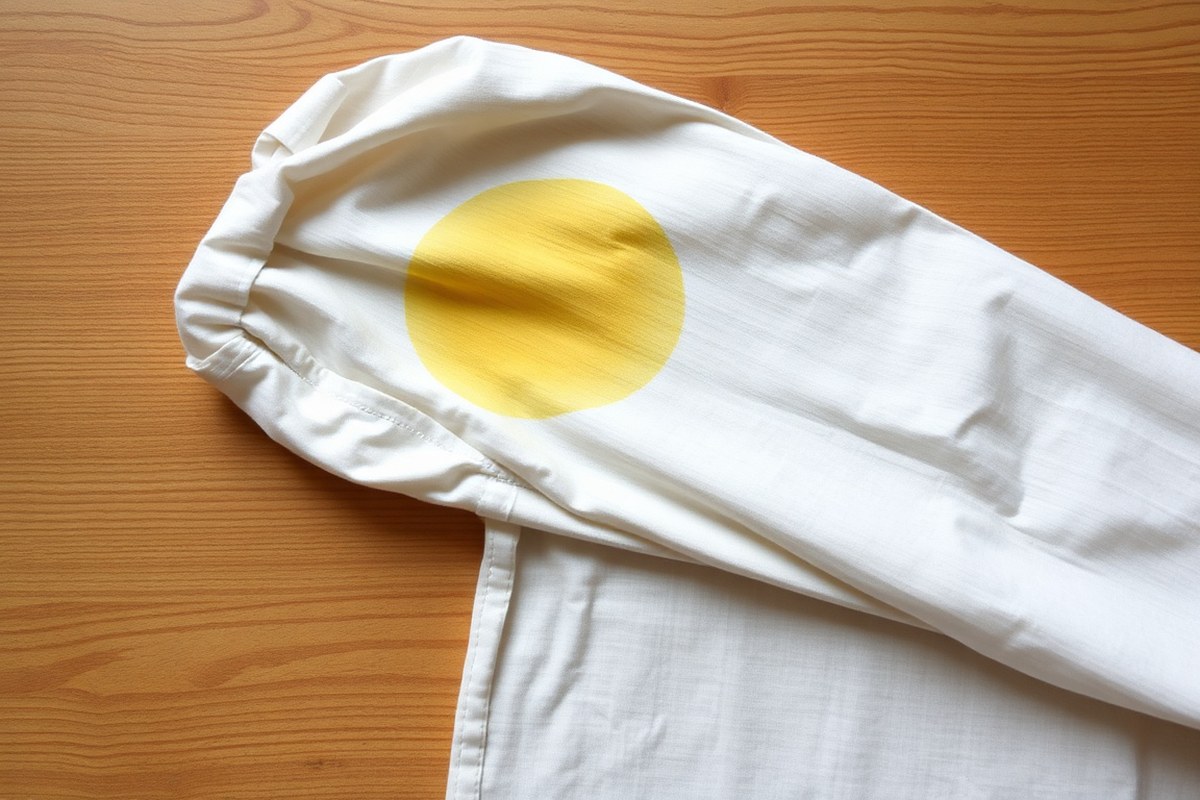
Underarm stains develop mainly from the interaction of sweat and deodorant ingredients, making them tough to remove. Sweat contains water, salts, proteins, and oils, and when these mix with the aluminum-based compounds in many antiperspirants, they form yellow discolorations. This chemical reaction causes the stains to bind deeply with fabric fibers. Over time, the combination of sweat, sebum (skin oils), and deodorant residues builds up, especially in worn clothing or workout gear, which causes the stains to harden and turn darker or even grayish.
Deodorants contribute significantly because antiperspirants often contain aluminum salts designed to block sweat glands. These salts react chemically with sweat and absorb onto fabric, creating a residue that typical wash cycles sometimes struggle to remove. For example, a yellow stain most often results from aluminum reacting with fatty acids in sweat and the detergents used during washing, which can cause the stain to set further if not treated promptly. Products without aluminum may reduce these stains but do not eliminate sweat-related staining altogether.
Sweat chemistry varies from person to person and directly influences the intensity and stubbornness of underarm stains. Some individuals produce sweat with higher protein or mineral content, which can increase stain visibility. This variation means that what works well for one person’s laundry may have limited effects for another. Also, friction from arm movement can push these substances deeper into the fabric fibers, worsening stain retention and making removal more difficult.
Environmental factors also matter. Hard water, which has a high mineral content, can interfere with detergent efficiency, causing sweat and deodorant residues to stay on clothes and making stains harder to clean. In such cases, stronger enzymatic cleaning agents may be necessary to break down proteins and oils involved in the stains. Heat can worsen the problem; using a standard dryer may set sweat stains permanently by causing proteins and deodorant compounds to bond irreversibly with the fabric. Avoid high heat drying until you have successfully treated the stain.
Always test stain removers on a small, hidden area first to avoid fabric damage, since some chemicals can weaken or discolor certain fabrics.
3. Removing Stains from Different Fabrics Safely
Adjusting underarm stain removal methods based on fabric type helps prevent damage, fading, and persistent stains. White cotton fabrics tolerate stronger treatments like hydrogen peroxide and scrubbing, while colored or delicate fabrics require gentler, bleach-free alternatives. Polyester and synthetic activewear often need specialized pre-treatments to avoid odor retention without harming the material.
Cotton and Linen Fabrics
Cotton and linen are sturdy, breathable natural fabrics that handle common stain removal methods well. For white cotton, you can apply hydrogen peroxide or an oxygen-based bleach safely to target yellow underarm stains without weakening the fibers. Soaking in a mixture of one part white vinegar to two parts water for 30 minutes also helps lift set-in stains. After soaking, scrub gently with a soft brush before washing in warm water (around 104°F or 40°C) to break down proteins and deodorant residues.
Linen shares cotton’s durability but dries slower and requires slightly cooler water to avoid shrinkage. Use gentle soap solutions for linen, and avoid chlorine bleach, which can damage the fabric. Always check the care label for water temperature and bleach instructions.
Colored and Synthetic Fabrics
Colored clothes and synthetic fabrics like polyester or polyester blends need more cautious stain treatment to avoid color fading and damage. Hydrogen peroxide can cause discoloration on dyed fabrics, so substitute with oxygen-based bleach or a paste made from baking soda and water for pretreating stains. Vinegar pretreatment is safe for both white and colored fabrics and can soften deodorant buildup gently without harsh chemicals.
Polyester is durable but traps odors and stains more persistently. Pre-treat the stain with a color-safe stain remover, allow it to sit for 15 to 20 minutes, then wash using the warmest water recommended by the care label. Avoid hot water over 140°F (60°C), which can set stains and degrade synthetic fibers.
Delicate Materials Like Silk and Wool
Silk, wool, and other delicate fibers require the mildest stain removal approaches to prevent weakening or discoloration. Avoid hydrogen peroxide and any bleach. Instead, soak the stain in a gentle soap solution, such as a few drops of wool-safe detergent mixed with cool water, for about 10 to 15 minutes. Gently dab the stain rather than scrubbing. Never wring or twist delicate fabrics after soaking.
After soaking, rinse the fabric with cool water and air dry flat away from direct sunlight. Professional cleaning is advised for structured garments or persistent stains on delicate materials like silk or wool, as they can use enzyme treatments and advanced extraction methods safely.
| Fabric Type | Sensitivity to Stain Removal | Recommended Cleaning Method |
|---|---|---|
| Cotton | Durable, good for most methods | Soak and scrub method |
| Polyester | Durable, but can retain odors | Pre-treatment and wash |
| Silk | Delicate, sensitive to harsh chemicals | Gentle soap solution |
| Linen | Durable but sensitive to shrinkage | Gentle soap and cooler water washes |
| Wool | Delicate, prone to felting | Wool-safe detergent soak |
Use the table to select methods that suit your fabric type and stain severity. Avoid bleach on colored or delicate fabrics, and use soaking times and water temperatures suited for the fabric’s strength and dye stability. Properly adjusted treatment protects your clothes and improves stain removal outcomes without risking damage.
4. Safe Application and Testing of Stain Treatments
Testing stain removal solutions on your clothes before applying them fully helps avoid damage like fading or fabric weakening. First, pick a hidden area of the garment, such as inside the hem or a seam. Apply a small amount of the cleaning solution using a cotton swab or soft cloth and wait 15 to 30 minutes to see any reaction. Look for color changes, fabric distortion, or weakening. If after drying the test spot looks normal and holds up to gentle rubbing, you can proceed with full stain treatment.
Choosing the right tool for scrubbing is key to protecting your shirt while lifting underarm stains. A soft-bristled toothbrush or a nailbrush works well to gently agitate the stain without harming the fibers. Avoid stiff brushes or anything abrasive that could fray delicate fabrics. Using your fingers to rub in a paste made from mild acids or enzyme cleaners can also be effective and safe for most cotton or polyester blends. Here’s a checklist to follow before applying any stain treatment:
- Identify a discreet test spot on the garment.
- Apply a small amount of the solution with a cotton swab or soft cloth.
- Wait 15 to 30 minutes without rinsing to observe any changes.
- Gently rub the spot to check for fabric strength or color loss.
- Ensure the fabric has air-dried before final evaluation.
- Use a soft-bristled toothbrush, nailbrush, or fingers for scrubbing stains.
- Avoid heat from the dryer during testing to prevent setting stains.
Testing takes little time, about half an hour plus drying, and costs nothing if you use household items. Good results show no discoloration, no fabric weakening, and effective stain removal after full treatment. Poor results might include fading, thinning fabric, or a chemical smell. Fabrics like silk or wool require milder cleaners and extra caution during testing. Milder natural acids such as lemon juice or enzyme-based cleaners reduce risks but still should undergo this testing process.
Skipping this step might mean you damage your favorite shirt permanently. Testing every new stain remover keeps your clothing safe, especially when using stronger chemicals or homemade remedies. Always let treated areas air-dry completely before deciding whether the treatment is safe to repeat on the entire underarm stain. This careful approach prevents the “heat-set” trap in dryers that makes stains permanent and protects your wardrobe investment.
5. Natural and Homemade Remedies for Stubborn Pit Stains
Natural remedies for underarm stains use common household items like lemon juice, salt, and aspirin mixtures to break down and lift stubborn discoloration. These options are gentle on most fabrics and affordable, but they work best on fresh or moderately set stains. Applying and letting them sit allows the natural acids and abrasives to dissolve stain components without harsh chemicals.
Lemon Juice and Water Treatment
Lemon juice contains citric acid, which acts as a mild bleach and helps break up sweat and deodorant stains naturally. Combining lemon juice with water dilutes the acidity slightly, making it safer for most fabrics without causing damage. This method works better on fresh stains or lighter yellowing. Follow these steps to use lemon juice and water for removing underarm stains:
- Mix equal parts fresh lemon juice and warm water in a small bowl or cup.
- Dampen the stained underarm area of the shirt with the mixture, either by dabbing with a cloth or using a spray bottle.
- Let the fabric sit for 15 to 30 minutes to allow the acid to break down the stain.
- Rinse the treated area with cold water to remove the lemon solution.
- Launder the shirt as usual, checking stain removal before drying.
- Repeat if stain remains, but avoid prolonged exposure to prevent fabric weakening or discoloration.
Tip: Test lemon juice on a small hidden area first, especially on colored fabrics, to avoid accidental lightening.
Salt and Warm Water Soaks
Salt’s abrasive and moisture-absorbing properties help lift stain particles from fabric fibers. Soaking the garment in a warm saltwater solution can loosen sweat and deodorant buildup. This method is best for shirts with mild to moderate yellowing and not recommended for delicate or lightly dyed fabrics. Use this process to prepare a salt soak:
- Dissolve ½ cup of table salt in a large bucket or basin filled halfway with warm water (around 90°F or 32°C).
- Submerge the underarm stained section or the whole shirt if needed.
- Let the fabric soak for 3 to 6 hours, stirring occasionally to agitate the solution.
- Remove the shirt and gently rub the stain area to further loosen residue.
- Rinse with cold water and wash as usual to remove salt and loosened stains.
Warning: Avoid salt soaks on wool, silk, or delicate fabrics since salt can cause shrinkage or damage.
Aspirin and Cream of Tartar Paste
Aspirin contains acetylsalicylic acid that helps weaken sweat stains, and cream of tartar acts as a gentle abrasive with mild bleaching action. Combining crushed aspirin with cream of tartar and water creates a thick paste that clings to stains for targeted treatment. This mix works on more stubborn or older yellow stains but can be harsher, so use with care on sensitive fabric. Make and apply the paste as follows:
- Crush two or three white, non-coated aspirin tablets into a fine powder using a spoon or mortar and pestle.
- Add one teaspoon of cream of tartar to the aspirin powder.
- Mix in a few drops of warm water to create a thick, spreadable paste.
- Spread the paste evenly over the underarm stain using a spoon or fingers.
- Let it sit for 30 minutes to 1 hour to allow the acids and abrasives to act on the stain.
- Rinse the treated area thoroughly with cold water.
- Wash the shirt normally and check for stain removal before drying.
Tip: Use this paste sparingly and avoid applying to delicate fabrics, as the acids and abrasives may cause wear if left too long.
6. Preventing Underarm Stains Before They Form
Preventing underarm stains is easier and more effective than removing them after they set in. These stains usually appear when sweat reacts with aluminum compounds found in many antiperspirants. Switching to aluminum-free deodorants can greatly reduce this chemical reaction and the yellow or dark stains that show on light fabrics, especially white shirts. Aluminum-free options often cost about the same as regular deodorants and may be labeled as natural or mineral-based, like potassium alum deodorant stones, which block odor without heavy residue.
Fabric choice also plays a big role in stain prevention. Breathable materials like cotton allow sweat to evaporate faster, reducing the moisture that combines with deodorant residues to cause stains. Synthetic fabrics hold onto sweat and deodorant longer, increasing the risk of stains. Washing shirts frequently prevents buildup of deodorant and sweat residues, so keeping up with laundry routines helps keep fabrics fresh and less prone to staining.
- Choose aluminum-free deodorants or natural mineral salt deodorants to avoid chemical reactions that cause stains.
- Wear breathable fabrics like 100% cotton or moisture-wicking blends to reduce sweat buildup.
- Wash shirts after every use to prevent residue accumulation that leads to stains.
- Apply deodorant sparingly and allow it to dry completely before dressing.
- Avoid heavily scented or thick cream deodorants that leave more residue in fabric fibers.
Using hypoallergenic antiperspirants can reduce irritation and sweating, which lowers stain risk. Applying deodorant correctly, just a thin layer and letting it dry for a few minutes, also helps limit residue transfer to clothes. If you wear suits or delicate fabrics, using underarm liners or shields may protect clothing fibers from sweat and deodorants. These cost anywhere from $5 to $15 and can be disposable or washable. By combining better deodorant choices, fabric care, and washing habits, you create a simple, cost-effective routine that significantly cuts down on underarm stain formation.
7. Common Mistakes That Make Underarm Stains Worse
One of the biggest mistakes you can make is drying stained clothes in a hot dryer before the stain is fully removed. The heat from the dryer sets the protein and deodorant components of underarm stains permanently into the fabric, making them almost impossible to remove later. To avoid this, always air dry garments until you’re certain the stain is gone. You should repeat the stain treatment and washing steps when you notice any discoloration after washing.
Another common error is treating the stain incorrectly or washing the item right away without pre-soaking. Underarm stains often contain sweat salts and deodorant residues that bind tightly to fibers. Skipping a soak in a white vinegar solution or an appropriate pretreatment paste means the washing machine alone won’t fully break down the stain. Take the time to soak the clothing in a mixture of one-third cup white vinegar and water for 20 to 30 minutes before laundering. This helps dissolve stain components and improves removal.
- Don’t use bleach on protein-based stains as it can set them further.
- Avoid washing in very hot water that can set stains but use warm water for soaking and washing.
- Do not skip pre-soaking; a 20-minute soak in vinegar solution loosens stains.
- Never dry stained clothes in the dryer until the stain is completely gone.
- Use a paste of baking soda and water on the stain to help break it down before washing.
- Wash synthetic fabrics promptly to prevent odor buildup and persistent stains.
Washing underarm stains on the wrong temperature setting can cause the stain to set deeper. Warm water helps but avoid hot water that may cook the stain into the fabric. A pre-soak followed by washing in warm water is usually effective. It may cost a bit more water and time, but it prevents ruining clothes. Taking a few extra minutes to do this properly can save a shirt from permanent damage.
Some people also rush to toss their garments into the washing machine without checking the stain after the first wash. Since underarm stains can be stubborn, it’s best to inspect the item before drying. You need to reapply the treatment and wash the garment again if the stain still shows signs of persistence. Skipping this step often means the stain hardens in the drying process, leading to costly replacements or the need for professional cleaning.
Following these practical steps helps you avoid making an underarm stain worse: pretreat with vinegar soak or paste, wash with moderate water temperature, and air dry until stains are gone. This method costs only your time and affordable household products like vinegar and baking soda but often prevents permanent damage and fabric replacement expenses.
8. When to Use Professional Cleaning for Underarm Stains
Consider professional cleaning for underarm stains when home treatments do not remove the marks or might damage the fabric. This is especially true for delicate or high-value garments, or if the stains have set through heat or time. Selecting the right service depends on the fabric type, stain severity, and the cleaner’s methods and reputation.
Signs You Need Professional Help
Stubborn underarm stains that resist repeated home treatments signal a need for professional cleaning. Heat-set stains, often caused by drying or ironing sweaty, deodorant-stained fabric too soon, can embed deeply and become nearly impossible to remove at home. Garments made with delicate materials such as silk, wool, or tailored suits also require expert care to avoid shrinkage, color loss, or fabric distortion. In these cases, trying aggressive home remedies risks permanent damage.
When underarm stains involve unusual discoloration, like yellowing combined with fabric weakening, professional assessment becomes important. Time constraints also matter: if you need your garment cleaned quickly and reliably, a commercial cleaner with specialized equipment and stain removal expertise offers a practical solution. Wedding gowns, bespoke pieces, and structured clothing fall into the same category, as improper cleaning can ruin their look and value.
Choosing the Right Cleaner or Service
Look for a cleaner experienced with your type of fabric and familiar with enzymatic or oxygen-based stain removal technologies. A good first step is to ask about their process for treating protein- or sweat-based stains and if they test any method on an inconspicuous garment area before full treatment. Transparent pricing based on the garment and stain complexity helps set expectations, with typical professional spot cleaning costing anywhere from $10 to $50 per item depending on the fabric and stain severity.
Green or eco-friendly cleaning options like the ones Susan Stocker’s company offers may be preferable if you want to avoid harsh chemicals around your skin or environment. Check reviews emphasizing effective stain removal and fabric integrity after cleaning. Avoid cleaners who insist on aggressive bleaching or unclear treatments without a clear satisfaction guarantee.
Understanding Specialized Stain Removers
Enzymatic stain removers target protein-based stains from sweat by breaking down the proteins at a molecular level, making them far more effective than many home remedies or all-purpose detergents. For quick at-home use, commercial products such as Shout or Spray ‘n Wash apply these enzymes directly to the stain before washing according to fabric care instructions. OxiClean and similar oxygen-based cleaners also help lift underarm discoloration through oxidation but may be too harsh for delicate fabrics.
Professional services combine these specialized stain removers with controlled washing temperatures and sometimes ultrasonic or steam treatments not available at home. These techniques penetrate fabric fibers more thoroughly while maintaining material integrity. Knowing the limitations of home remedies can save you time and protect your clothes: when the stain persists beyond one or two treatments, using a professional service with enzymatic and oxygen-based technologies usually yields the best outcome.
Always test any stain remover on a hidden spot before full application to avoid fabric damage or color loss.
Step-by-Step Action Plan for Removing Underarm Stains
Follow these steps in order to effectively remove underarm stains and keep your clothes fresh.
- Before washing: Pretreat stains as soon as possible using a stain remover or a mixture of baking soda and water. Check for fading after 15 minutes.
- During washing: Use the warmest water safe for the fabric and a heavy-duty detergent. Check the garment after the cycle to assess stain removal.
- After washing: Air dry the item instead of using the dryer. Heat can set any remaining stains permanently.
- Should the stain persist: Dab a natural solution such as watered-down white vinegar or hydrogen peroxide onto the spot. Allow it to rest for 30 minutes before rinsing and inspecting once more.
- For delicate fabrics: Spot test any treatment on an inconspicuous area to avoid discoloration before full application.
- Ongoing care: Use an antiperspirant that doesn’t leave residues and wear an undershirt to reduce sweat contact with clothing.
- After two weeks: Evaluate if persistent stains need professional cleaning to avoid damaging your garments.
Frequently Asked Questions
Can I Use Bleach to Remove Yellow Underarm Stains?
Chlorine bleach may damage some fabrics and worsen yellow stains; it’s safer to use oxygen-based bleach or natural remedies first. Always test on a small area before applying to the whole stain to avoid fabric damage.
Does Drying Clothes with Underarm Stains Set the Stains?
Yes, heat from the dryer can set stains permanently. Check clothes for stains after air drying before using a dryer, to avoid making stains harder to remove.
How Can I Remove Underarm Stains from Delicate Fabrics Like Silk?
Use a mild detergent and cold water, gently dabbing the stained area without rubbing. Avoid harsh chemicals and test any stain remover on a hidden spot first.
Are Sweat Stains Different from Deodorant Stains in How They Should Be Cleaned?
Sweat stains often need enzymes or natural acids like lemon juice for removal, while deodorant stains may require a soap-based cleaner to break down residue. Tailor your treatment based on the stain type for best results.
Can I Prevent Underarm Stains by Changing Deodorants?
Yes, switching to an aluminum-free deodorant can reduce yellow stains since aluminum compounds react with sweat to cause discoloration. Trying deodorants without harsh chemicals can help maintain your clothes.
Does Soaking Clothes Overnight Help Remove Underarm Stains?
Soaking in a solution like warm water and baking soda overnight loosens sweat and deodorant residue for better cleaning. This method is gentle and effective for tough stains before washing.
Key Points to Remember
Removing underarm stains requires prompt and careful treatment tailored to your clothing type. Taking simple preventive steps and using the right methods can significantly reduce stain buildup and fabric damage. Start by pretreating fresh stains immediately every time you do laundry to keep your clothes looking clean and fresh longer.