How to Make White Clothes White Again: 8 Proven Methods That Work
To make white clothes white again, treat stains promptly, use appropriate whitening agents like hydrogen peroxide or lemon juice, and wash whites separately in hot water if the fabric allows. Sorting whites by fabric type and water temperature prevents graying and yellowing. This advice helps homeowners and renters wanting to restore faded or stained whites while preserving fabric quality.
You’ll find clear steps for home treatment, the best bleach alternatives, and key laundry practices that safeguard your whites’ brightness. These methods use common household products for easy and effective results without risking fabric damage.
Key Takeaways
- Sort white clothes by fabric type and color before washing to avoid discoloration and damage.
- Soak whites in a mix of two lemons’ juice and 1 gallon of warm water for 30 to 60 minutes to brighten them naturally.
- Use hydrogen peroxide directly on stains, let soak 10 minutes, then wash as usual to effectively remove marks.
- Choose water temperature based on fabric care labels, with hot water (112-145°F) best for durable cotton whites.
- Apply vinegar and liquid detergent soak overnight to tackle acidic stains like coffee or tea before laundering.
- Always rinse and soak spot-treated whites for 30 to 60 minutes in hot water after stain removal.
1. How to Make White Clothes White Again at Home

Restoring the whiteness of your clothes at home involves sorting them properly, pre-treating stains, selecting the right water temperature, and choosing safe whitening agents. You can use household ingredients like baking soda, lemon juice, and oxygen bleach combined with proper washing machine settings to brighten your whites effectively.
Preparing Clothes: Sorting and Checking Labels
Sorting your laundry by fabric type and colour helps prevent colour transfer and fabric damage during washing. Always check the care labels on your white clothes to know the maximum water temperature and suitable wash cycles.
Separate whites from coloured or dark clothes and sort further by fabric type if possible. This preserves fabric integrity and helps you choose appropriate washing conditions for each load.
Pre-Treating Stains Before Whitening
Dealing with stains before the main wash improves results. Yellow underarm marks, coffee, tea, or wine stains, require different treatments for best effect.
Soak yellowed areas in an oxygen bleach solution or a warm water paste made from baking soda and water for at least 30 minutes. For coffee or tea stains, soak the garment in a mixture of white vinegar and one tablespoon of liquid detergent for 30 minutes to overnight.
Choosing the Right Water Temperature
Using the hottest water that is safe for the fabric helps lift stains and brighten whites. Check fabric labels to avoid using water temperatures that could shrink or damage the material.
Hot water generally works best for cotton and durable fabrics while cooler water is safer for delicate items. Avoid overloading the washer as it reduces water circulation and cleaning efficiency.
Using Natural and Chemical Whitening Agents
You can brighten whites by adding natural or chemical agents during washing. Baking soda and lemon juice offer eco-friendly alternatives to traditional bleach.
Add half a cup of baking soda directly into the washing machine drum before adding clothes and detergent. For soaking, dissolve one cup of baking soda in warm water and soak clothes for up to eight hours before washing. For lemon juice treatments, mix the juice of two lemons with one gallon of warm water and soak whites for 30 to 60 minutes. Oxygen bleach is also effective and safe for many fabrics when used as directed.
- Sort clothes by colour and fabric, read care labels for washing instructions.
- Pre-treat visible stains using oxygen bleach or a baking soda paste; soak tougher stains like coffee in vinegar and detergent solution.
- Load the washing machine with whites, do not overload to ensure thorough cleaning.
- Add half a cup of baking soda to the drum with clothes and your regular detergent.
- Set the washer to the hottest water temperature safe for the fabric and choose a normal or heavy-duty cycle.
- Optionally, add ½ cup of lemon juice to the wash for added whitening power.
- After washing, dry your whites in direct sunlight for natural bleaching when weather permits.
2. Which Bleach and Whitening Agents Work Best for Whites?

Choosing the right bleach or whitening agent depends on the fabric, stain type, and your safety preferences. Chlorine bleach works well on sturdy cotton but can damage delicate fabrics and cause yellowing on synthetics. Oxygen bleach and hydrogen peroxide offer safer, gentler alternatives effective on most whites without harsh chemicals. Natural whiteners like baking soda, vinegar, and lemon are mild but useful for routine brightening and mild discoloration.
Chlorine Bleach: Pros, Cons, and Fabrics to Avoid
Chlorine bleach is a powerful whitening and disinfecting agent widely available and inexpensive. It oxidizes stains quickly, making it effective for heavy-duty whitening on cotton towels, sheets, and underwear. Use it only on fabrics labeled safe for chlorine bleach, typically 100% cotton or heavy linens.
It can degrade fibers, weaken fabric, and cause yellowing if overused or used on synthetics like polyester and nylon. Avoid chlorine bleach on delicate fibers such as silk, wool, nylon, spandex, and some blends because it may permanently damage or discolor them.
Use chlorine bleach diluted as recommended by the label, usually around 1/4 cup per gallon of water, and always test a hidden area first. Wash in hot water if the care tag allows as heat helps activate chlorine bleach’s whitening power.
Oxygen Bleach and Boosters Overview
Oxygen bleach generally consists of sodium carbonate mixed with hydrogen peroxide. It whitens by releasing oxygen bubbles that break down stains without harsh chemicals found in chlorine bleach. This makes it safer for most fabrics and environmentally friendly.
Oxygen bleach can be used on cotton, linen, polyester blends, and many synthetic fabrics. It does not cause yellowing or fiber damage like chlorine bleach. Use it when the fabric label prohibits chlorine bleach or for routine whitening maintenance.
Typically, add one scoop or 1/4 to 1/2 cup of oxygen bleach along with your detergent in warm or hot water according to the fabric care instructions. It activates best between 90 to 140°F. Oxygen bleach also helps maintain washer cleanliness by breaking down residue.
| White Fabric | Water Temperature | Bleach Type | Notes |
|---|---|---|---|
| Cotton towels, sheets, underwear | Hot (if label allows) | Oxygen or diluted chlorine | Best for hot water wash, chlorine only if permitted |
| Cotton and linen dress shirts | Warm to hot | Oxygen; chlorine if label allows | Pre-treat collars and cuffs for best results |
| Polyester and blends | Warm | Oxygen | Avoid chlorine; can yellow synthetics |
| Nylon, spandex, activewear | Cold to warm | Oxygen (if allowed) | Check fabric label; avoid chlorine |
| Silk | Follow label (usually cold) | None | Bleach can ruin delicate fabrics |
This table helps you decide which bleach to use based on fabric type and water temperature. Following these guidelines protects your clothes and maximizes whitening effectiveness.
Natural Whiteners: Baking Soda, Vinegar, Lemon, and Hydrogen Peroxide
Hydrogen peroxide provides a natural way to whiten clothes without using harsh chemicals. Adding one cup to your washing machine before loading water and laundry can brighten your white fabrics. It is safer for your skin, lungs, and the environment than chlorine bleach because it is non-toxic, non-corrosive, and biodegradable.
To treat stains directly, put a small amount of hydrogen peroxide on the spot and let it sit for about 10 minutes before laundering as usual. It cleans and disinfects, and while it does bleach, avoid using it on colored or dark clothes to prevent unwanted discoloration.
Other household whiteners support mild brightening and odor removal. Adding 1/2 cup of white vinegar during the rinse cycle softens fabric and helps remove gray or yellow tints. Lemon juice, used as 1/4 to 1/2 cup in the wash, provides natural bleaching especially effective on cotton and polyester.
Use hydrogen peroxide on whites only and test on a small area first to avoid unintended bleaching.
Safety Precautions When Using Bleach Products
Always follow product labels closely to avoid fibre damage, colour loss, or health risks. Wear gloves when handling chlorine bleach to protect your skin and avoid inhaling fumes. Use in well-ventilated areas.
Avoid mixing chlorine bleach with ammonia or acidic cleaners like vinegar, as this creates toxic gases. Non-chlorine bleaches like oxygen bleach and hydrogen peroxide are safer to mix with detergents but still use them separately from each other for best results.
Test any whitening product on a hidden fabric patch if you’re uncertain about compatibility. Follow fabric care tags for maximum allowed water temperature and bleach use to prevent weakening your clothes’ fibers.
3. Why Do White Clothes Turn Yellow or Gray?
White clothes lose their brightness and turn yellow or gray due to several common causes related to daily wear and laundry habits. Body oils, sweat, and deodorant chemicals build up on fabric fibers, leading to dingy discoloration over time. Even without visible dirt, these substances break down the fabric and attract other residues that dull whiteness. Detergent residue is another frequent culprit. Using too much detergent or skipping proper rinsing can leave a film on clothes, trapping soil and causing yellowing.
The washing and drying methods you use affect your whites as well. Washing white clothes in water that’s too hot for the fabric or overloading the machine prevents adequate cleaning and rinsing. This allows grime and detergent buildup to remain. Using the wrong detergent or one not formulated for whites can also contribute to graying by leaving residue or failing to remove stains effectively. Heat from dryers accelerates fabric aging, breaking down fibers and causing yellowing and wear. Whenever possible, hang whites to dry to preserve their look and fabric strength.
- Use the detergent amount recommended on the label, not more.
- Sort whites by fabric type and wash cotton in hot water, delicate fabrics in warm or cold.
- Add ½ to 1 cup of vinegar during the rinse cycle monthly to remove buildup and odors.
- Avoid overusing acidic additives like vinegar to prevent fabric damage.
- Do not overload the washing machine to ensure thorough cleaning and rinsing.
- Air dry whites or use the lowest heat setting on dryers.
- Run an empty hot water cycle with vinegar monthly to clean the washing machine drum.
These simple changes address the causes of discoloration by preventing residue accumulation and fabric damage. Sweating and oils react with deodorants and detergents, leaving stains that yellow white fabrics. Detergent buildup causes graying by trapping dirt, especially when loads are too large or rinses are insufficient. Color bleeding from mixed loads also dulls whites, so sorting laundry carefully is essential. The fabric type dictates the safest washing temperature; cotton tolerates hotter water, while wool or linen requires cooler cycles to avoid damage that could cause discoloration. Controlling heat exposure by tumble drying on low or line drying protects fabric integrity and keeps whites looking fresh longer.
4. How to Pre-Treat and Soak White Clothes for Best Results
Pre-treating and soaking white clothes properly targets stains and yellowing before washing, leading to brighter results. Soaking times generally range from 30 minutes to overnight, depending on the stain severity and the whitening agent used. Following soaking with a standard wash cycle helps remove loosened stains and revive whiteness effectively.
Using Lemon Juice Soaks for Whitening
Lemon juice acts as a natural bleaching agent thanks to its mild acidity and is best for stubborn stains like rust or yellowing. Combining lemon juice with cream of tartar or salt improve its stain-fighting power. Soaking whites in this solution for at least an hour to overnight provides a deep whitening effect, with the heat of the water boosting results.
For rust stains and tough yellowing, soak the garment in a mixture of half a cup of lemon juice and one gallon of hot water. Rub cream of tartar or salt into the stained area before soaking for better results.
- Mix ½ cup lemon juice with 1 gallon of hot water in a basin.
- Rub cream of tartar or salt directly on rust or yellow stains.
- Submerge the white clothes completely in the solution.
- Let soak for 1 hour or up to overnight for severe stains.
- Remove clothes and gently rinse with water.
- Wash clothes as usual in the washing machine.
Baking Soda and Borax Pre-Soaks
Baking soda brightens clothes by neutralizing acids and breaking down staining compounds. Borax, a natural mineral cleanser, deodorizes and removes stains like coffee or sweat. Using these agents in a pre-soak loosens stubborn marks and reduces yellowing before the main wash.
Mix half a cup of borax with warm water and a little detergent to soak your white clothes for 30 to 60 minutes. You can also use half a cup of baking soda to boost whitening and add freshness.
- Fill a basin or sink with warm water.
- Add ½ cup borax and a small amount of detergent, or ½ cup baking soda.
- Stir the solution to dissolve the powders completely.
- Submerge white clothes fully in the mixture.
- Let soak for 30 to 60 minutes depending on stain severity.
- Remove clothes and wash as usual immediately after soaking.
Hydrogen Peroxide Spot Treatments
Hydrogen peroxide is an effective, safe bleach substitute that whitens and disinfects while tackling tough stains like blood or grass. Using it as a spot treatment before soaking or washing increases stain removal without harsh chemicals. It works best on fresh stains applied directly to the fabric.
Apply hydrogen peroxide directly onto the stain. Let it sit for 5 to 10 minutes, then rinse with cold water before continuing with a standard wash or soak.
- Dab hydrogen peroxide on the stained area using a clean cloth or spray bottle.
- Let it sit for 5 to 10 minutes without drying out.
- Rinse the fabric with cold water to remove peroxide and loosened stain.
- Optionally, soak the item in a baking soda or borax solution afterward.
- Proceed with a regular washing cycle after pre-treatment.
Vinegar Soaks to Remove Residue and Odors
White vinegar is helpful for removing detergent residue and deodorizing fabrics, which can dull white clothes over time. Soaking white clothes in diluted vinegar can brighten the fabric and neutralize odors without damage. Vinegar is best used as a soak after pre-treating stains but before the final wash.
Use one cup of white vinegar mixed with a gallon of cold or warm water. Soak garments for 30 minutes to help break down residues that cause yellowing. Always rinse the clothes well afterward.
- Mix 1 cup white vinegar into 1 gallon of water.
- Place the white clothes fully into the vinegar soak.
- Let soak for 30 minutes to dissolve residues and odors.
- Remove clothes and rinse thoroughly with water.
- Wash as usual to finish cleaning and whitening.
5. Choosing the Right Water Temperature and Washing Cycle
Choosing the right water temperature and wash cycle depends on the fabric type and how tough the stains are. Hot water (112 to 145°F) is effective at removing dirt and brightening whites but can damage delicate fabrics or cause shrinkage. Warm water (87 to 111°F) offers a balance that cleans well while being safe for many synthetic and stretch fabrics. Cold water (up to 86°F) is best for delicate items or stains like blood that heat can set permanently.
Wash cycles also impact how well your whites come out. A standard “whites” or cotton cycle usually involves longer wash and rinse times at higher agitation, great for durable fabrics like cotton. Delicate or synthetic fabrics need gentler cycles with shorter wash times to avoid wear and maintain fabric integrity. Stubborn stains benefit from longer soaking in warm or hot water before washing to boost whitening power.
| Fabric Type | Recommended Water Temperature | Suggested Wash Cycle |
|---|---|---|
| Cotton | Hot (112-145°F) | Whites or Heavy Duty |
| Wool | Cold to Warm (up to 111°F) | Delicate or Wool |
| Linen | Cold to Warm (up to 111°F) | Delicate or Normal |
| Synthetics (polyester, nylon) | Cold to Warm (up to 111°F) | Permanent Press or Synthetic |
| Stretch fabrics | Cold to Warm (up to 111°F) | Delicate or Gentle |
| White-striped or mixed color whites | Cold | Cold Water Cycle |
Before washing, you can soak whites in hot water with detergent or whitening agents for several hours. This works well for cotton and durable fabrics to revive brightness and remove set-in grime. Use a gentle cycle if your label advises against hot water or aggressive washing. For delicate fabrics, skipping hot water avoids shrinking and fading but might require longer washing or additional whitening boosters.
Always check the care label temperature symbols before setting your washer to hot to avoid ruining your whites.
For protein stains like blood, rinse in cold water before washing to prevent setting. Whites mixed with colors should be washed in cold water to avoid color bleeding and dulling. Adjusting water temperature and cycle based on fabric and stain severity helps restore whiteness without damaging your clothes or wasting energy.
6. Does Sunlight Help Make White Clothes Whiter?
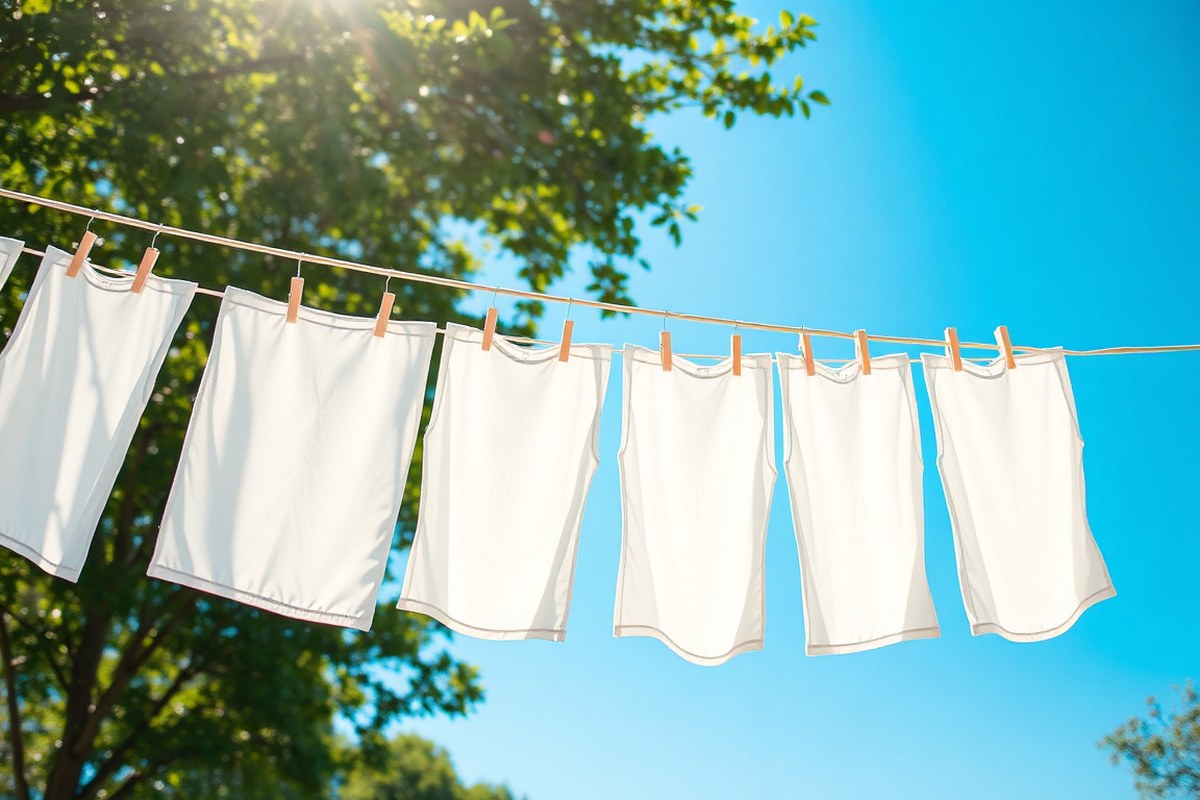
Sunlight naturally bleaches white clothes through ultraviolet (UV) rays, which break down chemical bonds in stains and discoloration. This process helps restore brightness without the need for harsh chemicals. Hanging your whites outside in direct sunlight after washing can improve their whiteness, especially when combined with proper laundering. The UV rays act as a mild, natural bleach, making sunlight an eco-friendly and cost-free whitening option.
However, sunlight can also weaken some fabrics and cause damage over time. Prolonged exposure to strong sunlight can degrade fibers such as silk, wool, and some synthetic materials, leading to fabric wear or yellowing. Cotton and linen generally tolerate sun exposure better, making them good candidates for sun-drying. To protect delicate or older white clothes, avoid drying them in direct sun for more than a few hours or choose shade drying instead.
The best way to sun-dry whites starts with washing them thoroughly using the right detergents or whitening agents. After rinsing, shake out the garment to reduce wrinkles and hang it flat or on a clothesline where air can circulate freely. Place clothes in full sun when temperatures are moderate, between 60°F and 85°F works well, to allow gradual drying. Avoid drying whites outside in very hot or humid conditions, as excess heat or moisture can trap odors or encourage mildew. For delicate fabrics, hanging inside near a bright window provides some UV benefits without harsh exposure.
Check your clothes’ care labels to determine if sun drying is safe. Natural fibers like cotton and linen can usually be dried in full sunlight safely. For synthetics, blends, or delicate fabrics, opt for partial sun or indirect light. Timing also matters; drying whites outdoors for 2 to 4 hours is typically enough for bleaching benefits while minimizing fiber damage. After sun drying, store whites in a cool, dry place to maintain their brightness and freshness.
Using sunlight as a whitening aid costs nothing beyond your time and access to sunny space. Results vary depending on fabric type, stain severity, and local weather. Whites may brighten noticeably after just one sun drying, but consistent use can keep them looking fresh longer. Avoid combining whites with colored items during washing, as transferred dyes reduce effectiveness and can lead to dullness despite sun exposure. For ongoing maintenance, sunlight complements good washing habits but isn’t a substitute for proper stain removal or occasional use of whitening products designed for different fibers.
7. How to Maintain Whiteness and Prevent Future Discoloration
Protecting the brightness of your white clothes starts with how often and how you wash them. Wash whites regularly to prevent dirt and oils from setting in, but avoid overwashing, which can weaken fibers and dull brightness. Use the full recommended amount of detergent based on your load size to avoid residue buildup. Overuse of detergent can leave films that trap stains and cause a grayish look over time. Only wash white garments with other whites to prevent dye transfer from colored clothes.
Prevent detergent buildup and odors by choosing a detergent formulated for whites and rinsing clothes thoroughly. Adding 1 cup of hydrogen peroxide to the wash can boost whiteness without harsh chemicals. Instead of using fabric softeners that may leave residues, add ½ to 1 cup of white vinegar to the final rinse cycle; this acts as a natural fabric softener and helps repel pet hair and lint.
Maintaining your washing machine is equally important. A dirty washer harbors detergent residue, mold, and mildew that transfer to clothes, dulling whites and causing odors. Run a cleaning cycle or an empty load with hot water and 2 cups of white vinegar once a month. Leave the washer door open after use to allow moisture to dry out and prevent mold buildup. Keep the detergent dispensers clean by rinsing them regularly under warm water.
- Wash whites separately and regularly but avoid overwashing.
- Use the proper detergent amount based on load size.
- Add 1 cup of hydrogen peroxide to brighten whites.
- Use ½ to 1 cup white vinegar in the rinse cycle instead of fabric softener.
- Run a monthly washer cleaning cycle with hot water and vinegar.
- Leave the washing machine door open after use to dry.
- Rinse detergent dispensers monthly to prevent buildup.
Avoid using high heat for washing white clothes, especially if they have delicate fabrics or stains prone to setting. Lower heat settings help preserve fabric integrity and reduce yellowing over time. Air drying is best when possible; machine drying can cause heat-induced stains and permanent discoloration. Drying whites in indirect sunlight can gently brighten them without the harshness of direct UV rays.
Following these habits consistently keeps your white clothes looking fresh and bright. When clothes start to look dingy, reviewing these maintenance steps can help restore whiteness before it becomes a bigger problem.
8. When to Seek Professional Cleaning for White Clothes
You should consider professional cleaning when home treatments fail to restore your white clothes or when stains are particularly stubborn, such as set-in yellowing, grease, ink, or protein-based stains like blood. Fabric damage, including fabric weakening, shrinking, or tears, also calls for expert care to avoid worsening the issue. Professionals use specialized solvents and equipment that go beyond typical home methods, offering more thorough stain removal and fabric preservation. For delicate fabrics like silk or lace, a professional cleaner can prevent damage that common bleaching or washing might cause.
Choosing the right professional cleaner means finding a service that specializes in whites and understands fabric care labels. Look for a cleaner who uses gentle but effective techniques tailored to your garment’s fabric type, whether cotton, linen, or synthetics. Prices will vary, but you can expect $10 to $20 per item for standard whites, with higher costs for delicate or heavily stained items. Confirm in advance if the cleaner guarantees their service or offers a refund policy for unsatisfactory results.
Professionals can achieve brighter whites for cases where home methods leave clothes dull or unevenly discolored. Their use of oxygen-based bleaches, controlled temperature washes, and commercial-grade stain removers can lift deeply embedded stains without harming fabric integrity. They also have machines that dry clean, steam, and press clothes, restoring the garment’s shape and brightness in a way that home washers usually cannot.
Use a decision checklist to determine if professional cleaning is necessary: Has the stain remained after multiple home treatments? Is your garment made of a delicate or expensive fabric? Does the item have fabric damage or a persistent odor? Have you tried oxygen-based bleach or specialized detergents safely and still see no improvement? Answering “yes” to any of these questions suggests it’s time for professional assistance.
Before sending your whites to a cleaner, check the care label instructions thoroughly and communicate any known stain histories and previous treatments. This helps the professional tailor their approach and prevents treatments that might worsen damage. Expect turnaround times from 24 hours to a few days depending on the cleaning process and item complexity. Keep in mind that professional cleaning is an investment in garment longevity and appearance, often preserving whiteness much longer than repeated home methods.
Test any stain removal method on a small hidden area before full treatment to avoid irreversible damage, especially on delicate whites.
Step-by-Step Action Plan to Restore and Maintain White Clothes
Follow these steps in order to get your white clothes looking bright again and keep them that way with ongoing care.
- Before washing: Pre-treat stains using a stain remover or a paste of baking soda and water. Check if the stains dissolve for an effective start.
- Soaking period: Soak whites in cold or warm water with an oxygen-based bleach for 30 minutes to 1 hour. The fabric should appear visibly brighter afterward.
- Washing phase: Wash whites with hot water (if the label allows) on a normal to heavy-duty cycle using a detergent formulated for whites. Whites should come out noticeably cleaner and whiter.
- Sun drying: Hang clothes outside in direct sunlight to dry. Check for improved brightness and reduced yellowing after drying.
- After washing: Store whites in a cool, dry place away from direct sunlight to prevent yellowing. Fabrics should stay white longer between washes.
- Weekly maintenance: Use a whitening detergent or add a whitening booster in regular washes to prevent dullness. Whites should maintain a fresh, bright look.
- Monthly check: Inspect whites for any new stains or yellowing. Repeat pre-treatment and soaking if needed to keep whites vibrant.
Frequently Asked Questions
Can Baking Soda Whiten Clothes?
Yes, baking soda can whiten clothes by removing odors and light stains. Adding half a cup directly to the washing machine helps brighten whites without harsh chemicals.
Does Oxiclean Really Whiten Clothes?
Oxiclean is effective for whitening clothes as it uses oxygen bleach to break down stains. It’s safe on most fabrics and can revive dingy whites when used as directed.
Does Sunlight Help Whiten Clothes?
Sunlight can naturally whiten clothes by breaking down stains with UV rays. Drying whites outside improve brightness but avoid intense sun on delicate fabrics to prevent damage.
How Can I Get My Dingy White Clothes White Again?
To brighten dingy whites, soak them in a mixture of oxygen bleach or add one cup of hydrogen peroxide to the wash. Pre-treat stains with baking soda paste for best results.
Can I Use Lemon Juice to Whiten White Clothes?
Yes, lemon juice acts as a natural whitener by breaking down yellowing. Soak whites in warm water mixed with lemon juice for a few hours before washing.
Is It Safe to Mix Bleach with Vinegar for Whitening?
No, mixing bleach with vinegar creates toxic chlorine gas and should never be done. Use each separately according to label instructions to avoid hazards.
Wrapping Up
White clothes can regain their brightness with consistent care and the right techniques. Taking one simple action today, like pre-treating a yellowed shirt before its next wash, sets you on the path to better-looking whites. Regular attention keeps your whites brighter longer and reduces the need for harsh treatments.