How to Get Rid of Stains Fast: 8 Proven Methods That Really Work
Knowing how to get rid of stains quickly can save your clothes, carpets, and furniture from permanent damage. Acting fast with the right treatments can prevent stains from setting. This advice is for homeowners and renters looking for straightforward, effective stain removal methods that work with common household products.
You’ll learn how to identify different types of stains and the best treatments for each kind. This helps you choose the right approach right away, so you don’t waste time or risk making stains worse.
Key Takeaways
- Blot fresh stains gently with a clean cloth before applying any treatment to avoid spreading them further.
- Use oxygen bleach to soak stained items for 5 to 6 hours for effective stain removal on washable fabrics.
- Apply a 50/50 vinegar and water solution to grease stains, let it sit 5 to 10 minutes, then wash as usual.
- For protein-based stains like blood, soak in cool water with enzyme presoak for 5 to 30 minutes depending on stain age.
- Dab carpet stains with a dish soap and water mixture after brushing off loosened dirt to lift stains safely.
- Test stain removal products on a hidden area first to avoid damaging delicate or colored fabrics.
1. How to Quickly Identify and Treat Stains

Identifying whether a stain is oil-based or water-based fast helps you choose the right cleaner and avoid damage. Oil stains, like grease, salad dressing, or makeup, feel slippery or sticky and repel water, while water-based stains, such as coffee, wine, or juice, spread and soak into fabric more evenly. Knowing the type prevents using the wrong method that could set the stain or ruin the material.
The first thing to do when you spot a stain is to act quickly before it sets. Blot the stain gently with a clean, dry cloth to remove excess liquid. Avoid rubbing because it drives the stain deeper. For water-based stains, rinse the fabric under cold water from the back of the stain to flush it out. Oil-based stains do not respond well to water alone, so avoid soaking them in water immediately.
Here’s a quick decision guide to help identify and treat common stains: If the stain feels greasy or sticky and water beads up on it, it’s oil-based; try to sprinkle baking soda or cornstarch to absorb it and then brush off after 10-15 minutes. If the stain looks soaked in and spreads with water, it’s water-based; immediately flush cold water through it and blot to absorb moisture.
After this quick test, apply the right treatment. For oil stains, use a mixture of 50% vinegar and 50% water, or gently apply dish soap to dissolve the grease. For water stains like coffee or wine, flush with cold water and use an enzymatic cleaner if available to break down the stain molecules. Do not use hot water on protein stains like blood, since heat can cook the proteins and make the stain permanent.
A quick-start checklist for immediate steps: first, blot the stain gently; second, identify if the stain feels greasy or watery; third, flush with cold water for water-based stains or apply absorbents for oil-based ones; fourth, use dish soap or vinegar solution for oil; enzymatic cleaner for protein or organic stains; and finally, avoid drying the fabric until the stain is fully removed. Drying too soon locks stains permanently, so air-dry after treatment.
Recognizing combination stains, which include both oil and water components, calls for enzymatic cleaners or mild acids that can tackle both parts. These might take longer to treat and may require multiple applications. Keep in mind that some fabrics absorb stains differently; testing the spot treatment on a hidden area of the fabric first avoids accidental damage.
Taking these quick, precise steps keeps stain removal effective and protects your clothes and upholstery from lasting harm. Basic home supplies, like vinegar, dish soap, baking soda, and cold water, form an essential toolkit that addresses most common stains when time is of the essence.
2. Best Household Products for Stain Removal

Hydrogen peroxide, white vinegar, baking soda, and dish soap rank among the most effective household items for stain removal. Each targets different types of stains safely and affordably, costing just a few dollars per use. For organic stains like blood or sweat, hydrogen peroxide acts as an oxygen bleach breaking down protein-based messes, especially on light-colored fabrics. Dilute by mixing ½ cup hydrogen peroxide with 2 cups of cool water before applying. Leaving this solution on the stain for 5 to 10 minutes usually suffices. Avoid using hydrogen peroxide on dark or delicate fabrics without testing it first, as it can cause discoloration.
White vinegar breaks down mineral buildup, salt marks, and certain water stains effectively. Mix 1 cup of white vinegar with roughly 10 drops of lemon essential oil to make a gentle but powerful stain remover spray. Apply the spray to the stain and leave it for 10 to 15 minutes before rinsing off. Avoid using vinegar on natural stone or delicate fabrics since its acidic nature may cause damage; it works best on washable fabrics and hard surfaces.
Baking soda is ideal for deodorizing and absorbing oils. When combined with hydrogen peroxide and dish soap in equal parts, it forms a powerful paste useful for tough sweat stains, grease, and general grime. Apply the mixture generously to the stain and allow it to sit between 30 minutes and an hour before rinsing or laundering. This combo safely breaks down oils without harsh chemicals. Note that baking soda alone can sometimes be too abrasive on delicate textiles.
Dish soaps like Dawn are designed to cut through grease and can be paired with hydrogen peroxide or baking soda to boost effectiveness. For oil-based stains, mixing dish soap with hydrogen peroxide and baking soda targets the oily residue and lifts it off fibers. Apply directly to the stain, scrub gently, and rinse thoroughly. Keep in mind that scrubbing too hard or leaving soap residue may yellow fabrics over time.
| Household Product | Stain Types | How to Use | Notes |
|---|---|---|---|
| Hydrogen Peroxide | Blood, sweat, protein-based | Mix ½ cup in 2 cups cool water, soak 5-10 mins | Test on dark fabrics; may discolor |
| White Vinegar | Salt, mild water stains | Mix 1 cup vinegar + 10 drops lemon oil, spray 10-15 mins | Avoid on stone; test delicate fabrics |
| Baking Soda | Oil, grease, deodorizing | Make a paste with peroxide and soap, sit 30-60 mins | Can be abrasive on delicate items |
| Dish Soap (Dawn) | Grease, oil-based stains | Mix with peroxide and baking soda, apply and rinse | Can cause yellowing if residue remains |
Natural products like baking soda and vinegar offer a gentle alternative to commercial cleaners and usually work well on fresh or light stains. However, avoid relying solely on vinegar for protein stains or heavy grease since its acidity can set some stains or weaken fabrics. Hydrogen peroxide is effective on many organic stains but can bleach colored fabrics, so patch testing on inconspicuous areas is important. Store homemade stain solutions in dark bottles to preserve their potency and always dilute according to recipes to prevent damage.
Patch test any homemade solution on a hidden fabric area to prevent discoloration or damage before full stain treatment.
3. Removing Water-Based Stains Like Coffee, Wine, and Tea
Removing water-based stains like coffee, wine, and tea is most effective when you act quickly using mild, fabric-safe solutions that break down the stain without harsh chemicals. Fresh stains respond well to immediate treatment with gentle cleaners, while older stains benefit from soaking and enzyme treatments. Managing drying carefully prevents setting the stain permanently.
Treating Fresh Water-Based Stains
Begin by blotting the spill gently with a clean cloth or paper towel to absorb excess liquid, avoid rubbing, which can spread the stain. Spray a mixture of mild dish soap and cool water directly onto the affected area. Use about one teaspoon of dish soap per cup of water in a spray bottle to lightly mist the stain. Let it sit for 10 to 15 minutes to allow the soap to break down the stain molecules.
After the wait, blot the area again to lift loosened stain particles. For red wine stains, you can also sprinkle a small amount of washing soda on the stain before spraying the soap mixture, as washing soda helps lift wine dyes. Repeat the light spraying and blotting process if the stain looks persistent, but do not saturate the fabric excessively.
Soaking and Enzyme Options for Older Stains
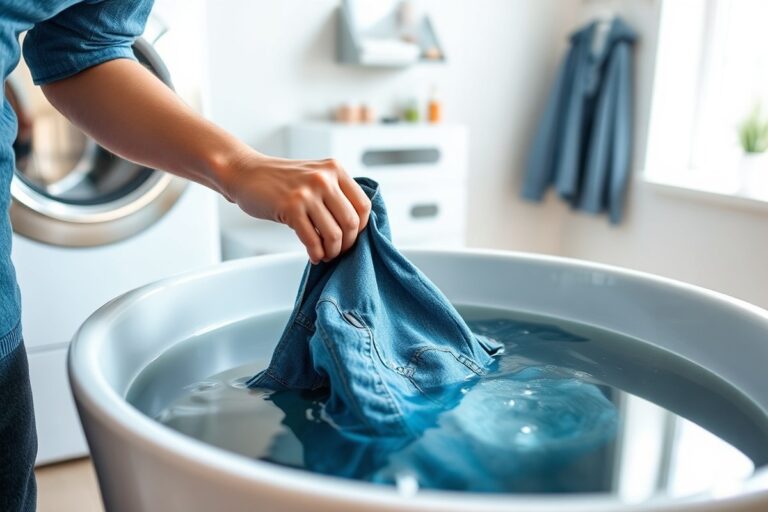
If the stain has dried or resisted initial treatment, soaking becomes important. Fill a basin with warm water and add one tablespoon of an enzyme-based laundry detergent per gallon. Submerge the stained fabric and let it soak for 30 minutes to an hour. Enzymes target organic compounds in coffee, tea, and wine, increasing the chance of removal without aggressive chemicals.
A gentle scrub with your fingers or a soft brush during or after soaking can help loosen set-in stain particles. For carpet stains, apply a homemade solution of dish soap and water, let it sit for 5 to 10 minutes, and blot repeatedly. Avoid harsh scrubbing that could damage fibers.
- Blot fresh spills immediately without rubbing
- Use a dish soap and cool water spray for initial treatment
- Try washing soda on red wine stains before soap spraying
- Soak older stains in enzyme detergent solution for 30-60 minutes
- Gently scrub stains during soaking to boost removal
- Test treatments on a hidden area first for fabric safety
- Apply treatments in well-ventilated areas and follow product instructions
Drying and Washing Guidelines
Always check the stain’s progress before drying. Dry heat can set water-based stains permanently if any residue remains. After treatment, rinse the fabric thoroughly with cool water to remove soap and cleaning agents.
When laundering, use the warmest water safe for the fabric, as specified on the care label. Repeat pretreatment if the stain is still visible before placing the item in the washer. Avoid dryer use until the stain is fully gone. For carpets or upholstery, allow treated areas to air dry, preferably with good airflow, to prevent lingering odor or staining.
4. How to Remove Oil-Based and Grease Stains Safely
Oil-based and grease stains resist water because fats and oils do not dissolve in water, making them harder to remove than water stains. Removing these stains often requires breaking down the fats using absorbents, solvents, or detergents designed to tackle oils. Using baking soda, vinegar, or commercial degreasers can help lift these stains from fabrics and upholstery safely if applied correctly.
Pre-Treatment with Absorbents
Start by gently blotting the stain with a clean cloth to soak up excess oil without rubbing it deeper into the fabric. Then apply an absorbent powder, such as baking soda, directly to the spot. Baking soda helps draw oil out of the fabric fibers, making the grease easier to remove during cleaning.
For upholstery, sprinkle baking soda liberally on the stain and let it sit for 15 to 30 minutes before vacuuming it up. For clothing, apply a thick layer of baking soda or cornstarch to cover the stain completely. This step works best on fresh or slightly set-in stains.
Using Solvents and Detergents
Then, create a mild cleaning solution by mixing 1 tablespoon of dish soap and 1 tablespoon of white vinegar into 2 cups of cool water. Use a sponge to apply this liquid to the oily stain on upholstery, and gently blot the area afterward with a fresh cloth.
Commercial degreasers, often containing mineral spirits or turpentine, can be effective on stubborn oil stains but require caution. Test a small hidden area first to check for colourfastness and fabric damage. These products are usually safe on sturdy fabrics and some upholstery, but avoid them on delicate or non-washable materials.
- Apply homemade or store-bought treatments on a test spot first
- Use a sponge or soft cloth; avoid rubbing hard to prevent fabric damage
- Follow product instructions on commercial degreasers
- Wear gloves when handling strong solvents
- Keep treated items ventilated to help solvents dry
- For set-in stains on clothing, make a paste of equal parts baking soda and water and scrub gently before washing
- Use cold or cool water to rinse treated areas
Dish soap helps emulsify grease, while vinegar can break down mineral deposits that sometimes accompany oil stains. This combination safely removes many oil-based stains at low cost and with common ingredients.
Post-Treatment Care and Avoiding Heat
After treating the stain, rinse the fabric or upholstery with cool water and blot dry. Avoid using hot water or putting the item in a dryer until you’re sure the stain is gone, as heat can set oil stains permanently. Repeat the cleaning process after the area dries if the stain has not disappeared.
For upholstery, allow the treated area to air dry naturally. For clothing, wash using the warmest water temperature recommended on the care label once the stain fades. Check the stain before machine drying; if it persists, additional treatments are safer than heat exposure. Proper post-treatment prevents permanent marks and extends the life of your fabrics.
5. Dealing with Protein-Based Stains Like Blood and Grass
Enzymatic cleaners are highly effective on protein-based stains because they contain natural enzymes that break down proteins into smaller, water-soluble pieces. This makes it easier to lift stains like blood, sweat, and food from fabric. Acid-based treatments also work by breaking down the protein structure, but they tend to be milder and are often used for grass stains. The key is to avoid hot water, which can cook protein fibers and cause stains, especially blood, to set permanently.
Rinse the fabric with cold water right away to help lift blood stains. Using hot water can cause the blood to set, making it tougher to get out. Next, put an enzymatic cleaner on the stain and let it rest for 15 to 30 minutes. Then, gently blot the spot with a clean cloth and rinse with cold water. Repeat these steps as needed before washing normally in cold water with your regular detergent. Avoid using a hot dryer until the stain is completely removed because heat can lock in any leftover blood.
Grass stains can be stubborn because of the chlorophyll and protein they contain. Using a mild acid like white vinegar or a commercial stain remover with effective enzymes often works best. First, gently brush off any dried grass particles, then pre-treat by soaking the stain in a solution of one part white vinegar to two parts cold water for 30 minutes. Follow this by applying an enzymatic cleaner and rinsing thoroughly with cold water. Washing the fabric in cold water after treatment will usually remove the stain without damaging delicate fibers.
| Method | How It Works | Best For | Time Required | Cost |
|---|---|---|---|---|
| Enzymatic Cleaner | Breaks down protein stain molecules | Blood, food stains, sweat | 15-30 minutes soak | $5, $15 per bottle |
| Cold Water Rinse | Prevents protein from setting | Fresh blood, sweat stains | Immediate, ongoing rinsing | Free |
| Mild Acid Treatment (Vinegar) | Breaks down grass stain proteins and chlorophyll | Grass stains, light protein buildup | 30 minutes soak | Less than $1 |
Old or set-in protein stains may require multiple treatments or a longer soaking time with an enzymatic cleaner. It’s important to avoid rubbing aggressively, which can push the stain deeper into the fabric. For fresh stains, prompt cold water rinsing followed by enzymatic treatment offers the highest chance of removal. Acid treatments like vinegar are gentle alternatives mainly for organic stains without active enzymes in the cleaner.
Always test any stain remover on a hidden part of the fabric first to avoid color fading or damage.
6. Special Care for Delicate Fabrics and Non-Washable Materials
Delicate fabrics like silk and wool, along with upholstery and non-washable materials, require gentle stain removal to prevent damage. Use mild cleaners and spot-treat stains instead of soaking or machine washing these items where possible. Avoid harsh chemicals, scrubbing, or excessive moisture to keep fibers intact and colors vibrant.
Treating Delicate Clothing Fabrics
Silk and wool are sensitive to water temperature, agitation, and harsh chemicals. Test any stain remover on a hidden area first. For silk, dab stains gently with a clean cloth dampened with cold water or a diluted mild detergent solution (about a teaspoon of detergent per cup of water). Avoid soaking silk since water can cause water spots or shrinkage. Wool can tolerate small amounts of cold water with a wool-safe detergent but never use hot water, which can felt the fibers.
For fresh stains, gently blot rather than rub to lift the stain without spreading it or damaging the fabric. Avoid stiff brushes or scrubbing tools. Air dry delicate fabrics flat, away from direct sun or heat. Spot treating with specialized wool or silk stain removers, available at craft or fabric stores, often produces better results than household products.
Removing Stains from Upholstery and Carpets
Upholstery and carpet stains can often be treated without full washing or heavy moisture, which risks damaging backing or padding. Start by blotting excess spill with clean paper towels or an absorbent cloth. Avoid rubbing, which may push the stain deeper into fibers.
A simple homemade cleaner for upholstery involves mixing 1 tablespoon of clear household ammonia with ½ cup of water in a spray bottle. Lightly mist the stained area and blot gently with a clean white cloth. Always test this method first on an inconspicuous area to ensure colorfastness. For pet stains on carpet, white vinegar works well: saturate the area, then blot after a few minutes. Avoid soaking the fabric, and keep the treated spot as dry as possible.
Avoiding Damage to Special Surfaces
Certain household products can harm delicate fabrics or upholstery. Avoid bleach, harsh solvents, and abrasive cleaners like powdered detergents or steel wool, which can discolor or weaken fibers. Lemon essential oil is safe for some fabrics but may cause discoloration on others, so test before use.
Do not soak delicate or non-washable items without professional advice, as water and detergents can weaken fibers, cause shrinkage, or set stains permanently. Avoid stiff brushes or scrubbing pads that may leave marks or damage the surface texture. When in doubt, consult a professional cleaner experienced in delicate or upholstered fabrics for stain removal.
7. Common Stain Removal Mistakes and How to Fix Them
A frequent error that makes stains worse involves applying hot water too early, especially with protein stains such as blood, egg, or dairy. Hot water can make these stains permanent by cooking the proteins into the fabric threads. Start by rinsing the stained spot with cold running water right away, then put enzymatic laundry detergent on the area. Allow it to work for 20 minutes before washing with cool water to break down the proteins without fixing the stain.
Another error involves over-treating fabric with harsh chemicals or scrubbing too hard, which can damage the fabric or fade colors. For example, scrubbing a grass stain on leather shoes with strong detergents can harm the leather’s surface. A gentler approach uses a cloth dipped in equal parts vinegar and cold water to remove the stain without damage. Always test stain removers on a hidden patch first to avoid ruining the item.
To undo damage from using hot water too soon, soak the clothing in a solution of oxygen bleach mixed with hot water for 4 to 6 hours. This treatment can help remove stains that are setting without harming the fabric. For more durable light-colored fabrics, mixing baking soda and warm water into a paste, applying it on the stain, and waiting 15 minutes before washing in cool water also works well.
- Rinse protein stains immediately in cold water, not hot
- Apply enzymatic detergent and let sit 20 minutes before washing
- Avoid scrubbing delicate or colored fabrics aggressively
- Test stain removers on an inconspicuous area first
- Soak set-in stains in oxygen bleach solution up to 6 hours
- Use baking soda paste on light-colored, sturdy fabrics to lift stains
- For leather, clean stains gently with vinegar and water solution
Using hot water too early is a frequent mistake with fruit stains, but you can still save the item by pouring boiling water carefully over the stain while holding the kettle high. This dilutes and lifts the stain effectively. After pouring, set the garment aside for 15 minutes, then wash it in cool water. Follow this with an oxygen bleach soak if any stain remains.
Over-treating does more harm than good. Excessive washing or chemical use wears down fabrics and dulls colors. A mild, targeted approach paired with patience leads to the best stain removal while maintaining the item’s appearance and lifespan.
8. When to Stop and Call a Professional Cleaner
Recognizing when a stain is unsalvageable at home can save you time and prevent further damage. You might have an unsalvageable stain if multiple treatments with household products, including oxygen bleach or commercial cleaners like Folex Instant Carpet Spot Remover, fail to remove it and the stain still remains. Also, signs such as color fading, fabric weakening, or residue that doesn’t lift indicate that the stain treatment is too harsh or ineffective. Notice your cleaning attempts are making the material look worse? Stop immediately and consult a professional.
Professional cleaners have access to specialized solvents, industrial-grade oxygen bleaches, and equipment like steam cleaners that aren’t available for home use. These methods can break down stains more deeply and safely in fabrics or carpets that would suffer damage from DIY methods. For example, professionals often use higher concentrations of hydrogen peroxide, enzyme-based cleaners, and precise steam temperatures optimized for stain types and fabrics. They also have training to identify the best stain removal method, which reduces the risk of fabric damage.
Costs for professional stain removal depend on the material, stain type, and treatment complexity. Typical prices for carpet or upholstery stain removal range from $50 to $150 per room. Removing stains from delicate or large items, such as rugs or expensive clothing, often costs more, sometimes up to $200 or more, especially if repeat treatments are needed. Factors like stain age, size, and how deep the stain penetrated also affect price. Calling a professional early for valuable or sentimental items usually saves money and preserves the item’s appearance better than attempting repeated home treatments.
To decide when to stop and call a professional, consider the following rule: after two full treatments at home with appropriate cleaners (oxygen bleach for whites, commercial spot removers for colors), if the stain has not noticeably faded, pause your efforts. Avoid trying stronger chemicals or scrubbing aggressively to prevent fabric damage. Contact a professional cleaner who can assess the stain’s composition and fabric condition, provide the safest removal options, and give you a clear estimate.
Repeated attempts with harsh cleaners can weaken fabric fibers; once you see fading or texture changes, stop and call a professional to avoid permanent damage.
Step-by-Step Action Plan for Effective Stain Removal
Follow this plan to tackle stains quickly and safely, improving your chances of complete removal.
- Immediately after the spill: Blot the stain gently with a clean cloth or paper towel to absorb excess liquid without rubbing. Stop when no more color transfers to the cloth.
- Within 30 minutes: Identify the stain type (water-based, oil-based, protein-based) for targeted treatment. Use the appropriate household product based on your earlier knowledge.
- First hour: Apply a small amount of your chosen cleaner on an inconspicuous fabric area to test for colorfastness and fabric reaction. Proceed only if no damage or discoloration occurs after 5 minutes.
- Within 2 hours: Treat the stain according to its category, use cold water and enzyme cleaner for protein stains, dish soap for grease, and vinegar solution for water-based stains. Let the solution sit for 10 to 15 minutes.
- After treatment: Rinse with cold water or blot again to remove cleaning agents. Check if the stain has faded significantly or disappeared before drying.
- Before drying: Ensure the stain is fully removed; heat can set stains permanently. If the stain persists, repeat treatment or plan to consult a professional.
- Next day: Launder the item according to fabric care instructions to remove any residue and check if the stain is gone after washing and air drying.
Frequently Asked Questions
How Do I Get Rid of Sweat Stains from Clothing?
Use crushed aspirin mixed with water to treat sweat stains before washing for better results.
What Is the Best Way to Remove Pet Urine Stains from Carpet?
Apply baking soda and vinegar to pet urine stains, let it sit, then clean for effective removal.
How Can I Remove Salt Stains from My Car?
Use vinegar to dissolve and wipe away salt stains from your car’s surface safely.
What Household Items Can Remove Hard Water Stains in Sinks?
Rub a cut lemon on the sink, let it sit, then scrub to remove hard water stains quickly.
How Do I Get Rid of Armpit Stains on White T-Shirts?
Treat armpit stains with hydrogen peroxide and Dawn dish soap before laundering.
What Is a Simple Way to Remove Ink Stains at Home?
Spray hairspray or hand sanitizer on the ink stain and blot to lift it.
Key Points to Remember
Effective stain removal depends on swift action and using the right methods for each type of stain. Applying the correct treatment early gives you the best results and helps preserve your fabrics. The next time you face a stain, start by identifying its type and selecting a suitable cleaner before the stain sets in. Acting quickly can save you time and money while keeping your home looking its best.