How to Dry Clothes Without Dryer: 8 Proven Methods for Fast, Cost-Free Laundry
To dry clothes without a dryer quickly and safely, use efficient air circulation and heat sources designed for laundry. Choose the right drying method based on fabric type and space to avoid damage and speed up the process. This approach suits anyone without access to a dryer or looking to reduce energy costs and drying time.
This article shares proven methods to dry clothes indoors or outdoors, explains how long drying takes without a dryer, and offers practical tips to protect delicate fabrics while saving money. You will learn how to optimize drying conditions and prevent common mistakes that slow laundry drying or cause damage.
Key Takeaways
- Place clothes near a sunny window with good airflow to dry faster indoors.
- Use a heated airer for delicate fabrics, drying light loads in one to three hours.
- Hang heavier fabrics like towels and jeans with enough space for air circulation.
- Dry clothes outdoors on sunny, breezy days for two to four hours depending on fabric.
- Remove excess water with a high spin cycle to reduce drying time before air drying.
- Avoid drying clothes in damp, poorly ventilated rooms to prevent mold and odors.
1. How to Dry Clothes Without a Dryer Quickly and Safely
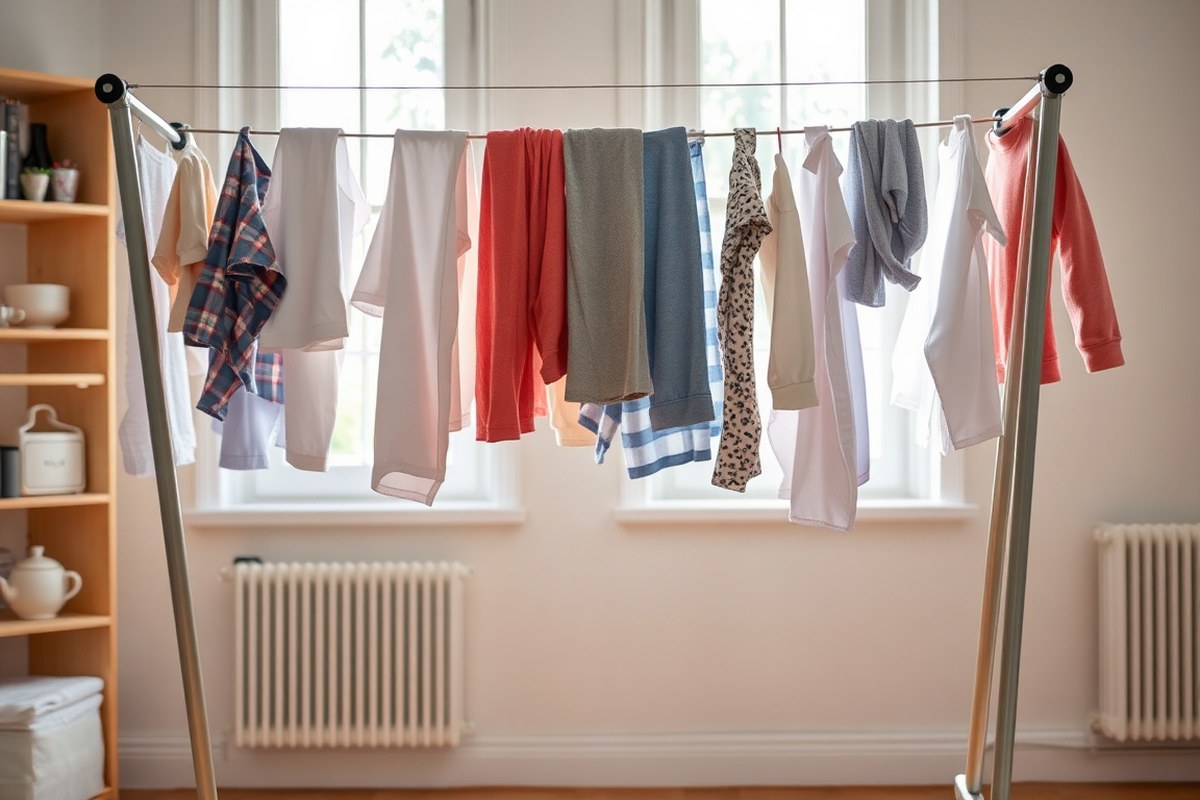
Drying clothes without a dryer can be done quickly and safely by focusing on the right setup and techniques that move moisture out of the fabric efficiently. The keys are good air circulation, removing as much water as possible before drying, and arranging garments to maximize exposure to air. Using these principles reduces drying time and protects your clothes from mildew or damage.
Start by extracting excess water with a heavy-duty spin cycle on your washer or by pressing clothes gently with a clean towel. Avoid wringing the fabric harshly, especially for delicate items, because this can stretch or damage fibers. Providing plenty of space between garments is important so air can flow freely, speeding evaporation and preventing odors. Drying clothes indoors requires a well-ventilated space with moderate temperature to avoid dampness buildup.
- Remove excess moisture: After washing, run a high-speed spin cycle or roll garments in a dry towel to squeeze out as much water as possible. The less water in the fabric, the quicker it will dry.
- Separate items: Avoid overcrowding by hanging clothes with at least an inch of space between each piece. This prevents fabric from sticking together and slows drying.
- Use a drying rack or line: Spread clothes out on a rack or clothesline where air can circulate around each item. Place the rack near a fan or open window indoors to improve airflow.
- Turn clothes inside out: Doing this helps thicker or colored fabrics dry evenly and reduces fading from sunlight or heat exposure.
- Optimize room conditions: Maintain indoor temperature around 65°F to 75°F with low humidity. Use a dehumidifier or open a window to avoid moisture buildup which slows drying and risks mildew.
- Use the “burrito” method for medium-dry clothes: Lay the garment flat on a large towel, roll it up tightly like a burrito, then press or twist gently to absorb extra water. This can cut drying time noticeably.
- Check progress and adjust: Flip or rearrange clothes midway through drying to expose damp areas to more air and promote even drying. This step prevents lingering damp spots.
Costs for this setup are minimal if you already have a drying rack or hangers. Basic racks range from $15 to $50 and work for most homes. A small fan or dehumidifier can be helpful but is not necessary. Drying safely means avoiding damp, cold spaces where clothes can mildew or smell musty. When air circulation is poor, moisture remains trapped in the fibers, increasing drying time and potentially damaging fabric over time.
2. Best Indoor Drying Methods: Racks, Radiators, and More

Indoor drying methods can range from simple drying racks to heated devices or bathroom setups. A drying rack is the most common and energy-efficient option. Place it in a well-ventilated area away from walls and face it toward a window or a fan if possible. Spread your wet clothes evenly to avoid damp spots, and flip garments halfway through drying to ensure they dry on both sides.
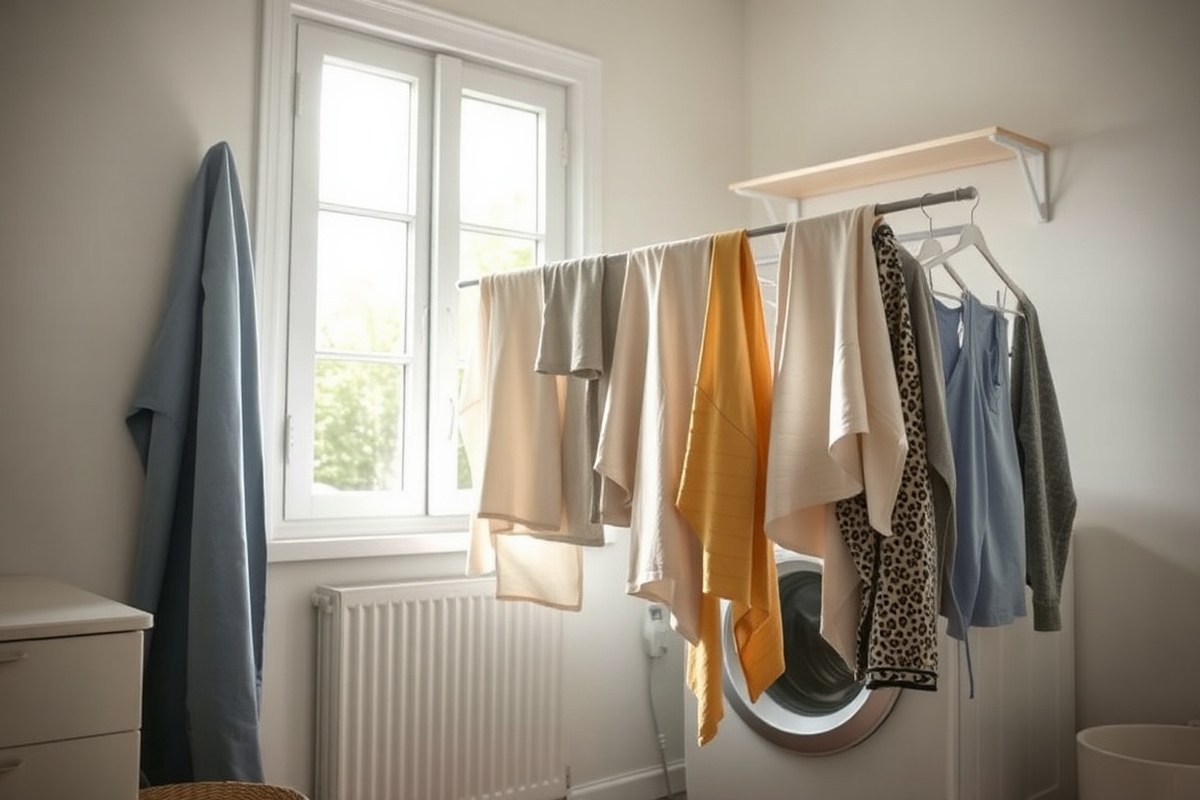
Radiators and heated airers speed up drying by supplying direct or radiant heat. Radiators work best with a drying rack placed a few inches above or beside them. Be sure not to cover the radiator completely, as this can reduce heat circulation and risk damage to delicate fabrics. Heated airers, electric drying racks designed to emit gentle warmth, can dry a light load of delicates in 1 to 3 hours. However, heavier items like towels, wool sweaters, or jeans may take up to 10 hours.
Bathrooms create a great drying environment due to their humidity and heat from showers. Using a heated towel rail or an over-the-shower rod to hang clothes helps. Open a window or run an exhaust fan to reduce moisture buildup, which stops clothes from smelling musty and also speeds drying. An existing bathroom heater or portable heater can add warmth to reduce drying time.
| Indoor Drying Method | Drying Speed | Best For | Cost & Setup |
|---|---|---|---|
| Drying rack | Several hours to overnight | Everyday clothes, towels, delicates | Low, $15-$50; no electricity needed |
| Radiator with rack | Faster than rack alone | Tough fabrics, heavier loads | Uses existing radiator; no extra cost |
| Heated airer | 1-3 hours (light loads), up to 10 hours (heavy) | Delicates, small loads | Moderate, $40-$100; electricity required |
| Bathroom drying (heated towel rail) | Several hours | Small items, when shower heat is present | Variable; heater usually present |
Heating your indoor space speeds up drying, but avoid placing wet clothes directly on high heat to prevent shrinking or fabric damage. Ensure proper ventilation to stop moisture buildup, which might otherwise cause mildew and slow drying. In cramped spaces, using a heated airer is often more practical than spreading a rack wide.
Flip clothes during drying to ensure both sides dry evenly and prevent damp spots that can cause mildew.
3. Outdoor Drying Without a Dryer: Best Practices and Weather Tips
Yes, you can dry clothes outside without a dryer effectively by picking the right conditions and using simple protective measures. Sunlight, wind, and temperature all influence how quickly clothes dry outdoors. Preparing for sudden rain and knowing where to place your drying rack are key to avoiding dampness and musty smells.
Choosing the Right Outdoor Spot and Time
Select a location that offers plenty of direct sunlight and fresh air. A spot exposed to a steady breeze speeds evaporation and helps clothes dry evenly. Aim to hang your laundry in the morning on clear days, as daytime warmth and sunlight reduce drying time to about 2 to 4 hours for most fabrics.
Position your drying rack or clothesline away from shaded areas, garages, or trees that might block the sun. An open yard, balcony, or rooftop terrace usually works best. Avoid humid or still air environments since moist air slows drying and increases dampness risks.
Using Protective Covers to Guard from Rain
To protect your clothes from unexpected rain, use waterproof protective covers made for drying racks. These covers are typically vinyl or heavy-duty plastic and come in sizes that fit common rack shapes. They let air flow while preventing wet weather from soaking your laundry.
Make sure the cover you choose matches your rack’s dimensions to avoid sagging or gaps where rain can drip through. Keep some strong clothespins or hooks on hand to secure the cover firmly, especially in windy conditions. A protective cover costs around $15 to $30 depending on size and quality, making it an affordable way to keep drying outdoor no matter the forecast.
Adapting Drying Schedule to Weather Changes
Monitor weather forecasts before drying clothes outside. Shift your laundry to indoors if rain or very high humidity is predicted, as wet weather prolongs drying times and causes musty odors. When conditions are cool or chilly, expect drying to take longer, sometimes doubling the time compared to sunny warm weather. Here is a checklist to help decide when and how to dry clothes outdoors safely:
- Check the day’s forecast for sun, wind, and rain chances.
- Pick a sunlit, breezy location away from shade or stagnant air.
- Confirm your drying rack or clothesline is sturdy and correctly positioned.
- Hang clothes evenly with enough space between for airflow.
- Cover your rack with a waterproof cover if rain is possible.
- Bring clothes inside if rain starts or humidity rises sharply.
- Adjust drying time estimates based on temperature and fabric type.
4. How Long Does It Take to Dry Clothes Without a Dryer?
Drying times without a dryer vary widely by fabric type, drying method, and environmental conditions. Cotton generally takes the longest to dry because it holds more water, especially heavier items like jeans or towels. Wool can take several hours to over a day, depending heavily on thickness. Synthetic fibers like polyester or nylon dry faster, often within a few hours, because they absorb less water.
The biggest factors influencing drying time include air circulation, humidity, temperature, and how wet the garment is to start. Warm, dry air with good airflow speeds drying, while cold, humid conditions slow it down. Pressing garments between two clean towels to absorb excess moisture before hanging can cut drying time in half. Avoid placing clothes directly under high heat sources like irons, as this risks damaging the fabric without reliably speeding drying.
| Fabric Type | Typical Drying Time (Indoor, Room Temp) | Typical Drying Time (Outdoor, Warm Sunny Day) | Notes |
|---|---|---|---|
| Cotton (T-shirts, Jeans) | 12 to 24 hours | 2 to 6 hours | Heavy cotton items take longer; pressing helps reduce time |
| Wool (Sweaters, Socks) | 24 to 48 hours | 4 to 12 hours | Thicker wool dries slower, keep flat to avoid stretching |
| Synthetics (Polyester, Nylon) | 4 to 8 hours | 1 to 3 hours | Dries fastest; avoid direct heat to prevent melting fibers |
Pressing clothes with towels before air drying removes much of the initial moisture and speeds drying without risk. Good airflow is key. Position drying racks near open windows, fans, or heaters, but keep clothes from direct heat or sunlight that could fade colors and weaken fabric. Drying time can double or triple in poorly ventilated, humid rooms.
Expect indoor drying during winter to take much longer than in summer or outdoors. You can gently wring out clothes before towel pressing to reduce drip time. Always check fabric care labels for temperature sensitivity to avoid shrinking or damage when trying to speed the drying process.
5. How to Speed Up Drying Using Household Items and Techniques
Using household items like towels and fans can make a noticeable difference in how quickly your clothes dry without a dryer. Towels absorb excess moisture from your wet clothes, reducing drying time. To do this, lay a dry towel flat, place the wet garment on top, then roll them together tightly like a burrito and press or squeeze. This removes water effectively before you hang your clothes to dry.
Another key factor is the spin speed on your washing machine. Setting it to the highest spin speed helps extract more water, so your clothes hang drier and take fewer hours to dry. Adding about 10 extra minutes of high-speed spinning after the main wash can significantly reduce the time your heavier items, such as jeans and towels, spend drying indoors.
Fans and hair dryers also provide targeted airflow to help your clothes dry faster. Position a fan so it blows across your damp clothes, allowing air movement on both sides. For small areas or spots, a hair dryer set on low heat and high fan speed can speed drying in minutes. Avoid using high heat settings, which risk damaging some fabrics or causing shrinking.
- Use a dry bath towel to squeeze moisture from clothes by rolling and pressing tightly
- Choose the highest spin speed on the washing machine and add an extra 10-minute spin if possible
- Use a fan directed at hanging clothes for better air circulation; turn clothes occasionally
- Apply a hair dryer on low heat and high speed for spot drying; keep it moving to avoid overheating
- Hand wring excessively wet items before hanging
- In cooler weather, place clothes near a heater or radiator to boost evaporation
- Hang clothes in a way they don’t overlap to maximize airflow
Keep your hair dryer moving constantly over the fabric to prevent heat buildup that could damage clothing.
The “burrito method” with towels has gained positive feedback for shrinking drying time to as little as five minutes in some cases. Using a fan improves drying by preventing still air from trapping moisture, especially useful in less ventilated rooms. Adjusting your washing machine’s spin speed before drying minimizes water retention, important for dense or heavy fabrics. Combining these methods can create a drying setup that saves you hours, especially indoors or on damp days.
6. Drying Delicates and Special Fabrics Without a Dryer
Delicate fabrics like wool, silk, and lace need special care when drying to avoid damage or shrinking. Using gentle techniques without a dryer preserves their shape, texture, and lifespan. Avoid heat and rough handling to keep these materials looking their best.
Hand Washing and Gentle Spin Cycles
Before drying, clean delicate clothes using hand washing or a washing machine’s gentle cycle. Hand washing minimizes agitation that can stretch or felt wool and damage silk or lace. When using a machine, select a cold water setting and a low spin cycle to remove excess water without stressing the fibers.
After washing, press the fabric gently between towels to remove water instead of wringing it out. This helps protect the fabric’s structure and stops stretching or misshaping.
Flat Drying vs Hanging Techniques
Flat drying is the safest method for woolens and delicate knits because it prevents stretching and shrinking. Lay the item flat on a clean, dry towel placed on a drying rack or another flat surface. Reshape the garment gently to its original dimensions before drying.
For silk and lace, hanging can be an option to avoid creases if the fabric is lightweight. Use padded hangers or clips covered with soft fabric to prevent marks. Always hang in a shaded, well-ventilated area away from direct sunlight to preserve color and fabric integrity.
- Shake out excess water gently after washing.
- Lay a clean towel flat and place the garment on top.
- Reshape the fabric carefully by hand to its original form.
- Roll the towel and garment together to press out remaining moisture.
- Unroll and place the garment flat on a dry towel or drying rack.
- When hanging, use padded hangers and avoid direct sunlight.
- Allow 24 to 48 hours for full air drying in a cool, ventilated area.
Avoiding Heat Damage on Delicate Items
Heat can shrink wool and weaken silk and lace fibers, so avoid using heaters, radiators, or direct sunlight. Keep drying temperatures below 85°F (29°C) to prevent damage. Avoid placing clothes close to space heaters or hot air vents.
For speed, use a fan for air circulation instead of heat sources. This gently speeds up drying without risking heat-related problems. This cautious approach extends the life of delicate fabrics and maintains their look and texture.
7. Common Mistakes When Drying Clothes Without a Dryer and How to Fix Them
Overcrowding your drying space is a common mistake that slows down the drying process significantly. Clothes packed tightly on a rack or line block airflow, trapping moisture and extending drying time. To fix this, space out garments so air circulates freely. Leave at least 2 to 3 inches between each item, whether you’re using an indoor rack or hanging clothes outside.
Poor ventilation is another factor that leads to lingering dampness, mold growth, and unpleasant smells. Drying in a closed room without air movement traps humidity, creating an ideal environment for mildew. Open windows, use a fan, or place clothes near a vent to improve airflow. In humid climates, running a dehumidifier during drying can help keep moisture levels low and prevent odors.
Using heat improperly is risky. Placing clothes too close to radiators or heaters can cause fabrics to shrink, fade, or become damaged. The optimal distance is at least 12 inches from any heat source. Avoid direct contact with high temperatures, and opt for gentle, indirect warmth instead. Clothes dry well near a warm air vent or on a rack placed in a sunny window without touching hot surfaces.
- Do not overload drying racks or lines, leave space between items
- Ensure good airflow by opening windows or using fans
- Keep clothes at least 12 inches away from heat sources
- Regularly rotate or flip clothes to expose different areas to air
- Remove clothes promptly once dry to prevent musty smells
Overdrying clothes by using intense heat or leaving them to dry too long can weaken fibers and reduce garment lifespan. Check fabrics periodically; most items dry within 4 to 6 hours indoors with proper spacing and ventilation. When drying delicate fabrics, avoid heat altogether and let them air dry gently on a flat surface or rack.
Following these practical steps helps you avoid common pitfalls that slow drying, lead to mold, or damage clothes. It takes some attention to spacing, ventilation, and temperature, but the payoff is fresh, dry clothes without the risks of bad smells or fabric harm. For those using alternate drying spots like shower rods, removing excess water by wringing or spinning clothes first reduces drying time and prevents droplets from pooling.
8. Choosing the Right Drying Method for Your Season and Space
Choosing the right drying method depends mainly on the season, your available indoor space, and the type of fabric. Summer usually supports outdoor drying, offering natural sunlight and breeze, while winter often requires efficient indoor or electric solutions. Knowing when to rely on natural air versus electric heat helps balance drying quality, speed, and energy costs.
Seasonal Drying Strategies
In summer, outdoor drying is usually your best bet. Sunlight helps kill bacteria and freshens clothes, while warm air dries fabrics faster, often within a few hours. Using a sturdy outdoor clothesline or drying rack on a balcony makes good use of natural resources without added cost. In areas with high humidity, allow extra time or consider moving clothes indoors during damp or rainy weather.
Winter drying typically means slower outdoor drying with risks of dampness or freezing temperatures damaging clothes. Indoor drying racks or heated indoor clotheslines work better here. Heavy-duty electric clotheslines provide reliable heat in cold months but may raise your electric bill depending on usage time. Aim to dry clothes in well-ventilated rooms with a dehumidifier or near a radiator to improve air circulation and reduce drying times.
Adapting to Small or Shared Living Spaces
For renters or apartment dwellers without outdoor access, indoor solutions become essential. Compact foldable drying racks fit in closets or small corners and can be set up as needed. For heavier loads or bulkier fabrics, consider electric drying racks designed for indoor use, which gently warm clothes and speed up drying without taking much space.
Shared spaces can also limit drying options. If hanging clothes in common areas isn’t allowed, drying racks near windows that open, or using clotheslines in private bathrooms with ventilation fans, can keep moisture from accumulating. Rotate loads in smaller spaces to reduce humidity buildup and smell.
Balancing Cost, Speed, and Fabric Care
Electric drying methods typically offer faster drying times, especially in winter or humid conditions, by using controlled heat. The downside is energy cost, which can add $0.50 to $1.50 per hour depending on your device and local rates. Saving on electricity might mean using electric racks only for heavy or urgent loads, while lighter items air-dry naturally.
Natural air drying costs nothing but takes longer and depends on weather conditions and airflow. Gentle fabrics like wool or silk benefit most from slow, low-heat drying, which preserves their shape and texture. Avoid using high heat electric methods on these to prevent shrinking or damage.
Try placing drying racks near a south-facing window during daylight hours to combine natural sun and indoor warmth without extra energy use.
Step-by-Step Action Plan for Drying Clothes Without a Dryer
Follow these simple steps to dry your clothes effectively without a dryer, focusing on speed and fabric care.
- Before you start: Sort your laundry by fabric type to match drying methods and avoid damage. Delicates need gentler drying conditions to stay in good shape.
- Immediately after washing: Remove excess water by spinning clothes in the machine or wringing by hand if safe. Less water speeds up drying time noticeably.
- Within the first hour: Hang clothes on a drying rack or line in a well-ventilated indoor space, using hangers for shirts to maintain shape. You’ll know it’s right if airflow reaches all areas evenly.
- During sunny or dry weather: Move outdoor items directly onto a clothesline or drying rack outside. Optimal drying happens when clothes are not layered and sunlight can reach them.
- Every few hours: Check garments and flip or reposition them to expose damp areas, especially for thicker fabrics. Clothes feel dry when they are not cold or clammy to the touch.
- To speed drying: Use a fan or dehumidifier indoors to reduce moisture in the air. This helps cut drying time on humid days or in poorly ventilated rooms.
- Before storing: Make sure clothes feel completely dry to avoid mildew. A brief sniff test can confirm there is no lingering damp or musty smell.
Frequently Asked Questions
How to Quickly Dry Clothes in 5 Minutes?
You can dry clothes in 5 minutes using the “burrito” method, which involves wrapping wet clothes in a dry towel and pressing firmly to absorb moisture. This technique speeds up drying by squeezing out excess water before air drying.
How Do Amish People Dry Their Clothes in the Winter?
Amish people typically hang clothes indoors on drying racks near heat sources in winter. They rely on natural air circulation and warmth without electric dryers, using layered hanging and room ventilation for adequate drying.
How to Dry Clothes in 1 Hour?
Dry clothes within an hour by spinning them in a high-speed washer cycle, then hanging near a fan or radiator. Increasing airflow and heat helps speed evaporation, especially for lightweight fabrics.
How Do Europeans Dry Their Clothes Without a Dryer?
Many Europeans use indoor drying racks, balconies, or clotheslines, depending on the season. They maximize airflow and sunlight exposure outdoors or let clothes air dry indoors near radiators during colder months.
Can I Use a Hairdryer to Dry Clothes Faster?
Yes, a hairdryer can help spot-dry small clothing areas quickly but isn’t practical for whole loads. Use it on low heat to avoid fabric damage.
Will Hanging Clothes Outside Fade Colors?
Prolonged sun exposure can fade bright fabrics, so turn clothes inside out or dry them in shaded areas to preserve color.
Wrapping Up
Drying clothes without a dryer saves energy and can extend the life of your fabrics when done right. Start by properly removing water and selecting the best drying spot for your weather and space. Try hanging your clothes in a well-ventilated area today to see faster drying results and less wear on your garments.