What Does Bulky Mean on a Washing Machine: A Complete Guide for Large Laundry
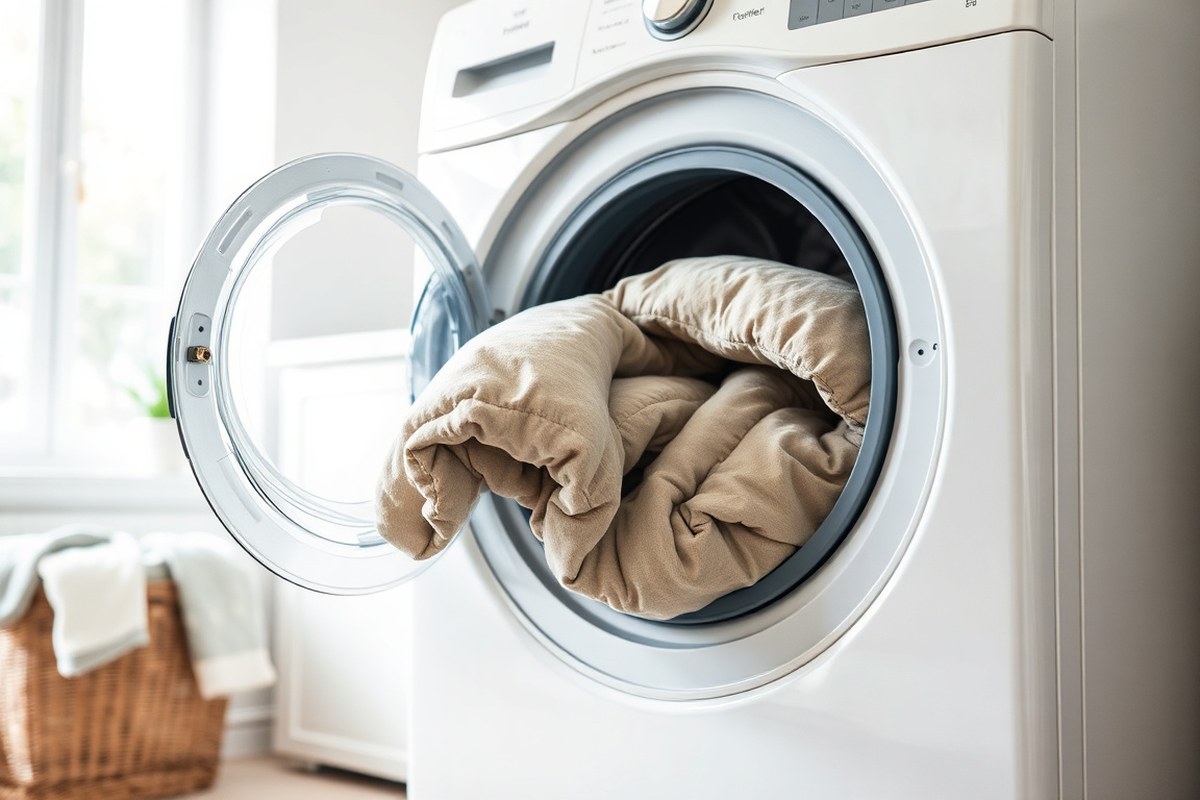
Bulky on a washing machine refers to a cycle designed specifically for large, heavy items like comforters, blankets, and rugs. This setting uses more water and longer washing times to thoroughly clean thick fabrics without damaging them. It’s ideal for anyone managing big, bulky laundry that doesn’t fit well in standard cycles.
You will learn what makes the bulky cycle different, which items work best, how to load your washer for optimal results, plus tips on drying and maintenance. This helps you care for your large laundry efficiently and prolong the life of your fabrics and machine.
Key Takeaways
- The bulky cycle uses more water and extended washing times to clean thick, heavy items effectively.
- Items like comforters, blankets, rugs, and duvets suit the bulky setting best for deep cleaning.
- Fill the drum about 60% full to ensure even washing without overloading the machine.
- Water temperatures around 40°C balance safety and cleaning power for most bulky fabrics.
- Expect soaking times of roughly 25 minutes to allow detergent to penetrate dense materials.
- Wash bulky items every few months, comforters every 1-3 months and rugs every 12-18 months.
What Does Bulky Mean on a Washing Machine?
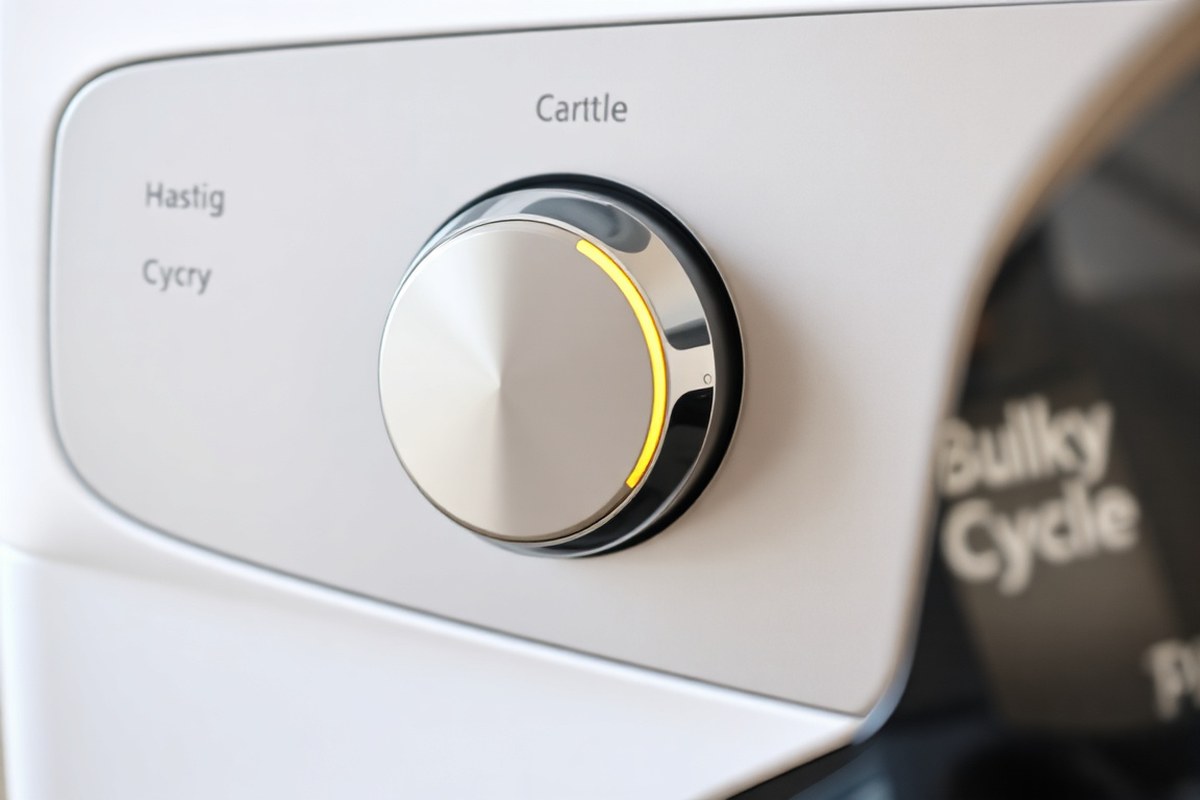
The bulky cycle on a washing machine is designed specifically for washing oversized, heavy, and thick items that regular wash settings can’t clean properly. It uses gentler movement, more water, and extended wash times to effectively clean items like comforters, blankets, pillows, and heavy coats. These large items can be tough to wash in normal or delicate modes without risking damage or unsatisfactory cleaning.
Understanding what qualifies as bulky laundry helps you decide when to use this setting. Items considered bulky generally include large bedding pieces such as comforters, quilts, and blankets, as well as heavy towels, large rugs, and thick winter coats. These items take up more space and absorb more water than typical clothing, requiring both additional water and gentle handling to ensure an even wash.
Using the bulky setting matters because it prevents uneven washing and limits wear and tear on both your laundry and the machine. Regular settings might not provide enough water or adjust drum movement properly, leading to poor cleaning or mechanical strain. The bulky cycle solves this by increasing water volume to fully saturate heavy fabrics and adjusting drum movements to reduce stress on seams and filling materials.
To take full advantage of the bulky setting, start by separating your laundry into compatible bulky items only. Overloading the machine defeats the purpose, so load one or two large items at a time if possible. Add detergent as usual, but avoid using too much since bulky items retain more suds and rinse more slowly. Selecting the bulky cycle ensures your machine runs longer, at cooler temperatures around 30 to 40°F (approximately 0 to 4°C), to protect delicate fillings and fabric quality.
Good results from the bulky setting mean your large items come out clean, evenly rinsed, and in good condition without excess creasing or damage. Problems can occur if you mix heavy bulky items with smaller, delicate pieces, or try to wash more than the machine’s capacity, usually around 10 to 15 pounds for bulky cycles. This can cause poor wash quality, unbalanced spinning, and even strain on your machine’s motor and suspension system.
The bulky setting uses additional water, reduced agitation speed, and extended wash durations to properly clean large and heavy laundry items. Proper use involves loading appropriately sized items like comforters and heavy blankets separately, using the right detergent amount, and not overloading. Doing this ensures thorough cleaning while protecting your expensive bedding, outerwear, and other bulky fabrics from damage during the wash.
How the Bulky Cycle Works Differently from Other Settings
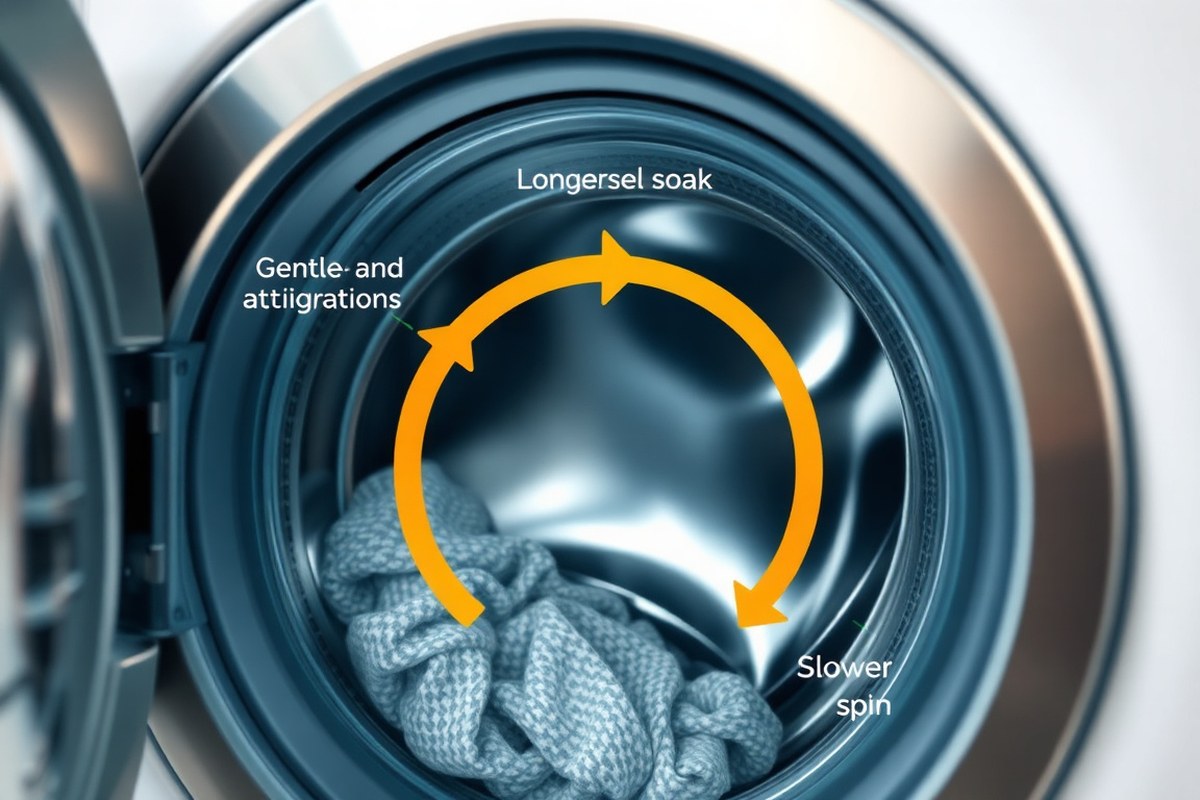
The bulky cycle on a washing machine uses specific adjustments to handle large, heavy items like comforters, blankets, and pillows. Compared to normal or heavy-duty cycles, it features a higher water level, longer wash time, and slower spin speed. These changes ensure bulky items get fully soaked, detergent is evenly distributed, and the load is washed gently but thoroughly.
Normal cycles generally use a standard water level and a high spin speed, with cycle times averaging around 30 minutes. By contrast, the bulky cycle raises the water level significantly and lowers the spin speed to prevent the washer from becoming unbalanced or damaging thick, heavy fabrics. The cycle also takes about 45 minutes to allow extra soak and wash time, making sure dirt and stains are properly removed.
Heavy-duty cycles share some similarities with the bulky setting, such as longer wash times and high water use, but they typically operate with faster spin speeds designed for tough, dense fabrics like jeans and towels. The bulky cycle’s slower spin speed protects large items from excessive agitation or twisting that could cause damage.
Using a normal or heavy-duty cycle instead of the bulky setting on large items risks poor cleaning results and potential strain on the machine. The washer may struggle with unbalanced loads, resulting in excessive vibration or incomplete rinsing. Overloading a normal cycle with bulky items can also shorten the appliance’s lifespan and increase maintenance needs.
| Setting | Water Level | Spin Speed | Cycle Time |
|---|---|---|---|
| Normal | Standard | High | 30 min |
| Heavy-Duty | High | High | 35-40 min |
| Bulky | High | Low/Medium | 45 min |
The bulky cycle also often includes a soak period within the wash, which helps to break down dirt in thick fabrics. This soak time is usually absent or shorter in normal and heavy-duty cycles. The extended cycle and extra water help detergent penetrate large textiles more effectively, improving overall cleanliness.
Ensure you use the bulky setting whenever washing large, heavy items to avoid damaging your washer or the fabrics and to get the best cleaning results.
Which Items Are Suitable and Unsuitable for the Bulky Setting
The bulky cycle on a washing machine handles large, heavy items, but not every bulky item fits this setting. Choosing the right items for this cycle helps protect your clothes and the washer itself. Some bulky fabrics need different cleaning techniques or extra attention.
Common Bulky Items for Machine Washing
This setting works best with large items that hold a lot of water and weight, like towels and heavy blankets. Washing these items in the bulky cycle helps avoid imbalance and ensures thorough cleaning. The cycle uses longer wash times and slower spin speeds to handle the size and weight safely.
- Bath towels and large bath mats
- Heavy blankets and quilts (without down fill)
- Large cotton or synthetic throws
- Jeans and heavy-duty work clothes
- Curtains and drapes (check care labels)
- Pet beds made of washable materials
Limit bulky loads to one or two items per wash to avoid machine strain and poor cleaning. Use mild detergent and select extra rinse cycles to remove detergent residue from thick fabrics.
Bulky Items to Avoid Washing in Machines
Some bulky items can damage your washer or get damaged themselves if washed on the bulky cycle. Down-filled products often clump and won’t dry properly, while waterlogged pillows or large comforters can overload the machine. Overcrowding causes imbalance, leading to excessive noise and potential damage.
- Down comforters and down pillows
- Foam-filled cushions or pillows
- Large wool blankets and delicate handmade quilts
- Items with embellishments or glued parts
- Heavy waterproof outerwear unless the care label states machine washable
Always check your machine’s weight limits and manufacturer guidelines. Labels that warn against machine washing or bulky cycles mean you should try hand washing or take the item to a professional cleaner to keep it in good shape and avoid damage to your washer.
Delicate and Small Bulky Items: What to Do
Small or delicate bulky items do not benefit from the bulky setting and can actually be harmed by it. Using the bulky cycle on delicate fabrics like silk or lace may cause unnecessary wear or stretching. Instead, look for gentle or delicate wash cycles on your machine.
For items that are bulky but fragile, hand washing or a specialized cycle is safest. Delicate bulky settings call for gentle detergent and keeping loads light to preserve the fabric and avoid stressing the machine.
- Silk scarves or lace curtains larger than regular items
- Specialty athletic gear or padded clothing
- Pet blankets made of delicate materials
- Children’s bulky clothes with sensitive embellishments
Choose smaller loads on gentle cycles for these items and air dry when possible. Proper sorting and cycle selection help extend the life of both your clothes and your washing machine.
Choosing the Right Washing Machine for Bulky Loads
Choosing a washing machine with a large drum size is important when you plan to wash bulky items regularly. Bulky laundry consists of large, heavy textiles like comforters, rugs, and thick blankets, which take up significant space and absorb a lot of water. For this reason, machines with drum sizes over 5 cubic feet handle bulky loads more effectively, providing ample room to move items freely and reducing the risk of uneven distribution inside the drum, which can lead to imbalance during cycles.
Washing machines with smaller drums, between 3.5 to 4.0 cubic feet, suit small bulky items but offer limited space for larger items. This means you may need to run multiple cycles for larger bulky loads, increasing water and energy usage over time. Machines with drums in the 4.5 to 5.0 cubic feet range offer a balanced option, handling medium bulky loads with better efficiency but may struggle with very large items like oversized comforters.
Large drum machines, those 5.5 cubic feet or bigger, are best for heavy bulky laundry like large blankets or rugs. They provide enough space to prevent stressing the washing machine motor and drum by overloading. However, these machines typically use more water and energy per cycle, so the cost of operation may be higher compared to smaller models. You can expect a tradeoff between capacity and resource use depending on your chosen drum size.
Bulky items can cause damage if not washed properly or if the washing machine isn’t designed for their size. Overloading a machine with a drum too small can strain the motor and drum, potentially leading to wear or mechanical failure. This can also affect fabric integrity if items do not move freely during washing. Balanced loading helps; distribute bulky textiles evenly inside the drum to avoid lopsided weight, which can cause excessive vibration, noise, or damage.
Choosing machines designed for bulky items often means looking for washers with specialized cycles labeled as “bulky” or “bedding,” which adjust agitation and spin speed to handle heavy, dense fabrics gently. Front-loading washers generally offer larger drum sizes and better load balancing compared to top loaders. Keep in mind that bulky items like shoes or sneakers should never be washed in your machine, as they can damage both fabrics and the appliance itself.
Example comparison: a 4.0 cubic feet drum handles small bulky items efficiently, conserving water but may require multiple loads. A 5.0 cubic feet drum offers a middle ground, balancing capacity and efficiency for medium to large bulky loads. Drums 5.5 cubic feet or more suit large items in single loads but operate with higher water and energy use, costing roughly $0.50 to $1.00 more per load depending on local utilities. Proper loading practices boost washing effectiveness and protect your washer, saving repair costs and extending appliance life.
How to Prepare and Load Bulky Laundry for Best Results
Start by inspecting bulky items for stains and heavy soil before washing. Properly loading these items while balancing the load helps the machine clean effectively and prevents damage. Preparing bulky laundry carefully ensures the best cleaning results and protects both your fabrics and your washing machine.
Pre-Treating Stains and Soil
Examine bulky items like comforters, blankets, or large jackets for visible stains or heavily soiled spots. Pre-treat these areas by applying a stain remover or a bit of liquid detergent directly to the stain. Allow the treatment to sit for about 10 to 15 minutes before washing to help break down dirt and oils. Avoid using bleach unless the care label explicitly permits it, as this can damage fabrics.
For large spots, gently work the detergent into the fabric with your fingers or a soft brush. Pre-soaking bulky items in a bathtub or basin filled with lukewarm water and detergent for 30 minutes can also help loosen grime, especially if stains are set. This extra step improves detergent penetration, which is often a concern with thick fabrics.
Loading Bulky Items Evenly
Place bulky items in the washer one at a time, spreading them out evenly around the agitator or drum. Avoid stuffing multiple large items together, which can overload the machine and reduce cleaning efficiency. To reduce tangling and maintain balance, add towels or lightweight items around the bulky piece. These smaller items help distribute the weight more evenly and improve the wash action.
- Do not overload the washer; bulky items absorb water and add significant weight
- Separate bulky items by washing one large item at a time
- Add a few towels to balance the load and avoid tangling
- Spread the fabric evenly around the washer drum for balance
- Consult your machine’s manual for specific load recommendations
Loading bulky laundry with care prevents the washer from becoming unbalanced, which can cause excessive vibration or even damage over time.
Recommended Water Temperature and Detergent Use
Use warm water for most bulky items to maximize cleaning, as it helps dissolve detergent better and can break down oils and dirt. Follow fabric care instructions: delicate materials may require cold water, while heavily soiled bedding can tolerate warm water up to 104°F (40°C). Using the Bulky or Sheets cycle ensures enough water volume for thorough saturation.
Select a high-efficiency (HE) detergent formulated to work well in high-water and bulky cycles. Measure detergent carefully to avoid residue; typically, use about 2 tablespoons of liquid HE detergent for bulky loads. Avoid overusing detergent, which can cause buildup inside the machine and reduce rinsing performance.
Balancing Load to Prevent Machine Damage
Balance affects how smoothly the machine operates during bulky cycles. Uneven loads cause vibration and noise and can damage drum bearings or suspension parts. Before starting the cycle, adjust items by redistributing fabric evenly. Adding lightweight clothing or towels around the bulky piece helps maintain balance throughout the spin cycle.
Overloading the washer reduces water and detergent penetration and increases mechanical stress. Never fill the drum more than two-thirds full with bulky laundry. Overfilled machines struggle to clean thoroughly, leading to longer wash times and increased wear on clothes and the washer.
Always stop the cycle and rearrange the load if the machine starts vibrating excessively to protect its components and ensure thorough cleaning.
How Long Does the Bulky Cycle Take and Why?
Bulky wash cycles generally take longer than regular cycles because they are designed to handle large, heavy items such as comforters, blankets, and heavy curtains. A typical bulky cycle lasts between 60 and 90 minutes, with the exact duration depending on the washing machine model and load size. This total time includes soaking, washing, rinsing, and spinning stages, each adjusted to ensure thorough cleaning and proper care for bulky items.
The soak phase usually takes about 10 to 15 minutes. This longer soak allows water and detergent to penetrate dense fabrics deeply, loosening dirt and stains before the main wash begins. Next, the wash stage runs for 30 to 45 minutes to accommodate the extra time needed for moving and cleaning heavy, thick materials without stressing the machine. Following the wash, the rinse cycle typically lasts 10 to 15 minutes, using more water than standard cycles to remove detergent residues thoroughly from bulky fabrics, which tend to trap soap more than regular loads.
The spin cycle in a bulky setting operates more slowly and for about 10 to 15 minutes to prevent damage from aggressive spinning. Slower spins help maintain the shape of large, heavy items and reduce wear on fabric fibers, but they also mean more water remains in the load after the cycle finishes, requiring longer drying times.
Longer runtimes, slower spin speeds, and increased water use all contribute to higher energy consumption during bulky cycles. On average, these cycles use 20 to 40 percent more water and energy than normal cycles, depending on the washing machine’s capacity. Larger machines can handle bulky items more efficiently by using just enough water to adjust for the load size, but older or smaller machines may consume more resources overall.
To make the most of the bulky cycle, load the washer evenly without overstuffing to help the machine balance during the slow spin. Choosing energy-efficient washers with advanced sensors can reduce unnecessary water and energy use by detecting the load’s size and fabric type, which shortens the cycle time when possible without sacrificing cleaning quality. Following the cycle closely will ensure bulky items come out clean without damage and help you understand your specific washer’s timing and resource requirements.
Drying and Maintenance Tips After Washing Bulky Items
Drying bulky items safely after washing helps maintain their shape and fabric quality, while proper care of your washing machine avoids damage and keeps it working well. Choosing the right drying method and performing routine maintenance after bulky loads extends the life of both your items and your appliance.
Tumble Drying: Pros and Cons
Tumble drying bulky items on a low-heat setting is a fast and convenient option. It usually takes about 60 to 90 minutes for large blankets or comforters to dry completely, depending on the dryer’s efficiency and size of the item. Low heat minimizes the risk of shrinking or damaging fabric fibers, which is important for preserving bulky textiles.
On the downside, even low heat can cause some shrinkage or wear over time, especially with certain materials like wool or down-filled items. Tumble drying uses more electricity and generates heat that can stress your dryer’s drum and motor if overloaded repeatedly. Avoid drying very heavy or overly stuffed items in a tumble dryer to prevent mechanical strain and uneven drying.
Air Drying Recommendations
Air drying bulky items is the gentlest method to keep their fabric and shape intact. Large blankets or comforters should be spread flat on a clean surface or draped over sturdy drying racks to support their weight and avoid stretching. This method can take anywhere from 12 to 48 hours, depending on item thickness, fabric type, humidity, and airflow.
You’ll need ample space for air drying bulky laundry, ideally outdoors on a sunny, breezy day to speed up drying and reduce risk of mildew. If indoor air drying is necessary, use fans and dehumidifiers to increase air circulation and reduce drying time. Avoid hanging heavy items by one edge as gravity can distort their shape.
Routine Washer Maintenance After Bulky Loads
Bulky items put extra strain on your washing machine, so cleaning and maintenance after these loads is essential. Start by wiping down the gasket and door seals to remove any trapped moisture or residues that might lead to mold or odors. Running a cleaning cycle with washing machine cleaner or a vinegar and baking soda mix monthly can help keep the drum fresh and free of buildup.
Check the detergent dispenser for leftover detergent or fabric softener. Heavy bulky loads can leave residues that clog the dispenser, so remove and rinse those parts regularly. Inspect and clean the washing machine filter more often to prevent lint and fabric bits from causing drainage issues.
Balance and load size also affect washer health. Don’t overload the machine to the point the drum cannot spin freely; this can cause motor strain or damage suspension springs. Following your washer’s manual guidelines about maximum bulky load weight helps maintain smooth operation and longer appliance life.
Common Problems and How to Avoid Them When Washing Bulky Loads
Overloading your washing machine when using the bulky setting can cause serious problems. Bulky items like comforters and blankets take up a lot of space and need room to move for effective cleaning. Packing too many bulky items together can prevent thorough rinsing and washing. It also strains the motor and can lead to costly repairs or reduced appliance lifespan.
Balance is another common issue. A wash load that shifts unevenly during the cycle can cause the machine to stop or shake violently, interrupting the cycle and possibly damaging the washer. Bulky items often absorb more water and become heavy, making it harder for the machine to maintain a stable spin. This imbalance wears down internal parts faster and risks leaks or broken suspensions.
Choosing the wrong cycle can reduce cleaning effectiveness and risk fabric damage. The bulky setting uses longer wash times and gentler spins compared to regular cycles designed for smaller or lighter loads. Using a standard quick cycle on bulky bedding won’t clean it properly and can result in leftover detergent or dirt.
- Limit bulky loads to about one item or two smaller bulky items to avoid overloading.
- Distribute bulky items evenly to maintain balance during the spin cycle.
- Use the designated bulky or bedding cycle to ensure sufficient water and gentle agitation.
- Check for manufacturer recommendations regarding load size and cycle settings on your machine.
- Run an extra rinse cycle if soap residue remains after washing bulky items.
- Avoid mixing heavy bulky items with small lightweight clothes in the same load.
- Clean the washer drum regularly to prevent buildup that can affect bulky item washing.
To prevent imbalance, try stopping the washer mid-cycle to rearrange heavy items before the spin phase. Adding a large towel to create even distribution can also help in some cases. Washing machines with automatic balance sensors are better at handling bulky loads, but manual checks still improve results.
Never overload the machine with bulky items to avoid damaging it or causing cycle interruptions.
Calling a professional becomes necessary if the washer repeatedly stops mid-cycle, makes loud banging noises, or fails to spin properly when washing bulky loads. They can inspect for worn suspension springs, motor issues, or sensor problems. Regular maintenance reduces the risk of breakdowns, especially if you frequently wash comforters or thick blankets.
Investing a few extra minutes in proper loading and cycle selection greatly improves bulky item cleaning and protects your washer from wear and tear. This approach saves on repair costs and delivers fresher, well-cleaned bedding or outerwear without unwanted residue or machine damage.
Step-by-Step Action Plan for Using the Bulky Setting
Follow these steps to wash your bulky items effectively and keep your washing machine running smoothly.
- Before washing: Check the care labels on bulky items like comforters or thick blankets to confirm they are machine washable and safe for the bulky cycle.
- Loading: Load only one or two bulky items to avoid overloading; the washer should feel balanced and not cramped.
- Setting the cycle: Select the bulky or bulky/bedding cycle on your machine to ensure the right water level and agitation for heavy fabrics.
- Adding detergent: Use the recommended detergent amount for large loads, typically more than usual but follow product instructions to avoid residue.
- Starting the wash: Begin the wash and listen for balanced spinning; if the machine vibrates excessively, pause and redistribute the load.
- Drying immediately: After washing, transfer bulky items to a suitable dryer or air dry promptly to prevent mildew and odors.
- After washing: Leave the washing machine door open to air out and prevent mold buildup following bulky loads.
Frequently Asked Questions
What Does Bulky Mean on a Washing Machine?
Bulky means a setting for washing large, thick items like blankets or comforters. It adjusts the water level and wash action to handle heavy loads safely.
Can I Use the Bulky Setting for Clothes with Zippers or Buttons?
It’s best to avoid zippers or buttons on bulky loads to prevent damage to the washer or laundry. Use this setting mainly for soft, large items without hardware.
Does the Bulky Cycle Use More Water Than Regular Cycles?
Yes, the bulky cycle typically uses more water to ensure thorough cleaning and to handle the larger volume of heavy fabrics effectively.
Can I Wash My Pet Bed Using the Bulky Setting?
You can wash pet beds on the bulky setting if the bed fits comfortably and the label says machine washable. This setting handles heavy, thick items gently.
Should I Reduce Detergent When Using the Bulky Cycle?
Use the amount recommended for large loads since bulky items absorb more detergent. Too little detergent can leave them less clean.
Is It Okay to Overload the Machine on the Bulky Setting?
Avoid overloading to prevent poor cleaning and strain on your washer. The bulky setting is for size, not maximum capacity.
Wrapping Up
Choosing the bulky setting helps clean large, heavy items more effectively by adjusting wash actions and water levels. Using it properly prevents damage to both your laundry and machine. Start by washing a single bulky item with the correct load size and cycle to see how your washer handles it before adding more.