How to Get White Sheets White Again: 8 Proven Ways That Really Work
To get white sheets white again safely and effectively, soak them in warm water with natural whitening agents like baking soda and hydrogen peroxide before washing. Avoid harsh bleach on synthetic blends and use a brightening rinse with white vinegar to restore brightness. Hang damp sheets in direct sunlight to naturally whiten and freshen fabrics.
This advice helps homeowners and renters with white sheets who want to restore their sheets’ crisp whiteness without damaging the fabric. You’ll learn practical methods suited for cotton and mixed fabrics that remove yellowing, dissolve mineral deposits, and maintain softness over time.
Key Takeaways
- Wash white sheets every 4 to 5 days to prevent dirt buildup and yellowing.
- Pre-soak sheets 4 to 6 hours in warm water with ½ cup baking soda and ¼ cup hydrogen peroxide.
- Use a brightening rinse of 1 cup white vinegar in 2 gallons cold water after washing.
- Air dry sheets outside in direct sunlight for 3 to 4 hours to boost whitening naturally.
- A void bleach on sheets with synthetic fibers to prevent yellow tint and fabric damage.
- Use warm or hot water for soaking to maximize stain removal and whitening.
1. How to Get White Sheets White Again Safely and Effectively

Restoring the whiteness of your bed sheets safely requires a careful combination of washing, soaking, and whitening techniques. Using harsh chlorine bleach may quickly whiten sheets, but it can damage delicate fabrics like silk or wool and cause yellowing over time. Safer alternatives include natural whiteners like baking soda, white vinegar, and hydrogen peroxide. These methods work by breaking down oils, detergent buildup, and sweat stains without fabric damage. Combining these techniques in a multi-step routine improves results and preserves fabric quality. To restore your white sheets effectively, follow these steps:
- Pre-soak the sheets: Fill a tub or basin with warm water (around 100°F to 110°F) and add 1 cup of white vinegar per gallon of water. Soak the sheets for 30 minutes to help dissolve mineral deposits and adjust pH, which softens and brightens the fabric naturally.
- Prepare a washing solution: In your washing machine, set the temperature to warm or hot depending on the fabric care label (generally 104°F to 140°F for cotton). Add your usual detergent along with either ½ cup baking soda or ½ to 1 cup oxygen bleach (sodium percarbonate) to boost whitening safely. Do not mix baking soda and vinegar directly in the wash, as they neutralize each other.
- Wash the sheets: Run the wash cycle with the sheets submerged completely in the solution. Avoid fabric softeners, which can leave residues that dull whiteness.
- Apply a brightening rinse: After washing, soak the sheets again for 30 minutes in 2 gallons of cold water mixed with 1 cup of white vinegar. This further removes detergent or mineral build-up and restores fabric brightness.
- Use hydrogen peroxide on stubborn yellow stains: Dab a 3% hydrogen peroxide solution directly on yellowed areas and let sit for 10 to 15 minutes before rinsing. This mild bleacher works well on organic stains and delicate materials without harsh chemicals.
- Dry outdoors if possible: Lay your sheets flat or hang them in full sun. Sunlight naturally whitens and disinfects fabric without chemicals, cutting down your use of bleaching agents and preserving fabric life.
Chlorine bleach should only be used on 100% cotton sheets with heavy stains, following label instructions and using the lowest effective concentration (5-6%). Overuse can weaken fabrics and cause yellowing or holes. Oxygen bleach and hydrogen peroxide provide gentler bleaching options suitable for most sheet types, including synthetics. Regular washing every 4 to 5 days helps prevent buildup that leads to dullness and yellowing.
Implementing these steps takes about 2 to 3 hours including soaking times and typically costs less than $5 per treatment using common household ingredients. You should see sheets regain a bright white appearance without damage or fading when following this routine carefully. Adjust soak and wash temperatures according to fabric to avoid shrinkage or wear. Combining natural agents, correct water temperatures, and sunlight drying offers a sustainable way to keep your white sheets bright and fresh.
2. Which Natural Ingredients Whiten White Sheets Best?

Several natural ingredients can restore whiteness to your sheets without harsh chemicals. Baking soda, hydrogen peroxide, lemon juice, white vinegar, borax, and liquid bluing each work differently and suit various fabric types and levels of discoloration. Baking soda neutralizes odors and gently lifts stains when added to your wash or made into a paste applied directly on stains. Hydrogen peroxide acts as a mild bleach and is especially effective on yellowed sheets but requires careful use at a 3% concentration to avoid fabric damage.
Lemon juice contains citric acid, a natural bleaching agent, and works well as a pre-treatment or added during the wash to brighten whites. White vinegar softens fabric and works best in the rinse cycle to brighten without damaging delicate fibers such as bamboo or silk. Borax helps to boost detergent performance and remove residual stains but needs to be dissolved well in warm water. Liquid bluing is unique in that it adds a slight blue tint to counteract yellow hues, making sheets appear whiter; it is added sparingly during the rinse cycle to avoid a bluish cast.
| Whitening Agent | Pros | Cons | How to Use |
|---|---|---|---|
| Baking Soda | Neutralizes odor, gentle on fabrics | Less effective on set-in yellow stains | Add ½ cup to laundry detergent or paste on stains, let sit 15, 30 minutes |
| Hydrogen Peroxide (3%) | Mild bleach, effective on yellowing | Can weaken fabric if overused, avoid agitation on delicate fibers | Soak sheets in solution: 1 gallon warm water + ¼ cup peroxide + ½ cup baking soda for 4, 6 hours |
| Lemon Juice | Natural bleach, also deodorizes | Can cause yellowing if exposed to sunlight too long | Spray diluted lemon juice on sheets or add ½ cup to wash cycle |
| White Vinegar | Fabric softener, eco-friendly, gentle on delicate fabrics | Strong smell during use, avoid mixing directly with baking soda in rinse | Add ½ cup to rinse cycle or combine with baking soda in wash cycle |
| Borax | Boosts detergent, removes stains | May irritate skin, must dissolve fully in warm water | Dissolve ½ cup in warm water and soak or add to wash along with detergent |
| Liquid Bluing | Counteracts yellow, brightens whites | Overuse can cause blue tint, must be used sparingly | Add a few drops to rinse water; dilute per label instructions |
Applying the right whitening agent depends on your sheet fabric and the nature of the stains. For example, Egyptian cotton tolerates oxygen bleach and higher temperatures up to 160°F, but bamboo rayon swells when wet and requires gentler handling with hydrogen peroxide at 104°F. Use white vinegar with delicate sheets and avoid harsh agitation to protect fibers.
How to prepare a soaking solution using baking soda and hydrogen peroxide: Combine 1 gallon of warm water (comfortable to touch, about 100°F), ½ cup baking soda, and ¼ cup of 3% hydrogen peroxide in a large basin. Submerge your white sheets fully and let them soak for 4, 6 hours before laundering as usual. Make sure to rinse sheets thoroughly to remove any residue.
Use liquid bluing sparingly and always dilute it according to the instructions to prevent a blue tint on your sheets.
3. How Long Should You Soak Sheets to Remove Yellow Stains?
Soaking white sheets to remove yellow stains generally takes at least one hour, but tougher stains benefit from an overnight soak. The ideal soak time depends on the whitening solution you use and the fabric type. Over-soaking can weaken fibers or lead to uneven whitening, so monitoring the fabric condition during soaking is important.
Recommended Soak Times by Whitening Agent
Different whitening agents require varying soak durations to be effective without damaging the fabric. Oxygen-based boosters like sodium percarbonate or commercial products such as Napisan work well with a minimum soak time of one hour in warm or hot water. These are gentle on most cotton sheets and help lift body oils and sweat buildup that cause yellowing.
For bleach, the soak time should be much shorter, typically 5 to 10 minutes, due to its strong chemical action. Prolonged exposure increases the risk of yellow staining caused by reactions between bleach and body oils. Synthetic fiber blends in sheets are especially vulnerable to damage and discoloration from bleach and require extra caution. Natural whitening agents such as baking soda or lemon juice also need at least one hour to break down stains, though they tend to work best when combined with regular detergent in the wash rather than long soaks. The following range summarizes common soak times:
- Oxygen-based products: 1 to 4 hours, up to overnight for heavy stains
- Chlorine bleach: 5 to 10 minutes maximum
- Baking soda or lemon juice solutions: 1 to 2 hours
- Enzyme-based detergents: 30 minutes to 1 hour for protein-based stains
- Warm or hot water temperature (not above 140°F) to improve soak efficiency
Adjust soak times according to the sheet’s fabric composition and stain severity. Cotton sheets tolerate longer soaking than delicate or synthetic blends.
Overnight Soak: When & How to Do It
Overnight soaking is recommended for sheets with stubborn yellow stains that do not respond to shorter soaks. It allows whitening agents time to penetrate and break down body oil and sweat residues embedded deep in the fibers. Use this method with oxygen-based boosters or enzyme detergents rather than bleach to reduce the risk of fabric damage. Follow these steps for a safe overnight soak:
- Fill a large basin or bathtub with warm water (around 110°F to 130°F)
- Dissolve the whitening agent fully before adding sheets
- Submerge sheets completely, ensuring no dry spots
- Soak for 6 to 12 hours, but no more than 24 hours to avoid weakening fabric
- Check sheets every few hours to monitor fabric condition
- After soaking, wash sheets promptly with detergent to remove residue
You can soak sheets overnight several times in a row if stains remain, but inspect the fabric regularly for thinning or color changes.
Risks of Excessive Soaking
Soaking sheets too long, especially in strong chemicals like bleach, can cause yellowing instead of removing it. Overexposure breaks down fabric fibers, leading to thinning, tears, or holes. Synthetic blends are especially sensitive to damage from prolonged soaking and harsh agents.
Water temperature also plays a role; water hotter than 140°F can shrink or stress cotton fibers, while cold water reduces stain removal effectiveness. Always use warm water and follow product instructions for safe soak duration. Signs that you may be soaking too long include:
- Fabric feels weaker or thinner after soaking
- Uneven whitening or new yellow patches appear
- Sheets develop a stiff or rough texture
- Fading of any colored trims or patterns
- Persistent chemical odor after washing
To avoid these issues, never exceed recommended soak times, avoid soaking daily, and alternate whitening methods occasionally. Testing a small fabric hidden area before a full soak can also help prevent damage.
4. What Causes Yellowing and Dinginess in White Sheets?
Yellowing and dinginess in white sheets happen mainly because oils and sweat from your body soak into the fabric. These substances contain proteins and fats that oxidize and darken over time, especially if not washed regularly. Body oils and sweat create a residue that detergents alone might not fully remove, causing that persistent yellow tint. Showering before bed can reduce this buildup, removing much of the oils and perspiration that start the staining process.
Detergent and fabric softener residues also contribute to dinginess by leaving a film on the fabric. Some detergents can build up if used in excess, and fabric softeners often coat fibers to soften them, trapping dirt and oils inside. Using eco-friendly fabric softeners or substituting with distilled white vinegar in the softener dispenser helps avoid residue buildup. Vinegar acts as a natural brightener and fabric softener without leaving behind grime.
Washing habits can worsen yellowing if sheets aren’t cleaned frequently or properly. Laundering white sheets once a week is recommended to prevent body oils and sweat from settling into fibers permanently. Washing whites separately from colored laundry avoids tint transfer. Water temperature matters too; hot water helps break down oils faster but check the care tag, some fabrics need cooler cycles. Overloading the washing machine can lead to ineffective cleaning and increase residue buildup.
- Body oils and sweat: Shower before bed and wash sheets weekly to avoid buildup.
- Detergent residue: Use recommended detergent amounts and consider enzyme detergents for organic stains.
- Fabric softener buildup: Replace softener with distilled white vinegar or choose eco-friendly fabric softeners.
- Washing temperature: Use warm or hot water if fabric allows; cold water can leave oils behind.
- Separate laundry: Wash white sheets apart from colored fabrics to prevent discoloration.
- Packing the washer too tightly: Avoid overloading to let water and detergent rinse sheets thoroughly.
Fixing yellowing caused by these factors usually means an extra rinse cycle or soak with household products like baking soda or vinegar before washing. Strip washing with washing soda and borax in hot water overnight helps break down detergent and fabric softener buildup if standard washing isn’t enough. Costs are minimal; common pantry items like baking soda and vinegar run under $5 per use, while washing soda and borax may cost around $10 to $15 for containers lasting months.
Follow these steps and regular care to keep your white sheets bright and fresh without risking fabric damage or harsh chemical reactions. Avoiding bleach for whitening is wise because it can react with organic stains and worsen discoloration.
5. Washing Tips to Keep Sheets White Longer
Washing white sheets in warm or hot water makes a big difference in keeping them bright. Hot water (around 130°F or 54°C, the highest most home machines can reach) helps dissolve oils and lift dirt better than cold water. It also reduces allergens and bacteria. However, check the care label to ensure your sheets can handle hot water without shrinking or weakening the fabric.
Washing frequency plays an important role too. Washing white sheets at least once a week prevents sweat, oils, and dirt from setting in and causing yellowing or dinginess. More frequent washing is recommended if you sweat heavily or have allergies.
Choosing the right detergent can preserve whiteness without damaging fabrics. Use detergents specially formulated for whites or those containing optical brighteners. Avoid fabric softeners since they leave residues that attract dirt and reduce the sheets’ brightness. Oxygen-based bleaches, like OxiClean, can be safe alternatives to chlorine bleach if used as directed and are gentler on fibers.
Sorting laundry avoids color transfer onto the white sheets. Always wash whites separately from colors and dark fabrics to prevent dulling or staining. Keeping sheets in one batch ensures they get proper exposure to detergent and washing action.
- Pre-soak sheets in warm water with oxygen bleach for at least one hour before washing to boost stain removal.
- Use hot or warm water cycles based on fabric type and label instructions.
- Wash white sheets weekly or more often when needed to prevent buildup.
- Choose detergents made for whites and avoid fabric softeners and conditioners.
- Sort laundry carefully, washing whites separately from colored items.
- Use the longest wash cycle that fabric care allows to fully remove dirt and oils.
- Consider adding 1 cup of washing soda in hottest water for occasional strip washing to brighten sheets.
Start by sorting your laundry and pre-soaking your white sheets in warm water with an oxygen bleach product for one hour. Then load your washing machine with just white sheets and add detergent formulated for whites. Select a hot or warm water wash cycle lasting 30 to 60 minutes depending on your machine. Skip fabric softeners completely. For an extra boost, use the longest wash cycle and consider a soak or strip wash every few weeks. Dry sheets in the sun when possible to maintain brightness.
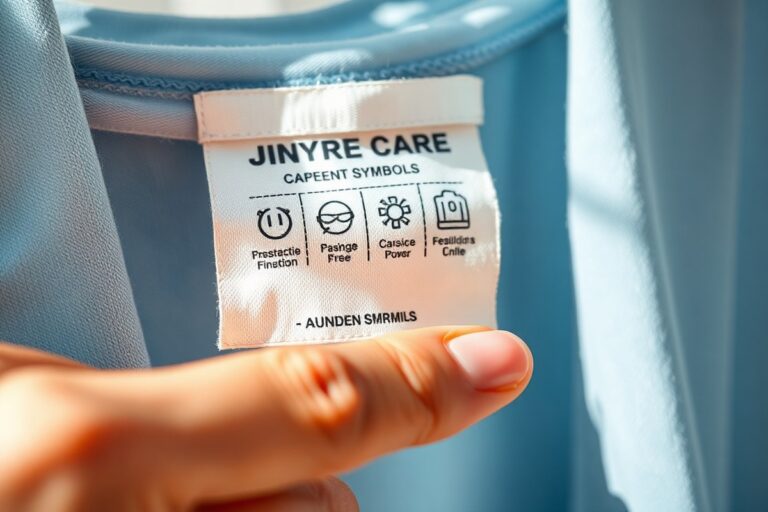
Always check your sheets’ care label before washing in hot water to avoid shrinkage or damage.
Following this washing sequence maintains whiteness by removing oils and stains efficiently, while avoiding residues that attract dirt. It balances fabric care with effective cleaning so your white sheets stay fresh and bright longer without frequent replacement or harsh chemical use.
6. How to Use Sunlight and Air Drying to Whiten Sheets
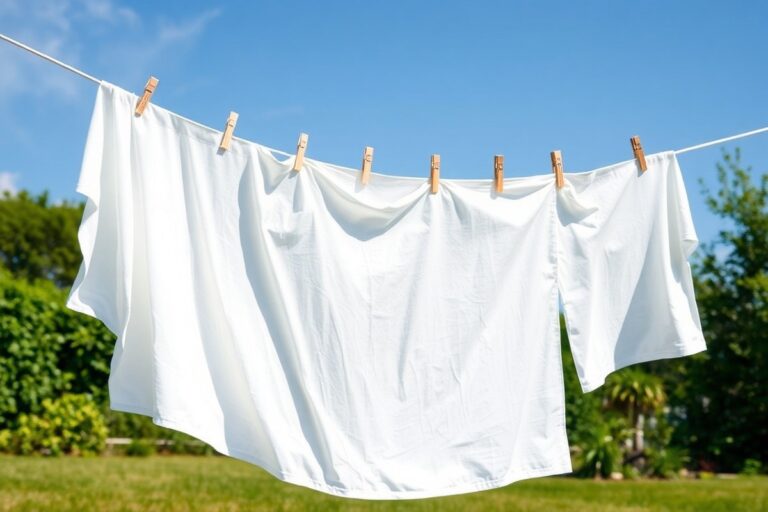
Hanging your white sheets in direct sunlight for about 3 to 4 hours can naturally brighten them without harsh chemicals. Sunlight’s UV rays break down yellow stains and help whiten fabric while air drying prevents damage and color fading. To keep sheets from becoming stiff, remove them while slightly damp and finish drying in a gentle breeze or indoors.
Sunlight’s Whitening Effect
Ultraviolet (UV) rays from sunlight act as a natural bleaching agent by breaking down molecules in stains and yellow discoloration on white sheets. This process weakens the chemicals causing dinginess, restoring the fabric’s brightness without the use of bleach. Hanging sheets outdoors also helps them dry more gently compared to heat drying, which can sometimes set stains or weaken fibers.
Sun drying is especially effective with cotton sheets, since sunlight penetrates the material and works on the surface stains. Unlike harsh chemicals, sunlight won’t strip away your sheet’s integrity when used properly. It’s an eco-friendly and cost-free method to maintain whiteness and freshness.
Recommended Sun Drying Duration
For best results, hang your damp, freshly washed sheets outside where they’ll get full sun exposure for 3 to 4 hours. This duration allows UV rays to work effectively without prolonged overexposure. When sheets are nearly dry, you can leave them in direct sunlight for an additional 10 to 15 minutes to boost whitening.
Overexposure to intense sunlight for many hours continuously can sometimes weaken fabric fibers, so avoid leaving sheets outside all day. Weather conditions matter, too; on hot, dry days, sheets will dry faster, reducing the need for extended sun time. If clouds roll in or it’s very humid, consider shorter but more frequent sunny drying sessions.
Managing Sheet Texture Post Drying
Air drying is gentler on your sheets than machine drying at high heat, so it helps preserve the fabric’s softness and longevity. However, sheets dried solely outdoors can feel stiff due to the drying process and mineral content in the air. To avoid an overly stiff texture, remove sheets while they are still slightly damp, around 80% dry, and finish drying indoors in a well-ventilated area or in a gentle breeze outside.
Another option is tossing sheets in a dryer on medium heat for 15 to 20 minutes after sun drying to soften the fabric without overheating or heat setting stains. Avoid drying sheets until completely dry in intense sun alone. You can also add dryer balls or clean tennis balls to the dryer to reduce stiffness and fluff up the fabric. Regularly washing sheets with a gentle detergent and avoiding fabric softeners that can build up on fabric also keeps them feeling fresh and soft after sun drying.
- Wash your white sheets thoroughly before sun drying to remove any dirt or residue.
- Dampen the sheets if they are dry, ensuring they remain moist to maximize UV exposure effects.
- Hang the sheets on a clothesline or drying rack in a spot that receives 3 to 4 hours of direct sunlight.
- Check sheets after 3 to 4 hours and leave outdoors for an additional 10 to 15 minutes if extra brightening is needed.
- Remove sheets before they become fully dry; they should feel slightly damp to the touch.
- Finish drying sheets indoors in an open, airy space or outside in shade with a light breeze.
- Optionally, tumble dry sheets on medium heat for 15 to 20 minutes to soften and reduce stiffness.
7. How to Treat Common Stains on White Sheets Before Whitening
Pre-treating common stains like blood, sweat, urine, and makeup before whitening your white sheets improves results and prevents stains from setting in. Each type of stain needs a specific approach based on its chemical nature. Using the right pre-treatment removes or reduces the stain, making whitening treatments more effective.
Removing Blood Stains Safely
Blood stains consist of proteins that can bind tightly to fabric if exposed to heat. Treating these stains with cold water prevents them from setting. Hydrogen peroxide is an effective, gentle oxidizer that breaks down blood stains without damaging the fabric fibers. Follow these steps to pre-treat blood stains:
- Flush the stained area under cold running water immediately to rinse out as much blood as possible.
- Pour 3% hydrogen peroxide directly onto the blood stain, allowing it to bubble and lift the stain.
- Let the hydrogen peroxide sit for 5 to 10 minutes without letting it dry.
- Blot the stain gently with a clean white cloth to absorb loosened blood.
- Rinse again with cold water to remove residual peroxide and stain particles.
- Repeat steps 2 through 5 if the stain remains visible.
This method costs just a few dollars for a bottle of hydrogen peroxide and requires no special equipment. Avoid warm or hot water before stain removal to prevent setting the protein stain permanently. Good results show the stain fading significantly or disappearing before the whitening step.
Pre-Treating Sweat and Body Oil Stains
Sweat and body oils contain proteins and salts that cause yellowing. Bleach can worsen these protein-based stains, so safer alternatives like borax and white vinegar work well. Both help to break down oils and neutralize acids without damaging sheets. Use this pre-treatment approach for sweat stains:
- Dissolve ¼ cup of borax in 1 gallon of warm water (100°F to 110°F).
- Soak the stained section of your sheets in this solution for 30 minutes.
- Mix equal parts white vinegar and cold water in a spray bottle.
- Spray the vinegar solution directly onto the sweat stains and let sit for 15 minutes.
- Launder sheets as usual with a mild detergent, avoiding bleach or fabric softeners.
The borax and vinegar method costs under $10 for basic supplies and can be done ahead of washing. Avoid hot water or hot drying cycles since heat can set protein and salt stains. You’ll know the treatment worked if yellow patches start to lighten before washing.
Dealing with Urine and Other Tough Stains
Urine stains often contain proteins and salts, similar to sweat, requiring gentle but effective cleaning. Natural alternatives like baking soda and lemon juice help absorb odors and break down discoloration from urine and makeup. These options minimize fabric damage compared to harsh chemicals. Try this stain-removal sequence for urine or makeup spots:
- Blot excess moisture gently with a paper towel, avoiding rubbing the stain further into fibers.
- Sprinkle baking soda generously over the affected area and let it sit for 30 minutes to absorb odors and moisture.
- Prepare a paste from 2 tablespoons of lemon juice and 3 tablespoons of baking soda.
- Apply the paste directly to the stain and allow it to sit for 15 to 20 minutes.
- Rinse the paste off with cold water, then launder sheets using a mild detergent.
These ingredients cost just a few dollars and are easy to find in most kitchens. The process avoids bleach, reducing risk of fabric weakening or yellowing. Successful treatment results in significant stain fading and removal of unpleasant odors before whitening protocols.
8. When to Replace White Sheets and Maintenance Tips to Avoid Yellowing
You should consider replacing white sheets when stains or yellowing fail to improve after multiple whitening and washing attempts. This usually means that the fabric has deteriorated or stains have become permanent, indicating the sheets are unsalvageable. In practical terms, if you have restored whiteness but notice persistent dinginess, thinning material, or threads pulling, it’s time to retire those sheets.
The typical lifespan of white sheets ranges from two to five years, depending on quality, frequency of use, and care. Higher-thread-count or luxury sheets tend to last on the upper end of that range, while inexpensive or heavily used sheets wear out sooner. Frequent washing, especially at high temperatures or with harsh bleach, can shorten their life despite keeping them clean and white. Maintaining whiteness and freshness involves an ongoing routine to minimize buildup and fabric damage. Establish a maintenance habit that includes these steps:
- Wash white sheets separately with half a cup of baking soda added to detergent for brightness and odor control.
- Shower before bed and avoid applying lotions or eating in bed to reduce sweat and oil transfer.
- Use gentle washing cycles and avoid harsh chlorine bleach; opt for oxygen-based bleach if needed every two weeks.
- Air-dry sheets in sunlight when possible to naturally whiten and deodorize.
- Change sheets weekly to prevent dirt and oils from embedding and yellowing fabric.
Following a monthly maintenance wash with oxygen bleach or enzymatic treatments, similar to commercial standards for ‘residential bright white’ sheets rated between 55-70 on the whiteness scale, helps sustain fabric brightness without excessive wear. Watching for fading or fabric thinning helps decide when replacement becomes the better option than restoration.
Keep in mind that avoiding direct skin oils and sweat on sheets by showering before bed is one of the simplest ways to delay yellowing and preserve whiteness longer.
Routine care plays a bigger role in sheet longevity than short bursts of whitening attempts. When you balance frequent cleaning with gentle handling, your sheets can stay fresher and brighter for several years, stretching the need for replacement while maintaining comfort and appearance.
Step-by-Step Action Plan for Whitening Your White Sheets
Follow these steps to restore your white sheets safely and keep them bright over time.
- Before you start: Sort your sheets by fabric type to avoid damage during washing.
- Day 1: Treat any visible stains with a natural stain remover like lemon juice or baking soda; check if stains have faded before washing.
- Day 1: Soak the sheets for 1 to 3 hours in a solution of cool water and oxygen-based bleach if yellowing is present; ensure the yellow stains lighten after soaking.
- Day 1: Wash sheets using warm water with mild detergent and add a cup of white vinegar during the rinse cycle to maintain whiteness; sheets should look fresher and brighter after washing.
- Day 1: Dry sheets outdoors in direct sunlight if possible; check that sunlight has helped remove any remaining dullness.
- After 1 week: Repeat soaking and washing every 2 to 3 weeks to prevent buildup that causes yellowing.
- Ongoing: Avoid fabric softeners and use breathable bedding storage to keep sheets fresh and white longer.
Frequently Asked Questions
Can I Use Chlorine Bleach to Whiten White Sheets?
Chlorine bleach can make white sheets yellow over time, so it’s best avoided. Use natural whiteners like baking soda or hydrogen peroxide instead to protect fabric and maintain whiteness.
How Often Should I Wash White Bed Sheets to Keep Them White?
You should wash white bed sheets every 4 or 5 days to prevent buildup of oils and dirt that cause yellowing. Frequent washing helps maintain their bright, clean look.
Does Using Cold Water Instead of Warm Water Affect Whitening White Sheets?
Washing white sheets in warm or hot water helps lift stains better than cold water, boosting whitening effectiveness. Cold water may not remove oils and sweat as well, leading to dingy sheets.
Can Fabric Softener Cause White Sheets to Look Yellow or Dull?
Fabric softeners can leave residues that build up over time and cause white sheets to appear dull or yellow. Avoid softeners or use them sparingly to maintain sheet brightness.
Is It Safe to Mix White Vinegar with Baking Soda When Whitening Sheets?
Mixing white vinegar and baking soda directly creates fizz but little whitening effect; use them separately during different wash cycles for best results.
What’s the Best Natural Method to Whiten Sheets Without Harsh Chemicals?
A soak with baking soda, followed by washing with hydrogen peroxide, safely whitens sheets without damaging fabric. These natural ingredients are eco-friendly and effective whitening agents.
Final Thoughts
Restoring your white sheets to their original brightness is simple when you use gentle, natural methods and proper care. Regular attention to stains, soaking times, and drying techniques can significantly extend the life of your sheets. Try soaking your sheets in an oxygen-based bleach solution and drying them in sunlight as your next step toward brightening your bedding. This approach helps keep your sheets white without risking fabric damage.