How to Get Mould Off Clothing: 8 Proven Methods for Complete Removal
To get mould off clothing effectively, use a combination of soaking the fabric in mold-killing solutions and washing it at the highest safe temperature. Employ methods like vinegar, baking soda, or specialized mold detergents, followed by thorough drying to prevent regrowth. This approach tackles the mold spores while protecting your clothes.
Homeowners and renters dealing with moldy clothes will find practical steps to eliminate mold safely and thoroughly. This covers how to remove mold without damaging fabric, protect yourself from harmful spores, and prevent mold from coming back in your wardrobe.
Key Takeaways
- Soak moldy clothing in a mold-removal solution for at least 15 minutes before washing.
- Wash clothes at the highest temperature safe for the fabric, ideally around 60°C, to kill spores.
- Use white vinegar or baking soda as natural, fabric-safe mold removers for soaking and pre-treating stains.
- Wear gloves and a mask when cleaning moldy clothes to avoid allergic reactions and inhaling spores.
- Use a dehumidifier in damp storage areas to keep humidity below 50%, preventing mold growth.
- For stubborn mold stains, soak affected areas in full-strength vinegar for 20 minutes before laundering.
1. How to Get Mold Off Clothing Safely and Effectively
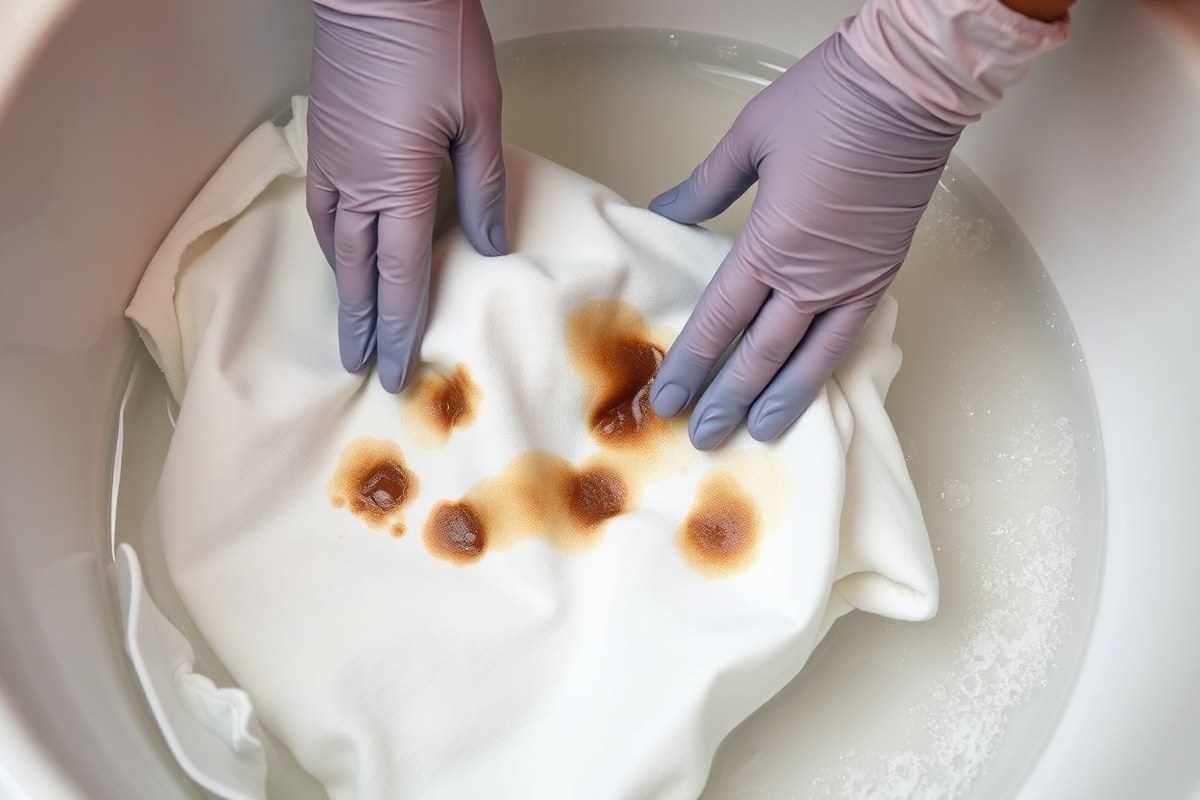
Removing mold from clothing requires a careful approach to kill spores, loosen stains, and eliminate the musty odor. Household products like white vinegar and Borax work well to break down mold, and washing clothes in hot water helps destroy spores effectively. Pre-soaking moldy clothes allows cleaning agents time to penetrate fabric fibers, improving mold removal and helping prevent allergic reactions or allergies caused by lingering spores. Hot water temperatures above 140°F are best for killing mold, but check your fabric care labels to avoid damage.
- Prepare the soaking mixture. Fill a bucket or basin with hot water appropriate for the fabric, then stir in either ½ cup of Borax or 1 cup of white vinegar. Borax targets mold removal, while vinegar helps eliminate unpleasant odors.
- Soak the moldy clothing. Submerge the affected garments in the solution and let them soak for at least 1 hour. For light mold, 15 to 30 minutes might suffice, but tougher mold stains need the full hour or more.
- Pre-treat severe stains.Mold stains that show up after soaking can be treated by putting undiluted white vinegar on them and letting it sit for 20 minutes before you wash the clothes. Avoid scrubbing vigorously, which can damage delicate fabrics.
- Load the washing machine. After soaking, add your moldy clothes to the washing machine. Include regular laundry detergent plus 1 to 2 cups of white vinegar (use 1 cup for smaller loads, 2 cups for larger ones) to boost mold removal.
- Choose water temperature and wash cycle. Run the clothes through a hot water cycle at 140°F or use the sanitize setting if your washer has one. Most home water heaters reach about 120°F, so use the hottest safe temperature for your fabric. Oxygen bleach can be added for heavy mold in white or color-safe fabrics.
- Dry clothes thoroughly. Dry moldy clothing in direct sunlight if possible, as UV rays help kill spores. Otherwise, use a hot dryer cycle ensuring fabrics are completely dry to prevent mold return.
Following these steps should effectively remove mold spores, reduce staining, and eliminate odors from most types of fabric. Avoid using chlorine bleach on colored fabrics to prevent fading. For delicate items, test the soak solution on a hidden area before full treatment. Proper treatment not only restores your clothes but also reduces health risks linked to mold exposure.
2. Protecting Yourself from Mold Spores During Cleaning
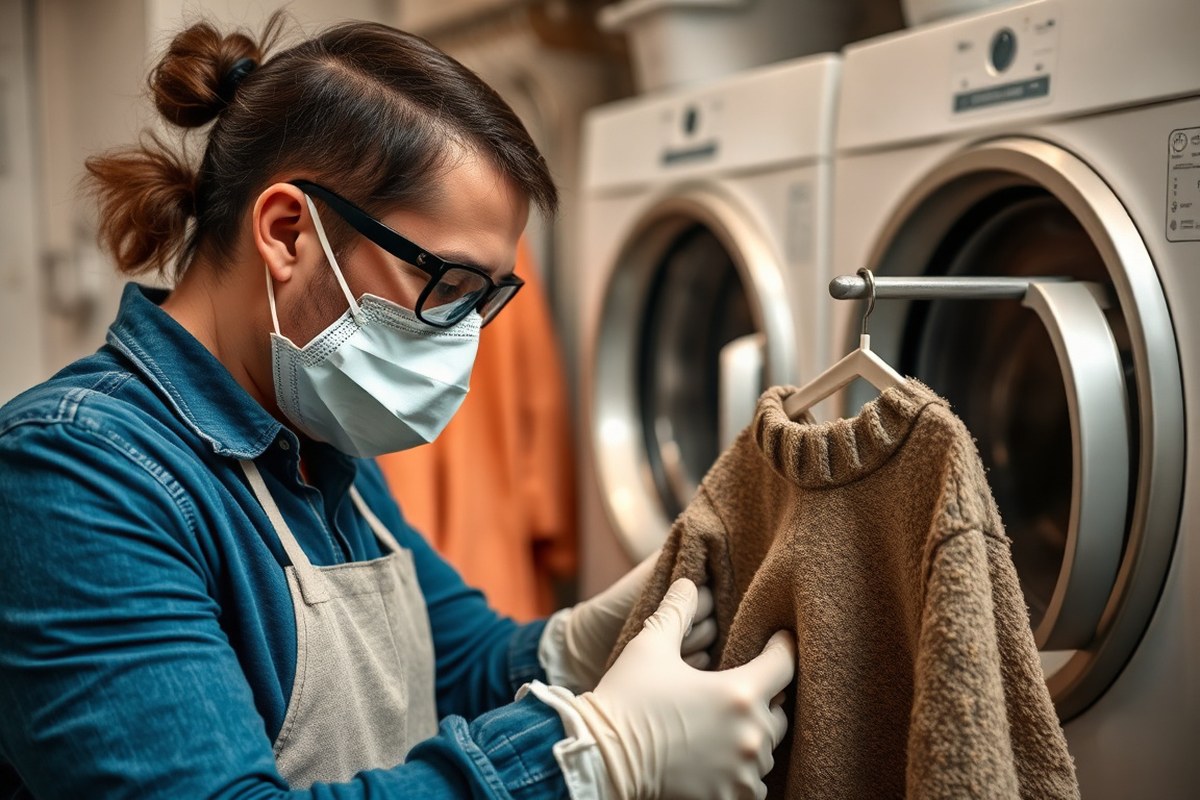
Protecting yourself from mold spores is essential when cleaning moldy clothing to avoid respiratory issues and skin irritation. Mold spores can easily become airborne and spread throughout your home, causing allergic reactions or even infections in sensitive individuals. Wearing the right personal protective equipment (PPE) reduces your exposure to these harmful particles.
Start by choosing a mask rated to filter out small particles. A KN95 or N95 respirator mask is recommended because it fits closely to your face and filters out 95% of airborne spores. Avoid cloth or surgical masks, as they offer less protection. Also, wear disposable or rubber gloves to prevent skin contact with mold spores and cleaning chemicals. Protect your eyes with safety goggles or glasses, especially when spraying stain removers or bleach solutions, to prevent irritation or injury.
Work in a well-ventilated area like outdoors or near open windows and doors to allow fresh air circulation, which helps reduce spore concentration in the air. Avoid shaking the moldy clothing before cleaning because this can spread spores into the air. Instead, gently brush off loose mold spores outdoors using a soft-bristled brush, then immediately dispose of or wash the brush to prevent cross-contamination.
- Wear a KN95 or N95 mask to protect your lungs from inhaling spores.
- Use disposable or rubber gloves to keep spores off your skin.
- Put on eye protection like safety goggles or glasses.
- Brush off loose mold spores gently outside before washing.
- Clean in a well-ventilated area to reduce indoor spore buildup.
- Avoid shaking or tossing moldy clothes indoors to prevent spreading spores.
- Dispose of contaminated cleaning tools or wash them thoroughly after use.
These precautions can cost anywhere from $10 to $20 for an N95 mask, $5 to $10 for gloves, and a few dollars for safety glasses, which are worth the investment to protect your health. Good results mean no new allergic reactions, no spreading mold to other areas of your home, and effective mold removal from your fabrics without damaging your respiratory system or skin.
Always discard or sanitize brushes and gloves after cleaning moldy clothes to avoid contaminating other items or surfaces.
Wearing the proper protective gear and preparing your work area carefully shields you from mold spores during the cleaning process and prevents further spreading inside your home. Regular use of these safety steps maintains a safer environment while you restore your clothing to mold-free condition.
3. Choosing the Right Mold Removal Method for Your Fabric
Selecting the right mold removal method depends mainly on your clothing’s fabric type, colorfastness, and how severe the mold problem is. Testing for colorfastness helps avoid damage or fading, while mild cleaning suits delicate fabrics. Severe mold calls for stronger agents but only on bleach-safe materials. Knowing these factors ensures you treat the mold effectively without harming your garments.
Mold Removal for Cotton and Heavy Fabrics
White cotton and stiffer fabrics such as denim or canvas can handle more potent mold removal methods, simplifying the cleaning process. For light mold or musty odors, running a hot wash cycle with two cups of white vinegar is effective. Persistent stains benefit from soaking the item in undiluted vinegar for 20 minutes before washing again to loosen spores and residue. For stubborn stains with a mildew smell, applying a paste made from baking soda and vinegar, then brushing it off once dry, boosts cleaning strength.
When stains remain stubborn, soak the fabric in hot water with borax for 20 minutes before washing. Borax is effective at removing mold but should be avoided on fragile fabrics. Always brush off loose mold outdoors before any washing to reduce airborne spores inside your home.
Safe Options for Delicate and Synthetic Materials
Delicate fabrics like silk, wool, and linen require gentler methods due to their fragility and vulnerability to damage from harsh chemicals or heat. Start by testing a small hidden section for colorfastness, apply your chosen cleaning agent and wait 10 to 15 minutes, then look for any fading or fabric damage.
For mild mold on these materials, vinegar or baking soda solutions work best. Avoid bleach and borax since they can weaken fibers or cause discoloration. Synthetic fabrics may sometimes tolerate oxygen bleach but only if the care label says it’s safe; always perform a patch test first. Dry-clean-only garments should be professionally treated to prevent damage and preserve fabric integrity.
Bleach Usage Guidelines and Precautions
Chlorine bleach is a powerful mold remover but can fade colors and damage delicate textiles. It’s safe to use on 100% white cotton fabrics but risky for colored or delicate items. Before applying bleach, do a spot test on a hidden area. Dilute bleach for spot cleaning on colorfast fabrics; direct soaking or full bleach cycles are not recommended for anything but white cotton.
Using oxygen bleach offers a safer alternative for colored fabrics because it’s less damaging and still effective for mold removal. Some fabric types and dyes react poorly to bleach even if labeled colorfast, so proceed with caution. Never combine bleach with vinegar or other acids as this can produce toxic fumes.
| Fabric Type | Bleach Safe? | Recommended Use |
|---|---|---|
| White cotton | ✓ Yes | Mold, heavy stains |
| Colorfast fabric | ⚠ Maybe (patch test) | Spot cleaning only |
| Delicate / Silk / Wool | ✕ No | Never |
| Synthetic colors | ⚠ Rarely (patch test) | Only if labeled safe |
This table helps you decide when bleach is a suitable option and when safer alternatives should be used. Always refer to your garment’s care label and use patch testing as a step before applying any strong cleaning agent. Choosing the right method protects the fabric’s appearance and texture while effectively removing mold.
4. How Vinegar, Baking Soda, and Borax Remove Mold
Vinegar, baking soda, and borax are common household substances that can help remove mold from clothing because of their mold-fighting properties. Vinegar contains acetic acid, which kills most mold species by breaking down their cell structure. Baking soda works as a mild abrasive and deodorizer, scrubbing away mold and neutralizing odors. Borax, a natural mineral, disrupts mold growth and removes stains while also controlling odors.
To get the best results using vinegar and baking soda, start by soaking the moldy clothes in a solution of one part white vinegar to four parts warm water for at least one hour. This soaking helps kill the mold spores effectively. After the soak, add two parts baking soda to one part vinegar directly onto the stains or mix baking soda into the washing machine along with the clothes. The chemical reaction between vinegar and baking soda lifts mold from the fabric fibers while deodorizing.
There’s a common misconception that vinegar and baking soda should be mixed in one step before use. Instead, it’s more effective to use vinegar first to kill mold, then follow up with baking soda to remove stains and odors during washing. Adding about ½ tablespoon of baking soda to each laundry load further helps neutralize lingering smells.
Borax can also be used for mold on clothing, especially stubborn stains. Dissolve 1/2 cup of borax in a gallon of hot water, then soak the clothes for at least 30 minutes before washing as usual. Borax’s alkaline nature breaks down mold structures and inhibits its return.
These substances work well for light to moderate mold infestations on colorfast fabrics. However, their limitations include less effectiveness on heavy mold growth or deeply stained items. Vinegar’s acid may not kill all mold species completely, and baking soda acts more as a deodorizer than a mold killer. Borax works on mold but can irritate sensitive skin, so protective gloves are advisable. Also, avoid using vinegar or borax on delicate fabrics like silk or wool, where they can cause damage.
Using these natural options is cost-effective. A bottle of white vinegar usually costs under $3 and baking soda less than $1 per box, making them accessible for routine mold cleaning. Borax runs about $5 for a 4-pound box, which can treat many loads. Following the soaking times and applying these substances separately ensures your clothes get cleaned thoroughly and odors are removed without harsh chemicals.
5. Using Bleach Safely to Remove Mold from Suitable Clothing
Bleach works best for removing mold from white, durable fabrics since it kills mold spores and disinfects quickly. Use it only on clothes that can handle strong chemicals without fading or damage. Soak moldy items in a bleach solution for at least 20 minutes to get good results, then wash immediately.
Identifying Bleach-Safe Fabrics
Bleach should be reserved for white cotton, linen, or synthetic blends that don’t have delicate fibers or special finishes. Avoid using bleach on colored, patterned, silk, wool, or spandex clothing because it can lighten or ruin the fabric permanently. Check care labels carefully to confirm bleach is safe. Test the bleach on a hidden seam to check for any damage, or try using oxygen-based bleach, which is milder on fabrics.
Determining fabric safety is important to avoid unexpected damage. White T-shirts, socks, towels, and basic sheets usually tolerate chlorine bleach well. Colored or delicate fabrics respond better to non-chlorine oxygen bleach products.
Preparing and Soaking Clothes in Bleach Solutions
Start by only treating moldy clothes that you have sorted as bleach-safe. Preparing the right bleach solution and soaking time ensures mold removal without harming fabric.
- Put on rubber gloves and a mask to protect your skin and lungs from mold spores and bleach fumes.
- Fill a clean tub or basin with enough cool water to fully submerge your clothes.
- Add 1 cup (237 mL) of chlorine bleach for every gallon (3.8 L) of water; stir to mix.
- Place the moldy clothing into the bleach solution, ensuring all fabric is covered.
- Soak the clothes for a minimum of 20 minutes but do not exceed this time to avoid damaging the fabric fibers.
- Remove the clothes carefully to avoid dripping bleach on other surfaces.
- Rinse the garments thoroughly with cool water before laundering.
Never mix bleach with ammonia or vinegar, as this creates dangerous toxic gases.
Running the Proper Washing Cycle After Bleach Treatment
After soaking, wash the clothes right away to fully remove mold, bleach residue, and loosened debris. Using hot water improves mold removal but confirm the care label allows hot washing to avoid shrinkage.
- Load the washing machine with the soaked clothing, keeping them separate from other items.
- Add your typical amount of laundry detergent.
- Pour 1 cup (237 mL) of chlorine bleach into the bleach compartment of your washing machine.
- Set the wash cycle to hot water and the longest setting safe for the fabric.
- Optionally, add a laundry odor remover during the rinse cycle to combat any musty smells.
- Once the cycle is complete, dry the clothes completely in a dryer or in direct sunlight.
Proper washing and thorough drying prevent mold from returning and preserve your clothes’ condition. Avoid drying in a damp or enclosed space immediately after washing to stop moisture buildup.
6. Drying and Storing Clothes to Prevent Mold Recurrence
Drying clothes thoroughly after washing is essential to stop mold from coming back. Moisture left in seams or folds provides a breeding ground for mold spores, which can return within 24 to 48 hours when clothing is stored damp. Sunlight not only dries clothes quickly but also helps kill mold spores because of its ultraviolet light. Hanging your clothes outside on a sunny day is the best and most effective way to prevent mold recurrence. When direct sun isn’t an option, drying clothes indoors in a well-ventilated area with a dryer or a fan also works well.
Humidity plays a big role in mold growth on clothing. Mold thrives when humidity rises above 50%, especially in closed spaces like closets or drawers. Controlled moisture levels and air circulation minimize the chances of mold forming. Using a dehumidifier or moisture-absorbing desiccants like silica gel packs inside your storage areas can keep humidity in check. Also, avoid packing clothes tightly together to prevent pockets of trapped, moist air.
- Always dry clothes completely before storing them
- Hang clothes outside in direct sunlight when possible
- Use a dryer if outside drying is not feasible for at least 30 to 60 minutes on high heat
- Store clothes in well-ventilated, humidity-controlled spaces below 50%
- Use desiccants or dehumidifiers in closets or storage bins
- Keep clothes loosely folded or hung to allow airflow
- Regularly air out storage spaces and clean to avoid mold buildup
In cases where washing machines or dryers are moldy themselves, mold can transfer back to clothes. Clean these appliances regularly using manufacturer-recommended methods to avoid this cycle. For items prone to retain moisture, like thick cottons or jeans, extended drying time or moving the garment periodically to expose all sides can prevent hidden damp spots. Consistent drying and moisture control reduce mold risks significantly and help preserve your clothes’ condition.
7. What to Do If Mold Stains or Odors Persist After Washing
Persistent mold stains or musty odors after washing require more intense treatment to prevent lasting damage to your clothing. Mold produces enzymes that digest natural fibers, gradually weakening fabric, so leaving it untreated risks permanent stains and material breakdown. Start by gently scrubbing the stained area with a soft toothbrush to lift surface mold. For spot cleaning, apply a paste made from baking soda and water or white vinegar directly to the stain. Let it sit for 15 to 30 minutes before rinsing with cold water. Avoid harsh scrubbing that can damage delicate fabrics.
When stains or odors linger, soak the garment again in a mixture of one cup of white vinegar with enough water to cover the fabric. Soaking for at least an hour can help neutralize musty smells and kill mold spores embedded deeper in the fibers. For stubborn cases, repeat this soaking process once or twice, followed by washing the item in hot water if the fabric care label allows. Oxygen-based bleach can also assist durable fabrics in removing stains and killing mold without the risk of yellowing that chlorine bleach might cause.
Some mold damage goes beyond simple cleaning. Mold can eat through fabric fibers, causing thinning, holes, or discoloration that no treatment can fully reverse. After several cleanings, persistent stains or a strong mildew odor could indicate the fabric is damaged. At this point, professional mold cleaning services offer treatments that penetrate deeper and use specialized agents to stop mold growth and protect your clothes. They can also identify hidden mold sources that cause recontamination.
Calling a professional is especially important if mold has spread extensively or you have fabric items difficult to treat at home, such as upholstery, curtains, or delicate garments. Experts can safely remove mold without risking fabric damage or spreading spores to other belongings. Professional mold remediation services in regions like NSW, Victoria, and Queensland provide thorough cleaning and advise on preventing further infestation.
Addressing mold promptly reduces health risks and protects your wardrobe investment. Toward this, repeated treatments, spot cleaning, and expert help come together to handle persistent mold stains and odors effectively. Not handling mold properly allows it to degrade fabric permanently and spread musty smells that become harder to remove over time. The extra time or cost for professional intervention can save your clothes and indoor air quality in the long run.
8. Maintaining a Mold-Free Wardrobe: Prevention and Long-Term Care
Mold can begin to form on damp clothes within 24 to 48 hours, especially in warm, poorly ventilated, or humid environments. The best way to maintain a mold-free wardrobe is to control moisture levels, store clothes properly, and keep cleaning appliances like washing machines in good condition. These steps reduce mold growth and help keep your clothing fresh and safe for everyday wear.
Humidity Control and Use of Dehumidifiers
Maintaining a relative humidity below 50% helps prevent mold from developing on your clothes. Mold spores need moisture to grow, so controlling the humidity in your closet, laundry room, or storage area is essential. A dehumidifier is an effective device that extracts excess moisture from the air. They are especially useful in basements or areas that naturally have higher humidity. A decent home dehumidifier typically costs between $150 and $300 and can cover 500 to 1,000 square feet, depending on the model. Running it regularly during humid months or in damp spaces keeps mold spores from settling on fabrics.
In spaces smaller than a closet, moisture-absorbing products such as silica gel packs or moisture absorbers containing calcium chloride can help keep the air dry. Unlike dehumidifiers, these don’t require electricity and can cost as little as $10 to $20 for packs that last several weeks. These products are good for wardrobes, drawers, or storage bins but are less effective in large or very damp rooms. Another way to control humidity is to improve ventilation, such as opening windows or using exhaust fans, especially in laundry and closet areas.
Proper Storage Habits for Clothes
Clothes should always be completely dry before storing to prevent mold growth. Even damp clothes left folded in drawers or hung in the closet can develop mold within a day or two. Choose storage locations that are cool, dry, and well ventilated. Avoid storing clothes in basements, attics, or poorly ventilated rooms that tend to trap moisture. To store clothing long term, use airtight plastic containers or vacuum-sealed bags to keep moisture and spores out.
Inspect your storage areas regularly for any signs of moisture, water leaks, or mold growth. When your home has persistent condensation on windows or walls near closets, apply weatherproofing or relocate clothes to a different spot. For wardrobes, keep doors slightly open to allow air circulation, or install a small fan if necessary. Avoid overcrowding closets; allow some space between garments so air can flow freely and reduce humidity buildup.
Keep wet or sweaty clothes out of your wardrobe until thoroughly dried to avoid mold spreading to clean clothes.
Cleaning and Maintaining Washing Machines
Washing machines can be a hidden source of mold if not cleaned regularly, especially front-loading models with rubber seals and detergent drawers that trap moisture and dirt. Mold can grow inside the machine and transfer spores back onto your clothes during washing. To keep washing machines mold-free, run a maintenance wash once a month using hot water (above 140°F if safe for the machine) and a washing machine cleaner or white vinegar as a natural alternative.
After each load, leave the door and detergent drawer open to air dry the interior. Wipe the rubber seal and any accessible surfaces with a cloth dampened with a mixture of water and vinegar once a week to remove residue and prevent mold build-up. Avoid using too much detergent or fabric softener, as excess residue encourages mold growth. Regular machine care takes only a few minutes but greatly reduces the risk of mold on clothes after washing.
Step-by-Step Action Plan to Remove Mold from Clothing
Follow these steps to tackle mold on your clothes safely and confirm the mold is gone before putting items away.
- Before you start: Put on gloves and a mask to protect yourself from mold spores.
- Day 1: Pre-treat the moldy areas with white vinegar or a baking soda paste to break down mold and help lift stains.
- Day 1: Wash the clothing on the hottest setting safe for the fabric, using detergent and adding borax or vinegar as a natural mold remover.
- Day 1: Check the clothes after washing; if stains or odors persist, repeat the pre-treatment and wash again or apply a diluted bleach solution if the fabric allows.
- Immediately after washing: Dry the clothes completely outdoors or in a well-ventilated room to prevent mold from returning.
- Within 24 hours: Store dry clothes in a clean, dry area with good air circulation and consider using moisture absorbers in your closet.
- Weekly: Inspect stored clothes for any signs of dampness or mold and repeat cleaning steps if needed.
Frequently Asked Questions
Can Mold on Clothing Cause Health Issues?
Mold on your clothes can cause allergic reactions, skin irritation, and breathing problems like asthma. Since mold spores might transfer to other garments, it’s important to address moldy clothing promptly to prevent health issues and cross-contamination.
Is Washing Moldy Clothes at High Temperature Necessary?
Washing at the highest heat the fabric allows (ideally around 60°C) helps kill mold spores. Using a good-quality detergent also boosts removal effectiveness and prevents mold from returning.
What Fabric Types Are Most Vulnerable to Mold Damage?
Natural fibers like cotton, wool, silk, and cellulose-based fabrics are more vulnerable because mold digests organic materials in these fibers. Synthetic fabrics are generally less prone to mold growth.
Can Mold Stains on Clothes Be Completely Removed?
Mold stains can sometimes be permanent if left untreated too long, as mold enzymes digest fabric fibers. Prompt cleaning increases the chance of full removal.
How Often Should Moldy Clothes Be Checked During Treatment?
Check after soaking for about 15 to 20 minutes to monitor progress. Stains or smells that remain after washing require another round of cleaning or might need a professional service to fully remove them.
Why Is Drying Clothes Thoroughly Important After Mold Removal?
Drying clothes completely stops mold regrowth by removing moisture. Store clothes dry and keep indoor humidity below 60% to prevent mold returning.
Final Thoughts
Removing mold from clothing requires acting carefully and using the right methods for your fabric type to protect both your health and your clothes. Start cleaning as soon as you notice mold to avoid permanent stains or odors. Take steps today to dry and store your garments properly to keep mold away long term.