
How Much Does Dry Cleaning Cost: A Complete Guide to Prices and Savings
How much does dry cleaning cost? Expect to pay between $4 and $20 per garment, depending on the item and location. Shirts often cost around $4 to $8, while suits and dresses can run $15 or more. Prices vary by city and service options like pickup or membership plans. This information helps you budget accurately for dry cleaning and find ways to save.
This overview suits anyone needing dry cleaning services or comparing costs. You’ll get clear price ranges, explanations of why dry cleaning is pricier than washing at home, and tips to get accurate quotes before ordering. Understanding these factors helps you make informed choices and avoid surprises.
Key Takeaways
- Average shirt dry cleaning costs about $4 to $8, with two-piece suits around $18 or higher depending on location.
- Dry cleaning prices rose nearly 9% from early 2025 to mid-2026, reflecting inflation and service demand.
- Pickup and delivery options add convenience but may increase the price per garment by a few dollars.
- Membership plans like $50 monthly for $65 credit reduce per-item cost if you use dry cleaning regularly.
- Special items such as coats or wedding dresses typically cost $20 to $200 due to fabric and care complexity.
- Check prices in your area online or via apps to compare service speed and garment-specific costs before ordering.
What Are Typical Dry Cleaning Costs per Garment?
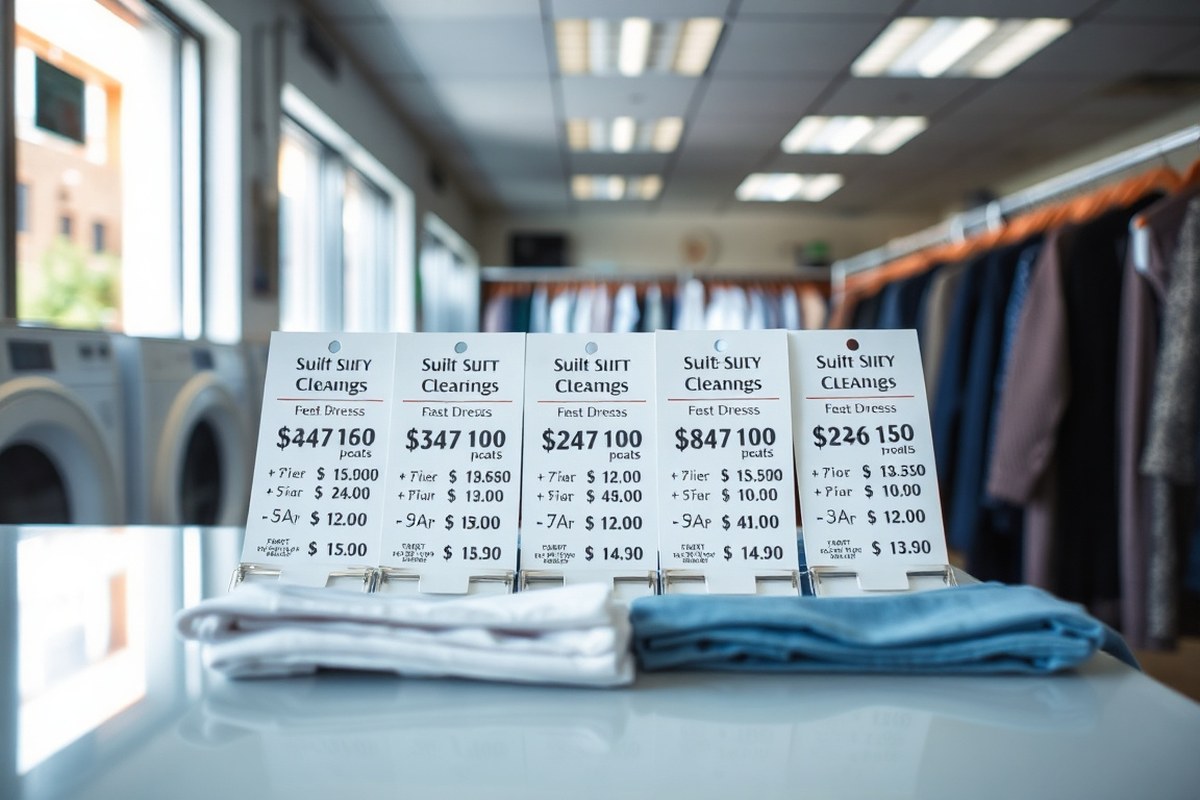
Dry cleaning costs vary depending on the garment and location, but here are typical price ranges you can expect from several sources as of early 2025. Shirts and blouses usually cost between $4.15 and $7.95 each. Pants, skirts, and sweaters range around $6.99 to $10.99. Dresses and suits come at higher prices, with dresses often costing about $10.99 and two-piece suits averaging $18.18.
These costs reflect differences in service levels, pickup and delivery options, and regional price variations. For example, services in Los Angeles include pickup and delivery for prices starting at $7.95 per shirt, while in Queens prices start as low as $3.69 per item.
| Garment | Average Price (National) | Example Location Price |
|---|---|---|
| Dress Shirt | $4.15 | $7.95 (Los Angeles, with pickup/delivery) |
| Blouse | $4.99 | N/A |
| Pants/Skirts/Sweaters | $6.99 | N/A |
| Dress | $10.99 | N/A |
| Two-Piece Suit | $18.18 | N/A |
| General Garment (Top Hat Cleaners range) | $4.99 to $10.99 | $4.99 to $10.99 (Dallas) |
Keep in mind that prices fluctuate based on factors like fabric type and garment complexity. Specialty items or delicate fabrics may cost more because they require extra care. Some services offer monthly memberships that provide credits or discounted rates, which can be cost-effective if you dry clean frequently. You should also factor in any pickup or delivery fees if those services are needed. Checking the care label on your clothes before dropping them off ensures they’re suitable for dry cleaning, avoiding unexpected charges.
Why Does Dry Cleaning Cost More Than Home Washing?
Dry cleaning costs more than washing clothes at home because it involves specialized processes, equipment, and chemicals that require professional handling. Unlike water-based home laundering, dry cleaning uses solvents like perchloroethylene to remove grease, oils, and stains without damaging delicate fabrics. This specialized solvent and its management increase operational costs. The machines used are commercial and expensive, designed to clean clothes more gently but thoroughly, with controlled temperatures and cycle times that cannot be replicated by typical home washers.
The process itself requires skilled technicians who inspect garments for stains, select appropriate solvents, and often pre-treat stubborn spots by hand. These additional labor steps contribute to higher prices compared to simply tossing clothes in a washing machine. Dry cleaning also often includes pressing and finishing, where clothing is carefully steamed and pressed to restore its shape and appearance, adding more time and expertise to the service.
Beyond the technical process, dry cleaning facilities bear higher expenses for regulatory compliance because the solvents used are toxic and require proper ventilation and disposal systems. These safety and environmental requirements drive up operational costs, which are passed on to the customer. Chemical solvents also need regular testing and replacement, unlike laundry detergents used at home. The costs to maintain and repair specialized equipment add to the overall price.
Some dry cleaning businesses offer pickup and delivery, which adds convenience but also includes labor and transportation costs. Turnaround time can vary, but faster service options typically cost more because they require prioritizing your order over others. In contrast, home washing is mostly limited to the cost of water, detergent, and energy, with no additional processing or expertise required.
Clothing items requiring dry cleaning may also be made from delicate fabrics or construction methods that home machines could damage. Investing in professional care protects your garments, which is why dry cleaning is often seen as necessary for maintaining expensive or specialty clothing. However, this protection comes at a premium since you aren’t just paying for cleaning but for expert treatment and fabric preservation.
Keep your dry cleaning receipts if you travel for business; some costs can be tax-deductible if properly documented as part of your travel expenses.
How Location and Service Options Affect Dry Cleaning Prices
Dry cleaning prices vary depending on where you live, the level of service you choose, and any extra options like pickup or delivery. Geographic location affects basic pricing, while added convenience features usually cost more but can save time. Membership plans may lower per-use costs for frequent customers.
Price Differences by US Region
Prices for dry cleaning can differ significantly between cities and regions because of varying rent costs, demand, and local competition. For instance, dry cleaning in Denver tends to be towards the lower end of national price ranges. Meanwhile, in larger cities like Los Angeles, rates can be higher due to operating costs.
| City/Region | Typical Price Range (per garment) | Example Provider |
|---|---|---|
| Denver, CO | $5 to $10 | Tide Cleaners |
| Dallas, TX | $7 to $12 | Dry Cleaning in Dallas |
| Los Angeles, CA | $8 to $15 | OrangeBag |
| Chicago Heights, IL | $6 to $11 | CD One Price Cleaners |
Lower costs in Denver reflect less overhead and competitive local services. More expensive cities like Los Angeles also offer specialized dry cleaning options, which add to the price. Checking local rates online or contacting nearby cleaners helps you find competitive pricing in your area.
Pickup and Delivery Service Costs
Pickup and delivery add convenience but usually come with extra fees. Some services charge a flat pickup fee around $9.95 plus a $3 delivery fee for each order. Others offer free pickup and delivery if your order total meets a minimum, typically about $45.
For example, in Dallas, you might get free pickup and delivery on qualifying orders over $45, making it cost-effective if you often dry clean several items at once. Similarly, some cleaners allow you to leave items on your doorstep or provide office drop-off points, saving you time on errands.
Membership and Subscription Models
Some dry cleaners offer membership or subscription plans to reduce costs for frequent users. These plans might include perks like waived pickup/delivery fees, priority service, or discounted garment cleaning rates.
For instance, Tide Cleaners and CD One Price Cleaners promote regular customer programs designed to save money on repeated orders. You usually pay a monthly or annual fee for membership, which balances out if you dry clean multiple items regularly. Check providers’ websites for details on availability and pricing of these plans in your city.
Types of Garments and Fabrics That Increase Dry Cleaning Costs
Specialty fabrics like silk, linen, and rayon usually cost more to dry clean because they require gentler handling and specific cleaning solvents to avoid damage. Dry cleaners must adjust their process, often hand-cleaning or using cooler temperatures, to protect these delicate materials. This extra labor and care extend the cleaning time and increase the price, often adding $5 to $10 or more per garment compared to standard fabrics like cotton or polyester.
Garments with heavy embroidery, beading, sequins, or other embellishments also command higher dry cleaning fees. These decorations can loosen or discolor if not treated carefully. Dry cleaners often inspect each piece for fragile areas and may perform spot treatments or hand-clean parts of the garment. For example, cleaning a wedding veil might cost around $3, while a wedding dress with extensive beading can exceed $200, with prices rising to $300 or more when cleaning includes preservation and boxing. These charges reflect the time needed to handle the garment without causing damage.
Leather and fur require specialized cleaning processes involving different solvents and conditioning treatments to maintain flexibility and appearance. Prices for leather or fur cleaning typically start near $75 due to the special equipment and expertise needed. Such items cannot be cleaned using standard dry cleaning machines, so expect the cleaner to quote a firm price after inspection based on fabric type, garment construction, and any damages or stains present.
Condition plays a significant role in pricing. Items with stubborn stains, dirt, or oily residues need extra treatments that add to the cost. Deep stain removal or repairs may require pre-treatment before the actual cleaning cycle, which takes additional time. Heavy soil on a linen jacket or oil stains on silk scarves can add $10 or more per garment. Cleaners will usually provide a detailed quote after assessing the item if such conditions are present.
For larger or more intricate garments like sarees or lehengas, prices start higher due to their size and fabric complexity, beginning at $20 to $25. These items are spread out for careful cleaning and require more labor to handle each fold and pleat thoroughly. The size and volume of fabric demand more solvent and longer drying times, increasing the final cost.
You can get the best results and avoid surprises by asking your cleaner to provide a price quote before they begin. Bringing the garment in a disposable bag and clearly communicating any concerns about stains or decorations gives the dry cleaner a chance to prepare properly. Properly cleaned specialty fabrics and embellished garments should return with no damage to fabric or decoration, bright and fresh appearance, and no residual odors. Avoid cleaners that rush the process or fail to inspect or inform you about potential risks or extra charges.
How Long Does the Dry Cleaning Process Take?
Standard dry cleaning typically takes one to three days to complete. Most dry cleaners have a processing timeline of 24 to 48 hours for regular garments such as shirts, dresses, and suits. This timeframe allows enough time for inspection, stain treatment, cleaning, pressing, and quality checks. Specialty items like wedding dresses or delicate fabrics may require additional days for careful handling, which means a turnaround of three to five days or longer. Understanding the time it takes helps you plan when to drop off and pick up your clothes, especially if you rely on dry cleaning for important events.
Quick turnaround or express services are offered by many dry cleaners who want to cater to customers with urgent needs. Same-day or next-day service is usually available for certain garments, but it often comes at an extra cost. For example, a medium coat cleaned through express service might have a premium added on top of the standard $17.99 starting price. This faster option works best when you have a limited time before an event and need your clothes back quickly. Not every item qualifies, though, since heavily soiled or bulky pieces might require the full cleaning cycle.
When you use app-based dry cleaning services, you often benefit from convenient scheduling and quick turnaround times. Apps allow you to choose pick-up and delivery times that fit your schedule, sometimes offering same-day processing for eligible items. Competitive pricing combined with rapid service makes these an attractive choice, especially in busy urban areas like Queens. However, delivery days depend on your location and availability, so ordering early in the day typically ensures the fastest service.
To ensure your dry cleaning is ready when you need it, check directly with your service about express options and cutoff times. Drop-off or pickup times can affect how soon your clothes return, with early-morning or overnight drop-offs usually speeding up the process. Specialty items and heavily stained garments can slow down turnaround, requiring extra attention and longer drying or airing times to avoid damage. For example, a wedding dress priced around $199.99 may take longer to clean and inspect than a basic shirt, and rushing this process can compromise quality.
Plan ahead by confirming your dry cleaner’s express service deadlines and any additional fees to avoid last-minute surprises and ensure you get your clothes back on time.
How to Get Accurate Dry Cleaning Prices Before You Order
Getting an accurate price for dry cleaning starts with knowing exactly what you need cleaned and understanding the shop’s pricing policies. It helps to inspect your garments before asking for a quote, clarify any extra fees that might appear, and ask for a written or digital estimate. This way, you avoid surprises at pickup and can compare prices confidently.
Inspecting Your Garment First
When you bring a garment to a dry cleaner, expect the staff to examine it closely before giving you a final price. Many dry cleaners price suits, jackets, and business wear only after inspecting fabric, stains, or special details. Point out any stains or damage yourself so the cleaner can decide if extra treatment or repairs are needed.
Inspection matters because pricing often varies based on garment complexity, fabric type, and condition. For example, a silk blouse might cost more to clean than a cotton one due to the delicate process required. A visible stain could add $5, $15 or more, depending on how difficult it is to remove.
Asking About Additional Fees
The base price covers cleaning but other costs may apply. These fees vary by location and cleaner but can increase your total. Common additional charges to ask about include:
- Stain removal treatment
- Garment repairs or patching
- Special fabric handling (silk, leather, or lace)
- Express or same-day service
- Pickup and delivery fees
- Storage costs for garments left over extended periods
Clarifying these extra fees before you commit helps avoid paying more than expected. Some dry cleaners might include certain extras in the initial quote, while others add fees later, so ask specifically and get details on what’s included.
Requesting Written or Digital Estimates
Never rely on a verbal quote alone. Ask the dry cleaner to provide a written or digital estimate that details all expected costs. This estimate should list each garment, the cleaning price, and any additional fees. Having this in writing gives you a clear price to approve and a record if issues arise later.
A typical request you can use at the counter or when calling might be: “Can you give me a detailed written estimate for cleaning these items? Please include all fees like stain removal or express service.” Many shops can email or text estimates, which helps you keep track of costs and compare competitors.
When Is Dry Cleaning Worth It and How to Save Money
Dry cleaning is worth the extra cost primarily when dealing with delicate fabrics or garments that home washing can damage. Suits, silk, wool, and other structured or sensitive clothing often require professional care to maintain shape, texture, and colour. Spending $10 to $20 per item could extend the life of your clothing and prevent costly replacements. In contrast, casual items like cotton shirts or polyester blends often do fine with regular home laundering, making dry cleaning less necessary.
To save money on regular dry cleaning without compromising quality, establish clear rules about which items need professional cleaning and which do not. For instance, reserve dry cleaning for tailored clothing and special occasion wear. Look for dry cleaners offering loyalty programs or bundled services that lower per-item rates. Scheduling cleanings less frequently, like every few wears instead of after each use, also reduces expenses. Ask about minor repairs or stain treatments included in the price to avoid surprise fees later.
Skipping dry cleaning altogether or opting for a DIY approach suits some items and situations but bears risks. Garments advertised as “dry clean only” may shrink, lose shape, or fade if you wash them in water at home. However, some fabrics handle gentle hand washing or cold machine cycles with mild detergent without damage. You can test by washing a small, hidden section or follow care label instructions strictly. Steamers or home ironing kits serve to refresh fibers and remove wrinkles between professional cleanings, improving appearance at zero added cost.
Decision-making about dry cleaning should balance the garment’s material, how often you wear it, and the cost. For example, a costly wool blazer worn once per week often justifies professional cleaning every few months, but a cotton dress shirt worn daily may require only periodic dry cleaning or none at all. Tracking your dry cleaning expenses over a year compared to replacing or repairing damaged clothes can help refine your approach.
When using a dry cleaner, inquire upfront about pricing policies and any applicable taxes or fees, as these affect total cost. Some companies flag high or non-travel-related dry cleaning expenses for review, which might matter if you submit expenses for work reimbursement or tax deductions. Transparent communication avoids surprises and ensures you pay fair prices aligned with your needs.
Understanding Tax Implications of Dry Cleaning Expenses
Tax deductions for dry cleaning costs apply in limited situations, such as cleaning uniforms used exclusively for work or expenses related to dry cleaning during business trips. To claim these costs, you’ll need detailed records and must follow IRS rules closely.
IRS Rules for Business Clothing
The IRS allows deductions for cleaning expenses related to clothing that is necessary for your job and not suitable for everyday use. Typical work attire like suits or business casual wear usually does not qualify. Uniforms with a company logo, protective gear, or specialty clothing required by your employer fall under deductible expenses.
Dry cleaning costs are deductible only if the clothing is required to be worn for work and cannot be worn outside of a work setting without attracting undue attention. Also, expenses incurred during overnight business travel for items like professional suits can be deductible.
How to Document Deductible Expenses
Recording deductible dry cleaning costs accurately is essential to support your tax claim. First, keep all receipts that clearly show the service provided and the date. Next, maintain a record explaining why the clothing qualifies, such as an employer’s uniform policy or a job description requiring the outfit.
Claim these expenses on your tax return using specific lines depending on your tax situation. For example, report uniform maintenance costs on Schedule C, Line 27a (“Other expenses”) or sometimes on Line 22 (“Supplies”). Using digital tools like Sage Expense Management can help by organizing receipts and tracking business-related expenses, especially those tied to travel.
- Save all dry cleaning receipts with itemized details
- Document employer requirements for uniforms or special clothing
- Track business travel dates and locations to support travel-related expenses
- File deductions on the correct tax form lines, such as Schedule C
- Use expense management software for detailed records
Without proper proof, dry cleaning expenses are unlikely to be accepted as deductions. A well-organized expense report reduces audit risks and strengthens your claim.
Examples of Deductible vs Nondeductible Dry Cleaning
Deductible dry cleaning includes costs for laundering firefighter gear, chef uniforms, or branded company uniforms that cannot be worn casually. For instance, if you are a lineman required to wear protective clothing daily, cleaning those uniforms qualifies. Likewise, dry cleaning your clothes while on a business trip away from home overnight may be deductible.
Non-deductible dry cleaning expenses cover cleaning of regular business suits, dresses, or casual clothing you might wear even outside of work. Dry cleaning a regular blazer or slacks would not count, even if you wear them during office hours, because they are suitable for everyday use.
Keep detailed documentation showing the clothing’s work-only use and employer requirement to support any deduction claims for dry cleaning.
Step-by-Step Action Plan to Manage Dry Cleaning Costs
Use this plan to understand your dry cleaning expenses and make decisions that save you money and time.
- Before Your First Order: Check prices at several dry cleaners in your area to compare costs for common garments. This helps you set a budget and find the best value.
- At Your Next Dry Cleaning Visit: Ask for detailed pricing upfront based on garment type and fabric to avoid surprises. Confirm if taxes or extra services apply.
- Within 1 Week: Evaluate if the quality and convenience match the price you paid. Keep receipts to track spending over time.
- After 1 Month: Decide which items truly need dry cleaning versus home washing to reduce unnecessary costs. Test if your home method works well for some fabrics.
- Before Special Occasions: Schedule dry cleaning early to avoid rush fees or expedited service charges. Plan ahead to maintain garment appearance without extra cost.
- When Budget Tightens: Explore discount options like bundle deals, loyalty programs, or off-peak drop-off times. Confirm savings against your regular prices.
- Annually: Review your overall dry cleaning expenses and adjust habits if costs consistently exceed expected amounts.
Frequently Asked Questions
How Much Does Dry Cleaning Cost?
Dry cleaning prices usually range from $4.99 to $18.18 per garment, depending on the item. Shirts and blouses start near $5, while suits and dresses cost more due to fabric and complexity.
Is Dry Cleaning Really Worth It?
Dry cleaning is worth it for delicate or structured clothing that home washing can damage. It extends garment life, especially for suits and coats that need special care.
How Much Will It Cost to Dry Clean a Coat?
Dry cleaning a coat generally costs between $11 and $18, depending on size and material. Coats with heavy fabrics or insulation often cost more.
How Much Is a Dry Cleaning Bill?
Your dry cleaning bill depends on the number and type of items but expect $5 to $20 per piece. Additional services like pickup or delivery may increase the total.
Why Is Dry Clean so Expensive?
Dry cleaning costs more due to specialized solvents, equipment, labor, and handling of delicate fabrics. These factors make it pricier than home laundry.
Can I Get Dry Cleaning Cheaper with Membership Plans?
Some services offer memberships, like $50 monthly for $65 credit, reducing per-item costs and adding convenience with pickup options.
Before You Go
Dry cleaning costs depend on garment type, location, and service choices, so understanding these factors helps you make informed spending decisions. You can save money by using dry cleaning selectively and planning ahead. Start by checking prices at local cleaners this week to find the right balance between quality and cost for your wardrobe.