How Do I Get Perspiration Stains Out of Clothing? 8 Proven Solutions That Work
Soaking the stained part of your clothing in warm water mixed with white vinegar for 20 to 30 minutes works fast to remove perspiration stains. Natural ingredients such as vinegar, lemon juice, or baking soda paired with gentle scrubbing or enzyme stain removers can get rid of stains without harming the fabric. For tough stains, putting hydrogen peroxide on after soaking might help break down leftover residues.
This advice fits anyone dealing with persistent or fresh sweat marks on their clothes. You’ll learn practical solutions that work for different fabrics and find out how to avoid common mistakes while treating and preventing these stains, keeping your wardrobe looking fresh and clean.
Key Takeaways
- Soak sweat-stained clothing in one part white vinegar and two parts warm water for 30 minutes to lift stains effectively.
- Apply a paste of baking soda and water to stains and let it sit for at least 30 minutes before washing.
- Use lemon juice on light-colored fabrics for natural stain removal but rinse thoroughly to prevent discoloration.
- Hydrogen peroxide can be blotted on stubborn stains and left for 30 minutes before laundering as usual.
- Choose enzyme-based stain removers specifically designed for protein stains like sweat to improve removal on tougher fabrics.
- Delicate fabrics require gentler treatments, such as soaking in diluted vinegar without scrubbing harshly to protect fibers.
1. How to Remove Perspiration Stains Quickly and Effectively
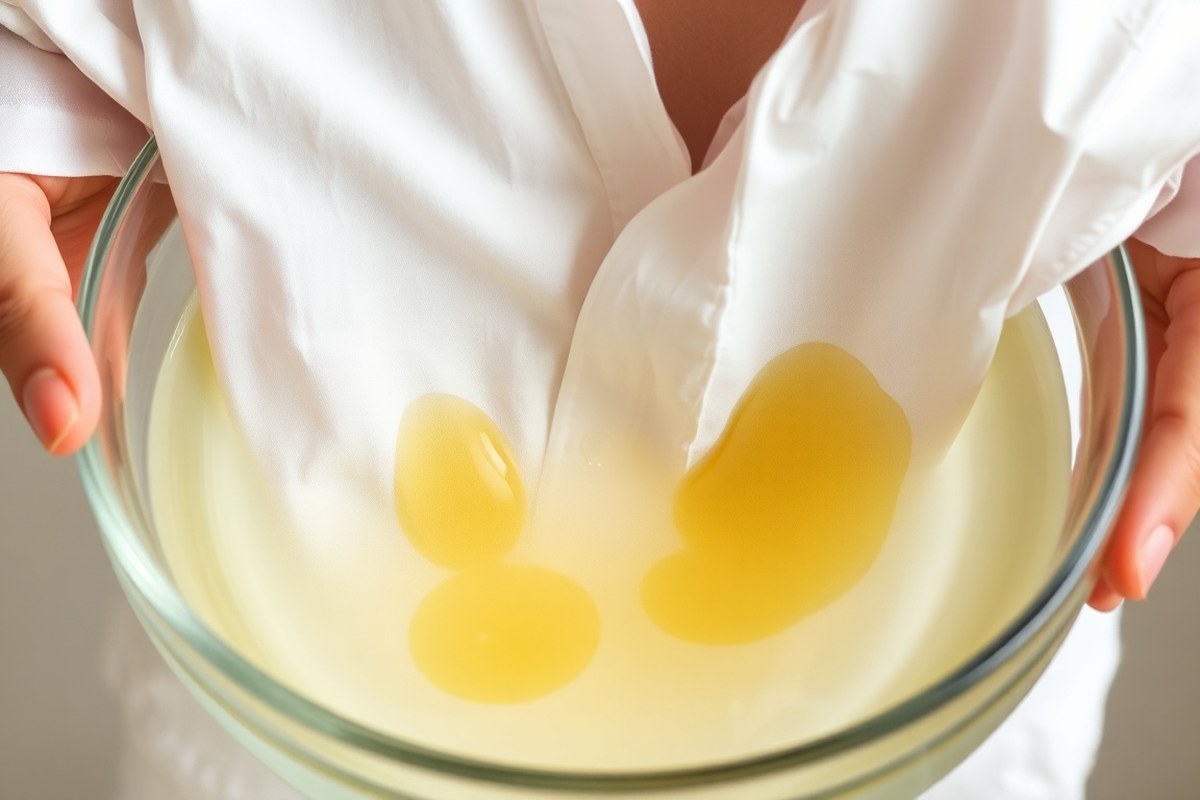
Removing perspiration stains from clothing quickly and effectively involves treating the stain as soon as possible and using a combination of soaking and gentle scrubbing before washing. The main goal is to break down the sweat residue, which includes proteins and oils, without damaging the fabric. Soaking the stained clothing in a mixture of white vinegar and warm water softens the stain, making it easier to remove when you scrub and wash it properly. Hydrogen peroxide offers an extra step on whites or color-safe fabrics for tough stains. Avoid heat until the stain is gone, as heat can set the stain permanently.
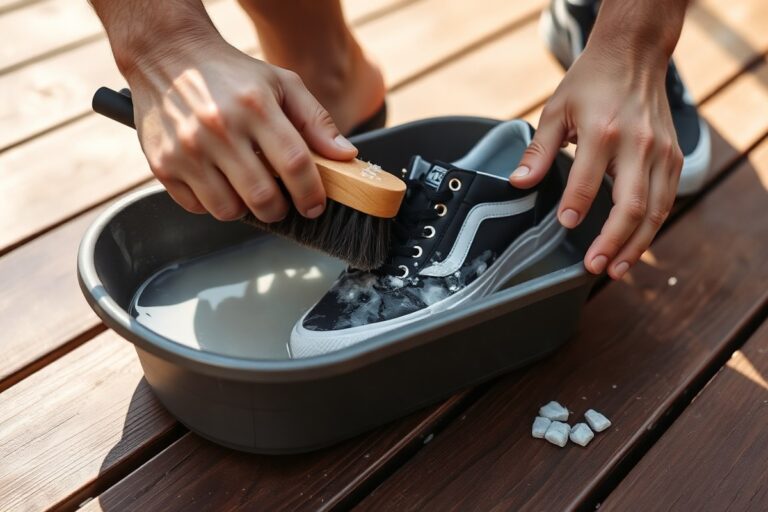
- Create a soak solution: Mix one cup of white vinegar with two cups of warm water. Use enough of this solution to cover the stained clothing fully.
- Soak the clothing: Submerge the stained part of your garment in the vinegar solution for 30 minutes. This softens and begins breaking down the sweat stain.
- Gently scrub the stain: After soaking, use a soft brush or cloth to lightly scrub the stained area. This helps lift the residue without damaging the fabric.
- Apply hydrogen peroxide for stubborn stains: For persistent stains, blot hydrogen peroxide onto the spot and let it sit for another 30 minutes. This step is safe for whites and often works as an odor remover too.
- Wash the garment: Wash your clothing with a detergent designed for stain removal on the warmest water setting safe for the fabric. Check the care label to avoid damage.
- Air dry and inspect: Let your clothing air dry instead of using a dryer. Heat can set any remaining stains. Should stains persist, soak and scrub the fabric once more before drying.
This process costs very little, primarily the price of vinegar and possibly hydrogen peroxide, both widely available and inexpensive. Results generally show significant improvement after one treatment, especially if stains are fresh. Older or set-in stains might require repeating the steps. Avoid rubbing too hard to protect delicate fabrics and always test treatments on a hidden area first.
2. Why Do Perspiration Stains Form and Are They Permanent?
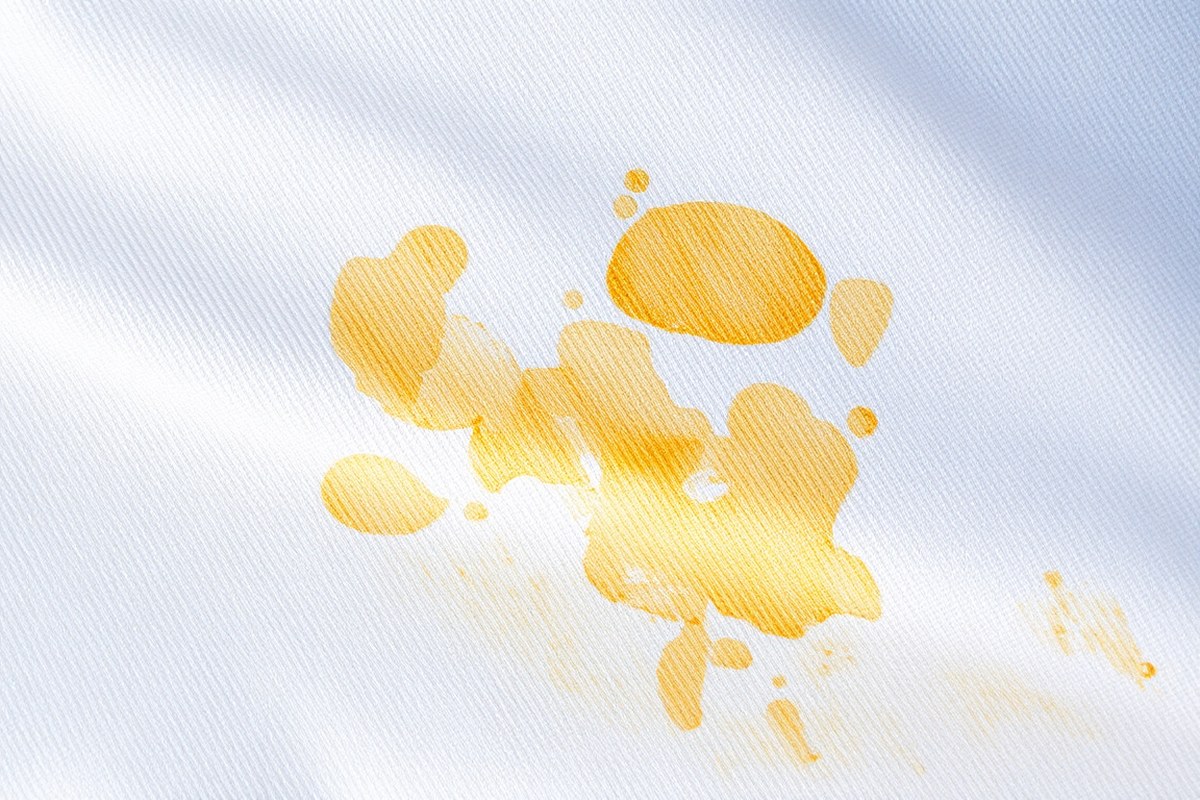
P perspiration stains mainly form when sweat mixes with body oils and the chemicals in deodorants or antiperspirants, causing yellowish or white marks on clothing. These stains become permanent if they are left untreated for too long or if the fabric absorbs them deeply. The presence of deodorant ingredients can make these marks more noticeable and harder to remove.
What Causes Armpit Sweat Stains
Yellow stains under the arms result from the combination of sweat, skin oils, leftover deodorant or antiperspirant, and their accumulation in fabric over time. Sweat mostly consists of water but also carries salts and proteins that interact with deodorant chemicals. This interaction, along with natural skin oils, causes the yellow marks often seen on light-colored shirts in the underarm section.
Fabric type influences stain formation since cotton and other natural materials tend to absorb sweat and oils more readily. Synthetic fabrics might resist stains slightly better but can still trap deodorant residues, which add to the buildup. The longer the sweat and deodorant stay on the fabric, the more they penetrate fibers, increasing how stubborn the stain becomes.
Are Sweat Stains Permanent Once Set?
Perspiration stains can become permanent if they are not washed out promptly. Once the sweat and deodorant mixture sets deeply into fabric fibers, it gets difficult, sometimes impossible, to remove completely. Fresh stains generally come out with regular laundry detergent, but older stains often require stronger pretreatments or specialized stain removers.
Factors like fabric type, stain age, and how much deodorant residue is present affect permanence. For example, an untreated cotton shirt exposed to sweat for several days without washing will likely hold a stubborn stain. On the other hand, quickly washing clothes after wearing them can significantly reduce the risk of permanent discoloration.
How Deodorant Affects Stain Formation and Removal
Deodorants and antiperspirants often contain aluminum compounds and other chemicals that interact with sweat. This combination can produce the yellow or white marks that show up on clothing. Some deodorants leave white powdery streaks on dark clothing that make stains more visible, even when sweat marks are not obvious.
Using deodorant can increase the difficulty of stain removal because these products leave residues that build up with each wear. This buildup can trap sweat and oils, accelerating the creation of stains and making them more resistant to standard washing. Switching to an antiperspirant with less residue or washing your clothes immediately after wearing can help reduce this effect.
Wash clothes with regular detergent as soon as possible after use to remove sweat and deodorant before stains set deeply into the fabric.
3. Using Natural Ingredients: Vinegar, Lemon Juice, and Baking Soda
White vinegar, lemon juice, and baking soda are common household ingredients that effectively remove perspiration stains. Each has a natural chemical action that breaks down sweat residue, including proteins and salts, to restore clothing. Using these ingredients involves soaking, applying directly, or creating a paste with specific wait times to maximize stain removal without damaging fabric.
White Vinegar Soaking Method
White vinegar is a mild acid that breaks down the components of sweat stains without harsh chemicals or bleach. It’s safe for most colored and white fabrics. Soaking the stained area in a vinegar solution softens the stain, making it easier to wash out.
To treat stains with vinegar, prepare a solution using 1 part white vinegar to 2 parts cold water. Avoid hot water as it can set stains further.
- Mix white vinegar and cold water in a basin or sink.
- Submerge the stained portion of your clothing in the solution.
- Let it soak for 30 minutes to 1 hour depending on stain severity.
- Gently rub the stained area to loosen residue after soaking.
- Rinse the item thoroughly with cold water.
- Wash as usual following garment care instructions.
- Check the stain before drying; repeat if necessary since drying can set residual stains.
Using white vinegar costs just pennies per treatment and avoids harsh chemicals. Combining it with a small amount of baking soda can improve results for stubborn stains by adding gentle abrasion and increased cleaning power.
Lemon Juice Application for Whites
Lemon juice’s natural acidity acts as a disinfectant and mild bleach, making it more effective on white fabrics than colored ones. It helps break down yellowing caused by sweat and freshens the garment. For removing sweat stains from white clothing, apply lemon juice directly to the affected areas and allow time for the natural bleaching effect to take place.
- Cut a fresh lemon in half or use bottled lemon juice.
- Apply lemon juice directly onto the sweat stain using a sponge or cloth.
- Let the garment sit in direct sunlight for 30 minutes, as UV exposure boosts lemon juice’s bleaching effect.
- Brush off any dried lemon juice residue.
- Rinse the fabric thoroughly with cold water.
- Launder normally according to care instructions.
Do not use lemon juice on colored fabrics as it may cause fading. For delicate white fabrics, test on a hidden area first.
Baking Soda Paste Preparation and Use
Baking soda removes sweat stains by releasing oxygen gas that breaks down stain particles. Applied as a paste, it clings to stains and provides gentle scrubbing power to lift residue. To create a baking soda paste, mix baking soda with water or combine it with hydrogen peroxide and dish soap for tougher stains.
- Mix 4 tablespoons of baking soda with 1/4 cup of water to form a thick paste.
- For stubborn stains, substitute or add equal parts hydrogen peroxide and a few drops of dish soap to the paste.
- Spread the paste evenly over the sweat stain using a soft brush or your fingers.
- Let the paste sit on the stain for 30 minutes to 1 hour.
- Gently scrub the stained area to loosen deposits.
- Rinse thoroughly with cold water to remove all paste.
- Wash the garment as usual and air dry.
Baking soda paste works on most fabrics but should be tested on delicate materials first. For colored clothes, rinse well to avoid any white residue. This method is cost-effective and uses items typically found at home.
4. Chemical and Enzyme-Based Stain Removers Explained
Enzyme-based stain removers contain proteins known as enzymes that target the protein and oil components in sweat stains. These enzymes act like tiny scissors breaking down the complex molecules inside the yellow or darkened areas caused by perspiration. This process loosens the stain from fabric fibers, making it easier to remove during washing. Choosing a stain remover labeled specifically for protein or sweat stains ensures the formula contains enzymes effective against perspiration.
Chemical stain removers, including those with enzymes or hydrogen peroxide, need careful use to avoid damaging your clothing. Start by applying the product on a concealed spot of the fabric to ensure it won’t alter the color. Enzyme-based cleaners should be placed directly on the sweat stain and left to penetrate for 5 to 10 minutes, then launder as usual. For tougher stains, mix equal parts hydrogen peroxide and water to make a gentle bleaching agent, apply it softly with a brush or finger, and allow it to rest for about 30 minutes before rinsing. Test this mix on a small, hidden area first because hydrogen peroxide may fade colors.
Hydrogen peroxide works on sweat stains by oxidizing and dissolving the organic compounds and greasy residue trapped in fibers. When combined with baking soda and a drop of dish soap, it forms a paste that is effective for older, set-in yellow stains, especially on whites. Apply the paste to the stained area, let it remain for 30 minutes, then wash the garment thoroughly. This method is a safe and inexpensive alternative to commercial enzymatic cleaners but requires more time and care.
Correct application timing and concentration are key to successful stain removal while preserving fabric integrity. Over-soaking or using concentrated chemicals can weaken the fabric or cause discoloration. For enzyme-based removers, always follow the manufacturer’s recommended contact time, usually under 15 minutes. Rinse the garment well after treatment to remove chemical residue, which can degrade textiles over time.
The cost of commercial enzyme stain removers ranges from about $6 to $15 for a bottle that can treat multiple stains. Hydrogen peroxide is widely available for under $2 per 16-ounce bottle, making it a budget-friendly option. Many eco-friendly brands combine enzymes with biodegradable surfactants for effective cleanup without harsh chemicals, suitable for sensitive skin and frequent use.
Remember to avoid mixing different chemical stain removers simultaneously, as they can react and damage fabrics or reduce effectiveness. When dealing with delicate or vintage fabrics, consult care labels and test products carefully. With proper use, enzyme and chemical stain removers offer a powerful toolset for tackling stubborn sweat stains in your laundry routine.
5. Treating Different Fabrics: Whites, Colors, and Delicates
Removing perspiration stains requires different techniques depending on the fabric type to avoid damage or discoloration. Whites often allow stronger treatments, while colored and delicate fabrics need gentler care. Tailoring your stain removal approach safeguards the material and keeps clothes looking their best.
Best Methods for White Fabrics
White clothes usually tolerate more aggressive stain removers, which can help lift yellow sweat stains effectively. Pretreating stains quickly, especially when fresh, is important to prevent set-in marks. Use a mixture of warm water and a bit of white vinegar or specialized stain removers designed for whites.
Soaking white shirts in a solution of 1 cup of white vinegar per gallon of warm water for 30 minutes can break down yellowing. Follow this with a gentle wash cycle in cold or warm water using a detergent with enzymes. Avoid hot water, which may set stains. Oxygen-based bleach is another safe booster for whites but test on a small area first.
Strong bleach or harsh chemicals should be reserved for 100% cotton or durable fabrics only. Fabrics like polyester blends handle these treatments better than silk or wool blends, where professional cleaning is safer. Always read garment care labels before treatment.
Safe Approaches for Colored Clothes
Colored fabrics require milder methods to avoid fading or discoloration of the dye. Pretreat sweat stains promptly with white vinegar or a gentle stain remover bar such as the Kind Laundry Vegan Stain Remover Bar, which works well on tough stains without harsh chemicals.
Apply the stain remover directly on the affected area, let it sit for 10, 15 minutes, then wash according to care instructions with cold water. Avoid chlorine bleach or oxygen bleach on colors. If stains persist, repeat pretreatment rather than increasing chemical strength.
Cold water helps preserve color intensity, while hot water risks fading and set-in stains. Turn dark or black shirts inside out before washing to reduce surface abrasion and preserve color.
Delicate and Sensitive Fabrics Care
Fabrics like silk, wool, and satin need careful handling because harsh treatments can cause damage or shrinkage. Many delicate items are best left to professional cleaners proficient in safe stain removal techniques for such materials.
For home care, spot treat stains with white vinegar diluted in water (one part vinegar to two parts water), applied gently with a soft cloth. Avoid scrubbing or soaking delicates, which can weaken fibers. Rinse with cold water and air dry flat.
In some cases, delicate fabrics are too fragile for home stain removal and should be taken directly to dry cleaners who specialize in these materials. Always check care labels before treatment. Here is a comparison of stain removal approaches by fabric type:
| Fabric Type | Recommended Stain Treatment | Water Temperature | Chemicals to Avoid | Pretreatment Timing |
|---|---|---|---|---|
| White Cotton | White vinegar soak or oxygen bleach | Warm (not hot) | Chlorine bleach unless strong cotton | Immediately or as soon as possible |
| Colored Fabrics | White vinegar, vegan stain remover bar | Cold | Chlorine and oxygen bleach | Immediately, fresh stains easier |
| Delicate Fabrics (silk, wool, satin) | Diluted white vinegar spot treatment, or professional cleaning | Cold | All harsh chemicals and soaking | Use care; seek help for tough stains |
Selecting the right approach preserves fabric quality and increases the chances of removing sweat stains successfully. Tackling stains early gives better results across all fabrics.
Always test stain removers on a hidden area before full application to prevent unexpected color loss or fabric damage.
6. Common Mistakes in Sweat Stain Removal and How to Fix Them
A frequent mistake when removing perspiration stains is using hot water right away. Hot water can cause proteins and minerals in sweat to bind permanently to the fabric fibers, setting the stain rather than removing it. Start with cold water to rinse or soak the garment before applying any stain remover. Only after the stain is lifted should you wash the item in the warmest water safe for the fabric, with a good detergent.
Another common error is treating sweat stains without proper pretreatment, especially on men’s dress shirts. Sweat collects around collars, cuffs, and underarms, so apply a stain remover or a solution like diluted oxygen bleach to these areas first. Let it sit for 15 to 30 minutes before washing. Pretreating targets the stains directly, increasing your chances of success.
People often make the removal task harder by scrubbing too harshly. Vigorous scrubbing can damage delicate fabrics and cause discoloration in colored clothes. Instead, gently dab or blot the stain treatment on the fabric and allow it to penetrate. For delicate materials, use a mild enzymatic cleaner cautiously and avoid rubbing to protect the fibers.
- Using hot water too early, which sets the stain
- Skipping pretreatment on collars, cuffs, and armpits
- Rubbing the fabric harshly, causing damage or spread
- Not testing stain remover on a hidden area first
- Drying stained clothes in a dryer before the stain is gone
- Applying bleach without checking fabric care labels
- Waiting too long to treat fresh stains
If a sweat stain appears worse after treatment, don’t panic. Stop using heat or bleaching agents immediately. Rinse the area with cold water to remove any residue. Repeat pretreatment with a mild oxygen-based bleach solution, letting it soak for 30 minutes, then wash it according to fabric care instructions. Avoid the dryer until you see the stain has fully disappeared; heat from drying can make residual stains permanent.
Correcting these mistakes mostly costs the time spent soaking and treating again and possibly buying a quality stain remover or oxygen bleach powder, usually around $10 to $15 per container. The effort saves garments and keeps your clothes looking their best without damage. Always follow garment labels and stain remover instructions carefully to protect your fabrics while removing those stubborn sweat stains.
7. How to Prevent Perspiration Stains on Clothing
Pit stains form when the aluminum compounds in many antiperspirants react with your sweat and body oils, causing yellow discoloration on fabric. Avoiding these stains starts with adjusting your deodorant routine. Apply antiperspirant at night before bed to give it time to absorb and dry fully. Wearing clothes too soon after application increases the chance of residue transferring to fabric, creating stains.
Choosing clothing that breathes well helps reduce sweat buildup, which limits stains. Natural fabrics such as cotton, linen, and bamboo allow better air circulation and moisture absorption. Synthetic fibers like polyester tend to trap sweat and accelerate staining. Wearing an undershirt made from absorbent cotton beneath dress shirts or blouses can catch sweat before it reaches outer garments.
- Apply antiperspirant or deodorant at least 10, 15 minutes before dressing, ideally the night before
- Choose aluminum-free deodorants if staining is persistent
- Wear breathable fabrics like cotton, linen, or bamboo to reduce sweat buildup
- Use an undershirt to absorb sweat and protect outer clothing
- Wash sweat-prone clothes soon after wearing to prevent stains from setting
- Consider loose-fitting clothing to improve airflow and reduce sweating
Laundering habits also affect sweat stain prevention. Remove garments promptly and wash in warm water following care instructions. Warm water helps dissolve sweat and deodorant residues better than cold water. Repeated washing without pretreatment of sweat stains can cause them to become permanent. Using a stain remover focused on sweat and deodorant buildup before washing can keep fabrics looking fresh longer.
Costs for prevention come primarily from fabric choices and antiperspirant types. Breathable natural fabrics vary widely but often cost $10 to $40 per garment. Aluminum-free deodorants may run $5 to $15 per container. These expenses can be balanced against the value of keeping favorite clothes stain-free and extending their lifespan. Trying these prevention steps can greatly reduce the need for stain removal treatments and preserve your wardrobe’s appearance.
8. When to Seek Professional Help for Sweat Stains
Home treatments often work well for fresh or minor perspiration stains, but it’s better to seek professional cleaning when stains are stubborn, old, or on delicate fabrics. Persistent sweat stains that have set in due to long-term buildup of sweat and deodorant can cause discoloration and may not respond well to DIY methods. Professionals have special solvents and equipment designed to break down organic compounds in sweat safely and thoroughly.
Fabrics that are delicate, like silk, wool, or certain synthetics labeled as “dry clean only,” require expert care to avoid damage. Garments with complex construction, embellishments, or high value also merit professional attention. Trying to clean such fabrics at home risks shrinking, color fading, or texture loss. A reliable dry cleaner understands how to treat these materials gently while targeting sweat stains.
When choosing professional services, clearly communicate that sweat stains are the problem. You can say, “My shirt has persistent perspiration stains under the arms that didn’t come out with home washing. I’m looking for a safe method to remove these without harming the fabric.” This tells the cleaner exactly what to expect and helps them select appropriate treatments.
Cost for professional cleaning varies by service and garment type but expect to pay between $8 to $20 per shirt for specialized stain removal on delicate fabrics. The investment can save your clothes from permanent damage and extend their lifespan. Quality results look like no visible stain or discoloration and fabric staying soft and intact.
Some stains may be impossible to remove if they are very old or combined with other elements like deodorant residues. Professionals can sometimes reduce visibility significantly, but complete removal is not always achievable. Regular professional cleaning every few months can prevent buildup and maintain your wardrobe without damage.
Always check your garment’s care label and avoid home treatments if the fabric says “dry clean only” to prevent permanent damage.
Step-by-Step Action Plan to Remove Perspiration Stains
Follow these steps to tackle perspiration stains effectively and keep your clothes looking fresh.
- Before you start: Identify the fabric type to choose the right cleaning method without damage.
- Day 1: Apply a natural stain remover like lemon juice or white vinegar to the stain and let it sit for 30 minutes; check if the stain lightens.
- Day 2: Use a baking soda paste on persistent stains, gently scrub, and rinse; the stain should appear less visible or gone.
- Day 3: Treat with an enzyme-based stain remover following the product’s instructions to break down protein-based stains; confirm stain removal after washing.
- Day 4: Wash the garment in cold water using an appropriate detergent for the fabric and stain type; inspect the clothing for remaining marks before drying.
- After washing: Air dry and avoid heat if any stain remains, as heat can set stains permanently.
- Ongoing: Apply a protective antiperspirant that does not stain and wear breathable fabrics to prevent future sweat stains.
Frequently Asked Questions
How to Get Armpit Sweat Stains Out of Clothing?
Use a paste of baking soda and water or hydrogen peroxide, baking soda, and dish soap on stains, then wash. These break down the proteins and oils causing stains, making them easier to remove.
Does Dawn Dish Soap Remove Sweat Stains?
Dawn helps break down oils in sweat stains but works best combined with baking soda and hydrogen peroxide. Alone, it may not fully remove older or tougher stains.
How Can I Remove Sweat Stains from Sheets?
Soak sheets in a mixture of white vinegar and warm water for 30 minutes before washing. This helps loosen sweat residue without damaging fabric fibers.
Can Hydrogen Peroxide Be Used to Remove Sweat Stains?
Yes, hydrogen peroxide breaks down sweat stains and odors and is safe for most fabrics. Apply it as a paste with baking soda and dish soap for best results.
What Household Items Stop Sweat Stains Before Washing?
Applying white vinegar or a paste made with baking soda prevents stains from setting before the wash cycle.
Does Sunlight Help Remove Perspiration Stains from Clothing?
Sunlight can naturally bleach stains, but prolonged exposure may fade colors, so use cautiously.
Before You Go
Perspiration stains can come out completely if you act quickly and choose the right cleaning method for your fabric. Treat fresh stains right away using natural or enzyme-based products, and avoid heat until the stain disappears. Start now with a targeted stain remover and keep sweat stains from coming back by wearing breathable clothes and using effective antiperspirants.