How to Clean Upholstery After Moving: Complete Steps for Best Results
Cleaning upholstery after moving involves vacuuming thoroughly, spot treating stains quickly, and airing out furniture to remove trapped odors. Using safe, fabric-specific methods helps restore freshness without damaging delicate materials. These steps ensure your sofas and chairs look and smell their best following relocation.
This advice suits homeowners and renters who want to refresh their upholstery after the move. You’ll learn essential procedures for different fabric types, homemade cleaning solutions, stain treatment, moisture prevention, wrinkle restoration, common errors to avoid, and when to seek professional help.
Key Takeaways
- Schedule professional upholstery cleaning 2-3 weeks before your move for best results.
- Vacuum and dust cushions with baking soda for 30 minutes, then vacuum again to eliminate odors.
- Allow 4-6 hours drying time after any wet cleaning to avoid mildew and mold risks.
- Use only designated dry-cleaning solvents like Saf-T-Solv™ and Phase II™ on fabrics requiring dry cleaning.
- Treat stains promptly with appropriate solutions based on fabric type to prevent permanent damage.
- Improve upholstery freshness further by cleaning curtains one week before moving.
How to Clean Upholstery After Moving Step-by-Step
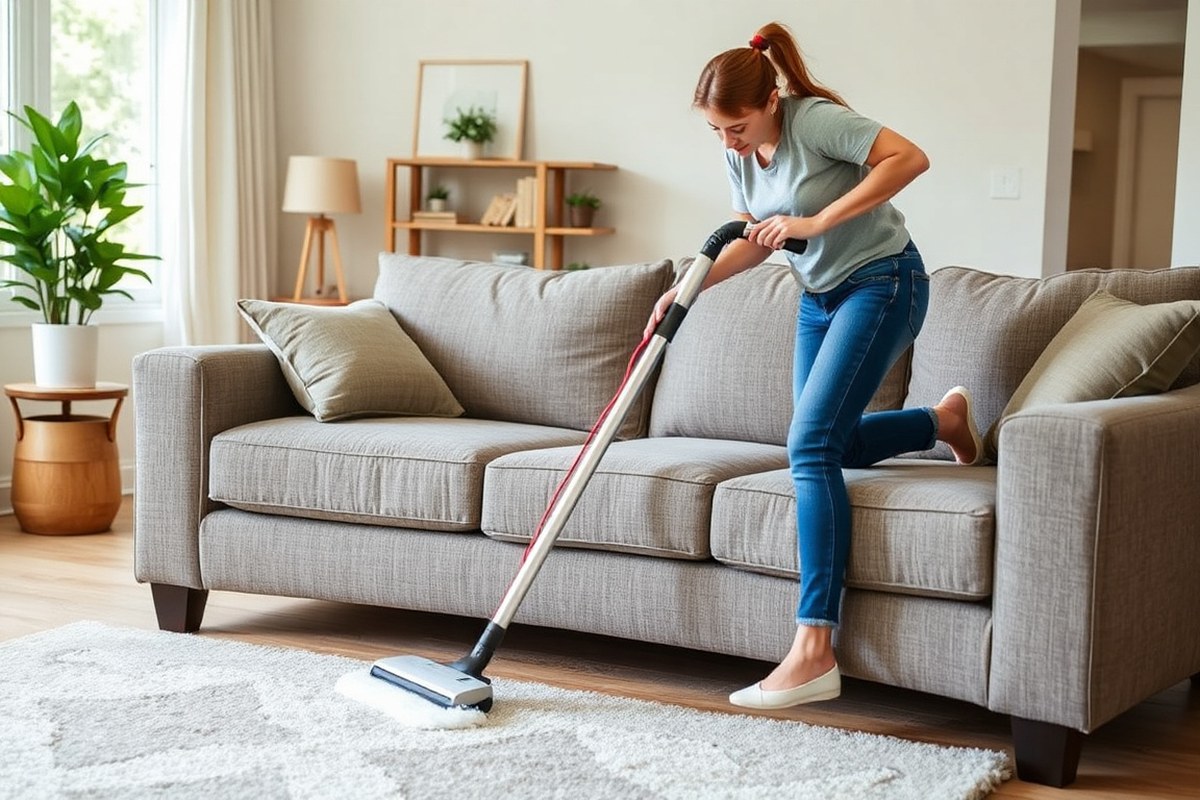
Restoring freshness to your upholstery right after moving is essential to remove dust, hidden allergens, and any odors accumulated during transport. Cleaning promptly also prevents stains from setting deeper into the fabric, preserves the integrity of fibers, and ensures your furniture looks inviting in your new space. The best practice is to begin with vacuuming to clear loose dirt, followed by targeted spot cleaning, then deodorizing to leave a fresh scent. This order prevents dirt from spreading and tackles stains efficiently.
Below is a step-by-step checklist of how to clean your upholstery after moving. These practical actions will help you achieve visible freshness and a genuinely clean feel without risking damage to delicate fabrics.
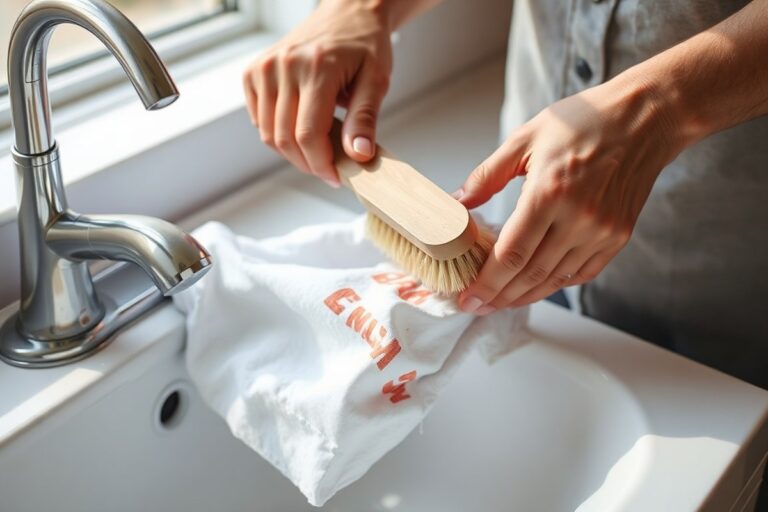
- Vacuum thoroughly. Use a vacuum with an upholstery attachment or a clean, dry brush to loosen and remove dust, crumbs, and pet hair from cushions, crevices, and armrests. Focus on seams and under cushions to reach hidden debris. This typically takes 10-20 minutes per piece depending on size and condition.
- Inspect for stains or spots. Examine the upholstery under good light to find any marks or spills from the move. Treat any noticed stains immediately. A clean, white cloth and a specialized upholstery cleaner like Simple Green All-Purpose Cleaner work best for delicate fabrics. Test the cleaner on a hidden area first to ensure no color fading or damage.
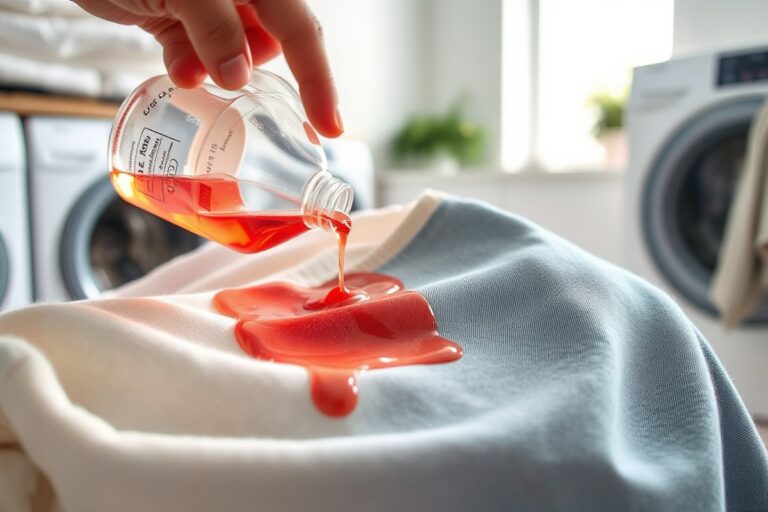
- Perform spot cleaning. Apply the cleaner sparingly on the stain, gently blot with a cloth, do not rub hard as this can damage fabric fibers. For stubborn marks, use a slightly dampened cloth with the cleaner, then blot dry with a separate clean cloth.
- Use an upholstery cleaning machine if available. If you own a small upholstery cleaner like a Bissell Little Green Stain Cleaner, run it over fabric surfaces after vacuuming and spot treatment. This can remove deeper embedded dirt and refresh fabric better than dry cleaning alone. Allow furniture to dry completely afterward, ideally with good air circulation or a fan.
- Apply a deodorizer. Lightly mist a fabric-safe deodorizing spray or sprinkle baking soda over cushions and upholstery. Leave baking soda on for 15-30 minutes to absorb odors, then vacuum it off thoroughly. This helps eliminate any musty or moving-related smells.
- Check for moisture and mold signs. After cleaning, feel the fabric and check the underside for dampness, especially if you used water-based cleaning. Remove cushions and dry out the area fully to prevent mold growth, which can develop if moisture remains trapped.
- Allow upholstery to dry completely before use. Avoid sitting or placing objects on cleaned upholstery until fully dry to prevent new dirt from sticking and to keep cleaning effective. Dry times vary from 1 to 4 hours depending on humidity and ventilation.
Following these steps helps your upholstery appear refreshed and maintain fabric quality after moving. Missing vacuuming or delaying spot treatment can lead to set-in dirt and lasting stains. Using too much water risks mildew, so apply liquids sparingly and dry carefully. This process typically requires basic supplies you may already have at home and costs under $20 if buying cleaner and deodorizer. Completing it promptly once furniture is in place ensures your pieces feel truly settled and clean.
Which Upholstery Fabrics Need Special Cleaning Care?
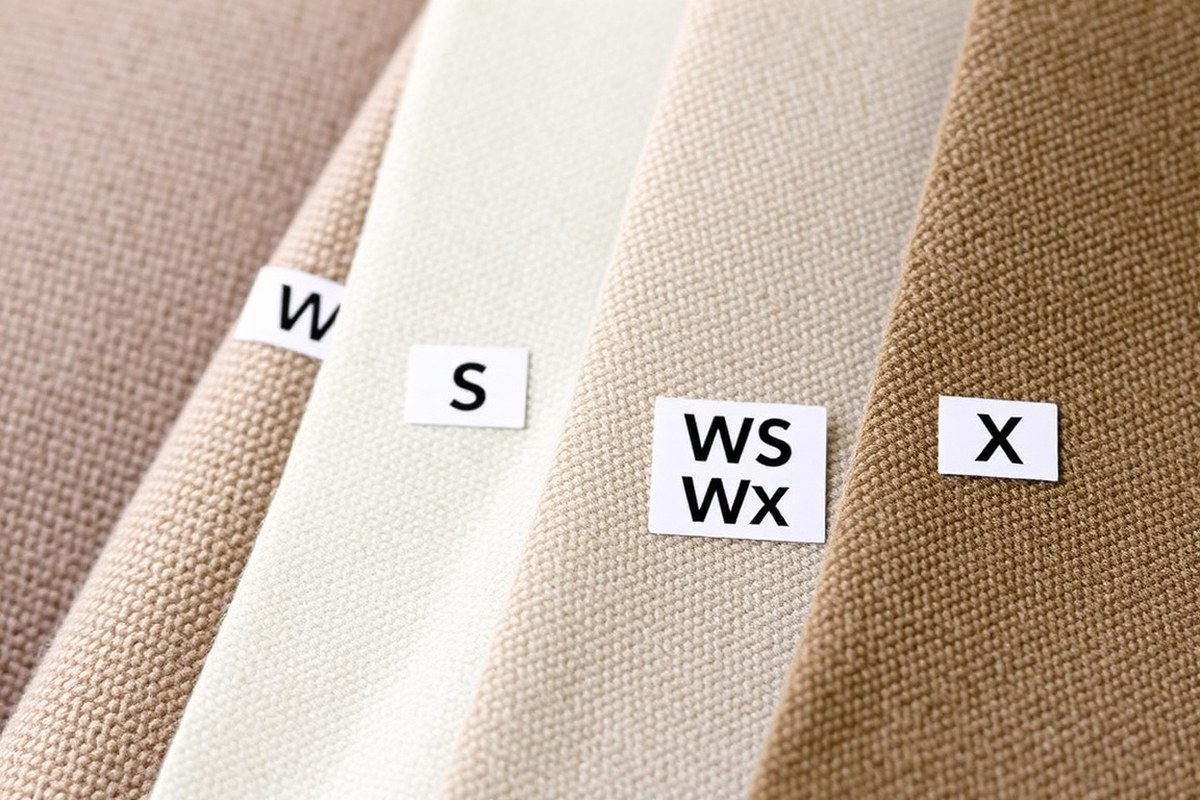
Upholstery fabric cleaning codes are essential for choosing the right cleaning method after moving. Each code indicates whether the fabric can be safely cleaned with water, solvents, both, or only vacuuming. Following these codes helps prevent damage such as shrinking, bleeding of dyes, or stains caused by inappropriate cleaning products. Before applying any cleaner, always locate the tag on your furniture to identify its code. Starting with the recommended cleaning approach ensures a better result and protects your investment in upholstery, which typically costs around $35 to $70 per yard. Below is a table summarizing the common upholstery cleaning codes, their safe cleaning methods, methods to avoid, and the best first step to ensure good results.
| Code | Safe Methods | Methods to Avoid | Best First Step |
|---|---|---|---|
| W | Water-based foam, mild soap solution, upholstery shampoo | Solvents, alcohol, dry-cleaning fluid | Vacuum, then blot with damp foam |
| S | Solvent spot remover, dry-cleaning solvent | Water, water-based sprays, steam | Vacuum, then spot-test solvent on a hidden area |
| WS | Water-based or solvent-based cleaners | Soaking, over-wetting | Vacuum, then choose the gentler water-based method first |
| X | Vacuum only, professional dry clean | Water, solvent cleaning | Vacuum only; call a professional for deep cleaning |
To use these codes effectively, start by vacuuming your upholstery to remove dust and debris. For W code fabrics, use a water-based cleaner or foam, avoid harsh solvents that may remove dyes or cause fabric damage. Gently dab or blot the area instead of scrubbing, which may wear out fibres. For S code fabrics, water-based cleaning can cause stains or shrinkage, so use dry-cleaning solvents or special spot removers. Always test in an inconspicuous area first to check for discoloration. Upholstery tagged WS allows either water or solvents but avoid saturating the fabric; start with water-based cleaners and only switch to solvents if necessary. Upholstery marked X cannot be cleaned with water or solvents and should only be vacuumed at home. For deeper cleaning, it’s safest to hire a professional cleaner familiar with this fabric type.
Tip: Always perform a spot test of any cleaner on a hidden area of upholstery and wait 15 minutes to ensure there is no damage or color change before full application.
Ignoring these codes can lead to costly repairs or replacement by damaging fabric fibres or colors permanently. Cleaning at home usually costs only a few dollars for mild soap or solvent products, but professional service ranges from $75 to $300 depending on fabric and size. Following the cleaning code is the safest approach to keep your upholstery looking fresh and lasting longer after the move.
Best Homemade Solutions and Safe Products for Upholstery
You can safely clean upholstery after moving by using gentle homemade solutions like mild dish soap and vinegar mixed with water. These common ingredients help remove dirt and some stains without harsh chemicals. Testing any cleaner on your fabric first is essential to avoid damage, and rinsing well prevents sticky residues that attract more dirt over time.
DIY Upholstery Cleaning Recipes
One effective homemade cleaner combines 3/4 cup warm water, 1/4 cup white vinegar, and 1 tablespoon of mild dish soap like Dawn. Put the mixture in a spray bottle and lightly mist the upholstery until damp. Vinegar kills about 85% of mold and helps remove stains, while the dish soap breaks down grime. Baking soda can also freshen fabric by sprinkling it on, letting it sit for 15 to 20 minutes, then vacuuming thoroughly.
For leather upholstery, mix 1/2 cup warm water with 1/2 cup vinegar plus a few drops of mild soap, applying gently with a soft cloth. Avoid soaking the leather and always wipe dry afterward. Synthetic fabrics respond well to similar water-vinegar-soap solutions but require quick drying to prevent moisture damage.
When to Use Commercial vs Homemade Products
Homemade solutions work well for light cleaning, deodorizing, and general freshening after a move, especially if you want to avoid chemicals. They cost only a few dollars for common ingredients and take about 10 to 15 minutes to prepare. However, stronger stains or significant mold issues might need commercial cleaners formulated for upholstery and mold removal, like EC3 or CitriDrops, which kill mold more effectively than vinegar alone.
Commercial products also come with usage instructions tested for different fabric types and may include foam or shampoo forms for deeper cleaning. Use commercial cleaners if you notice persistent odors, visible mold, or fabric damage. Otherwise, start with a homemade solution for routine post-move care.
Patch Testing and Safety Tips
Testing cleaning solutions on a hidden spot of upholstery is critical every time before applying anything widely. Spray or dab a small amount and wait at least 15 minutes to check for color fading, fabric weakening, or residue buildup. This step prevents costly damage or discoloration. Keep these tips in mind:
- Always dilute vinegar and soap with water for upholstery safety.
- Use a clean, damp cloth to rinse off any soap to avoid sticky residue.
- Allow upholstery to dry completely before use to prevent mold growth.
- Avoid soaking fabric to protect internal padding and structure.
- Ventilate the room well during and after cleaning to speed drying and reduce vinegar smell.
- Test any commercial cleaner according to the label and fabric type.
Following these precautions helps you clean upholstery effectively without risking fabric damage or faster dirt buildup, keeping furniture looking and smelling fresh after moving.
How to Identify and Treat Common Post-Move Upholstery Stains
Common upholstery stains after moving usually include pet urine or odors, spilled food and drinks, and mold or mildew spots from moisture exposure. Identifying the stain type quickly helps you pick the right cleaning method that preserves your fabric without causing damage. Targeted treatments use suitable cleaning agents and techniques tailored for each stain to restore your upholstery’s appearance safely.
Spotting and Treating Pet Stains
Pet stains on upholstery often come from urine, feces, or pet hair and oils. These stains can leave strong odors and discolor fabric fibers. Check removable cushion covers and underneath cushions, where pets may hide messes. Because pet stains penetrate deep, you’ll need a thorough approach that targets both the stain and the odor to prevent it from returning.
Use an enzymatic cleaner designed for pet stains, such as Simple Green or a specialized pet stain remover. These cleaners break down organic compounds that cause odors and residue. Avoid using harsh chemicals or bleach that could ruin fabric or cause color loss.
- Test the cleaner on a hidden spot to check for colorfastness.
- Vacuum pet hair and loose debris from the area.
- Apply the enzymatic cleaner to the stain thoroughly but do not saturate excessively.
- Let the cleaner sit for 10 to 15 minutes to break down the stain.
- Blot with a clean, damp cloth (use distilled water) to lift the cleaner and stain.
- Repeat application if the stain persists but avoid rubbing hard.
- Air dry the upholstery away from direct heat to prevent fabric damage.
Handling Food and Drink Spills
Moving often leads to accidental spills from unpacked snacks or drinks. Common stains can include coffee, wine, grease, or tomato sauce. Immediate action reduces the risk of permanent marks. Water-based stains respond well to gentle cleaning solutions, while oil-based stains may need solvent-based spot treatments.
- Blot fresh spills immediately with a dry cloth or paper towel to absorb excess liquid.
- Mix mild dish soap with distilled water for light stains or use a specialized upholstery spot cleaner.
- Apply the solution with a soft cloth, working from the outside of the stain inward.
- Gently blot, do not rub, to prevent pushing the stain deeper.
- Rinse by lightly dabbing with a cloth dampened in distilled water to remove soap residue.
- Pat dry with a clean towel and let air dry completely.
For greasy stains, sprinkle baking soda over the stain first to absorb oils. Let it sit for 15 to 20 minutes, then vacuum before treating with a soap solution.
Mold and Mildew Removal Techniques
Mold can develop if upholstery was stored in damp conditions during the move. Mold spots look like small dark patches and may cause musty odors. Removing mold is critical to avoid fabric damage and health risks from allergens.
Use an EC3 Mold Solution Spray or a mixture of distilled water, white vinegar, and baking soda to treat affected areas. Tap water is not recommended because it can introduce minerals that feed mold growth.
- Take the furniture outside to avoid spreading mold spores indoors.
- Vacuum the moldy area with a HEPA-filter vacuum to remove loose spores.
- Spray the mold solution generously on the affected fabric.
- Let it sit for 10 to 15 minutes.
- Blot with a clean cloth, repeat spraying if mold persists.
- Allow the upholstery to dry completely in sunlight or a well-ventilated area.
Multiple treatments may be necessary for extensive mold. Avoid saturating fabric to prevent water damage and fabric weakening.
Preventing and Managing Moisture and Mold Risks Post-Move
Upholstery often accumulates moisture during moving due to exposure to humid air, condensation in storage areas, or damp transport conditions. Moisture can become trapped in dense cushions, folds, or wooden frames, especially in climates with high humidity like Charlotte. This hidden dampness creates an ideal environment for mildew, which may start growing even before you notice any smell or visible spots.
Detecting moisture or mold early means carefully inspecting both the upholstery and its frame. Check cushions and seams for cold or damp patches by touch, particularly in shaded or less ventilated corners. Remove cushions and examine the wooden frame underneath; wood that stays above 20% moisture content encourages mildew growth. Also, look for musty odors or discolored spots, which often signal mold presence beneath the surface.
Preventing moisture buildup begins before and during the move. Three to five days before relocating, consider having sofas and mattresses professionally cleaned and thoroughly dried. When professional cleaning isn’t possible, allow upholstery to air out in a well-ventilated area for several hours. During the move, cover furniture with breathable materials rather than plastic tarps, which trap moisture. Avoid loading upholstery into trucks during rain or extreme humidity.
Once your furniture is in its new home, drying and mold prevention methods are important. Open windows or run fans to improve air circulation around upholstered pieces, aiming for a room temperature of about 70°F and relative humidity below 60%. Use soft, absorbent towels to blot any visible dampness; avoid rubbing, which can damage fabric fibers. For areas not fully dried within 24 hours, gently lift cushions and allow airflow inside and underneath.
In cases where upholstery has noticeable dampness or musty odor, using a wet cleaning machine may help, but rental units often do not heat water above 120°F and leave more moisture behind. This extra dampness can worsen mold risk, especially in humid climates. Using such equipment requires prompt air drying after with fans and dehumidifiers. Dehumidifiers that maintain indoor humidity between 40% and 50% are especially effective to reduce the risk of mold.
Regularly checking your upholstery over the first two weeks after moving helps catch moisture problems early. Signs like new stains, fabric stiffness, or an increasing smell of mildew call for repeat drying or professional treatment. Costs for preventing mold vary; using fans or dehumidifiers may mean a small electricity increase, while professional cleaning ranges between $75 and $150 per sofa but offers thorough moisture removal and mold treatment when needed.
Never wrap upholstery in plastic during moving or storage, as it traps moisture and encourages mold; opt for breathable covers instead to protect your investment safely.
How to Restore Upholstery Shape and Smooth Wrinkles After Moving
To restore shape and smooth wrinkles in upholstery after moving, focus on fluffing compressed cushions, using controlled heat or steam to relax fabric fibers, and carefully handling delicate materials to avoid damage. These steps help your furniture regain its original comfort and appearance.
Fluffing and Repositioning Cushions
Compressed cushions lose their loft and comfort during a move, especially when stacked or packed tightly. Fluffing them helps redistribute stuffing and revive their shape. Repositioning cushions regularly also prevents permanent indentations.
- Remove cushions from the furniture and gently shake them to loosen compressed filling.
- Pat and punch the cushions at different spots to redistribute the stuffing evenly.
- Place cushions flat on a clean surface in a well-ventilated area to air out for several hours.
- Rotate cushions every 30 minutes to encourage even expansion of the foam or fiberfill.
- Put cushions back on the furniture, adjusting them to fit snugly in their spaces.
- Regularly fluff cushions once or twice a week to maintain their shape over time.
For cushions with removable covers, take covers off carefully, fluff the inner cushion, and put covers back on while still slightly damp to stretch out wrinkles and prevent shrinking.
Using Heat and Steam Safely
Heat and steam relax upholstery fabric, helping smooth wrinkles and restore shape after a move. Renting a steam cleaner can be cost-effective when you don’t own one. Use low to moderate heat and steam cautiously to avoid fabric damage.
- Test a small, hidden area of the upholstery for colorfastness and fabric reaction before applying steam.
- Use upholstery attachments on your steam cleaner for controlled and targeted application.
- Hold the steam wand about 6 to 12 inches from the fabric, moving it continuously to avoid saturation.
- Immediately smooth out wrinkles and folds with your hand or a soft brush while the fabric is warm and damp.
- Allow the upholstery to dry fully in a well-ventilated room, avoiding direct sunlight which can cause fading.
Velvet, silk, or finely embroidered upholstery requires professional heat and steam treatment to preserve their appearance and avoid damage.
Avoiding Fabric Damage While Smoothing
Upholstery fabric and dye can be sensitive. Applying aggressive pressure or improper cleaning methods can cause permanent damage. Take care to follow specific fabric care instructions and consider professional help for delicate or expensive pieces.
Avoid harsh chemicals, abrasive brushes, and soaking upholstery during wrinkle removal. Gentle handling protects fabric integrity and colour brightness. Know when to call an expert: if deep creases remain after fluffing and steaming, or if the fabric is fragile or has intricate detailing, professional upholstery services using hot water extraction and specialized techniques will achieve better results and prevent costly mistakes.
Common Upholstery Cleaning Mistakes and How to Avoid Them
Using the wrong cleaning agents often damages upholstery after a move. Many household cleaners can fade colors or weaken fabric fibers, which shortens your upholstery’s life. Always check the fabric care code before applying any product. Some fabrics, labeled Code X, only tolerate vacuuming or gentle brushing and cannot handle wet cleaning without risk.
Color bleeding often happens when stains or cleaning liquids spread across the upholstery. Blurred spots appear, which can be tough to fix. Always use a clean white cloth and dab from the stain’s outer edge toward the center. This technique prevents the stain from spreading to nearby fabric.
Stop cleaning right away if the stain or odor gets worse, and work on clearing any remaining cleaning solution. For water-based cleaners, gently blot with a damp, clean cloth to lift residual product. For solvent-based cleaners, allow the fabric to air dry fully in a bright, well-ventilated area. Proper drying not only reduces cleaning chemical residue but also helps dissipate stubborn odors from the move.
Remember to keep your upholstery in a fresh, airy spot after cleaning. This helps remove lingering scents and allows the fabric to breathe, aiding in complete odor and moisture elimination before use. Avoid confining the furniture in tight spaces until it fully dries, as trapped moisture can cause mold growth and persistent smells. Common upholstery cleaning mistakes and how to avoid them include:
- Using harsh household chemicals without testing on a hidden spot first
- Not identifying upholstery fabric type and its specific cleaning code
- Rubbing stains instead of blotting gently, which can spread or embed them
- Applying colored cleaning products directly without dilution or neutralization
- Neglecting to remove cleaning residues through proper rinsing or drying
- Drying fabric in low-ventilation spots, increasing risk of mold or bad odors
- Over-wetting fabric, leading to shrinkage or deformation
Cleaning upholstery after moving requires patience and careful treatment. Pretesting any cleaner on a hidden area avoids unexpected color loss. Promptly blotting spills prevents permanent stains and reduces odor buildup. When you face stubborn spots, applying the right method and cleaning agent cautiously is key. In some cases, if damage or odor worsens, consulting a professional upholstery cleaner can save your furniture and avoid costly replacements.
When to Call a Professional Upholstery Cleaner After Moving
You should consider calling a professional upholstery cleaner after moving if your furniture shows signs of deep stains, lingering odors, or wear that home methods can’t fix. This includes undefined discolorations that won’t come out with spot cleaning, musty smells suggesting mold or mildew, and fabrics that feel stiff or rough from dust, dirt, or leftover packing residues. Also, if you notice fabric damage such as fraying, excessive wrinkling, or water spots that home cleaners haven’t improved, expert help is advisable. Professionals can use specialized equipment and cleaning solutions tailored to your fabric type, especially if the upholstery is “dry clean only” or requires solvent-based treatment.
When spotting damage signals, check your furniture carefully. If there’s heavy soiling in crevices, fuzzy areas that look matted down, or unpleasant smells that persist for several days despite airing out, this suggests deeper contamination. Visible mold or damp patches must be treated urgently by professionals to prevent health risks and irreversible damage. For fine fabrics like wool blends or antique upholstery that carry an S cleaning code, low-moisture or solvent cleaning by an expert preserves the material’s integrity. Also, if the piece hasn’t been professionally cleaned in 12 to 18 months, a thorough expert session can restore freshness and extend its lifespan.
Choosing the right professional cleaner involves confirming their experience with your upholstery type and post-move conditions. Ask whether they use equipment that delivers deep cleaning without over-wetting, since excessive moisture can cause mold and shrinkage. For instance, cleaning systems using concentrated, low-moisture solutions are effective and reduce drying time. Discuss any particular stains or odors you want them to address. Licensed services usually provide a consultation and fabric-safe guarantee, which helps you avoid damage and costly repairs later.
Decide to book a professional cleaner if your home efforts take more than two tries without improvement or cause fabric color loss. Scheduling depends on your circumstances but generally, a professional clean shortly after moving, especially before heavy usage, helps remove dust and allergens brought in during the move. Follow this initial cleaning with professional treatments every 12 to 18 months to maintain the upholstery in good condition.
Always check the manufacturer’s label and professional cleaner credentials before treatment to ensure your upholstery receives the safest and most effective care.
Step-by-Step Action Plan for Cleaning Upholstery After Moving
Follow these steps in order to effectively refresh and protect your upholstery right after your move.
- Before Unpacking: Vacuum all upholstery surfaces thoroughly to remove dust and debris from the move. Check for visible stains or moisture.
- Day 1: Spot treat any stains using a safe homemade solution like diluted dish soap and water. Test on a hidden area first to avoid damage.
- Day 2-3: Use a fabric-safe upholstery cleaner or steam cleaner if appropriate for your fabric. Ensure the upholstery dries completely to prevent mold.
- Week 1: Apply a fabric freshener or mild deodorizer to remove any lingering odors. Open windows or use a fan to improve air circulation.
- Week 2: Gently reshape cushions and smooth wrinkles with your hands or by using a low-heat iron with a cloth barrier if fabric allows.
- After 2 Weeks: Inspect upholstery for any new stains or moisture buildup. Address problems promptly with spot cleaning or drying techniques.
- As Needed: Avoid harsh chemicals or excessive water to protect fabric integrity. Consider professional cleaning if stains persist or fabric is delicate.
Frequently Asked Questions
Can I Use Dawn Dish Soap to Clean Upholstery?
Dawn dish soap can be used but rinse thoroughly afterward to avoid residue that attracts dirt. Soap left in fabric stiffens it, so dampen a cloth with water to rinse off any soap traces.
What Is the Best Way to Clean the Arms of an Upholstered Chair?
Gently dab the arms with a mild cleaning solution suited for the fabric type using a soft cloth. Avoid rubbing aggressively to protect the fabric and maintain the chair’s finish.
What Is the Best Homemade Solution for Cleaning Upholstery?
A mix of water, mild dish soap, and vinegar can clean most upholstery fabrics effectively. Test on a hidden spot first to prevent damage or color loss.
What Is the Best Thing to Clean a Fabric Couch With?
Use a homemade solution or a gentle all-purpose cleaner like Simple Green for spot cleaning or a deep clean with an upholstery machine. Always check fabric care instructions beforehand.
How Soon Should I Clean Upholstery After Moving In?
Aim to clean upholstery within two weeks of moving to remove dirt, dust, and any new stains promptly. Early cleaning helps maintain the fabric’s look and prevents lasting damage.
Can I Use a Steam Cleaner on All Upholstery Fabrics?
Not all fabrics tolerate steam cleaning; check manufacturer guidelines first because steam can shrink or damage some delicate materials. Use steam only on fabric types labeled as safe for heat and moisture.
Key Points to Remember
Cleaning your upholstery after moving removes dust, stains, and odors that can accumulate during transit and setup. Targeting issues early protects your investment and keeps your furniture comfortable and fresh. Start by vacuuming and addressing stains promptly so your upholstery feels like new in your home.