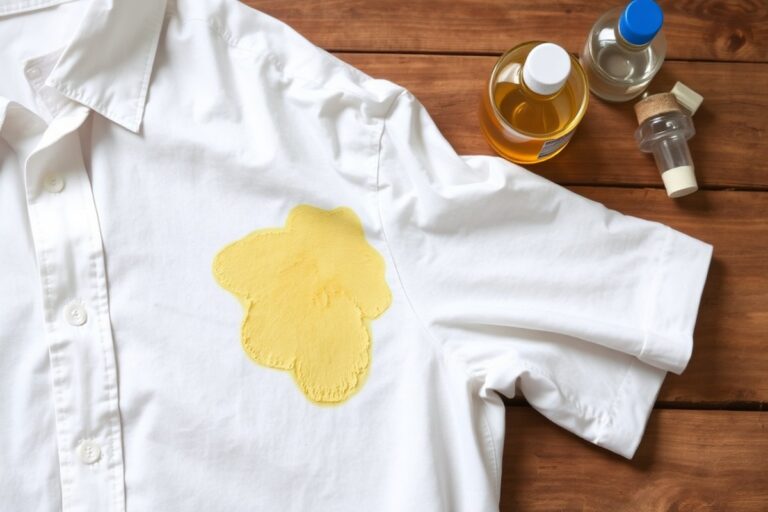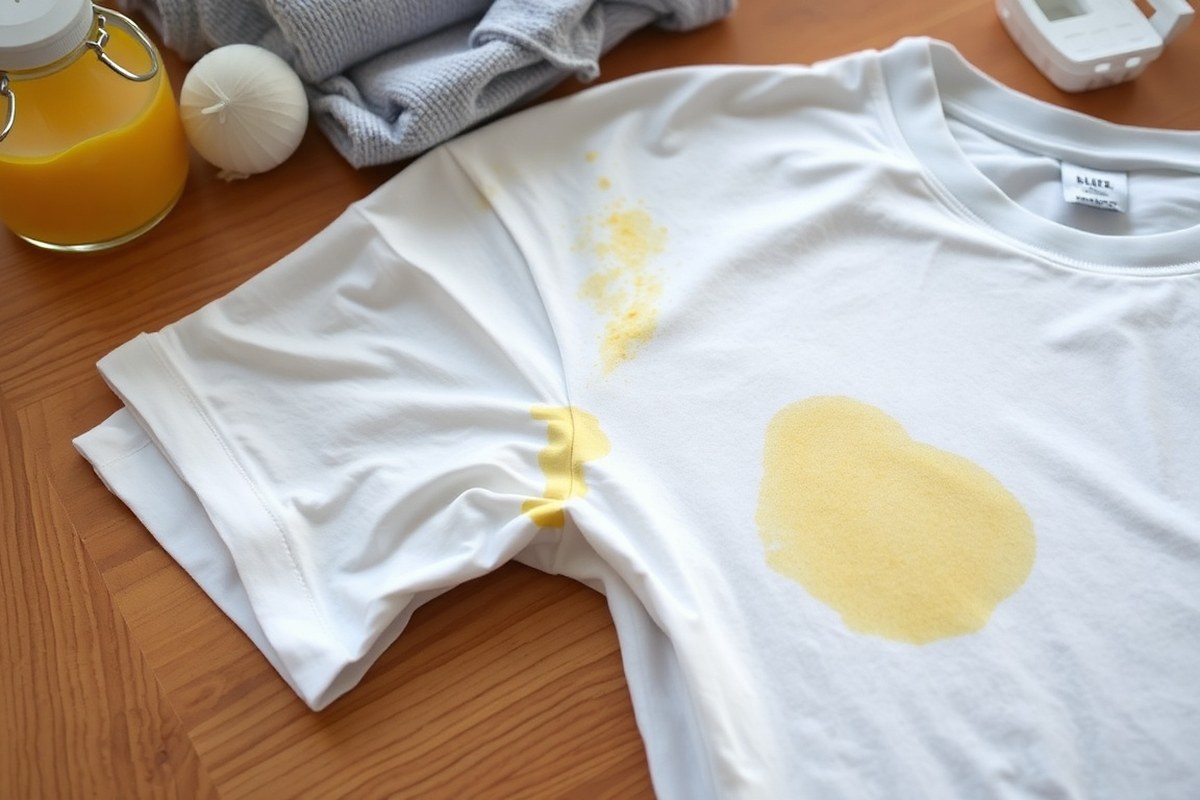
How Do You Get Rid of Yellow Armpit Stains: 8 Proven Methods That Work
You get rid of yellow armpit stains by treating them quickly with the right combination of pre-soaking, stain removers, and washing based on fabric type. Using targeted stain treatments, letting garments soak for 2 to 8 hours, and washing shirts within 24 hours after wearing prevents stains from setting permanently. These steps help undo the chemical reaction between deodorant and sweat that causes tough yellow marks.
This advice is for anyone frustrated by persistent yellow armpit stains on their everyday clothes. You’ll learn fast, safe stain removal methods and practical tips to prevent stains from coming back, saving your favorite shirts from embarrassment and early wear-out.
Key Takeaways
- Apply a stain remover directly on the yellow armpit stain and let it sit for 30 minutes to 1 hour before washing.
- Soak garments for 2, 4 hours for fresh stains, or 4, 8 hours for older, set stains before laundering.
- Wash sweat-soiled shirts within 24 hours to prevent stains from chemically bonding to fabric fibers.
- Match detergent strength and water temperature to the fabric type for effective stain removal.
- White shirts are more prone to yellow armpit stains; treat stains promptly to avoid permanent discoloration.
- Set stains are harder to remove due to chemical reactions between deodorant and sweat, requiring longer soak times.
1. How to Remove Yellow Armpit Stains Quickly and Safely
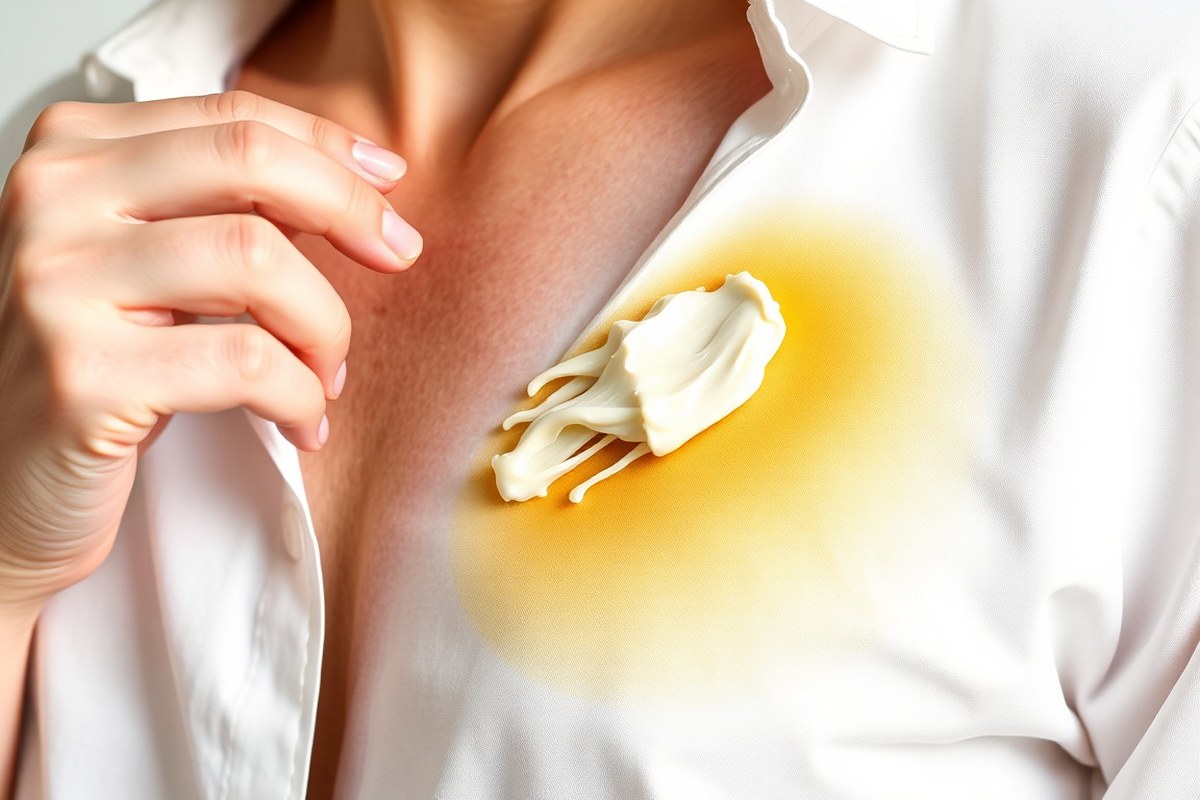
Yellow stains under the arms result from a combination of deodorant buildup, sweat salt, and natural body oils, making them hard to remove with just a wash. Soaking the garment at home soon after staining is the most effective way to tackle the problem. New stains usually need about 2 to 4 hours of soaking, but older stains require longer, ranging from 4 to 8 hours or overnight. You can soak the fabric more than once if the stain does not fade, as most yellow marks reduce noticeably after one or two soaks.
Oxygen bleach works well on white cotton and blends without risking damage to colors. Avoid using regular chlorine bleach on colored clothes, as it can cause fading or damage. Using warm water (around 90°F or 32°C) helps activate stain removal without harming fabric. After soaking, washing with a detergent suited to your fabric type and washing in the warmest water recommended on the care label increases effectiveness. Sunlight exposure after washing can also help fade any remaining stains by breaking down stain molecules with UV rays.
- Mix a soaking solution: Fill a basin or sink with warm water (about 90°F). Add oxygen bleach according to the product instructions, usually about one scoop (around 1 tablespoon) per gallon of water.
- Submerge stained clothes: Place the yellow-stained areas completely underwater, ensuring they’re fully saturated with the solution.
- Let clothes soak: Soak fresh stains for 2 to 4 hours. For set or stubborn stains, let the fabric soak 4 to 8 hours or overnight.
- Check after soaking: Inspect the garment for stain fading. Let the stain soak again for up to 8 hours if any yellow discoloration is still visible.
- Wash normally: After soaking, wash clothes using a detergent suitable for the fabric at the highest safe water temperature recommended on the care label.
- Dry in sunlight: Hang the garment outside in sunlight to naturally fade any leftover discoloration with UV exposure.
- Repeat if necessary: If stains remain after drying, repeat the soak and wash steps. Most armpit stains lighten noticeably after one or two treatments.
Be cautious with delicate fabrics, always test the soaking solution on an inconspicuous spot first. Avoid chlorine bleach on colors to prevent damage. Soaking treatments cost just the price of oxygen bleach powder, typically under $10 for a container that lasts many uses. This soak-and-wash routine fits into your laundry day easily and can restore your favorite shirts and blouses that had yellow armpit stains.
2. What Causes Yellow Armpit Stains and Why They’re Hard to Remove
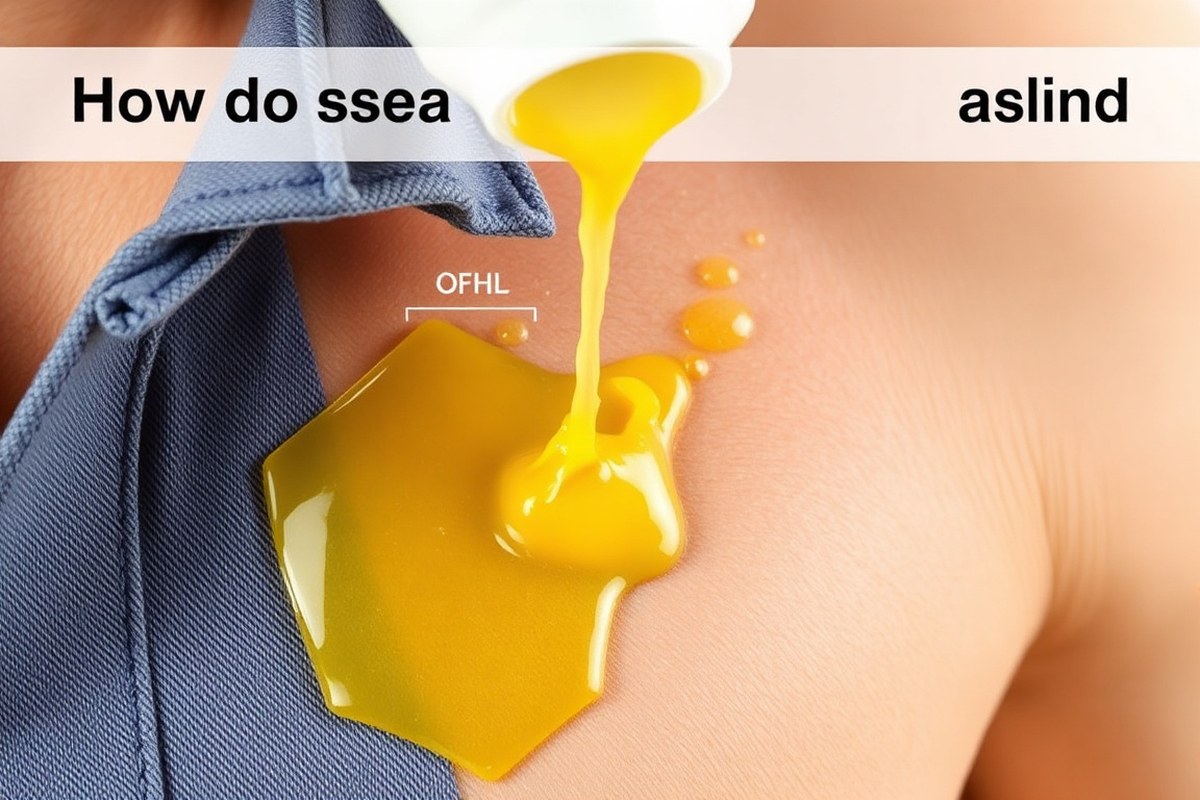
Yellow armpit stains form because of a chemical reaction between aluminum compounds in antiperspirants and the sweat your body produces. These aluminum salts are added to most antiperspirants to block sweat glands and reduce moisture. When you sweat, minerals like salt and proteins in your sweat combine with the aluminum. This mix interacts with the fabric, especially cotton, causing the yellow or brown discoloration that’s hard to remove.
The key issue is that the stain isn’t just sweat or deodorant sitting on top of the fabric, it’s a bond formed through chemistry. Aluminum compounds react with sweat’s proteins and salts to create a compound that adheres strongly to the fibers of your shirt. This reaction makes the stain resistant to normal washing, because water and regular detergent alone can’t break these chemical bonds.
Aluminum is what gives antiperspirants their sweat-blocking power, but it also makes these stains water-resistant. That means simply tossing your shirt in the washing machine doesn’t fully remove the stain, especially if it’s set in. Over time, as the aluminum builds up and reacts repeatedly with sweat, the stain deepens and becomes even tougher to clean.
Choosing an aluminum-free deodorant can help prevent these stains because it doesn’t cause the chemical reaction with sweat. For clothes already stained, pretreating the armpit area before washing is important. Using an enzyme-based stain remover breaks down the protein in sweat and the aluminum compound, loosening the stain. Applying a paste made from common household items like lemon juice or enzyme sprays and letting it sit for several minutes before washing can improve results.
For workout clothes or shirts worn in hot weather, pretreating stains even if you don’t see yellowing yet can reduce buildup. The sooner you treat and wash your clothes after sweating, ideally within 24 hours, the less time aluminum and sweat have to react and set the stain. Hot water can sometimes help, but only if the stain is fresh, since heat may also bake in older stains.
Quickly washing shirts after sweating and applying enzyme-based pretreatments are your best bets to stop yellow armpit stains from becoming permanent. Avoid using antiperspirants with aluminum to prevent the chemical reaction.
3. Best Treatments Based on Fabric Type and Stain Age
Choosing the right way to treat yellow armpit stains depends largely on your fabric type and how fresh the stain is. White fabrics handle stronger treatments like oxygen bleach best, while colored and delicate fabrics require gentler options to avoid damage or fading. Fresh stains respond well to quick treatment and cold water rinse, while set-in stains might need longer soaking and repeated care.
Use oxygen bleach, such as OxiClean, on white cotton fabrics for effective stain removal. It breaks down the stain molecules without the harsh effects of chlorine bleach, which can actually make yellow stains worse. For colored clothes, baking soda mixed with white vinegar offers a mild but effective solution that won’t risk bleaching colors. Delicate fabrics benefit from lemon juice or this baking soda and vinegar mix because these treatments avoid harsh chemicals and still lift stains with acid and gentle abrasion.
Older, set-in stains require more time. Apply your chosen treatment directly to the stain and let it sit for 30 minutes up to an hour before washing. Cold water washing helps prevent stains from setting further. Avoid warm or hot water, as heat can lock stains permanently into the fabric. If the fabric type isn’t clear, start with the gentlest method and test on a hidden area first.
| Fabric Type | Best Treatment | Water Temperature | Stain Age | Notes |
|---|---|---|---|---|
| White cotton | Oxygen bleach (OxiClean) | Cold | Fresh or set-in | Strong stain removal; avoid chlorine bleach |
| Colored fabrics | Baking soda + white vinegar | Cold | Fresh or set-in | Gentle, preserves colors, no bleaching risk |
| Delicate fabrics (silk, wool) | Lemon juice or baking soda + vinegar | Cold | Fresh | Avoid harsh chemicals, test first |
| Unknown fabric | Start gentlest (baking soda + vinegar) | Cold | Fresh | Test small area before full application |
You’ll usually find better results when treating stains right away. Remove clothes quickly, rinse with cold water, then apply the appropriate treatment chosen from the table. For set-in stains, repeat applications with a longer wait time can lift them gradually. Oxygen bleach is safe on many colored fabrics but check each product’s package instructions before use to avoid unwanted color loss.
Cost and effort vary. Oxygen bleach products range from $5 to $15 for a box or tub and usually require adding to cold water wash cycles or soaking the garment. Baking soda and white vinegar are inexpensive household items, about $1 to $3 total, and you can make a paste mixing 3 tablespoons baking soda with 1 tablespoon vinegar applied directly. Lemon juice is similarly low cost and is applied straight or diluted slightly.
4. How to Prevent Yellow Armpit Stains from Returning
You can significantly reduce yellow armpit stains by choosing the right deodorant, handling clothes carefully, and managing workout gear properly. Preventing stains involves avoiding aluminum-based products, protecting your shirts with undershirts, and pretreating athletic clothes regularly. These steps help keep your favorite tops looking fresh and clean longer.
Switch to Aluminum-Free Deodorants
Yellow stains form mainly because aluminum compounds in many antiperspirants react with sweat and fabric. Switching to aluminum-free deodorants stops this chemical reaction, preventing fresh yellow stains. Aluminum-free options are widely available at drugstores and online, often costing between $5 and $15 per stick or spray.
Look for deodorants labeled “aluminum-free” and check reviews, The Good Trade offers reliable ratings for effective products without aluminum. Keep in mind that these deodorants may not reduce sweating as much, so you might need to reapply during heavy activity or hot days.
Wear Undershirts and Change Clothes Promptly
Adding an undershirt prevents sweat and deodorant from touching your outer shirt, reducing staining. Choose lightweight, breathable cotton undershirts and replace them daily or immediately after heavy sweating. Changing out of damp or sweaty clothes quickly also keeps fabrics from absorbing residues that cause yellowing.
Pay attention to garment care instructions; some shirts can’t handle high heat or frequent washing. For dry-clean only tops, avoid DIY stain removal and trust a specialist familiar with yellow stains to protect your clothes.
- Wear a breathable cotton undershirt under dress shirts and blouses
- Change undershirts daily or after exercise
- Switch out of sweaty clothes as soon as possible
- Follow garment care labels closely, avoid high-heat washing if not recommended
- Use professional dry cleaning if your shirt is dry-clean only
Following these habits reduces how much sweat and deodorant residue stays on your outer layers, lowering the risk of stubborn yellow stains.
Pretreat Workout Gear Regularly
Workout clothes often face heavy sweat and deodorant buildup, making yellow stains more likely to form. Pretreating these garments after every use helps break down residue before it settles in. Apply a stain remover targeted for sportswear or use a mixture of liquid detergent and water on armpit areas. Let it sit for 10 to 15 minutes before washing.
Washing workout gear promptly in cold or warm water helps prevent stains from bonding to fibers. Avoid drying sweaty clothes in heat without pretreatment, as high temperatures can set stains permanently. Generally, pretreating each time you wear and wash ensures better stain prevention and prolongs garment life.
5. Why Sunlight Can Help Fade Yellow Armpit Stains
Sunlight can help fade yellow armpit stains by breaking down the molecules responsible for discoloration. Ultraviolet (UV) rays from the sun act as a natural bleaching agent that gradually lightens the stain by degrading the chemical bonds in the stains caused by sweat and deodorant buildup. This process works whether the garment is out in direct sunlight or simply near a bright window, as UV rays penetrate light clouds and glass to some extent.
To use sunlight safely and effectively for stain removal, lay your garment flat in a well-lit area where it can get direct UV exposure. Depending on the intensity of sunlight and the thickness of the stain, aim for about two to four hours of exposure. Shorter time spans might only lighten the stain slightly, while longer periods help break down tougher stains. Keep an eye on the fabric during this process to avoid overexposure, especially with delicate materials.
While sunlight aids bleaching, too much can weaken or fade some fabrics. Natural fibers like cotton and linen tend to tolerate sun exposure better than synthetics such as polyester or nylon, which may brittle or discolor over time. Avoid leaving the garment out for many days straight or during the hottest peak hours (around 10 a.m. To 4 p.m.), when intense UV can degrade fibres. Rotate or flip clothes occasionally to promote even fading and reduce stress on any one spot.
Using sunlight in combination with an enzyme-based stain remover can speed up the fading of yellow armpit stains. Enzymes digest protein and deodorant residues, making the stain easier for UV rays to break apart. After applying the enzyme treatment, rinse the garment, then dry it in the sun as described. This two-step approach use natural chemical breakdown and light bleaching without harsh chemicals.
Sun drying is also a low-cost, environmentally friendly step that costs nothing beyond your time. The key is balancing exposure time with fabric type and stain severity. Lighter stains may fade noticeably after just a couple of hours, while older, more stubborn stains could require several sessions, possibly repeated over days with washing in between.
Never put yellow stained clothes in a hot dryer before sun treatment; heat often sets stains permanently, making sunlight less effective for removal.
6. Common Mistakes That Worsen Yellow Armpit Stains and How to Avoid Them
Never use chlorine bleach on yellow armpit stains. Chlorine bleach reacts with sweat and deodorant residues, causing the fabric to turn yellow or weaken. This can make the stain look worse and damage your clothes permanently. Instead, choose oxygen-based bleach if you want to brighten whites, but only on fabrics labeled safe for it. Always check care labels before applying any bleaching agents.
Skipping pretreatment often sets the stain deeper. Stains trapped in fibers become harder to remove after a regular wash. Pretreat your armpit stains by applying an enzyme spray or the recommended stain remover directly to the area. Let it sit for at least 10 to 15 minutes before washing. For a strong, quick solution, dissolve five crushed enzyme tablets in a quarter cup of warm water and apply. This targets the proteins in sweat stains effectively without harming the fabric.
Washing improperly can also entrench stains or harm delicate fabrics. Use cold or warm water instead of hot water; hot temperatures can set protein-based stains like sweat. Use gentle cycles for delicate materials and avoid harsh scrubbing, which may stretch or weaken fabric fibers. Testing stain removers on a hidden spot helps prevent unexpected damage or discoloration.
- Do a fabric patch test with any stain remover before full application
- Remove surface dirt or deodorant residue before treatment
- Avoid chlorine bleach, especially on colored or synthetic fabrics
- Pre-soak armpit stains with enzyme spray or crushed tablet solution
- Use cold to warm water, never hot, during washing
- Choose gentle wash cycles for delicate garments
- Don’t rub aggressively to protect fabric weave and stretch
Protecting delicate fabrics means using milder methods. Enzyme sprays work well and usually do not harm fragile fibers like silk or lace. Applying a diluted pretreatment solution and letting it soak for about 15 to 30 minutes is safer than long overnight soaks, which sometimes produce minimal additional benefit. After pretreatment, wash sensitive items in a mesh laundry bag to reduce friction. Avoid bleach and harsh detergents on anything labeled “hand wash only” or “dry clean.”
7. How to Handle Odor and Tough Residue in Armpit Stains
Enzymatic stain removers work well on protein-based stains like yellow armpit marks, breaking down the sweat and deodorant residues that cause both stains and odor. When smell lingers after washing, targeted treatments like white vinegar or dish soap can neutralize odor molecules. Persistent stains often need multiple enzyme applications combined with these odor-fighting steps to fully clear residue and smell.
Apply Enzyme Stain Sprays Before Washing
Enzymatic stain sprays contain proteins that digest components of sweat and deodorant remaining in fabric fibers. They are especially effective on dried, set-in armpit stains. For best results, apply enzyme spray directly to the dry stain before adding detergent or water. Follow these steps to use enzyme stain sprays:
- Lay the garment flat or hang it to keep the stained area accessible.
- Spray the enzyme stain remover generously over the yellow armpit stain, covering it fully.
- Allow the spray to soak into the fabric for at least 15 minutes at room temperature.
- Do not rinse or wet the area before applying the spray; it works best on dry fabric.
Repeat application can be necessary if the stain persists after one treatment. Enzymatic sprays typically cost between $5 and $15 per bottle and can be found at grocery or home supply stores. Enzymes lose effectiveness if the fabric is already wet or if sprayed too lightly.
Use White Vinegar or Dish Soap Treatments
If odor remains after washing and enzymatic treatment, white vinegar or dish soap can help remove the residual smell. Vinegar neutralizes alkaline substances in sweat, while dish soaps break down oils and deodorant buildup.
Dish soap brands like Dawn are popular because their grease-cutting ability targets residue in fabric fibers. Use these treatments carefully, especially on delicate fabrics, to avoid damage. Try these steps to address odor and tough residue:
- Mix 1 cup of white vinegar with 2 cups of cold water in a basin.
- Soak the stained armpit area of the garment in this solution for 30 minutes.
- Gently rub a small amount of Dawn or similar grease-fighting dish soap into the stain.
- Rinse thoroughly with cold water before washing as usual.
This approach costs just a few cents per treatment and uses common household items. Avoid soaking delicate silk or wool in vinegar and test dish soap on a hidden area for colorfastness.
Repeat Washing Cycles If Necessary
Even strong enzymatic sprays and odor treatments may not completely remove old or heavy armpit stains after a single wash. Multiple wash cycles applying treatments before each wash improve stain and smell removal. To work through stubborn stains without damaging fabric, follow these steps:
- Apply enzyme stain remover to the dry stain as described above.
- Wash the garment using the hottest water safe for the fabric.
- Check the stain and smell after drying; do not put the garment in the dryer if the stain remains, as heat can set it further.
- Repeat enzyme application and washing as needed up to 3 times.
Using this repeated cycle method requires patience but increases your chances of full stain and odor removal. Avoid bleach on yellow armpit stains as it can worsen yellowing or fabric damage.
8. When to Seek Professional Help for Yellow Armpit Stains
Seek professional cleaning when your garment’s care label advises dry cleaning or the fabric feels delicate or high-end, such as silk, wool, or rayon. Professional cleaners can safely remove yellow armpit stains without damaging sensitive materials. When you don’t know how to remove a stain or home methods haven’t worked, it’s safer to use a professional cleaner.
Check Garment Care Labels Carefully
Look for the care label inside your garment, usually at the neck, side seam, or waistband. The label tells you how to wash, dry, and treat the fabric safely. Terms like “Dry Clean Only,” “Hand Wash,” or specific temperature limits indicate the safest way to clean the item.
Note any symbols for washing: a bucket icon with a number shows the highest water temperature (e.g., 30°C or 86°F), while a circle often refers to dry cleaning. When the label says “Do Not Wash” or “Dry Clean Only,” avoid soaking or machine washing to prevent shrinking, fabric damage, or colour loss.
Identify Dry Clean Only and Delicate Fabrics
Fabric type makes a big difference in how you treat stains. Dry clean only fabrics typically include:
- Silk and satin
- Wool and cashmere
- Rayon and acetate
- Leather and suede
- Garments with intricate embroidery or beading
These fabrics usually react poorly to harsh stain removers, bleach, or excessive water and heat. The dry cleaning process uses solvents and trained techniques to break down perspiration stains without harming these materials. Trying at-home methods risks shrinking, warping, colour fading, or losing garment shape.
Dry cleaners typically charge between $10 and $25 per shirt or blouse, depending on location and fabric, which can be worth the investment to preserve a favourite or expensive piece. Persistent yellow stains that home treatments can’t remove are better left to a professional to avoid making them permanent.
Find and Communicate with Experienced Cleaners
Choose a dry cleaner with a good reputation and experience handling stains on delicate clothing. Look for reviews or personal recommendations to ensure quality service. When dropping off your garment, clearly describe the stain’s age, attempted treatments, and any sensitivities the fabric has.
Provide these details to help the cleaner select the right solvents and methods. You might say exactly: “This is a silk blouse with yellow armpit stains from sweat, treated once with mild detergent. Please avoid bleach.” Asking for a low-risk test on a small unseen area before full treatment can prevent damage.
Always ask if the cleaner offers a satisfaction guarantee or follow-up care for persistent stains.
Professional cleaning can take 2 to 5 days, depending on workload and treatment complexity. Some cleaners offer express service for an extra fee. Air drying post-cleaning is generally safer unless the label allows low-heat machine drying. Low heat and short cycles minimize the chance of heat setting any residual stain.
Step-by-Step Action Plan to Remove Yellow Armpit Stains
Follow these steps to tackle yellow armpit stains effectively and keep your clothes fresh. Each step includes how to check if the stain is improving or gone.
- Before washing: Apply a stain remover or a paste of baking soda and water directly to the yellow stain. Let it sit for 15 minutes to start breaking down the stain.
- During wash: Use a laundry detergent with enzymes designed for protein stains and add an oxygen-based bleach if the fabric allows. Check the stain after the wash cycle ends.
- After washing: Inspect the garment while damp. When the stain is still visible, avoid drying clothes because heat can set it permanently. Repeat the stain treatment and wash again.
- After drying: If the stain has lightened but not disappeared, place the garment in indirect sunlight for a few hours to help fade the stain naturally. Avoid direct harsh sunlight on delicate colors.
- Once dry: Smell the armpit area to confirm no odor lingers. When odor lingers, apply a mix of white vinegar and water before washing again.
- Weekly maintenance: Use an antiperspirant that doesn’t contain aluminum zirconium compounds to prevent future buildup that causes stains.
- Monthly checkup: Assess garments that frequently get stains and perform a prewash soak in cold water with enzyme detergent to prevent buildup.
Frequently Asked Questions
Is Yellow Sweat Healthy?
Yellow sweat is not harmful but results from sweat mixing with deodorant chemicals, not a health issue. It’s mainly cosmetic and doesn’t indicate an underlying medical problem.
Does Dawn Dish Soap Remove Armpit Stains?
Dawn can help break down oil and deodorant residue in armpit stains but works best when combined with other stain removers. It’s useful as a pre-treatment before washing.
Can Old Yellow Stains Be Removed?
Yes, old yellow stains can be removed with oxygen bleach soak for several hours or overnight, especially on white or colorfast fabrics. Stubborn stains may need repeated treatments.
How to Remove Dark Armpit Stains?
Dark armpit stains require stronger treatments like oxygen bleach or enzyme-based detergents, paired with warm water and soaking times of 2 to 8 hours for best results.
Why Do Some Shirts Get Armpit Stains and Others Don’t?
Differences in fabric type, deodorant ingredients, and individual sweat chemistry cause some shirts to stain while others stay clean. Synthetic blends may resist stains better.
Can Vinegar Help Get Rid of Yellow Armpit Stains?
Vinegar can help break down deodorant buildup but is less effective alone; it works best as a rinse or part of a cleaning mix with baking soda.
The Bottom Line
Removing yellow armpit stains requires targeted treatment and careful follow-up, but you can restore your clothes’ appearance without harsh chemicals. Start by treating stains promptly and avoid heat before the stain is fully gone. Try the first step now by applying a safe stain remover so you can prevent these marks from ruining your favorite shirts.