Can You Wash These Items? A Complete Guide with Safe Methods
You can wash most everyday items safely at home with the right methods, including clothing, shoes, and some non-clothing textiles. Avoid damaging fabrics by choosing proper washing techniques, temperatures, and stain treatments suited to each material type.
This article is designed for anyone wanting to care for their garments and household textiles effectively without costly dry cleaning. It covers how to wash various fabrics, treat stains, care for delicate or embellished items, and when professional cleaning might be safer.
Key Takeaways
- Quick wash cycles lasting 30-40 minutes are usually sufficient to clean most clothes thoroughly.
- Always test stain removers on a hidden garment spot, then let them sit 10, 15 minutes before washing.
- Hand wash wool sweaters by gently agitating them for 10-15 minutes to evenly distribute detergent.
- Use dedicated detergents like microfiber wash for specialized fabrics and avoid fabric softeners with them.
- Soak stained or heavily soiled items up to 30 minutes for better dirt removal.
- Place small items such as hair ties in mesh laundry bags to prevent loss or damage.
What Can and Cannot Be Washed at Home Safely

Washing certain garments and household items at home can save time and money but knowing which fabrics and objects are safe for home laundering matters to avoid damage or costly mistakes. Fabrics like cotton, polyester, and acrylic handle machine washing well and tolerate warm or hot water. Wool and cashmere, although more delicate, can usually be hand washed with a gentle detergent and cool water to avoid shrinking or felting. Some silk and rayon items can be home-washed on gentle cycles or by hand, but always check the care label first. Avoid washing structured garments, heavily embellished pieces, and fabrics such as viscose or those marked “dry clean only” because home washing risks deformation, colour loss, or damage to decorations.
Beyond clothing, many household textiles can be cleaned in your washer safely. Items like cotton or polyester bed sheets, pillowcases, curtains, and washable cushions generally tolerate machine washing. Microfiber cloths and small washable rugs can often be refreshed this way too, but use a detergent formulated for the material and avoid fabric softeners that may reduce absorbency. Keep in mind that delicate household items, such as wool throws or upholstery covers with intricate details, require careful hand washing or professional cleaning to preserve their integrity.
Several items should never go in a home washing machine. Shoes with leather parts, leather garments, and embellished or structured items risk damage in a washer. Items with foam or memory foam, such as some pillows and mattress toppers, usually require spot cleaning or professional care because water can destroy their support qualities and trap moisture. Similarly, delicate fabrics labelled “dry clean only” should be left to the professionals to prevent irreversible shrinkage or texture loss. Avoid washing any item with fire-resistant or waterproof coatings at home, as water may remove these finishes and reduce the item’s performance or safety.
To wash home-safe garments and household items effectively, always start by reading the care label carefully. Separate laundry by fabric type and colour to prevent bleeding or damage; wash cotton and polyester together on a warm setting (around 104°F or 40°C) and hand wash wool or cashmere in cool water (below 86°F or 30°C) using a specialized detergent. Delicate items should be washed inside out or in mesh laundry bags for extra protection. Avoid overloading the machine to ensure thorough cleaning without excessive wear. For stain treatment, apply a stain remover and let it sit for 10 to 15 minutes before washing. This routine keeps your clothes and household textiles clean and preserves their lifespan without costly repairs or replacements.
How to Choose Between Hand Washing and Machine Washing
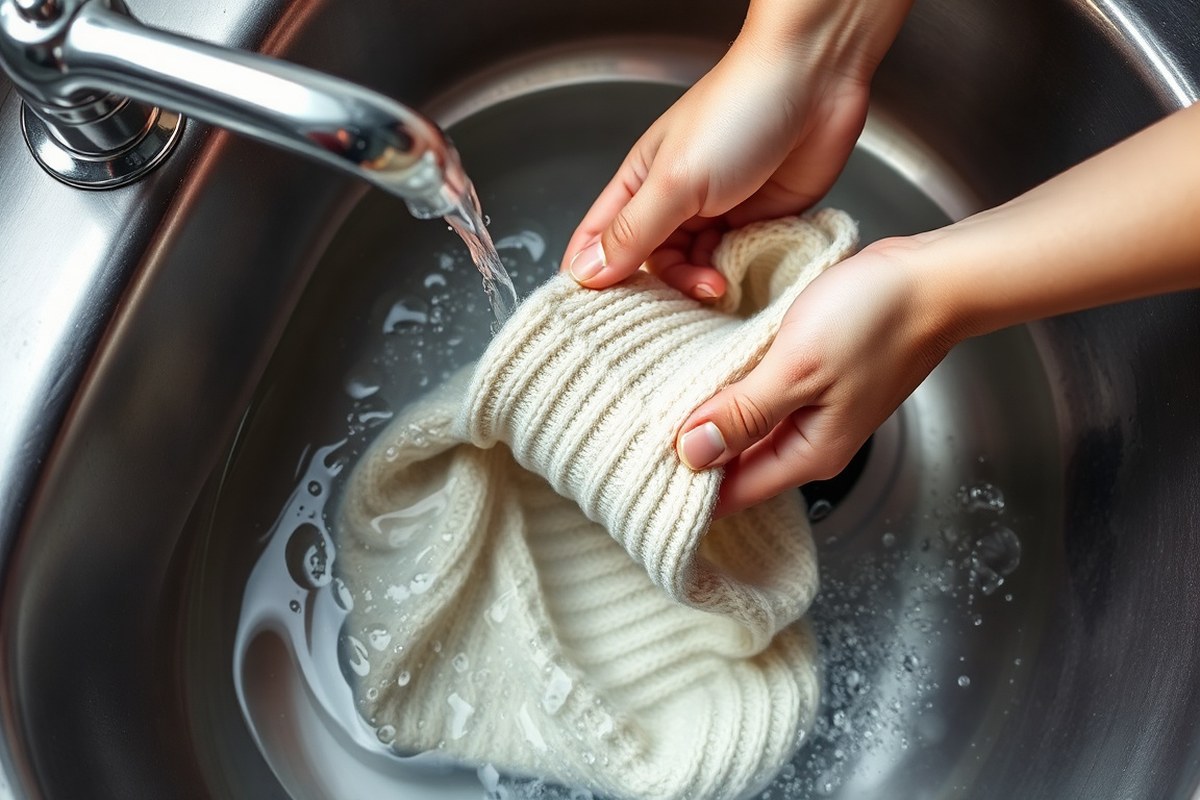
Hand washing is best for delicate fabrics, garments with special detailing, or items that require gentle care to maintain their shape and color. You’ll want to hand wash silk, wool, lace, and embellished clothing because machine washing can cause shrinkage, distortion, or damage to delicate fibers and decorations. Fabrics that bleed dye should also be hand washed initially to set the color and avoid transfer. Hand washing uses cool water around 60-80ºF and mild soap, such as a gentle dishwashing liquid. Soak the item briefly, gently rub the fabric where needed, then rinse well. Avoid wringing tightly to prevent stretching. Hand washing takes more time and effort, but it reduces the risk of wear and tear, color fading, and damage to garment structure.
Machine washing suits sturdier fabrics like cotton, polyester, denim, and synthetic blends. These materials tolerate agitation and higher temperatures better, making machine washing faster and more effective for regular cleaning. Choose a cool or warm cycle with mild detergent, and use a gentle or delicate setting for moderately delicate items. Bulkier items like pillows or shoes should be washed in the machine to ensure thorough cleaning, often with extra rinse cycles and balancing loads by adding towels or similar items. Machine washing usually costs less in time and effort, but it carries a higher risk of fabric damage if settings or detergents aren’t chosen carefully.
When deciding between hand and machine washing, consider the fabric’s fiber content, garment construction, and washing goals. For example, if you have a wool sweater that should keep its softness and shape, hand washing in cool water is safer. Machine washing works well for cotton t-shirts or synthetic workout clothes that need to last and dry quickly. Also, garments that have stains requiring pre-treatment or delicate dye settings may benefit from hand washing first. Use laundry bags for delicate items placed in the washing machine to reduce friction and damage. Pay attention to garment labels, but remember that some manufacturers recommend hand washing to protect breathability, dye, or special finishes.
Always check garment care labels and test a small hidden area for colorfastness before choosing machine washing over hand washing.
Hand washing takes more time, needs gentler detergents, and uses cooler water but helps preserve delicate fibers and decorations. Machine washing is cost-effective and thorough for sturdy fabrics and larger loads but needs proper settings to avoid damage. Balancing these factors, fabric type, garment structure, and your cleaning goals, helps you choose the right method and get the longest wear from your clothes.
Fabric-Specific Washing Methods and Temperatures
Different fabrics require specific washing methods, temperatures, and detergents because improper care can cause shrinking, fading, fiber damage, or loss of softness. Wool, silk, and delicate knits need gentler handling than cotton or synthetic blends. Using the right water temperature and detergent type helps maintain the fabric’s look and feel while preventing damage.
Wool should be hand washed or cleaned on a wool or delicate cycle in cold water with a wool-specific detergent. This type of detergent is gentle and avoids harsh enzymes found in regular detergents that can degrade the fibers. Allow the garment to soak for 10 to 15 minutes, agitating occasionally to distribute the detergent evenly. Soaking very dirty wool for up to 30 minutes can improve cleaning results. Use a wool conditioner to keep it soft and reduce itchiness.
Silk and lace require even more delicate treatment. Use warm water and a gentle, no-rinse detergent to minimize water exposure, which can damage the fibers and the delicate weave. Fill a sink with warm water and detergent, then gently submerge the item. Avoid hot water and vigorous agitation. Rinse with lukewarm water until no detergent residues remain.
Cotton can tolerate hotter water, usually as hot as you can comfortably touch, commonly, medium to hot water temperatures around 104°F (40°C) work well, especially for items like towels and bedding that benefit from higher temperatures to kill bacteria. Standard laundry detergent is suitable for cotton. For heavily soiled cotton, use warm to hot water and longer wash cycles.
| Fabric | Water Temperature | Detergent Type | Washing Method | Soaking Time |
|---|---|---|---|---|
| Wool | Cold (below 70°F) | Wool-specific detergent | Hand wash or delicate cycle | 10, 15 minutes (up to 30 if very dirty) |
| Silk and lace | Warm (about 86, 95°F) | No-rinse or gentle detergent | Hand wash gently | Quick soak, less water exposure |
| Cotton | Warm to hot (up to 104°F) | Standard detergent | Machine wash or hand wash | Optional, usually not needed |
| Polypropylene bags | Cold | Standard detergent | Gentle machine cycle | Not typical |
For washing wool or silk by hand, fill a basin or sink with the recommended water temperature, add the appropriate detergent, and submerge the item. Gently agitate wool garments throughout the soak to ensure coverage. Avoid rubbing or wringing. After soaking, rinse with lukewarm water until all detergent residues are gone. Air dry these fabrics flat to prevent stretching.
Select warm or hot water settings on your washing machine when cleaning cotton garments, but always adhere to the instructions on the care labels. High temperatures can cause delicate cotton fabrics to shrink, so keep the heat moderate for those items. For heavily soiled cotton, pre-soaking in warm water can be effective. Maintaining laundry water temperature between 68°F and 104°F (30°C to 40°C) is generally suitable for most washing needs and helps keep colors from fading.
Pre-Treating Stains and Soaking Best Practices
Pre-treating stains and soaking heavily soiled clothes before washing can greatly improve cleaning results. You should leave stain removers on your garments for about 5 to 10 minutes but not let them dry completely. Soaking times vary, typically between 15 to 30 minutes depending on the level of soil and fabric type, and using the right water temperature helps break down dirt and kill germs effectively.
Identify the Type of Stain
Knowing the kind of stain on your clothing is the first step toward effective treatment. Protein-based stains like blood or sweat require cold water to prevent setting, while oil-based stains such as grease or makeup need solvents or detergents that cut through oils. Tannin stains from coffee or wine respond well to standard detergents without bleach.
Recognizing the stain guides your choice of remover and soaking method. Avoid using bleach on delicate or colored fabrics as it can cause damage.
Choose the Right Stain Remover
Select a stain remover suited to both the stain and the fabric. Oxygen-based stain removers are generally safe for most fabrics and effective against a wide range of stains. Products like Tide Stain Remover for Clothes can be found online and in stores and usually cost between $5 and $10 per bottle. Avoid bleach unless the care label specifies it is safe.
Test any stain remover on an inconspicuous area of the garment to check for colourfastness. Homemade solutions such as a mix of half a cup of water and a tablespoon of baking soda work for mild stains, especially on athletic wear or sneakers.
Soaking Duration and Water Temperature
Soak heavily soiled or stained items for at least 15 minutes, extending up to 30 minutes for tough stains. Use the hottest water temperature recommended on the garment’s care label. Hot water helps kill germs and breaks down oils more effectively but can shrink or damage some fabrics.
For delicate items, soak in lukewarm or cold water to protect fibers. Avoid soaking for longer than 30 minutes to prevent color bleeding or weakening fabrics.
Applying Stain Remover Correctly
Apply stain remover directly onto the stain without rubbing too hard to avoid embedding it deeper. Let the product sit for 5 to 10 minutes before washing. Avoid letting the stain remover dry on the fabric, as this may create a residue or cause discoloration.
For tough stains, gently blot rather than rub. Always follow product-specific instructions, as formulas can vary.
Washing After Pre-Treatment
After pre-treating and soaking, wash stained items in the hottest water safe for the fabric using your usual detergent. For heavily soiled clothes, select a washing machine’s ‘pre-wash’ or ‘soak’ cycle if available. This step gives an extra rinse and helps loosen dirt before the main wash.
Check the item after washing but before drying to see if the stain is fully removed. Drying stained clothing can set the stain permanently, so repeat treatment if necessary before drying.
- Identify the type of stain to choose the right treatment method.
- Test a small, hidden area with your stain remover to check for colorfastness.
- Apply the stain remover directly on the stain and let it sit for 5 to 10 minutes.
- Soak the garment for 15 to 30 minutes in water at the hottest temperature safe for the fabric.
- Use a pre-wash cycle for heavily soiled clothes if your machine has one.
- Wash the clothing as usual using the recommended water temperature and detergent.
- Inspect the stain after washing and repeat treatment if it remains before drying.
Washing Shoes, Bags, and Other Non-Clothing Items
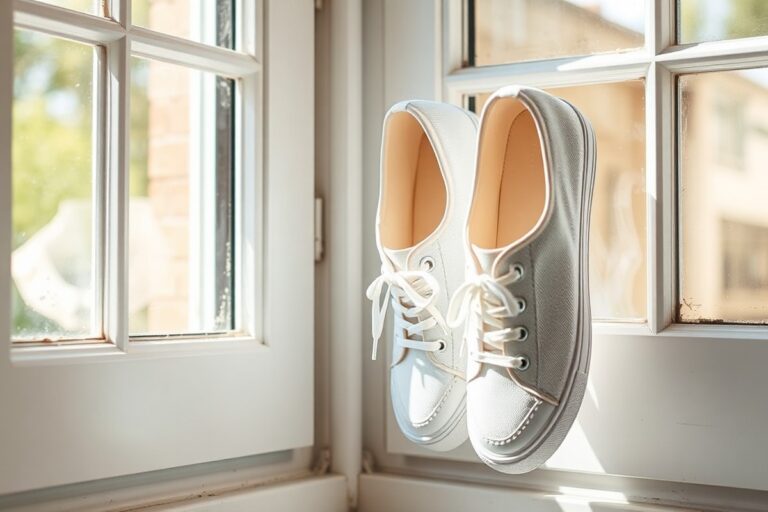
Shoes, bags, and other non-clothing items can often be cleaned at home, but proper care is important to avoid damage. Canvas shoes and sneakers usually tolerate machine washing well. Remove laces and insoles first, then place them inside a mesh laundry bag to protect both the shoes and your washing machine. Use a gentle cycle with cold water and a mild detergent. Avoid overloading the machine, as bulky shoes can unbalance the wash and potentially harm your equipment. After washing, air dry shoes away from direct heat or sunlight, as high temperatures can warp or shrink certain materials. Note that brands like Nike advise against machine washing their shoes, so check manufacturer guidance before proceeding.
Reusable grocery and gym bags also need regular cleaning since they trap dirt, spills, and odors. Most are made from cotton or polyester, which allows for machine washing. Turn bags inside out and wash in cold water on a gentle cycle to preserve color and fabric integrity. For bags with plastic liners, wipe the interior with a damp cloth instead of machine washing. To combat musty smells in gym bags, air them out thoroughly and wash any removable fabric parts. Avoid using bleach or fabric softeners, as these can degrade synthetic fibers. Dry reusable bags naturally; machine drying may cause shrinkage or damage to logos and decorations.
Pet beds and stuffed toys require special consideration due to pet dander and possible fillings that could be harmed by water or agitation. Check labels to confirm if the item is machine washable. When washing is allowed, use a mild detergent and cold water on a gentle cycle. Place small stuffed toys in a mesh laundry bag to prevent loss or tearing during the wash. To maintain shape and softness, tumble dry on low heat or air dry. Some pet beds have removable covers designed for machine wash, so remove and wash covers separately. If washing the entire pet bed, make sure your machine can handle the size and weight to avoid machine strain.
Always test a small hidden area first or follow the item’s care label instructions before machine washing to avoid unexpected damage.
Avoiding Common Washing Mistakes That Cause Damage
Mixing incompatible fabrics in one wash can cause damage to both the sturdier and more delicate items. Rough fabrics like denim or items with zippers and hooks can cause pilling or tears to softer fabrics such as silk or lace. To prevent this, wash rough or abrasive fabrics separately or place delicate garments inside mesh laundry bags. These bags limit friction and rubbing, which helps keep your clothes in better condition over time.
Incorrect washing temperatures often lead to shrinkage and fading. Hot water can cause natural fibers like cotton and wool to shrink, sometimes by as much as 20% or more if exposed repeatedly. High temperatures also fade dark colors by opening the fabric’s pores, allowing dyes to wash out. Always check the care label and use the recommended water temperature. Cold water washes (around 60°F or 15°C) are generally safe for most fabrics, especially dark colors, to preserve their look and prevent shrinking. For heavily soiled items, a warm wash (90°F to 110°F) can be used sparingly for cottons and synthetics.
Machine malfunctions often result from overloading, using the wrong detergent, or neglecting maintenance. Overloading the washer puts stress on the motor and agitator, causing poor rinsing and excess wear on fabric. Follow the machine’s capacity guidelines, usually measured in pounds of dry laundry, and avoid cramming the drum. Using too much detergent leads to excess suds buildup that can clog the machine’s drainage system and cause odors or mechanical failures. Use the amount recommended on the detergent label based on load size and soil level. Regularly cleaning the lint filter and running a manufacturer-recommended cleaning cycle can help maintain machine performance.
Another key point to prevent fabric damage and machine issues is not wringing out clothes by hand, especially delicates. Wringing stretches fibers and may cause fabric distortion or weakening of seams. Instead, gently squeeze out excess water or roll garments in a clean towel to absorb moisture before drying. Following these steps protects your clothes from stretching and maintains the longevity of both your laundry and your machine.
Safe Washing Practices for Sensitive and Embellished Garments
You can safely wash sensitive and embellished garments like wool, silk, viscose, and heavily decorated clothes at home, but they need careful handling and specific methods. Use gentle detergents, avoid harsh agitation, and select mild wash cycles or hand wash to protect fibers and decorations. Some items with heavy embellishments, strong dyes, or structured shapes should be taken to a professional cleaner instead of home washing.
Preparing Delicate Garments
Start by checking the care label carefully, noting any instructions about water temperature, washing methods, and drying. Separate these items by color to prevent bleeding, especially for silk and viscose. Remove any detachable embellishments or accessories before washing to avoid damage.
Turn clothes inside out to protect the fabric’s surface and delicate decorations. Use a mesh laundry bag for wool or viscose pieces if using a gentle machine cycle. Avoid washing delicate fabrics like silk with heavy dyes or extensive embellishments at home, as colors may bleed and decorations can loosen.
Selecting Detergent and Wash Cycle
Choose a gentle, pH-neutral detergent specifically designed for delicate fabrics such as silk, wool, and cashmere. These detergents avoid harsh chemicals that can break down fibers and damage colors. Avoid regular detergents with enzymes or bleach.
Hand washing is best, but if using a machine, pick the wool or delicate cycle on cold water (below 86°F or 30°C). Use the shortest cycle length possible and avoid spin cycles with high speed. Keep detergent doses minimal to prevent residue buildup and fibre wear.
Hand Washing Specific Embellishments
Hand wash heavily embellished items to protect sewn-on decorations like beads, sequins, or embroidery. Use lukewarm water and add a small amount of gentle detergent. Handle the fabric gently by pressing and swirling it rather than scrubbing or wringing.
- Fill a basin with lukewarm water and mix in a mild detergent designed for delicates.
- Submerge the garment and gently agitate the water with your hands to distribute detergent without rubbing the fabric.
- Let the garment soak for 5 to 10 minutes to loosen dirt without damaging fibers.
- Carefully press the fabric against the basin sides to release dirt, avoiding wringing or twisting.
- Drain the soapy water and refill the basin with clean lukewarm water for rinsing.
- Gently move the garment in the water to rinse out detergent thoroughly.
- Repeat rinsing if necessary until no soap residue remains.
- Press excess water out by laying the garment flat on a clean towel and rolling it gently.
Drying and Storing Safely
Dry delicate and embellished clothes flat on a clean, dry towel away from direct sunlight and heat sources. Avoid using dryers unless the care label explicitly allows it, as heat and tumbling can shrink or distort fabrics and loosen embellishments.
Once dry, store wool, silk, and embellished garments in breathable fabric bags or boxes with acid-free tissue paper to maintain shape and protect from dust. Proper storage prevents wrinkles and preserves softness for towels and other delicate items. Keep garments folded rather than hanging if they have structured shapes or heavy decorations.
Dry Cleaning vs Home Washing: Risks and Alternatives
Dry cleaning means using a chemical solvent instead of water to clean clothes, usually because the fabric or construction might get damaged by regular washing. Ignoring “dry clean only” labels and washing these items at home can cause shrinking, color loss, or fabric distortion. However, there are effective home alternatives when you choose carefully based on the fabric type and garment condition.
Definition of Dry Cleaning
Dry cleaning uses solvents like perchloroethylene or silicone-based fluids to clean clothes without immersing them in water. This process preserves delicate fabrics such as wool, silk, and rayon that water or high agitation could harm. Dry cleaning also helps remove grease and oil stains that water-based detergents might not handle well.
Manufacturers recommend dry cleaning when water washing could weaken fabric fibers, cause shrinkage, or alter the garment’s finish. The “dry clean only” label usually means the item’s design or fabric has a higher risk of damage from traditional water washing methods.
Risks of Washing Dry Clean Only Items
Washing a “dry clean only” garment in water can cause several problems. Delicate fibers may stretch or distort, seams can weaken, and colors might fade or run. Some fabrics like rayon or acetate lose their shape or develop wrinkles that don’t come out with home laundering.
Improper washing may also compromise embellishments or linings that aren’t water-safe. For example, if a delicate silk blouse gets washed in a normal cycle, it can come out stiff, shrunken, or misshapen rather than soft and wearable.
Safe Home Washing Alternatives
Home washing for these garments requires gentle, low-risk methods. Handwashing with cool water and a wool- or silk-safe detergent is often the best approach for washable dry clean only fabrics. Use a basin or clean sink filled with about 2 to 3 gallons of cool water and 1 teaspoon of detergent.
- Gently submerge and swirl the garment, avoiding rubbing or wringing.
- Soak for 5 to 10 minutes.
- Lift out without twisting and rinse with cool water until clear.
- Press out water by rolling the item in a dry towel, then lay flat on another towel to air dry to prevent stretching.
Using home dry cleaning kits can also be an option. These kits provide a moist cleaning cloth and a dryer-activated bag that refreshes clothes and removes light stains without a full wash cycle. They cost around $10 to $15 for a pack and require 20 to 30 minutes in the dryer. Refer to this comparison table for guidance on choosing the right home washing method based on garment type:
| Garment Type | Home Washing Method | Water Temperature | Detergent Type | Drying Method |
|---|---|---|---|---|
| Wool Sweaters | Handwash | Cool (below 80°F) | Wool-safe detergent | Lay flat to dry |
| Silk Blouses | Handwash | Cold (below 70°F) | Delicate or silk detergent | Lay flat or hang to dry |
| Synthetic blends | Gentle machine wash | Cold or warm (up to 90°F) | Regular detergent | Air dry or tumble on low |
| Dry cleaning kits | Dryer refresh | N/A | Included cloth | Tumble dry 20-30 mins |
Removing clothes promptly from the washer or dryer also matters. Drying clothes quickly and folding them once dry helps prevent wrinkles and deformation.
Do not wring delicate clothes after washing; instead, press water out gently between towels to maintain shape.
When to Call Professional Cleaners
Professional dry cleaning remains the safest choice for garments with complex construction, heavy embellishments, or unclear fabric blends. Items stained with oil- or grease-based substances or garments that have failed home washing without improving should return to professionals.
Costs for professional dry cleaning generally range from $8 to $20 per item, depending on fabric, size, and location. This expense is worthwhile to protect high-value or favorite garments from irreversible damage.
Step-by-Step Action Plan for Safe Home Washing
Take control of your laundry by following these practical steps designed to protect your garments and household items.
- Before you start: Check care labels on all items to identify washing methods and temperature limits. This ensures you use the safest approach for each fabric.
- Day 1: Sort laundry by fabric type and washing requirements, separating delicate and embellished items from durable fabrics. This prevents damage and keeps colors bright.
- Day 1, continued: Pre-treat any visible stains with the appropriate stain remover or mild detergent. Check that the treatment does not harm the fabric by testing a small hidden area first.
- Day 2: Choose between hand washing and machine washing based on the fabric and item construction. Hand wash delicate or sensitive garments and machine wash sturdy fabrics following label instructions.
- Day 2, continued: Set your washer to the recommended water temperature and cycle type, cold for dark or delicate items, warm or hot for whites and heavily soiled clothes, to avoid shrinkage or fading.
- Weekly: Wash shoes, bags, and other non-clothing items cautiously, using hand washing or spot cleaning techniques with gentle detergents. Verify material safety to prevent damage.
- After washing: Air dry recommended items away from direct sunlight and heat to preserve fabric integrity and embellishments. Confirm drying doesn’t cause shrinkage by feeling the fabric once dry.
- Monthly: Review your laundry routine for any recurring issues like fading or fabric wear, and adjust washing methods or frequency to maintain garment longevity.
Frequently Asked Questions
Can You Wash Pillows in a Washing Machine?
Yes, most pillows can be washed in a machine using a gentle cycle and warm water to freshen them up without damage. Make sure to check the care label for specific instructions first.
Is It Safe to Wash Reusable Bags in the Washing Machine?
Yes, reusable polypropylene bags can be washed on a cold, gentle cycle with standard detergent to keep them clean and odor-free. Avoid hot water to preserve the bag’s material.
Can You Wash Leather Items at Home?
Leather should generally not be washed at home since water can damage it. Instead, use a damp cloth for spot cleaning and a leather conditioner for maintenance.
Can You Wash Clothes Labeled “Dry Clean Only” at Home?
Avoid washing “dry clean only” garments at home, as washing can ruin their texture, shape, or color. Taking them to a professional dry cleaner is safer.
How Often Should You Wash Microfiber Cloths?
Wash microfiber cloths after every use with a detergent designed specifically for them, avoiding fabric softeners to maintain their cleaning effectiveness.
Can You Wash Shoes in the Washing Machine?
Many fabric and synthetic shoes can be machine washed on a gentle cycle, but avoid leather shoes and always place shoes in a mesh bag to protect them.
Before You Go
You can wash many items safely at home by following the right steps tailored to each fabric and item’s needs. Knowing when to hand wash, machine wash, or seek professional cleaning protects your clothes and other belongings better. Start by examining your wardrobe for delicate pieces and test washing on a less visible item this week to build confidence in your home care skills.