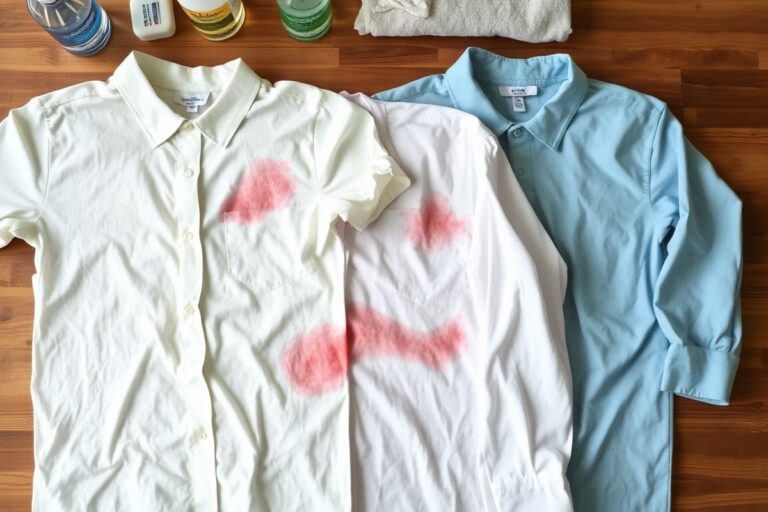
How to Get Rid of Mould Stains on Fabric: 8 Effective Methods That Work
To get rid of mould stains on fabric, wash the material at the highest safe temperature using a quality detergent and treat stubborn stains with bleach or hydrogen peroxide when suitable. Sun-drying the fabric after cleaning helps kill remaining spores and prevent musty odors. This approach works best for homeowners and renters who want to restore mouldy clothing, curtains, or upholstery without sending them out for professional cleaning.
This article provides clear, expert-backed methods to remove mould stains from various fabrics safely. You’ll learn how to select the right cleaning agents, apply effective stain treatments, and use drying techniques that reduce mold risk in everyday household textiles.
Key Takeaways
- Wash fabrics at the highest temperature recommended on care labels to kill mould spores effectively.
- For white cotton, soak stains in a diluted chlorine bleach solution for 10-15 minutes before washing.
- Use undiluted white vinegar for lightly moulded surfaces, allowing 15-30 minutes of contact before blotting.
- Test hydrogen peroxide on a hidden area before applying it to white fabrics to eliminate mould safely.
- Apply stain remover to mould stains and soak for at least 30 minutes prior to washing.
- Dry mould-affected fabrics in natural sunlight for 1-2 hours to kill spores and remove odors.
1. Effective Methods to Remove Mould Stains from Fabric
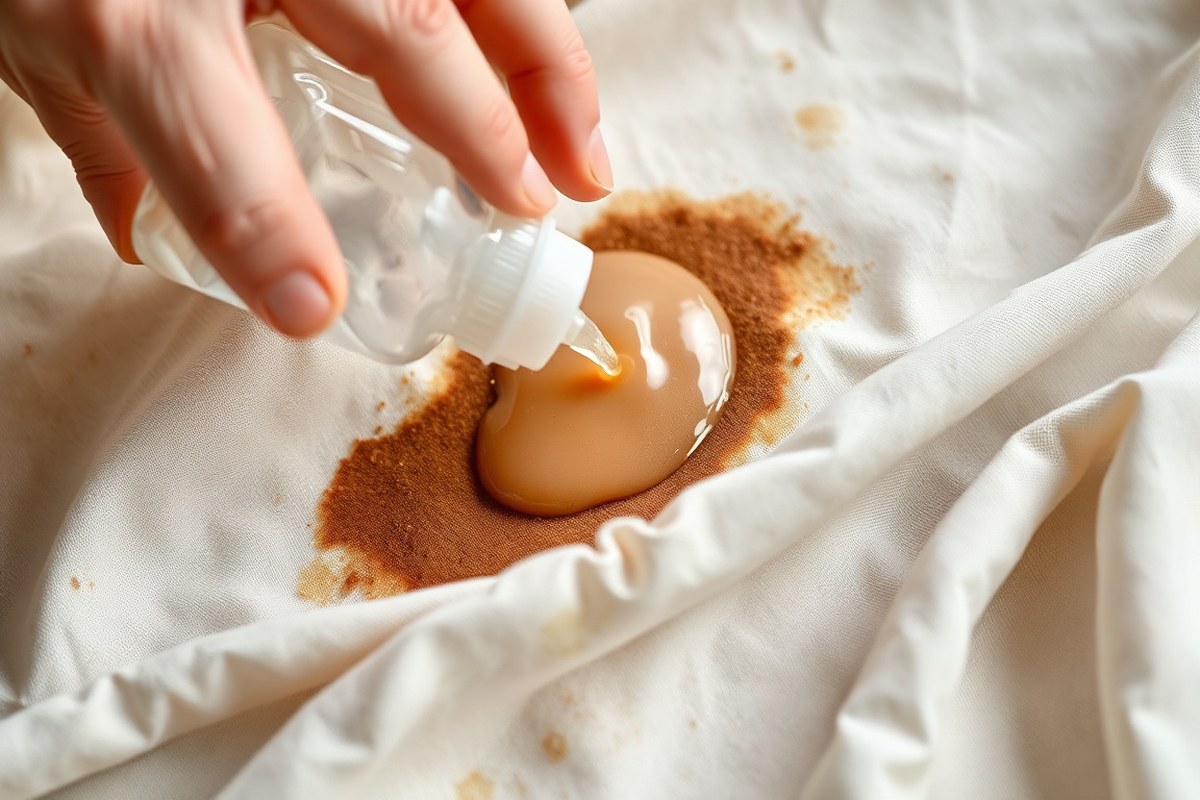
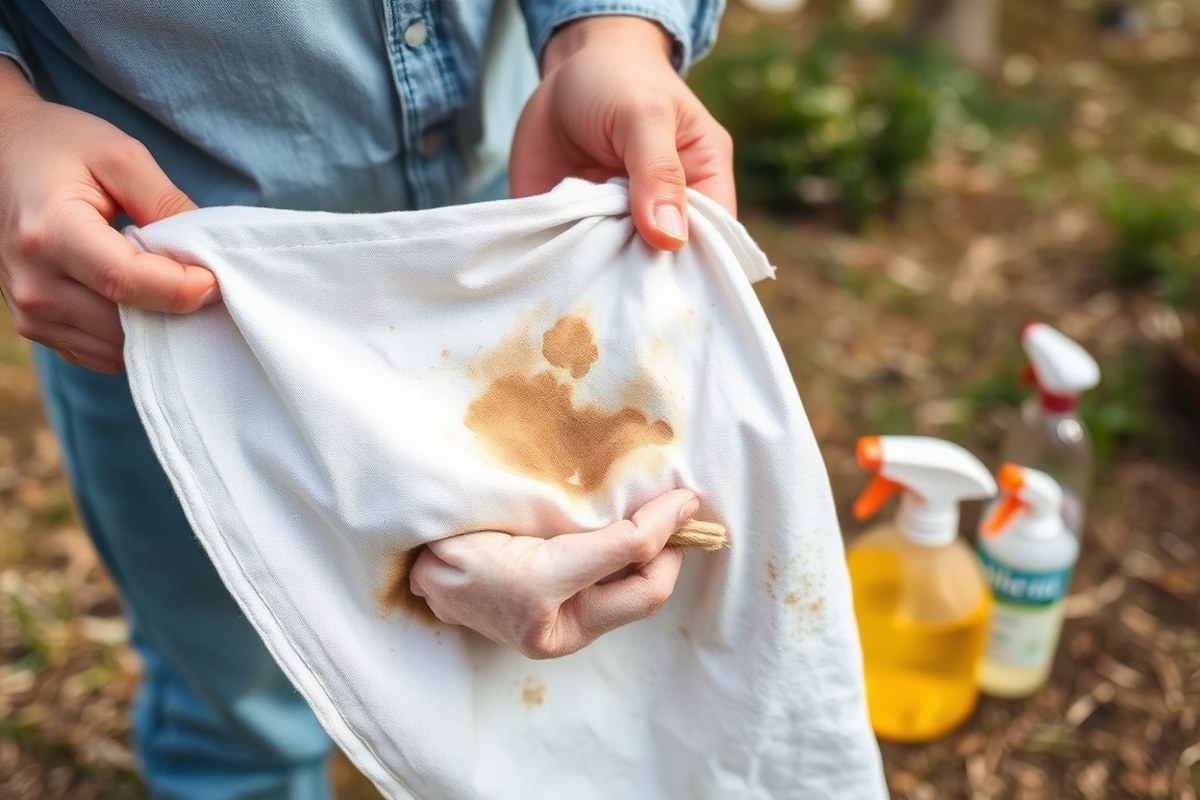
Mold stains on fabric often penetrate deep into the fibers, which means you need to use products that not only remove the stain but also kill the mold spores to prevent regrowth. Household items like white vinegar, bleach, hydrogen peroxide, and borax are effective options. Vinegar and hydrogen peroxide serve as mild disinfectants safe for many colored fabrics, while bleach works best on white fabrics only due to its strong bleaching effect. Washing with hot water combined with detergent and borax helps lift and destroy mold particles.
To tackle mold stains quickly and effectively, follow these steps carefully. They outline how to prepare, treat, and wash your fabric with simple ingredients that you likely have at home.
- Prepare a cleaning solution: In a large bowl or bucket, mix 1 to 2 cups of white vinegar with a tablespoon of baking soda and enough hot water to fully submerge your fabric. Vinegar kills mold spores, while baking soda deodorizes and assists stain removal.
- Soak the fabric: Place the moldy fabric into the solution and allow it to soak for at least 1 hour. Longer soaking, up to 4 hours, is better for stubborn stains but avoid soaking delicate fabrics that long to prevent damage.
- Gently scrub the stains: After soaking, use a soft brush or cloth to rub the mold spots gently. This helps lift the mold from the fibers without causing damage.
- Rinse thoroughly: Rinse the fabric in warm water to remove vinegar, baking soda, and loosened mold residue.
- Wash with bleach or borax (as appropriate): For white cotton or linen, add ½ cup of bleach to a hot water wash cycle along with detergent to kill remaining spores and brighten fabric. For colored fabrics, substitute bleach with ½ cup borax to avoid fading while still disinfecting.
- Dry in direct sunlight: Sunlight naturally helps kill leftover mold spores and freshens fabric. Hang your washed fabric outdoors on a sunny day until completely dry, which also helps prevent mold from returning.
These steps typically remove both the stain and mold smell if done promptly. For very light mold stains, simply applying vinegar and washing as normal may be enough. Avoid washing moldy fabrics in cold water, as hot water above 140°F (60°C) is more effective in killing mold spores according to cleaning guidelines.
If you notice discoloration or fabric damage starting during treatment, stop and switch to a gentler option like lemon juice or rewash without bleach. Removing mold stains requires some patience but following these practical methods can restore most fabrics safely and affordably.
2. Choosing the Best Cleaning Method for Different Fabrics
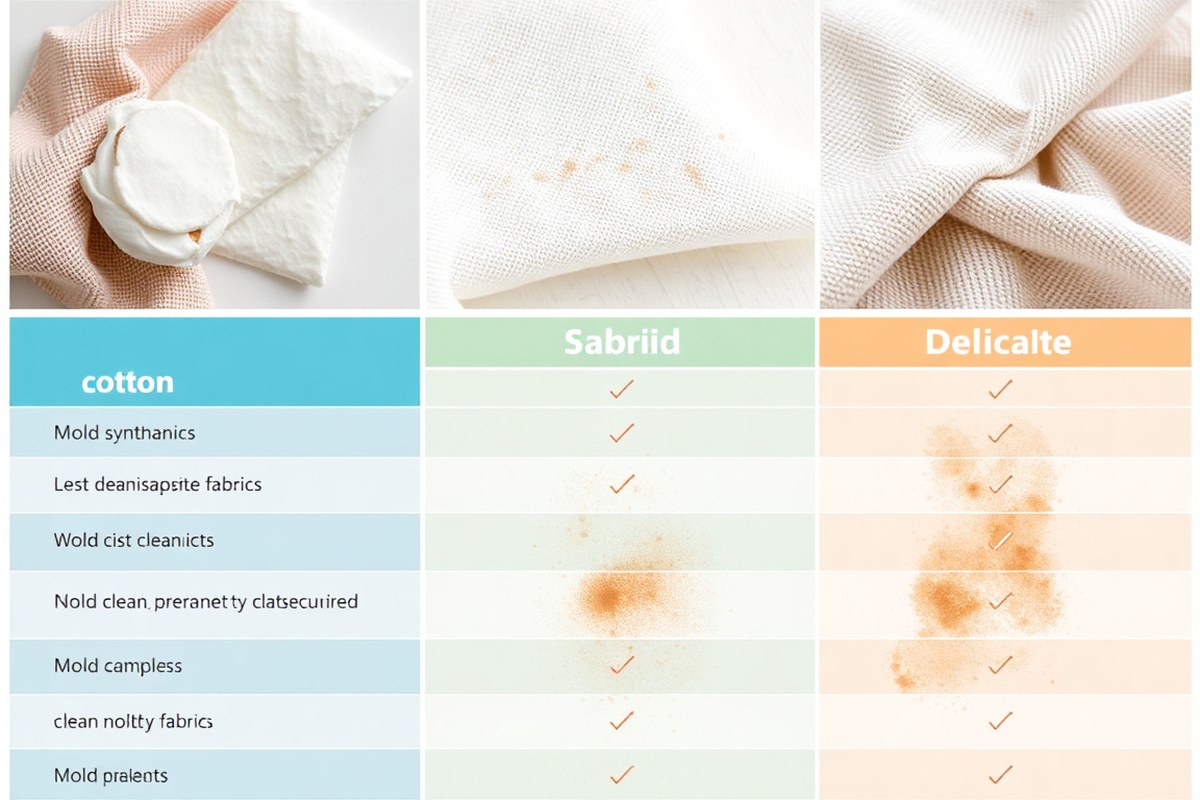
Mold removal methods vary depending on the fabric type because some materials can tolerate stronger chemicals, while others require gentler care. Cotton and durable fabrics often handle chlorine or oxygen bleach well, while synthetics respond better to milder detergents and warm water. Delicate fabrics and dry-clean only items need specialized treatments to avoid damage or shrinking.
Cleaning Methods for Cotton and Durable Fabrics
Cotton and dense fabrics such as denim or canvas can withstand stronger cleaning methods to remove mold stains. White cotton tolerates chlorine bleach well, which effectively removes stains without fading the fabric’s color. Colored cotton and resilient synthetic fabrics respond best to oxygen-based bleach, which dissolves mold without damaging the colors. Using the hottest water temperature safe for the fabric aids in thoroughly killing and washing away mold spores.
Start clearing visible mold stains on cotton by gently brushing off dry mold outside with a soft brush or toothbrush. Wash the fabric using detergent combined with oxygen bleach. If stains remain, soak the item for 10 to 15 minutes in a mixture of 1/4 cup chlorine bleach (only for bleach-safe fabrics) diluted in 3/4 cup water, then wash again. Avoid chlorine bleach on colored fabrics to prevent color loss.
Safe Practices for Synthetic Fabrics
Synthetics like polyester and nylon are less absorbent than natural fibers and usually dry faster, which means mold doesn’t penetrate as deeply. Warm water washing with detergent and oxygen bleach usually removes light mold easily. Harsh chemicals like chlorine bleach can weaken or discolor synthetic fabrics, so avoid using them unless the care label explicitly allows it.
Light mold on synthetics often comes out in the wash, but persistent stains may require rewashing with vinegar or oxygen bleach solutions. Avoid high heat drying for some synthetics, as excess temperatures can damage fibers. Keeping synthetic fabrics dry and airing them in sunlight can prevent mold buildup without harsh treatments.
Treating Delicates and Dry-Clean Only Items
Delicate fabrics such as silk, wool, and linen trap moisture longer and mold spores can penetrate deeper into fibers, making stain removal harder. These fabrics can weaken or lose color if treated with strong chemicals or exposed to high heat. Gentle cleaning agents like white vinegar or specialized mold removers for delicate fabrics offer safer options.
Dry-clean only fabrics require professional treatment since home washing or bleaching risks damaging the fabric or shrinking it. Spot cleaning with a damp cloth and mild detergent can be attempted for small mold patches, but thorough mold removal is best left to professional cleaners who have mold-safe methods.
| Fabric Type | Recommended Cleaning Agents | Water Temperature | Bleach Use | Precautions |
|---|---|---|---|---|
| Cotton (white) | Chlorine bleach or oxygen bleach, detergent | Hottest safe for fabric | Safe with chlorine bleach | Test for colorfastness |
| Cotton (colored) and synthetics | Oxygen bleach, detergent, vinegar | Warm or hottest safe | Chlorine bleach not recommended | Avoid high heat drying |
| Delicates (silk, wool, linen) | Vinegar, mild detergent, specialty cleaners | Cold or lukewarm | Bleach generally unsafe | Handle gently; avoid scrubbing |
| Dry-clean only fabrics | Professional mold removal | N/A | Do not use bleach or water | Do not attempt home washing |
| Upholstery fabrics | Detergent, vinegar, oxygen bleach if color-safe | Warm or room temperature | Use cautiously, patch-test first | Avoid saturating the fabric |
This table helps identify the safest approach based on fabric composition and stain severity. Following fabric care instructions while applying these methods is essential to avoid damage or permanent discoloration. Upholstery requires more cautious treatment due to its size and embedded nature.
Always test any cleaning solution on an inconspicuous fabric area before treating the mold stain to prevent unexpected damage or color loss.
3. Safe Handling and Precautions When Removing Mold from Fabric
Cleaning mold from fabric requires careful steps to protect yourself and limit spore spread. Mold spores can irritate your skin, eyes, and lungs, so wearing the right protective gear and controlling the environment while you clean is essential to keep your home safe.
Essential Protective Equipment
Wear disposable gloves, such as nitrile gloves, when handling moldy fabrics to prevent skin contact with mold spores. Cover your eyes with safety goggles or protective glasses to avoid irritation. Respiratory protection is critical; a well-fitting KN95 mask filters out most mold spores and reduces inhalation risk. Long sleeves and pants protect exposed skin, especially for larger cleaning jobs. When dealing with extensive mold, use a disposable apron or coveralls to protect your clothes from mold.
Test any cleaning product on a hidden area of fabric before full application. Always follow the safety instructions on product labels.
Minimizing Spore Spread During Cleaning
Mold spores easily become airborne when disturbed, so managing where and how you clean mold-infested fabric matters. Start by taking the fabric outdoors for shaking or brushing off loose mold. This avoids spreading spores inside your home. Keep the item separate from other laundry or clean fabrics to stop cross-contamination.
Cleaning in a well-ventilated area reduces spore accumulation indoors. Open windows and use a fan to improve air flow whenever possible. Some professionals use air scrubbers with HEPA filters that continuously clear airborne spores while cleaning to reduce exposure and limit spread to other areas.
- Take fabric outside to brush off loose mold spores
- Wear a KN95 mask and gloves during cleaning
- Work in well-ventilated spaces with open windows or fans
- Keep moldy fabrics away from clean laundry
- Use air scrubbers or HEPA filtration devices if available
- Avoid shaking fabric indoors to limit airborne spores
- Wait for thorough drying before reintroducing fabric indoors
After treating mold, wash cleaning tools thoroughly or dispose of them to avoid spreading spores back into your home environment.
Safe Disposal of Moldy Cleaning Tools
Tools used for scrubbing or brushing moldy fabric, such as toothbrushes or brushes, can harbor spores even after rinsing. To prevent recontamination, discard disposable cleaning items immediately after use. For reusable tools, wash them in hot water with detergent and allow them to dry completely in direct sunlight or a dry, sunny spot.
Use designated cloths or sponges for mold cleaning, and wash them in hot water (above 130°F) with detergent to kill spores afterward. Avoid using cleaning tools for other household chores once they have contacted moldy fabric, or keep them segregated in sealed bags until cleaning.
4. Step-by-Step Process to Treat and Wash Mold-Infested Fabrics
Getting rid of mold stains on fabric involves more than just tossing clothes in the washer. You need to carefully pre-treat, wash at the right temperature, and dry thoroughly to prevent mold spores from returning. This step-by-step process ensures effective mold removal and keeps your fabrics safe and clean.
Pre-Treatment and Soaking Techniques
Start by brushing off any loose mold outside to prevent spreading spores indoors. Next, apply a stain remover directly to the moldy areas and allow it to soak for at least 30 minutes. Soaking helps break down the mold and loosen stains before washing.
For fabrics severely affected by mold, soak them in a solution of white vinegar or a mold-killing detergent. Use about 1 cup of vinegar per gallon of water, letting the fabric soak for 1 to 2 hours. Avoid soaking delicate fabrics too long to prevent damage.
Washing Tips: Detergent, Temperature, and Cycle
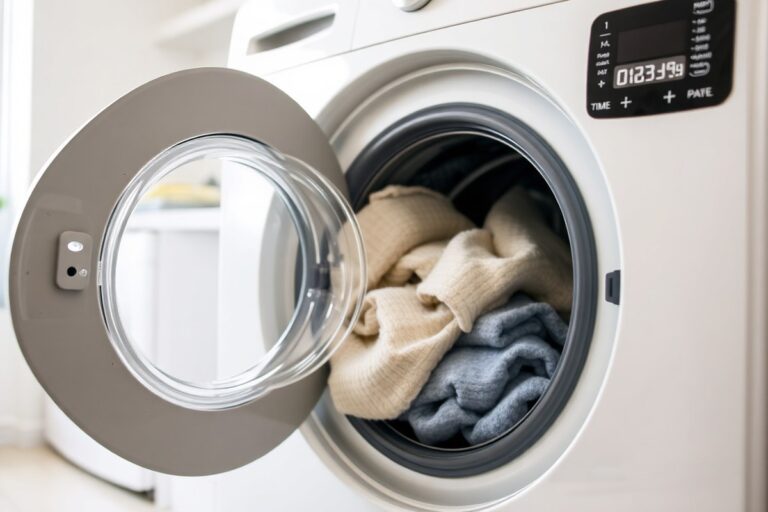
After pre-treatment and soaking, wash the fabric in a washing machine. Use your normal laundry detergent and add 1 to 2 cups of white vinegar or a small amount of antibacterial laundry solution to help kill remaining mold spores. Set the water temperature based on the fabric’s care label, but for mold removal, hot water (140°F or higher) is most effective when safe for that fabric.
Choose a long wash cycle to thoroughly clean mold from fibers. Machine washing alone may not remove all mold spores, but combining it with proper pre-treatment and soaking greatly improves results. Wash moldy fabrics separately to avoid contaminating other laundry.
Proper Drying Methods to Prevent Regrowth
Drying fabrics completely is important to prevent mold from coming back. Use a hot dryer setting if the fabric allows, or line dry garments in direct sunlight. UV rays naturally kill mold spores and help dry clothes faster.
Never leave damp clothes sitting in the washing machine or in a humid environment, as this encourages mold growth. Make sure fabrics are fully dry before storing or wearing them again. Follow these detailed steps to effectively treat and wash mold-infested fabrics:
- Brush off loose mold outside to prevent indoor contamination.
- Apply stain remover directly to mold stains and let it sit for at least 30 minutes.
- Soak the fabric in a vinegar solution (1 cup vinegar per gallon water) for 1 to 2 hours for heavy mold.
- Add fabric to washing machine with detergent and 1 to 2 cups of vinegar or antibacterial solution.
- Set washer to the hottest water temperature safe for the fabric, usually 140°F (60°C) or higher.
- Use a long or heavy-duty wash cycle to fully clean the fabric.
- Dry the fabric completely using a hot dryer or direct sunlight.
- Store dry fabrics in a cool, dry place to prevent mold from returning.
5. How to Remove Mold Smell and Prevent Odors Returning
Mold odors persist because mold releases volatile compounds that cling tightly to fabric fibers even after the visible stains are removed. The smell indicates mold spores or mildew residues still linger, which can cause the odor to return if not fully eliminated. Removing these odors requires targeted cleaning combined with thorough drying to prevent mold from redeveloping.
Effective removal starts by washing the fabric with solutions that break down mold residues and neutralize the smell. Adding Borax to your laundry is one of the most effective ways because it strengthens cleaning power and helps kill remaining spores. After washing, allow the cleaning solution to sit for about 30 minutes before rinsing, but always test an inconspicuous area first to avoid fabric discoloration. The final rinse cycle with Borax ensures mold is washed out without lingering residues.
After washing, drying is critical to prevent mold odor from returning. Hanging fabrics in direct sunlight for 1 to 2 hours exposes mold spores to UV rays, which kill them and reduce odors. Select a well-ventilated area if sunlight drying isn’t possible. Drying in a damp or shaded environment encourages mold regrowth and the return of musty smells.
Humidity plays a major role in mold smell persistence. Mold thrives when moisture is above 60%, so controlling indoor humidity with dehumidifiers or improved ventilation helps stop odors from coming back. Regularly airing out closets, drawers, or storage areas where fabrics are kept reduces the risk of mold growth and smell recurrence.
In some cases, especially with delicate or dry-clean-only fabrics, professional dry cleaning can safely eliminate mold odors. Domestic washing might not reach deeply embedded spores in certain textiles. However, dry cleaning costs can range from $10 to $50 per item depending on fabric type and local rates, so weigh this option if home methods fall short.
Frequently, customers find that odors return because the fabric isn’t dried thoroughly or environmental conditions remain favorable for mold. To avoid this, ensure fabrics are fully dry before storing and maintain low humidity in storage spaces. For stubborn smells, repeat washing or consider adding odor-neutralizing products designed for fabrics, but always follow product instructions and test before use.
Never store fabrics damp or in poorly ventilated spaces; even clean fabric will develop mold odors if moisture remains trapped. Dry fabrics completely in sunlight or fresh air before storage to keep odors away.
6. Troubleshooting Stubborn Mold Stains and Persistent Odors
Mold stains and odors may not always disappear after the first cleaning, especially if the fabric is thick, porous, or the stain is old and set in deeply. Stubborn mold stains signal that some spores remain trapped in the fibers, and lingering odors show that mold’s byproducts persist. Repeating treatments increases your chances of removing both stains and smells, but sometimes stronger methods or professional help become necessary.
If mold remains visible after washing, start by retreating the fabric. Apply a moistened detergent directly to stained areas and let it sit for about 5 minutes before scrubbing gently with a toothbrush or stiff brush. For older, tougher stains, soak the fabric in a solution of white vinegar, which is four times stronger than regular vinegar, for at least an hour. Baking soda also helps lift mold stains and reduce musty odors by absorbing moisture and trapped spores. After treatment, wash the item again and hang it to dry in direct sunlight, as ultraviolet rays naturally kill mold spores. Repeat this process up to two or three times if necessary.
- Apply moistened detergent to stains and let it sit for 5 minutes before scrubbing.
- Soak fabric in strong white vinegar for at least one hour to target stubborn mold.
- Use baking soda to lift stains and neutralize odors before washing.
- Repeat washing and sun-drying cycles to fully remove mold spores and smells.
- Protect skin and eyes with gloves and goggles when scrubbing moldy fabrics.
For white or colorfast fabrics, a gentle bleach diluted according to the label instructions can remove persistent stains but test it first on a small area. Thick materials or delicate fabrics may not fully respond to home treatments; they might require professional cleaning or renovation equipment for thorough mold remediation, especially if health risks arise. Mold can also cause ongoing odor problems if spores remain alive in the fabric. Pay attention to any continuing musty smells after treatment, if they persist, further cleaning or replacing the item may be needed.
Avoid letting mold sit on fabric for too long after noticing stains. Quick, repeated treatments combined with sunlight exposure give the best shot at removing mold particles completely. Keeping humidity below 50% in storage areas helps prevent mold regrowth, but stubborn or old stains demand patience and sometimes stronger remedies to clear completely.
7. Preventing Mold Growth on Fabrics: Humidity and Storage Tips
Mold grows quickly on fabric exposed to moisture, warmth, and poor air circulation. Keeping indoor humidity below 50% is essential to prevent mold from returning after cleaning. The Environmental Protection Agency and mold experts suggest using a dehumidifier to achieve this level, especially in basements, closets, or rooms where dampness is common.
Using a hygrometer to regularly check humidity levels helps ensure conditions stay unfavorable for mold. High humidity combined with fabric stored while damp or in dark, enclosed places encourages mold to thrive. Fabrics stored in plastic bags without air flow, or in areas with condensation like near windows, are particularly vulnerable.
For fabrics prone to mold, storage practices are key. Items should be completely dry before storing and placed where air can circulate. Avoid storing in direct contact with concrete or on the floor of humid rooms. Outdoors, fabric-covered furniture will resist mold better if protected by waterproof covers and stored away from standing water or frequent rain exposure.
- Check humidity with a hygrometer and keep it below 50%
- Run a dehumidifier or air conditioner in damp spaces
- Dry fabrics fully before storing to eliminate moisture
- Store fabrics in breathable containers, not sealed plastic bags
- Keep stored fabrics in well-ventilated, shaded areas away from direct sunlight
- Regularly air out stored fabrics to prevent stale moisture buildup
- Cover outdoor fabrics with waterproof covers and avoid prolonged rain exposure
Good results include no recurring mold stains or musty odors on fabric for weeks or months. Without these steps, mold stains can come back quickly. Excess humidity or damp storage allows spores to reactivate, and lack of ventilation traps moisture against fabric fibres.
Costs vary depending on the tools and space. Basic hygrometers cost around $10 to $20. Dehumidifiers range widely in price from $150 to over $400 depending on capacity. Many homes benefit from running air conditioners, which also reduce humidity. The effort of moisture control is minimal daily but requires initial setup and occasional fabric airing. This investment protects the effort spent on cleaning and extends fabric longevity.
8. When to Consult Professionals for Mold on Fabrics
Mold on fabric becomes a problem beyond a simple stain when it covers large areas, produces strong musty odors after cleaning, or causes allergy and respiratory symptoms in household members. At that point, professional intervention is the safest choice. Mold can damage fabrics permanently by breaking down fibers, so early evaluation is key. Try washing smaller stains with standard methods, but call in experts if the mold returns repeatedly after several proper cleanings or if the fabric’s texture and integrity noticeably degrade.
Health risks are a major reason to know when to stop attempting DIY mold removal. Mold spores can trigger respiratory issues, skin irritation, and allergic reactions, especially for sensitive individuals. Professionals use specialized equipment to seal off spores and apply industrial-grade cleaners safely, reducing health hazards during removal. They also identify underlying causes like leaks, poor ventilation, or high humidity, which you may miss but must fix to prevent mold recurrence.
Here’s a simple way to decide whether to hire a professional or keep cleaning yourself. Mold on washable fabric that is smaller than a 10-by-10-inch area, without any lasting smell or health concerns, can often be treated effectively using standard home methods. Sun-drying in direct sunlight or in well-ventilated spaces helps kill mold spores naturally. Mold that spreads over 100 square inches (roughly a square foot), or fabric that retains stubborn odors even after washing two or three times, should be evaluated by a professional. Also, if anyone in your home develops symptoms like coughing, sneezing, or skin rash after exposure, call an expert immediately.
Professional mold cleaners typically charge between $200 and $500 for fabric remediation, depending on fabric type, area extent, and difficulty. Their thorough cleaning often restores fabric usability and removes health risks more effectively than home treatments. Poor cleaning can leave mold embedded, wasting time and potentially worsening damage. Trust professionals who have access to powerful antifungal agents and drying techniques to fully eradicate mold and identify hidden moisture problems.
Persistent mold on fabrics may signal bigger moisture issues in your home; professional assessment can prevent further health risks and material damage.
Step-by-Step Action Plan to Remove Mold Stains from Fabric
Follow these steps carefully to eliminate mold stains and odors from your fabric while keeping it safe and fresh.
- Before you start: Identify the fabric type and check care labels to choose the right cleaning method.
- Day 1: Take the fabric outdoors and brush off loose mold spores using a soft brush to prevent spreading indoors.
- Day 1: Pre-treat mold stains with a mixture of water and white vinegar or a detergent designed for mold; let it sit for 30 minutes.
- Day 1: Wash the fabric in hot water consistent with fabric care instructions, using mold-fighting detergent or oxygen bleach where safe.
- After washing: Dry the fabric completely in direct sunlight or a well-ventilated area to kill remaining mold spores and prevent odor.
- Day 2: Smell the fabric; if mold smell persists, repeat washing or try a second treatment with baking soda or enzyme cleaner.
- Ongoing: Store fabrics in dry, cool areas with good air circulation and monitor for signs of humidity to prevent future mold growth.
Frequently Asked Questions
Can Mold Stains on Fabric Be Completely Removed?
Mold stains can often be removed completely if treated quickly and appropriately. Older or deeply embedded stains might require multiple treatments or professional help to fully eliminate.
Is It Safe to Use Bleach on All Fabrics to Remove Mold?
Bleach is not safe for all fabrics and can damage delicate or colored fabrics. Use it only on white, sturdy fabrics and follow safety guidelines to avoid weakening the material.
How Long Should Fabric Soak in a Mold-Removal Solution?
Soaking time typically ranges from 30 minutes to an hour depending on the stain severity. Longer soaks can help lift stubborn mold but may risk fabric damage if too harsh.
Can Mold Cause Permanent Damage to Fabrics?
Yes, mold can weaken fibers and cause permanent discoloration if left untreated for too long. Early treatment helps preserve fabric strength and appearance.
Does Washing Moldy Fabric in Cold Water Remove Mold Spores?
Washing in cold water may not kill mold spores effectively; warm or hot water around 60°C is better. Using a strong detergent further helps eliminate spores and stains.
Are Homemade Cleaning Solutions Effective Against Mold Stains on Fabric?
Homemade solutions like vinegar and baking soda can be effective for mild mold stains. For tougher stains, commercial products with targeted formulas are usually more reliable.
Key Points to Remember
Removing mold stains from fabric requires timely action and the right cleaning techniques to avoid damage and recurring problems. Start by correctly identifying your fabric and applying the appropriate treatment to both stain and odor. Keep your fabrics dry and stored properly to minimize mold growth long term. Check your fabrics soon after treatment to ensure the stains and smells are gone or address them again if needed.