How to Wash Silk Sheets Safely with 8 Proven Tips for Longevity
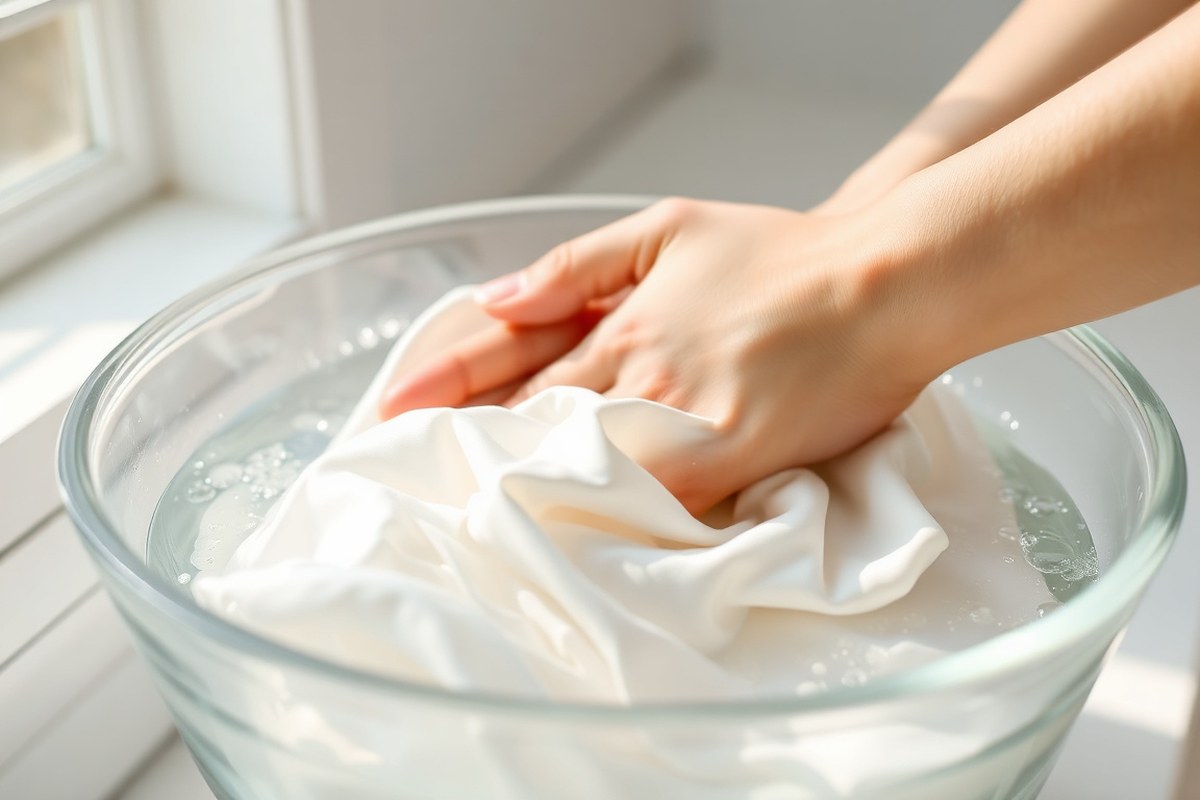
Washing silk sheets safely means using cold water, gentle detergents, and minimizing heat exposure to avoid damage. Hand washing is ideal, but machine washing on a delicate cycle with cold water also works well. Always handle your silk sheets carefully to maintain their softness and durability over time.
These tips are designed for silk sheet owners who want to protect their luxury bedding. You will learn practical steps for cleaning, selecting detergents, and drying silk sheets so they last longer without losing their silky feel.
Key Takeaways
- Use cold water at 86°F (30°C) or below when washing silk sheets to prevent fabric damage.
- Hand wash silk sheets or use a gentle machine cycle for safest cleaning.
- Choose mild detergents or baby shampoo to avoid weakening silk fibers.
- Pre-soak sheets in cold water for 10 to 15 minutes before washing to loosen dirt.
- Remove silk sheets from the dryer at about 80% dryness to avoid overheating.
- Hang dry sheets whenever possible to extend their lifespan.
1. How to Wash Silk Sheets Without Causing Damage
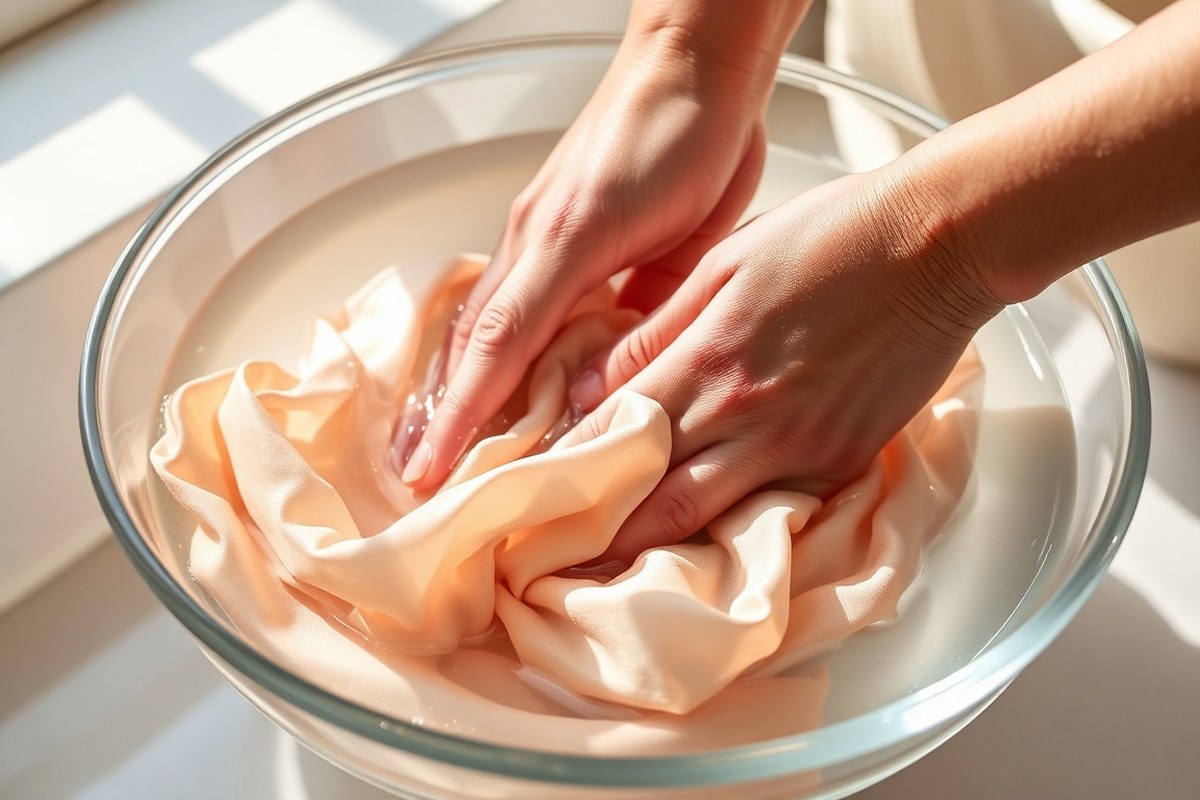
Washing silk sheets carefully keeps their texture smooth and prolongs their life. The safest way is hand washing because it minimizes agitation and heat that can weaken silk fibers. Machine washing is possible but only using specific settings and precautions to protect the fabric.
Cold water is essential no matter which method you choose. Hot or warm water can shrink or damage silk. Always stay at or below 86°F (30°C) to avoid harming your sheets. When machine washing, use a gentle cycle designed for delicate fabrics. Your machine might not have a delicate or silk cycle, so hand washing is still the best option.
Hand washing is straightforward and only requires mild detergent, cold water, and gentle handling. Machine washing requires steps like using a mesh laundry bag to reduce friction and prevent tearing.
- Fill a clean basin with cold water (around 86°F or 30°C). Use enough water to fully submerge the silk sheets, allowing them room to move gently.
- Add a small amount of gentle silk detergent or baby shampoo. Avoid harsh detergents to prevent weakening the fibers.
- Submerge the sheets in the water and gently agitate by hand for 3 to 5 minutes. Do not rub, scrub, or wring the fabric as this can cause damage.
- Drain the soapy water and refill the basin with clean cold water. Rinse the sheets thoroughly by gently swirling to remove all detergent residues.
- Repeat rinsing with fresh cold water if needed. Soap left in the fabric can degrade silk over time.
- Press out excess water by gently squeezing the sheets. Avoid wringing or twisting, which can crease or stretch silk fibers.
- Place sheets in a mesh laundry bag when using a washing machine. Set the machine to a delicate or hand wash cycle using cold water only.
- After washing, avoid using a dryer; lay sheets flat or hang them to air dry in shade. Direct sunlight can fade and weaken silk fibers.
Hand washing takes about 10 to 15 minutes total and costs little beyond your detergent. Machine washing saves time but requires careful handling to avoid damage. Good results mean soft, smooth silk sheets without color fading or fiber weakening. Damage from washing appears as stiffness, dullness, or fabric thinning over time, all signs of stress from heat, agitation, or inappropriate detergents.
2. Choosing the Right Detergents and Soaps for Silk Bedding
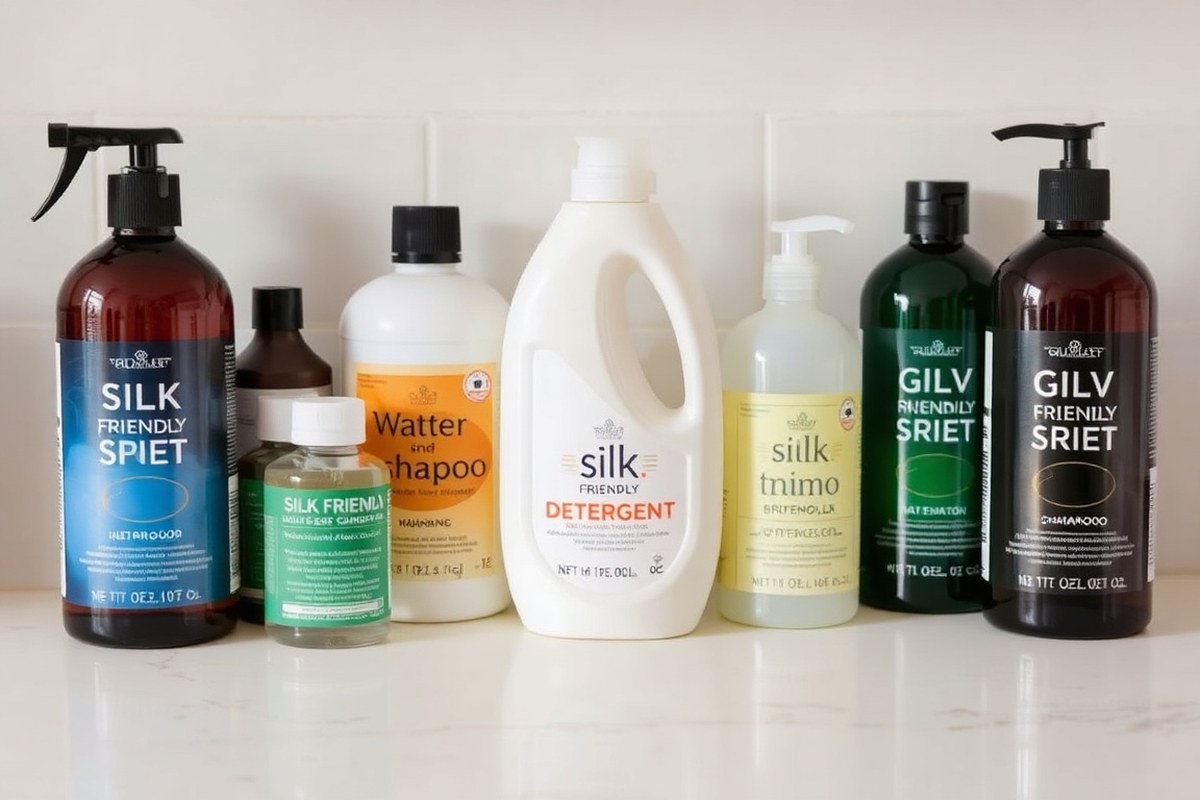
Choosing the right detergent is key to keeping your silk sheets soft and lustrous. Harsh detergents, bleach, and fabric softeners contain chemicals that can damage silk’s delicate fibers and dull its natural sheen. Regular laundry soaps often include optical brighteners or strong surfactants meant for sturdier fabrics like cotton, which harm silk by breaking down its protein structure. For silk bedding, it’s best to select mild detergents specially formulated without these additives.
A few safe detergent options include specially made silk washes, mild baby shampoos, or gentle liquid soaps marketed for delicate fabrics. Baby shampoo can be an affordable alternative since it is designed to be mild and tear-free, lacking harsh chemicals. Dish soap is generally too strong and not recommended, as it can strip silk fibers and cause stiffness or color fading.
| Detergent Type | Suitable for Silk? | Reason |
|---|---|---|
| Special Silk Detergents | Yes | Formulated without bleach, brighteners, or harsh surfactants |
| Mild Baby Shampoo | Yes | Gentle pH, free of strong detergents, no optical brighteners |
| Regular Laundry Detergent | No | Contains harsh chemicals, bleach, or brighteners harmful to silk |
| Dish Soap | No | Too strong; strips natural silk oils causing damage |
| Bleach or Fabric Softener | No | Breaks down fibers and dulls silk’s sheen |
Silk sheets marked as 100% pure silk often tolerate a wider range of mild detergents compared to blended silks, which might require specially formulated products to avoid fabric damage. Using a detergent with a neutral to slightly acidic pH (around 5.5-7) helps protect silk’s protein fibers. In contrast, alkaline detergents can weaken or dissolve silk proteins.
Usually, dissolve about one teaspoon of detergent or baby shampoo in cold water (below 86°F/30°C) for hand washing silk bedding. Gently submerge and swirl the sheets without rubbing or wringing. Machine washing should be done on a delicate cycle with cold water using a small amount of silk-friendly detergent inside a mesh laundry bag.
Never use bleach or detergents containing bleach; they quickly break down silk fibers and can cause irreversible damage.
3. Stain Removal Techniques for Silk Sheets
Remove stains from silk sheets carefully using gentle, cool water and mild detergent applied with a soft cloth rather than sprayed directly. Avoid harsh chemicals that can damage the silk’s delicate fibers and color. Treat stains promptly and allow the detergent to work for 10 to 15 minutes to loosen the stain before rinsing.
Common Stains on Silk Sheets
Silk sheets often face stains from everyday sources such as food, sweat, body oils, and makeup. Pet stains and the occasional ink spot can also occur. Each type of stain requires a soft approach since silk is very sensitive to heat, abrasion, and certain chemicals.
For example, protein-based stains like sweat and body oils respond well to mild detergent and cool water. Food stains with oils or pigments need careful spot cleaning to avoid setting the stain with heat. Ink and dye stains require quick action to avoid permanent damage.
Safe Stain Removal Products
Always choose cleaning agents specifically designed for delicate fabrics or silk. Mild liquid detergents made for silk or wool are ideal. Avoid enzyme-based or biological detergents, as they can damage protein fibers like silk. A small amount of gentle detergent diluted in cool water is enough to treat most stains.
Commercial stain removers should be silk-safe, but it’s best to test any product on a hidden seam or corner first. Plain cool water alone often helps lift fresh stains before applying detergent. Using the detergent on a damp cloth rather than pouring it directly helps control the concentration and reduces the risk of ring marks.
Pre-Soaking and Spot Cleaning Steps
Begin by gently lifting any residue from the stain with a dry, soft cloth. Dab the stain with a clean cloth moistened with cool water. Next, apply a drop of mild detergent to a damp cloth and gently blot or softly rub the stained area. Avoid aggressive scrubbing or rubbing, which can damage the silk’s fibers.
Apply detergent to the fabric and let it sit for 10 to 15 minutes. During this period, the detergent begins loosening the stain without damaging the silk. Next, rinse the fabric well with cool water to wash away any leftover detergent. Follow this checklist for safe stain removal:
- Remove residue gently with a dry soft cloth before any liquid treatment
- Use cool water to avoid heat-setting the stain
- Apply a drop of mild detergent to a damp cloth, not directly on silk
- Gently blot or rub the stain without heavy pressure
- Let detergent sit on the stain for 10 to 15 minutes before rinsing
- Rinse thoroughly with cool water after treatment
- Air dry silk sheets, avoiding direct sunlight during drying
Prompt treatment and gentle handling result in better stain removal without risking color loss or fabric damage. Avoid using bleach, harsh chemicals, or hot water, as these can ruin silk sheets’ appearance and durability.
4. Optimal Drying and Ironing Practices for Silk Sheets
Air drying is the preferred method for drying silk sheets because it helps preserve their softness, sheen, and durability. Using heat from a machine dryer can cause shrinkage and weaken the delicate fibers. To air dry, gently shake out your silk sheets after washing and either lay them flat on a clean, dry towel or hang them on a padded hanger or clothesline. Avoid direct sunlight, as UV rays can fade colors and damage silk over time. Drying your sheets indoors in a well-ventilated space typically takes about 45 minutes to a few hours depending on temperature and humidity.
Choosing the dryer’s air fluff or no-heat setting helps reduce the risk of heat damage to your silk sheets. Set the timer for no longer than 15 minutes and avoid overloading the machine or mixing silk with items that have zippers or hooks, which can snag the fabric. Turning the sheets inside out before drying can help protect their surface. However, frequent use of any machine drying increases the risk of shrinkage, so keep it to a minimum.
To prevent shrinkage during drying, remove excess water carefully after washing by pressing the sheets gently between towels rather than wringing or twisting. This reduces stress on the fibers and allows more even drying. Hanging the sheets so they are fully supported avoids stretching or distortion. Keeping the drying environment cool and shaded protects the silk’s delicate protein structure, maintaining its strength and color.
Use an iron on the lowest setting meant for silk or delicate fabrics, often labeled “silk” or “low,” and only when the sheets are still slightly damp. Turn the sheets inside out before ironing, place a pressing cloth between the iron and the fabric, and keep the iron moving gently to avoid heat marks or creases.
A safety checklist before ironing includes confirming the sheets are damp, setting the iron to the proper temperature, and testing on a small hidden area first. Avoid steam settings if your iron’s steam is too hot or if water droplets might leave stains. Ironing immediately after washing while the fabric is still slightly moist helps smooth out wrinkles effectively with minimal heat needed. Overheating during ironing can cause fiber damage and shrinkage, which diminishes the lifespan and look of your silk sheets.
5. How Often to Wash Silk Sheets for Best Care
Silk sheets should generally be washed every 2 to 3 weeks to maintain hygiene and fabric health, especially if you don’t sweat heavily at night. Pillowcases, however, need more frequent washing because they are in direct contact with your face and hair. Washing them once a week, or even every 3 to 5 days if you use hair products or sweat more, helps prevent buildup of oils, dirt, and bacteria that can affect skin health and the fabric’s condition.
Washing silk more often does not necessarily damage it if you use proper care techniques and mild detergents. The key is to avoid harsh enzyme detergents and hot water, which break down silk protein fibers. Frequent gentle washing maintains the fabric’s softness and appearance while keeping it clean. For different silk types, such as Mulberry or Habotai, the latter often used for pillowcases, the washing schedule might be adjusted. Habotai silk pillowcases, being lighter and more delicate, may need replacing sooner if washed very frequently.
In practice, set a regular washing timeline that fits your personal use and environment. For example, if you notice more sweating or skin oils, shorten the interval between washes. If you rarely perspire, pushing the washing frequency to every 3 weeks for sheets is acceptable without harming the fabric. Inspect your silk bedding while washing; look for stains or damage to treat early, preserving fabric longevity.
Establishing a routine of washing silk pillowcases weekly strikes a good balance between hygiene and fabric care. Washing sheets on a gentle machine cycle or by hand every 2 to 3 weeks is enough for typical use. Always use cold water and mild detergent without enzymes to avoid fiber damage. After washing, avoid direct heat and sunlight to keep the natural silk sheen intact.
Do not expose silk sheets or pillowcases to heat from dryers or direct sunlight during drying, as this can weaken the fibers and fade colors.
6. Preventing Damage: Common Mistakes and How to Avoid Them
Silk sheets can shrink or tear when exposed to hot water, high dryer heat, or rough handling during washing. The heat causes the silk fibers to contract, leading to shrinkage and weakening the fabric, while aggressive agitation increases the risk of pulls and tears. Avoiding these conditions preserves the strength and size of your sheets.
Pulls, pilling, and fading happen mainly due to harsh detergents, wringing, and sunlight exposure. Strong detergents strip the delicate silk fibers, causing roughness that leads to pilling. Wringing twists and stresses the material, which may distort the fabric or leave permanent wrinkles. Direct sunlight breaks down silk’s protein structure and fades colors, especially darker shades.
To prevent damage, use only cold water when washing silk sheets. Cold water is gentle and keeps the fibers intact without shrinking or dulling. Hand washing or using a gentle cycle on your washing machine with minimal agitation limits mechanical stress. Avoid dryers completely; instead, lay sheets flat or hang them to air dry in a shaded area away from direct sunlight. Never wring out wet silk; instead, press out water gently with a towel.
- Use cold water only, never warm or hot.
- Choose mild, silk-safe detergent without bleach or enzymes.
- Avoid wringing; gently press water out instead.
- Air dry in a shaded, ventilated area, no direct sunlight.
- Skip the dryer to prevent heat damage and shrinkage.
- Wash on a gentle cycle or hand wash to reduce agitation.
- Store silk sheets away from strong light sources to prevent fading.
Fading and color loss can occur over time if silk sheets regularly receive direct sunlight. While water itself does not harm silk, ensure you do not use detergents with bleach or harsh chemicals since these accelerate fiber degradation and color removal. Using gentle methods extends the life of your sheets, maintaining their smooth texture and vibrant shade. Consider investing in silk sheets with built-in features like slip resistance to reduce wear from movement during use, which also helps prevent mechanical stress.
7. Special Care for Colored and White Silk Sheets
Colored and white silk sheets require distinct washing and drying approaches to keep them looking their best. White silk is prone to yellowing from oils, residues, and sunlight, while colored silk demands care to prevent fading. Using the right detergent and handling methods helps maintain brightness and softness without damage.
Yellowing Prevention for White Silk
Yellowing on white silk often results from body oils, leftover detergent, and direct sunlight exposure. To prevent this, wash white silk sheets in cool or lukewarm water, around 30°C (86°F), avoiding hot water which can set stains and cause discoloration. Use a gentle, pH-neutral detergent designed for delicate fabrics and rinse thoroughly to remove all soap residue.
Do not bleach white silk; chlorine bleach damages the fibers and causes yellowing. Instead, soak white silk sheets occasionally in a solution of cool water and a small amount of oxygen-based bleach specifically marked safe for silk. Dry white silk in a shaded, well-ventilated area away from direct sunlight to avoid yellowing from UV rays. Iron on low heat with the sheet turned inside out to prevent heat discoloration.
Washing Tips for Colored Silk Sheets
Colored silk sheets require even gentler care to maintain their vibrancy and prevent fading. Wash colored silk in cold water only (below 30°C or 86°F), using short, gentle cycles if machine washing. Hand washing is often best to minimize friction. Avoid prolonged soaking to reduce color running or bleeding.
Dry colored silk sheets flat or hang them in the shade to avoid sun exposure, which causes fading. Avoid tumbling in a dryer, as heat and tumbling can dull colors. Turn colored sheets inside out before washing to protect the outer surface. Always separate colors from whites and lights to prevent transfer.
Recommended Detergents by Color Type
Using the proper detergent helps keep both white and colored silk sheets in good condition. The table below compares detergent types and their suitability for silk sheet colors.
| Detergent Type | White Silk | Colored Silk | Notes |
|---|---|---|---|
| PH-Neutral Liquid Detergent | Recommended | Recommended | Protects fibers, gentle cleaning |
| Oxygen-Based Bleach (Silk-Safe) | Occasional use to remove yellowing | Not recommended | Use sparingly, test first |
| Color-Safe Detergent | Not needed | Recommended | Preserves brightness and prevents fading |
| Chlorine Bleach | Never | Never | Damages silk fibers, causes yellowing and fading |
| Powder Detergent | Not recommended | Not recommended | May not dissolve fully, leaves residue |
Select a detergent based on your sheet color and follow the label instructions carefully. Using a silk-specific detergent or a gentle, pH-neutral one costs around $8-$15 for a small bottle and can help extend your sheets’ lifespan. Avoid harsh chemicals to keep your silk sheets soft, bright, and free from damage.
8. Storage, Travel, and Long-Term Maintenance of Silk Sheets
Proper storage, travel precautions, and seasonal maintenance are key to keeping silk sheets looking and feeling their best over time. You’ll extend their lifespan and maintain their softness by handling them carefully during these moments.
Best Storage Practices for Silk
Keep your silk sheets in a dry, cool area away from sunlight to protect the fibers from fading and damage. Avoid sealing them in plastic bags or containers that hold moisture, since silk can develop mildew in humid or damp environments. Opt for storing them in breathable cotton or linen bags or wrap the sheets in a clean cotton cloth instead.
Make sure your sheets are completely dry before storing, and fold them loosely to avoid permanent creases or fiber damage. Storing your silk sheets flat or on a cushioned surface helps keep their shape intact.
- Ensure sheets are thoroughly dry to prevent mildew
- Use breathable cotton or linen storage bags
- Keep in a dark, temperature-controlled environment
- Fold loosely or store flat to avoid creasing
- Avoid placing heavy objects on top while stored
- Refresh storage area air circulation occasionally
Never store silk sheets in plastic; trapped moisture can cause irreversible damage.
Travel Tips for Silk Bedding
When traveling with silk sheets, pack them carefully to preserve softness and prevent wrinkles. Use a lightweight fabric bag or wrap sheets in a soft cotton pillowcase. Avoid tight rolling or folding which can cause deep creases that are difficult to remove. Carry your silk sheets in your hand luggage to protect them from rough handling or exposure to extreme temperatures.
When using your silk sheets on a trip, carry a small spray bottle with water to gently mist and smooth out wrinkles after unpacking. Keep detergent sheets or travel-sized gentle silk detergent handy to freshen your sheets by hand washing if needed.
Seasonal Maintenance Advice
Adjust your silk sheet care routine as seasons change to keep them fresh and intact. In colder months, increase laundering frequency slightly to reduce buildup of body oils and dust mites that thrive in heated indoor air. In warmer months, air your sheets outdoors occasionally to naturally deodorize and let humidity balance out.
Switch to cooler water or shorter soak times during humid summer months to avoid excessive moisture retention. During dry winter, store silk sheets away from heating vents or radiators that dry fibers out too much and risk brittleness.
- Wash silk sheets more frequently in winter to reduce allergens
- Air out sheets outside on dry days in summer
- Use cooler water and shorter soak times in warm seasons
- Keep sheets away from heat sources during dry months
- Consider a mild silk conditioner in dry weather to maintain softness
Step-by-Step Action Plan for Washing and Caring for Your Silk Sheets
Follow these steps to keep your silk sheets clean and in great shape without risking damage.
- Before washing: Check the care label on your silk sheets to confirm water temperature and detergent recommendations.
- Prepare the wash: Choose a gentle detergent designed for silk or delicate fabrics and fill the machine or basin with cold water.
- Wash cycle: Use the machine’s delicate or hand-wash setting or gently agitate by hand for no more than 3 minutes; sheets should feel clean but not stiff.
- Rinse thoroughly: Rinse your sheets in cold water until no soap remains; silk should feel smooth and not slippery from residue.
- Dry properly: Lay sheets flat on a clean, dry towel or hang them away from direct sunlight; they should dry soft and without wrinkles.
- Iron if needed: Use a cool iron while sheets are slightly damp or place a cloth between the iron and silk; the fabric should be smooth after pressing.
- Storage: Store silk sheets in breathable cotton bags or pillowcases to keep them fresh and avoid yellowing.
- Regular care: Wash your sheets every 7 to 10 days to maintain their freshness and prevent buildup of oils or dirt.
Frequently Asked Questions
Does Silk Shrink When Washed?
Silk may shrink by as much as 8% with improper washing. Use cold water and gentle washing techniques to maintain the original size and shape of your silk sheets.
Which Brand of Silk Sheets Is Considered the Best?
The best brand varies by preference, focusing on quality and thread count. Look for 100% mulberry silk with a momme weight of 19-25 for luxury softness and durability.
How Long Does Silk Take to Dry?
Silk sheets typically take several hours to air dry, depending on humidity and airflow. Hang them in the shade to avoid sun damage and preserve the fabric’s strength and color.
Can You Use Dawn Dish Soap on Silk?
Dawn dish soap is not recommended because it can be too harsh for silk. Use a gentle detergent, baby shampoo, or a mild adult shampoo made for delicate fabrics instead.
Can I Machine Wash Silk Sheets Safely?
Yes, use the delicate cycle with cold water and a gentle detergent, but hand washing remains the gentlest option to extend the life of your silk sheets.
Is It Okay to Iron Silk Sheets?
Yes, but use the lowest heat setting and iron on the reverse side while the sheets are slightly damp to avoid scorching or damaging the fibers.
The Bottom Line
Proper care of your silk sheets extends their beauty and softness. Taking time to choose the right detergents, wash gently, and dry carefully prevents damage and preserves the fabric’s natural sheen. Start by applying one step today, like using a silk-safe detergent on your next wash, to experience the difference precise care makes.