How to Get Armpit Stains Out: 8 Proven Methods for Fast, Safe Results
To get armpit stains out effectively, tackle them quickly with baking soda or an oxygen bleach soak before wash day. Avoid heat on the stain until it’s fully removed, since drying or ironing can set the marks permanently. These straightforward steps help with both fresh and stubborn armpit stains, especially on cotton and blends.
This article is for anyone frustrated with yellowing, sweat, or deodorant marks ruining shirts. You’ll find proven home remedies, tips on detergents and washing methods, and advice for delicate fabrics to get your clothes clean and keep them looking fresh longer.
Key Takeaways
- Apply a paste of baking soda, hydrogen peroxide (3%), and water directly to fresh stains and let it sit for 30 minutes before rinsing.
- Soak garments with set-in armpit stains in an oxygen bleach solution for 2 to 8 hours depending on stain severity.
- Wash stained clothes within 24 hours of sweating to prevent armpit stains from setting.
- Do not use dryer or iron heat on stained garments until stains are completely removed to avoid baking the stain in.
- For white cotton shirts, oxygen bleach offers the strongest stain removal without damaging the fabric.
- Delicate and dry-clean-only clothes require gentle, stain-specific treatments to avoid damage while removing stains.
1. What Causes Armpit Stains and Why They Set
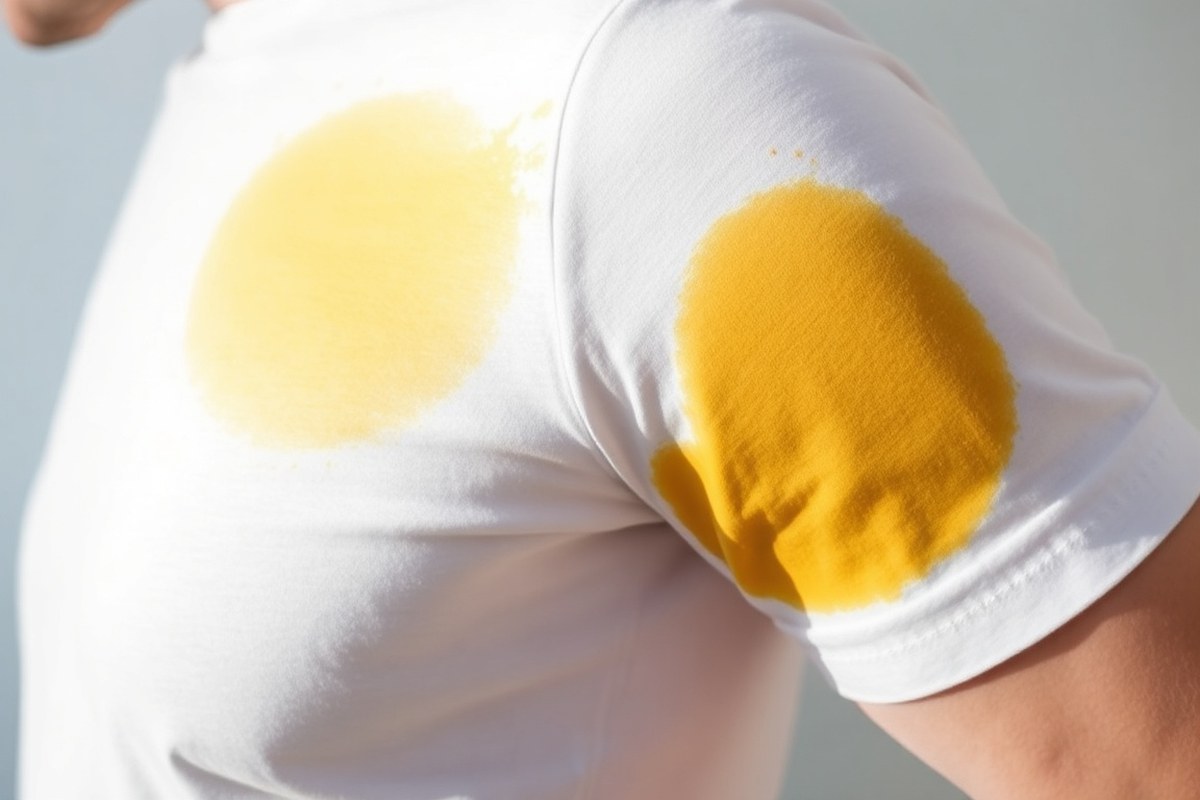
Yellow or brown stains under your arms form when sweat mixes with deodorant residue and body oils. Sweat contains salts and proteins that, on their own, rarely cause permanent staining. The issue arises when these substances combine with aluminum compounds found in many antiperspirants. Specifically, aluminum zirconium tetrachlorohydrex gly acts as a catalyst, binding sweat proteins to fabric fibers. This chemical reaction creates a matrix that embeds the stain deeply into your clothing.
This stain-setting process accelerates significantly when exposed to heat. Temperatures above 104°F (40°C) speed up the “baking” of the protein-aluminum complex into the fabric, making stains more difficult to remove. For instance, using warm or hot water and machine drying before treating the stain can permanently set it. That’s why washing clothes in the coldest water safe for the fabric is essential to prevent baking in the stain.
Fresh armpit stains are easier to remove because the chemical bonds have not fully formed. Letting a stained garment soak in water or a cleaning solution within 2 to 4 hours after staining helps break down the residue. For more stubborn or older stains, soaking might need to extend to 4 to 8 hours or overnight to weaken the bonds created by sweat and deodorant. However, applying heat during this time will do more harm than good by fixing the stain further.
You may see white crusty buildup on dark clothes, which usually means deodorant residue rather than sweat staining. This residue can often rub off or dissolve with proper washing but does not indicate the same chemical bonding that causes yellowing.
Understanding how deodorant ingredients interact with sweat and fabric explains why armpit stains set fast and endure if not treated promptly. Avoid exposing stained clothing to heat, always use cold water to wash, and soak stains to dissolve the complex before laundering. This approach lowers the risk of “baking” stains into textiles and increases the chances of restoring your shirts to a clean state.
2. Effective Home Remedies for Removing Fresh Armpit Stains
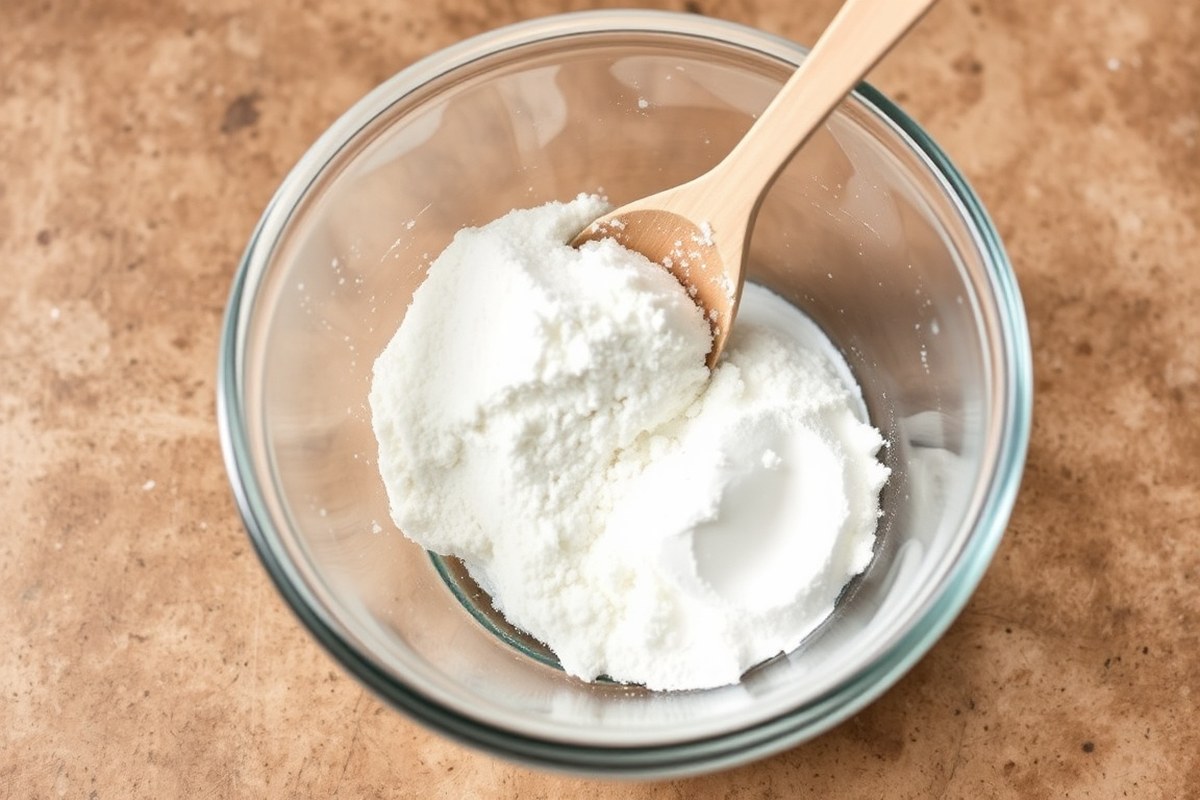
Fresh armpit stains respond well to household remedies like baking soda, white vinegar, and hydrogen peroxide. These ingredients break down sweat and deodorant stains when applied promptly. Using the right method for your fabric and stain type helps avoid damage and improves removal chances.
Preparing a Baking Soda Paste
Baking soda acts as a mild abrasive and deodorizer, making it ideal for fresh armpit stains on cotton and other sturdy fabrics. Mixing it with hydrogen peroxide and water creates a paste that lifts the stain by breaking down proteins and oils. Follow these steps to prepare and apply a baking soda paste:
- Mix two measures of baking soda with one measure of 3% hydrogen peroxide and an equal part of water at room temperature until you get a thick paste.
- Spread the paste evenly over the stained area, covering the entire mark.
- Let the paste sit for 20 to 30 minutes to allow the ingredients to break down the stain effectively.
- Rinse the area thoroughly with cool water to remove all paste residue.
- Wash the garment as usual, preferably in cold water to avoid setting the stain.
Test the paste on a small hidden area first to ensure it does not discolor or damage your fabric.
Using White Vinegar Soak
White vinegar removes both stains and odors from cotton and linen fabrics. It’s gentler than hydrogen peroxide and suitable for colored clothing, but you should avoid using it on elastic parts as it may weaken them. To treat armpit stains with vinegar, soak the affected area following these steps:
- Mix equal parts distilled white vinegar and cold water in a container large enough to submerge the stained section.
- Immerse the stained area completely in the solution, ensuring full contact.
- Let the fabric soak for 15 to 20 minutes to allow the vinegar to break down sweat residue.
- Remove the item and gently rub the stain to loosen it further.
- Rinse thoroughly with cold water before washing as usual.
Do not use vinegar on silk, wool, or delicate fabrics, as it may damage them.
Applying Hydrogen Peroxide for Whites
Hydrogen peroxide is effective for white cotton garments because it helps bleach stains without harsh chemicals. Use a 3% solution carefully, as overuse can cause yellowing or weaken fabrics, especially colored textiles. For white clothes with fresh armpit stains, apply hydrogen peroxide with these steps:
- Mix equal parts baking soda and 3% hydrogen peroxide to form a liquid solution or paste.
- Apply the mixture directly to the stained areas using a cotton ball or clean cloth.
- Allow the treatment to sit for 30 to 60 minutes to break down the aluminum-protein bonds in the stain.
- Rinse the fabric thoroughly with cold water to remove all residues.
- Wash the garment normally, preferably on a cold or gentle cycle.
Avoid hydrogen peroxide on colored fabrics, which can yellow or fade; reserve it for whites only.
3. Removing Stubborn Set-In Armpit Stains
Older armpit stains require longer treatment and sometimes repeated steps to fully remove. Set-in stains form a tough bond with fabric fibers, meaning standard washing often won’t work. Soaking for 30 to 60 minutes in a suitable solution and gentle scrubbing with a paste can break down the stain without harming your shirts. Avoid chlorine bleach because it discolors fabric and can worsen stains.
Soaking Duration for Set-In Stains
Set-in armpit stains benefit from soaking times between 30 and 60 minutes in an acidic or enzyme-based solution. The soak helps dissolve the protein-lipid-aluminum complex that causes staining. Avoid soaking longer than an hour to prevent fabric damage, especially on cotton shirts. For very stubborn stains, applying a paste and leaving it overnight before washing can improve results without weakening fibers.
Using lukewarm water below 104°F (40°C) is critical since higher temperatures chemically “bake” the stain deeper into fibers. Pre-treating with soaking prevents the stain from becoming permanent and reduces the number of wash cycles needed.
When and How to Repeat Treatments
You may need to repeat soaking and treatment one or two times if stains persist. Freshly cleaned shirts with slightly faded stains indicate progress. Persistent yellowing or discoloration on older shirts often requires additional applications to fully lift the residue. Follow these steps carefully:
- Mix a stain-fighting solution using a gentle detergent or enzyme cleaner with lukewarm water.
- Submerge only the stained areas, not the entire garment, to save detergent and reduce agitation.
- Soak for 30 to 60 minutes, then remove and apply a paste (baking soda mixed with water or hydrogen peroxide with liquid detergent) directly on the stains.
- Use an old toothbrush to gently rub the paste into the fabric fibers for 2, 3 minutes.
- Allow the paste to sit for an additional 30 minutes or overnight for tough stains.
- Rinse the garment thoroughly with cold water before washing as usual.
- If stains remain after drying, repeat the soaking and scrubbing steps once or twice more.
Do not put stained shirts in a tumble dryer until stains are fully removed. Heat increases the stain’s bond and makes removal nearly impossible.
Safety Tips for Using Bleach and Other Chemicals
Chlorine bleach is not safe for removing armpit stains on colored or delicate fabrics; it will cause discoloration and may damage fibers. Oxygen-based bleach is a gentler alternative that can be used safely on whites and colors but always follow label instructions for concentration and soaking time. Avoid mixing bleach with ammonia or acidic cleaners as it produces hazardous fumes.
Apply any chemical treatment in well-ventilated areas and wear gloves to protect your skin. Test stain removers on a hidden seam first to check for colorfastness. For high-quality or delicate shirts, consider professional stain removal services that use advanced enzyme treatments and temperature control to protect fabric integrity.
4. Choosing the Right Detergent and Washing Method
When picking a detergent to remove armpit stains, enzyme-based options work best because they break down the protein and aluminum compounds found in sweat. Products like Zout or OxiClean Max Force use enzymes designed to target these components. Oxygen bleach works well on white cotton fabrics, brightening and lifting stains without damaging the fibers, but it’s less safe for colored or synthetic fabrics.
Water temperature plays a key role in stain removal. Washing clothes in warm water (around 104, 113°F, or 40, 45°C) activates enzymes to clean effectively without setting stains. Avoid hot water, which can make stains permanent, especially if followed by drying in a hot dryer. Always rinse with cold water to flush out residue and slow stain setting. Drying stained clothes should be done only after confirming the stain’s removal, preferably by air drying to prevent heat setting.
Water hardness affects the success of your stain removal. Hard water contains minerals that reduce detergent effectiveness and may require using more enzyme-based detergent or a water softener. Fabric type changes which detergent and method to choose. Cotton usually responds well to oxygen bleach and enzymes, while synthetic fabrics may trap stains and respond better to enzyme detergents. Delicate fabrics like silk and wool need milder treatments to avoid damage and work best with enzyme detergents at low temperatures, avoiding bleach and heat.
| Fabric Type | Recommended Detergent | Washing Temperature | Washing Notes |
|---|---|---|---|
| Cotton (white) | Oxygen bleach (OxiClean) + enzyme detergent | Warm (104, 113°F / 40, 45°C) | Good stain removal; avoid hot drying until stain is gone |
| Cotton (colored) | Enzyme-based detergent only | Warm (104, 113°F / 40, 45°C) | No bleach; rinse cold; air dry for stain control |
| Synthetics (polyester, nylon) | Enzyme-based detergent | Warm, but under 113°F (45°C) | Stains may be persistent; repeat treatment necessary |
| Delicates (silk, wool) | Mild enzyme detergent, no bleach | Cold to warm (under 104°F / 40°C) | Hand wash preferred; avoid heat and agitation |
Use the warmest water temperature safe for your fabric that won’t risk setting the stain. After washing, check if the stain is gone before drying. If it persists, repeat enzyme treatment and wash again without heat drying. Consider your local water hardness; if you know your water is hard, increase enzyme detergent dose slightly or add a water softener to boost cleaning power. Save your successful detergent amount, cycle, and temperature settings to use the same process every time stains occur, ensuring consistent results.
5. How to Safely Treat Delicate and Dry-Clean Only Fabrics
Delicate and dry-clean-only fabrics require special care when dealing with armpit stains to avoid damage and preserve their appearance. You should limit home treatments to gentle approaches and seek professional help for valuable or heavily stained items to ensure safe and effective removal. Dry cleaning can remove sweat stains, but professional services might be necessary if stains are set or on fragile garments.
Identifying Delicate and Dry-Clean Fabrics
Materials like silk, wool, and structured garments such as suits and wedding gowns often come with a dry-clean-only label. These fabrics have fibres and finishes that can be easily harmed by harsh chemicals, scrubbing, or water exposure. Recognizing if your clothing falls into this category helps you avoid common mishaps, such as fabric shrinkage, color loss, or distortion.
Check care labels carefully before attempting any stain removal. Fabrics labeled “dry clean only” or with symbols indicating no water washing should be treated cautiously, preferably with professional cleaning to prevent damage.
Gentle Home Care Steps for Delicate Fabrics
For minor, fresh armpit stains on delicate garments, a cautious approach can sometimes reduce the impact before professional cleaning. Use cold water to avoid setting the stain and test any treatment on a hidden area first to check for colorfastness. Here’s a list of gentle home care steps to try:
- Blot the stain gently with a clean white cloth to absorb moisture, avoid rubbing.
- Apply a small amount of diluted mild detergent or a fabric-specific gentle cleanser with a cotton swab.
- Rinse immediately with cold water to prevent residue buildup.
- Air dry flat on a towel away from direct sunlight.
- Avoid any heat sources like irons or dryers until the stain is fully removed.
This approach minimizes abrasion and chemical exposure, which helps protect the fabric’s texture and dye. However, avoid soaking or extensive rubbing, which can cause permanent fabric distortion or damage.
When to Choose Professional Dry Cleaning
Opt for professional dry cleaning if the garment has intricate construction, is made of fragile fibers, or the stain has deeply set in. Dry cleaning uses organic solvents that dissolve oils and proteins in sweat stains without the use of water, reducing the risk of damaging fabric structure.
Professional cleaners apply specialized mechanical extraction methods to lift embedded stains safely, which is difficult to replicate at home. This service typically costs between $10 to $20 per item, varying by location and garment type.
If you notice discoloration, a musty smell, or fabric stiffness after home attempts, schedule a professional cleaning immediately. Early intervention improves the chances of complete stain removal without fiber harm.
Professional Stain Removal Options Beyond Dry Cleaning
Besides traditional dry cleaning, some professional laundry services offer targeted stain treatments that address stubborn armpit marks. These might include enzyme-based pre-treatment, steam cleaning, or chemical spotting techniques designed for delicate fabrics.
The service might add $10 to $30 on top of standard cleaning fees, depending on complexity. Using these specialist methods is particularly beneficial for high-value garments or items with sentimental value. Consult your cleaner about their available options and the garment’s care requirements.
Avoid DIY chemical treatments on silk and wool; these can cause irreversible damage, professional care is always safer.
6. Common Mistakes When Removing Armpit Stains and How to Fix Them
Tackling armpit stains can be tricky when common mistakes interfere with the cleaning process. One frequent error is drying clothes before confirming the stain is completely gone. Heat from the dryer can set stains permanently, making them much harder to remove later. Always check the stained area after washing by holding the fabric up to a bright light or sunlight. If the discoloration remains visible, skip the dryer and repeat the cleaning steps.
Mixing cleaning chemicals without proper guidance can also cause fabric damage or ineffective stain removal. Avoid combining bleach with ammonia or vinegar, as these can produce harmful fumes or deactivate the stain-removing power of each other. Instead, use oxygen-based stain removers separately and follow product instructions carefully. Pretreating the area before washing is another often-skipped but essential step. Pretreatment helps break down the proteins and oils causing stains, improving washing results. Apply an enzyme-based stain remover or a paste made from baking soda and water directly to the stain, letting it sit for 15 to 30 minutes.
Odor lingering after washing signals that the stain’s organic components haven’t been fully eliminated. Using a vinegar rinse can help neutralize odors safely. After washing, add one cup of white vinegar to a rinse cycle or soak the garment in a mixture of cold water and vinegar for 30 minutes before air-drying. Avoid strong fragrances or fabric softeners on these areas, as they can trap odors rather than eliminating them.
- Always pretreat armpit stains with an enzyme cleaner or baking soda paste
- Check the stain under bright light before drying clothes
- Repeat washing and pretreatment if any stain or odor remains
- Use oxygen-based bleach for whites and color-safe stain removers for colors
- Never mix bleach with ammonia or acidic cleaners
- Air-dry garments when possible to prevent setting stains
- For persistent odors, soak clothes in vinegar before the final rinse
These approaches ensure you avoid common pitfalls and increase the chances of removing armpit stains effectively. Taking the time to pretreat and visually inspect clothes before drying can save you from having to discard stained garments or spend extra money on professional cleaning. Each step requires only a few minutes but can make all the difference in restoring your clothing’s appearance.
7. Preventing Armpit Stains with Lifestyle and Laundry Habits
Preventing armpit stains starts with choosing the right deodorant. Look for aluminum-free deodorants to reduce chemical reactions that cause yellow sweat stains. Aluminum compounds often react with sweat proteins, leading to discoloration inside fabric fibers. A deodorant without these ingredients may leave less residue and help prevent staining, especially on light-colored clothing. You can also switch to clear gel or spray options, which are less likely to leave waxy deposits on dark fabrics.
Your laundry routine plays a key role in preventing stains from setting. Pretreat workout clothes promptly, especially those made from synthetic fibers that trap sweat. Use a stain remover spray or soak garments in cold water mixed with a bit of detergent for 30 minutes before washing. Avoid hot water on armpit areas as heat can set protein-based stains permanently. Wash clothes within a day or two of wearing to stop buildup, and separate heavily soiled workout gear from everyday laundry to treat them thoroughly.
How clothes fit also affects stain formation. Tight sleeves or synthetic fabrics increase sweat retention and limit airflow, making stains more likely. Wearing loose, breathable cotton or moisture-wicking fabrics helps sweat evaporate quickly. Looser fits reduce friction, which can worsen staining.
- Use aluminum-free, clear deodorant formulas to limit residue and chemical reactions.
- Pretreat workout clothes immediately with stain remover or cold water soak.
- Wash sweaty clothes within 48 hours to prevent stain setting.
- Choose breathable, loose-fitting clothing made from cotton or moisture-wicking materials.
- Avoid hot water cycles when washing stained areas.
- Separate workout clothes from regular laundry for targeted treatment.
- Consider dietary changes to reduce sweat odor and acidity.
Diet influences sweat composition, which affects stain formation. Foods like garlic, onions, and spicy dishes can increase sweat acidity and odor, potentially worsening yellow stains. Drinking plenty of water and eating a balanced diet may reduce excessive sweating and change how sweat interacts with fabric. Some people find that reducing caffeine and alcohol intake also helps manage sweat quality to lower stain risk.
Workout clothes usually require special care to prevent stains. These garments often have synthetic fibers that hold sweat and bacteria more tightly. Pretreat with enzymatic stain removers or soak in a mixture of water and white vinegar before washing. Use a washing machine cycle designed for activewear or cold water with gentle detergent to protect the fabric and remove odor and sweat residues effectively. Avoid fabric softeners, which can trap oils and worsen staining over time.
8. How to Dry Clothes to Avoid Setting Armpit Stains Permanently
Heat can permanently set armpit stains, especially if the stain contains protein, oils, or aluminum-based deodorant residues. High dryer temperatures cause the stain compounds to bind with fabric fibers, making them much harder to remove later. To avoid this, it’s best to keep drying temperatures low or skip the dryer entirely when dealing with stained clothing.
For most fabrics, using air drying is safest after washing. This allows you to see if the stain is fully gone before exposing the garment to heat. Drying stained clothes in a machine on high heat too soon can make the stain permanent. When using a dryer, select the lowest heat setting possible and ensure the garment care label approves machine drying.
- After washing stained clothes, avoid machine drying initially.
- Let the garment air dry on a drying rack or clothesline to prevent heat setting.
- When outdoor drying isn’t possible, air dry clothes indoors in a space with good ventilation.
- Only use a dryer if the fabric care label allows it, and use the lowest heat setting.
- When the stain stays after drying, wash or treat the garment again before drying once more.
- When unsure about drying options, air drying is a safe choice for most fabrics.
Air drying not only prevents heat from setting stains but also tends to be gentler on clothing, extending fabric life. Expect clothes air drying indoors to take several hours to over a day depending on humidity and air circulation. Outside, it usually takes a few hours in sunny, breezy conditions.
Using the dryer at temperatures below about 140°F (60°C) may reduce the risk, but some heat-sensitive stains and fabrics can still set below this temperature. When a garment label says “tumble dry low,” keep the heat within that specified limit. Avoid the “high heat” or “permanent press” cycles if the stain hasn’t been fully removed.
Always air dry stained clothes first; once heat from a dryer sets the stain, removal becomes much more difficult.
Not all fabrics react the same, so check the care label for drying restrictions. Delicate fabrics often cannot withstand high heat and should never go into a dryer. For cotton and synthetics labeled “machine dry,” low heat drying is an option if the stain is gone. However, letting the garment air dry after treatment is generally the safest bet to avoid permanent discoloration.
Step-by-Step Action Plan to Remove and Prevent Armpit Stains
Follow this straightforward plan to tackle armpit stains on your clothes and keep them from coming back. Each step helps you see clear results before moving on.
- Before wearing: Apply a gentle antiperspirant and let it fully dry to reduce sweat and deodorant residue.
- Right after use: Rinse or soak stained areas in cold water within a few hours to prevent stains from setting.
- Day 1: Treat fresh stains with a mixture of baking soda and water or mild detergent, then wash as usual; check if stain lightens before drying.
- Day 2 or later: For stubborn stains, apply a paste of hydrogen peroxide and baking soda; let sit 30 minutes then rinse and wash again.
- After washing: Air dry clothes in indirect sunlight or indoors; avoid machine drying until stains are fully gone to prevent setting.
- Weekly: Use a laundry detergent designed to break down sweat and oils, and add a booster like oxygen bleach on tough stains.
- Before special care: For delicate or dry-clean only fabrics, spot test stain removers and follow garment instructions or consult a professional cleaner.
- Ongoing: Rotate clothes and wash promptly after use to minimize buildup in armpits and reduce future stains.
Frequently Asked Questions
Will Hydrogen Peroxide Remove Stains?
Yes, 3% hydrogen peroxide can help remove armpit stains but may yellow colored fabrics, so test first on a hidden area. It works best mixed into a paste with baking soda and water for fresh or set stains.
Can You Remove Old Set-In Stains?
Old, set-in armpit stains can often be reduced but may not fully disappear. Soaking stains in a mix of oxygen bleach and warm water before washing improves results for white and colorfast fabrics.
Can Dry Cleaning Remove Stains?
Dry cleaning can remove deodorant stains and strengthen fabric care but might not fully eliminate yellow sweat stains lodged within fibers. Professional cleaning is safest for delicate fabrics marked dry clean only.
How Can I Remove Yellow Stains from My Armpits on White Shirts?
Oxygen bleach is the most effective treatment on white cotton or blends to break down yellow sweat stains. Follow with a hot water wash consistent with fabric care instructions for best results.
Why Do Some of My Dark Shirts Get Stiff White Residue in the Armpits?
Stiff white crusts on dark shirts usually come from deodorant residue, not sweat stains. Washing with an extra rinse cycle and using clear or gel deodorants can help reduce buildup.
Can I Use Regular Bleach on Colored Shirts with Armpit Stains?
Regular chlorine bleach isn’t safe for colored fabrics and can cause fading or yellowing. Oxygen-based bleach is a safer alternative for color-safe stain removal on colored shirts.
Key Points to Remember
Removing armpit stains depends on prompt care and choosing the right products for your fabric. Tackling stains early with proven treatments keeps clothes looking fresh, while preventive habits limit new stains. Start by treating one stained garment today with cold water and baking soda, you can build from there to maintain your wardrobe.