

What Do Laundry Symbols Mean? A Complete Guide to Care Labels
Laundry symbols are icons on clothing care labels that show you how to wash, dry, bleach, iron, and dry clean your clothes properly. Knowing what do laundry symbols mean helps you avoid damage like shrinking, fading, or fabric weakening by following the right care steps for each garment.
This information is designed for anyone who cares about extending the life of their clothes and saving money on replacements. You will learn to decode common symbols and temperature indicators so you wash each item with confidence and avoid costly mistakes.
Key Takeaways
- One dot inside the wash tub means washing at 30°C (cold), two dots mean 40°C (warm), and three dots mean 50°C (hot).
- The number inside the wash symbol specifies the exact maximum washing temperature in Celsius, such as 30 or 40.
- A triangle without markings allows any bleach; a crossed-out triangle means no bleach; a triangle with diagonal lines allows only color-safe bleach.
- Tumble dry symbols with dots indicate heat: one dot low, two dots medium (300°F/150°C), three dots high heat (390°F/200°C).
- Ironing symbols with one, two, or three dots correspond to low (110°C), medium (150°C), and high heat (200°C) settings.
- A circle on the label refers to dry cleaning; letters inside specify the solvent or process; a crossed circle means no dry cleaning.
What Do Laundry Symbols Mean on Care Labels?
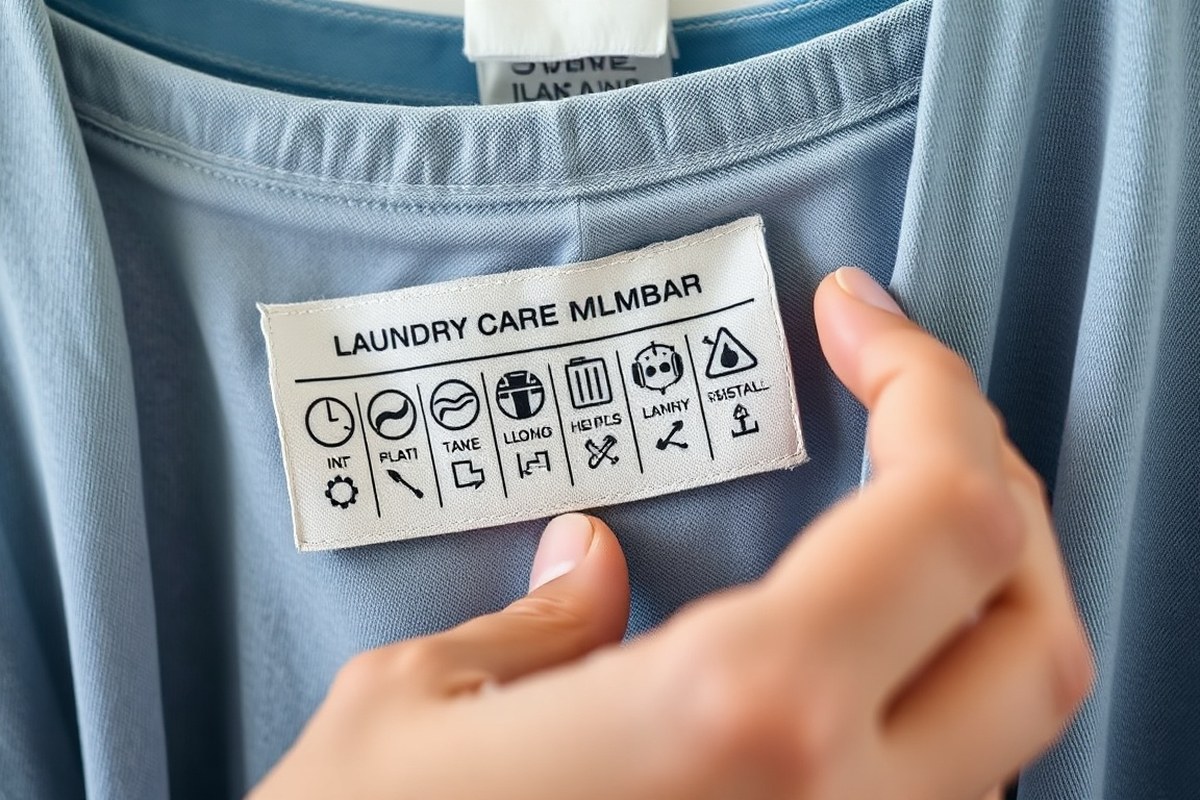
Laundry symbols are small icons printed on the care labels of clothing that provide clear instructions on how to properly wash, dry, iron, bleach, and dry-clean your garments. These symbols help you avoid mistakes like shrinking, color fading, or damaging delicate fabrics by giving you specific guidance tailored to each item. Instead of reading long paragraphs of care instructions, you can quickly identify the right treatment at a glance, saving you time and reducing the risk of ruining your clothes.
Understanding these symbols matters because improper care can significantly shorten the life of your clothing. For example, many fabrics get damaged or shrink when exposed to high dryer temperatures. Learning how to interpret the tumble dryer temperature guide found in drying symbols lets you select the best drying method, preventing common problems. Following the right washing and drying instructions also helps keep colors vibrant and fabrics strong over time, protecting your investment in quality clothing.
Laundry symbols include more than 30 icons, grouped in five key categories: washing, bleaching, drying, ironing, and dry-cleaning. Each set relates to specific garment care instructions. Washing symbols indicate recommended water temperature and cycle type. Bleach icons specify if and which kind of bleach is safe to use. Drying symbols guide whether to tumble dry with or without heat, air dry, or dry flat. Ironing symbols show the safe heat level or if ironing should be avoided. Dry-cleaning symbols provide directions for professional cleaning or highlight restrictions on certain solvents.
Using laundry symbols correctly means paying close attention to each symbol on the label before placing clothes in the washer or dryer. For instance, a symbol showing a triangle crossed out indicates no bleach, so using bleach on that item risks discoloration. A circle with a letter inside references dry-cleaning methods and should be left to professionals familiar with those codes. When a washing tub icon has dots inside, those dots show the water temperature limits: one dot stands for cold water, roughly 30°C (86°F), while three dots mean hot water, up to 60°C (140°F). Following these cues helps extend the garment’s longevity and appearance.
Misreading symbols or ignoring garment instructions often leads to damage that’s costly or impossible to repair. Checking labels each time you do laundry protects your clothes and reduces waste by maintaining fabric integrity. This careful approach might take a few extra seconds but can save money in the long run and keep your favorite items looking their best. Keeping a printed chart of common laundry symbols near your washer can make this easier until you memorize what they all mean.
How to Decode Washing Symbols and Temperature Indicators

Washing symbols provide clear directions on how to clean your clothes safely. The washing tub symbol often includes dots or numbers to indicate the recommended water temperature. Lines beneath the tub show the type of washing cycle to use, such as permanent press or delicate. Special symbols like a hand inside the tub or an X indicate hand wash only or no washing at all. Understanding these details helps you avoid damage and extend the life of your garments.
Understanding Washing Tub Symbols
The basic washing symbol is a bucket or tub filled with water. It may include lines underneath that represent the washing cycle. No line means a normal machine wash cycle suitable for sturdy fabrics. A single horizontal line signals the permanent press cycle, designed to reduce wrinkles by using a gentler agitation and a slower spin. Two horizontal lines indicate the delicate or gentle cycle, which uses very mild agitation and the slowest spin speed to protect fragile fabrics.
The washing symbol can also have additional marks to instruct on special care, such as a hand inside the tub for hand wash, or an X over the tub meaning do not wash or avoid water washing completely. These prevent accidental damage to fabrics that require careful handling or professional cleaning.
Interpreting Dots vs Numbers for Temperature
The dots inside the washing tub symbol communicate the maximum water temperature allowed for washing. The ASTM system in the US ranges from one dot (30°C) to six dots (95°C). For example, one dot means cold water, about 65 to 85°F (18 to 29°C), while three dots represent a warm wash around 120°F (50°C). Higher numbers of dots indicate hotter water but may risk shrinking or fading some fabrics.
Numbers inside the tub, used in the ISO system, specify the maximum temperature in degrees Celsius. For instance, a tub marked 40 means you should not wash above 40°C (104°F). This numeric approach offers exact temperature guidance rather than an approximate range. Following these temperature marks helps retain fabric quality and prevents damage like fading or shrinking.
| Washing Symbol | Meaning |
|---|---|
| Wash Tub, No Line | Normal machine wash cycle |
| Wash Tub with One Line | Permanent press cycle (medium agitation and spin) |
| Wash Tub with Two Lines | Delicate or gentle cycle (mild agitation and slow spin) |
| Wash Tub with One Dot | Cold water wash, max ~30°C (65-85°F) |
| Wash Tub with Three Dots | Warm water wash, max ~50°C (120°F) |
| Wash Tub with Hand | Hand wash only, no machine washing |
| Wash Tub with X | Do not wash (avoid water washing) |
Using the correct water temperature and cycle type reduces wear and tear. Washing hot when the symbol advises cold can cause shrinkage or damage. Running delicate cycles on normal wash items wastes time and may not clean properly. Always match the symbol instructions to preserve the fabric’s look and feel.
Special Washing Instructions: Hand Wash and Do Not Wash
The hand wash symbol is represented by a tub with a hand dipping into water. It tells you to wash the item gently by hand or use your machine’s hand wash setting, typically with water at 40°C (104°F) or below. Hand washing involves submerging the garment in lukewarm water with mild detergent, gently agitating by hand, and rinsing without wringing. This is necessary for delicate items like silk, wool, or embellished fabrics that can be damaged by machine agitation.
A crossed-out tub, or do not wash symbol, indicates the garment should not be submerged in water. These items require dry cleaning or spot cleaning. Ignoring this can cause fabric distortion, bleeding colors, or permanent damage. Always follow these instructions closely and use the appropriate cleaning method or professional service.
Tip: Avoid wringing or twisting delicate fabrics after washing; press gently to remove excess water instead. This prevents stretching and damage.
Interpreting Bleach Symbols: When and What to Use
The triangle symbol on a laundry care label tells you whether bleach can be safely used on the fabric and which type is appropriate. An empty triangle means you can use any bleach, including chlorine or non-chlorine. This is common on durable white fabrics or heavily soiled items where stronger bleaching power is needed to remove stains or brighten the fabric.
A triangle with two diagonal lines inside limits you to non-chlorine bleach only. Non-chlorine bleach, often oxygen-based, is gentler and safer for colored or delicate fabrics that might be damaged or discolored by chlorine bleach. Products like oxygen bleach powder or liquid are examples you might find in a store. This symbol ensures you don’t accidentally ruin or fade your clothing by using a harsh bleach.
When you see a triangle crossed out, do not use any bleach at all. Bleach can weaken fibers and cause discoloration, so this warning protects fabrics that are sensitive, dyed, or treated. Ignoring this symbol can cause permanent damage such as holes, loss of color, or fabric thinning.
- Empty triangle: any bleach allowed, including chlorine and non-chlorine
- Triangle with two diagonal lines: only non-chlorine bleach permitted
- Crossed-out triangle: no bleach should be used
- Choose bleach based on symbol to avoid fabric damage
- Use non-chlorine bleach for colored or delicate items marked accordingly
- Strong chlorine bleach is suitable for whites marked with an empty triangle
- Follow label instructions to preserve garment quality
The bleach symbol matters because it guides you on how to safely remove stains or brighten your clothes without risking permanent damage. To bleach safely, match the symbol with your bleach choice: chlorine bleach costs about $2 to $5 per gallon and works best on whites, while non-chlorine (oxygen) bleach typically costs under $10 for a box or bottle and suits colors. Always measure bleach according to product directions, overusing can weaken fabrics even if allowed.
Using bleach improperly leads to poor results such as faded colors, fabric holes, or weakened fibers that tear easily. Correct use following the triangle symbol keeps your clothes looking good longer while achieving effective cleaning and stain removal. This approach helps maintain your wardrobe in optimal condition while reducing laundry mistakes.
Understanding Drying Symbols: Tumble, Air, and Flat Dry Instructions
Drying symbols on clothing labels tell you the best way to dry your garments to avoid damage and keep them looking good. The square shape marks the drying instructions, with a circle inside meaning tumble drying is allowed. Dots inside that circle show the heat level: one dot for low heat, two for medium, and three for high. High heat can shrink or weaken fabric, so follow these closely. If the circle is filled in solid, it means you should not use any heat, just air dry inside a dryer drum.
Air drying options use lines inside the square instead of a circle. Three vertical lines indicate you should drip dry, letting the garment hang to drip off excess water without wringing. A single horizontal line means dry flat, laying the item on a surface to keep its shape. A curved line or drooping shape suggests hanging to dry on a line or hanger. A version of this symbol with a small half-circle or slant above it means dry in the shade, protecting colors from fading in direct sunlight. This is especially important for delicate or dark fabrics.
| Drying Symbol | What It Means |
|---|---|
| Circle inside square with 1 dot | Tumble dry on low heat |
| Circle inside square with 2 dots | Tumble dry on medium heat |
| Circle inside square with 3 dots | Tumble dry on high heat |
| Square with filled-in circle | Tumble dry, no heat (air dry) |
| Square with three vertical lines | Drip dry |
| Square with single horizontal line | Dry flat |
| Square with drooping curve and/or half circle | Dry in shade |
| Square with circle crossed out | Do not tumble dry |
Follow tumble dry heat dots exactly to avoid shrinking or melting fabrics. For example, low heat (one dot) puts out about 120 to 140°F, while high heat (three dots) can reach 160 to 190°F. Air drying (no heat) inside the dryer drum prevents heat damage but takes longer. Line drying, drip drying, and drying flat all save energy and prevent shrinkage but may take a day or more depending on humidity and air circulation.
Drying flat stabilizes garment shape, especially knits and sweaters prone to stretching. Drip drying works well for heavy fabrics that hold water, like rain gear, so the garment drips off slowly without twisting. Hanging to dry in the shade protects color vibrancy in sun-sensitive fabrics such as silk or dark synthetics. Avoid tumble drying completely when the “do not tumble dry” symbol appears, as heat and tumbling can severely damage material or finishes.
By reading these drying symbols, you can choose the right drying method for your clothes. Doing so helps the items last longer, look better, and reduces the risk of costly shrinkage or fabric damage.
What Ironing Symbols Mean: Heat Settings and No-Iron Instructions
The ironing symbol on your garment’s care label looks like a traditional iron and includes one to three dots inside it. These dots specify the maximum temperature you should use for ironing to avoid damaging the fabric. One dot means low heat (up to 230°F or 110°C), two dots mean medium heat (up to 300°F or 150°C), and three dots mean high heat (up to 390°F or 200°C). Using the correct temperature helps protect your clothing fibers from scorching, melting, or losing shape.
Occasionally, you might see an iron symbol without any dots. This means you can iron the item at any temperature without restriction. However, most fabrics benefit from following the dot guidance since heat affects different materials differently. For example, silk needs low heat, wool requires medium heat, and cotton or linen can handle higher temperatures.
Some ironing symbols include warnings or additional instructions about steam usage. If the iron symbol has a cross over the steam lines underneath it, do not use steam while ironing that garment; dry ironing only is allowed. Steam can cause water spots or shrinkage on sensitive fabrics. On the other hand, a plain iron symbol means steam may be safe to use with the appropriate heat setting. Finally, a crossed-out iron symbol warns against ironing the item at all, which typically applies to delicate or heavily decorated garments.
- One dot inside the iron: iron at low heat, up to 230°F (110°C)
- Two dots: iron at medium heat, up to 300°F (150°C)
- Three dots: iron at high heat, up to 390°F (200°C)
- Iron symbol without dots: any temperature is fine
- Iron symbol with steam lines and an X: no steam, dry iron only
- Iron symbol crossed out: do not iron the garment
Always test the iron on a small, hidden area first when unsure about temperature or steam use to avoid permanent damage.
Using the right heat setting based on these symbols ensures your clothes look their best and last longer. Ignoring the dots and warnings can result in burns, shiny marks, or fabric weakening, which leads to holes or stretching. Some fabrics, like synthetics, show heat damage more quickly, so pay close attention to these symbols. Selecting the proper setting requires setting your iron accordingly before pressing and avoiding prolonged contact with one spot.
Deciphering Dry Cleaning Symbols and Professional Care Marks
A circle on a clothing care label signals dry cleaning instructions, with letters inside to specify the type of solvent to use and lines beneath the circle indicating the required gentleness of professional cleaning. Understanding these symbols helps you protect delicate or specialty fabrics by providing clear directions to your dry cleaner or professional care provider.
Basics of Dry Clean Symbols
The circle symbol on a garment label shows whether the item should be dry cleaned rather than washed with water. A plain circle means the garment is suitable for professional dry cleaning, which is necessary for fabrics like silk, wool, and cashmere that water washing could damage. A crossed-out circle indicates the item should not be dry cleaned, meaning alternative care such as hand or machine washing is needed instead.
Dry cleaning uses solvents to clean clothes without water, preserving fabric integrity. It is important to follow these symbols exactly, since ignoring them risks shrinking, misshaping, or staining the garment. The dry cleaning symbol is one of five main care symbols that include washing, bleaching, drying, and ironing.
Meaning of Letters Inside Circles
Letters inside the dry cleaning circle direct which solvents professional cleaners should use. These codes appear as single capital letters:
| Letter | Solvent Type | Description |
|---|---|---|
| P | Perchloroethylene (Perc) | Most common dry cleaning solvent, suitable for many garments |
| F | Hydrocarbon (Petroleum) solvents | Gentler solvent option for delicate garments |
| W | Professional Wet Cleaning | Water-based cleaning that is very gentle and suitable for riskier fabrics |
The P and F solvents are chemical-based liquids that remove stains without soaking the fabric in water, while the W symbol denotes a professional wet cleaning process, which uses controlled water and specialized equipment to clean delicate items more gently than home washing machines. This letter coding helps your dry cleaner choose the right process to avoid garment damage.
Gentle and Very Gentle Cleaning Indicators
Additional lines below the circle modify the dry cleaning instructions by indicating how gently the process should be done. One horizontal line beneath the circle means “delicate” or “gentle” cleaning is required. This instructs the cleaner to reduce agitation, lower solvent temperature, and shorten cycle times to protect sensitive fibers. Two lines mean “very gentle” cleaning, indicating extra care should be taken, such as milder solvents or shorter cleaning cycles.
These accompanied lines are important for fragile fabrics that could be harmed by standard dry cleaning methods. For example, wool or cashmere garments often carry a circle with one or two lines beneath to make sure the cleaning process does not shrink or distort the fibers. Ignoring these lines may lead to early wear, fabric weakening, or shape loss.
When the letter W is shown inside the circle, it signals professional wet cleaning rather than chemical dry cleaning. This water-based process uses precise controls and mild detergents to clean delicate textiles safely. It is a preferred option for items that cannot tolerate traditional solvents but still require specialist care.
Common Laundry Symbol Misinterpretations and How to Avoid Them
One common mistake with laundry symbols is confusing the meaning of dots in washing or ironing icons. For instance, one dot usually means low heat (about 104°F or 40°C), two dots represent medium heat (about 140°F or 60°C), and three dots indicate high heat (around 194°F or 90°C). Misreading these can lead to shrinking or burning your clothes. Another frequent error involves bleach symbols; a triangle with no markings means any bleach can be used, a triangle with diagonal lines allows only non-chlorine bleach, and a crossed-out triangle means no bleach at all. Ignoring these can cause discoloration or weaken fabric fibers.
To prevent damaging clothes by overlooking label instructions, start by thoroughly examining all symbols before washing each load. Many shoppers overlook less familiar icons or assume similar-looking ones have the same meaning. This can result in using the wrong water temperature, ironing on too high a setting, or applying bleach inappropriately, all of which reduce clothing lifespan and appearance.
If you find symbols that seem unclear or even contradictory, such as a wash icon suggesting cold water but a drying symbol hinting at high heat, follow the more delicate instruction. Choosing gentler care methods protects your garment better than riskier methods. When in doubt, wash in cold water using a gentle cycle, avoid bleach unless explicitly allowed, and air-dry or use the lowest heat setting on your dryer.
- Check for dots under washing or ironing symbols and match them carefully to temperature guidelines.
- Identify the bleach symbol accurately: plain triangle, triangle with lines, or crossed-out triangle.
- Use cold water washes when temperature indicators conflict or are hard to read.
- Opt for gentle cycles and low dryer heat unless the label clearly allows higher settings.
- When labels are worn or illegible, treat garments as delicate and avoid bleach.
- Consult manufacturer websites or apps that explain specific symbols if unsure.
- Consider washing new or brightly colored clothes separately to detect color bleeding early.
Taking a few extra seconds to decode the symbols on your garment’s care label fully can save money on replacements and keep your favorite clothes looking new longer. Avoiding assumptions about icon meanings and practicing cautious laundering habits help maintain fabric integrity. In cases where instructions seem ambiguous, erring on the side of gentleness usually prevents costly mistakes like shrinking, color fading, or fabric damage.
How to Protect Delicates and Special Fabrics Using Laundry Symbols
Delicate clothing requires careful handling to avoid damage during washing. Symbols on care labels help you recognize when to use gentle washing methods, such as hand washing or the delicate cycle, and when to skip harsh treatments like bleach or high heat. These guidelines protect your special fabrics and keep them looking their best over time.
Identifying Delicate Fabric Symbols
Look for a small bucket with a hand inside or a bucket with a single or double line beneath it to indicate delicate or hand wash only. These symbols mean the fabric needs gentle care and should not be tossed in with heavy or rough clothes. The hand wash symbol shows the safest method is washing by hand, while the delicate cycle symbol lets you use a machine setting designed to reduce agitation and spinning speed.
Other symbols to watch include a triangle with an X through it, which means avoid bleach, and an iron with one dot or a crossed-out iron, indicating to use low or no heat when ironing. Paying attention to these symbols prevents shrinking, fading, or fabric breakdown, which happens quickly with harsh washing or drying.
Using Protective Laundry Bags
Using a protective laundry bag is one of the best ways to keep delicate fabrics safe during machine washing. Mesh laundry bags reduce friction and stop small items from snagging on zippers or buttons of other clothes. A popular option includes a 3-piece set of durable honeycomb mesh bags that fit most loads and cost less than $15 on Amazon.
Insert your delicate items, zip the bag securely, and use your washer’s delicate or hand wash cycle at cool to warm temperatures (around 40°C or 104°F). Avoid fabric softeners, as they can coat fibers and reduce fabric breathability. Here’s a simple checklist for using laundry bags effectively:
- Place each delicate item separately to avoid tangling
- Zip laundry bags completely to prevent clothes from escaping
- Use gentle detergent formulated for delicates, such as Woolite or Tide Free & Gentle
- Wash in cool or lukewarm water, ideally no hotter than 40°C (104°F)
- Avoid overloading the washing machine for better agitation control
- Remove items promptly to prevent wrinkles and mildew
- Air dry or lay flat to dry when possible to maintain shape
Always double-check that your mesh bag zipper is fully closed before washing to avoid damage or lost clothing.
Avoiding Heat and Bleach on Sensitive Clothes
Many delicate fabrics, like silk, wool, and lace, react poorly to high heat and bleach. Care labels often show a crossed-out triangle, signaling no bleach allowed. Use only color-safe or oxygen-based bleach if the label permits, but never chlorine bleach. High heat in washing, drying, or ironing can cause shrinkage, weakening fibers or discoloration.
Keep washing temperatures at or below 40°C (104°F) and select the tumble dry low icon or skip the dryer entirely by air drying delicates flat. Iron with the lowest heat setting or avoid ironing if the label shows a crossed-out iron. When handling these fabrics carefully, you significantly extend their lifespan and maintain their appearance.
Step-by-Step Action Plan for Using Laundry Symbols
Use this plan to confidently apply laundry care symbols and keep your clothes in great condition.
- Before Washing: Check all care labels on garments to identify washing, bleaching, drying, ironing, and dry cleaning symbols; understanding these prevents damage.
- Day of Laundry: Sort clothes by fabric type and symbol instructions (e.g., wash delicates separately); confirm you’ve sorted correctly if fabrics feel protected after washing.
- During Washing: Adjust washing machine settings to match the water temperature and cycle indicated by the symbol; successful washing retains fabric color and shape.
- Right After Washing: Follow drying symbols by selecting tumble dry or air dry and adjust heat accordingly; clothes should dry without shrinking or warping.
- Post-Drying: Apply ironing symbols by setting the iron temperature or skipping ironing as directed; check that fabrics remain smooth without burns or marks.
- When Considering Dry Cleaning: Identify professional care symbols and decide if clothes require a dry cleaner; fabrics stay intact when following this step.
- Ongoing: Regularly revisit less familiar symbols, especially for new fabrics, and update your knowledge; this ensures continued garment care without errors.
Frequently Asked Questions
What Do Laundry Symbols Mean?
Laundry symbols are icons on care labels showing how to wash, dry, bleach, iron, and dry clean your clothes safely. Learning them helps you care for garments without reading long instructions.
How Do Laundry Symbols Help Prevent Clothes Damage?
They guide you on the right temperature and method, avoiding shrinking, color fading, or fabric wear. Following them keeps clothes looking new longer.
Why Are Drying Symbols Important for Garment Care?
Dryer settings cause most shrinkage and damage. Drying symbols tell you whether to tumble dry, air dry, or dry flat to protect fabric.
What Does a Triangle Symbol with Lines Mean on Laundry Labels?
It indicates you should use non-chlorine bleach only. Regular bleach might damage or discolor fabrics with this mark.
How Can You Tell If a Garment Needs Professional Dry Cleaning?
Dry cleaning symbols like a circle tell you the garment requires special solvents and should be taken to a cleaner, not home washed.
What Does a Crossed-Out Iron Symbol Mean?
It means do not iron the garment, usually because ironing heat will damage the fabric, such as with some synthetics or delicate embellishments.
The Bottom Line
Reading laundry symbols correctly prevents costly mistakes and extends your clothes’ life. Try focusing on one symbol type each laundry day to build your confidence. Start by checking the washing and drying symbols on your most frequently used garments before your next load.


