How to Remove Sweat Stains from Clothes: 8 Effective Methods That Work
To remove sweat stains from clothes effectively, soak the garment in a water and white vinegar solution for 20 to 30 minutes, then treat with a paste of baking soda and water if needed. For colored clothes, always use cold water with vinegar to prevent fading. These methods help break down sweat residue without harsh chemicals.
This information is for anyone dealing with embarrassing pit stains on everyday clothing. You will find practical steps for natural remedies, commercial options, fabric-specific treatments, and tips for tackling old or set-in sweat stains.
Key Takeaways
- Soak stained clothes fully in a vinegar and water solution for 20 to 30 minutes before washing.
- Use cold water with vinegar when treating sweat stains on colored garments to avoid color loss.
- Apply a baking soda paste directly on sweat stains and let it sit for 20 to 30 minutes for best results.
- Hydrogen peroxide mixed with cool water can remove deodorant stains when soaked for at least 30 minutes.
- Heavier or older sweat stains often require longer soaking and treatment times.
- After soaking, wring out excess water and dry the garment flat to prevent fabric distortion.
1. How to Remove Sweat Stains from Clothes Effectively

To remove sweat stains effectively, start by addressing fresh stains immediately with a quick pre-treatment. For both fresh and old stains, soaking clothes in a vinegar and water solution followed by applying a baking soda-based paste breaks down the stain and odor-causing bacteria. Completing the process with a thorough wash and rinse ensures the stain is lifted and your clothes look fresh again.
Pre-Treating Fresh Stains
Fresh sweat stains respond best to quick action. Use a clean cloth or paper towel to blot excess moisture without rubbing it deeper into the fabric. Lightly spray or dab white vinegar on the stained area to begin breaking down the stain’s components. Alternatively, make a thin paste of baking soda and water and gently rub it into the fabric with your fingers or a soft brush to start lifting the stain before it sets.
Pre-treatment helps avoid the need for more aggressive methods later. It’s especially important on delicate fabrics or clothes you want to keep in good condition. Avoid rubbing hard, as this can damage fibers and spread the stain.
Soaking and Applying Paste Mixtures
Soaking is essential for set-in or more stubborn sweat stains. Prepare a solution of one part white vinegar to three parts cold water in a clean basin or sink. Submerge the garment so the stained area is fully covered. Let it soak for 20 to 30 minutes to loosen the sweat residue and bacteria.
After soaking, apply a paste made from equal parts baking soda, salt, and a small amount of hydrogen peroxide (start with about 1 tablespoon each for a small stain). Use an old toothbrush to gently scrub the paste into the stained fabric, allowing the mixture to work on both the stain and odor. Let the paste sit for 30 minutes before washing.
For colored clothing, stick to vinegar and water soaks without hydrogen peroxide, which can bleach fabrics. Always test these mixtures on an inconspicuous area first to check for discoloration.
Final Washing and Rinse Tips
Treat the stain first, then wash the garment using the hottest water allowed by the care label. Combine this with a high-quality laundry detergent to boost the cleaning effect. Do not dry the item in a dryer until you’re sure the stain is gone, since heat can make it permanent.
After washing, inspect the clothing. Should the stain persist, apply the paste and soak the garment again to increase your chances of removal. Rinse thoroughly to remove any residue from the stain removal mixtures, which can build up and cause stiffness or discoloration over time.
Dry the garment by air-drying whenever possible. This helps preserve the fabric and allows any lingering odors to dissipate better than heat drying.
- Blot fresh sweat stains gently to remove moisture.
- Apply white vinegar spray or a baking soda paste directly to the stain.
- Soak the garment in a 1:3 vinegar to cold water solution for 20, 30 minutes.
- Mix equal parts baking soda, salt, and hydrogen peroxide into a paste.
- Scrub the paste into the stain with a toothbrush and let sit for 30 minutes.
- Wash the garment in warm water using a quality laundry detergent.
- Inspect the stain and repeat paste treatment if necessary.
- Air-dry the garment to avoid setting any remaining stain.
2. Natural Household Remedies for Sweat Stain Removal
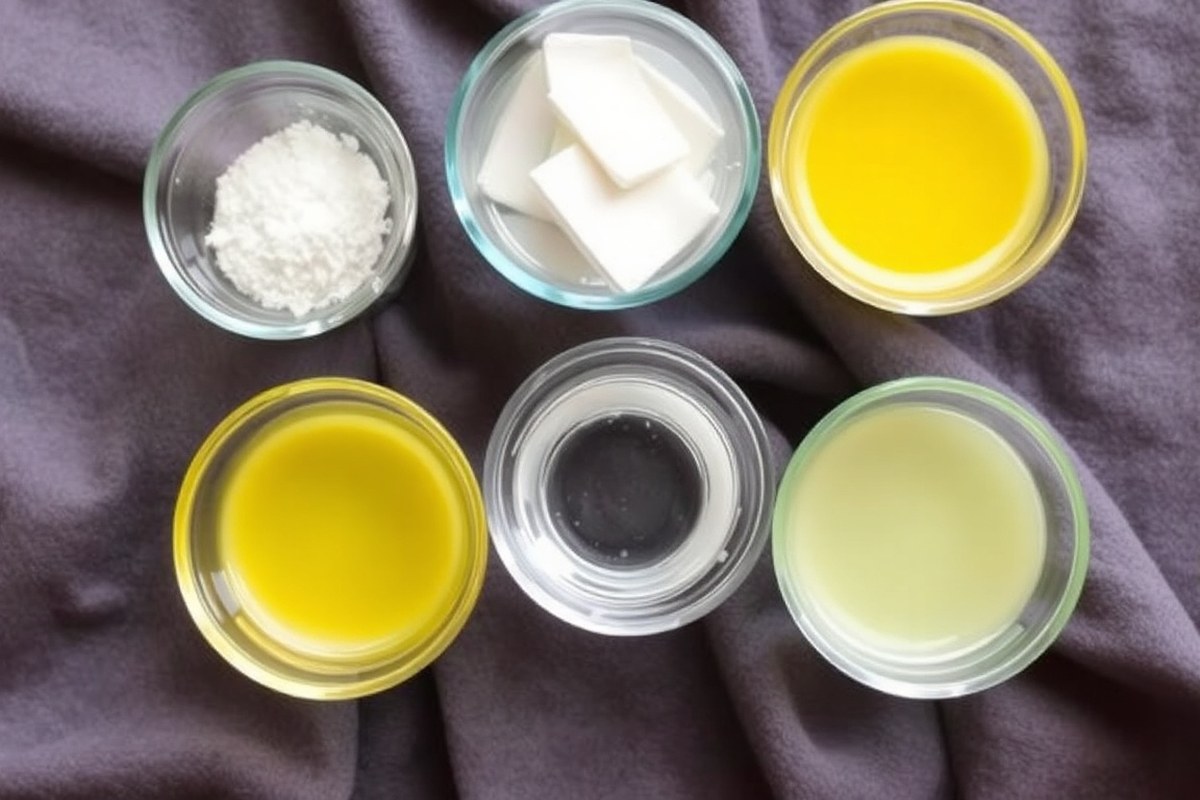
Natural ingredients like baking soda, white vinegar, and hydrogen peroxide can remove sweat stains effectively by breaking down stain proteins and neutralizing odors. These agents work differently depending on fabric type and colourfastness, so it’s important to use each method carefully for the best results and to avoid damage or fading.
Baking Soda Paste Method
Baking soda works by drawing sweat stains out of fabric fibers and neutralizing odours. When combined with water, it forms a mild abrasive paste that lifts stains as it dries.
To use, mix 4 tablespoons of baking soda with 1 tablespoon of water to create a thick paste. Apply this paste directly onto the sweat stain and gently rub it in. Let it sit for at least 30 minutes or until dry, then brush off the residue before washing as usual in cool water. Avoid using this paste on delicate fabrics like silk or wool.
White Vinegar Soak
White vinegar is an acid that breaks down the minerals and proteins in sweat stains, making them easier to remove. It’s safe for most fabrics and colours, but always test on a hidden area first.
Mix 1 part white vinegar with 2 parts cool water in a basin. Submerge the stained garment completely, allowing the fabric to soak for 20 to 30 minutes. This pre-soak loosens sweat residue, so after soaking, rinse thoroughly and wash normally. Vinegar also helps neutralize odor, which is an added advantage.
Hydrogen Peroxide Treatment for Whites
Hydrogen peroxide is a mild bleach that breaks down and lightens sweat stains, making it especially effective on white or colourfast fabrics. It should not be used on coloured clothes or delicate materials due to risk of fading or damage.
Combine ½ cup hydrogen peroxide with 2 cups of cool water and let the garment soak fully for at least 30 minutes before laundering. For tougher spots on white clothes, create a paste using equal amounts of baking soda, hydrogen peroxide, and water, then spread it directly onto the stain. Test the solution on a hidden area first to ensure it won’t cause damage.
| Natural Agent | Best For | How to Use | Precautions |
|---|---|---|---|
| Baking Soda | Most fabrics except delicate | Mix with water to make a paste, apply to stains, let dry, then brush off and wash | Not for silk or wool |
| White Vinegar | Most fabrics and colours | Soak garment in diluted vinegar solution for 20-30 minutes, rinse, then wash | Spot test first |
| Hydrogen Peroxide | White and colorfast fabrics only | Soak garment in diluted solution for 30 minutes or apply paste with baking soda, then wash | Avoid on colored or delicate fabrics |
| Lemon Juice | White clothes | Apply directly or dilute for soaking, then wash | May cause fading on colored fabrics |
Each natural remedy offers an affordable and accessible option for removing sweat stains using household items. Choosing the right agent depends on fabric type and colourfastness, with vinegar being the safest for coloured materials and hydrogen peroxide reserved for whites to avoid bleaching.
Test any natural stain remover on a small, hidden part of the fabric before using it widely, especially on delicate or colored clothing, to avoid possible harm or fading.
3. Choosing Commercial Products for Sweat Stain Removal
Several commercial stain removers work well for sweat stains, each suited to different stain types, fabric sensitivities, and personal preferences for ingredients. Many are enzyme-based or oxygen-based, while some prioritize natural, plant-derived formulas. Use them according to product instructions and timing to avoid damaging fabrics or setting the stain further.
Enzyme-Based Stain Removers
Enzyme-based stain removers break down protein components in sweat, making them very effective for fresh and moderately set-in underarm stains. These products often come as pretreatment sprays applied directly to the stain about 5 to 10 minutes before washing. They work best in cold to warm water and should be followed by laundering with a mild detergent. Reapplication may be needed for tough or older stains. Enzyme formulas are generally safe for most washable fabrics but always check the label for delicate or specialty textiles.
Examples include Shout Active Enzyme Laundry Stain Remover Spray, which targets sweat, body oils, and everyday underarm stains. Its convenience as a spray makes spot treatment quick, suitable for cotton shirts and synthetic blends.
Oxygen-Based Bleach Alternatives
Oxygen-based bleach alternatives like OxiClean Max Force Laundry Stain Remover Spray lift stubborn and older sweat stains without the harshness of chlorine bleach. They release oxygen molecules that help break down stains safely on bleach-safe clothing, including whites and colors. Apply these sprays as a pretreatment and let them sit 10 to 15 minutes before washing. They require using water temperature and cycle recommended by the product; often, warm water works well but always follow instructions to avoid fabric damage.
While oxygen bleaches are safer than chlorine bleach, avoid any bleach product on dark colors or delicate fabrics to prevent discoloration. When used correctly, these products restore garments without weakening fibers or fading colors.
Plant-Based and Eco-Friendly Products
Plant-based stain removers offer a gentler alternative, using naturally derived enzymes and surfactants for sweat stain removal. Products like Puracy Natural Laundry Stain Remover Spray provide effective pretreatment suitable for everyday use and sensitive skin. These are ideal when you want an eco-friendly option without sacrificing cleaning power. Apply the spray to the stain, wait about 10 minutes, then wash with a mild, enzyme-based detergent in cold water.
Eco-friendly products may cost slightly more, typically around $8 to $12 per bottle, but they reduce exposure to harsh chemicals and align with sustainable laundry practices. Using them repeatedly until the stain fades is common, especially on older stains.
For activewear or heavy sweat stains, products like Sweat X Extreme Stain Remover Spray specialize in removing residues from intense physical activity and may be combined cautiously with enzyme detergents to improve results. Avoid mixing multiple spot treatments at once to prevent chemical interactions or fabric damage.
| Product | Type | Good Fit For | Dosage & Timing | Pros | Cons |
|---|---|---|---|---|---|
| Shout Active Enzyme Laundry Stain Remover Spray | Pretreatment spray | Sweat, body-oil, underarm stains | Spray on stain; wait 5, 10 minutes before wash | Effective on protein stains; ready-to-use spray | Requires cold/warm water; may need repeat applications |
| OxiClean Max Force Laundry Stain Remover Spray | Stain-removal spray | Older, stubborn underarm stains | Apply; wait 10, 15 minutes; wash in warm water | Lifts tough stains; safe on colorfast fabrics | Not for delicate/dark fabrics; follow fabric care labels |
| Puracy Natural Laundry Stain Remover Spray | Plant-based stain remover | Everyday pretreatment; sensitive skin preferences | Spray; wait ~10 minutes; wash in cold water | Eco-friendly; gentle; biodegradable | More costly; may require repeated use |
| Sweat X Extreme Stain Remover Spray | Sports-oriented stain remover | Activewear, heavy sweat stains | Apply before washing; follow up with enzyme detergent | Targets intense sweat/odor stains | Should avoid combining with other chemicals simultaneously |
Using commercial products as directed improves sweat stain removal while preserving fabric quality. Choose enzyme-based sprays for routine sweat and oil stains, oxygen-based sprays for tougher or older stains on compatible fabrics, and plant-based options if you prefer eco-friendly solutions. Avoid chlorine bleach on dark or delicate fabrics to prevent damage.
4. Treating Sweat Stains on Different Fabric Types
Delicate fabrics like silk and wool require gentle care to avoid damage when treating sweat stains. For silk, avoid any harsh chemicals or heavy scrubbing. It’s best to take silk garments to a professional dry cleaner, especially if the stain is fresh, since silk fibers can easily weaken or discolor with improper home treatments. Wool also needs special attention; spot clean with a mild detergent formulated for wool using cool water. Avoid bleach, hot water, or agitation, all of which can cause shrinkage or felting.
Synthetics such as polyester and nylon tolerate more aggressive stain removal methods but still require caution. These fabrics endure warm water and common stain removers like enzyme-based detergents or baking soda paste. Avoid chlorine bleach on synthetics as it may weaken the fibers or cause discoloration. Always follow fabric care labels to check for safe washing temperatures and allowed chemicals.
Natural fabrics including cotton and linen are easier to treat but can set stains if left too long. Treat sweat marks promptly using oxygen-based bleach or a mixture of water and white vinegar. Hot water can help break down sweat components but check if the fabric tolerates it first. Test stain removal solutions on a hidden area before full application to prevent undesired damage or colour loss.
Testing any treatment before fully applying it to your garment is essential. Use a small, inconspicuous spot such as an inside seam or hem. Apply your chosen cleaner, wait 5 to 10 minutes, then blot and rinse with water. Look for colour changes, fabric texture alterations, or residue before proceeding with the entire stain.
- Use cool water and gentle detergent for wool and silk
- Avoid bleach and strong chemicals on delicate fabrics
- Wash synthetic fabrics with warm water and enzyme detergents
- Apply vinegar or oxygen bleach safely on natural fabrics like cotton
- Always test treatments on hidden fabric areas first
- Limit scrubbing to avoid fabric wear or distortion
- Dry delicate garments flat to maintain shape
Remember to treat stains shortly after wearing to reduce the chance of permanent marks. Hard, yellow sweat stains form with time as body oils and deodorants bind with fabric fibers. Immediate rinsing or light pre-soaking can stop this process, especially important for delicate textiles. Following these tailored methods helps you maintain your clothes while effectively managing sweat stains.
5. How to Remove Old and Set-In Sweat Stains
Old sweat stains differ from fresh ones mainly because the components in the sweat, such as salts, proteins, and oils, have bonded deeply with the fabric fibers over time. This makes them much harder to remove with basic washes or simple treatments. The longer you leave sweat stains untreated, the more persistent they become, often setting in permanently if exposed to heat like a dryer’s heated cycle. Because of this, you need stronger methods and more patience to tackle set-in stains effectively.
To remove old sweat stains, create a soaking mix using one part white vinegar and two parts warm water, then add a few drops of a detergent designed for tough stains. The acetic acid in vinegar helps break down the sweat residue trapped in fabric fibers. Soak your garment for at least 30 minutes, and if the stains are old and tough, leave it soaking for several hours or overnight. Extended soaking allows the solution to penetrate deeper and work better at loosening the stain.
After soaking, gently scrub the stain area with a soft brush or cloth to help lift the loosened residue. For stubborn stains, applying a paste made from baking soda and water directly onto the stain can add extra cleaning power. Spread a thin layer of this paste on the stain and let it sit for 20 to 30 minutes before rinsing. Baking soda acts as a mild abrasive and can absorb some of the oils mixed with the sweat. Avoid scrubbing too hard, as this can damage delicate fabrics.
When you rinse and wash the garment after soaking and applying these treatments, use the warmest water safe for the fabric. Check the clothing care tag to avoid damaging the fiber structure, as heat can otherwise worsen stains or shrink the fabric. Air dry the clothes instead of using a dryer, since heat from drying can cause sweat stains that haven’t been fully removed to set even more firmly.
Some set-in stains might require repeated treatments. After soaking and scrubbing, if the stain still shows, soak the garment again one or two more times before washing it. Be aware that persistent yellow discolorations from the buildup of sweat and deodorant sometimes resist household methods completely. At that point, professional cleaning services may be necessary. They use specialized solvents and techniques beyond typical home care, which can improve results for older and very stubborn stains.
Don’t put a sweat-stained garment in the dryer until you’re sure the stain is gone; heat can set the stain permanently and make removal far more difficult.
6. Common Mistakes When Removing Sweat Stains and How to Fix Them
Persistent sweat stains after washing usually mean the stain was not treated properly before laundering or the water temperature used caused the stain to set. Protein-based stains like sweat can become more difficult to remove if hot water is used prematurely because heat sets the proteins into the fabric fibers. To avoid this, always pre-treat sweat stains first, then wash the garment in cool or cold water.
Hot water should generally be avoided on all fabrics when dealing with sweat stains. Using hot water might seem like a good way to boost cleaning power, but it can actually make the stain permanent if residue remains. Instead, focus on loosening the stain through effective pre-treatment and reserve hot water for washable fabrics only after the stain has been fully removed. Cold water rinse cycles help prevent the proteins from bonding with fabric.
A common error during pre-treatment is applying the stain remover unevenly or not allowing enough time for it to work. Pre-treatment is key because it breaks down the sweat components that cause discoloration and odor. For best results, apply the product directly to the stain and let it soak for at least 10 to 20 minutes. For example, a baking soda paste or vinegar solution should sit on the fabric long enough to penetrate and lift the stain before washing.
- Applying stain remover only sparsely or missing spots
- Using hot water too early in the process
- Not allowing enough soak time during pre-treatment
- Skipping the cool or cold water rinse after washing
- Overloading the washing machine, which prevents proper cleaning
- Using harsh bleach on sensitive fabrics like silk or wool without professional advice
To fix these mistakes, first always check the fabric label for water temperature recommendations. Next, apply the pre-treatment product carefully over the stain and wait 15 to 20 minutes before washing. Choose a cool or cold water setting for the wash cycle, which helps prevent setting the protein stain. If after washing the stain remains, repeat the pre-treatment process rather than using hot water immediately. Thick fabrics or set-in stains may require multiple treatments or professional cleaning to fully remove sweat marks.
7. Preventing Sweat Stains on Clothes Before They Form
Choosing the right antiperspirant plays a major role in preventing sweat stains. Products like Dove Invisible Advanced Care Clear Finish Antiperspirant offer up to 72 hours of sweat protection while minimizing moisture that leads to staining. Its formula dries clear, preventing white marks on clothes that can mix with sweat and bacteria to cause yellow stains. Apply antiperspirant and allow it to dry fully before dressing to avoid transfer onto fabric.
Laundry habits also matter in keeping sweat stains from forming or setting in. Regularly washing clothes after each use removes sweat, deodorant, oils, and bacteria that contribute to staining. Using a targeted stain spray such as Shout Active Enzyme Laundry Stain Remover on fresh underarm areas before washing helps break down stain-causing residues. Follow with a quality detergent to clean the full garment. Avoid overheating the washer or dryer, which can cause stains to set; wash in warm water (typically 104°F to 113°F or 40°C to 45°C) and dry on a medium heat setting where fabrics allow.
- Apply antiperspirant and wait 2-3 minutes for it to dry before wearing clothes.
- Use clear or invisible antiperspirant formulations to reduce visible residue.
- Pre-treat underarm areas with an enzyme-based stain remover before washing.
- Wash sweat-prone clothes after each wear using warm water and a quality detergent.
- Avoid using bleach on colored fabrics to prevent fabric damage or discoloration.
- Consider garment shields or underarm pads to absorb sweat and protect clothes physically.
- Check clothing care labels to choose appropriate washing and drying temperatures.
Garment shields can be effective for heavy sweaters or special garments that require less washing. They act as physical barriers, absorbing sweat before it reaches the fabric, protecting expensive or delicate clothing. However, they need replacement or washing themselves and may be less practical for daily wear or lighter sweating. For everyday prevention, focusing on antiperspirant choice and diligent laundry habits is usually more reliable.
8. When to Seek Professional Cleaning for Sweat Stains
Professional dry cleaning effectively removes sweat stains, especially when stains are fresh or when home treatments fail. Dry cleaners use solvents that dissolve sweat residues and deodorant buildup, achieving results often not possible with regular washing. This is particularly true for delicate fabrics like silk or wool, where improper home treatment risks damage.
Consider professional cleaning if sweat stains are old, deeply set, or combined with deodorant marks that resist household remedies. Garments labeled “dry clean only” should always be taken to professionals. Stains on formal wear, such as dress shirts and linen suits, also benefit from expert care to avoid fabric damage and preserve color. Time matters: addressing stains early lets dry cleaners remove them more easily and thoroughly.
Professional cleaning can cost between $8 to $20 per item, depending on the garment and stain severity, with extra charges for urgent or specialty treatments. Turnaround times vary from same-day to several days. While pricier and slower than at-home methods, dry cleaning offers a higher likelihood of complete stain removal without damaging fabric.
A decision checklist will help you decide: Is the fabric delicate or labeled dry clean only? Has the stain persisted after home treatments? Is the stain large, dark, or combined with deodorant buildup? Yes, professional cleaning is worth it in that case. For smaller or fresh stains on washable cotton or synthetics, home methods remain cost-effective and faster.
Professional cleaning risks include potential shrinkage, color change, or residue of solvents if the cleaner uses incorrect processes. Choose reputable services with stain treatment guarantees. Confirm their experience with sweat stains and specific fabrics you have. Request clear information on prices and turnaround before handing over your clothes.
Take clothes to the dry cleaner promptly; the longer sweat stains sit, the harder they are to remove, even professionally.
Pros of professional cleaning include expertise in stain chemistry, gentle handling of delicate fabrics, and advanced solvents unavailable at home. Cons are higher costs, longer wait times, and occasional risks of fabric changes. Some stains may still remain if set too long or if previous home treatments caused damage.
For clothes like dress shirts and evening wear, professional cleaning preserves fabric integrity while removing sweat stains safely. Casual cotton shirts or sportswear can often be treated reliably at home. When deciding, consider the garment’s value and your willingness to pay for reliable results. Err on the side of professional cleaning whenever unsure about fabric care instructions or severity of the stains.
Step-by-Step Action Plan for Removing Sweat Stains
Follow these clear steps to tackle sweat stains effectively and keep your clothes looking fresh.
- Before washing: Pre-treat the sweat stain with a mixture of baking soda and water or a commercial stain remover. Let it sit for 15 to 30 minutes to break down the stain.
- At wash time: Wash the garment using the hottest water safe for the fabric. Check care labels to avoid shrinking or damaging your clothes.
- After washing: Inspect the garment before drying. When the stain remains, apply pre-treatment and wash the garment again to prevent permanent damage to the fabric.
- For old stains: Let the garment soak overnight in a mixture of white vinegar and water or an oxygen-based bleach to help remove deep-set stains.
- For delicate fabrics: Use gentle hand washing with mild detergent and avoid harsh chemicals. Spot test any product on a hidden area first.
- Preventive care: Apply an antiperspirant and let it dry fully before dressing. Wash sweaty clothes promptly to prevent stain buildup.
- When stains don’t come out: Professional cleaning can be a good option for stubborn marks on delicate fabrics such as silk or wool to protect the material.
- Routine maintenance: Regularly inspect and treat underarm areas to keep sweat stains from developing over time.
Frequently Asked Questions
How to Remove Deodorant Stains from Black Shirts Quickly Naturally?
Use a mixture of cold water and white vinegar to soak the shirt for 20 to 30 minutes. This helps break down deodorant residue without harsh chemicals, preserving the fabric’s color.
Does Dove Deodorant Stain Clothes?
Dove Invisible Advanced Care Clear Finish Antiperspirant is designed to prevent white marks and helps shield clothes from sweat stains, reducing the chance of fabric discoloration.
Does Vanish Get Rid of Sweat Stains?
Vanish can help remove sweat stains when applied as a stain remover before washing. Its formula targets protein-based stains like sweat effectively.
How Can I Remove Stains from White Clothes?
Soak white garments in a mix of white vinegar and water, then treat the stain with a paste of baking soda, salt, and hydrogen peroxide before laundering. This approach effectively removes yellow sweat stains without damage.
Clothing Care 101: Baking Soda for Sweat Stains?
Baking soda paste draws sweat stains out of fabric fibers while also neutralizing odor, making it a natural and inexpensive way to treat armpit stains.
Can Sweat Stains Cause Permanent Fabric Damage?
Sweat stains can damage fabrics if untreated, as salts and body oils break down fibers over time. Treat stains promptly to maintain garment quality.
Final Thoughts
Removing sweat stains is manageable with timely treatment and the right methods for your fabric. Start by pre-treating stains quickly and choose cleaning techniques suited to your clothing type. Taking these actions keeps your garments looking clean and helps extend their wear. Begin today by treating a recent sweat stain using a home remedy or stain remover and see the difference it makes before washing.