How to Use Vinegar in Laundry: 8 Proven Ways to Clean, Soften, and Deodorize
Vinegar works well in laundry for softening fabrics, removing odors, and brightening clothes without harsh chemicals. Add it to your wash cycle or use it as a pretreatment to boost cleaning power naturally. Knowing how to use vinegar in laundry helps you save money and reduce chemical exposure while improving your laundry results.
This advice suits homeowners and renters looking for natural laundry solutions. You’ll learn practical ways to add vinegar for best effects, how to tackle stubborn stains, soften fabrics, protect colors, and even clean your washing machine efficiently.
Key Takeaways
- Pour ½ to 1 cup of white distilled vinegar into the fabric softener dispenser to use during the rinse cycle of your laundry.
- Soak white clothes in 1 cup vinegar plus 2 cups warm water for 30 minutes before washing to brighten.
- Apply undiluted vinegar directly on stains and let sit 10-30 minutes before washing for tough stain removal.
- Protect bright colors by soaking them undiluted in vinegar for 15 minutes before their first wash.
- Use 2 cups of vinegar directly in the washing machine drum to relax stiff towels and baby garments instead of using dryer sheets.
- Clean a dirty washing machine by filling it with hot water and 2 gallons of vinegar, then run agitator 8-10 minutes.
1. How to Add Vinegar in Laundry for Best Results

Adding vinegar to your laundry is simple and can be done in a few effective ways to boost cleaning results and soften fabrics naturally. The best time to add vinegar is during the rinse cycle because vinegar acts as a natural fabric softener and deodorizer without interfering with your detergent. Using the fabric softener dispenser is the easiest method to ensure vinegar gets released at the right time. However, it’s also fine to add vinegar directly to the washing machine drum at the beginning of the wash if your goal is to help brighten or clean clothes. The amount you should use depends on your load size but typically ranges from ½ to 1 cup of distilled white vinegar per load.
Adding vinegar to the fabric softener dispenser helps the washing machine release it during the final rinse. This prevents vinegar and detergent from mixing too early, which might reduce vinegar’s effectiveness. For top-loaders or machines without a fabric softener compartment, pouring vinegar directly into the drum after the wash cycle starts is fine. Avoid adding vinegar in the detergent compartment, as the early mix with soap lessens vinegar’s benefits.
Too much vinegar won’t harm your clothes but using more than 1 cup per load is usually unnecessary and can cause a strong vinegar smell, which should rinse out completely during the cycle. White distilled vinegar is recommended because it won’t stain or damage fabrics. Use it regularly to keep clothes fresh and your washer clean without extra chemicals.
- Measure the vinegar. Use between ½ cup to 1 cup of distilled white vinegar per load depending on load size and soil level.
- Locate the fabric softener dispenser.Pour the vinegar into your washing machine’s dispenser if it has one to release it during the rinse cycle.
- Add vinegar to the drum instead if needed. For machines without a softener dispenser, pour the vinegar directly into the washing machine drum before adding your clothes and detergent.
- Load your laundry normally. Add detergent and place clothes in the machine as usual.
- Select your wash settings. Wash clothes with the usual cycle temperature and wash options based on fabric care labels.
- Run the cycle as normal. The vinegar will rinse through, softening fabrics and removing residues from detergent and minerals in water.
- Check for vinegar smell after washing. Usually, any vinegar odor will completely rinse out. Run an extra rinse cycle with plain water when a scent remains.
2. Removing Odors and Stubborn Stains with Vinegar
Vinegar effectively removes odors and stubborn stains because its acidic nature neutralizes the alkaline compounds that cause bad smells. This acid also breaks down residue left by sweat, mildew, and other sources, helping to lift stains from fabric fibers. When removing odors like sweat, smoke, or mildew, vinegar attacks the bacteria and mold spores responsible for those smells, leaving clothes fresher.
For stain removal, apply undiluted white vinegar directly to the stained area and allow it to soak between 10 and 30 minutes. The exact time depends on the stain’s toughness; for sweat or deodorant stains on collars and underarms, spraying full-strength vinegar before washing works well. This approach softens the residue, making it easier to wash out during your normal laundry cycle.
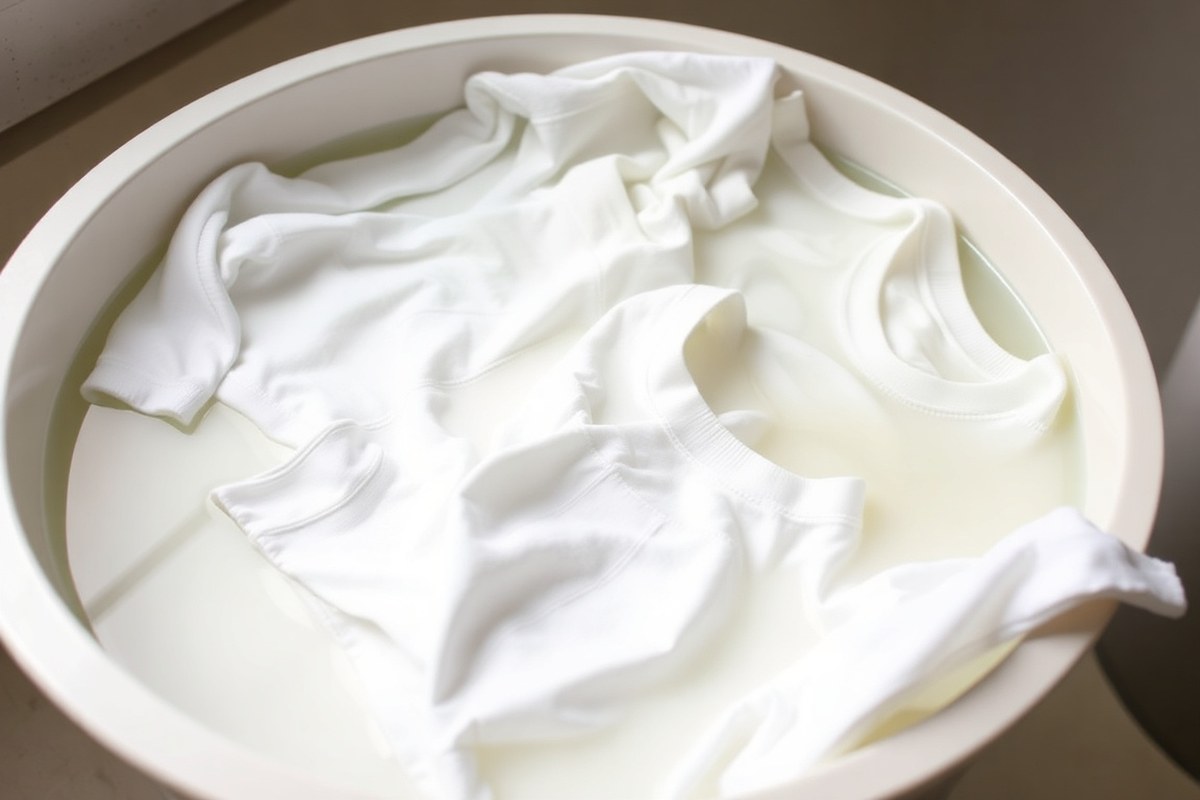
Soaking clothes in a vinegar solution can be particularly helpful for mildew odors and stubborn stains. Fill a basin with warm water and add 1 cup of white distilled vinegar per gallon. Soak garments for 30 minutes to an hour, checking the progress to avoid overexposure. Vinegar not only neutralizes mildew smells but also kills mold spores, preventing odors from returning. For tougher stains such as oil-based food spots or grass stains, apply vinegar directly or combined with baking soda as a paste, and let it sit before laundering.
Sweat stains respond well to vinegar because it helps dissolve the buildup of salts and deodorant residues that cause yellowing and odors. Treating these areas with undiluted vinegar before the wash cycle can reduce discoloration and odor. For general odor removal, adding 1 cup of vinegar to your wash cycle can also improve freshness without leaving a vinegar scent on clothes.
Using vinegar correctly involves a few steps: first, test a small, hidden area of fabric to make sure no color loss or damage occurs. Use only white distilled vinegar, as other types can stain. For direct application, spray or pour undiluted vinegar onto stains and let sit for up to 30 minutes before washing. For soaking, mix 1 cup of vinegar per gallon of warm water, submerge clothes for 30 to 60 minutes, and then wash normally. Avoid soaking delicate fabrics for too long, as the acidity can weaken fibers.
Always use white distilled vinegar for laundry to avoid unwanted staining and test stain treatment areas to prevent damage.
3. Using Vinegar as a Natural Fabric Softener
Vinegar works as a natural fabric softener by breaking down detergent residues that stiffen fabrics and cause buildup. Adding vinegar to your laundry can leave clothes soft, reduce lint, and minimize static cling, making it a straightforward alternative to commercial fabric softeners. Using a quarter to a half cup of white distilled vinegar in the rinse cycle provides softness without the chemicals found in many store-bought products.
How Vinegar Softens Fabrics
Over time, detergent residues and minerals from water can accumulate on fabric fibers, leaving clothes feeling rough and towels less absorbent. The acetic acid in white distilled vinegar gently dissolves these residues, helping restore softness. By breaking down alkaline detergent deposits, vinegar frees fabric fibers to feel softer and more flexible.
To use vinegar as a softener, add 1/4 to 1/2 cup of white distilled vinegar during the rinse cycle of your wash. This timing prevents vinegar from interfering with detergent effectiveness while allowing it to rinse away residue. For heavily used towels, you can try washing a half load with a full cup of vinegar in hot water before returning to regular cycles with smaller amounts of vinegar.
Reducing Static and Lint with Vinegar
Static cling results from friction, especially on synthetic fabrics, causing clothes to stick and attract lint or pet hair. Adding vinegar to the rinse cycle helps neutralize electrical charges, which reduces static buildup. This also makes lint less likely to cling to your clothes during drying.
Use about 1/4 to 1/2 cup of white distilled vinegar in the final rinse to keep clothes, especially towels and baby clothes, static-free without relying on dryer sheets or chemical softeners. For wash cycles with visibly lint-covered items, adding a half cup of vinegar during the wash can help loosen and remove lint and pet hair.
When to Use Vinegar Instead of Fabric Softener
Replacing commercial fabric softeners with vinegar can reduce chemical exposure while still softening and freshening your laundry. Vinegar’s mild acidity is safe for most fabrics and won’t coat fibers like some softeners do, which can decrease absorbency in towels. This makes vinegar particularly useful if your towels have lost their ability to soak up water.
For a natural softener, add 1/4 to 1/2 cup of white distilled vinegar in the rinse cycle instead of liquid fabric softener. If you encounter any strong smells from vinegar, it usually dissipates during drying. Avoid using vinegar on delicate materials without checking care labels, and do not mix vinegar with bleach or ammonia cleaners.
4. Protecting Colors and Brightening Whites Using Vinegar
Vinegar helps protect your clothes by locking dyes in new fabrics, brightening whites, and reducing color bleeding. Its mild acidity sets fabric dyes, which means your colors stay vibrant longer and are less likely to wash out or run onto other clothes. When you soak new colored items in vinegar before washing, you can significantly lower the chance of color bleeding during the first several washes.
To lock in dye on new clothes, mix 1 cup of white vinegar and 1/2 cup of salt in a bucket or sink filled with cold water. Submerge the new garment completely and let it soak for 30 minutes to an hour. After soaking, rinse the garment with cold water and wash it as usual in your machine. This simple pre-soak creates a chemical environment that helps set the dye without harsh chemicals or bleach. Avoid using hot water during soaking, as it can cause color fading or bleeding instead of preventing it.
For brightening whites, vinegar works as a natural alternative to bleach without the risk of yellowing or weakening fabric fibers. After washing your white clothes, add 1 cup of white vinegar to the rinse cycle or soak dingy whites in a mixture of 1 cup of vinegar and 1.5 quarts of boiled tap water. Let the whites soak for 30 minutes before rinsing thoroughly. This process helps break down residue and mineral buildup that dulls fabric, making whites look crisper and cleaner without harsh chemicals.
Using vinegar in the laundry also complements salt as a color protector. For example, adding 1/2 cup of salt to the wash along with 1 cup of vinegar helps prevent fading in dark colors like denim. The salt helps fix the dye while vinegar stabilizes it. To maximize this effect, wash dark or colored clothes inside out in cold water. Avoid overloading the washing machine, so clothes can move freely and rinse properly.
Costs for vinegar and salt are low, with a gallon of white vinegar priced around $3 to $5 and table salt priced under $1 per pound. A single soak or wash treatment uses small amounts, making this method affordable for regular laundry care. Good results include less fading in colored fabrics, noticeably brighter whites, and fewer instances of color bleeding between items. Signs of ineffective treatment include continued fading, color transfer, or dingy whites, often due to skipping the soak, using hot water, or not adding enough vinegar or salt.
5. Cleaning and Deodorizing Your Washing Machine with Vinegar
Vinegar can effectively clean, descale, and deodorize your washing machine by breaking down soap scum, mineral deposits, and odors. Using a hot water cycle with white distilled vinegar helps maintain the machine’s performance and hygiene without harming its parts. Regular treatments every one to three months prevent buildup that can affect washing results and machine longevity.
Running a Vinegar Cleaning Cycle
Running an empty wash cycle with vinegar removes soap residue, grime, and odors from the drum and internal parts. Use hot water for the best cleaning action, as heat accelerates vinegar’s ability to dissolve buildup. This process is safe for standard washing machines and should be done periodically to ensure efficient operation.
- Pour 2 cups of white distilled vinegar into the detergent compartment or directly into the drum.
- Select the hottest and longest wash cycle available on your machine.
- Start the cycle and let it run completely without any clothes inside.
- Wipe down the door seal, drum, and detergent trays with a cloth soaked in vinegar after the cycle finishes.
Use white distilled vinegar, not cleaning vinegar, to avoid damage since cleaning vinegar is much stronger and more acidic.
Removing Hard Water Deposits
Hard water causes limescale buildup inside your washing machine, which vinegar helps dissolve thanks to its acetic acid content. This buildup can block water flow and reduce machine efficiency. Vinegar’s natural acidity breaks down these mineral deposits when introduced during a hot wash cycle or applied directly to affected areas.
For heavy deposits, soaking removable parts like detergent trays in a 1:1 solution of vinegar and water for one hour can loosen buildup before rinsing and reinserting them. Regular vinegar cleaning every 2 to 3 months can prevent hard water residue from accumulating.
Maintaining Washing Machine Hygiene
In addition to cleaning and descaling, vinegar deodorizes the machine by removing musty smells caused by trapped moisture and detergent residue. This keeps laundry smelling fresh and reduces the risk of mold and mildew growth. After running a vinegar cycle, leave the door open to air out the drum and prevent moisture build-up.
Do not overuse vinegar; a cleaning cycle once every 1 to 3 months is sufficient. Excess vinegar could potentially wear down rubber seals and hoses over time, but occasional use is generally safe for all standard machine parts. Always check your manufacturer’s instructions for any restrictions regarding vinegar use.
6. When and How to Use Vinegar on Delicate Fabrics
Vinegar can be used safely on delicate fabrics like silk and wool when diluted and applied carefully during soaking or rinsing. Avoid using undiluted vinegar or soaking for too long, as the high acidity may weaken fibers or cause fading. Always test a hidden area first and limit vinegar contact to short periods with gentle hand washing.
Fabric Types Safe for Vinegar
Silk and wool are among delicate fabrics that can tolerate vinegar if used properly, mainly because vinegar helps remove detergent residues and brighten colors without harsh chemicals. Rayon, although delicate, can sometimes handle diluted vinegar but requires extra caution due to its sensitivity. Avoid using vinegar on acetate and some specialty finishes that could degrade or discolor from acid exposure. Avoid using vinegar when the fabric care label forbids acidic substances or the garment has special coatings.
Natural fibers like cotton and linen are generally safe with vinegar, but since the focus here is on delicates, keeping use minimal and controlled is key. Hand washing delicates with a mild detergent and adding diluted vinegar only during the final rinse can improve fabric softness and cleanliness without damaging fibers.
Dilution Ratios for Delicates
For soaking or rinsing delicate fabrics, mix one part white distilled vinegar with at least four parts cool water. A recommended ratio is 1 cup of vinegar to 4 cups of water for a gentle soak lasting no more than 10 minutes. For rinsing after hand washing, add ½ cup of vinegar to 1 gallon of cool water. Avoid hot water, which can worsen fiber damage or set colors inappropriately.
To soak delicate items, gently submerge them in the diluted vinegar solution, moving the fabric occasionally to avoid uneven exposure. Rinse promptly in clean, cool water after soaking. For spot treatment on stains, dip a cotton swab into the diluted vinegar, test on a hidden area, and apply for no longer than a minute before rinsing. This limits vinegar’s acid contact with the fibers.
Signs Vinegar May Harm Fabrics
Look out for fabric weakening, color fading, or changes in texture after exposure to vinegar, especially when used undiluted or for prolonged soaking. Use caution with vinegar if the fabric turns brittle, loses its sheen, or develops uneven color patches, as it might be too harsh. Silk may feel less smooth and wool could lose some of its natural oils, resulting in stiffness.
Perform a patch test by applying diluted vinegar to a small hidden section and waiting 10 to 15 minutes for any reaction. No change means it’s likely safe to proceed. Stop use immediately if discoloration, fiber breakdown, or fabric fragility appears. Some synthetic fibers or blends may react unpredictably, so always check care labels and test before full application.
7. Combining Vinegar with Other Laundry Boosters Safely
Vinegar can be a powerful natural helper alongside other laundry boosters like baking soda, salt, and borax but requires careful handling to avoid unsafe mixtures. Pairing vinegar with baking soda or salt improve cleaning by using their distinct chemical properties while keeping your laundry safe and fresh.
Baking soda has a basic pH, while vinegar is acidic, and their reaction produces bubbling that helps lift stains and odors. Create a paste by combining 2 parts white vinegar with 3 parts baking soda, then apply it to spots before laundering for improved cleaning. Do not pour vinegar and baking soda directly into the washer’s detergent slot, as this will cancel out their effects.
Salt works well combined with vinegar for tackling specific stains like rust. For example, a thin paste of salt and vinegar applied directly to rust spots can help lift the stain gently. Boiling yellowed cotton or linen in water with 1 tablespoon of salt and 1/4 cup of baking soda also refreshes fabric color and removes odors.
Bleach and many detergents should never be mixed with vinegar. When combined, vinegar and bleach produce toxic chlorine gas, posing serious health risks. Stay clear of combining vinegar with detergent directly in the same compartment as the acid can reduce detergent effectiveness and cause a chemical reaction. Instead, add vinegar during the rinse cycle after the detergent has already worked through the wash.
Borax can be used alongside vinegar but separately in the wash. Borax boosts cleaning by softening water and increasing detergent performance but does not react dangerously with vinegar. Use borax as directed on the package, typically a half cup per load, while vinegar goes in the rinse cycle. Below is a checklist that helps you compare these combinations for safe and effective laundry use:
| Combination | Use | How to Apply | Safety |
|---|---|---|---|
| Vinegar + Baking Soda | Pre-treat stains, deodorize | Make a paste (2 parts vinegar, 3 parts baking soda), apply on stains | Safe if not mixed directly in machine detergent compartment |
| Vinegar + Salt | Rust stain removal, brighten fabric | Apply thin paste on rust stains or boil yellowed fabric with salt and baking soda | Safe |
| Vinegar + Borax | General cleaning boost | Add borax in wash cycle, vinegar in rinse cycle | Safe if separated into different cycles |
| Vinegar + Bleach | None (dangerous) | Do not mix | Toxic chlorine gas forms, hazardous to health |
| Vinegar + Detergents | General cleaning | Use vinegar in rinse cycle after detergent | Safe if separated by cycle; do not mix |
Using vinegar after detergent during the rinse helps avoid chemical clashes and preserves fabric integrity. Baking soda added to the wash with your detergent can boost cleaning and neutralize odors, making sports gear fresher. Salt and vinegar treatments target tough stains like rust effectively without harsh chemicals. Always follow product labels and local guidelines when using any additives, and keep bleach away from vinegar at all costs due to the severe health hazards involved.
8. Common Mistakes and Safety Tips When Using Vinegar in Laundry
Using vinegar in laundry can be very effective, but there are common mistakes that can reduce its benefits or cause damage. One frequent error is overusing vinegar. Adding too much, more than 1 cup per load in a standard washer, can lead to lingering smells and potential fabric weakening. Stick to about 1/2 to 1 cup per load, added during the rinse cycle, to avoid issues while still enjoying the cleaning power of vinegar’s mild acidity.
Choosing the wrong type of vinegar also matters. White distilled vinegar is the best option for laundry because it won’t stain clothes or leave residues. Avoid apple cider vinegar or other colored vinegars, which can cause discoloration. Using a high-quality, clear vinegar ensures safe results without unexpected fabric stains.
Vinegar is generally safe for washing machines, but prolonged or frequent exposure to acidic solutions may damage rubber components and elastic bands found in some clothes and machine seals. Avoid using vinegar too often if you notice rubber parts or elastic fabrics deteriorating. For example, do not wash elastic workout clothes with vinegar every time to prevent the acid from breaking down elasticity.
- Use no more than 1 cup of white distilled vinegar per load
- Add vinegar during the rinse cycle, not the main wash
- Do not use colored vinegar; stick to white distilled vinegar
- Limit vinegar use on clothes with elastic bands or rubber parts
- Run a water-only rinse cycle after vinegar to prevent smell
- Check washing machine seals regularly for signs of wear
- Avoid combining vinegar directly with bleach to prevent harmful fumes
Persistent vinegar smells on clothes usually clear after the laundry dries fully. If the smell remains, run an extra rinse cycle with cold water right after washing. Using too much vinegar or skipping the rinse phase can cause residues that smell bad. Ensuring proper dilution and rinse cycles helps keep fabrics fresh.
Vinegar can weaken fabric fibers if used excessively or in undiluted concentrations. Limit frequent vinegar washing on delicate or worn fabrics to prevent premature wear. When used correctly, the acid in vinegar brightens colors without breaking down the fabric’s integrity.
Do not pour vinegar directly on clothes; dilute it in water or add it to the washing machine’s fabric softener dispenser to avoid stains and fabric damage.
Step-by-Step Action Plan for Using Vinegar in Your Laundry
Follow these steps to get the most out of vinegar in your laundry routine, improving fabric care and freshness safely.
- Before Your First Load: Use between 1/2 and 1 cup of white distilled vinegar for a typical wash. Pour it into the fabric softener compartment or add it during the rinse cycle to help soften clothes and remove leftover detergent.
- After 1 Wash: Check your clothes for lingering odors or mild stains; if odors persist, add vinegar again on the next wash to boost deodorizing effects.
- After 3 Washes: Use vinegar in a cleaning cycle with no clothes to deodorize and descale your washing machine; look for reduced buildup and fresher machine smells.
- Once a Month: Add vinegar when washing whites to maintain brightness and protect colors from fading; assess fabric vibrancy regularly to adjust vinegar amounts.
- With Delicates: Add 1/4 cup vinegar during the rinse cycle; ensure no residual vinegar smell remains by airing out clothes thoroughly after drying.
- When Using Other Boosters: Separate vinegar use and bleach or enzyme detergents into different cycles to prevent soda-like reactions; verify improved cleaning without fabric damage.
- Each Use: Do not pour vinegar directly on fabrics to avoid possible irritation or staining; always dilute and add during the rinse phase or fabric softener slot.
- After Several Uses: Monitor your washing machine’s condition and your clothes’ feel; if fabrics soften and odors vanish, vinegar is working effectively.
=== Vinegar offers a safe, natural way to soften fabrics, remove odors, protect colors, and keep your washing machine clean. Start by adding it during the rinse cycle to see immediate fabric benefits. Keep track of your laundry’s freshness and softness to fine-tune your vinegar use for lasting results.
Frequently Asked Questions
Where to Put Vinegar in a Washing Machine?
Add ½ to 1 cup of white distilled vinegar in the fabric softener dispenser to use during the rinse cycle, or pour it directly into the drum when washing.
What Do the Amish Use for Laundry Detergent?
Many Amish people use natural alternatives like homemade soap or washing ashes instead of commercial detergents, often adding vinegar to soften clothes and remove odors.
What Fabrics Should Not Be Washed with Vinegar?
Avoid using vinegar on delicate fabrics like silk and acetate, as the acid can damage fibers and affect color or texture.
Can I Put Vinegar in the Fabric Softener Dispenser?
Yes, pour ½ cup of distilled white vinegar into the fabric softener dispenser during the rinse cycle; it acts as a natural fabric softener without residue.
Does Vinegar Help Prevent Static Cling in Laundry?
Yes, vinegar reduces static cling naturally, making it an effective replacement for chemical fabric softeners.
Can Vinegar Damage Rubber Seals in Washing Machines?
Using vinegar occasionally is safe for rubber seals, but avoid frequent high concentrations to prevent potential wear.