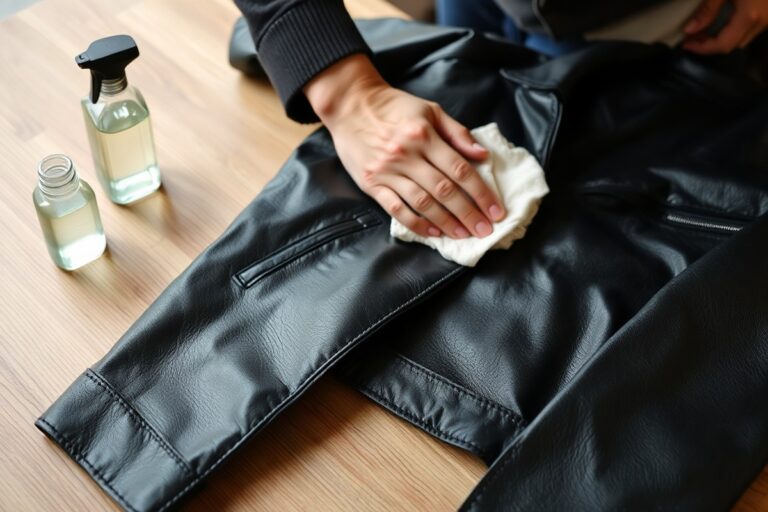
How to Get Pit Stains Out of Shirts: 8 Expert-Backed Methods That Work
To get pit stains out of shirts, treat the affected areas promptly with a soak using hydrogen peroxide or a vinegar solution before washing. For white shirts, hydrogen peroxide works best, while colored fabrics benefit from oxygen bleach or gentle vinegar treatments. Effective stain removal depends on the shirt’s fabric, stain age, and whether the mark is from sweat or deodorant. You’ll find practical, step-by-step methods tailored to these factors that make a noticeable difference at home.
This advice targets anyone frustrated with yellow or white pit stains on everyday shirts. You’ll learn how to pick the right treatments for whites and colors, fresh versus set-in stains, and even how to prevent pit stains altogether. The tips focus on safe, widely accessible products and techniques suitable for most household laundry setups.
Key Takeaways
- Soak white shirts in half a cup of hydrogen peroxide with two cups of cool water for at least 30 minutes before washing.
- For colored shirts, soak the stained areas in a mixture made from one part white vinegar and two parts warm water for between 30 and 60 minutes.
- Apply a baking soda paste directly to stains and let it sit for 30 minutes before washing to boost stain removal.
- Gently scrub stains with a soft brush after applying treatment to help break down residue without damaging fabric.
- Fresh stains respond well to quick treatments, while set-in stains may need overnight soaking for better results.
- Use oxygen bleach in the wash cycle for colored shirts to lift stains without fading colors.
Effective Home Methods to Remove Pit Stains

Yellow or white pit stains on your shirts can make even your favorite tops look worn out quickly. Treating these stains effectively at home depends on acting fast and choosing the right approach for white or colored fabrics. Household ingredients like baking soda, white vinegar, and hydrogen peroxide can break down sweat and deodorant residues that cause those stubborn marks.
For white shirts, a hydrogen peroxide soak helps fade yellow sweat stains and odor. Mixing ½ cup hydrogen peroxide with 2 cups cool water and soaking the shirt for at least 30 minutes before washing can significantly improve results. This method is gentle on most fabrics but always check care labels first. Colored shirts benefit from a paste made with baking soda and water, which gently lifts stains without bleaching colors. White vinegar also tackles stains and odors effectively on both fabric types.
Timing matters. The sooner you treat the stain after noticing it, the easier it is to remove. Set-in stains are harder to erase but repeated applications of baking soda paste or oxygen-based bleach soaks on whites can help lighten them. Avoid hot water on colored fabrics to prevent setting the stain further. Soaking times typically range from 30 minutes to an hour depending on the fabric’s tolerance. Follow these steps to get pit stains out of your shirts with household products:
- Identify fabric type: Check the care label to confirm if the shirt is white or colored and suitable for soaking.
- Rinse with cool water: Flush the stained area under cool water to remove fresh sweat and loosen debris.
- Apply a pre-treatment: For whites, soak the shirt in a mixture of ½ cup hydrogen peroxide and 2 cups cool water for 30 minutes. For colored shirts, make a paste with 4 tablespoons baking soda and ¼ cup water, apply it to the stain, and let sit for 30 minutes.
- Add vinegar if needed: Dab white vinegar on the stain to remove odor and break down stain residue, especially if it’s persistent.
- Wash on proper setting: Use the hottest water safe for the fabric, as indicated on the care label, with your regular detergent.
- Air dry the shirt: Avoid machine drying as heat can set remaining stains. Check if the stain is gone before drying fully.
- Repeat if stains persist: Reapply the baking soda paste or hydrogen peroxide soak and wash again for tough stains.
Household treatments like baking soda and vinegar cost just a few cents per use and require about 30 minutes for soaking plus a normal wash cycle, making them an affordable, low-impact solution. Stain removal results can vary based on stain age, fabric type, and product concentrations, so expect some trial and error. Avoid chlorine bleach on colored fabrics as it may cause discoloration.
Choosing the Right Treatment for White vs Colored Shirts

Choosing the right treatment depends on your shirt’s color and fabric type to avoid damage or discoloration. White shirts handle stronger oxidizing agents well, while colored and delicate fabrics require gentler, color-safe methods. Testing treatments on a hidden area first helps protect your clothes.
Treatment Options for White Shirts
White cotton shirts tolerate hydrogen peroxide and oxygen bleach, making these effective choices for removing pit stains. Use a 3% hydrogen peroxide solution directly on the stain or soak the shirt in an oxygen bleach mixture to brighten and lift stubborn discoloration. Avoid chlorine bleach, it can worsen yellow stains by reacting with aluminum residue from antiperspirants.
Pour hydrogen peroxide onto the stained area, using a moderate amount to cover it well. Spread the shirt face down on a clean white towel to protect colored parts from bleaching. Let it absorb the solution for 30 minutes before washing normally. Proper treatment should fade stains while preserving the fabric’s integrity.
Safe Methods for Colored Fabrics
Colored shirts need milder, color-safe products to prevent fading. Enzyme detergents paired with oxygen-based “color-safe” bleach boosters effectively break down pit stains without lifting dyes. Always test a small hidden seam for ten minutes before full treatment. Avoid hydrogen peroxide and chlorine bleach on colors as they act as mild bleaches and can cause fading or discoloration.
Soaking colored shirts in an oxygen bleach solution before washing speeds stain removal. Use the warmest water safe for the fabric according to care labels. These treatments preserve color while weakening stains, offering a safer alternative to harsher chemicals.
Precautions for Delicate Materials
Delicate and synthetic fabrics require extra caution because many stain removers can weaken fibers or alter texture. Use enzyme detergents with color-safe oxygen bleach only when care labels allow. Test for colorfastness and fiber reaction before applying treatments broadly.
Consider professional dry cleaning for delicate dress shirts or fabrics labeled “dry clean only.” Dry cleaning uses solvents instead of water to gently remove stains without risking shrinkage or damage. This prolongs garment life and maintains original shape. Avoid home bleaching or soaking with harsh agents on delicate items. The table below compares recommended treatments by shirt type to help you choose the safest, most effective option.
| Shirt Type | Recommended Treatment | What to Avoid | Test Required? | Expected Results |
|---|---|---|---|---|
| White Cotton | 3% Hydrogen Peroxide, Oxygen Bleach Soak | Chlorine Bleach | Optional (on inconspicuous area) | Brightens stains, maintains fabric strength |
| Colored Fabrics | Enzyme Detergent with Color-Safe Oxygen Bleach | Hydrogen Peroxide, Chlorine Bleach | Yes, 10-minute test on hidden seam | Stain removal without fading or discoloration |
| Delicate/Synthetic | Enzyme Detergent with Color-Safe Oxygen Bleach; Consider Dry Cleaning | Any bleaching agents if not colorfast | Yes, especially for home treatment | Protects fibers’ texture and color |
Choosing carefully prevents costly damage from improper stain removal, like color loss or weakened fabric. Testing first saves your clothes from unwanted surprises.
Never apply chlorinated bleach to pit stains on white or colored shirts; it can worsen yellowing or cause dye loss.
Understanding Pit Stains: Sweat vs Deodorant Effects
Pit stains on shirts come from two main sources: sweat and deodorant. Sweat itself is mostly water mixed with proteins and salts. When sweat hits fabric, these proteins can bind with cotton or other fibers, creating a yellowish stain over time. The yellow color often results from a chemical reaction between the sweat’s proteins and the iron in your body. This explains why pit stains can appear even if you don’t use deodorant. The damage starts when sweat seeps into the fabric and remains there without being washed out quickly.
Deodorant stains, by contrast, come from ingredients in the deodorant or antiperspirant, especially aluminum compounds in antiperspirants designed to reduce sweat. These chemicals can build up in the fabric and react with sweat, worsening the stain. Often, deodorant itself leaves white or chalky marks on dark-colored clothing, which can highlight even small amounts of sweat staining underneath. The buildup makes it harder to remove the stain because the deodorant and sweat combine to form a residue that sticks tightly to the fibers.
This difference matters for how you try to remove pit stains. Sweat stains respond best to enzyme-based cleaners or gentle detergents that break down the protein. Avoid using chlorine bleach, which can actually make sweat stains more yellow and harder to remove. Treating the fabric with cold water first helps because hot water can set protein stains permanently.
Deodorant stains may need a different approach. Cleaning underarms with a stain remover or applying a paste made from mild ingredients like baking soda or hydrogen peroxide before washing can help dissolve deodorant residue. It often works best to let deodorant dry completely before getting dressed to minimize transfer onto clothing. Applying antiperspirant at night also gives the chemicals time to bond with your skin instead of your shirt.
Prompt washing is key for both types of stains. The longer sweat and deodorant remain on fabric, the more difficult they become to remove. Washing shirts promptly in cold or warm water with a good stain remover prevents buildup. Trimming underarm hair can reduce sweat and deodorant collection, making stains less likely. Understanding that pit stains often result from a combination of sweat proteins and deodorant chemicals shows why tackling both is essential to keep shirts looking fresh.
How to Treat Fresh Versus Set-In Pit Stains
Treating fresh pit stains differs in timing and technique from handling older set-in stains because fresh stains have not deeply bonded with the fabric fibers. Fresh stains often lift with quicker, milder methods, while set-in stains require longer soaking and sometimes repeated treatments. Washing without pre-treatment rarely removes stains completely, especially for older ones.
Identifying Fresh Versus Set-In Stains
Fresh pit stains usually appear as light yellow marks that are still somewhat damp or recently dried. They have not sunk deeply into the fabric and often retain a faint odor of sweat or deodorant. Because these stains sit near the surface, they respond well to quick action.
Set-in stains are darker yellow or brown and have hardened into the fibers, usually from days or weeks of buildup. They often appear stubborn, resist ordinary washing, and sometimes have a noticeable musty smell from bacteria. These older stains require more intensive care.
Pre-Treatment Recommendations
Pre-treating fresh pit stains involves applying a stain remover or a simple home solution quickly after spotting the stain. Common pre-treatments include soaking the stain with distilled white vinegar or a mild detergent solution. Letting these sit for 10 to 30 minutes before washing can prevent the stain from setting.
Older stains benefit from a stronger, longer pre-treatment. For example, applying a paste of oxygen bleach mixed to the package instructions or a vinegar and baking soda solution can help break down set-in sweat and deodorant build-up. Using a soft-bristled brush, like an old toothbrush, to gently rub the area improves product penetration and loosens the stain.
Soaking and Washing Duration Guidelines
Soaking times vary significantly depending on the stain’s age and toughness. For fresh stains, a 30-minute soak before a normal wash cycle usually suffices to lift the discoloration. There’s no need to rinse off the pre-treatment before washing; it can continue breaking down the stain during the wash.
Older stains require an extended approach. Soaking overnight with oxygen bleach solution may be necessary, repeating the soak-and-wash cycle for two or three nights to see visible improvement. Chlorine bleach is generally avoided since it can worsen yellowing on stains. After treatment, avoid using the dryer until the stain is gone to prevent setting it further.
Washing without any pre-treatment relies on the washing machine’s agitation and detergent, which seldom removes pit stains, especially set-in ones. Skipping pre-treatment often means the stain persists or darkens over time. Follow these steps to treat pit stains effectively:
- Identify the stain type by checking its color and age, fresh stains are lighter and newer; set-in stains are dark and older.
- Apply a suitable pre-treatment, use vinegar or detergent for fresh stains; oxygen bleach-based paste for older stains.
- Gently scrub set-in stains with a soft toothbrush to help break down the buildup.
- Soak fresh stains for 30 minutes before washing; soak set-in stains overnight or longer, repeating as needed.
- Wash the shirt in warm water according to care labels, with the pre-treatment still on.
- Check the stain after washing; if it remains, repeat soaking and washing instead of drying.
- Avoid drying the shirt until stains are gone to prevent permanent setting.
Common Mistakes When Removing Pit Stains and Fixes
One common mistake when removing pit stains is using bleach on protein- or sweat-based stains. Bleach can cause these stains to set permanently, making them harder to remove later. Instead, use enzyme-based detergents or natural treatments like lemon juice, which contain mild acids that break down stains without damaging fabric. Always check the fabric care label to avoid treatment mistakes on delicate or colored shirts.
Testing your stain remover on a hidden seam is important to prevent fabric damage or discoloration. Dab a small amount of the product on an inconspicuous area and wait about ten minutes. If there’s no change in color or texture, it should be safe to proceed. This step helps protect your entire shirt and is especially important for dark or patterned fabrics.
- Don’t let deodorant remain wet before dressing; allow it to dry fully to reduce residue buildup.
- Avoid machine drying until the stain is completely gone, as heat sets stains permanently.
- Soak stubborn stains from 30 minutes up to overnight depending on how deep they are.
- Rub fabric gently from the backside of the stain to loosen buildup without stressing the front.
- Use enzyme pretreatments on protein or greasy stains for better breakdown before washing.
- Avoid tight clothing that presses deodorant straight into fabric, increasing stains.
- Check the shirt’s care tag for fabric type before applying stain removers or home dry cleaning kits.
Air drying is always safer after treating pit stains. Machine drying before the stain is completely removed causes heat to set the mark and can harden residue, making stains permanent. Make sure stains are fully lifted by inspecting the shirt after washing, then either lay it flat or hang it to dry in a well-ventilated area. This avoids heat damage and fabric shrinkage.
Always wait until deodorant is fully dry before dressing, and never machine dry stained shirts until the stains are completely gone.
Removing Deodorant Stains from Dark and Black Shirts
Removing white deodorant stains from dark or black shirts requires specific care to avoid leaving light marks or damaging the fabric’s color. Using gentle but effective methods, you can clear these marks quickly and keep your clothes looking fresh without bleach or harsh chemicals. Several quick fixes and pre-treatment steps work well for cotton or polyester blends.
Pre-Treatment Options for Dark Fabrics
Before washing, pre-treating dark fabrics helps loosen deodorant residue without fading or leaving lighter spots. Using a dryer sheet or a damp baby wipe can effectively rub away fresh white marks. These items help lift particles without rubbing harshly or risking discoloration.
For more stubborn deodorant residues, soak the underarm area in white vinegar diluted with water. Vinegar gently dissolves deodorant buildup and suits both cotton and polyester blends without affecting dark colors. Avoid using chlorine bleach or abrasive scrubbing, which can cause fading and fabric damage.
Using Commercial Products Safely
Commercial stain removers formulated for protein-based stains are effective for deodorant marks on dark shirts. Persil ProClean Stain Fighter is a popular choice to treat these stains. Oxygen bleach powders or liquids also work well since they use enzymes to break down deodorant residue without bleaching colors.
Follow product instructions carefully. Test any product on a small hidden area of the fabric first, especially if dealing with delicate or expensive garments. Use cold water for rinsing to prevent setting the stain further and avoid heat until the stain is completely gone.
DIY Remedies and Tools to Use
Simple household tools like paper towels or old socks can work to lift deodorant stains gently before laundering. Nylon stockings or soft cloths also help remove marks rub-free on dark fabrics.
For a DIY solution, mix equal parts white vinegar and cold water in a spray bottle and spritz the stained area. Let it sit for 10 to 15 minutes before wiping with a damp cloth. This breaks up deodorant stains naturally and doesn’t risk fading black or dark shirts. Follow these steps to remove deodorant stains from dark shirts effectively:
- Gently rub fresh deodorant marks with a dryer sheet or baby wipe to lift residue.
- Soak the stained area in a 1:1 mix of white vinegar and cold water for 10, 15 minutes for tougher stains.
- Apply a commercial protein-based stain remover or oxygen bleach product as directed for persistent stains.
- Let the product or soak sit according to instructions (usually 5, 20 minutes).
- Gently blot or rub the area with a soft cloth or nylon stocking to loosen deodorant particles.
- Wash the shirt in cold water using a mild detergent to avoid heat setting.
- Air dry the garment to prevent heat from setting any remaining stain.
- Repeat treatment if necessary before using a dryer.
Preventing Pit and Sweat Stains Before They Happen
Preventing pit stains starts with controlling sweat and limiting the interaction between sweat, deodorant, and fabric. Sweat stains occur when sweat binds with deodorant ingredients or bacteria in the armpit area, creating discoloration. Choosing the right deodorant plays a big role. Antiperspirants with clear formulas that promise long-lasting sweat protection, such as those offering 72 hours of defense, help reduce moisture buildup that causes stains. Clear-finish products avoid the white marks that traditional deodorants sometimes leave behind on clothing.
How you dress and maintain your clothes also matters. Wearing an undershirt made from a soft, breathable fabric like Tencel™ can create a buffer layer between your skin and the shirt. This barrier absorbs sweat before it reaches your outer shirt, which is the main way to prevent visible stains, especially on whites. Updating dress shirts regularly helps too. Over time, repeated sweat exposure builds up marks that become difficult to remove.
Adjusting laundry habits reduces the chance sweat stains set in. Washing clothes promptly after use stops sweat and deodorant residue from embedding into fibers. Using cold or warm water with detergent suited for your fabric and avoiding high-heat drying prevents scorch marks that look like stains. For white shirts, keeping bleach use occasional and gentle keeps fabric bright without weakening it, which makes stains less likely.
- Use an antiperspirant with a clear, invisible formula for sweat control and no white residue
- Wear a breathable undershirt as a protective layer to absorb sweat, preferably made of natural or moisture-wicking fibers
- Change shirts daily and launder them soon after wearing to avoid residue buildup
- Wash clothes in cool to warm water using mild detergent, avoiding hot water that can set stains
- Air dry or tumble dry on low heat to protect fabric and reduce stain-setting risk
- Use gentle bleach treatments sparingly on white shirts to keep fabric strong and stain-resistant
Cost-wise, switching to a clear antiperspirant can be about $4 to $8 more per bottle compared to basic deodorants, but it can save money by extending the life of your clothes. Adding undershirts means extra laundry but few dollars more per month. Effective preventive steps will show results as noticeably cleaner underarm areas on both white and colored shirts with fewer sweat marks. Neglecting prevention can lead to permanent yellowing or discoloration, which eventually ruins shirts.
When to Use Professional Dry Cleaning for Pit Stains
Professional dry cleaning can effectively remove stubborn pit stains that resist home treatment. Dry cleaners use specialized solvents, often perchloroethylene or similar chemical agents, that penetrate fabric fibers and break down both sweat and deodorant residue. These chemicals target the protein and oil components of the stains more efficiently than typical household detergents. When your shirts show deep yellow or white armpit stains that don’t come out after several home cleaning tries, professional dry cleaning is a good way to restore your clothes.
Dry cleaning works best for delicate fabrics, like silk or wool, that might bleach, shrink, or lose shape when washed with water and conventional stain removers at home. It also safely treats items labeled “dry clean only,” where scrubbing or soaking could cause damage. When pit stains remain after trying pre-treatments or natural solutions, the expertise of a dry cleaner is important. Their equipment uses controlled temperature and solvents that dissolve sweat buildup without harsh agitation, preventing damage or color loss.
To use professional dry cleaning for pit stains, first check if the fabric tag allows dry cleaning. Select a reputable cleaner who offers stain-specific treatments. Mention the nature of the stain, sweat, deodorant, or both, so the staff can apply the appropriate solvent or spot treatment. Costs vary widely but expect to pay $8 to $20 per shirt depending on fabric and severity of the stain. After cleaning, inspect your shirt promptly; well-treated pit stains should noticeably lighten or disappear. Should a stain remain, many cleaners provide a follow-up service or a refund guarantee.
Despite its advantages, dry cleaning has limits. Extremely old or heavily set-in stains may require multiple sessions or may never fully vanish. Also, repeated dry cleaning can weaken fabric fibers or fade prints, so it’s best reserved for valuable or delicate shirts rather than everyday cotton tees. For large loads or less sensitive materials, thorough home treatments are often more economical and environmentally friendly.
Always inform your dry cleaner about stubborn pit stains before the cleaning process to ensure they use the right treatment and avoid fabric damage.
Step-by-Step Action Plan to Remove Pit Stains
Follow this plan to treat and prevent pit stains effectively, restoring your shirts and keeping them fresh.
- Before washing: Soak the stained area in a mixture of cold water and a bit of detergent for 30 minutes to loosen the stain.
- During treatment: Apply a stain remover suited for your shirt color, oxygen bleach for whites or a color-safe product for colored shirts, and gently rub it in.
- Right before washing: Let the treatment sit for 15 to 30 minutes, then check if the stain is visibly lighter or gone.
- Washing: Wash the shirt in cold water using the regular cycle and your usual detergent; hot water can set stains further.
- After washing: Inspect the pit area before drying. Stains that remain should be treated again before drying, since drying can make them permanent.
- Drying: Air-dry the shirt rather than using a dryer to avoid setting any missed stains.
- Prevention: Use an antiperspirant that matches your needs, let it dry before dressing, and switch shirts regularly to reduce buildup.
- Stains that won’t come out: Bring delicate or valuable clothes to a professional dry cleaner for safe and effective removal.
Frequently Asked Questions
How to Remove Deodorant Stains from Black Shirts Quickly Naturally?
Use a paste of baking soda and water to gently scrub the area, then wash as usual. This natural method lifts white marks without harsh chemicals that could fade dark fabric.
Does Dove Deodorant Stain Clothes?
Dove Invisible Advanced Care Clear Finish antiperspirant is designed to prevent white marks and protect clothes from sweat stains. It typically doesn’t cause visible staining on shirts.
How to Prevent Sweat Stains?
Applying an antiperspirant and letting it dry before dressing helps reduce sweat. Washing shirts promptly after wearing also prevents stains from setting into fabric.
Is It Sweat or Deodorant That Stains?
Both can cause stains; sweat often leaves yellow marks, while deodorant can leave white residue, especially on dark shirts. Managing both keeps shirts cleaner longer.
Can Vinegar Remove Pit Stains from Clothes?
Yes, soaking shirts in a mixture of white vinegar and water can help break down sweat stains before washing. Vinegar also neutralizes odors, refreshing fabric effectively.
Should I Avoid Fabric Softener When Washing Stained Shirts?
Avoid fabric softener on pit-stained shirts as it can trap oils and worsen stains. Use regular detergent and treat stains before washing for best results.
Final Thoughts
Removing pit stains takes patience and the right techniques tailored to your shirt’s fabric and color. Treat stains promptly and avoid heat during cleaning to get the best results. Take your first step by pre-soaking your stained shirts today to stop stains from settling in. Continuing care and prevention can keep your shirts looking clean and fresh longer.