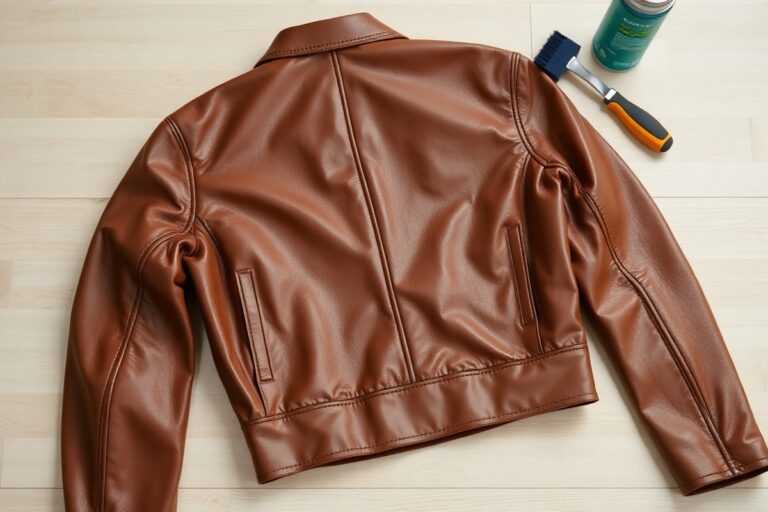
How to Get Rid of Mildew Smell: 8 Effective Ways That Really Work
To get rid of mildew smell quickly and safely, clean and dry spills within 24 to 48 hours and keep indoor humidity below 60%. Use natural solutions like vinegar or hydrogen peroxide to kill mildew, and improve ventilation by opening windows or using a dehumidifier. These steps prevent mildew from growing and eliminate musty odors effectively.
This advice suits homeowners and renters dealing with mildew odor in laundry, carpets, bathrooms, or basements. You’ll learn how to identify mildew sources, remove smells from various surfaces, and prevent odors from returning long-term.
Key Takeaways
- Clean and dry any wet areas within 48 hours to prevent mildew and musty smells from developing.
- Use white vinegar to kill over 82% of mildew species and reduce mildew odor naturally.
- Keep indoor humidity below 60% with a dehumidifier to stop mildew growth on porous surfaces.
- Apply 3% hydrogen peroxide with a spray bottle, let it sit 5, 10 minutes, then rinse for mildew removal.
- Open windows to bring fresh air in, which 55% of users find effective for odor control.
- Treat flood-damaged carpets, drywall, or insulation promptly to avoid costly mold remediation.
1. How to Eliminate Mildew Smell Quickly and Safely

Mildew smell comes from mold spores and organic matter trapped in damp areas. Removing the odor quickly means cleaning affected surfaces thoroughly and improving air circulation to prevent return. Using household products like vinegar, bleach, and hydrogen peroxide can disinfect and neutralize the smell when applied correctly and safely.
The best cleaning option depends on the surface and how much mildew is present. White vinegar kills over 82% of mold species and deodorizes at the same time. Bleach works well on non-porous surfaces but must be used carefully because of strong fumes and toxicity. Hydrogen peroxide is a milder, safer alternative with disinfecting properties. Always wear gloves, ensure good ventilation, and never mix bleach with vinegar or hydrogen peroxide, as this creates toxic gases.
For small mildew odors on hard surfaces, a 50:50 mix of vinegar and water is effective. Spray or wipe the solution on the area, wait 10-15 minutes for it to disinfect, then rinse with clean water and let it air dry fully. This also works around sinks and plumbing where leaks often promote mildew. Use an N-95 mask when working with bleach solutions. Mix 1/4 cup bleach in 1 gallon of water for scrubbing, rinse well, and dry quickly.
- Ventilate the area: Open windows and use fans to increase airflow. This helps remove mildew smell and dries surfaces faster.
- Remove visible mildew: Scrub surfaces with a sponge or brush to eliminate mold colonies. Use a mild detergent or a vinegar solution (50% vinegar, 50% water) for general cleaning.
- Disinfect the surface: Apply white vinegar directly or a prepared solution and let it sit for 10-15 minutes to kill most mold spores.
- Rinse and dry: Wipe down the cleaned area with water and dry thoroughly with a clean cloth or allow to air dry. Avoid leaving moisture to prevent mildew return.
- Treat stubborn odors or mold: For tougher cases, use a diluted bleach solution (1/4 cup bleach per gallon of water) carefully in a well-ventilated space. Wear gloves and a mask. Never mix bleach with vinegar or hydrogen peroxide.
- Use hydrogen peroxide for some surfaces: Mix 3% hydrogen peroxide with four parts water. Spray on mildew spots, leave for 10 minutes, then rinse and dry.
- Repeat as needed: Some mildew odors require multiple treatments. Do not rush drying between steps.
Using these cleaners properly removes not only the smell but also the mildew causing it, stopping odors before they come back. Cleaning costs vary: vinegar and hydrogen peroxide are inexpensive options under $5 per bottle, while bleach is also low-cost but needs cautious handling. Avoid harsh chemical mixtures. The desired outcome is a fresh-smelling, dry environment with no visible mold or mildew spots.
2. Identifying the Source of Mildew Odor in Your Home

Finding the source of a mildew odor means identifying where moisture allows mold and mildew to grow. Excess humidity or leaks create the conditions these fungi need. Pinpointing the smell’s origin helps you target cleaning and repairs for a lasting fix rather than masking the problem.
Start by walking through your home with your nose, noting where the odor is strongest. Often, bathrooms, basements, kitchens, and attics have higher humidity or hidden leaks that lead to mildew growth. Look for visible signs of mold or water damage on walls, ceilings, around plumbing fixtures, and near windows.
Hidden areas need special attention. Check inside closets, under carpets, beneath sinks, behind appliances, and inside HVAC vents. Mattresses are another common mildew spot, especially if you don’t use a mattress protector or if humidity levels are high. Use a flashlight to inspect these spaces closely, and gently smell surfaces to detect odor sources.
- Inspect bathrooms for mold on grout, caulking, and behind toilets or under sinks.
- Check basements and crawl spaces for water stains, musty smells, and dampness.
- Look behind and under kitchen appliances for leaks or spills.
- Examine window sills and frames for condensation or water damage.
- Inspect mattresses and bedding for dampness or discoloration.
- Feel walls and floors for damp spots or warping where leaks might be hidden.
Fixing moisture sources is just as important as cleaning mildew. Seal leaks promptly with waterproof silicone caulk or leakproof seal strips to prevent ongoing dampness. You can buy these materials online or at home improvement stores for $5 to $15 each. Running a dehumidifier set to about 45% relative humidity in problem areas lowers moisture and stops mildew from returning.
For mildew odors covering areas larger than 10 by 10 inches, consider hiring a professional to properly remove mold and prevent health risks.
Remember that mildew can grow inside walls, under flooring, or in ductwork where it can’t be seen. Persistent odors without visible mold often signal hidden growth. In these cases, professional inspection or fungal testing may be necessary to locate and address the source effectively.
3. Removing Mildew Smell from Laundry, Clothing, and Delicates
Removing mildew smell from your laundry and delicate fabrics requires careful washing, soaking, and drying techniques. Using the right ingredients and following fabric care instructions will help eliminate odors without damaging your clothes or towels.
Standard Laundry Mildew Odor Removal
For washable clothes and towels, addressing mildew smells starts with thorough washing using products designed to remove odor and prevent mold growth. Regular cleaning of the washing machine itself reduces lingering odors that can transfer to your laundry. Follow these steps to refresh mildewy laundry:
- Check care labels to confirm the fabric’s washing instructions.
- Use a detergent formulated to target odors, such as Odor Medic’s Smelly Washer Formula, especially if you have a front-loading machine.
- Add white vinegar (1 cup) or a color-safe, non-chlorine bleach product to your wash cycle to break down mildew odors.
- Pre-soak colored or mildewed fabrics for 30 minutes in a solution of water and non-chlorine bleach when safe.
- Run the washing machine on the hottest water temperature allowed by the garment care label to kill mildew spores.
- After washing, promptly transfer laundry to the dryer or hang to dry to prevent mildew from returning.
Never leave wet towels or clothes in the hamper for long, as this encourages mildew growth and stronger odors. Washing machines themselves can develop mildew if not cleaned regularly, so use odor-eliminating products for your machine monthly as preventive care.
Treating Delicate Fabrics Safely
Delicates like silk, lace, or fine wool require gentler treatment to remove mildew smell without fabric damage. Harsh chemicals or high heat can weaken fibers, so opt for mild yet effective methods.
Use cold water washes with a gentle detergent formulated for delicate fabrics. Adding a cup of white vinegar to the rinse cycle helps neutralize odors without harming the fabric. For more intense odors, soak delicates in a water solution with gentle detergent and vinegar for 15 to 30 minutes, then rinse thoroughly.
Avoid chlorine bleach on delicates as it can cause discoloration and fabric breakdown. Instead, consider specialized mildew-resistant treatments designed for delicate materials, which can be found through specialty cleaning brands. Hand washing and air drying flat will help maintain fabric integrity while removing odors.
Drying and Storing Clothes to Prevent Smell
Proper drying and storage practices are essential to keep mildew smells away long after washing. Lingering moisture invites mildew growth and odors.
Dry laundry completely as soon as the wash cycle ends, using a dryer or hanging items in a well-ventilated area with airflow. Avoid drying clothes in damp basements or enclosed spaces where air circulation is poor. For delicates, lay flat to dry on a clean towel in sunlight if possible, which helps kill mildew spores naturally.
Store clean clothes and towels in dry areas with adequate airflow. Use moisture absorbers like FG 300 Mildew and Mold Blocker in closets or storage bins to prevent mildew spores from settling and growing. Never place damp clothing in sealed containers; always allow them to dry fully before storing.
4. Getting Rid of Mildew Smell from Carpets, Upholstery, and Furniture
Mildew odor in carpets, upholstery, and furniture often comes from mold spores trapped deep in porous fibers and padding. These spores thrive when indoor humidity stays above 60% for extended periods, making the smell stubborn to remove. Such odors can linger even after surface cleaning, so addressing them thoroughly matters to restore freshness and prevent health issues like allergies.
Start by vacuuming carpets and furniture thoroughly to remove dust and loose mold spores. Rent a steam cleaner specifically designed for carpets and upholstery. Steam cleaning uses hot water vapor to penetrate fibers, killing mold spores and lifting dirt. You can rent one from hardware stores for around $30 to $50 per day, or hire a professional for $100 to $300 depending on the size of the area. Steam clean according to the machine instructions, focusing on mildew-affected spots, and allow items to dry completely afterward to avoid new mold growth.
For fabric upholstery and curtains, a natural deodorizer mix can be effective. Combine equal parts white vinegar and water in a spray bottle with a teaspoon of baking soda. Test on a hidden patch first to ensure colorfastness. Lightly spray the furniture, let it sit for 15 to 30 minutes, then blot with a clean cloth. Vinegar kills mildew spores while baking soda absorbs odors. Avoid soaking the fabric, and do not use this method on leather or delicate textiles.
When mildew is visible on furniture or the smell persists despite cleaning, sometimes replacement is safer. Upholstered pieces with heavy mold can pose ongoing health risks and may require professional mold remediation or disposal. Wooden furniture with surface mold can usually be cleaned with mild detergent and water, followed by drying in sunlight, which also helps reduce odors.
For carpets, sprinkle a generous amount of baking soda over the affected area, leaving it overnight to absorb odors. Vacuum thoroughly the next day. This method works well as a maintenance step after steam cleaning. Keep in mind that mildew spores can settle in carpet padding below the surface. Odors that persist might require steam cleaning the padding or professional extraction to remove them effectively.
Regular cleaning prevents dust, mold, and mildew buildup that lead to smells. Using a dehumidifier to maintain indoor humidity below 60% limits mold growth on porous items in the future. You should hire professionals to handle mold if anyone in your home has allergies or if mold covers a large area to reduce health risks. Overuse of bleach or harsh chemicals on upholstery can cause damage, so follow label directions closely and use soft cleaners suited for fabrics.
5. How to Eliminate Mildew Smells from Bathrooms and Basements
Removing mildew odor from bathrooms and basements requires targeted cleaning, controlling humidity, and ongoing upkeep. These areas are prone to moisture, making them perfect spots for mildew to grow and produce that musty smell. Addressing both the source and environment is key to effective odor removal and prevention.
Cleaning Surfaces and Fixtures
Thoroughly cleaning all surfaces where mildew can thrive is essential. Mildew often hides in grout lines, under sinks, behind toilets, and on shower walls. Mildew spores in these areas release the characteristic musty smell, so tackling these spots with the right cleaning routine helps eliminate odor at its source.
- Wear gloves and protective eyewear to prevent skin or eye irritation from cleaning agents.
- Remove any items like toiletries, rugs, or mats from the bathroom or basement floor.
- Vacuum or sweep floors and corners to pick up dust and debris that hold moisture.
- Apply a mixture of one part bleach to three parts water or a commercial mildew cleaner to walls, grout, and fixtures. Let it sit for 10 to 15 minutes.
- Scrub affected areas with a stiff brush or sponge, focusing on corners and grout lines where mildew accumulates.
- Rinse with clean water and dry surfaces thoroughly using a microfiber cloth or towel.
- Use a handheld steamer for deep cleaning tile and grout to kill spores without chemicals, if preferred.
- Dispose of used cleaning materials properly to prevent spreading spores elsewhere.
Never mix bleach with ammonia or other cleaners, as this creates toxic fumes.
Using Dehumidifiers and Proper Ventilation
Lowering humidity is critical because mildew grows in damp environments. Using a dehumidifier helps reduce moisture levels in bathrooms and basements, improving air quality and cutting off mildew’s growth conditions. Opening windows or vents and using exhaust fans also aids in moving moist air out.
Run a dehumidifier continuously in basements and during showers or baths in bathrooms until humidity levels drop below 50%. According to the Environmental Protection Agency, maintaining indoor relative humidity between 30% and 50% limits mold and mildew growth. A good dehumidifier for a basement usually costs between $150 and $300 and requires emptying or draining water daily or weekly, depending on size and humidity.
Regular Maintenance to Prevent Odors
Consistent cleaning and moisture control prevent mildew smell from returning. Cleaning bathrooms and basements once a month removes mildew spores before they multiply. Organize stored items to avoid clutter that traps moisture, and dry wet towels, mats, or clothes promptly.
Monitor for leaks around pipes or in basement walls, repairing them quickly to stop water accumulation. Check grout and caulk yearly and reapply as needed to keep barriers waterproof. Using natural odor absorbers like activated charcoal or baking soda in these rooms can also absorb residual musty smells.
Regularly run ventilation fans during and after showers for at least 30 minutes to reduce humidity build-up.
6. When and Why to Use Commercial Mildew Odor Removers
Commercial mildew odor removers are necessary when mildew smell persists despite ventilation and basic cleaning. They work best for stubborn odors embedded in porous materials or widespread mildew problems. Choosing the right product and applying it correctly can make a noticeable difference in eliminating mildew smell safely and effectively.
Top Commercial Odor Removers Reviewed
Some of the most effective commercial options include enzymatic cleaners, oxygen-based bleach sprays, and specialized mildew odor eliminators containing antimicrobial agents. Enzymatic cleaners break down mildew residues on fabrics and hard surfaces, while oxygen bleach sprays whiten and deodorize without harsh chemicals. Mildew-specific odor eliminators usually come in spray or fogger form, targeting airborne spores and hiding odors.
Prices typically range from $8 to $20 per bottle or spray, depending on the brand and size. For occasional use on small problem areas, smaller bottles of enzymatic or oxygen bleach sprays suffice. For larger affected areas or persistent airborne odors, odor eliminator foggers available around $15 to $25 work well.
| Product Type | Common Use | Price Range | Key Benefit | Limitations |
|---|---|---|---|---|
| Enzymatic Cleaner | Textiles, upholstery, hard surfaces | $8, $15 | Breaks down mildew residues | Requires soaking time, less effective on heavy infestations |
| Oxygen-Based Bleach Spray | Bathrooms, tiles, grout | $10, $20 | Deodorizes without harsh chemicals | May cause fading on colored fabrics |
| Odor Eliminator Fogger | Large rooms, air treatment | $15, $25 | Neutralizes airborne mildew odors | Temporary; does not clean surfaces |
Picking the right product depends on the source and extent of the mildew odor. Enzymatic cleaners suit fabrics while foggers handle room air better.
Application Guidelines and Safety Tips
Always read and follow the manufacturer’s instructions for concentration and exposure time. Use gloves and ensure good ventilation when handling commercial removers. For sprays, apply evenly to the affected surface but avoid oversaturating, which can damage materials or promote more mildew growth.
Apply enzymatic cleaners by spraying or soaking and allowing 10, 15 minutes before wiping or rinsing. Oxygen-based sprays need to sit for 5, 10 minutes and then rinsed or wiped off. Odor eliminator foggers require setting a timer, vacating the room during application, and ventilating afterward for at least 30 minutes.
Avoid mixing commercial products with bleach or ammonia to prevent harmful fumes. Test sprays on a small hidden area first to confirm no staining occurs, especially on fabrics and upholstery.
Benefits and Limitations Compared to Home Remedies
Commercial removers often work faster and more deeply than home remedies. They contain active enzymes or antimicrobial agents designed to break down mildew at the source, rather than just masking odors like vinegar or baking soda. This makes them essential when mildew smell lingers after basic cleaning or in porous materials like carpet padding or upholstery.
Home remedies are cheaper and less harsh but may require repeated applications and do not always eliminate odor completely. Commercial products come with safety instructions addressing effective dosing and protection against residue buildup or damage.
The main limitation is that commercial removers generally cost more and require care in application. Using them alongside ventilation and regular cleaning creates the best results. For mild mildew odors or preventive approaches, household items may suffice, while commercial products handle tougher or recurring odor challenges more reliably.
7. Preventing Mildew Smell from Returning Long-Term
Preventing mildew smell from returning means controlling moisture and ensuring good airflow throughout your home. Mildew thrives in damp, poorly ventilated spaces, so managing humidity levels is key. Aim to keep indoor humidity below 50%, since levels above 60% greatly increase the chance of mildew growth. You can measure humidity with an inexpensive hygrometer, available for $10 to $20 at hardware stores. When humidity spikes, use a dehumidifier in problem areas like basements, bathrooms, or laundry rooms. A reliable dehumidifier can cost between $150 and $300 and should run until humidity stays consistently below 50%.
Proper ventilation helps prevent stagnant air, which holds moisture and odor. Opening windows when weather permits, using exhaust fans in bathrooms and kitchens, and running air purifiers in musty rooms all reduce odor-causing spores and dampness. Air purifiers generally cost $50 to $100 per year for filters and electricity. Routine cleaning also interrupts mildew growth. Clean damp surfaces weekly during humid months with mold-killing products, and address leaks immediately to prevent hidden moisture pockets.
- Check and maintain indoor humidity around 40-50% using a hygrometer and dehumidifier.
- Run exhaust fans or open windows during and after showers and cooking.
- Use air purifiers in rooms prone to mildew odors for continuous air filtering.
- Clean bathrooms, basements, and laundry areas once a week with mildew-safe cleaners.
- Inspect for leaks and repair plumbing or roof issues promptly to stop moisture buildup.
- Dry wet clothes and towels quickly instead of letting them sit damp indoors.
- Store items in breathable containers to avoid trapping moisture in closets or cabinets.
High humidity and poor ventilation are the main reasons mildew smelly odors return after cleaning. Checking humidity daily during humid seasons and adjusting with a dehumidifier prevents conditions mildew needs to grow. Fans and open windows remove trapped moisture and refresh indoor air to keep musty odors gone. Frequent cleaning disrupts mildew spores, stopping them before they get a foothold. Watch for underlying causes like leaks or standing water to avoid repeating the problem. Following these steps regularly means you control mildew odors long-term instead of just temporarily masking them.
8. Signs You Need Professional Help for Mildew Odors
A persistent mildew smell that won’t go away after cleaning is a strong indicator you need professional help. This suggests the presence of hidden mold, which grows beneath surfaces like drywall, under flooring, or inside HVAC systems where DIY methods can’t reach. Since mold can cause respiratory problems, allergic reactions, and worsen asthma, ignoring a strong, lasting odor risks your family’s health. Professionals have specialized equipment like moisture meters, infrared cameras, and air quality testers to locate and identify hidden mold infestations accurately.
When you see visible mold patches bigger than a square foot, call a specialist right away. Extensive growth requires safe removal techniques to avoid spreading spores, and professionals follow strict protocols for containment and disposal. Attempting a DIY cleanup on large mold colonies may worsen contamination and damage your home. Professional services typically start around $500 and can increase based on the size and severity of the problem. Reliable estimates should include inspection fees, remediation steps, and post-removal testing to confirm mold has been fully cleared.
Health concerns linked to persistent mildew and mold include chronic coughing, sneezing, skin rashes, and headaches. According to the CDC, prolonged exposure can lead to more severe conditions, especially for children, elderly, or people with compromised immune systems. Household members who develop unexplained respiratory problems along with a musty, earthy smell should have a professional mold inspection scheduled quickly. Professionals also check ventilation and moisture sources contributing to mold growth, which is critical to prevent recurrence after cleanup.
Professional mold remediation involves removing affected materials, cleaning surfaces with EPA-registered antifungal agents, drying the area thoroughly, and fixing moisture problems to stop mold from returning. Technicians often use industrial dehumidifiers and air scrubbers to restore indoor air quality. Treatment duration varies but usually takes several days, depending on the infestation size. After remediation, a follow-up inspection ensures the odor and mold are gone, providing peace of mind that your home is safe.
The decision rule you can follow: if the mildew odor lingers for more than a week despite thorough cleaning or if you have visible mold patches larger than a square foot, contact a licensed mold remediation professional. Also, seek help immediately if household members face ongoing allergic or respiratory symptoms and you suspect mold issues. A professional assessment helps determine the source and scope of the problem, ensuring proper treatment and reducing health risks.
Persistent musty odors and visible mold over large areas are warning signs to stop DIY attempts and hire licensed professionals for safe and effective mold removal.
Step-by-Step Action Plan to Eliminate Mildew Smell
Follow these steps to remove mildew odors from your home and keep them from coming back. Each step gives a clear task and a way to check your progress.
- Before you start: Identify and fix any leaks or moisture sources causing mildew. You’ll know it worked when damp areas stay dry for at least a day without new water spots.
- Day 1: Clean the affected areas using a mixture of vinegar and water or a mild detergent. Smell the area after drying; the musty mildew scent should be gone or much reduced.
- Day 2: Wash all affected laundry and delicates with hot water and detergent. Add white vinegar during the rinse cycle. The smell should not return to clothes after drying.
- Day 3: Vacuum carpets, upholstery, and furniture thoroughly to remove spores. Spray fabric-safe odor neutralizers if needed. Check by smelling these areas after 24 hours.
- Week 1: Ventilate bathrooms and basements daily, using dehumidifiers to keep humidity below 50%. Test humidity with a hygrometer; consistent low levels indicate success.
- Week 2: If odors persist, apply a commercial mildew odor remover according to the label instructions. Odor reduction should be noticeable within 48 hours.
- After 3 weeks: Inspect for any mildew return or lingering smells. If mildew smells persist or worsen, consider contacting a professional for a thorough evaluation.
Frequently Asked Questions
Can Sunlight Help Get Rid of Mildew Smell?
Yes, sunlight helps kill mildew spores and reduces smell by drying out affected areas quickly. Open curtains or take items outside on a sunny day for best results.
Does Baking Soda Remove Mildew Odor Effectively?
Baking soda absorbs moisture and neutralizes odors, helping reduce mildew smell. Sprinkle it on carpets or upholstery, let sit, then vacuum for fresher air.
Can Mildew Smell Return After Cleaning?
Mildew smell can return if the mildew itself isn’t fully removed or moisture problems persist. Keeping areas dry and ventilated prevents regrowth and odor recurrence.
Is Bleach Safe for Removing Mildew Smell from Fabrics?
Bleach can remove mildew smell but may damage some fabrics and fade colors. Use cautiously and test a small area before treating clothing or upholstery with bleach.
Does Mildew Smell Affect Air Quality?
Yes, mildew smell often indicates mold presence, which can affect indoor air quality and cause allergy symptoms. Removing mildew helps improve air quality and comfort.
Can Humidity Control Eliminate Mildew Odor Completely?
Controlling humidity below 60% greatly reduces mildew growth and odor, but existing mildew must be cleaned to fully eliminate smell. Use dehumidifiers and ventilate spaces well.
Key Points to Remember
Mildew smells require removing both the odor and its source for lasting relief. Taking immediate steps to dry and clean affected areas limits mildew growth and helps you breathe easier. Start by tackling moisture problems today to protect your home’s air quality and comfort.