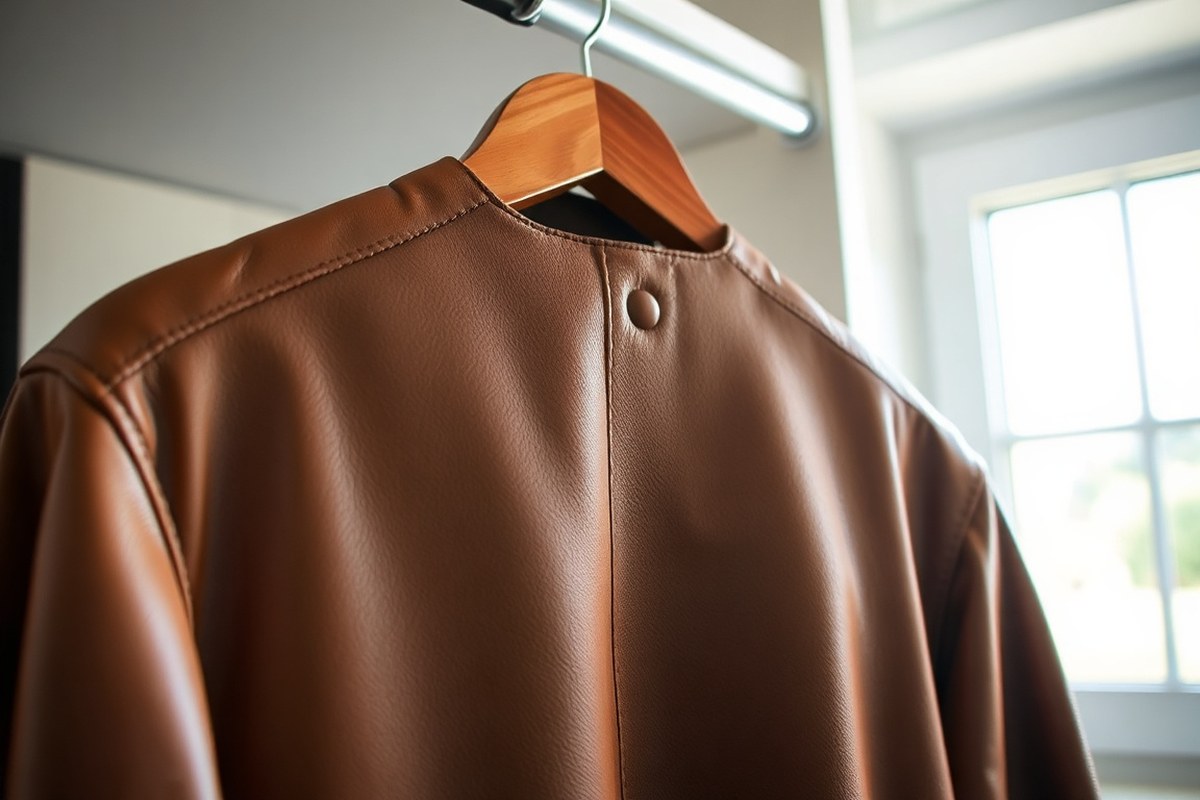
Can You Dry Clean a Leather Jacket? What Actually Works (and What Doesn’t)
Yes, you can dry clean a leather jacket safely, but it requires special care and professional services that understand leather’s delicate nature. Using traditional dry cleaning methods designed for fabric can damage your jacket, so it’s best to rely on experts who use leather-specific techniques. This information is for anyone owning or buying a leather jacket who wants to maintain its look and durability without risking harm from improper cleaning.
This article explains when professional dry cleaning suits a leather jacket and the best practices to keep your leather conditioned and protected at home. It also covers the risks of traditional solvents and how to handle different leather types, ensuring you know when to seek expert restoration help.
Key Takeaways
- Take your leather jacket to a professional dry cleaner experienced with leather every six months if you wear it weekly.
- Condition your leather jacket every three to six months to keep the leather moisturized and prevent cracking.
- Avoid traditional dry cleaning solvents on leather as they can dry out and damage the material irreversibly.
- Hang your jacket on a wide-shouldered hanger and air dry for 12 to 24 hours; never use direct heat or dryers.
- Use pH-balanced leather cleaners without organic chemicals for safe DIY spot cleaning to avoid damage.
- Allow leather conditioner to soak in for 15 to 20 minutes before wearing for best moisture retention and protection.
Can You Safely Dry Clean a Leather Jacket?
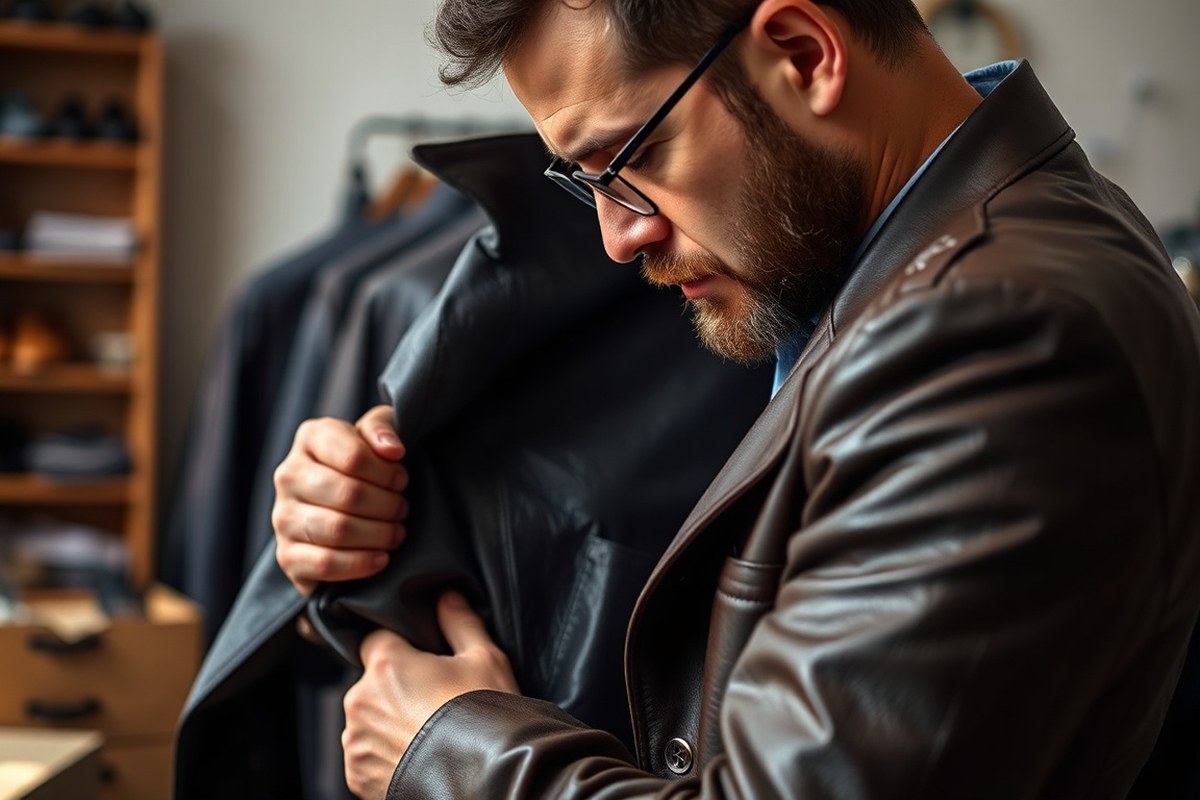
You can safely dry clean a leather jacket only under specific conditions. The safest approach is to use professional leather specialists who apply leather-specific, eco-friendly cleaning solutions designed to preserve the jacket’s texture and color. Not all dry cleaning methods are suitable; conventional dry cleaning uses organic solvents that can strip oils from the leather, leading to dryness, cracking, and color fading. This damage results from the harsh chemicals breaking down the leather’s delicate fibers and removing natural oils important to its flexibility and appearance.
Before deciding to dry clean your leather jacket, check the care label carefully. Some leather jackets explicitly state “dry clean only,” while others may advise against it or suggest alternative cleaning methods. The label permits or instructs dry cleaning; bring it to a professional cleaner skilled in leather garments. Professionals use specialized solvents and machines calibrated to clean leather safely, often wrapping the jacket in a protective plastic coating during the process to prevent surface damage. Remember to remove this plastic immediately after cleaning, as leaving it on can trap moisture and cause mold or mildew.
Your jacket lacks cleaning instructions or advises against dry cleaning; try other cleaning methods like spot treatment or conditioning first. Dry cleaning should be a last resort, reserved for heavy soil or stains that home methods cannot manage. Cost-wise, professional leather dry cleaning runs higher than standard garment dry cleaning, ranging approximately from $25 to $75 per jacket, reflecting the careful handling and specialized materials required.
Not all leather jackets are equally suitable for dry cleaning. Thick, full-grain or top-grain leather tends to tolerate professional dry cleaning better than delicate or highly finished leathers, like suede and nubuck, which often need specialized care to avoid damage. Vegan leather, made from synthetic materials, usually requires different cleaning methods and may not respond well to traditional dry cleaning processes. Your jacket’s finish and construction strongly influence whether dry cleaning is advisable or risky.
Trying to dry clean a leather jacket with regular solvents or DIY dry cleaning kits containing organic chemicals can quickly ruin the leather. This misuse commonly leads to stiffness, color loss, shrinking, or cracking. To stay safe, confirm the cleaner’s expertise in leather care and their use of gentler, eco-friendly solvents specifically designed for leather. Regular professional dry cleaning every six months is a reasonable schedule if you wear the jacket frequently, such as a motorcycle jacket worn multiple times a week. This schedule helps maintain cleanliness without overexposing the leather to solvents and mechanical action.
Professional Dry Cleaning Methods for Leather Jackets
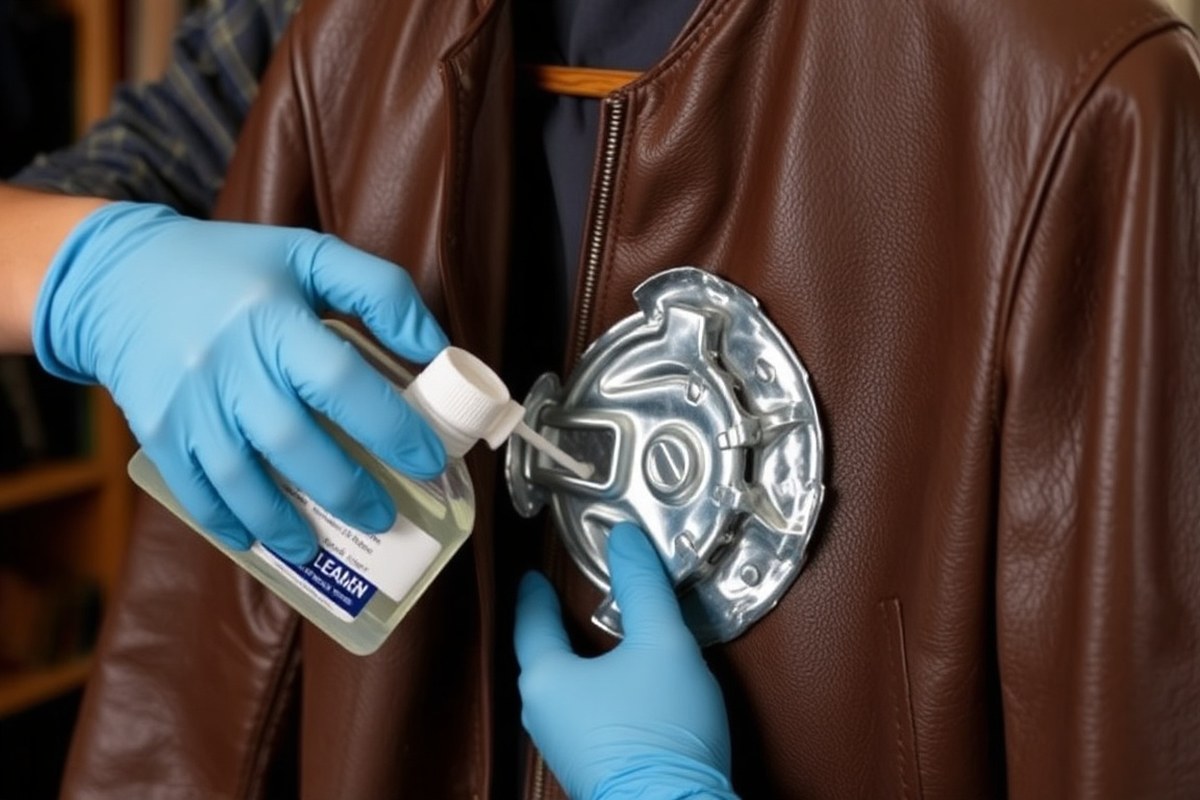
Professional dry cleaning for leather jackets uses specialized, gentle methods and leather-specific solvents to clean and preserve the material without damage. Skilled leather cleaners avoid traditional dry cleaning solvents that can strip oils and cause cracking. Choosing a reputable service ensures effective stain removal, deodorizing, and conditioning tailored to your jacket’s leather type.
Leather-Specific Solvents Explained
Leather cleaning demands solvents designed to maintain the natural oils and flexibility of the hide. Professional services select eco-friendly, non-toxic products that safely remove dirt and stains without harsh chemicals. These solvents differ from the standard perchloroethylene or hydrocarbon solvents used in traditional dry cleaning, which can dry out or discolor leather.
Leather-specific solvents soften grime and oils for removal while preserving the jacket’s texture and color. They are often biodegradable and minimize environmental impact. Using the right solvent reduces the risk of stiffness, cracking, or fading that comes with conventional dry cleaning chemicals. Choosing a cleaner experienced with leather ensures these solvents are applied correctly for your jacket’s specific type.
Typical Dry Cleaning Process Steps
Professional leather dry cleaning involves multiple careful steps that first assess and address your jacket’s condition. These steps make sure the leather stays supple and looks refreshed without damage.
- Inspect the jacket thoroughly for stains, tears, and other damage requiring special treatment.
- Test a small, inconspicuous area with leather-specific solvents to check for adverse reactions.
- Use gentle vacuuming or brushing to remove surface dust and loose particles.
- Apply leather cleaning agents with a soft cloth or sponge, targeting stains and dirty areas without soaking the leather.
- Use specialized machines or hand techniques to carefully clean the entire jacket, avoiding harsh agitation.
- Rinse or wipe off cleaning solutions with a damp cloth to remove residue, avoiding excess water exposure.
- Condition the leather with oils or creams designed to restore moisture and flexibility.
- Hang the jacket on wide-shouldered hangers in a climate-controlled area to air dry slowly, preventing shape distortion or shrinking.
Avoid any dry cleaner that uses standard solvents without asking about their leather-specific process, as this can damage your jacket irreversibly.
Price Factors for Leather Dry Cleaning
Leather jacket dry cleaning costs depend on the type of leather, jacket condition, and services provided. Basic cleaning ranges from $50 to $150, while restoration or stain removal can cost $200 or more. Leather with heavy stains or delicate finishes requires more time and specialized care, increasing the price.
| Service | Typical Cost (USD) | Estimated Time |
|---|---|---|
| Basic Cleaning & Conditioning | $50, $100 | 1, 3 days |
| Stain Removal & Restoration | $100, $250+ | 3, 7 days |
| Deodorizing Treatment | $30, $60 | 1, 2 days |
Choosing a dry cleaner with proven experience and positive reviews in leather care reduces risks and protects your investment. Always ask if the cleaner uses leather-specific solvents and can handle your jacket’s particular leather type. Verifying certifications or memberships in leather care associations can also help ensure quality service.
When and How Often Should You Dry Clean or Condition Leather?
Dry cleaning your leather jacket should be reserved for when it is absolutely necessary, such as when it has visible stains or odors that home cleaning cannot remove. Generally, professional dry cleaning is recommended about once a year, depending on how often you wear the jacket and the environment it is exposed to. Frequent wear, exposure to dirt, or living in humid or polluted areas can shorten this timeline, prompting earlier cleaning to avoid buildup that damages the leather.
Conditioning your leather jacket helps maintain its flexibility and stops it from becoming dry or cracked. Apply a good leather conditioner every 3 to 6 months for best results. This process replenishes oils lost from cleaning and regular use. More frequent conditioning may be necessary in dry climates or with frequent wear. Watch for these signs to know when your leather jacket needs cleaning or conditioning:
- Visible dirt, stains, or spots that don’t wipe off with a damp cloth
- Unpleasant odors trapped in the leather
- Dryness or stiffness when you touch the jacket
- Cracking or flaking, indicating a lack of moisture
- Fading or loss of natural sheen
The table below summarizes cleaning and conditioning frequencies alongside key wear conditions requiring attention. Adjust these based on your jacket’s use and environment.
| Care Action | Recommended Frequency | Conditions Prompting Early Care |
|---|---|---|
| Professional Dry Cleaning | Once a year | Visible dirt or stains, odor, heavy pollution exposure |
| Leather Conditioning | Every 3 to 6 months | Dry or stiff leather, dry climate, frequent use |
To condition your jacket, apply a small amount of conditioner with a soft cloth and work it evenly over the surface. Let the conditioner absorb for several hours or overnight before buffing lightly with a clean cloth. This ensures the leather retains moisture and flexibility.
A well-maintained leather jacket has a soft, smooth texture and retains its natural color and shine. Over-cleaning or neglecting conditioning can cause the leather to stiffen, crack, or become dull. Avoid dry cleaning more often than necessary since chemicals used can strip protective oils, requiring additional conditioning afterward to restore softness.
Safe DIY Cleaning and Spot Treatment for Leather Jackets
Cleaning a leather jacket at home requires gentle care to avoid damage. Instead of dry cleaning, spot cleaning is safer and simpler for most stains. Use mild products designed for leather and test them first to prevent colour loss or texture changes.
Checking the Care Label and Spot Testing
Start by reading the manufacturer’s care label to confirm any cleaning restrictions. Some leather jackets require professional cleaning only or have warnings against specific products. Spot testing a small inconspicuous area with your chosen cleaner helps ensure the leather will not discolor or warp.
Use a cotton swab or white cloth to apply a small amount of the cleaning solution. Wait 10 to 15 minutes and check for any change in colour, texture, or softness before proceeding on visible areas.
Mixing and Applying Gentle Cleaning Solutions
Prepare a mild soap solution with 1 part gentle liquid soap (such as baby shampoo or specially formulated leather cleaner) and 8 parts lukewarm water. Avoid harsh detergents, bleach, or alcohol-based products which can dry out leather.
Use a soft, lint-free cloth lightly dampened with the solution. Do not saturate the leather. Gently rub the stained area in a circular motion without scrubbing. Wipe away excess moisture immediately with a dry cloth and allow the jacket to air dry naturally at room temperature, away from heat.
- Mix 1 tablespoon of mild soap with 8 tablespoons of lukewarm water.
- Dampen a soft cloth with the solution and wring out excess water.
- Gently rub the stained spot with the cloth in small circles.
- Use a separate clean, dry cloth to blot excess moisture.
- Let the jacket air dry flat or on a hanger away from sunlight and heat.
- Repeat if needed but avoid over-wetting the leather.
Treating Common Tough Stains
For ink stains, dab a small amount of rubbing alcohol or non-acetone nail polish remover on a cotton swab. Lightly blot the stain without spreading it. Follow immediately with a mild soap and water clean to remove residue.
Grease stains respond well to sprinkling cornstarch or talcum powder to absorb the oil. Leave the powder on overnight, then brush off gently with a soft brush before cleaning the area as above. Be cautious with water stains; wipe the leather gently with a barely damp cloth and dry quickly to prevent rings.
Why You Should Avoid Traditional Dry Cleaning Solvents on Leather
Traditional dry cleaning uses harsh organic solvents that can seriously harm leather garments by stripping away their natural oils. These oils keep leather soft, supple, and resistant to cracking. When dry cleaning solvents remove them, the leather becomes dry and brittle, which leads to long-term damage like cracking and discoloration. The delicate fibers that make up leather weaken without these oils, causing the jacket to lose its structure and flexibility over time.
The chemicals used in typical dry cleaning processes are designed for removing stains and dirt from woven fabrics, not leather. They dissolve oils and residues from fabric fibers but have a detrimental effect on leather’s natural oils. These solvents penetrate the leather’s surface and pull out the oils essential to maintaining its texture and strength. As a result, leather exposed to these chemicals frequently becomes stiff, discolored, and fragile within just a few cleaning cycles.
You should avoid traditional dry cleaning on your leather jacket unless absolutely necessary. Untanned or delicate leathers are especially vulnerable because they contain higher oil levels that the solvents aggressively remove. Even with tanned leather, repeated exposure to dry cleaning solvents increases the risk of cracking and permanent stiffness. This damage can be costly or impossible to reverse, requiring professional restoration or replacement.
Common mistakes that cause damage include using dry cleaning solvents directly on leather or trusting standard dry cleaners to handle leather jackets without specifying the material type. Many facilities use generic chemicals and tumbling machines that apply friction and heat, adding shrinkage and color loss to the issues. These methods do not preserve the natural oils and structure of leather, accelerating wear and aging.
Instead of traditional dry cleaning, you should seek professional leather cleaning services that use specialized products and methods designed to maintain leather’s integrity. These approaches avoid harsh solvents and focus on gentle cleaning combined with replenishing conditioners. Proper cleaning preserves your jacket’s appearance and flexibility, keeping it wearable for years.
Avoid taking your leather jacket to a standard dry cleaner unless they clearly advertise expertise in leather care and use solvent-free or leather-safe cleaning methods.
Proper Drying and Conditioning After Cleaning a Leather Jacket
To dry your leather jacket safely after cleaning, allow it to air dry naturally in a well-ventilated, shaded area away from direct heat or sunlight. Once completely dry, typically within several hours to a full day, apply a quality leather conditioner to restore moisture and preserve suppleness. Proper drying and conditioning prevent cracking, stiffness, and premature wear.
Avoiding Direct Heat and Machine Dryers
Leather is sensitive to heat, which can cause it to dry out, crack, or shrink. Never use a machine dryer, hair dryer, radiators, or place your jacket near direct heat sources. This can damage the leather’s natural oils and texture. Instead, choose a shaded indoor spot or a cool, ventilated closet to let the jacket dry naturally.
Even if the jacket feels damp after cleaning, resist the temptation to speed up the drying process with artificial heat. This ensures the leather maintains its integrity and avoids becoming brittle over time.
Air Drying Times and Best Practices
Drying your leather jacket properly takes time. Expect anywhere from four to twenty-four hours for it to dry completely, depending on humidity, ventilation, and the thickness of the leather. In humid environments, drying may take longer, so plan accordingly.
Before air drying, gently pat the jacket with a clean, dry cloth to remove excess surface moisture without rubbing or pressing too hard. Always hang the jacket on a wide, padded hanger to preserve its shape and prevent creases.
Applying Leather Conditioner Correctly
Once your leather jacket is fully dry, conditioning it restores lost moisture and keeps the leather soft and flexible. Use a conditioner designed specifically for leather garments, avoiding products with waxes or silicones that may clog the pores. Apply the conditioner sparingly in a thin, even layer following these steps:
- Choose a clean, soft cloth and put a small amount of leather conditioner on it.
- Test the conditioner on a hidden spot to ensure no discoloration occurs.
- Gently rub the conditioner onto the jacket in circular motions, covering all areas evenly.
- Allow the jacket to absorb the conditioner for about 20 to 30 minutes at room temperature.
- Buff the surface lightly with a separate dry cloth to remove excess product and restore shine.
Conditioning typically costs between $10 and $30 for a quality bottle, which lasts multiple applications. Over-conditioning or applying thick layers can leave the leather sticky or attract dirt, so moderation is key.
Cleaning Different Types of Leather Jackets: Suede, Nubuck, and Vegan Leather
Cleaning suede, nubuck, and vegan leather jackets requires different approaches because of how each material handles moisture, solvents, and abrasion. Suede and nubuck feature delicate, raised fibers that are easy to damage. Using wet or harsh cleaning methods can flatten or stain these surfaces. Vegan leather, usually made from synthetic materials, tends to be more water-resistant and tolerant of gentle soap and water cleaning. Understanding which leather type you have is the first step. Check your jacket’s care tag or material information before choosing a method.
| Leather Type | Safe Cleaning Methods | Dry Cleaning Suitability | Notes and Risks |
|---|---|---|---|
| Suede | Dry brushing, suede erasers, professional leather dry cleaning (specialized) | Possible but risky without specialist handling | Easily damaged nap; wet cleaning or common dry cleaning solvents can cause stains or flatten fibers |
| Nubuck | Dry brushing, light professional dry cleaning designed for nubuck | Possible but requires expertise | Highly sensitive to moisture; stains hard to remove once set; standard dry cleaning risks include discoloration |
| Vegan Leather | Damp cloth with mild soap, gentle wiping, some water-based cleaning products | Normally safe with gentle solvents in dry cleaning | More durable than animal leather; avoid strong solvents to protect finish and avoid cracking |
Suede and nubuck jackets usually benefit from dry cleaning only when done by professionals specializing in delicate leathers. Off-the-rack dry cleaning services can use solvents that strip natural oils or damage the nap. Using a suede brush or rubber eraser to remove surface dirt and spot treating with products made for suede often works better at home. For deep stains or persistent grime, professional care is a safer choice despite higher costs that may range from $30 to $75 per jacket.
In contrast, vegan leather jackets can handle light cleaning at home with a damp cloth and mild soap, without the risk that solvents pose for animal leather. These materials generally do not absorb oils or stains the way traditional leather does, which reduces the need for specialized cleaning. Dry cleaning for vegan leather usually involves gentler solvents and is less likely to cause damage. However, exposure to heat or harsh cleaning chemicals can cause synthetic materials to crack or fade over time.
Selecting the proper cleaning approach for your leather jacket helps preserve its appearance and durability. Suede and nubuck jackets need extra caution to prevent lasting harm. Mild home cleaning and gentle dry cleaning suit vegan leather better. Keep delicate leathers away from moisture and standard dry cleaning chemicals unless a professional advises otherwise. For tough stains or vintage jackets, trusted leather cleaners with expertise in different leather types offer the safest choice.
When to Call a Professional Leather Restoration Expert
Professional leather restoration is necessary when damage goes beyond simple cleaning or conditioning. Leather jackets suffering from deep scratches, severe dryness, color fading, mold growth, or structural damage like torn seams require expert attention. Attempting DIY cleaning or standard dry cleaning in these cases can worsen the damage or cause permanent changes to the leather’s texture and appearance. Look for these indicators before deciding to call a professional:
- Large areas of discoloration or widespread fading
- Cracks or deep scratches that expose the leather’s base
- Persistent odors or evidence of mold and mildew
- Loss of suppleness causing stiffness or brittleness
- Ripped, stressed, or weakened seams and lining
- Stains that do not respond to gentle spot treatment
- Water damage resulting in dark spots or hardened patches
When you choose professional leather restoration, specialists begin with a thorough assessment of the jacket’s condition. They use leather pH-neutral cleaners specifically formulated for the type of leather, avoiding harsh solvents found in traditional dry cleaning. Many experts employ steam cleaning at controlled temperatures to loosen dirt without drying the leather excessively.
Next, restoration involves repairing physical damage. Professionals use specialized fillers to smooth over cracks and scratches. They may carefully re-stitch any damaged seams to maintain structural integrity. For faded or discolored areas, color restoration techniques include custom-matched dyes applied in thin layers and heat-cured to blend naturally with the existing leather.
Conditioning is key after restoration to restore moisture balance and flexibility. High-quality leather conditioners with natural oils penetrate the material without clogging pores or causing build-up. This treatment usually takes 1 to 3 hours depending on damage extent, with leather left to absorb the oils overnight. Proper restoration not only improves appearance but extends the jacket’s lifespan by preventing further deterioration.
Do not attempt to repair tears or severe discoloration yourself; improper methods can worsen the damage and reduce the jacket’s value.
Costs for professional restoration vary widely based on damage extent and leather type. Minor repairs and cleaning run around $75 to $150. More extensive restorations involving dyeing or structural repairs can exceed $300. Allow 3 to 7 days turnaround time, depending on the specialist’s workload and design complexity.
Step-by-Step Action Plan for Cleaning Your Leather Jacket
Follow these steps to care for your leather jacket safely and maintain its appearance over time.
- Before you start: Check the care label on your jacket for any manufacturer cleaning instructions. Knowing the leather type helps choose the right method.
- Spot Cleaning: Immediately treat small spots with a damp cloth and mild soap. Successful cleaning means no visible stain and no dulling of the leather.
- Weekly: Gently brush or wipe the jacket to remove dust and prevent buildup. The jacket should look fresh without dirt patches afterward.
- Monthly: Condition the leather using a pH-balanced leather conditioner applied evenly. The leather should feel soft, supple, and not dry or cracked.
- Every 6-12 months: Take your jacket to a professional leather cleaner familiar with dry cleaning methods suited for leather. The jacket should have a clean, even surface without odors or shrinkage.
- Dry the jacket: Allow it to air dry on its own, keeping it out of direct sunlight and away from heaters. This prevents the leather from becoming stiff or brittle.
- Annual check: Inspect for any damage, stains, or wear beyond surface cleaning. Call a leather restoration expert for repairs if needed.
Frequently Asked Questions
Can I Take My Leather Jacket to the Dry Cleaners?
You should only take your leather jacket to a dry cleaner who specializes in leather garments. Regular dry cleaners may use harsh solvents that can damage the leather. Always research the cleaner’s expertise with leather before entrusting your jacket.
How Expensive Is Dry Cleaning Leather?
Dry cleaning a leather jacket typically costs more than regular dry cleaning due to the specialized care required. Prices vary by location and cleaner but expect to pay significantly more for professional leather cleaning.
How to Dry a Leather Jacket?
Air drying your leather jacket is best, away from direct heat or sunlight that can dry out and crack the leather. Lay it flat or hang it in a well-ventilated room and avoid using a dryer or heater.
Can You Wash a Leather Jacket?
You should avoid washing leather jackets with water or in a washing machine. Water damages leather’s texture and finish. Instead, spot clean with a damp cloth or take it to a professional cleaner.
What Happens If You Dry Clean Leather at Home?
Dry cleaning leather at home can damage the material without proper solvents and equipment. It’s safer to rely on professionals who know how to handle the specific needs of leather garments.
How Often Should Leather Jackets Be Conditioned?
Leather jackets should be conditioned every 3 to 6 months to keep the leather supple and prevent drying or cracking. Conditioning restores natural oils lost from wear and cleaning.
The Bottom Line
Dry cleaning a leather jacket requires care and the right professional techniques to avoid damage. You can safely maintain your jacket at home with routine spot cleaning and conditioning, reserving professional dry cleaning for deeper refreshes. Start by identifying your leather type and setting a regular conditioning schedule to keep your jacket looking its best.