Can Cold Water Shrink Clothes? What Actually Happens and How to Prevent It
Cold water does not shrink clothes under normal washing conditions. Shrinkage typically results from heat exposure, especially in dryers or hot water cycles. This information is useful for anyone wanting to avoid shrinking their garments while washing in cold water.
This article explains how different fabric fibers react to cold water and why most clothes remain size-stable when washed cold. You’ll also learn practical tips on minimizing shrinkage and when heat might be necessary despite the risks.
Key Takeaways
- Cold water washing keeps most fabrics from shrinking because it lacks the heat needed to alter fibers.
- Synthetic fibers like polyester and nylon show near-zero shrinkage in cold water below 100°C (212°F).
- Cotton and wool can shrink if exposed to heat during drying, not simply from cold water washing.
- Use pH-neutral detergents and wash delicate fabrics inside-out in cold water to maintain their size and color.
- Machine settings such as spin speed and cycle type can influence fiber stress but do not cause cold water shrinkage.
- The dryer causes more shrinking than washing; air-dry cotton and wool garments to lower shrink risks.
Can Cold Water Really Shrink Clothes?

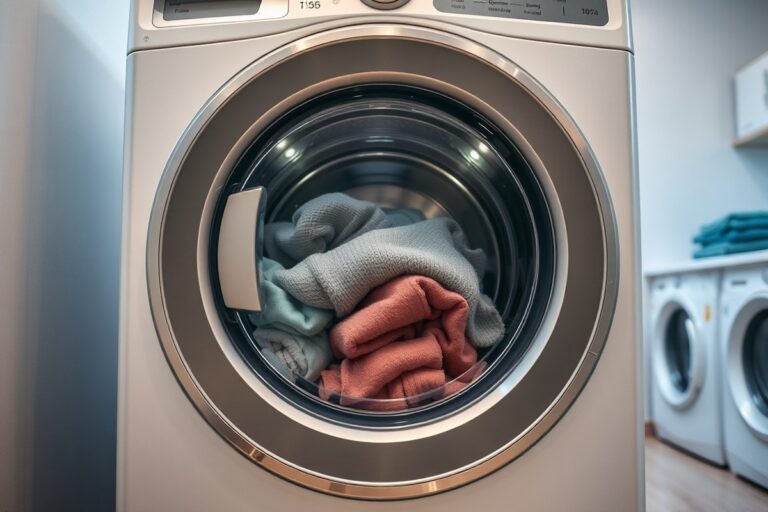
Cold water does not cause clothes to shrink. Shrinkage mainly occurs due to heat exposure, such as during washing with warm or hot water or from drying with high heat settings. Washing your garments in cold water protects the fabric fibers from contracting, which is why cold water is generally considered the safest option to avoid shrinking. In most situations, cold water will maintain your clothes’ original size and shape better than warmer temperatures.
The idea that cold water can shrink clothes likely comes from confusion about other factors affecting fabric size. For example, if clothes are washed in cold water but then dried on a high-heat setting, any shrinkage you notice happens in the dryer, not the washer. Also, certain fibers naturally contract or relax over time depending on how they were manufactured or treated, which might lead to people blaming cold water incorrectly. Since cold water lacks the heat energy to change the fibers’ molecular structure, it simply does not cause shrinkage on its own.
In rare instances, you might see slight changes in fit after a cold water wash, but those are typically due to the mechanical action of the washing machine or residual moisture levels in the fabric. Some delicate materials like rayon or wool can be sensitive to agitation but still won’t shrink just because the water is cold. When shrinkage happens even after washing in cold water, look into the drying process and how you handle your clothes next.
Using cold water to wash also helps prevent color fading and fabric damage beyond shrinkage. Cold water maintenance can extend the life of your clothing by reducing stress on fibers. It is advisable to follow garment care labels and choose cold water washing especially for delicate or mixed-fabric items. While sometimes you might need warmer water to remove tough stains or sanitize, this is a tradeoff with potential shrinkage risk. Prioritizing cold water helps keep shrinking to a minimum and preserves how your clothes fit as time goes by.
How Fabric Fibers React to Cold Water Washing

Cold water affects fabric fibers mainly by maintaining their structural integrity during washing. Unlike warm or hot water, cold water, usually below 80°F, does not cause fibers to contract or loosen rapidly. This temperature range keeps fibers more stable, especially in natural fabrics like cotton and wool, where heat can cause the fibers to shrink and tighten. The fibers in these materials swell temporarily as they absorb water, but cold water limits this swelling to a small, reversible expansion rather than permanent shrinkage.
Natural fibers tend to swell in the presence of water because water molecules penetrate the fiber structure, causing them to expand slightly. For cotton and wool, this swelling is a normal response. The water pushes the fibers apart but doesn’t change their overall shape unless combined with heat or agitation. Cold water washing, therefore, helps preserve the original size by allowing this swelling without causing the fibers to break down or permanently tighten. The fibers remain more elastic and less prone to distortion, which helps retain the garment’s dimensions through multiple washes.
Synthetic fibers like polyester and nylon react differently to cold water. These fibers do not absorb water like natural fibers do; instead, they mostly repel it and maintain their shape in a cold wash. This makes shrinkage in cold water rare for synthetic items. However, synthetic fibers can shrink if exposed to heat above 130°F, which causes their molecular structure to contract. Since cold water washing usually stays below this temperature, it’s generally safe to assume no shrinkage will occur for these materials when washed cold.
Over time, washing clothes, with any water temperature, gradually wears down fiber strength. Hot water accelerates this process by causing fibers to swell, break apart, or clash under heat stress. Cold water, by contrast, slows this breakdown, extending the lifetime of your clothes. Choosing cold water not only prevents shrinking but also helps preserve fabric softness and color vibrancy because there is less damage to the fibers.
Cold water washing also has environmental benefits because it uses less energy, but it requires detergents formulated to work well at lower temperatures. Many modern detergents contain enzymes and surfactants designed to clean effectively at cold temperatures without needing heat to activate, thus preventing fabric damage but still removing dirt and stains.
Always check your garment’s care label; some fibers and finishes may require specific temperatures despite general cold water recommendations.
Which Fabrics Are Most and Least Likely to Shrink in Cold Water?
Some fabrics shrink more easily than others when washed in cold water. Natural fibers like cotton and wool are more prone to shrinking due to their fiber structure. Cold water, usually around 20°C (68°F), reduces the risk compared to hot water. However, these natural fibers can still shrink slightly if soaked or washed too long, especially if agitation or drying adds stress.
Synthetic fibers such as polyester, nylon, and spandex are generally more stable. Their manufactured fibers do not absorb water like natural fibers and resist shrinking even with repeated cold water washing. They also tolerate cold water well without losing shape or size. However, adding heat during drying can still cause synthetic blends some shrinkage, though much less than natural fibers.
| Fabric Type | Cold Water Shrinkage Likelihood | Reason | Example Garments |
|---|---|---|---|
| Cotton | Moderate | Natural cellulose fibers relax and contract; cold water lessens but may not prevent | T-shirts, jeans, casual shirts |
| Wool | High | Protein fibers contract and felt; cold water reduces risk but agitation still harmful | Sweaters, scarves, coats |
| Silk | Moderate to low | Delicate protein fiber; cold water is safer but mechanical action may stress fibers | Blouses, ties, lingerie |
| Polyester | Low | Synthetic polymer fibers resist water absorption and fiber contraction | Activewear, dress shirts, outerwear |
| Nylon | Low | Similar to polyester in structure and behavior to cold water | Swimwear, stockings, jackets |
| Spandex (Lycra) | Very low | Highly elastic synthetic fibers that maintain shape in cold water | Workout clothes, undergarments, leggings |
Cold water washing can be particularly advantageous for natural fibers because it limits fiber swelling and contraction. While cotton may shrink slightly if soaked too long or washed vigorously, gentle washing and short cold water cycles help minimize changes. Wool benefits greatly from cold water since hot water quickly causes felting and shrinkage. Silk performs better with cold water but still needs careful handling to avoid mechanical damage.
Synthetic materials endure cold water washing without significant shrinkage, making them suitable for frequent laundering. To preserve natural fiber garments, use cold water combined with a mild detergent and avoid prolonged soaking. For synthetic blends, cold water prevents deformities and retains elasticity. Understanding fabric differences helps you decide the optimal laundry routine for each item you own.
How Washing Methods and Settings Influence Shrinkage
Cold water washing generally prevents shrinkage compared to warm or hot water, but agitation and cycle settings still play a role. Choosing gentle agitation, proper spin speeds, and appropriate cycle length can minimize shrinkage risks, especially for delicate or shrink-prone fabrics. Hand washing can provide extra control for fragile items to avoid shrinkage caused by mechanical stress.
Setting the Right Water Temperature
Maintain cold water temperatures between 20°C and 25°C (68°F to 77°F) to protect your clothes from shrinkage. Cold water causes fibers to relax rather than contract, which lowers the chance of fabric distortion. Avoid hot or warm cycles if you want to preserve the original size of your garments.
Set your washer to a cold water setting clearly marked on the machine or select the manual temperature control and adjust within the recommended range. This setting not only helps prevent shrinking but also reduces your energy bill and environmental impact.
Choosing Gentle Cycles and Agitation Levels
High agitation levels can cause friction and stretching that contribute to fabric shrinkage and damage. Use gentle or delicate cycles designed to provide less mechanical stress and shorter wash times. Front-loading machines typically have gentler agitation than top-loaders and are a better option for sensitive fabrics.
For fabrics prone to shrinking, choose the “hand wash” or “wool” cycle when available. These cycles minimize agitation and may even omit spinning to protect garment shape. Minimizing the length of the wash cycle can also reduce wear and risk of shrinking while still cleaning effectively.
Recommended Spin Speeds for Different Fabrics
High spin speeds can distort and shrink fabric fibers despite cold water. Adjust spin speed settings to suit your load’s fabric type. For most everyday clothes, limit spin speeds to around 600 rpm or lower.
Thinner or loosely woven fabrics like gauze, voile, and wool require lower spin speeds, around 400 rpm, to prevent mechanical distortion. Wool sweaters, for example, benefit from a 400 rpm spin, combined with cold water and gentle agitation, to avoid shrinkage and maintain shape.
Reducing spin speed slightly extends drying time but significantly lowers the risk of shrinking and stretching. Choose spin settings indicated for delicate or wool cycles wherever possible.
Hand Washing Tips for Delicate Clothes
Hand washing is the safest method to avoid shrinkage for delicate fabrics like silk, wool, and cashmere. It eliminates the agitation and spinning forces that can tighten or distort fibers. Follow these steps to hand wash your clothes safely:
- Fill a basin with cold water (68°F to 77°F) and add a small amount of gentle detergent.
- Submerge the garment and gently swish it through the water without wringing or scrubbing.
- Soak for 5 to 10 minutes, checking periodically without letting it sit too long to avoid felted wool or silk damage.
- Rinse thoroughly in cold water until no detergent remains.
- Press out excess water by laying the garment flat on a clean towel and rolling it up without twisting.
- Lay the garment flat on a drying rack or another towel, reshaping it to its original size.
This process reduces mechanical stress and prevents heat-induced shrinkage from dryers. Avoid hanging delicate items to dry, as this can stretch fibers out of shape.
Does the Dryer or Heat Cause More Shrinking Than Washing?
The heat from your dryer plays a bigger role in shrinking clothes than the temperature of the water used during washing. Fabrics like cotton, wool, and rayon are especially sensitive to high temperatures. When exposed to heat in the dryer, the fibers can contract and lose their original shape, leading to noticeable shrinkage. The mechanical action combined with heat intensifies this effect more than washing water temperature.
Drying temperature matters more than washing temperature because heat causes the fibers to tighten and harden. Even if you wash clothes in cold water, putting them on a high-heat drying cycle can undo any benefits from a cold wash. This heat damage is often permanent and results in smaller or misshaped garments. For example, drying cotton clothes at or above 135°F (57°C) can cause significant shrinkage within just one cycle.
To prevent shrinkage, use low heat or air drying methods. Tumble drying on a low or delicate setting at temperatures below 120°F (49°C) reduces the stress on fibers. Air drying by hanging clothes or laying them flat prevents heat exposure altogether and minimizes fabric distortion. Air drying is particularly effective for sweaters and other delicate items that are prone to shrinking. Be sure to reshape clothes while damp and avoid over-drying, which can also damage fibers by making them brittle.
If you must use a dryer, try drying smaller loads. Overloading traps heat and moisture unevenly, increasing shrinkage risks. Opening the dryer occasionally to check dryness can also help you stop the cycle early and reduce exposure. The tradeoff with air drying is longer wait time, but it is the safest option for preserving fit and fabric quality.
Use low heat settings or air dry your clothes to avoid shrinking caused by drying; avoid high heat cycles that can damage fabric fibers permanently.
Can Cold Water Help Unshrink Clothes? Methods Explained
Cold water can help relax fabric fibers enough to partially unshrink clothes, especially when combined with gentle stretching and proper drying. It works best on natural fibers like cotton and wool that have tightened during washing or drying. Taking care with soaking and reshaping avoids damage or distortion.
Pre-Soaking Garments Safely
Soaking clothes in cold or lukewarm water softens the fibers, making them easier to stretch back toward their original size. Adding a gentle conditioner or a fabric softener can further relax fibers, though this step is optional. Avoid hot water since it can set shrinkage or damage delicate fabrics.
- Fill a clean basin with cold or lukewarm water (around 70°F).
- Optionally, add 1 to 2 tablespoons of hair conditioner or a gentle fabric softener and stir gently.
- Submerge the garment completely and press it down to ensure even contact.
- Let it soak for 15 to 30 minutes. Avoid soaking longer than 30 minutes to prevent weakening fibers.
- Gently remove the clothing from the water without wringing.
- Lay the garment flat on a clean towel and roll it up to absorb excess water.
Gentle Stretching and Reshaping Techniques
After soaking, gently stretching clothes helps fibers return to their original shape. Focus on areas that feel tight, but stretch evenly to avoid distortion. Wool and cotton respond well, but synthetic fibers like polyester may not stretch significantly.
Use your hands or lay the garment on a flat surface to reshape it. Do not pull too hard or the fabric may tear or lose shape.
Drying After Unshrinking: Best Practices
Air drying flat is important to maintain the reshaped size. Hanging garments can cause stretching in unwanted areas. Avoid heat sources like direct sunlight or dryers, which can cause further shrinking or damage.
Use a flat drying rack or lay the garment on a dry towel, reshaping and smoothing it out as it dries. Check periodically to gently stretch again if any tight spots develop. This method takes patience but helps preserve the unshrunk size for fabrics like cotton and wool.
How to Prevent Shrinkage Using Cold Water Washing Best Practices
Preventing shrinkage when washing clothes in cold water starts with careful preparation and correct product choices. Choosing the right detergent is key because powdered detergents often don’t dissolve well in cold water. Instead, opt for a liquid detergent designed to clean effectively at lower temperatures. Reading and following the care labels on your clothes gives specific guidance on water temperature and washing instructions, which helps preserve the original size and shape of your garments.
Hard water areas can increase the risk of fabric damage or shrinking, so using a detergent with chelating agents, such as sodium citrate at concentrations of 0.5% or higher, improves cleaning performance and protects fibers. To get clothes clean while reducing shrinkage risks, also consider the type of washing machine and settings, like low spin speeds, especially in front-load machines which are gentler. Before loading your clothes, treating stains promptly and applying the right amount of detergent according to the product instructions for cold water ensures better cleaning, thereby reducing the need for harsher washing methods that might shrink fabrics.
- Read the Care Label: Check each garment’s tag for recommended water temperature, washing cycle, and drying instructions. This prevents using settings that can cause shrinkage.
- Choose Liquid Detergent: Use a liquid detergent formulated for cold water washing to ensure full dissolution and effective cleaning without raising water temperature.
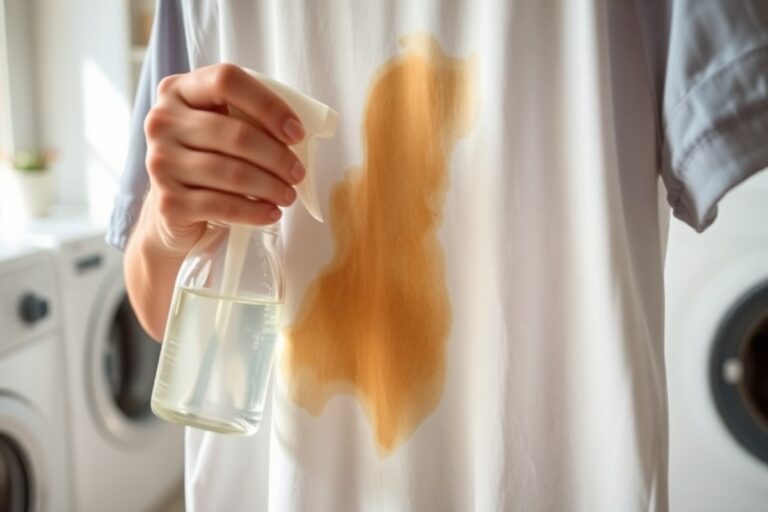
- Treat Stains Promptly: Apply an appropriate amount of cold-water detergent directly on stains before washing. Let it sit for 5 to 10 minutes to loosen soils without heat.
- Use Chelating Detergents in Hard Water Areas: If your water is hard, select detergents with sodium citrate (≥0.5%) to prevent mineral buildup that can stress fibers and contribute to shrinkage.
- Set Washing Machine to Low Spin Speed: Select a gentle or low spin cycle to reduce fabric agitation, which can stretch or shrink fibers.
- Opt for Front-Load Machines if Possible: Front-load washers are less aggressive than top-loaders, which helps maintain garment size and quality when using cold water.
- Separate Clothes by Fabric Type: Wash delicate fabrics separately and follow specific care instructions to avoid exposure to settings that could cause shrinkage.
- Do Not Overload the Washer: Overcrowding limits water and detergent circulation, potentially requiring re-washing or harsher cycles that increase shrinkage risk.
When Is It Necessary to Use Heat Despite Shrinkage Risks?
Heat becomes necessary when fabrics require thorough sanitizing or when dealing with tough stains that cold water can’t effectively remove. Using warm water instead of hot reduces shrinking risks while still achieving better cleaning results. Applying heat carefully and following fabric labels helps protect clothes from damage while maintaining hygiene.
Sanitizing Bedding and Towels Safely
Bedding and towels often need sanitizing to remove bacteria and allergens, which cold water alone may not accomplish. The decision rule is to use warm water at about 90°F to 110°F rather than hot water above 130°F. This temperature range reduces shrinkage risks common with cotton items that tend to shrink more at high heat. Towels and sheets can be soaked in warm water with a suitable detergent and, if necessary, a disinfecting additive safe for fabrics. Avoid hot water cycles unless the care label explicitly allows it, and opt for gentler washing settings to protect fibers.
After washing, air-drying or tumble-drying on low heat can finish the process without aggressive shrinking. This approach balances sanitizing needs with fabric care by limiting exposure to extreme temperatures that cause contraction and damage.
Removing Stubborn Stains with Warm Water
Oil and sweat stains generally resist cold water washing, making warm water the better choice for treatment. The optimal method is to soak the stained area in warm water (around 100°F) with a stain remover or detergent for 15 to 30 minutes before washing. Avoid scrubbing harshly to prevent fabric stretching or damage. Washing on a gentle warm cycle helps lift stains while limiting heat exposure that triggers shrinking.
Applying warm water in this way means stains loosen effectively without the tradeoff of burning or toughening delicate fibers. This method works well for garments made with cotton blends, which shrink more easily if exposed to high heat.
Balancing Hygiene Needs with Fabric Care
Maintaining hygiene sometimes demands heat even though it can shrink clothes. Follow the fabric care label explicitly, and use the warmest water temperature it permits. For delicate items, steaming may replace washing at high temperature, as steam removes wrinkles and kills germs without fabric stress.
The key is to prioritize warm water cycles, gentle agitation, and avoiding sudden temperature changes that shock fibers. Running a test wash on a low-stakes garment can show you how much heat your clothes will tolerate. Finishing with low heat drying or line drying further reduces shrinkage. Steaming after drying can freshen garments without raising the risk of shrinkage.
Always check care labels and choose the lowest effective water temperature to minimize shrinkage while ensuring cleanliness.
Step-by-Step Action Plan to Prevent Clothes Shrinking
Use this plan to keep your clothes from shrinking during laundry by washing smart and choosing the right settings.
- Before laundry day: Sort your clothes by fabric type and check care labels to know which need cold water washing.
- Day 1: Set your washing machine to cold water and use a gentle cycle for delicate fabrics to reduce agitation.
- Same laundry load: Use a mild detergent that works well in cold water to keep fibers safe and clean.
- After wash: Avoid the dryer for items prone to shrinkage; instead, lay flat or hang dry to maintain shape.
- Weekly check: Inspect your garments after drying to spot any early signs of shrinking or changes in fabric feel.
- Monthly routine: Adjust washing settings if you notice shrinkage, opting for cooler temperatures or gentler cycles.
- When facing stubborn shrinkage: Try gentle stretching while damp or use cold water soaking methods to slightly restore size.
Frequently Asked Questions
Can Cold Water Damage Fabric Fibers over Time?
Cold water is generally gentle and does not damage fabric fibers over time, helping extend the life of your clothes compared to warm or hot water, which can weaken fibers and cause fading or shrinking.
Does Adding Detergent Affect Clothes Shrinking in Cold Water?
Using detergent in cold water does not cause clothes to shrink; it helps clean effectively while preserving fabric quality when used as directed.
Can Cold Water Washing Remove Tough Stains as Well as Warm Water?
Cold water is less effective on oily or greasy stains; warm water usually works better, but cold water protects colors and reduces shrinkage risk.
Are Clothes Less Likely to Fade When Washed in Cold Water?
Yes, cold water helps maintain clothing colors longer since it reduces dye bleeding compared to warm or hot water washes.
Does the Water Hardness Affect Shrinking or Fabric Damage in Cold Water?
Water hardness mainly impacts detergent efficiency, not shrinking; using a water softener can improve cleaning results without causing shrinkage.
Is It Necessary to Adjust Detergent Type When Washing in Cold Water?
Yes, using detergent designed for cold water improves cleaning performance and helps protect fabrics from damage or shrinkage.
The Bottom Line
Cold water alone generally won’t shrink your clothes but plays a big part in preventing shrinkage by protecting fabric fibers during washing. Avoiding heat in the drying process has an even stronger effect on keeping clothes fitting right. Start washing your next load in cold water, choose gentler cycles, and air dry to preserve your garments longer and reduce unwanted shrinking.