Do Not Tumble Dry Means: What It Is and 8 Safe Drying Methods That Work
Do not tumble dry means you should not put the garment in a tumble dryer under any heat setting, as it risks damaging the fabric. This care instruction protects delicate or sensitive clothes from shrinking, warping, or losing their shape. Knowing what this label means helps you care for your clothes properly and extend their lifespan.
This explanation is for anyone who wants to avoid ruining clothes marked with this warning. You will learn how to recognize the symbol and discover safe drying alternatives that keep your garments in good condition without using a tumble dryer.
Key Takeaways
- The do not tumble dry symbol is a square with a circle crossed out, indicating no dryer heat exposure.
- Some delicate fabrics can shrink or distort if dried in a tumble dryer, so avoid that method completely.
- Air-drying clothes is a reliable and safe way to dry items labeled do not tumble dry.
- Drying racks priced between $15 and $45 provide an affordable, space-saving option for indoor air drying.
- Flat drying is recommended for knitwear to prevent dampness and maintain garment shape.
- Flipping flat-dried garments every 2 to 3 hours helps speed drying and avoid moisture buildup underneath.
1. What Does ‘Do Not Tumble Dry’ Mean on a Clothing Label?

The phrase “do not tumble dry” on a clothing label means you should avoid drying that garment in a tumble dryer. This instruction matters because tumble dryers use heat and a rotating drum to remove moisture from clothes. Some fabrics cannot handle these conditions without shrinking, stretching, or otherwise getting damaged. Ignoring the label risks ruining your garment’s fit, texture, or colour.
The symbol for “do not tumble dry” is a square with a circle inside it, crossed out by a large X. This pictogram appears when manufacturers want to warn you that the heat and mechanical action of a tumble dryer could harm the fabric. Unlike just “low heat” or “tumble dry on gentle cycle” labels, the crossed-out symbol means no tumble drying should be used under any circumstance, whether high or low heat.
You might wonder if “do not tumble dry” means you cannot dry the item at all. It does not prohibit drying altogether, but it instructs you to choose alternative drying methods that don’t involve tumbling or heat from a machine. This matters for delicate fabrics or special finishes on clothing that break down or lose shape when exposed to regular dryer conditions.
To respect this instruction, you should remove wet items promptly after washing and air dry them naturally without putting them into a machine dryer. Air drying can mean hanging the garment on a clothesline, a drying rack, or laying it flat on a clean surface. This avoids the intense heat and tumbling friction that tumble dryers create. The time for your clothes to dry this way depends on environmental factors like air circulation, temperature, and humidity, but this gentler method prevents shrinkage and damage.
The cost of following “do not tumble dry” is mostly time and space since air drying can take several hours to a full day in typical indoor settings. However, the benefits include maintaining your garment’s original size, look, and durability. The exact outcome varies by fabric, but sticking to the care label’s no tumble drying advice helps preserve your clothes longer. Do note that avoiding tumble drying also reduces the risk of colour fading or material pilling caused by the heat and motion inside the dryer.
Recognizing and following the “do not tumble dry” label can save your clothes from irreversible damage. The label signals that the fabric will not survive the standard tumble drying conditions and that gentle handling is necessary. For delicate sweaters, lingerie, and some synthetic blends, ignoring this instruction can lead to costly replacements. Respecting the symbol by carefully selecting alternative drying methods ensures your wardrobe stays in good condition.
2. Why Can Tumble Drying Damage Certain Garments?
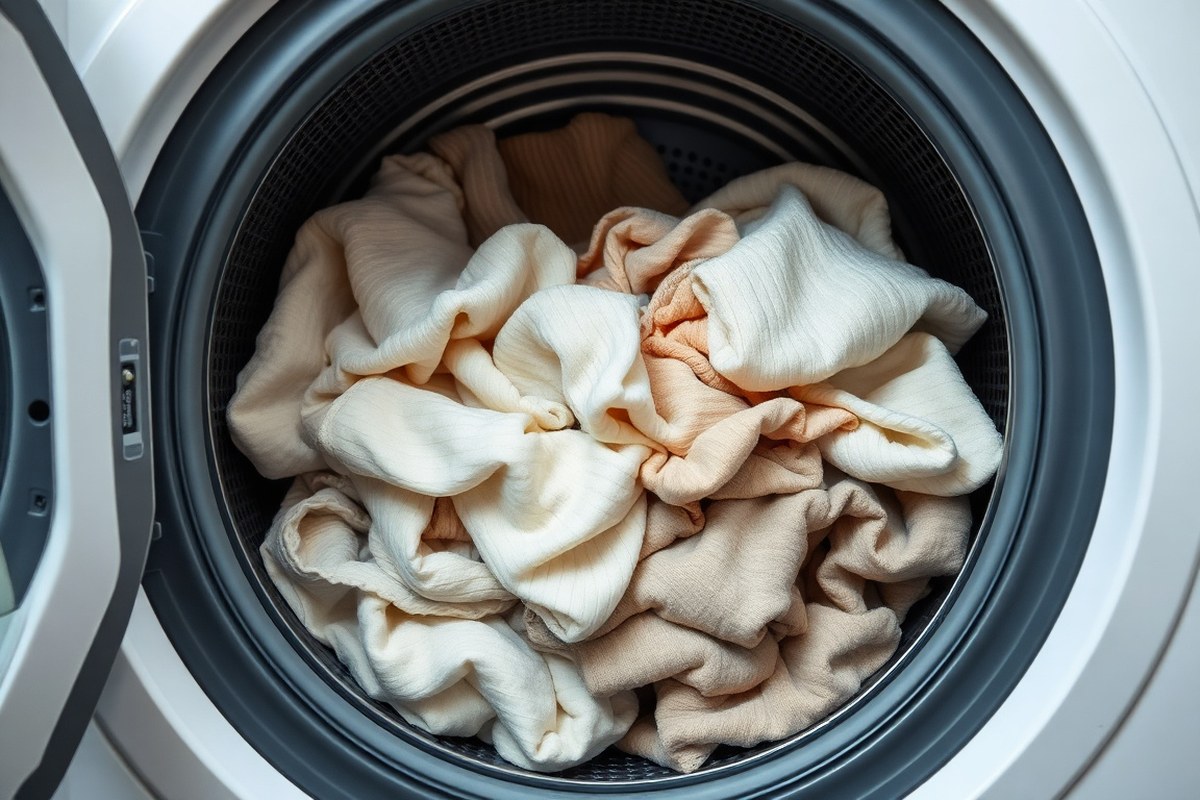
Tumble drying can harm garments labeled “Do Not Tumble Dry” because the high heat and constant tumbling motion break down fabric fibers and alter the garment’s shape. These factors lead to fabric weakening, shrinkage, and loss of delicate details, making the clothes look damaged or worn out. Avoiding tumble drying helps preserve the material’s strength and the garment’s original form.
How Heat Affects Fabric Fibers
Heat from a tumble dryer ranges usually between 40°C and 80°C, depending on the cycle, which can be too intense for delicate fabrics. Natural fibers like wool, cotton, and silk are prone to shrinkage and distortion under these temperatures. Heat can cause wool fibers to felt, making the fabric denser and stiffer, while it can weaken synthetic fibers by softening or melting them. For example, silk loses its sheen and becomes brittle, while viscose or rayon may stretch unevenly or lose strength when exposed to high heat.
The damage occurs because heat breaks down the molecular structure of fibers. As these fibers degrade, they lose elasticity and tensile strength, meaning the fabric can become misshapen, thin, or torn easily. Heat also affects finishes on garments, such as waterproof coatings or color fastness, potentially causing fading or spots.
Mechanical Action’s Impact on Fabrics
Alongside heat, the mechanical tumbling in a dryer places constant friction and pressure on clothes. This action causes continuous rubbing against the dryer drum and other garments, leading to abrasion of fabric surfaces. Delicate materials like lace, beading, or sequins are especially vulnerable to being scratched, stretched, or knocked loose by this friction. Loose threads can form, or embellishments may detach entirely.
Even without significant heat, this mechanical agitation can distort the garment’s shape by stretching or compressing it unevenly. For knitwear, tumbling may cause fibers to stretch in some parts and compress in others, leading to misshapen sweaters or scarves. Garments with glued or bonded components risk partial separation from the vibration and motion inside the dryer.
Garment Constructions Prone to Damage
Some garment types are more vulnerable to tumble drying. Knitted sweaters made from wool or cashmere often suffer from felting and shape loss due to heat and tumbling combined. Similarly, silky blouses or delicate dresses with lace or embroidery risk losing their color, structure, or detail finesse. Thin, loosely woven fabrics lose their integrity quickly under these conditions.
Layered garments or those with sewn embellishments like beads, buttons, or appliqués face mechanical stress that loosens or ruins these attachments. Fabrics like viscose and rayon can stretch lengthwise or sag because of the combination of heat and tumbling, leading to permanent distortion. Garments designed with delicate finishes or sensitive fibers almost always require avoiding tumble drying to maintain their appearance and longevity.
Why Air Drying Preserves Fabric Quality
Air drying removes the exposure to high heat and mechanical tumbling, which significantly reduces fiber damage and shrinkage. Drying at ambient temperatures between 15°C and 30°C gently allows moisture to evaporate without stressing the fabric. Supporting clothes properly, such as laying knits flat or hanging delicate clothes on padded hangers, also prevents stretching or misshaping. This process takes longer, but it keeps the garment intact.
Without drum contact or friction, embellishments and delicate details stay secure. The slower drying process avoids water spots, fabric distortion, and fading caused by heat or aggressive drying cycles. Although this method requires more space and patience, it is the safest choice for any garment tagged with “Do Not Tumble Dry.”
Use a drying rack with adequate airflow and carefully reshape garments before drying to prevent stretching and fading.
3. Common Fabrics and Garments Marked ‘Do Not Tumble Dry’
Many fabrics labeled “Do Not Tumble Dry” are delicate and prone to shrinking, stretching, or losing shape when exposed to the heat and tumbling action of a dryer. Common fabric types include silk, wool, lace, linen, and cashmere. These materials require gentler drying methods to maintain their texture and fit. Also, garments with special construction features such as embellishments, delicate stitching, or heavy knitwear often carry this warning to prevent damage during the drying process.
Certain types of garments are more likely to have the “Do Not Tumble Dry” instruction. Sweaters made of wool or cashmere, lace blouses, delicate synthetics, and hand-wash-only items usually fall into this category. These garments need drying methods that minimize agitation and heat exposure, such as flat drying or drip drying. Sturdy items like woven cotton shirts or polyester trousers generally tolerate more drying options but may still have restrictions depending on fabric treatment or dyes.
| Drying Method | Suitable Garments | Typical Setup | Typical Time |
|---|---|---|---|
| Dry flat | Wool sweater, cashmere cardigan, heavy knit | Towel or mesh rack, reshaped horizontally | 24-48 hours |
| Line dry | Woven cotton shirt, linen trousers, sturdy polyester | Clothesline or ventilated hanger | 4-24 hours |
| Drip dry | Rain shell, delicate synthetic, lace item | Tub or shower rod, no wringing | 8-36 hours |
| Shade dry | Dark cotton, silk blouse, dyed linen | Rack or line away from direct sun | 8-36 hours |
Knowing which fabrics and garment types require no tumble drying helps you protect your clothes. Dry flat is best for sweaters and heavy knits to prevent stretching and misshaping. Line drying suits woven cotton and linen but takes much less time than flat drying. Drip dry methods work well for delicate synthetics and lace that should not be twisted or wrung out. Shade drying protects colors like dark cotton and silk blouses from fading due to direct sunlight. Choosing the correct drying method based on fabric type extends the life of your clothes and keeps them looking good longer.
4. How to Safely Air Dry Clothes That Say ‘Do Not Tumble Dry’
Air drying clothes labeled “Do Not Tumble Dry” requires careful handling to protect the fabric’s shape and integrity. Using the right drying method, preparing garments correctly, and following steps to preserve their fit will help keep your clothes looking their best without risking damage that heat or agitation could cause.
Choosing the Right Air Drying Method
Selecting how to air dry your clothes depends on the fabric type and garment structure. Lightweight items like blouses and shirts dry well when hung on hangers, which allows air to circulate freely while preventing wrinkles. Heavier and stretch-prone fabrics like wool sweaters benefit from flat drying on a clean surface to avoid stretching or distorting.
Use a drying rack or a clothesline placed in a well-ventilated, shaded area to avoid direct sunlight that can fade colors or weaken fibers. Indoor drying racks are often more convenient and help control airflow if outdoor space isn’t available. Choose rust-resistant racks and hangers specifically designed for delicates or use padded hangers to minimize marks and fabric stress.
Preparing Garments Before Drying
Properly getting clothes ready for air drying helps them dry evenly and keeps their shape intact. Gently press or squeeze out extra water instead of twisting, as wringing can damage the fibers. For thick or bulky garments, wrap them in a dry towel and press to soak up moisture without stretching the fabric.
Check garment labels for specific care instructions beyond drying, such as avoiding bleach or ironing certain sections. Separate delicate items from heavier ones to avoid creases and ensure that air reaches all parts of the clothing evenly during drying. Hanging similarly weighted and sized garments prevents uneven drying times.
Tips to Maintain Shape and Fabric Quality
To keep clothes in their original shape while air drying, reshape them immediately after washing. Lay sweaters and knitwear flat on a clean surface, gently pulling edges and sleeves back into place. Use a drying rack or mesh drying board underneath to improve airflow and speed drying without pressure points that cause wrinkles.
Hang shirts and blouses on sturdy, well-shaped hangers that support the shoulders to avoid distortion or stretching. Avoid hanging heavy knits or wet garments by the shoulders alone, as gravity may cause them to sag. Turn clothes inside out to reduce color fade and prevent surface damage from dust or sunlight exposure.
Timing is key: allow 6 to 12 hours or more depending on fabric thickness and room conditions. Avoid moving items prematurely or folding them when still wet, as this promotes creasing and fabric weakness. Follow these steps for effective air drying of “Do Not Tumble Dry” clothes:
- Gently remove excess water by pressing or rolling in a clean towel.
- Choose an appropriate drying method: hang on padded hangers for shirts or lay flat for sweaters and knits.
- Place clothes in a shady, well-ventilated area away from direct sunlight.
- Reshape garments immediately after washing to prevent stretching and distortion.
- Allow sufficient drying time without folding or compressing still-damp clothes.
- Check that clothes are completely dry before storing to avoid mildew or odors.
- Store items properly on hangers or neatly folded to maintain their form.
5. Alternative Drying Methods Compared: Line Dry, Flat Dry, and Drip Dry
You have several alternatives to tumble drying that protect your clothes from heat and agitation damage. The main options are line drying, flat drying, and drip drying. Each method suits different fabric types and shapes, with drying times influenced by air temperature, humidity, and fabric weight.
Line drying involves hanging garments on a clothesline or drying rack, usually outdoors or near a breezy window. It is ideal for woven fabrics like cotton shirts or lightweight garments. This method can take several hours to a full day in humid conditions but helps preserve fabric shape and reduces shrinkage. To set it up, secure the item with clothespins to prevent wind from twisting it off the line.
Dry flat means laying your garment on a clean, dry surface, often on a towel, with the fabric evenly spread out. This method works best for heavy knits or shape-sensitive pieces like sweaters, which may stretch or lose shape if hung. Dry flat avoids gravity pulling fibers out of alignment but takes longer, sometimes 24 to 48 hours, especially for dense materials. Rotate or flip the garment periodically for even drying.
Drip drying involves hanging clothes to dry straight from the washer without wringing them out. This method is preferred for items like silk or delicate fabrics that could distort if twisted or stretched. Allow excess water to drip off while the garment hangs securely. Drying time varies but usually falls between line and flat drying durations.
| Drying Method | Suitable Fabrics | Setup | Typical Drying Time | Key Benefit |
|---|---|---|---|---|
| Line Dry | Woven shirts, cotton, lightweight fabrics | Hang on line/rack with clothespins, outdoors or well-ventilated area | Several hours to 1 day | Preserves shape, reduces shrinkage |
| Dry Flat | Heavy knits, sweaters, shape-sensitive items | Lay flat on towel or drying rack, flip periodically | 12 to 48 hours | Avoids stretching and distortion |
| Drip Dry | Silks, delicate fabrics, unwrung garments | Hang immediately after washing to drip dry | 8 to 24 hours | Prevents fabric damage from wringing |
Use towels under your flat drying garments to absorb moisture and speed up drying, especially indoors.
Choosing the right drying method depends on your garment’s fabric and structure. For example, jeans and other heavy fabrics take longer and benefit from line dry, especially in dry, breezy conditions. Delicate items requiring no distortion should drip dry without wringing. Trying to tumble dry without caution risks shrinkage and damage, so prioritize these alternatives when the label advises against tumble drying.
6. How Long Does It Take to Dry No Tumble Dry Clothes and What Affects It?
Drying clothes marked “do not tumble dry” typically takes longer than using a machine dryer, ranging from about 4 hours up to 48 hours depending largely on fabric type and environmental conditions. Lightweight fabrics like polyester shirts can dry indoors within 4 to 8 hours at room temperatures between 68 and 75 degrees Fahrenheit (20-24°C). Heavier fabrics such as wool sweaters or cashmere may need a full day or two, from 24 to 48 hours, to dry completely. This wide range exists because humidity, airflow, fabric thickness, and the amount of water left in the garment after washing all influence drying speed.
Humidity inside your drying space has a major impact. Clothes will dry faster at low relative humidity levels around 40 to 55 percent, since dry air helps evaporate moisture more quickly. High humidity near 70 percent or above slows down this process by reducing the air’s ability to absorb water. Airflow also matters. Positioning clothes where there is good cross ventilation or using a fan can cut drying time significantly by moving moist air away from the fabric and replacing it with drier air. For example, a cotton T-shirt might take 6 to 12 hours to dry under moderate fan airflow but could take longer if the rack is crowded and the air still.
Fabric thickness changes drying times too. Thin fabrics like silk blouses usually dry within 6 to 14 hours when pre-pressed with a towel to remove excess water. Wearing a heavy wool sweater may require placing it on a mesh rack with a fan running, allowing 24 to 48 hours to dry fully. Keeping thick items off flat surfaces and spaced out promotes better air circulation and faster drying.
Spinning clothes at higher speeds in your washing machine before hanging can remove more water, reducing drying time. If the fabric care label allows, set your washer’s spin speed higher, which means the garment holds less water when you start air drying. This simple adjustment can lower indoor drying time by several hours.
To speed up drying, hang clothes near an open window or in a room with a dehumidifier, especially on humid days. Avoid tightly folding damp clothes or placing them in dense racks, as this traps moisture and slows drying. Thicker towels or garments beneath hanging items can hold moisture and prevent airflow, so try to air dry thick fabrics flat on mesh racks rather than on towels.
7. What to Do If You Accidentally Tumble Dry a ‘Do Not Tumble Dry’ Item
Quickly check the garment after it has been tumble dried against its care label instructions to reduce damage. Examine its condition right away and try gentle methods to bring back its original shape or feel. Damage from tumble drying on these pieces is usually permanent, but some fabrics may improve with careful attention.
Assessing the Damage
Begin by checking the item right after it’s cooled to room temperature. Look for shrinkage, distortion, fabric thinning, or areas that feel harder or stiffer than usual. Older garments and those already worn tend to show more severe damage. Stretch the fabric gently to see if it can return to its original shape without tearing.
Consider the type of fabric, since natural fibers like wool or cotton tend to shrink more than synthetics. Also, check for color changes, which sometimes happen due to heat exposure. Taking these observations helps you decide if restoration might be possible or if replacement is the better option.
Gentle Restoration Techniques
Slight shrinkage or misshaping of the garment can sometimes be fixed using gentle reshaping techniques. Avoid harsh stretching or aggressive chemical treatments, which can worsen damage.
- Fill a basin with lukewarm water mixed with a small amount of gentle fabric conditioner or baby shampoo.
- Soak the garment fully for 15 to 30 minutes to relax the fibers.
- Remove the garment carefully without wringing to avoid further stress.
- Lay it flat on a clean towel, then roll the towel gently to remove excess water.
- Shape the garment back to its original dimensions by pulling it gently but evenly.
- Allow it to air dry on a flat surface away from direct heat or sunlight.
- To soften a stiff or rough fabric, apply fabric softener spray lightly or carefully steam the garment.
Using this method can take several hours to a full day for drying. Success depends on fabric type and damage extent. For example, tightly woven cotton may recover better than delicate knits.
When to Consider Professional Help
Severe shrinkage, melting, or fabric fusion caused by heat is usually irreversible at home. Taking valuable or sentimental items to a professional cleaner or textile restorer could provide specialized help for repairing damage. These services include careful blocking, steam reconditioning, or fiber repair, which cost from $20 to over $100 depending on the garment and damage.
Do not attempt heat re-stretching with irons or dryers, as this risks further damage. Always disclose the tumble drying mishap when consulting a professional so they know the exact cause and can tailor their approach accordingly.
8. Common Mistakes to Avoid When Drying No Tumble Dry Clothes
One of the most frequent mistakes when drying garments labeled ‘do not tumble dry’ is putting them in the dryer despite the warning. This often leads to shrinkage, warping, or damage to delicate fibers. The heat and tumbling action in dryers can cause fabrics to lose their shape or develop holes, especially materials like wool, silk, or embellished textiles. Avoiding this mistake preserves the garment’s look and fit, saving you from costly replacements.
Another common error is hanging wet garments incorrectly. For example, hanging heavy wet clothes by the shoulders can stretch the fabric and distort its shape. Instead, lay the item flat on a clean, dry towel or drying rack. This supports the fabric fully and helps maintain its original form. For items like sweaters or knits, flat drying is your safest bet to prevent sagging or deformation.
Many people also underestimate the importance of drying environment. Drying clothes indoors without airflow can extend drying time, invite mildew, and cause odors. Drying them in a well-ventilated area or near a fan helps moisture evaporate faster and reduces risk of mildew or damage from staying damp too long.
- Avoid tumble drying to prevent shrinkage and fabric wear
- Lay delicate garments flat on a towel or mesh rack to maintain shape
- Use a dry towel to blot excess water before air drying for faster results
- Hang heavy items carefully to avoid stretching by the shoulders
- Dry in a well-ventilated space to prevent mildew and odors
- Keep fabrics out of direct sunlight to avoid fading or weakening fibers
- Check for care labels on trims and embellishments that may need special drying
For faster drying without risking damage, place the wet garment on an ironing board covered with a dry towel, then gently roll to blot moisture before flat drying.
Common laundry habits like wringing out fabrics aggressively can also harm delicate clothes. Instead, gently press water out or roll items in a dry towel to absorb moisture without stretching fibers. It’s important not to leave wet garments scrunched up or folded for long periods, as trapped moisture can weaken the fabric and cause spots or mildew.
Failing to follow these precautions reduces your garment’s lifespan and appearance. Using careful drying methods preserves texture, color, and shape, while careless routines accelerate wear and make your ‘do not tumble dry’ clothes look worn out sooner. This sometimes takes extra time, but it’s worth it to keep your wardrobe in good condition.
Step-by-Step Action Plan for Drying ‘Do Not Tumble Dry’ Clothes
Follow these steps to keep your no tumble dry clothes safe and looking great while drying them properly.
- Right after washing: Gently squeeze out excess water without twisting, to avoid stretching or damaging fabric.
- Before drying: Place the garment flat on a dry towel to soak up extra moisture; change the towel once it gets saturated.
- First drying day: Place the garment on a flat drying rack in a well-ventilated, shaded area; check for any stiffness or roughness as it dries.
- Midway through drying: Flip or reposition the item to ensure even drying and prevent creases or mildew.
- After 24 hours: Feel the garment; if still damp, allow extra drying time or move to a more airy spot without direct sunlight.
- Before storing: Confirm the garment is completely dry to avoid musty smells or mold growth in your closet.
- Accidental tumble drying: Check the garment right away for any signs of shrinking, stiff texture, or harm; apply mild fabric conditioner during washing to help recover softness if required.
Frequently Asked Questions
What Does a Crossed-Out Square with a Circle Mean on Clothing Labels?
It means do not tumble dry, so never put the garment in a tumble dryer. This symbol tells you the fabric can be damaged by heat and rotation in dryers.
Can “Do Not Tumble Dry” Items Be Dried Using Other Machines?
Yes, some items can tolerate special dry settings, but only if the care label allows it. Otherwise, avoid machine drying entirely to prevent damage.
Is “Do Not Tumble Dry” the Same as “Do Not Dry”?
No, “do not tumble dry” means no mechanical drying, but air drying or flat drying may be fine for your garment. Check the full care label instructions.
Does Ignoring “Do Not Tumble Dry” Harm All Fabrics the Same Way?
No, delicate or heat-sensitive fabrics suffer more damage, including shrinking, warping, or loss of texture. Hardier fabrics might only have minor changes.
Are Drying Times Longer for “Do Not Tumble Dry” Clothes?
Usually yes, air drying or flat drying takes more time because no heated air or spinning speeds moisture removal. This depends on fabric thickness and humidity.
Can I Use a Fan or Dehumidifier for Drying No Tumble Dry Clothes?
Yes, using a fan or dehumidifier helps speed up air drying while protecting your garments from heat damage common in tumble dryers.
Key Points to Remember
Clothing marked ‘do not tumble dry’ need your care to stay in good shape. Air drying correctly protects delicate fibers from heat damage and shrinkage. Start by handling wet clothes gently and drying in cool, shaded places to ensure your garments last longer.