Can You Wash Silk? A Complete Guide with Safe Methods and Tips
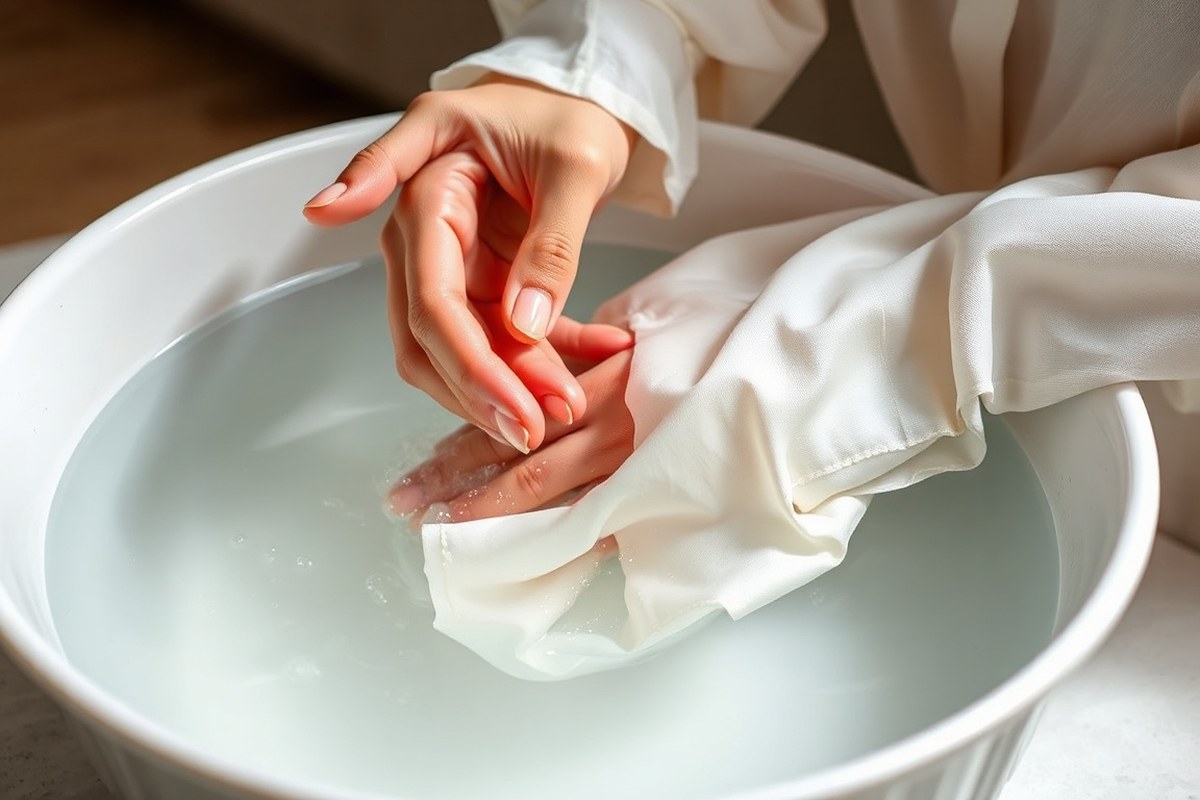
You can wash silk at home without damaging it if you use the right techniques and handle the fabric gently. Hand washing with cool water and a mild, pH-neutral detergent is the safest method, while machine washing is possible only with a delicate cycle and low temperature settings. This information suits anyone who owns 100% silk garments and wants to care for them properly at home. You’ll find reliable tips on hand washing, machine washing, stain treatment, drying, and more for keeping your silk looking its best.
This guide covers essentials like avoiding shrinkage, minimizing fabric damage, and refreshing “dry clean only” silk items safely. Practical advice helps you extend the life of your silk clothes without relying solely on professional cleaning. Following these methods ensures your delicate silk remains soft, vibrant, and wrinkle-free after washing.
Key Takeaways
- Always hand wash silk with cool water (below 86°F) and a mild, enzyme-free detergent made for delicate fabrics.
- Do not soak silk for more than 5 minutes to prevent shrinkage and damage.
- For machine washing, use a gentle cycle at 30° to 40°C with a mesh laundry bag to protect the silk.
- Test for colorfastness by dabbing a damp white cloth on an inconspicuous area before washing.
- Rinse silk thoroughly with cold water immediately after washing to remove all detergent residues.
- Dry silk flat on a soft towel away from direct sunlight and heat to avoid wrinkles and fading.
Can You Wash Silk at Home Without Damaging It?

You can wash silk at home safely, but it requires careful attention to the fabric’s delicate nature and the washing conditions. Silk is a protein-based fabric, which means it can shrink, lose color, or become damaged if exposed to heat, harsh detergents, or rough handling. The key to avoiding damage is following a strict decision checklist before washing.
First, check the care label on your silk garment. Many silk items can be hand washed, but some types, like Dupioni silk, are better left to professional cleaners because their texture and dye are more sensitive. Garments with embroidery, zippers, or delicate fasteners should be hand washed alone or placed in a mesh bag if you use a washing machine. Always test colorfastness by dabbing a damp white cloth on an inconspicuous spot to see if dye transfers. When that happens, avoid washing the item at home.
The water temperature should never exceed 30° to 40°F (cold to cool water) to prevent fiber weakening and color fading. Avoid soaking silk for more than 30 minutes, as prolonged water contact risks dye bleeding and fiber breakdown. Use a detergent specially formulated for silk or other delicate fabrics, in smaller amounts than you would for regular laundry, to avoid residue buildup that can stiffen or damage the fabric.
When hand washing, gently swish the garment in water instead of scrubbing or wringing, which can cause irreversible creasing or fabric distortion. Choose the gentlest cycle with the shortest spin setting on your machine to reduce agitation and mechanical stress if you decide to machine wash. Do not wash silk with heavier clothes or those with metal parts that could snag the fabric. Avoid the dryer; instead, lay silk flat or hang it to dry in the shade to maintain shape and prevent yellowing.
Silk laundering at home costs nothing more than your usual detergent and use of cold water, but investing in a silk-specific detergent ($5 to $15 per bottle) can preserve the garment’s quality over time. Good results look like soft, intact silk with vibrant color and no shrinkage or stiffness. What goes wrong often involves heat exposure, harsh detergents, or aggressive washing methods, all causing shrinkage, color loss, and loss of sheen.
High-value or heavily embellished silk should be taken to a dry cleaner to avoid these risks, while more casual 100% silk items without special finishes can typically be washed safely at home if you follow the precautions carefully. Careful attention to the fabric’s properties, your washing method, and handling means you can keep your silk garments looking fresh and luxurious without risking damage.
How to Safely Hand Wash Silk: Step-by-Step Instructions
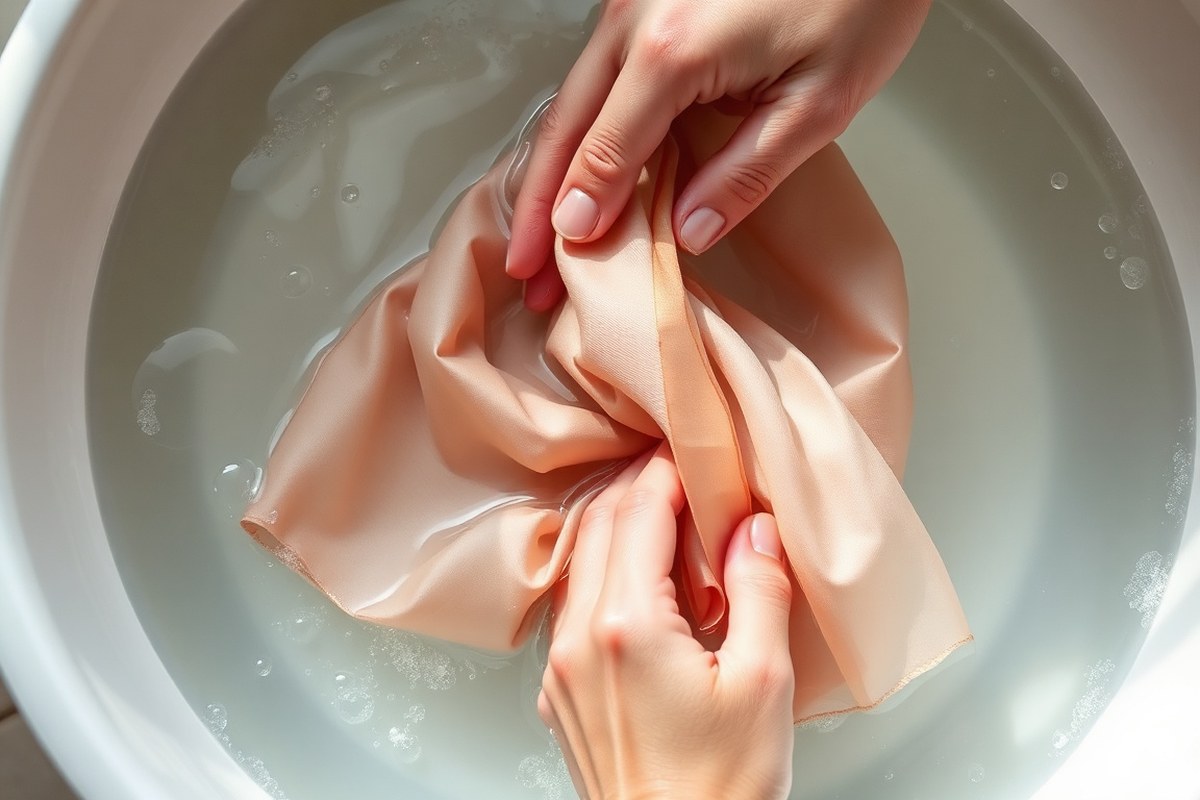
Hand washing silk safely requires cold water, gentle detergent, and a careful touch to avoid fabric damage or dye bleeding. You should soak the silk briefly, swirl it gently, and rinse thoroughly to keep its softness and color intact.
Preparing the Silk Garment
Check the garment label for any specific washing instructions before starting. Separate your silk from other clothes to prevent color transfer, especially if your silk has multiple colors. Inspect the fabric for stains and treat those gently before washing.
Empty pockets and close any zippers or fasteners to avoid catching the silk during washing. Lay the silk flat so it won’t tangle or stretch when wet.
Mixing the Detergent Solution
Use cold water between 60°F and 75°F to protect the silk fibers. Add a few drops of a mild detergent designed for delicate fabrics, such as Woolite® Delicates or a fragrance-free gentle detergent. Avoid detergents with bleach or enzymes, which can weaken silk fibers and cause color loss.
Fill a clean basin or sink with about 2 to 3 gallons of water, then add approximately 1 teaspoon of detergent, just enough to make the water lightly soapy. Mix gently with your hand to dissolve the detergent completely.
Gentle Washing and Rinsing Technique
Submerge the silk garment completely in the water. Let it soak for no more than 3 to 5 minutes to prevent dye bleeding or weakening. Gently swirl the fabric by moving your hands in small circles; do not rub or wring the silk.
Rinse the garment under cold running water until the water runs clear and no soap remains. Repeat the rinse stage if necessary to ensure all detergent is removed.
- Fill a basin with cold water (60°F to 75°F) and add about 1 teaspoon of gentle detergent.
- Place the silk garment in the water and let it soak for 3 to 5 minutes.
- Swirl the garment gently in the water without rubbing or scrubbing.
- Drain the soapy water and refill the basin with clean cold water for rinsing.
- Rinse the silk by gently moving it in the clean water until no soap remains.
- Drain the water and carefully lift the silk out without wringing.
Always handle silk gently while wet; never wring or twist the fabric as it can damage fibers and cause permanent creasing.
Drying Preparation After Washing
Lay the silk garment flat on a clean, dry towel. Roll the towel with the silk inside to press out excess water without twisting. Avoid hanging wet silk, which can stretch the fabric and distort its shape.
Once most water is removed, reshape the garment and lay it flat on a dry towel or drying rack away from direct sunlight and heat sources. This method preserves silk’s texture and vibrancy while preventing shrinkage or damage.
Is Machine Washing Silk Safe? When and How to Do It
Machine washing silk works in certain cases, but it requires special care and exact steps. Start by reading your silk clothing’s care tag to see if machine washing is allowed. Numerous silk pieces specify “Dry Clean Only” or advise hand washing, signaling that a washer could damage them. When machine washing is okay, pick settings like the delicate or silk cycle, which often include cold water and a softer washing motion to protect the fabric.
Always turn the silk garment inside out to protect the surface fibers. Placing the item in a loose mesh washing bag adds another layer of protection from friction and snagging. Avoid washing silk with heavy or rough fabrics like denim, as these can damage the delicate silk fibers. It’s best to wash silk separately or with only other delicates to prevent damage.
Use cold water, never warm or hot, because high temperatures can shrink silk by 5% to 10% and weaken the fibers. Your detergent should be mild and specially formulated for delicate fabrics. Detergents made for silk avoid harsh enzymes and bleach that degrade the fabric. A small amount, about one tablespoon for a full load, is sufficient. Skip fabric softener, which can coat silk and reduce its natural sheen.
Set your washing machine to either the “delicate,” “hand wash,” or “silk” cycle, these use slower spin speeds to minimize stretching and wrinkles. Drying silk in the washing machine is not recommended; instead, remove it promptly and lay it flat or hang to air dry away from direct sunlight or heat sources. This preserves the fabric’s strength and prevents color fading. Here is a dos and don’ts checklist for machine washing silk:
Dos: Turn the garment inside out before washing. Use a mesh laundry bag to protect the fabric. Wash silk separately or only with other delicate items. Choose cold water and the delicate or silk cycle on your machine. Use a gentle detergent made for silk or delicates. Remove the garment promptly after the wash cycle finishes.
Don’ts: Do not machine wash if the care label says “Dry Clean Only.” Avoid washing silk with heavy fabrics like jeans or towels. Don’t use hot water or regular detergent. Skip fabric softeners and bleach. Never put silk in the dryer or wring it out harshly.
Machine washing silk requires extra care because the fibers are easily damaged by rough agitation, heat, or strong chemicals. By following these steps, you can clean some silk garments safely at home without resorting to dry cleaning or risking damage. Still, hand washing remains the safest option for most silk pieces.
Choosing the Right Detergent and Additives for Silk
Choose a detergent designed specifically for silk or other delicate fabrics to protect the fibers. Regular detergents are too harsh because they contain enzymes and chemicals that can strip natural silk proteins, leading to weakening and color fading. Avoid any detergent with bleach or heavy chemicals, as these cause yellowing and damage. Use cool water below 86°F (30°C) and just a small amount of detergent to avoid over-sudsing and incomplete rinsing.
Fabric softeners are not recommended for silk. Softeners coat fibers with residue, which can reduce the fabric’s natural sheen and breathability. Instead, a diluted white vinegar rinse can help balance the fabric’s pH and remove soap buildup if used sparingly. However, vinegar should never be applied directly or on damaged silk, as it won’t repair fibers and may cause harm if misused. Here’s a comparison of detergents and additives you might consider:
| Detergent/Additive | What It Is | Use with Silk? | Why or Why Not |
|---|---|---|---|
| Silk/Delicate Liquid Detergent | Formulated for protein fibers, pH-neutral, enzyme-free | Yes | Protects fibers and colors, gentle cleaning |
| Regular Laundry Detergent | Contains enzymes, bleach, and harsh chemicals | No | Damages silk proteins, fades colors, rough on fibers |
| Bleach | Strong chemical whitener and stain remover | No | Causes yellowing, fiber weakening |
| Fabric Softener | Coats fibers for softness and scent | No | Leaves residue, dulls silk’s natural luster |
| White Vinegar (diluted) | Mild acid rinse to balance pH and remove soap | Occasionally | Helps remove detergent residue, but avoid if fabric is damaged |
To use a silk detergent properly, dissolve the recommended small amount in cool water before adding your garment. This prevents direct contact with concentrated detergent, which can harm delicate fibers. Use less detergent than you do for regular fabrics to reduce residue and maintain softness.
Using vinegar requires dilution: mix one part distilled white vinegar to four parts water. Add this after washing as a final rinse. Avoid vinegar on stains or unfinished silk, and never pour it straight on the fabric.
By choosing a gentle detergent made for silk and avoiding regular detergents, bleach, and fabric softeners, you preserve the strength, appearance, and softness of your silk garments longer. Use a diluted vinegar rinse sparingly to remove soap buildup and maintain the silk’s pH balance.
How to Properly Dry Silk Without Causing Damage or Wrinkles
Dry silk by air in a shaded, well-ventilated space to protect its fibers and avoid damage. Avoid wringing or twisting, as this can cause creases and weaken the fabric. Take care to remove excess water gently and let the silk dry flat or hang it properly to maintain its shape and sheen.
Removing Excess Water
After washing, avoid twisting or wringing the silk garment to remove water. Instead, lay the garment flat on a clean, dry towel. Roll the towel tightly from one end to the other, keeping the silk inside. This method absorbs excess moisture without stressing the fibers. Rinse the garment thoroughly in cold water beforehand to ensure no soap remains.
Gentle removal of water reduces the risk of stretching or distorting the fabric. Skipping this step or applying too much pressure may lead to wrinkles, loss of sheen, and accelerated wear.
Flat Drying vs Hanging
You can dry silk either flat or by hanging, depending on the garment’s type and construction. Laying silk flat on a drying rack or clean towel helps to prevent stretching and keeps the fabric smooth. This is especially good for delicate pieces or those prone to losing shape.
Hanging silk is ideal for garments like pyjamas or blouses, as it prevents creases and maintains drape. Use padded hangers to avoid leaving marks or stretching the shoulders. Ensure the hanger supports the garment evenly.
- Lay small or delicate items flat on a soft towel or mesh drying rack.
- Hang larger, sturdier silk garments on padded hangers.
- Keep the silk garment away from clothes pegs to avoid indentations.
- Choose a well-ventilated area to speed drying without heat.
- Rotate the garment occasionally to expose all areas evenly to air.
Both flat drying and hanging should be done out of direct sunlight to protect color and fibers.
Avoiding Heat Damage
Heat harms silk fibers by breaking their protein structure, causing weakening, yellowing, and color fading. Never use hot water or a dryer on silk. Cold water washing and air drying are essential to preserve the fabric’s integrity.
Dry silk naturally at room temperature. Avoid placing silk near heat sources like radiators or vents. Direct sunlight causes similar damage, so always dry silk in the shade. This reduces color fading and helps maintain silk’s natural sheen.
Never dry silk in a tumble dryer or in direct sunlight to avoid irreversible fabric damage.
Preventing Wrinkles During Drying
To minimize wrinkles, do not wring or twist silk garments. Rolling in a towel gently removes water without crushing fibers, which reduces creasing. When hanging, use padded hangers that support the fabric evenly, preventing stretching or shoulder bumps.
If drying flat, smooth the garment out carefully to avoid folds and creases. Do not pile wet silk items; air must circulate around the fabric for even drying that limits wrinkles. Steaming silk garments after drying can help remove minor wrinkles without harming the fibers, but use a low temperature and keep the steamer head a few inches away.
How to Treat Stains on Silk Before Washing
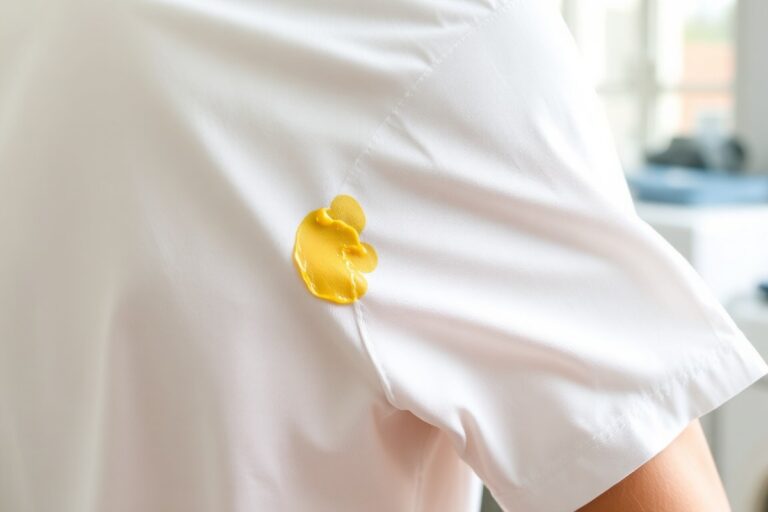
Pre-treating stains on silk requires special care to avoid damaging the delicate fibers. Start by identifying the type of stain to choose the best gentle treatment. For protein-based stains like blood or sweat, rinsing immediately with cold water helps prevent the stain from setting. Use a small amount of baby shampoo or Castile soap, diluted with water, to gently dab the area without rubbing harshly. Let it sit for about 5 minutes before rinsing with cold water again. Avoid hot water as it can fix protein stains permanently.
For oily stains such as makeup or food grease, sprinkle a bit of cornstarch or talcum powder on the dampened spot to absorb the oil. Leave it for 15 to 20 minutes, then brush off the powder carefully. Follow by gently blotting the stain with diluted baby shampoo or Castile soap. Spot clean with a soft cloth, pressing lightly rather than scrubbing to protect the silk fibers.
Acidic stains like wine or juice need quick action. Blot the spill immediately with a clean cloth to lift excess liquid. Avoid rubbing, which spreads the stain. Dilute distilled white vinegar with water at a ratio of one part vinegar to two parts water and test on an inconspicuous area first. If there is no color change or damage, lightly dab the stain with this mixture. Vinegar is generally safe but should only be used sparingly and tested beforehand to avoid altering the silk’s dye.
Pre-soaking silk to treat stains is risky unless the garment is colourfast and washable. A brief spot treatment lasting 5 to 10 minutes is usually enough. Extended soaking, even in cold water with mild soap, risks weakening the silk’s natural proteins. For delicate or dry clean only silk, avoid home pre-treatments altogether and take the garment to a professional cleaner.
Spot cleaning silk at home can be safe if done carefully and with gentle materials. Use cool or cold water and mild soap with a soft cloth or cotton swab to dab the stain. Thoroughly blot the area after treatment to remove any soap residue, then let the fabric air dry away from direct sunlight. Avoid wringing or aggressive rubbing, which can distort silk’s texture. Successful stain removal leaves no residue or discoloration, while over-treating may cause fiber damage or leave water marks.
Keep in mind, some stains or intricate silk items need professional care, especially if the garment is labelled dry clean only or has uncertain dyes. Treating such items at home risks permanent damage. When in doubt, letting a licensed cleaner handle tough stains protects your silk investment. Using these gentle methods for common stains allows you to safely address spots before the main wash without harming your silk garments.
Ironing Silk: When and How to Do It Safely
You can iron silk safely by using the lowest heat setting on your iron, ideally around 148°C (300°F). Avoid direct contact by using a pressing cloth, and do not rely on steam as it can leave marks or cause water spots. Turning the silk inside out and ironing it while slightly damp helps prevent damage.
Preparing Silk for Ironing
Prepare the silk garment by turning it inside out to protect the shiny side. The fabric should be slightly damp, not wet, since silk ironed dry can burn more easily. When the silk is dry, lightly mist it with water or place a damp cloth between the iron and the fabric.
Avoid using any starch or stiffeners, as these can damage the delicate fibers. Lay the garment flat on the ironing board to keep it as smooth as possible before you start moving the iron.
Selecting the Right Heat Setting
Set your iron to the “silk” setting if it has one, or manually choose the lowest heat setting available, which is typically around 148°C (300°F). Higher temperatures risk shrinking, burning, yellowing, or puckering the fabric.
Using steam can be risky because water droplets may leave marks on silk. Use steam only on the lowest setting and from a distance, or skip steam entirely and dampen the fabric before ironing.
Using a Pressing Cloth
Always place a pressing cloth, such as a clean cotton towel or a thin piece of muslin, between the iron and the silk garment. This layer protects the silk from direct heat, which can cause shiny marks or burns.
Gently move the iron over the cloth without applying heavy pressure or holding it in one place for too long. Avoid sliding the iron back and forth harshly, which can stretch or damage delicate fibers.
Final Checks and Storage After Ironing
After ironing, let the silk garment cool on the ironing board before moving it to avoid new wrinkles. Inspect the fabric for any remaining creases and use your hand to smooth them out gently.
Store the silk in a cool, dry place away from direct sunlight to prevent fading or weakening. Folding silk with tissue paper can help maintain its shape and reduce future wrinkles.
- Turn the silk garment inside out to protect the surface.
- Lightly dampen the fabric or use a damp pressing cloth.
- Set the iron to the “silk” setting or about 148°C (300°F).
- Place a clean pressing cloth between the iron and the silk.
- Iron gently without applying heavy pressure, moving smoothly.
- Avoid using steam directly on the fabric or limit it to the lowest setting.
- Let the garment cool on the board after ironing.
- Store the silk properly to maintain its condition.
Maintaining and Storing Silk to Extend Garment Life
Proper storage is essential for silk garments to maintain their softness, color, and shape. Hanging silk is generally better than folding to avoid creases, especially for longer items like dresses or blouses. Use padded or wide plastic hangers to prevent marks or stretching on the shoulders. For smaller silk pieces or those prone to creasing, folding carefully with acid-free tissue paper between folds helps reduce wrinkles and prevents fiber compression.
Air out silk garments monthly by placing them in a shaded, well-ventilated area for a few hours. This practice helps prevent moisture buildup and mold growth. Avoid prolonged exposure to direct sunlight, as UV rays cause fading and weaken silk fibers. Store silk in breathable cotton bags rather than plastic, which traps humidity and can lead to yellowing or mildew.
To avoid discoloration, keep silk away from substances like deodorant, perfumes, or plastic boxes that may off-gas chemicals harmful to silk. Light yellowing happens over time, especially with white or pastel silk, so check stored items regularly. Using a mild, fragrance-free detergent at wash time supports the fabric’s longevity.
- Hang silk on padded or wide plastic hangers to keep shape and avoid marks
- Fold with acid-free tissue paper to prevent creases if hanging is not possible
- Store silk garments in breathable cotton bags, not plastic, to reduce moisture and mildew
- Air garments in shade every 4 to 6 weeks to prevent mold and odors
- Avoid direct sunlight or harsh lighting to protect color and fiber strength
- Keep silk away from chemicals, including deodorants and perfumes, that cause discoloration
Storing silk in a cool, dry closet with good airflow and no direct light will extend its lifespan significantly.
Silk’s natural proteins make it sensitive to humidity and light. High humidity above 60% can encourage mold growth, while dryness below 40% risks fiber brittleness. Using a hygrometer in your storage area can help maintain optimal humidity between 45% and 55%. Temperature should stay steady around 60 to 70°F. Maintaining these conditions ensures your silk keeps its sheen and strength over years of wear and storage.
Step-by-Step Action Plan for Washing Silk at Home
This plan helps you safely clean your silk garments without damage while keeping their look and feel intact.
- Before washing: Look at the care label on your silk item to see whether hand washing or using a washing machine is advised. This helps you choose the safest way to clean it.
- Hand wash day: Fill a clean basin with cool water and add a small amount of gentle detergent made for silk. Submerge the garment and gently swish it for about 3 minutes. The fabric should feel clean but not stiff.
- Rinse time: Rinse the silk with cool water until detergent residue is gone. Rinsing is complete once the water remains clear and free of soap.
- Drying period: Lay the garment flat on a clean towel, roll it gently to press out water, then reshape and air dry away from direct sunlight. The silk should dry soft and wrinkle-free.
- Tackling stains: Before washing, treat any spots by blotting gently with a mixture of water and mild detergent. Avoid rubbing to keep the silk fibers intact.
- Iron carefully: If needed, iron on the lowest heat setting while the fabric is slightly damp. Use a pressing cloth between the iron and silk to avoid scorching.
- Storage tips: Store your silk garments in a cool, dry place away from direct sunlight. Use breathable fabric bags to prevent moisture buildup.
Frequently Asked Questions
Can Silk Be Washed with Water Without Losing Its Sheen?
Yes, silk can be washed with cool water without losing its sheen if handled gently and dried properly to avoid water spots or stiffness. Avoid hot water, which can damage the fabric’s natural luster.
What Is the Best Water Temperature for Washing Silk by Hand?
Use cold or cool water, ideally between 30° and 40°F, for hand washing silk to prevent shrinking and color fading. Hot water can cause damage and shrinkage up to 5-10%.
Can I Wash Silk with Other Fabrics in the Machine?
It’s best to wash silk items separately in a mesh bag to prevent abrasion and color transfer from heavier or rougher fabrics like denim. Washing with other clothes may cause damage.
How Often Should I Wash Silk Garments?
Wash silk garments only when needed, such as after several wears or when visibly soiled, to preserve the delicate fibers and reduce wear from repeated washing.
Can Vinegar Be Used to Soften Silk After Washing?
Yes, adding a small amount of white vinegar to the rinse water can help restore softness and shine to silk by removing detergent residue without harsh chemicals.
Is It Safe to Use Bleach or Stain Removers on Silk?
No, avoid bleach or harsh stain removers on silk as they can damage the fibers and cause discoloration; use gentle detergents and spot treatments formulated for silk instead.
Final Thoughts
You can wash silk at home safely by following a gentle process tailored to the fabric’s delicate nature. Starting with checking the care label ensures you use the right method, and careful rinsing and drying keep the silk smooth and soft. Next time you need to clean your silk garment, prepare your basin and detergent ahead so you can treat it with the care it needs.